


In addition to Greenland, Canada is also covered with the American flag / Trump's new messages
US President Donald Trump has made it clear that he has no...



At a time when it seemed that Kosovo was moving towards the formation of new institutions after the early parliamentary elections of December 28, the electoral process took several steps back.
The discovery of serious discrepancies in the votes of candidates for deputies forced the Central Election Commission (CEC) to decide on a full recount of all votes at regular polling stations.
The decision taken on January 19 followed the partial recount from last week, during which significant violations and discrepancies were identified, as well as continued calls by political parties and civil society organizations for a full recount of votes.
For observers of electoral processes and political developments in Kosovo, this decision was necessary to protect the integrity of the vote, but at the same time it opens the risk of long procedural delays and a possible institutional crisis.
The role of the CEC and opportunities for acceleration
Eugen Cakolli, from the Kosovo Democratic Institute (KDI), says that delaying the recount beyond the first week of February could have direct consequences on the certification of the final results and, consequently, on the constitution of the Assembly and the formation of the new Government.
He emphasizes that the recount of votes is followed by other legal procedures, including a ten-day deadline for appeals to the Electoral Complaints and Appeals Panel (ECAP) - which further narrows the time frame for concluding the process.
However, according to him, everything could be accelerated if the CEC increases its technical and human capacities for the recount.
"Therefore, I believe that with such dynamics, the CEC can proceed with a full recount... because so far almost 600 ballot boxes have been recounted, which means that about 2 thousand more remain. If the number of recount tables is doubled, the process can be concluded faster," Cakolli explains to Radio Free Europe.
Possible consequences
Political analyst Artan Muhaxhiri emphasizes that uncovering any potential vote manipulation should be a priority for law and order institutions.
According to him, the misuse of votes raises serious doubts that they may have occurred without instructions from political party structures.
Referring to the experience of the February 9 elections - after which the formation of institutions dragged on for several months, ending with early elections on December 28 - Muhaxhiri warns that political parties may exploit the legal deadlines for new institutional blockades.
“... sepse edhe partitë duhet të sqarohen për çështjen e komisionerëve, për çështjen e manipulimit të votave. Do të krijohen pengesa të mëdha përbrenda partive - gjë që, pastaj, do të ndikojë edhe në dobësimin e tyre në raport me krijimin e koalicioneve të mundshme, ose të ndonjë strategjie në raport me Qeverinë [e ardhshme] dhe zgjedhjen e presidentit”, thotë Muhaxhiri për Radion Evropa e Lirë.
“Politikanët kosovarë e kanë dëshmuar se kanë kapacitete të pafundme për bllokada dhe për krijimin e pengesave në funksionimin normal të institucioneve. Prandaj, rreziku që kjo situatë të përsëritet mbetet real”, shton ai.
Të dy analistët paralajmërojnë se nëse zinxhiri i vonesave vazhdon - nga rinumërimi tek ankesat, certifikimi dhe konstituimi i Kuvendit - vendi mund të përballet me një krizë të thellë institucionale, duke përfshirë edhe rrezikun për zgjedhjen e presidentit të ri.
Afatet ligjore dhe rreziku për zgjedhjen e presidentit
Sipas Kushtetutës së Kosovës, presidenti i ri duhet të zgjidhet nga Kuvendi i Kosovës jo më vonë se 30 ditë para përfundimit të mandatit të presidentit aktual.
Presidentes Vjosa Osmani, mandati i skadon më 4 prill, që do të thotë se afati për zgjedhjen e presidentit të ri ose të Osmanit edhe për një mandat të ri është 4 marsi.
Cakolli paralajmëron se në situatën aktuale, me vonesat që pritet të shkaktojë rinumërimi dhe procedurat pasuese, Kuvendi mund të mos arrijë të konstituohet deri në atë kohë, “e lëre më të zgjidhet Qeveria e re dhe të votohet presidenti i ardhshëm”.
Shqetësim të ngjashëm ndan edhe Muhaxhiri.
“... do të hyjmë në një kaos ligjor, sepse as Kushtetuta e Kosovës nuk e parasheh një skenar të tillë. Do të futemi në një tunel pa asnjë dritë, sepse askush nuk do të ketë mundësi institucionale ta zhbllokojë situatën”, thekson Muhaxhiri.
Ai shton se krijimi ose jo i një krize të tillë institucionale mbetet “në ndërgjegjen e partive politike”, të cilat mund të ndikojnë në përshpejtimin ose vonesën e të gjitha procedurave.
Si mund të shmanget kriza?
Ekspertët e proceseve zgjedhore paralajmërojnë se për të shmangur një krizë institucionale, partitë politike duhet t’i përshpejtojnë procedurat e rinumërimit dhe të shmangin përdorimin e afateve për bllokada.
Sipas tyre, edhe presidentja e vendit dhe partitë duhet të sigurojnë koncensus për konstituimin e Kuvendit dhe formimin e Qeverisë së re.
Përndryshe, vonesat në këto procese, theksojnë ata, mund të kenë edhe pasoja ekonomike për Kosovën. Në këtë aspekt, rreziku më i madh lidhet me mosmiratimin e buxhetit të shtetit deri më 28 shkurt.
Pas kësaj date, nuk mund të merren vendime për lëvizje të mjeteve financiare, përfshirë pagat, pensionet dhe pagesat për kategoritë sociale. Në rrezik mund të vihen edhe disa marrëveshje ndërkombëtare që kërkojnë dritën jeshile nga Kuvendi.
For example, the deadline for the entry into force of the agreement with the World Bank, which provides for financing development policy for fiscal effectiveness, competitiveness and green growth, is February 13.
"The burden of responsibility falls on the political parties themselves, because, after all, the CEC itself is a political body composed of them. The decisions on the conduct and conclusion of the procedures as quickly as possible are at their discretion," Cakolli concludes. /REL

US President Donald Trump has made it clear that he has no...
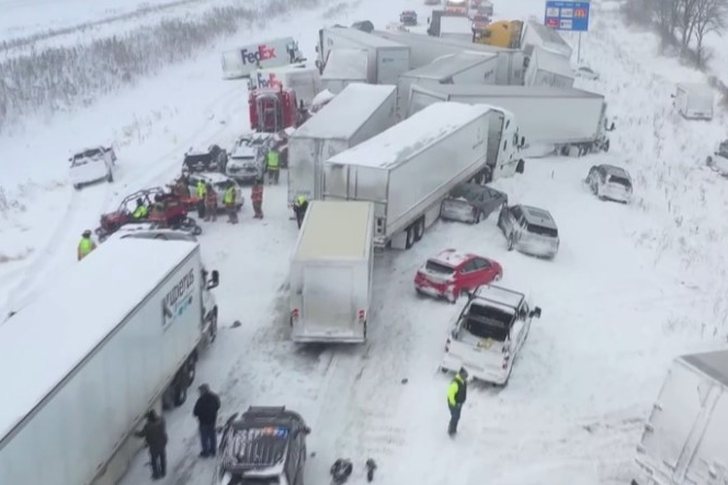
More than 100 vehicles have been involved in a massive acc...

Donald Trump's participation in the Davos Forum aroused gr...
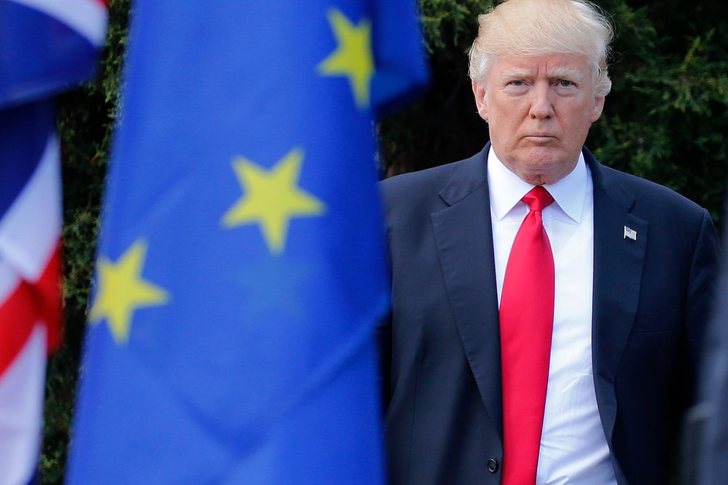
US President Donald Trump has vowed to fully implement his...
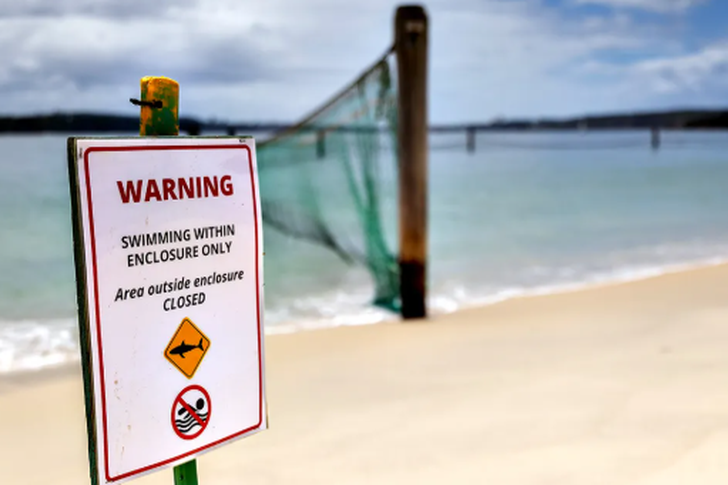
A series of three shark attacks in just over 24 hours near...
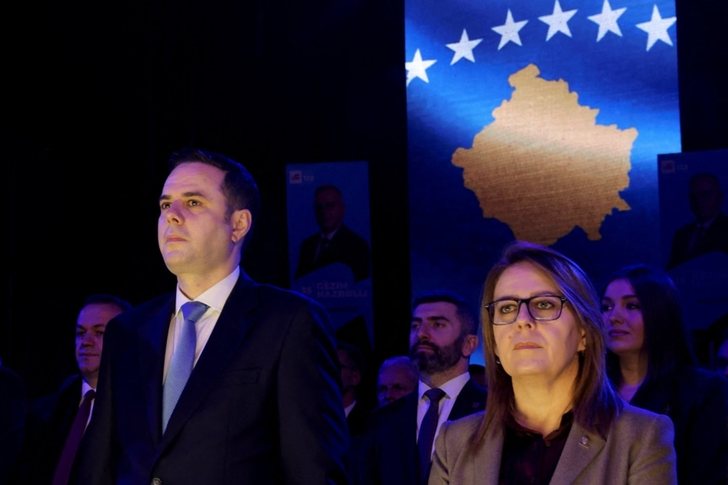
The Democratic League of Kosovo (LDK) will hold its party ...

The son of the Crown Princess of Norway, Marius Borg Hoiby...
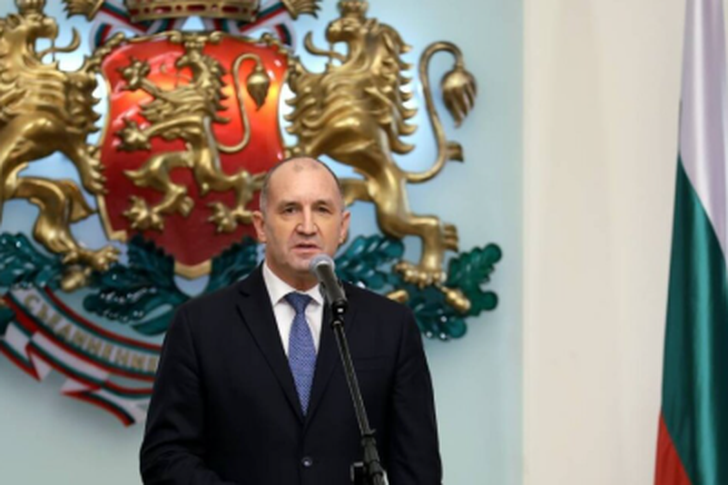
Bulgarian President Rumen Radev announced this Monday that...

Armed gangs have kidnapped dozens of people attending two ...
The Ministry of Finance announced that only certain catego...
An Albanian prisoner serving a life sentence was murdered ...
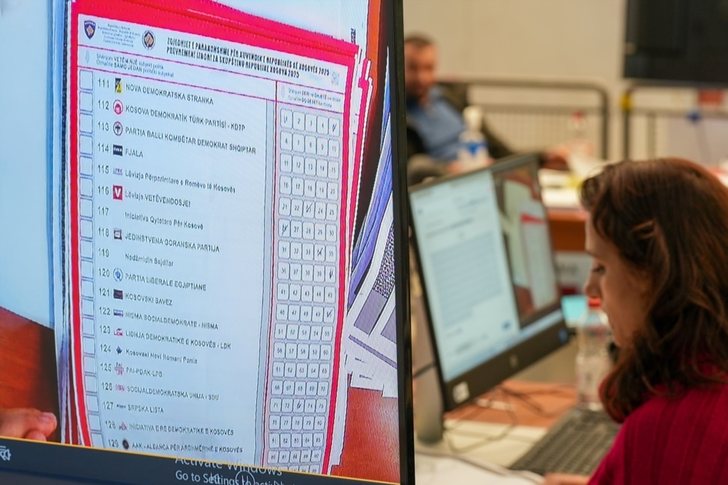
At a time when Kosovo has boasted and been praised by othe...
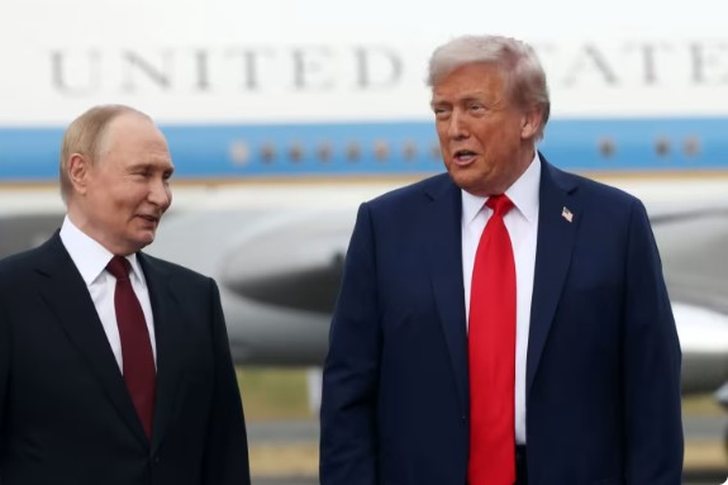
The Kremlin has announced that Vladimir Putin has been inv...
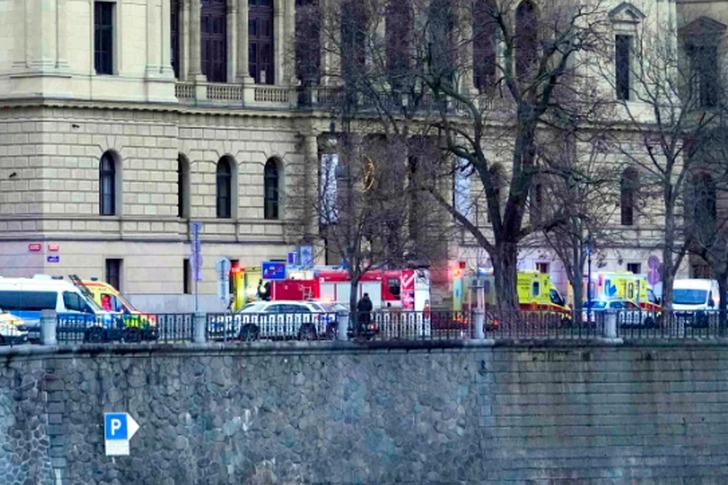
Two people, including a gunman, were killed and six others...
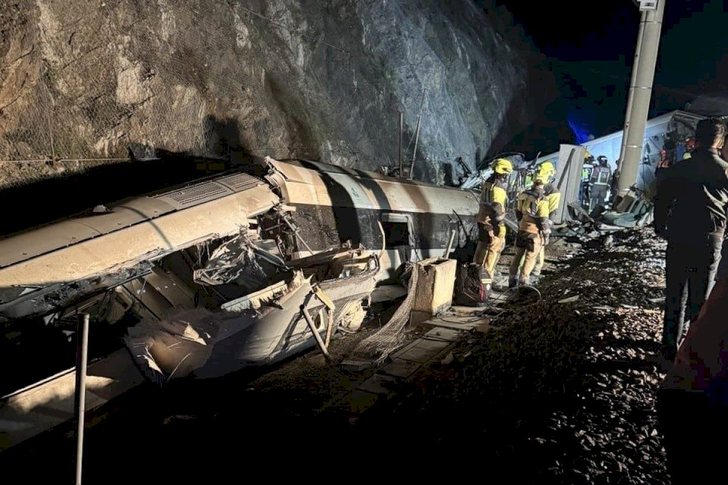
The Spanish government has officially confirmed three days...
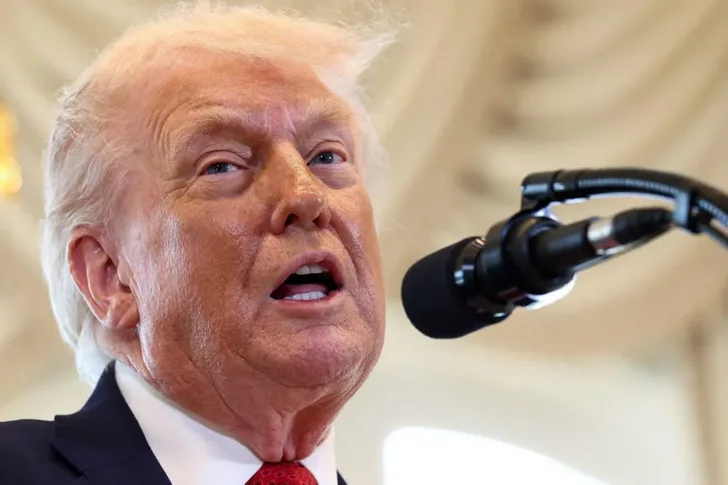
US President Donald Trump has said he no longer feels comp...
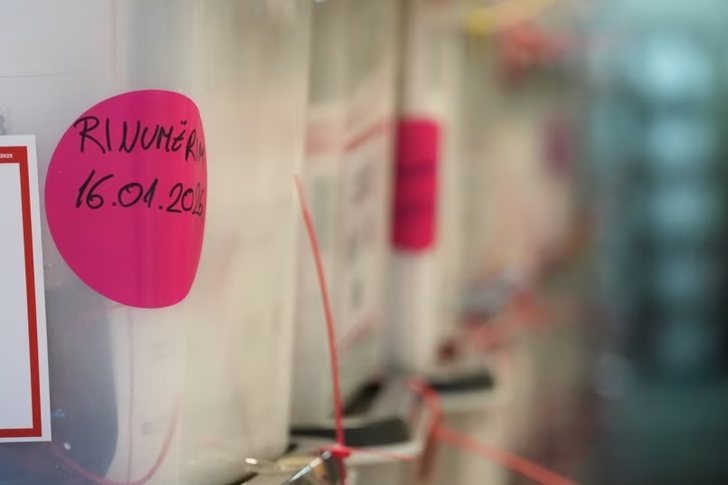
The Central Election Commission has decided to have a full...
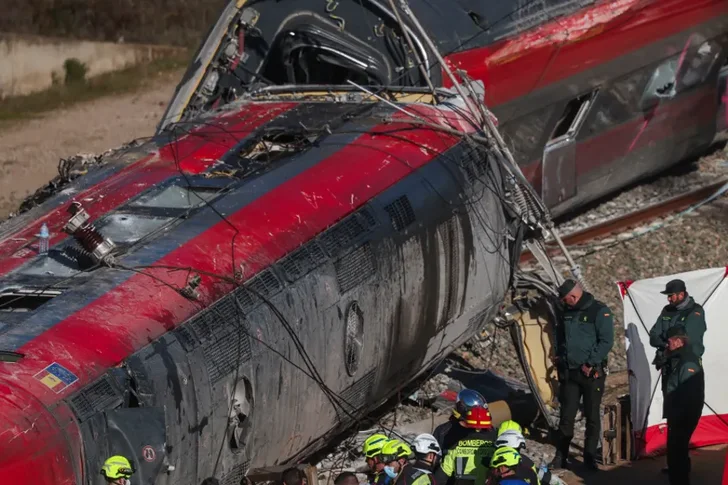
At least 39 people have died and dozens more have been inj...
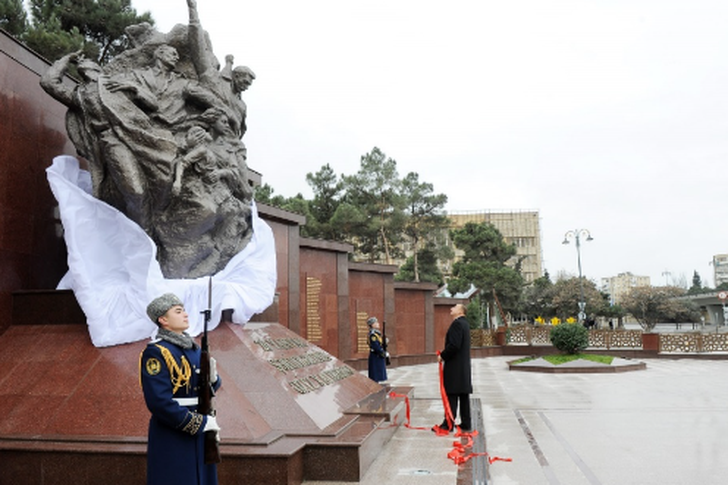
January 20, 1990 is a decisive historical moment on the pa...
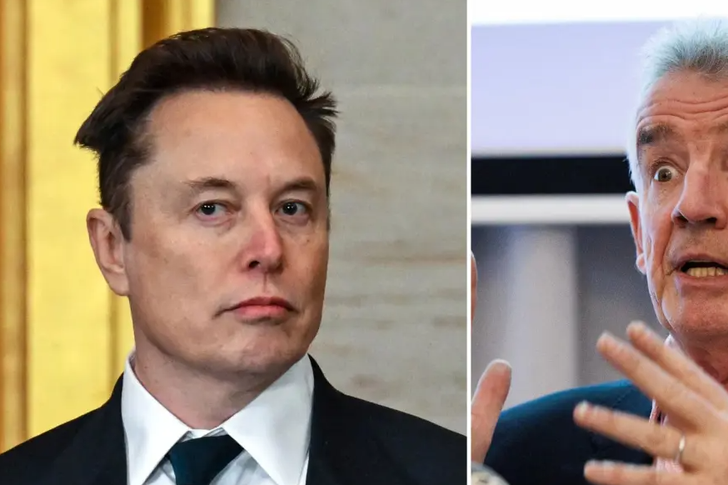
Ryanair's decision to bypass Starlink WiFi has turned into...

The next case broadcast on the show "Stop", this Thursday,...
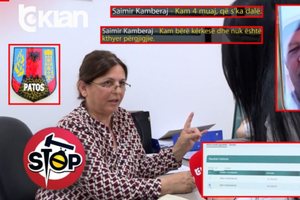
The case published this Thursday, June 4, on the show "Sto...

The protests of recent days related to the situation in Zv...
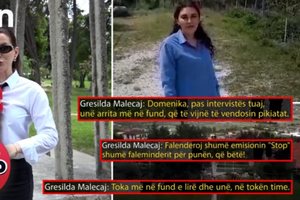
The case addressed this Wednesday, June 3, on the show "St...

The Special Board of Appeal (KPA) decided this Monday ...

The KPA vetting decided this Thursday to dismiss the p...

Suela Salavaçi, a prosecutor in the Prosecutor's Offic...

The Special Board of Appeal reinstated the prosecutor ...
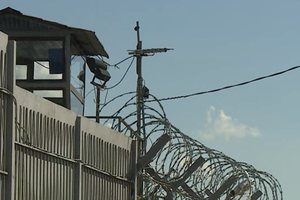
A convict was found dead today in the premises of the Pris...
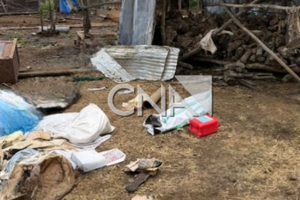
Several images provided by CNA show the area where this mo...

A quantity of explosive material exploded this morning at ...
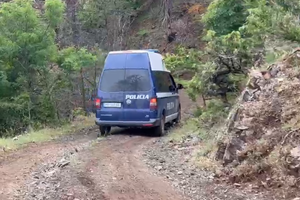
Witnesses in Lozhan, Maliqi, have shared details from the ...

Today our country will be affected by stable weather condi...

For many children and teenagers, the long summer holidays ...
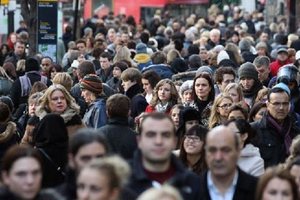
Albania is facing an unprecedented demographic transition,...

On Thursday, our country will be affected by unstable weat...
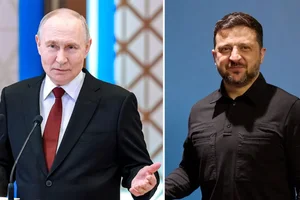
Russian President Vladimir Putin said the war in Ukraine c...
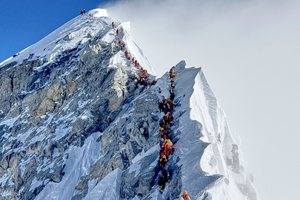
An extraordinary story of survival has been recorded in Ne...
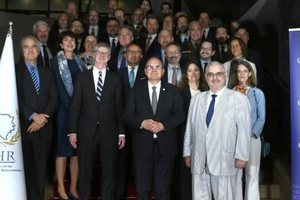
The Peace Implementation Council in Bosnia and Herzegovina...
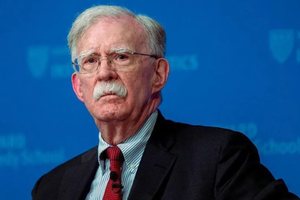
John Bolton, the former national security adviser to US Pr...
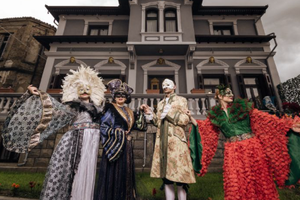
Korça is ready to open the summer season with one of the c...
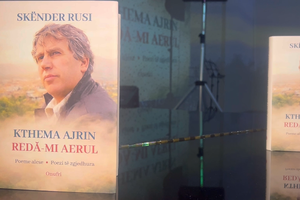
Two years after his passing, the renowned Korçë poet Skënd...
The Ethnographic Museum of Berat has opened its doors to v...
The story of Harilla Bakalli is one of the most chilling t...
The government aims to transform the country's industrial ...

Kursi i këmbimit të euros me lekun ka rënë më tej këtë jav...

Profit margins in the construction sector have increased s...

The Transparency Board, at its meeting today, decided to i...