


After the match, protesters move to the DP headquarters: Opposition sold out
After the match, the protesters moved in front of the DP h...

After the match, the protesters moved in front of the DP h...

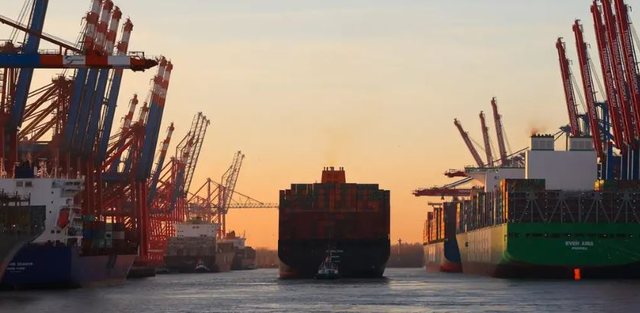
It was just before the turn of the millennium when the British business magazine The Economist came to a devastating conclusion about the German economy. "Germany is The sick man of the Europe - the sick man of Europe. At that time it sounded like a wake-up call even for German politicians, who, still drunk from the economically strong years after reunification, had rejected any reforms. These reforms were compensated by the government of the then chancellor Gerhard Schröder (SPD), for example, with the labor market reform known as Hartz IV.
The situation changed for the better and this lasted for 14 years. A group of economists from Berlin and London wrote an essay on Germany entitled: From Europe's sick man to an economic superstar.
Deterioration of the condition and bad forecasts
But now the old expression "the sick of Europe" is making rounds again. The German economy is not able to recover from the last crisis. Economic production has stagnated in the first six months, which economists call a "technical recession". In the quarter last, the gross domestic product remained at the level of the previous quarter. While all the important indicators lead to the conclusion that the German economy will decline during this year. This is also shown by the important index of the business climate of the Institute from Munich Ifo In July, the data of the survey with 9,000 managers of German companies was published, which states that "the situation in the German economy is getting darker" and that there will be a decrease during the year of 0.3%.
Ifo researchers are not the only ones who are confident that gross domestic product will probably fall again in the third quarter. This is also clear to Commerzbank chief economist Jörg Kramer: "Unfortunately, there is no improvement on the horizon," Kramer told the Reuters news agency. "Global interest rate hikes are influencing the situation, especially as German companies have problems with their location." Krämer's colleague Alexander Krüger of Hauck Aufhäuser Lampe Privatbank sees the situation similarly: "The problem is that economic output is still only at the pre-corona level."
"Germany is also held back by European economic cycles," says Jens-Oliver Niklasch of Landesbank Baden-Württemberg (LBBW).
Industry and its problems
Germany currently fares worse compared to other industrialized countries. According to the estimates of the International Monetary Fund (IMF), this year Germany will be the only country among the big countries that will experience an economic contraction. What worries the most is industry, which, at around 24 percent, makes up a large part of the German economy. The lack of orders from other countries is particularly noticeable in sectors that are heavily dependent on exports, such as mechanical engineering and the automotive industry. The important Chinese market after the corona pandemic is not recovering with the hoped-for momentum.
The companies are still doing well because of the previous orders, but it looks like these orders will be processed soon as well. While there are not many other orders - from March to May, for example, there were about six percent fewer orders than in the previous three months.
A whole range of reasons
The decline of the German economy has many causes. One of them is the monetary policy of central banks. Monetary watchdogs want to curb inflation by significantly raising interest rates. This makes loans more expensive for companies and consumers, which hinders and slows down the construction industry, which is also very important for Germany, and this also slows down companies' willingness to invest.
Edhe vendet e tjera si Franca dhe Spanja kanë probleme me kreditë, por ato aktualisht janë në gjendje më të mirë. "Të gjithë fqinjët tanë evropianë kanë një dinamikë të zhvillimit më të lartë ekonomik," konfirmon Moritz Schularick, Presidenti i ri i Instituti i Kielit për Kërkime Ekonomike Ekonomia Botërore (IfW).
Gjermaninë e ngadalësojnë edhe disa probleme strukturore. Modeli dikur i suksesshëm i biznesit (importimi i energjisë së lirë - veçanërisht ruse - por edhe i lëndëve të para) nuk funksionon më. Krizat e shumta të viteve të fundit (korona, problemet në furnizimin me lëndë të para dhe me produkte, lufta e Rusisë në Ukrainë...) kanë nxjerrë pamëshirshëm në sipërfaqe dobësitë e ekonomisë gjermane. Lista e vështirësive vazhdon: Kompanitë po vuajnë nga kostot e larta të energjisë, ndërsa ato që kanë zhvendosur prodhimin në vende të tjera nuk po kthehen.
Kërkohen zgjidhje të guximshme
Një studim aktual nga DZ Bank i sheh kompanitë e mesme - të quajtura zakonisht si "shtylla kurrizore e ekonomisë gjermane" - si veçanërisht të rrezikuara. Autorët vënë në dukje një koktej të vërtetë të disavantazheve të vendndodhjes: përveç çmimeve të energjisë, përmendet mungesa e punëtorëve të kualifikuar, por edhe burokracia e tepërt, taksat e larta dhe një infrastrukturë e dobët e digjitalizimit. Përveç kësaj, Gjermania ka një popullsi të plakur. "Pjesë të mëdha të ekonomisë sonë nuk kanë besim se investimet do të shpërblehen për shkak të kostove të larta, si dhe rregulloreve ndonjëherë kontradiktore," tha së fundmi Peter Adrian, President i Dhomës Gjermane të Industrisë dhe Tregtisë për Agjencinë Gjermane të Shtypit.
Ndërsa Schularik shkruan në një artikull në faqen e internetit të institutit të tij: "Nëse Gjermania nuk dëshiron të bëhet përsëri "i sëmuri i Evropës", ajo duhet të investojë me guxim në sektorët që mund të rriten nesër e jo të përpiqet që me miliarda euro të ruajë industritë e djeshme."
Sipas Schularick, kjo nënkupton edhe eliminimin e shpejtë të deficiteve të dekadës së kaluar dhe eliminimin e tyre. Më së shumti duhet punuar në: "Eliminimin e prapambetjes në të gjitha fushat digjitale, në krijimin e kapaciteteve shtetërore dhe infrastrukturës publike, ndërtimin e banesave të domosdoshme dhe shtimin e numrit të punëtorëve të huaj për të kundërshtuar ndikimin në ekonomi të plakjes së fuqisë punërtore”./DW



The Greek government will offer a week of free holidays in...
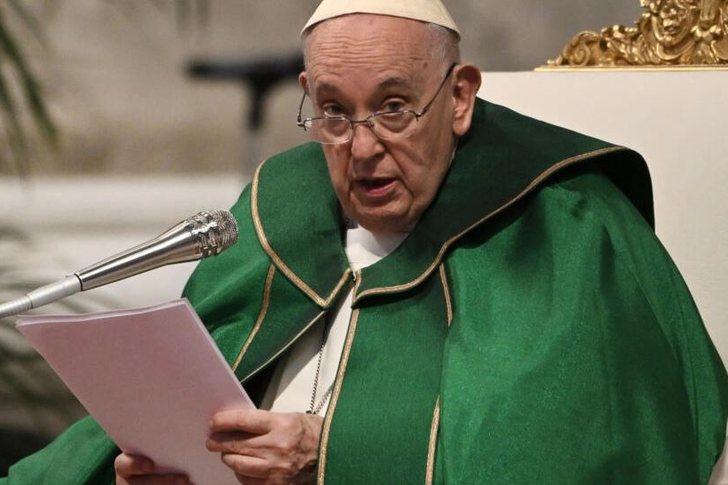
Pope Francis arrives in Lisbon on Wednesday for a global g...
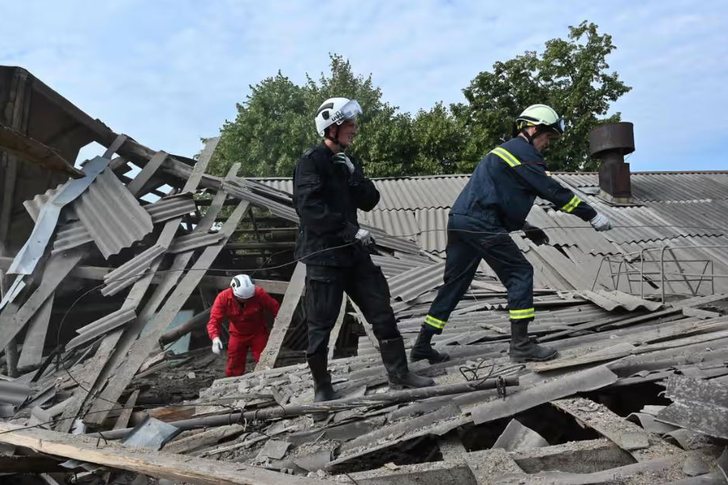
Russian drones attacked ports and grain storage facilities...
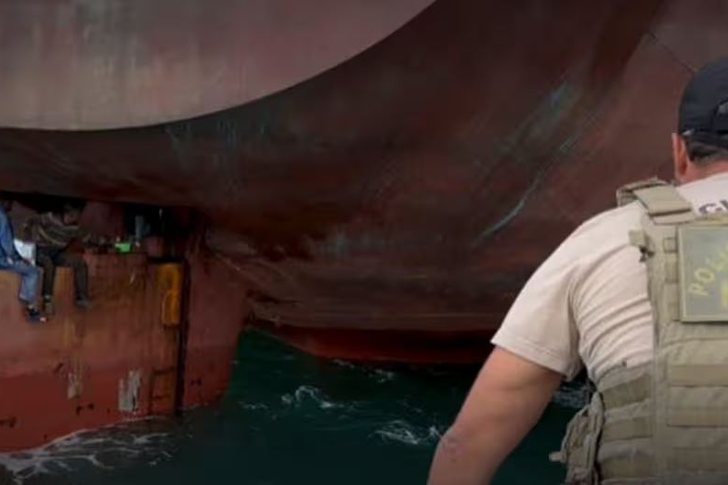
Four Nigerians have survived 14 days at the wheel of a car...
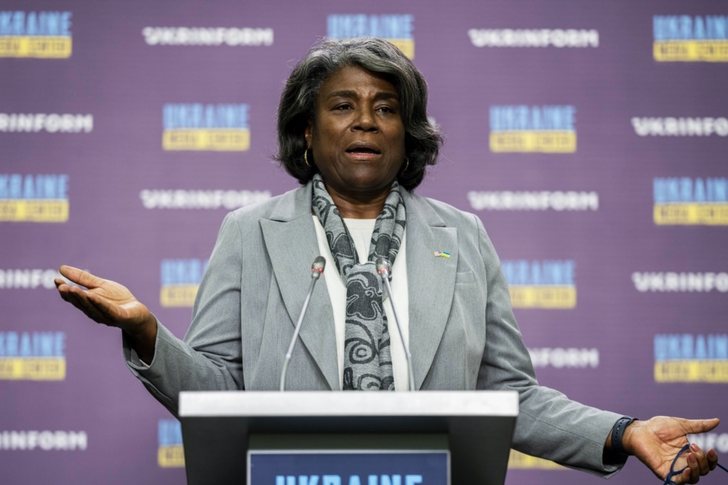
The United States has been told that Russia is ready to re...
A postman in Uzbekistan died in the elevator after being s...

Businessman Liam Kavanagh defrauded Thurrock council i...
After a long period of tension and international mediation...
Iran has declared a two-day nationwide holiday due to extr...
The outstanding writer, Ismail Kadare, has been granted th...
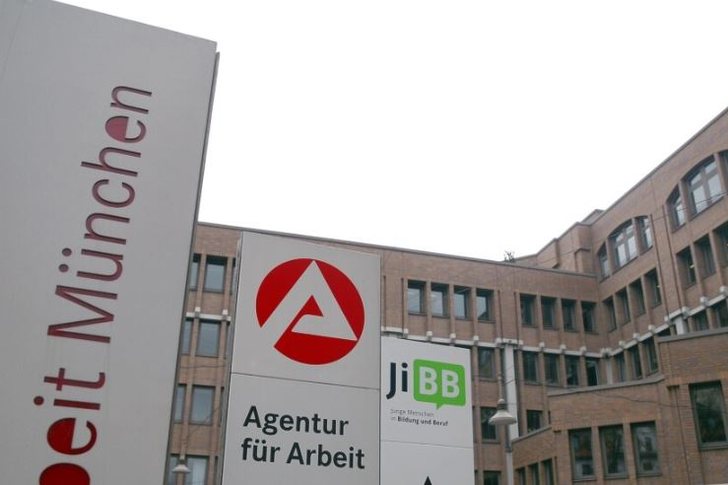
Germany's unemployment rate rose by 0.2 percent to 5.7 per...
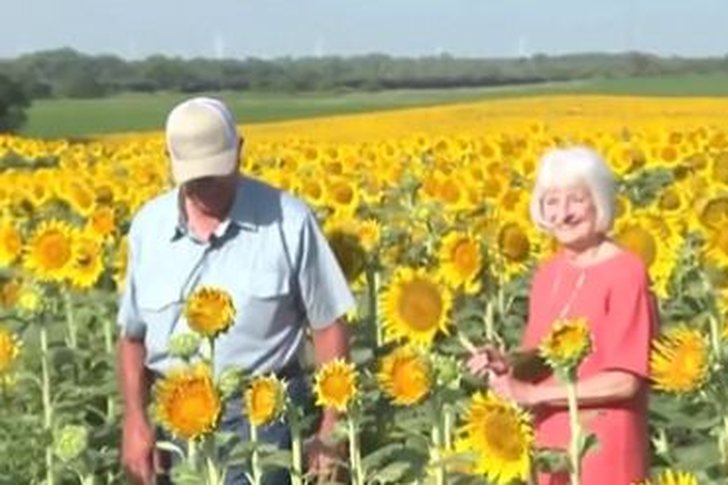
Anniversaries are always special, especially when it comes...
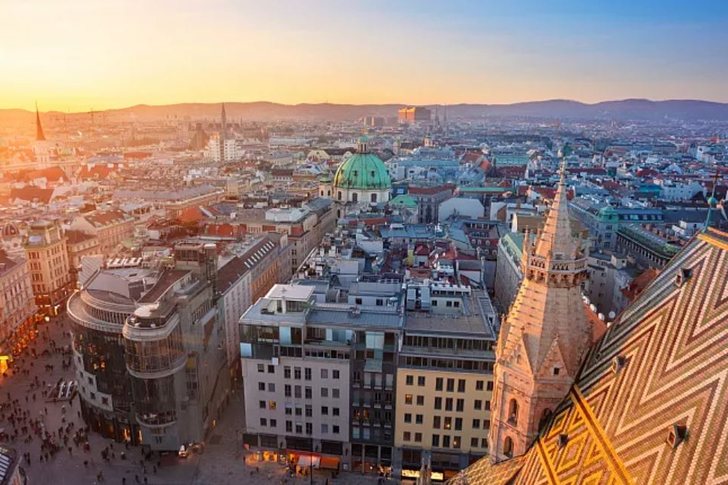
It may happen that you have ever visited a city and left w...
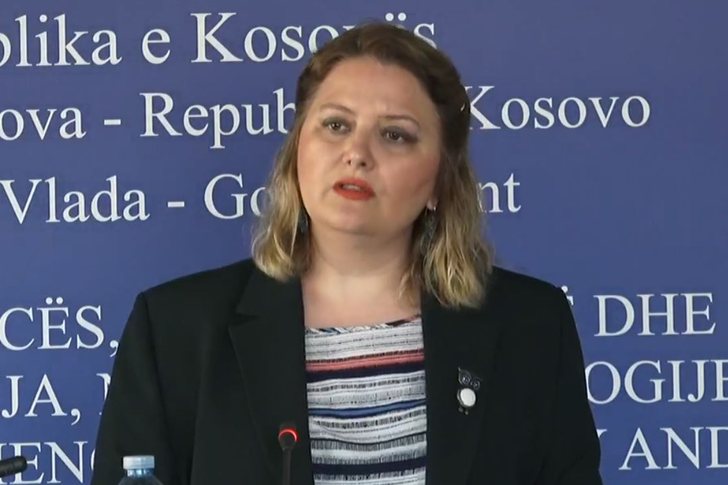
On Tuesday, Edona Maloku Bërdyna announced that she has re...

A man identified as French climber Remi Lucidi has been fo...
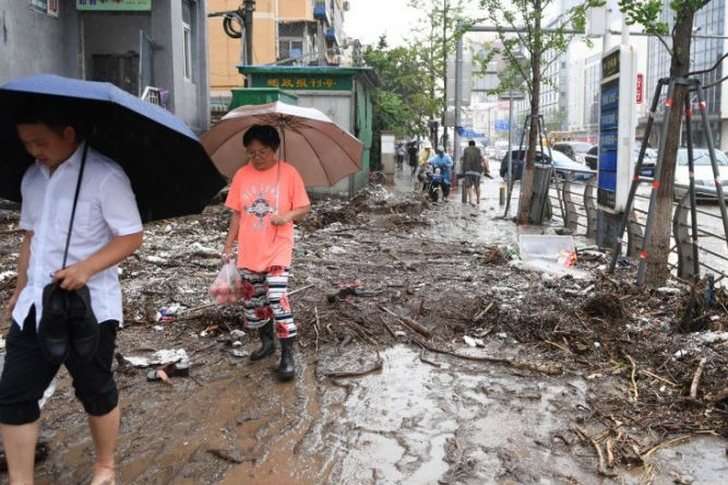
At least 11 people have died and 27 are missing after floo...
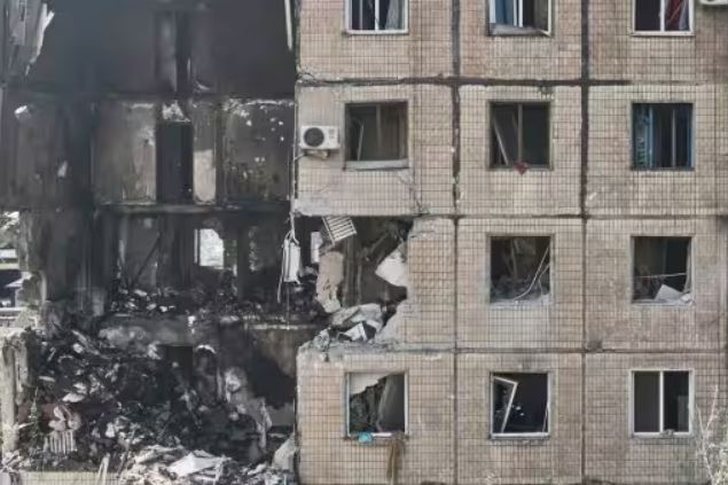
Officials in Kharkiv, Ukraine's second-largest city, said ...
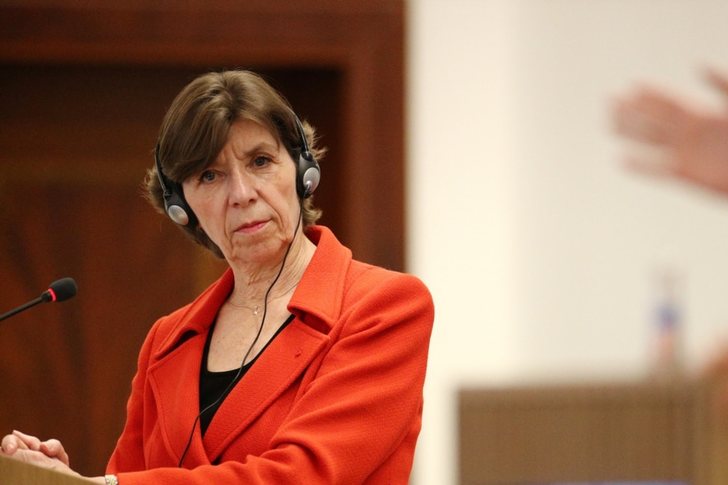
The Foreign Minister of France denied the accusations of t...
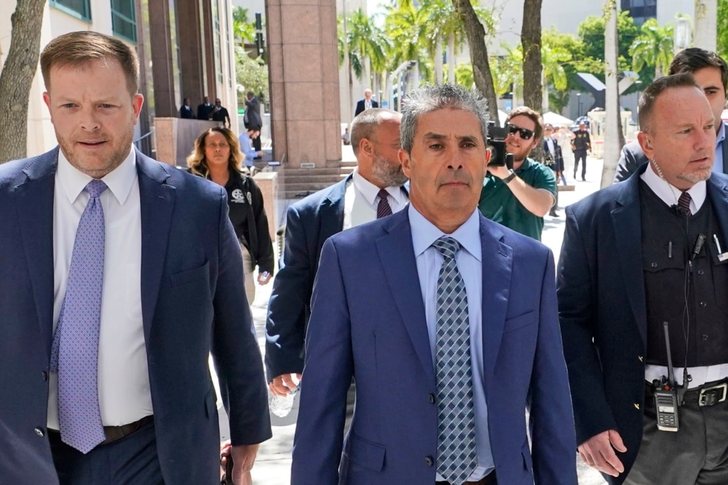
The manager of former President Donald Trump's Mar-a-Lago ...
The Foreign Minister of France denied the accusations ...
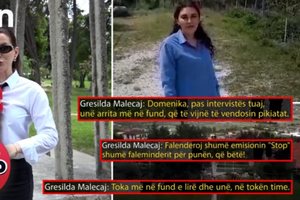
The case addressed this Wednesday, June 3, on the show "St...
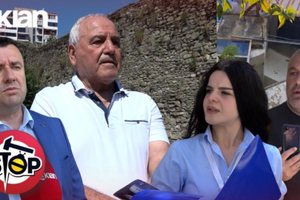
The show "Stop" broadcast this Wednesday, June 3, the case...

Irfan Hysenbelliu claims to be a big businessman, an hones...

The show "Stop" dealt with a denunciation case this Tuesda...

The Special Board of Appeal (KPA) decided this Monday ...

The KPA vetting decided this Thursday to dismiss the p...

Suela Salavaçi, a prosecutor in the Prosecutor's Offic...

The Special Board of Appeal reinstated the prosecutor ...
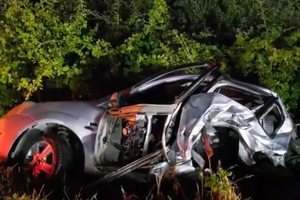
A road accident occurred this evening on the Tirana-Durres...
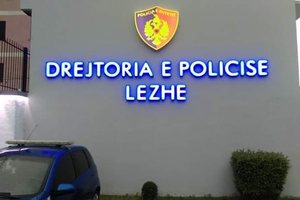
Policia e Lezhës ka dalë me reagim zyrtar lidhur me ngjarj...
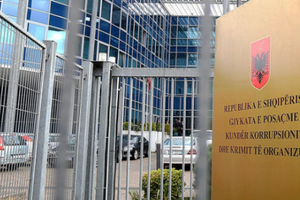
The Special Court against Corruption and Organized Crime h...
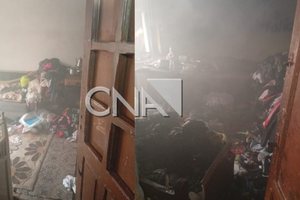
Një banesë është përfshirë nga flakët në lagjen nr. 4 në q...
An alarming figure of more than 166.4 thousand Albanians a...
The weather today will be mostly clear and temperatures wi...
The cherry harvest season is expected to begin in the vill...
The education system in Albania is facing a challenging re...
United States President Donald Trump announced in a post o...
Asambleja e Përgjithshme e Kombet e Bashkuara ka përfundua...
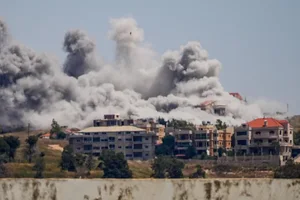
At least nine people have been killed in Israeli airstrike...
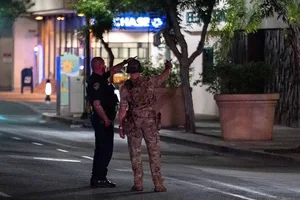
A serious incident has occurred in Bakersfield, California...

Korça is ready to open the summer season with one of the c...
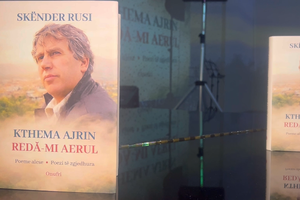
Two years after his passing, the renowned Korçë poet Skënd...
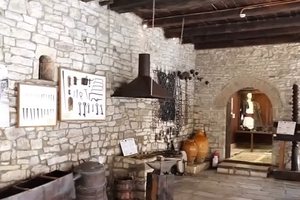
The Ethnographic Museum of Berat has opened its doors to v...
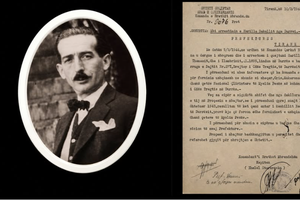
The story of Harilla Bakalli is one of the most chilling t...
The Minister of Finance, Petrit Malaj, announced today a n...
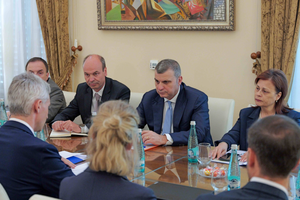
Guvernatori i Bankës së Shqipërisë, Gent Sejko, priti m...
Today, in the foreign exchange market, one US dollar is bo...
DP MP Igli Cara has submitted to the Parliament a draf...