

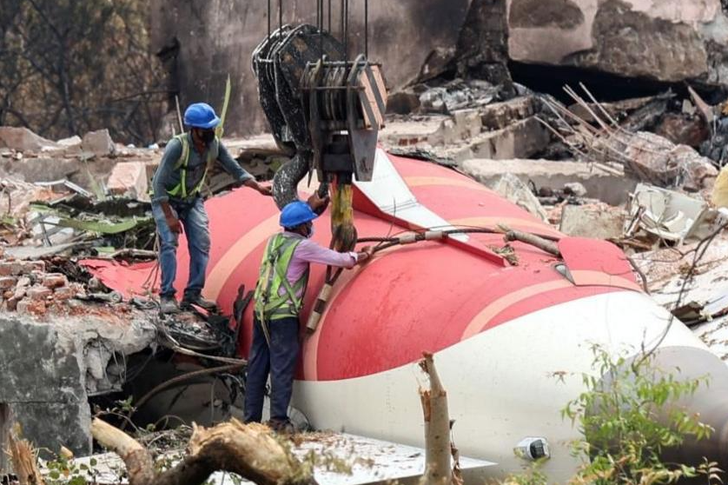
Air India plane crash/ Preliminary report released
A preliminary report into the Air India crash in June has ...


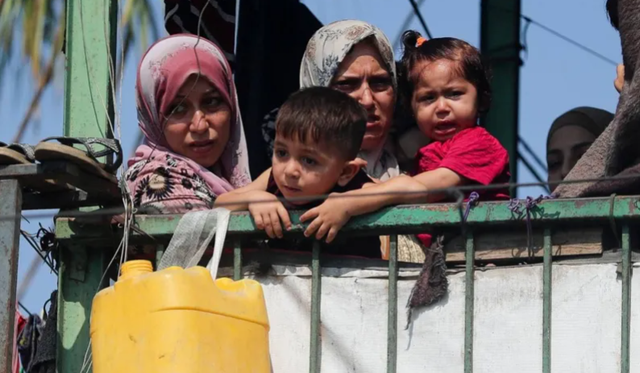
Negotiations between Israel and Hamas in Qatar over a new ceasefire in Gaza and a deal to release hostages are on the verge of failure, according to Palestinian officials familiar with the details of the discussions.
A senior official told the BBC that Israel had "bought time" during Prime Minister Benjamin Netanyahu's visit to Washington this week and had deliberately blocked the process by sending a delegation to Doha with no real authority to make decisions on the main points of disagreement.
They include the withdrawal of Israeli troops and the distribution of humanitarian aid.
Before leaving the US on Thursday, Netanyahu had maintained a positive tone, saying he hoped to reach a deal "within a few days."
He said the proposed deal would see Hamas release half of the 20 living hostages it still holds and just over half of the 30 dead hostages during a ceasefire that would last 60 days.
Since last Sunday, Israeli and Hamas negotiators have participated in eight rounds of "close" indirect talks in separate buildings in Doha.
They were facilitated by Qatari Prime Minister Sheikh Mohammed bin Abdul Rahman Al Thani and senior Egyptian intelligence officials, and were also attended by US envoy Brett McGurk.
The mediators have conveyed dozens of verbal and written messages between the Hamas delegation and the Israeli delegation, which has included military, security and political officials.
But on Friday evening, Palestinian officials familiar with the negotiations told the BBC that they were on the verge of failure, with both sides deeply divided on several contentious issues.
They said the most recent discussions had focused on two of these issues: the mechanism for providing humanitarian aid to Gaza and the extent of the Israeli military withdrawal.
Hamas has insisted that humanitarian aid should enter Gaza and be distributed through United Nations agencies and international aid organizations.
Israel, on the other hand, is pushing ahead with aid distribution through the controversial Israeli-US-backed mechanism run by the Gaza Humanitarian Foundation (GHF).
According to mediators involved in the process, there has been some limited progress in bridging the divide on this issue. However, no formal agreement has been reached.
The second major point of disagreement is the extent of the Israeli withdrawal.
During the fifth round of talks, Israeli negotiators reportedly handed the mediators a written message stating that Israel would maintain a limited "buffer zone" inside Gaza that was between 1 km and 1.5 km (0.6-0.9 miles) deep.
Hamas, according to a Palestinian official who participated in at least two of the rounds of talks, saw this proposal as a possible starting point for compromise.
However, when Hamas requested and received a map depicting Israel's proposed withdrawal zones, the document contradicted the previous message, showing military positions much deeper. The map reportedly showed buffer zones that were up to 3 km (1.8 miles) deep in certain areas and confirmed a continued Israeli presence over large areas of territory.
They covered the entire southern city of Rafah, 85% of the village of Khuzaa east of Khan Younis, significant parts of the northern cities of Beit Lahia and Beit Hanoun, and eastern neighborhoods of Gaza City, such as Tuffah, Shejaiya, and Zeitoun.
Hamas officials saw the map as a dishonest maneuver by Israel, further damaging trust between the parties.
Palestinian officials accused the Israeli delegation of deliberate delay to create a positive diplomatic backdrop for the Israeli prime minister's recent visit to Washington./ CNA

A preliminary report into the Air India crash in June has ...

US President Donald Trump visited the site of the devastat...

At least three people have been killed in airstrikes carri...

Moscow has destroyed or damaged more than 500 cultural sit...

The Portuguese parliament today reclassified rape as a pub...

US President Donald Trump said today that Washington will ...

Presidenti amerikan Donald Trump dhe Zonja e Parë Melania ...

Parlamenti i Greqisë miratoi të premten një pezullim tremu...

According to Kiev's estimates, Ukraine will need billions ...

Is the trade deal with the US close? The European Parliame...

US Secretary of State Marco Rubio said today that the US a...

This Thursday, in Rome, the Ukraine Recovery Conference 20...
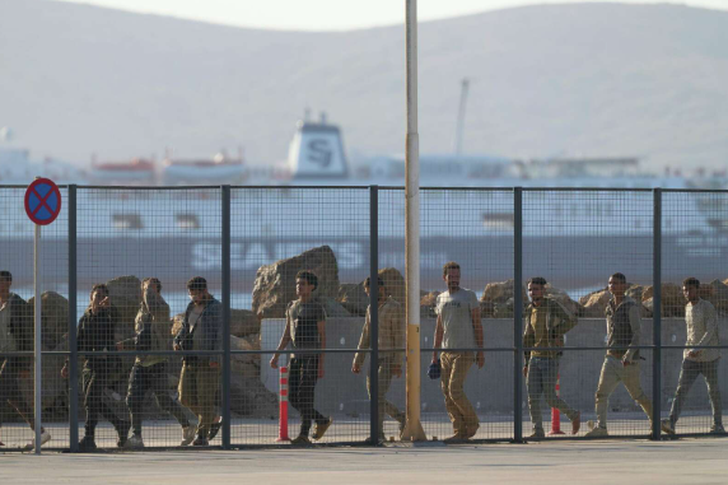
More than 500 people were transferred to the port of Lavri...
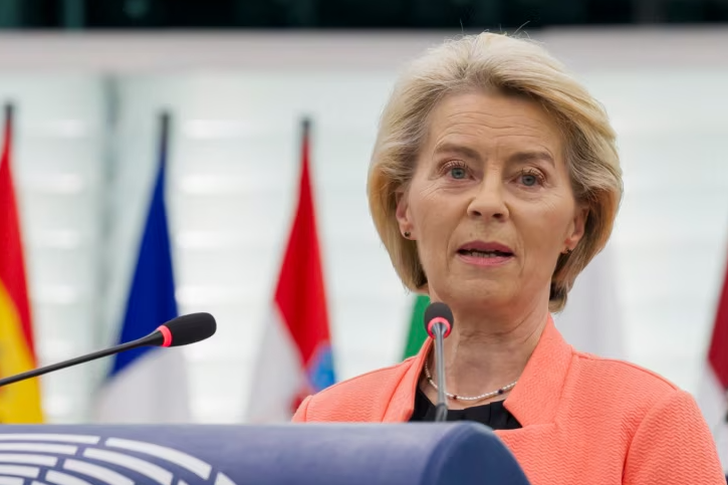
European Union lawmakers are holding a no-confidence vote ...
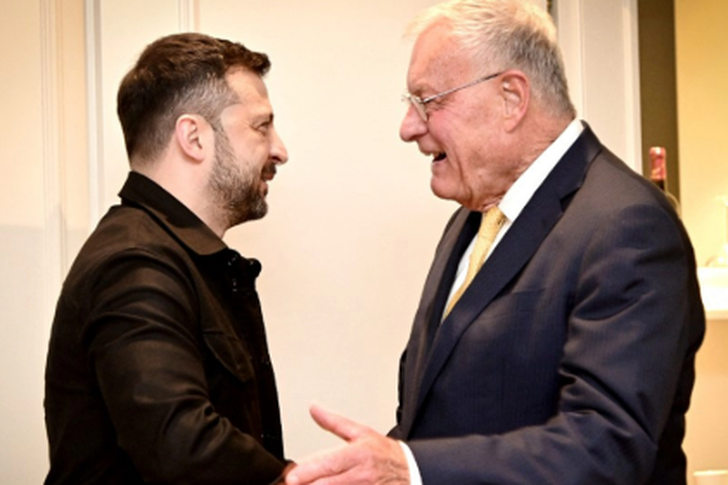
Presidenti ukrainas Volodymyr Zelensky u takua sot me të d...
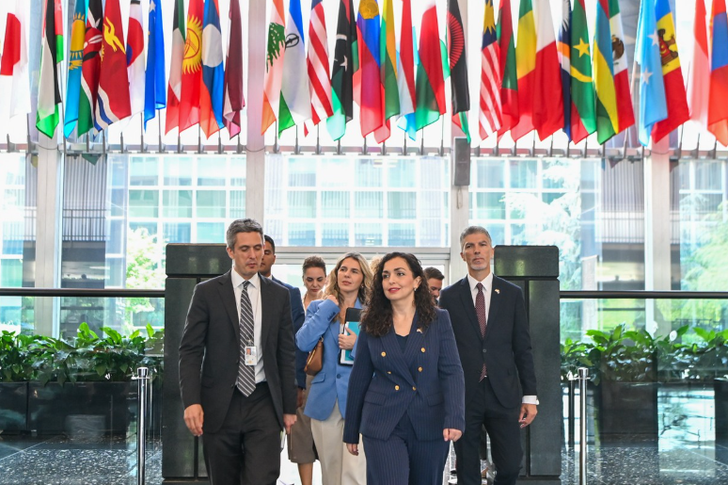
Kosovo President Vjosa Osmani is visiting the State Depart...

The US administration is continuing its standoff with Harv...

Ukrainian President Volodymyr Zelensky and Pope Leo XIV di...

In a terrifying development that has shocked Greece, 25-ye...

German Chancellor Friedrich Merz said he was optimistic th...

CNA has launched another investigation that could lead to ...

Irfan Hysenbelliu is a businessman that we call "Irfan the...

In March 2026, CNA launched another investigation centered...
The arrested mayor of Tirana, Erion Veliaj, with 13 charge...

The Special Board of Appeal (KPA) decided this Monday ...

The KPA vetting decided this Thursday to dismiss the p...

Suela Salavaçi, a prosecutor in the Prosecutor's Offic...

The Special Board of Appeal reinstated the prosecutor ...

This Wednesday, around 4:00 PM, a serious accident occurre...

Tirana Police have shared details regarding the accident t...

New details have emerged regarding the accident that occur...

New details have emerged from the serious accident that oc...

A serious accident that occurred this Wednesday with the c...

The Institute of Geosciences has shared a forecast for wea...

Rising energy and fertilizer prices are expected to contin...

Over 18,000 foreign citizens from 140 countries have appli...

US President Donald Trump has issued another warning to Ir...

Prime Minister Andy Burnham has announced that most bus fa...

France's parliament has passed a law to ban social media f...

US Secretary of State Marco Rubio arrived in Manila on Jul...

At a time when industrial products are increasingly taking...

Trust among people is not just a three-syllable word. It c...

Master of humor Todi Llupi has passed away at the age of 7...

The ninth edition of "MIK Festival" kicked off with one of...

The price of diesel reached 206 lek per liter from 198 lek...

Businesses will no longer be required to simply register t...

Despite economic growth and income in recent years, Albani...

This Wednesday, one US dollar is bought for 81.4 lek and s...