


"The protest is bringing out the anger of Albanians"/ Murrizi: The SP and DP MPs' lack of empathy for the citizens
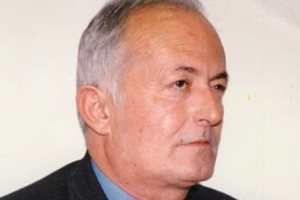
Former MP, Myslim Murrizi, today expressed harsh criticism...

Former MP, Myslim Murrizi, today expressed harsh criticism...

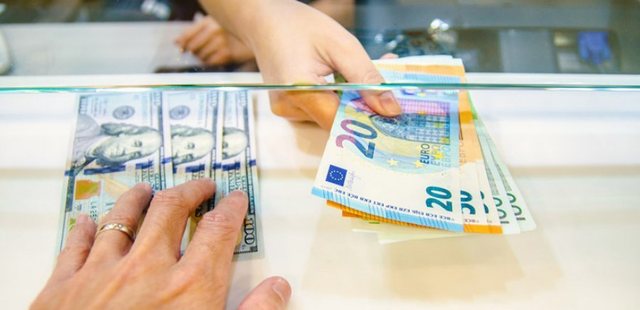
The Bank of Albania also during 2023 carried out inspections in its supervisory entities for the administration of money laundering risk.
Specifically, during the year 2023, inspections were carried out for the prevention of money laundering and the financing of terrorism in 61 entities, including: 5 banks; 5 non-bank financial entities; 1 savings and credit company (SKK); 50 ZKV, of which in 11 ZKV the follow-up of the implementation of the recommendations for the deficiencies found in the previous examination was carried out.
The types of problems identified in banks belong to typologies such as: regulatory framework, due diligence/extended processes, training, staff and centralized system, the report states.
In general, from the on-site inspections carried out in banks during 2023, it has been found that, in matters of PPP/FT risk management, banks pay attention and have increased efforts for an appropriate management of this risk, compliance with legal and regulatory requirements and of the internal regulatory framework in this field.
The identified problems belong to typologies such as: regulatory framework, proper/extended vigilance processes, support to third parties. Banks, in particular, have set up satisfactory structures and systems for this function and have increased the efficiency of preventive measures, which is reflected in the increase in the number and quality of reports of suspicious activities.
Some problems identified in the banks were transactions in physical money in high values; use of personal accounts for business purposes; relying only on the business extract, without analyzing the financial data of the subject (activity) against the client's profile; cases of transactions in physical money over the threshold of one million lek that were not reported.
For non-bank financial institutions (IFJB) and savings and credit societies (SCSC), their inspection revealed deficiencies in the internal regulatory framework for PPP/FT; responsible structure/staff; implementation of appropriate and enhanced vigilance; centralized system; internal control; TF and TFS risk management processes; training; ETC.
The biggest problems were found in foreign exchange offices, for which more administrative measures were taken.
According to the BSH report, from the inspection of the Foreign Exchange Offices (ZKV) deficiencies were identified regarding the lack of knowledge and consequently the non-implementation of legal/regulatory obligations regarding: (i) the implementation of proper/extended vigilance; (ii) the centralized system; (iii) trainings; (iv) lack of evidence documenting the verification regarding TF and TFS; (v) lack of analysis and lack of use of the AIF online reporting portal. In order to address the shortcomings, in addition to the recommendations, administrative measures (fines) were also taken against them.
For the problems identified for the ZKV, it was followed up with supervisory/administrative measures respectively as follows:
– Administrative measure 17 ZKV- Drawing attention 8 ZKV- License revocation 2 ZKV.
Some of the main problems of foreign exchange offices are related to:
- non-compliance with client identification procedures in terms of identifying clients and verifying their identity, as well as deficiencies in maintaining supporting documentation of foreign exchange actions;
- non-compliance with the requirements for taking preventive measures for the creation of a centralized system responsible for collecting and analyzing data and with elements for identifying anomalies;
– insufficient knowledge and non-implementation of legal obligations, as well as by-laws for PPP/PFT;
- lack of evidence for suspected cases of similarity of names with the announced lists and sanctions lists of the United Nations Security Council (UNSC) or evidence that verifications have been carried out with the announced lists. /Monitor


Today, a hearing will be held in the Special Court for...
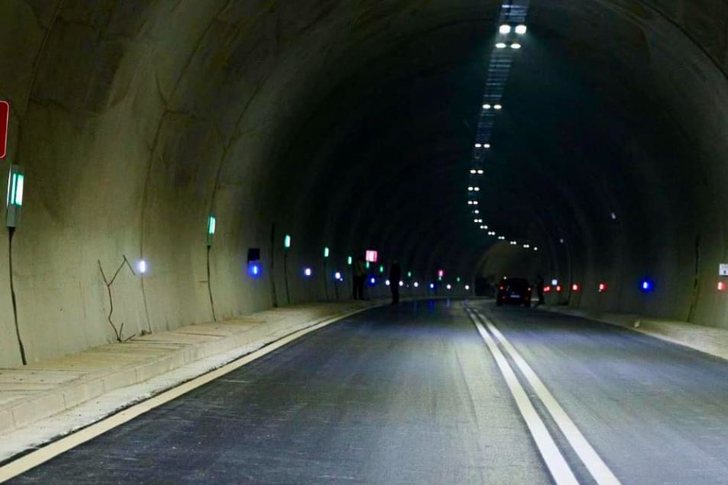
Today, July 5, the Llogara tunnel opens, which has a l...
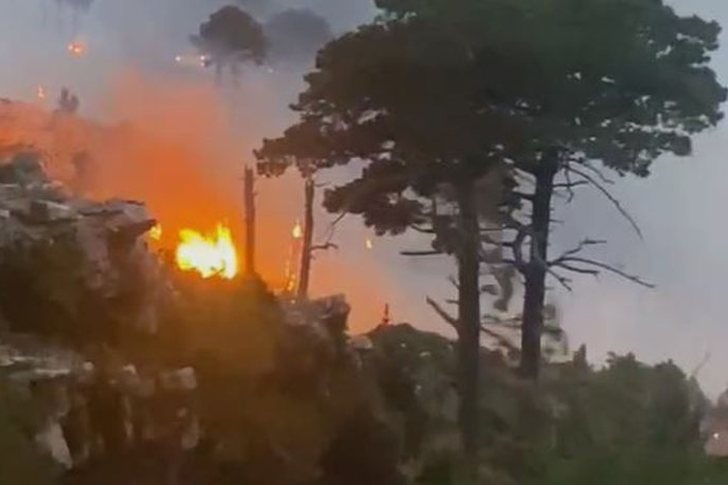
In the early hours of this morning, a beach bar in Radhimë...
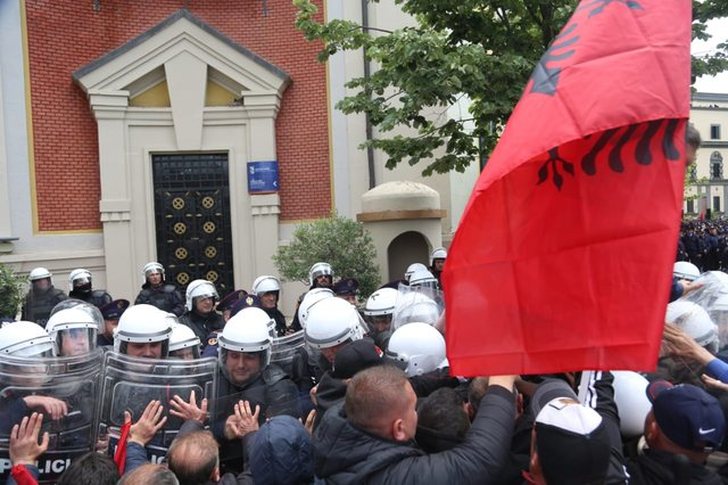
Today, the 15th protest is expected to take place in f...

This Friday we are introducing you to some of the main pre...

In 2023, the average salary in the economy reached 70....
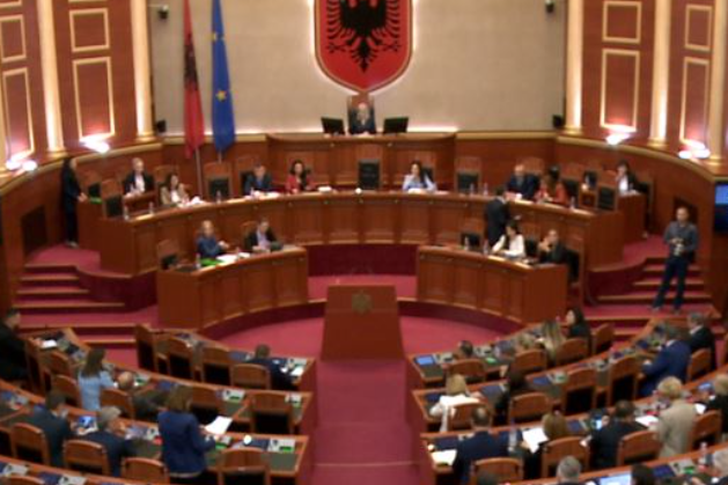
The MPs rejected this Thursday the candidacies for the mem...
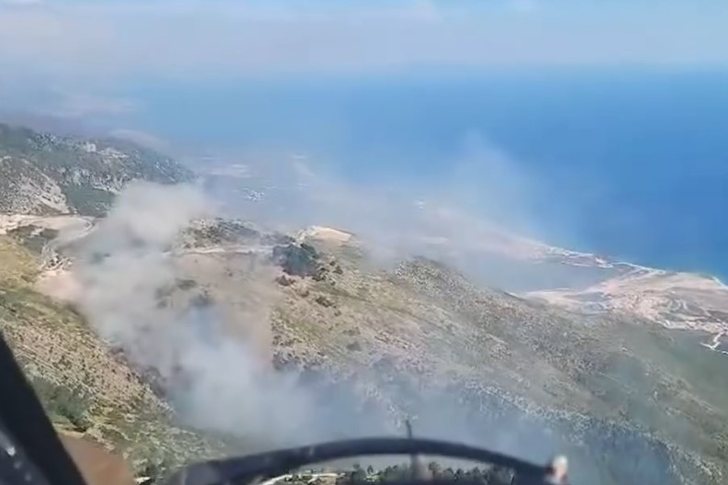
The Minister of Defense, Niko Peleshi, has reacted to ...

Ivanka Trump, daughter of former US President Donald T...
The Special Prosecutor's Office has added another secu...
The Prosecutor's Office of Korça requests security mea...

Juri Ymeraj is arrested in Rome. He was declared wanted, ...
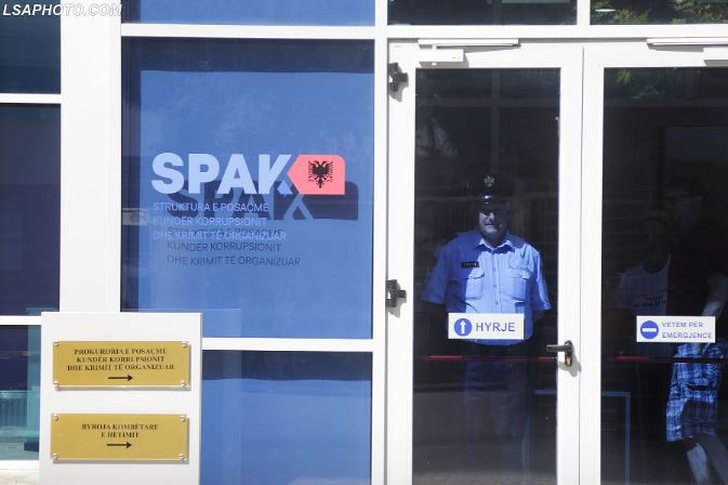
SPAK has issued an official announcement regarding the arr...
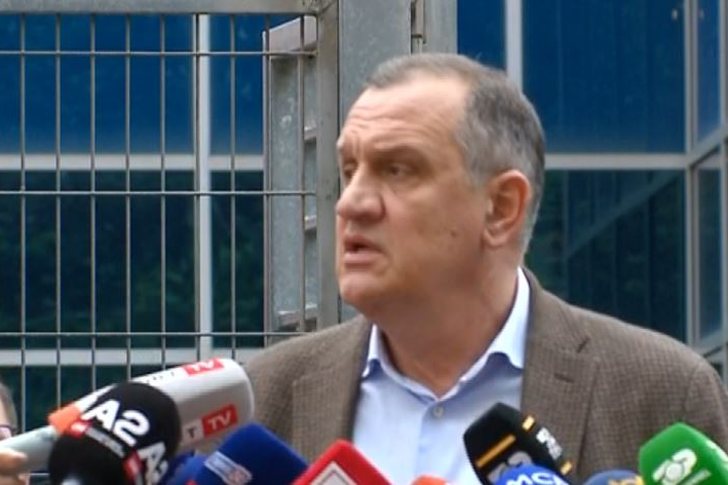
The Special Prosecutor's Office against Corruption and Org...
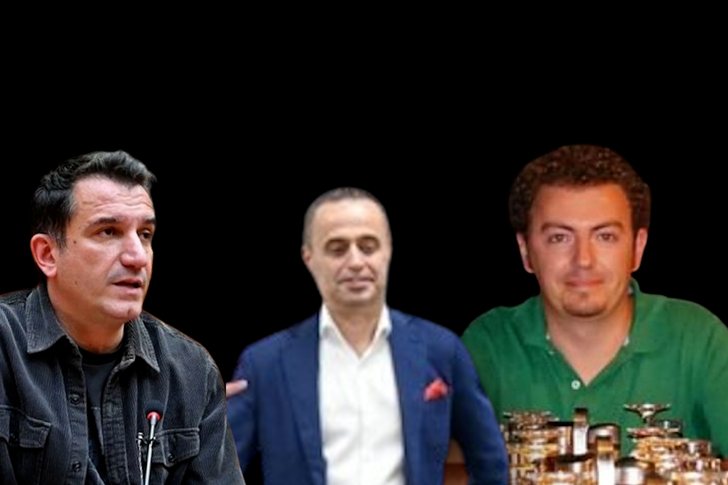
On Thursday, the Special Court at the request of the S...
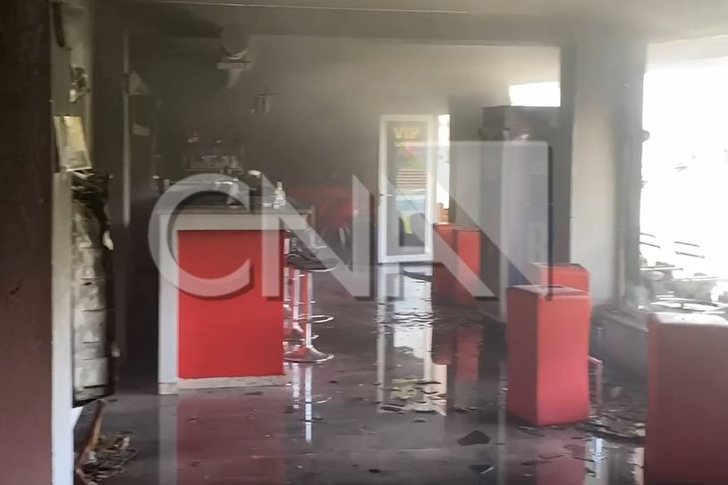
New details have emerged from the fire that engulfed the "...
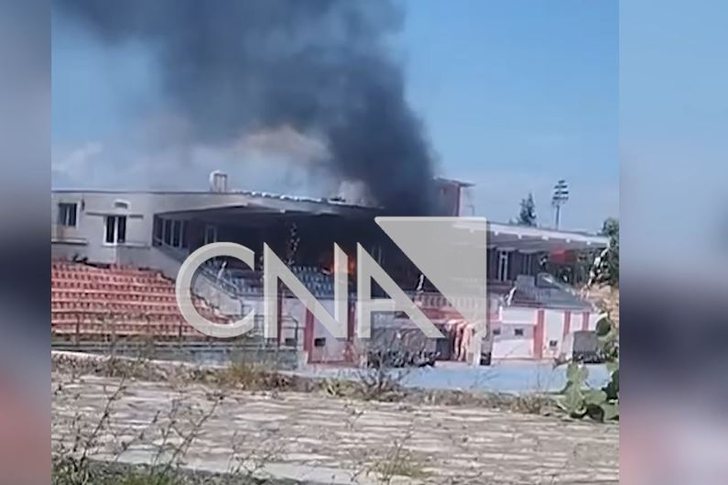
Fire in the stands of the "Skenderbeu" stadium. Footage p...
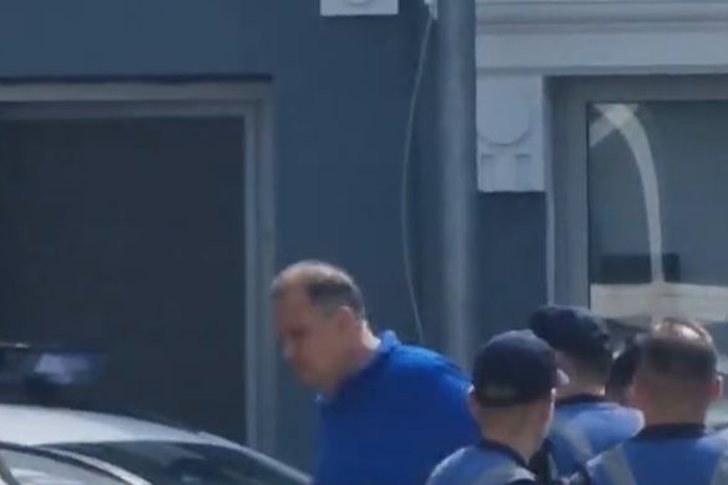
The former Minister of Health, Ilir Beqaj, was arreste...
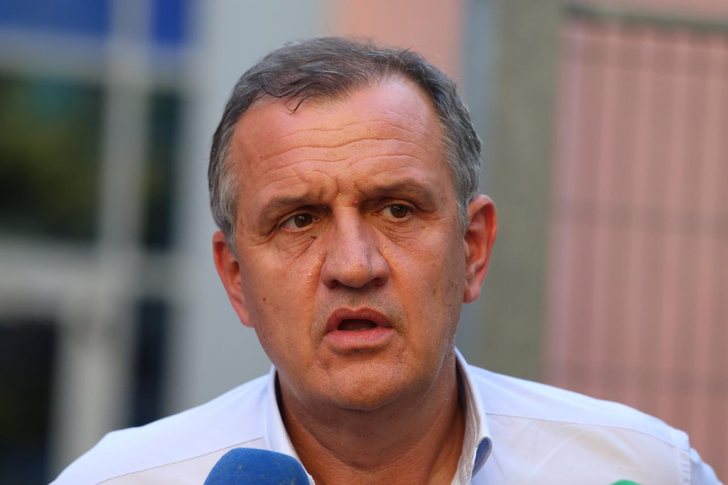
The Special Court, at the request of SPAK, imposed 5 s...

On Thursday morning, the former Minister of Health, Il...
CNA has put under scanner the assets of Sokol Sadushi, the...
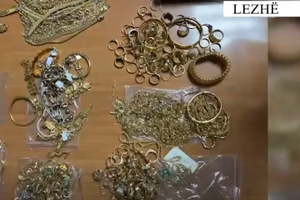
A 39-year-old citizen has been arrested in Lezha, after se...

CNA has launched another investigation that could lead to ...

Irfan Hysenbelliu is a businessman that we call "Irfan the...

The Special Board of Appeal (KPA) decided this Monday ...

The KPA vetting decided this Thursday to dismiss the p...

Suela Salavaçi, a prosecutor in the Prosecutor's Offic...

The Special Board of Appeal reinstated the prosecutor ...
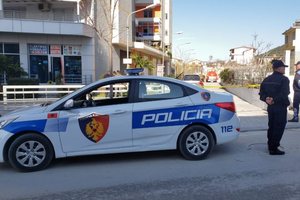
Police have revealed details of the incident that occurred...
According to preliminary information, a person in his 60s ...
A triple accident occurred on the Peqin-Elbasan axis n...
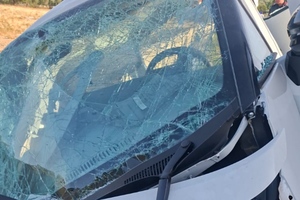
The police have provided details regarding the accident th...
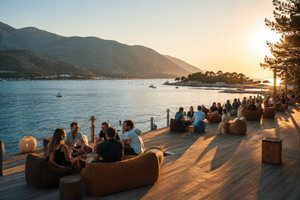
Company leaders can improve productivity by investing in a...

Today, our country will be under the influence of stable a...

As the year 2026 is in its second half, the world is exper...

Today, our country will be under the influence of stable a...
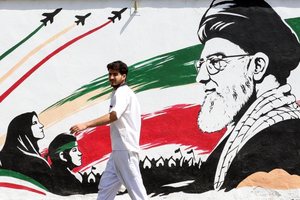
Tehran said it had halted retaliatory attacks against US a...
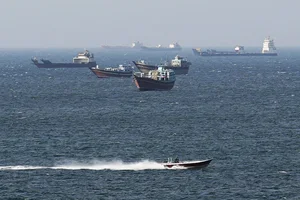
An oil tanker exploded in the Strait of Hormuz after hitti...
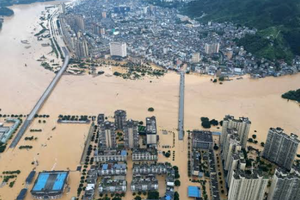
Ten people were killed and dozens more injured by flooding...
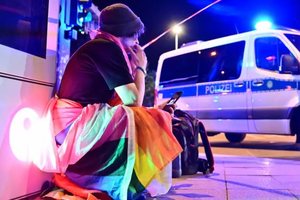
One person has died and at least 16 others have been injur...
Two windows, a century of history and the metaphysics of p...
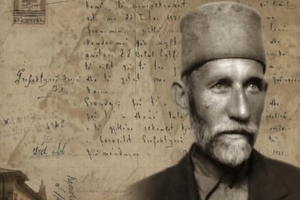
In my research at the Central State Archives, specifically...

At a time when industrial products are increasingly taking...

Trust among people is not just a three-syllable word. It c...
This Sunday, one US dollar is bought for 81.5 lek and sold...

This Saturday, one US dollar is bought for 81.7 lek and so...
War, weather and supply disruptions could send gas prices ...
The number of active enterprises in Albania continued to g...