Formal competitions in the State Police
Today, the ranking of candidates expected to take over the...

Today, the ranking of candidates expected to take over the...

One of the most special stories recorded by Hamit Perrolli's daughter, Mrs. Shyrete, who lives in America and fled Albania at the age of 4, has been published in the book "The Confession of Hamit Perrolli". As the lady herself says, it was an inner voice that made me record my father. It was a voice that constantly whispered in my ear.
Her father, Hamiti, was a highly respected man, who spoke with discretion and knew how to express opinions that took their rightful place. Hamiti was always oriented towards the Albanian national issue, for which he suffered and died with the desire to see Albania and Kosovo united. Hamiti had an obligation to confess what he had seen with his own eyes and experienced in order to pass them on to history.

Hamit Perolli was a well-read man, he idolized Gjergj Fishta and "The Malcian Flute", which he considered a guiding work for patriotism. In a conversation with the book's editor, Mr. Petrit Palushi, Hamit's daughter, answers why the Kryeziu family is mentioned so much by Hamit Perolli.
The father was part of history, having actively participated in World War II during the Italian fascist occupation and later the German one. He had been one of the most active members in the creation of Gani Kryeziu's platoon, or as it was called, the Kryezinjve platoon, since all the Kryeziu brothers were part of it and had the same ideal: the liberation of the country and national unification. Hamiti said that communism would fall someday.
"A rotten apple never falls from the tree. So too is communism rotten." He hoped to return to Albania, even though he had refused to accept American citizenship, because he found it too difficult to deny Albania's. While he was alive, Shyretja says: "even we children had not received American citizenship."
Hamiti was very involved in organizing demonstrations in support of Kosovo in front of the "White House" and in front of the UN headquarters. In his home in America, Flag Day was celebrated every year and Hamiti felt very happy and hopeful, but above all, only Albanian was spoken in their home at all times. Mrs. Shurete comes every year to Perollaj in Has, the birthplace of her and her grandparents, to enjoy the meadows, bushes, and blessed soil of the land where she and Hamiti's other children were born.
Her father's bequest to pass on his memories somewhere, to leave them to generations, was realized through a book, which she made from recordings which, later, the hand of the master Petrit Palushi masterfully brought into original letters and paragraphs and with diverse emotional expressions. Hamit Perolli died on January 3, 1987 at the age of 74 from a heart attack.
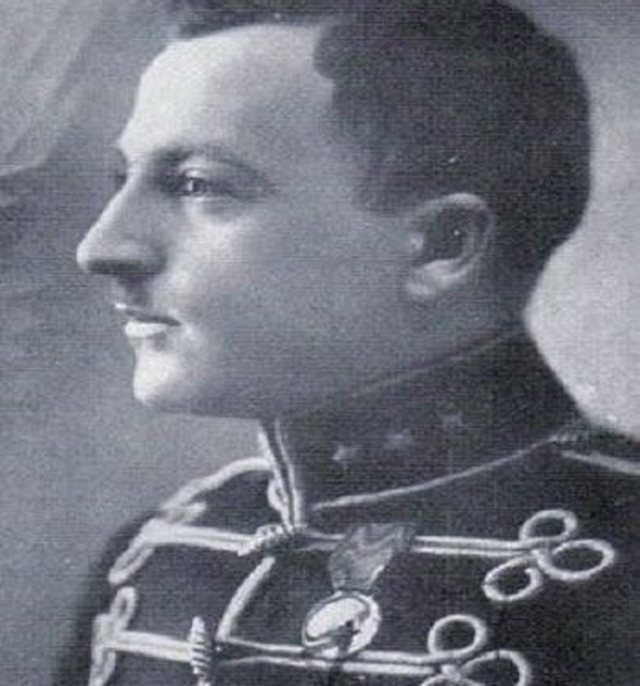
He was separated from his loving family and the large family of the Albanian diaspora in New York and New Jersey, being escorted to his final resting place as a determined nationalist and anti-communist. Hoxhë Perolli, as his compatriots rightly called him, was born in 1913 in Perolli, Has. During World War II, his group and that of Mehmet Ali Bajraktar from Has, in the first days of the Italian occupation, fought against the fascist occupier.
The Perolli group joined the “United Front” led by Gani Beg Kryeziu. In this group, Abaz Kupi represented the political right wing, while the political advisor was Llazar Fundo. In 1943, the group led by Gani Kryeziu formed the “Rural League” party, which had as its main goal the unification of Albanian lands.
In September, the communists surrounded the group and arrested Said Kryeziu and Llazar Fundo. After World War II, in October 1948, Hamiti fled with his family to Gjakova. Before leaving Yugoslavia, he forcibly changed residences several times, staying in concentration camps.
He stayed in Gjakova, Vojvodina and Šumadija, Podujevo, Vu?iterna, Kamenica, in the village of Sisovac, when his son Skënder died in exile, whose remains are buried there. In 1954 he went to Italy with his whole family and then in 1956 he found himself in America. He became a servant of God, being for 10 years the imam of the Islamic Center for Kosovo, Plavë and Guci, for which he contributed greatly to its establishment in the “Bronx”.
He was a man of innate intelligence, with an unparalleled memory, and an intellectual who met with American senators and congressmen to inform them of the difficult situation in which Albanians lived under the Yugoslav regime.
Hamit Perolli responded to every invitation from the community. He was with Albanians at national holidays, at weddings, at funeral ceremonies, he behaved with others according to Albanian traditions, as the newspapers of Albanians in exile wrote on the day of his death. At the funeral ceremony, Dr. Fuat Muftia said, among other things: "With his death, he did not only impoverish his family and the province of Has, but he impoverished all Albanian nationalism, in the free world and in free Albania."
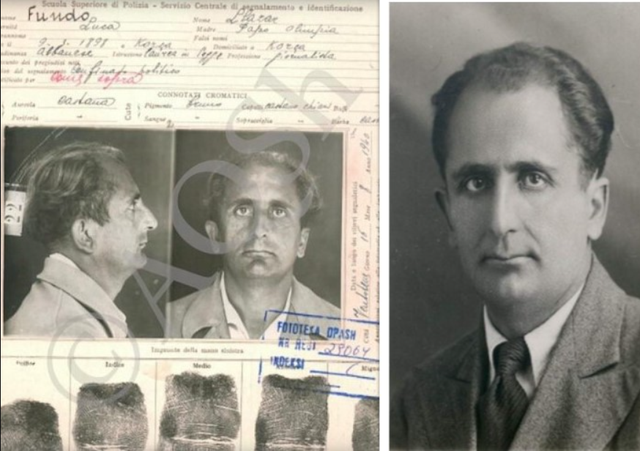
One of the topics mentioned in this book on page 83 and onwards is the arrival of Llazar Fundo, a former communist interned in the fascist camps of Ventoteno in Italy, to the Gani Kryeziu group, along with Italian anti-fascist intellectuals, such as the President of Italy Sandro Pertini. According to Hamit Perolli, Llazar was a great intellectual and at the same time a great politician on a world scale with 8 foreign languages, which he wrote and read, and he also knew Arabic. A well-known journalist, Noli's secretary in 1924. Llazar Fundo was a colleague of Tajar Zavalani.
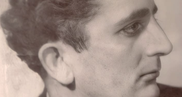
He had graduated from the French Lycée in Korça, and then studied law in London. He had studied Karl Marx and his ideas very well, along with those of Lenin. Lazar had been to the Soviet Union and had suffered an immense disappointment with Stalin's communist system. He had never married and had a brother who was a merchant in Korça.
Hamiti spent 14 months with him in the mountains. He recalled: “When the Kryeziu brothers came to Ventontene, Italy, where many politicians who had opposed fascism were interned, among them lawyers, doctors, teachers of literature, statesmen, and I had met them. Light past Llazar Fundo! – he said – All my life I have fought against the beys, and against the feudal lords and capitalists. And I have had the opportunity to meet all the men of the Albanian state, and I know all their biographies, but seeing that the political line of the Kryeziu brothers is socialist, and they want to have a democratic government, I agreed to join them, with full conviction.
After Italy capitulated, we made false passports and came to Gjakova as trade representatives". Llazar Fundo had given up his health to communism since 1925. He had been in Paris with all of Zog's opponents, from Ali Këlcyra, Qazim Koculi, Mustafa Kruja, etc. As Hamit Perolli describes the portrait of Llazar in his memoirs, among other things he says: "Llazar, this great intellectual did not attach much importance to his appearance and never wore a tie or posed, for him these things were trifles. He had great thoughts and spent all his time on books. He did not talk much, but he spoke with substance. He was very serious, very popular. He had known the soul of the people and socialism, how a man should be". He was not, so to speak, a captain who would come out and say 'I am Llazar Fundo'.
Gani Kryeziu, when introducing Lazar as a friend of Fan Noli, Luigj Gurakuqi, and Bajram Curri, gave him the due respect, as he deserved. Lazar often said: that he, together with 'Avni Rustemi, had planted communism in Southern Albania'. We planted this seed of communism because it was an empty land 'barren and not sown with ideas), without knowing what communism was developing in Russia, because it was very far away'.
And Lazarus explained the example of communism and its ideas with melted butter on toast, so that the ideas would come, in the most gentle way possible, as Lenin said. Stalin said: "I don't have time to wait and killed about 20 million people."
Lazar Fundo said: "Stalin killed an entire brigade just for his whim, without trial and without witnesses. This is Stalin's communism and not Lenin's". And as Hamit Perolli further recalls the explanation of communism by Lazar Fundo, who makes the difference between Lenin's communism and Stalin's communism, when according to him Lenin was not as bloodthirsty as Stalin. And the issue of communism will end when communists open fire on each other and destruction will come to them, Fundo added further.
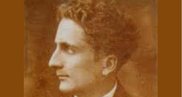
Lazar did not set a deadline for when communism would fall in the world, Hamiti recalls. A very interesting detail, as is in a paragraph given to us from Hamiti's memoirs about Fundo. When others saw him from the outside, they could not believe their eyes and as if they said "Is this Lazar Fundo?". Our mountaineers were happy to see a Lazar just like us mountaineers of Northern Albania. The communists took Lazar Fundo from Gani Kryeziu in September 1944.
Ghani did not resist because he believed in the Tehran Agreement where the Yalta Pact was signed and the Great Powers England, Russia, and America, who had been allies of Stalin, Churchill, and Roosevelt, had signed it against the Germans, Italians, and Japanese.
Ganiu acted like this because he was against fratricide among Albanians. Llazar had foretold his end, having said several times that if he fell into the hands of the communists "I have no trial, but only a bullet." Gani Kryeziu and Llazar Fundo refused to escape, because they thought it was better to serve the nation even if they were killed themselves.
They were not the kind of people who would go after strangers. That day, Lazar was arrested in Dobrej, Bytyç by the 5th Brigade, they took off his shoes and handcuffed him, and he didn't flinch, he wasn't shaken at all, he stood there like an idealist, Hamiti recalls.
Many of Gani's platoon members went with the partisans and he was forced to go to a friend of his in Gjakova, Xheladin Begu, because his house had been burned by the Germans, so he stayed there with 30 boys from Has and waited for some change in the situation from the Allies. About two months passed and the partisan forces of Fadil Hoxha and Dushan Mugosha arrested him. Gani Beg Kryeziu was held in Pristina for 4 and a half months in prison and brought to trial where he was sentenced to 5 years politically.
Lazar Fundo was a political activist. He was born in Korça, on March 20, 1899. He completed his secondary studies at the French Lyceum of Thessaloniki, and his higher studies in jurisprudence in Paris.
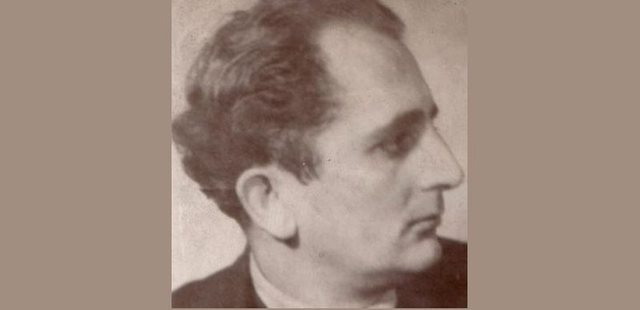
In 1924 he directed the periodical "Bashkimi". After the June Revolution, he was one of Fan Noli's closest collaborators. With the overthrow of the "Noli" government, he left for the Soviet Union, where he joined the Albanian section of the Comintern. Between 1924-1939 he wrote various articles for the newspaper "Çlirimi nacional", directed by himself, Fan Noli, Halim Xhelos, etc. After the fascist occupation of Albania, he returned to Korça, where he devoted himself to anti-fascist propaganda. But he was soon arrested by the Italian police station in Tirana and deported to Ventotene, as a dangerous opponent. After the capitulation of Italy, he returned to Albania.
With two Italian federalists, together with his friend, Stavro Skëndin, he drafts the Ventotene Manifesto. After the fascist regime took over in 1943, despite the fraternal and friendly support that Sandro Pertini gave him, in a last meeting with him in Rome, in August 1943; who wanted to convince him to stay in Italy to fight fascism with him, he decides to return to Albania to fight. He joins the Kryeziu brothers and the British mission near them in the Gjakova Highlands.
In September 1944 he was captured by Yugoslav partisans on Mount Dobrej in Tropoja and handed over to the Albanian communists. He was convicted of “Trotskyism” and collaboration with the British Intelligence Service. He was arrested and killed by partisan forces in Kolesjan in Kukës on September 23, 1944. After being cruelly tortured, he was shot by order of Enver Hoxha as a “Trotskyist” and “renegade”. On May 20, 1994, with decision no. 918, the Korça District Court decided to recognize the fact of his extrajudicial execution by communist forces on September 30, 1944.
In Enver Hoxha's radiogram on September 21, 1944, it says: "Torture Zai Fundo until death and then shoot him." Lazar Fundo was a tragic representative of those Albanian leftist intellectuals who embraced communism as a saving ideal for humanity, but who were completely disillusioned by the criminal practice of communism in Russia, other countries and in Albania and became one of the greatest opponents of that inhumane system, and even one of its victims.
Llazar Fundo was one of the anti-fascists and one of the first fighters of the war against the invaders, but who was annihilated by Enver Hoxha, because he fought as a patriot and democrat, but not as part of the AKP and the National Front. He had completed high school at the French Lyceum of Thessaloniki and higher studies in jurisprudence in Paris, a man with extensive Western culture and a friend of prominent personalities of the time: Hemingway, A. Barbys, R. Roland, L. Pirandello, S. Pertini, A. Einstein, Gj. Dimitrov, FS Noli, L. Gurakuqi. A. Rustemi etc. He played an important role in the democratic movement of the 1930s-1940s in Albania and beyond.
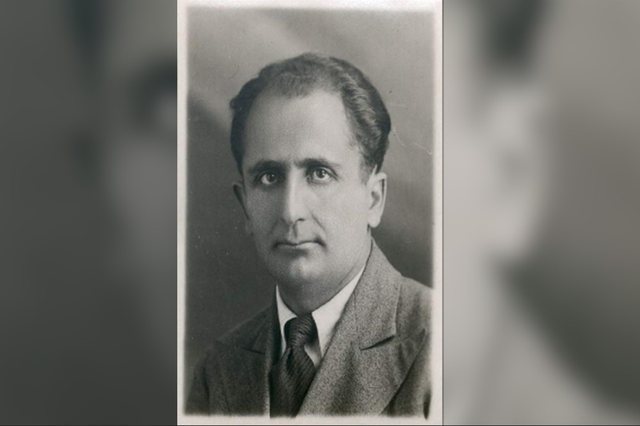
After the assassination of Avni Rustemi, he was elected chairman of the “Bashkimi” society and helped in the uprising of June 1924. He then emigrated to Europe and was part of the revolutionary wing of the Albanian political emigration there. He went to the BS to study and get to know the Soviet experience that was so loudly propagated, and even became part of the Comintern, but there he found Stalinist tyranny and state crime in power, which he courageously denounced.
From Moscow he wrote to Noli: “The communism that we idealized as Christ, surpassed even Satan in wickedness”. The Comintern sentenced the renegade Fundo to death and he barely managed to save his head. “He escaped the purges”, – wrote E. Hoxha. “After that, he lived sometimes in France, sometimes in Switzerland and elsewhere, where he waged a furious war against communism, against the Soviet Union, against Stalin” (E. Hoxha, “When the Party was Born”). On the eve of the fascist occupation of Albania, he returned to his homeland and openly opposed this occupation.
“On the eve of the fascist invasion,” E. Hoxha wrote with pride, cynicism and envy, “at the height of the popular demonstration, Zai Fundo climbed the steps of the city hall and delivered an anti-fascist speech full of exact figures and gestures. We knew the true figure of the renegade, we did not eat his words, but they nevertheless had an effect.” (E. Hoxha, “When the Party was Born.”).
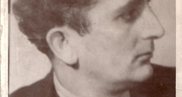
For his open opposition to the occupation, Fundo was imprisoned and exiled to Ventotene, Italy, in 1941, along with many other anti-fascists, such as Safet Butka, Abaz Ermenji, Selman Riza, Faslli Frashëri, Myzafer Pipa, Gani and Said Kryeziu, Hasan Reçi, Sadik Bekteshi, etc. Sandro Pertini highly valued Llazar Fundo when he said: "Zai Fundo is a valuable personality not only for Albania, but also for Europe."
(From the memoirs of A. Krepashan, he was a political internee in Ventotene.) The prisoners in Ventotene, including Albanian anti-fascist intellectuals, helped not only in the anti-fascist resistance, but also in the drafting of a political project for a United Europe after the war, which was called the “Ventotene Manifesto” and became the basis for the subsequent construction of a United Europe.
A resistance committee was created in Ventotene, of which Ll. Fundo was also a member, composed of prominent anti-fascists: Alessandro Pertini, Altiero Spinelli, Francesco Fancello, Pietro Secchia, Mauro Scoçimarro, Lazar Fundo, Ante Babich, Antonio Francovich, who demanded the immediate release of political prisoners “as an automatic consequence of the outlawing of the fascist regime”. (Paolo Spriano: “Storia del Partito Communista italiano”, Turin, 1978).
Zai Fundo was shot at noon on September 23, 1944. Shefqet Peçi was present at Fundo's shooting. Zai Fundo, after being arrested on Mount Dobrej in Tropoja (Gjakova Highlands), was brought tied up to Kolesjan in Luma.
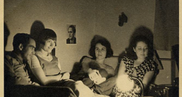
Of course, Shefqet Peçi would carry out Enver Hoxha's order, because two days earlier, Enver Hoxha had sent a radiogram for the torture to death and then the shooting of Fundo. Ironically, the timeless, cultured and anti-conformist Fundo, a connoisseur of seven foreign languages, would be shot in the village where the first Albanian school of the Luma region had been opened in 1911.
Later, Fan Noli, when he learned of Fundo's execution, would express himself with obvious sadness: "What is left for Albania if we ruin other great people like Fundo?!" In 1995, the then President, Sali Berisha, honored him with the high title of "Martyr of Democracy", while in May 2017, the late former President Bujar Nishani awarded the "Golden Eagle Decoration" to the intellectual Llazar Fundo./ CNA


Deteriorating weather conditions have caused problems for ...
The search for the body of 30-year-old Jurgen Karaj from t...
Prime Minister Edi Rama is in the Vatican for a meeting wi...

The Korça region has been hit by a series of earthquake tr...
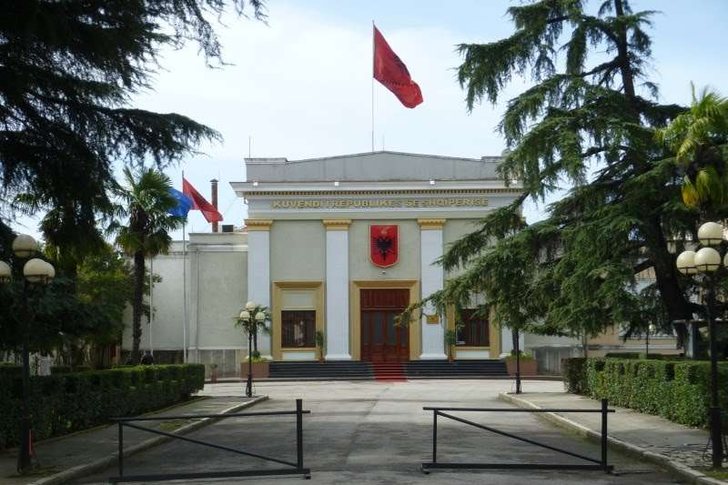
The Albanian Parliament has announced the vacant position ...
Residents of Bilisht and surrounding villages in the Devol...
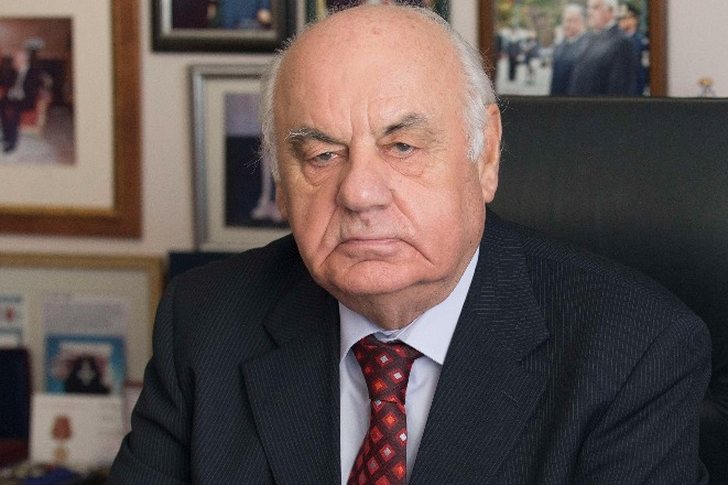
Former President of the Republic, Alfred Moisiu, is report...

Earthquake tremors were felt this evening in the city of K...
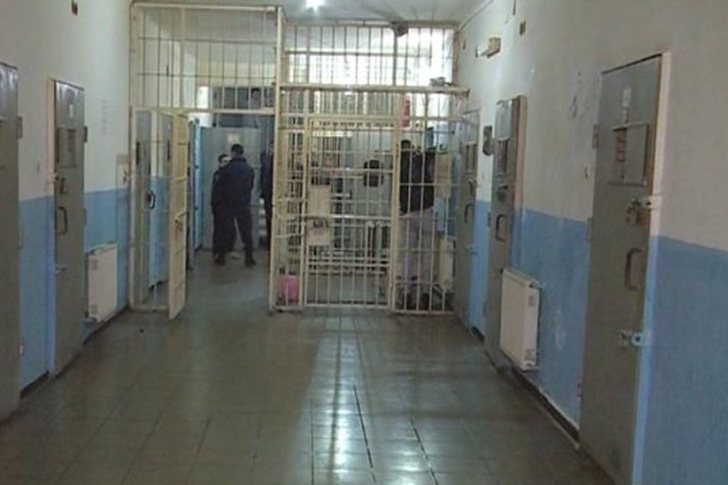
The draft of the criminal amnesty for prisoners, announced...

Economics expert Brisida Shehaj commented on the situatio...
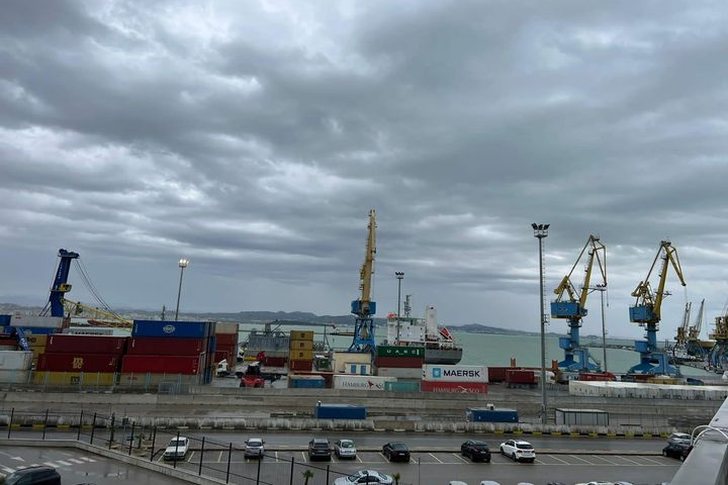
The Durrës Port Authority informs that, according to annou...
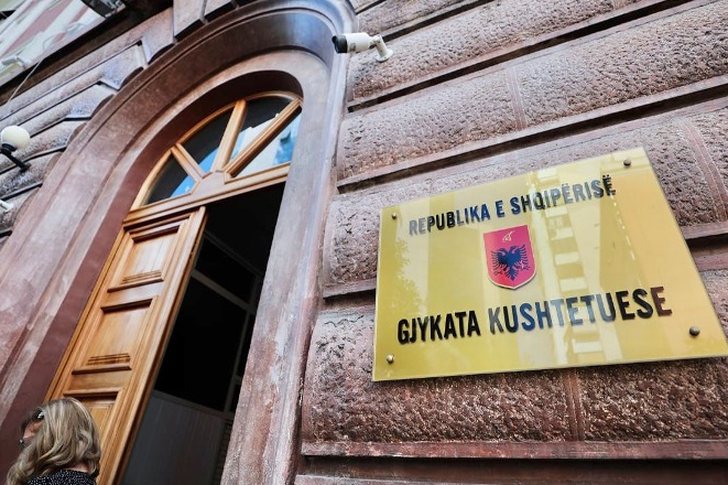
The Constitutional Court will review on April 8 the reques...
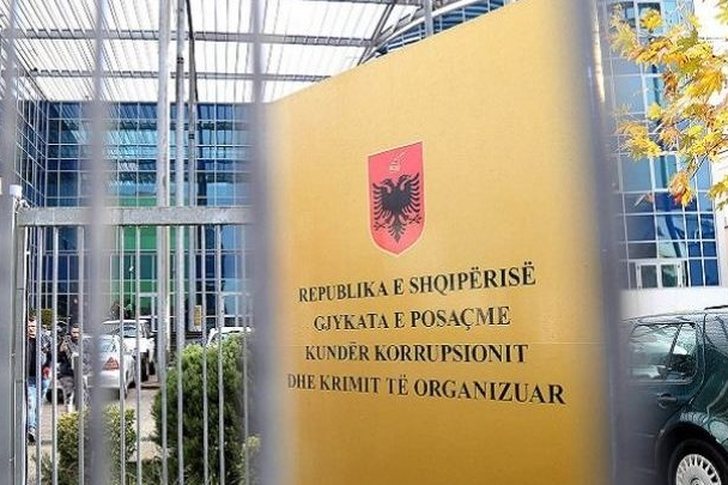
The Special Court has released Xhelal Rraja, the brother o...

Erion Veliaj is the arrested mayor of Tirana, facing 13 ch...
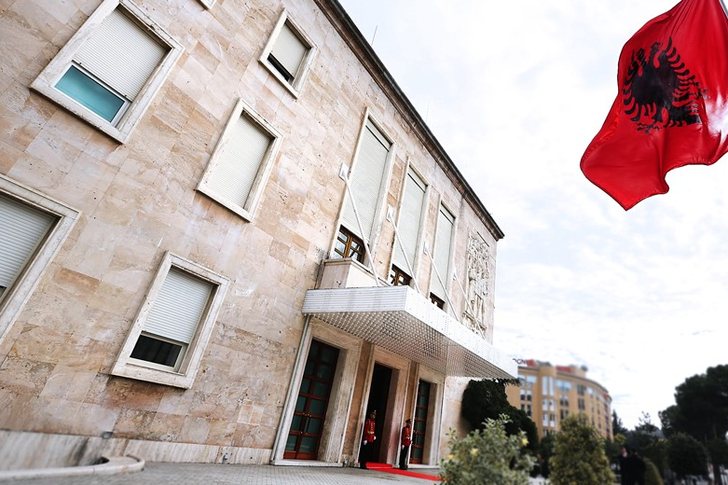
The government has decided to lift the temporary measures ...

During 2025, 113 new cancer cases were identified at the S...
Prime Minister Edi Rama has reacted again regarding the st...
The Durrës Prosecutor's Office has issued an official anno...
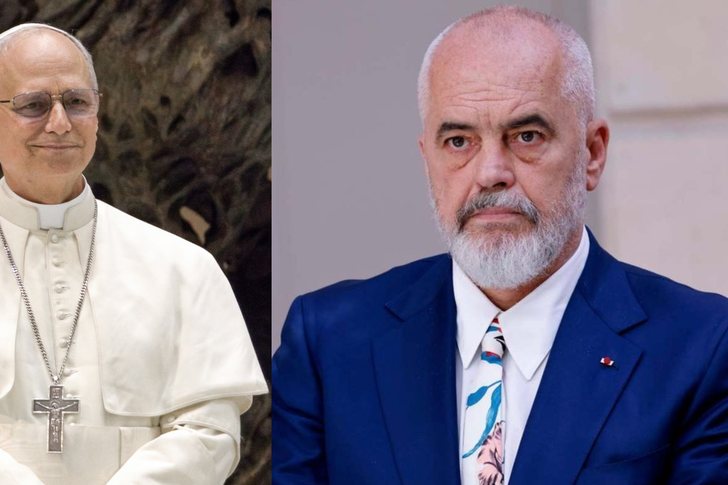
Prime Minister Edi Rama will pay an official visit to the ...

The Tirana Prosecutor's Office has registered a criminal p...
Irfan Hysenbelliu claims to be a big businessman, an hones...
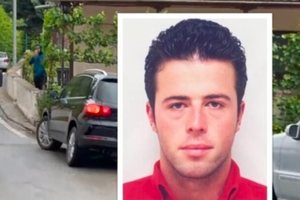
The murder of officer Enea Mekolli in the line of duty has...
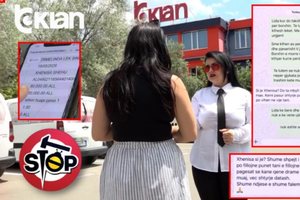
The next case broadcast on the show "Stop", this Thursday,...
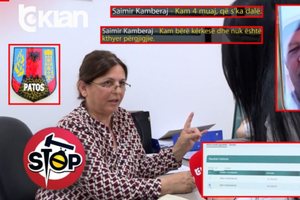
The case published this Thursday, June 4, on the show "Sto...

The Special Board of Appeal (KPA) decided this Monday ...

The KPA vetting decided this Thursday to dismiss the p...

Suela Salavaçi, a prosecutor in the Prosecutor's Offic...

The Special Board of Appeal reinstated the prosecutor ...
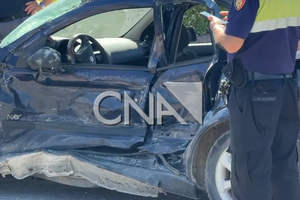
An accident was recorded a few minutes ago on the Pogradec...
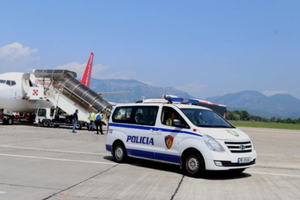
Following the cooperation of Interpol Tirana with Interpol...

An accident occurred this Saturday morning at Shkëmbi i Ka...
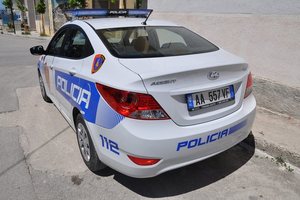
A TNT explosion occurred in Lezha in the early hours of th...
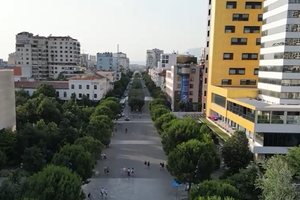
Albanians are officially the hardest working people in Eur...
This Saturday will be characterized by mostly clear weathe...
Today our country will be affected by stable weather condi...

For many children and teenagers, the long summer holidays ...
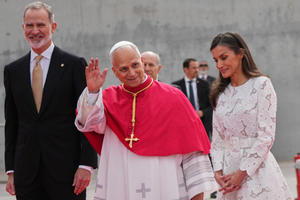
Pope Leo XIV arrived in Madrid this Saturday, where he beg...
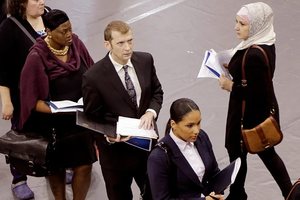
Millions of Europeans still apply for jobs without knowing...

Following the Covid-19 pandemic, the World Health Organiza...
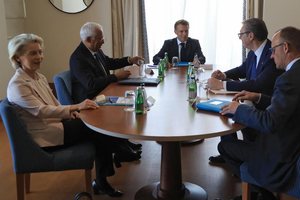
Leaders of the European Union and Western Balkan countries...
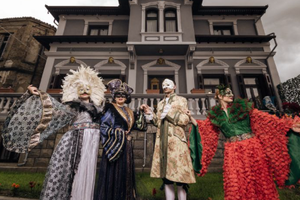
Korça is ready to open the summer season with one of the c...
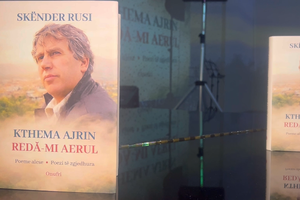
Two years after his passing, the renowned Korçë poet Skënd...
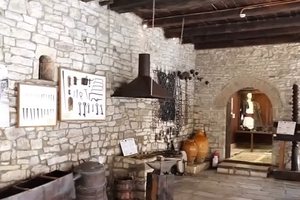
The Ethnographic Museum of Berat has opened its doors to v...
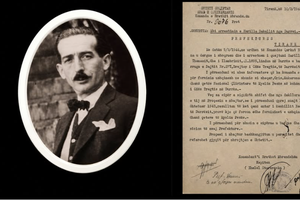
The story of Harilla Bakalli is one of the most chilling t...

The Transparency Board, in today's meeting, decided to red...

This Saturday, one US dollar is bought for 81.4 lek and so...
Despite years of efforts at regional cooperation and free ...

Albania is the country with the highest level of severe ma...