


Video/ Traffic is blocked in "Skënderbej" Square, revolted citizens argue with the officers
Today, the "Bread and Heart" architecture festival took pl...

Today, the "Bread and Heart" architecture festival took pl...

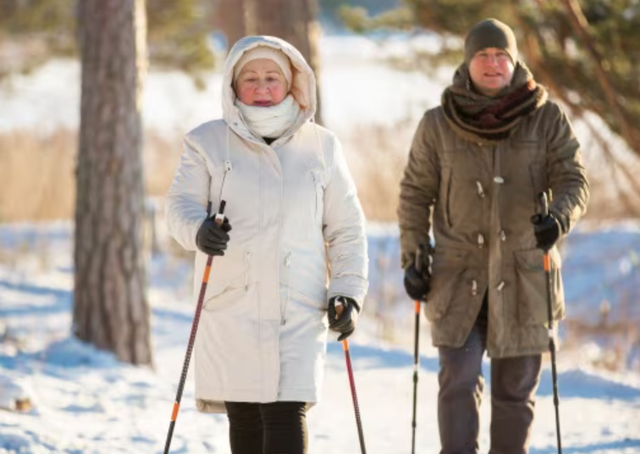
Most people know the basics of avoiding infection, such as frequent hand washing and covering your face when coughing and sneezing. But research has identified some lesser-known strategies that can also help protect your health during the winter months.
Here's what experts recommend:
Keep indoor spaces properly humidified. According to BBC Science Focus magazine, good ventilation helps reduce the spread of cold and flu viruses, but humidity is just as important.
Dry air from central heating systems allows viruses to survive longer and dries out the protective mucus that coats the eyes, nose and throat, making it easier for infections to spread.
Experts recommend maintaining indoor humidity between 40 and 60 percent to create a healthier environment.
Physical exercise also plays an important role in immune health. Research has debunked the myth that strenuous exercise weakens the immune system.
In fact, physical activity temporarily increases the number of immune cells circulating in the blood. Experts recommend a combination of aerobic exercise, such as brisk walking or jogging, along with resistance or weight training. Building muscle tissue helps support overall immune function.
Vitamin D is another key factor in disease prevention. While vitamin C is often touted for shortening the duration of colds, studies suggest that vitamin D may help prevent infections in the first place. A large global study found that vitamin D supplements may protect against acute respiratory infections.
“Most people understand that vitamin D is critical for bone and muscle health,” says Carlos Camargo of the Department of Emergency Medicine at Massachusetts General Hospital, the study’s lead author. “Our analysis also found that it helps the body fight acute respiratory infections, which are responsible for millions of deaths worldwide each year.”
Nutritionists generally recommend vitamin D3, the form that is more easily absorbed by the body. The appropriate dosage varies based on age and existing vitamin D levels, which can be determined with a blood test.
Getting a flu shot remains one of the most effective ways to stay healthy during the winter. Flu shots aren't just for older adults. The flu can affect people of any age, and even young, otherwise healthy individuals can become seriously ill. The Centers for Disease Control and Prevention recommends that everyone 6 months and older get a flu shot every season, with rare exceptions./ CNA

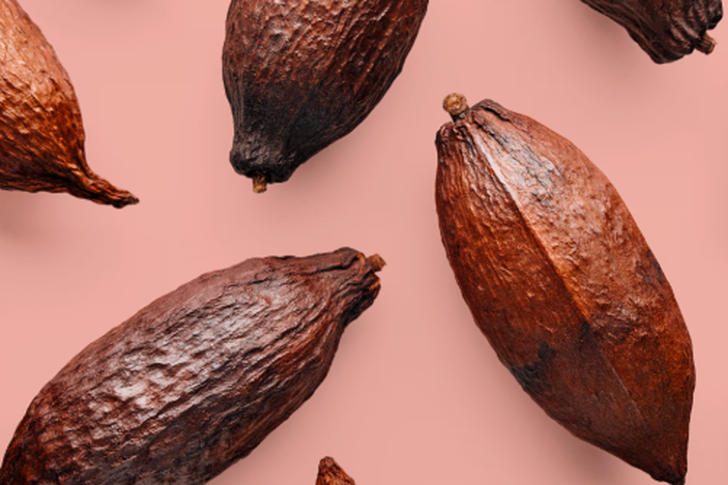
Chocolate is facing a "climate barometer" as extreme weath...

The biggest problem with the holiday season is that we ten...
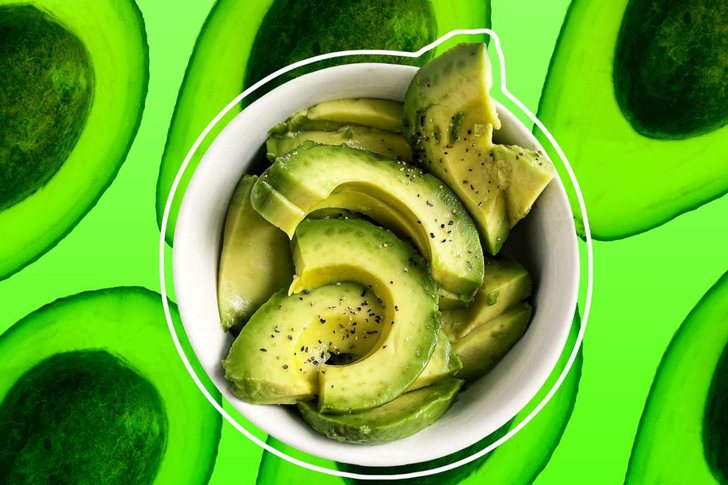
Food is our main source of energy and vitality. By adding ...

Swearing is generally frowned upon in society. But researc...

The holidays test our food resilience. However, by learnin...

With the official start of the holiday season, it's inevit...

As the holidays bring more travel and flying, choosing the...

Broccoli and cauliflower are both cruciferous vegetables, ...
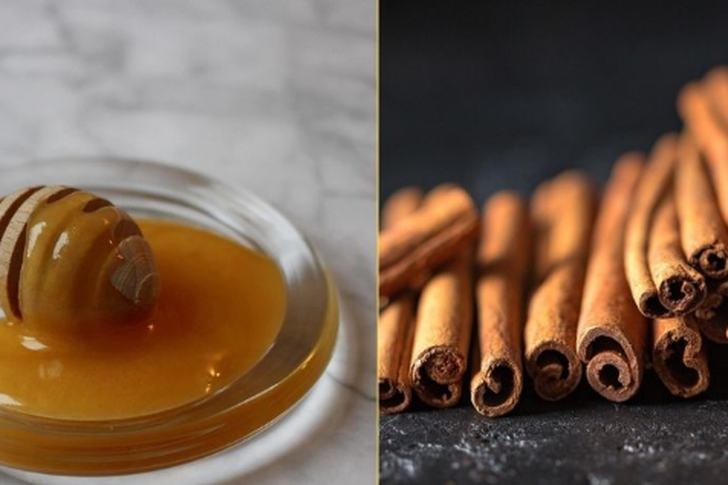
Honey and cinnamon are among the most commonly combined cu...

Cleansing the body through fluids is an effective way to r...

Researchers at King's College London have discovered that ...

Seniors who garden are less likely to suffer from knee pai...
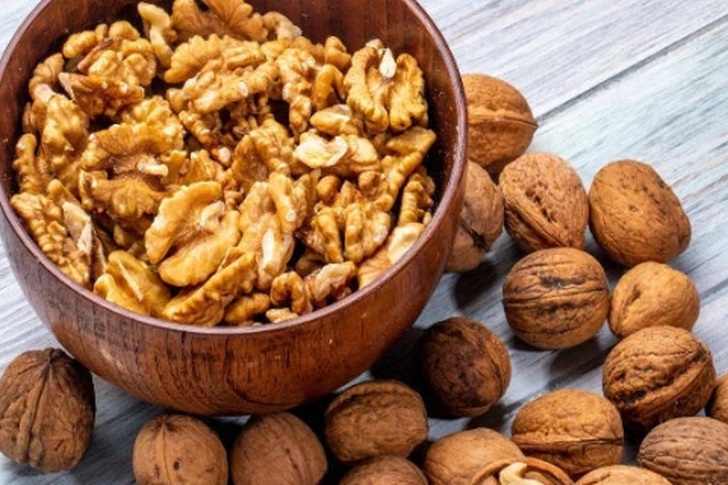
Nuts offer benefits like supporting heart health by loweri...

The tool scans digital images of the same cancer tissue sa...
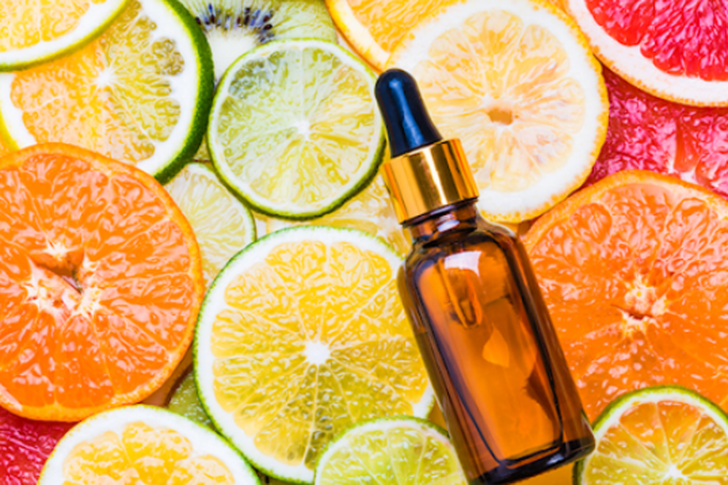
A new study conducted by researchers at the University of ...

Poliesteri është në thelb plastikë që vishet direkt në lëk...

Parkinson's disease is a progressive neurological disorder...
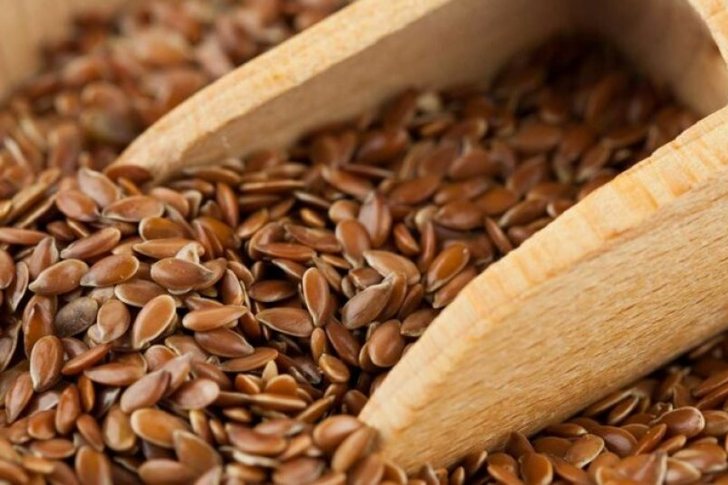
Flax seeds are increasingly being valued as one of the mos...

Theobromine, a chemical found in dark chocolate, may have ...

Vitamin K2 = Super vitamin that protects arteries Studies...

The protests of recent days related to the situation in Zv...

The case addressed this Wednesday, June 3, on the show "St...

The show "Stop" broadcast this Wednesday, June 3, the case...

Irfan Hysenbelliu claims to be a big businessman, an hones...

The Special Board of Appeal (KPA) decided this Monday ...

The KPA vetting decided this Thursday to dismiss the p...

Suela Salavaçi, a prosecutor in the Prosecutor's Offic...

The Special Board of Appeal reinstated the prosecutor ...

The Head of the State Police, Skënder Hita, expressed his ...

New details have emerged regarding the serious incident th...

A serious incident occurred this Thursday in Lozhan, Maliq...

Korça Police has shared detailed information regarding the...

Witnesses in Lozhan, Maliqi, have shared details from the ...

Albania is facing an unprecedented demographic transition,...

On Thursday, our country will be affected by unstable weat...

An alarming figure of more than 166.4 thousand Albanians a...

Israel and Lebanon have agreed to renew their fragile ceas...

United States President Donald Trump announced in a post o...

Asambleja e Përgjithshme e Kombet e Bashkuara ka përfundua...

At least nine people have been killed in Israeli airstrike...

Korça is ready to open the summer season with one of the c...

Two years after his passing, the renowned Korçë poet Skënd...

The Ethnographic Museum of Berat has opened its doors to v...
The story of Harilla Bakalli is one of the most chilling t...

Today, in the foreign exchange market, one US dollar is bo...

The Minister of Finance, Petrit Malaj, announced today a n...

Guvernatori i Bankës së Shqipërisë, Gent Sejko, priti m...
Today, in the foreign exchange market, one US dollar is bo...