


More details emerge/ 3 weapons found in the shed where Braçellari was hiding
Investigations into the serious incident in Lozhan, where ...

Investigations into the serious incident in Lozhan, where ...


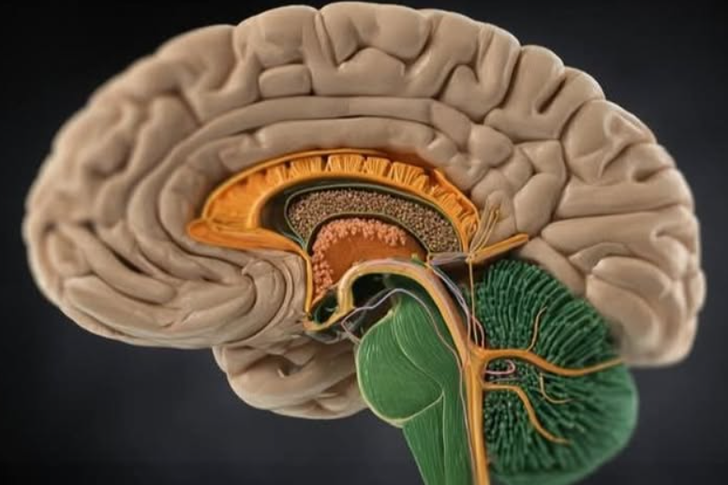
Scientists believe they have discovered the reason why we age. Stopping cell death could slow the aging process, prevent cancer and ward off brain deterioration, according to a new study by researchers at the University of Cambridge.
Curbing cell necrosis could be the key. Necrosis is a form of disordered cell death that wreaks havoc in the body, spilling toxins and causing widespread tissue damage. According to the study findings, if necrosis could be controlled, we would have a valuable tool to slow aging and treat diseases more successfully.
The new study, published in the journal Oncogene, claims that necrosis is a “fundamental driver of loss of resistance and biological decline.” The challenge is to find ways to intervene and stop this irreversible cause of biological degeneration. Until now, necrosis has remained untreatable and considered an inevitable aspect of biology, according to the study authors.
The scientists, led by Carina Kern, founder of LinkGevity, a UK-based biotechnology company, claim that inhibiting necrosis could revolutionize treatments for acute and chronic age-related conditions such as cancer, kidney disease, cardiovascular disease and even neurodegeneration. This revolutionary approach would also strengthen resilience and slow the aging process itself.
“Necrosis is uncontrolled cell death that marks the irreversible threshold of biological degeneration,” the authors write. It is characterized by cellular chaos including ruptured membranes, DNA fragments, and inflammatory signals in surrounding tissues. This damaging process of cell death is different from the carefully orchestrated everyday death of old, damaged, or infected cells called apoptosis, which is a highly controlled and refined process.
The study authors said that necrosis could hinder cancer treatments. Necrosis helps aggressive tumor growth by promoting the growth of new blood vessels along with genetic instability and immune dysfunction. This is particularly true in breast, kidney, prostate and endometrial cancers.
Necrosis is also a destructive force in almost every age-related disease, including kidney disease, heart attack, and Alzheimer's and Parkinson's diseases. Scientists have found that necrosis is a central driver of aging itself, as our cells become more susceptible to necrosis with age.
Researchers suggest that developing new therapies to target necrosis could slow biological degeneration and strengthen resistance. This approach could revolutionize treatments for chronic diseases such as cancer, kidney disease, cardiovascular disease, and neurodegeneration.
One possible approach would be to target the calcium imbalance that causes necrotic cell death, the study says. However, previous attempts to block calcium channels in other diseases such as stroke have failed.
While specific treatments have not yet been detailed, understanding and inhibiting necrosis could pave the way for innovative therapies. The payoff could be immense, conquering one of the "last frontiers in medicine - a devastating process long accepted as untreatable and inevitable," the authors write./ CNA


A new study suggests that washing clothes worn at home may...

Our brain health is a hot topic for new research. Climate ...

Feeling sick? Drink more water! This advice may sound as… ...

Collagen is one of the body's building blocks. Made up of ...

A study has found that a new triple therapy for aggressive...
Çfarë lloj diete ndjekin ata që jetojnë në të ashtuquajtur...

Reading may be the key to living longer. According to a st...

For most of us, summer has significant positive benefits f...

Women and girls need to be mindful of the nutrients they n...

A simple combination of tea, apples, berries, grapes and c...

According to a new and groundbreaking study from Iran, cou...

An almost common and often unconscious habit at the table,...
Scientists discover a way to prevent and treat age-related...

Diets need variety. A colorful diet can give you all the n...

According to a recent survey, healthy living is now a majo...

Walking is a physical activity that moves the body and wor...

The International Agency for Research on Cancer (IARC) has...

Even if you get enough sleep, an inconsistent sleep-wake s...

The scale is one of the most important household items for...

From Plato to Aristotle, everyone agrees that laughter hea...

The next case broadcast on the show "Stop", this Thursday,...

The case published this Thursday, June 4, on the show "Sto...

The protests of recent days related to the situation in Zv...

The case addressed this Wednesday, June 3, on the show "St...

The Special Board of Appeal (KPA) decided this Monday ...

The KPA vetting decided this Thursday to dismiss the p...

Suela Salavaçi, a prosecutor in the Prosecutor's Offic...

The Special Board of Appeal reinstated the prosecutor ...

A money changer in Durrës lost 60 thousand euros after bei...
A serious accident occurred on the Kardhiq-Delvinë axis, i...

Authorities have conducted a large-scale anti-drug operati...

A convict was found dead today in the premises of the Pris...

Today our country will be affected by stable weather condi...

For many children and teenagers, the long summer holidays ...

Albania is facing an unprecedented demographic transition,...

On Thursday, our country will be affected by unstable weat...

Russian President Vladimir Putin said the war in Ukraine c...
An extraordinary story of survival has been recorded in Ne...
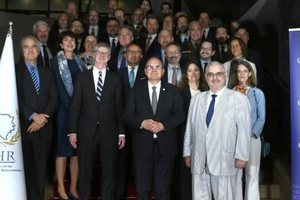
The Peace Implementation Council in Bosnia and Herzegovina...

John Bolton, the former national security adviser to US Pr...

Korça is ready to open the summer season with one of the c...

Two years after his passing, the renowned Korçë poet Skënd...

The Ethnographic Museum of Berat has opened its doors to v...

The story of Harilla Bakalli is one of the most chilling t...

Despite years of efforts at regional cooperation and free ...

Albania is the country with the highest level of severe ma...

This Friday, one US dollar is bought for 81.3 lek and sold...

The government aims to transform the country's industrial ...