


Serious accident on the Kardhiq-Delvinë axis / One person dies, three others are injured
A serious accident occurred on the Kardhiq-Delvinë axis, i...

A serious accident occurred on the Kardhiq-Delvinë axis, i...

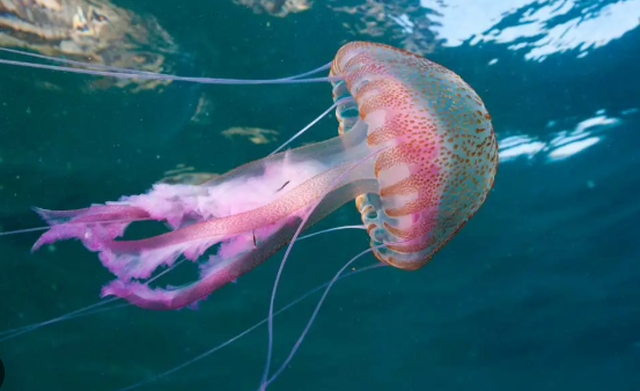
Purple jellyfish have already been spotted on several beaches in the country, causing concern among holidaymakers. According to experts, they have appeared in the Pagasetic and northern Euboean seas.
The purple jellyfish is a jellyfish of the family Pelagia and the only currently known species in its genus. It can be described as a marine organism with the ability to glow in the dark (bioluminescence). It is found worldwide in tropical and warm temperate seas, although records from the North Atlantic region, which includes the Mediterranean Sea and the Gulf of Mexico, are suspected to represent a closely related but currently unidentified species.
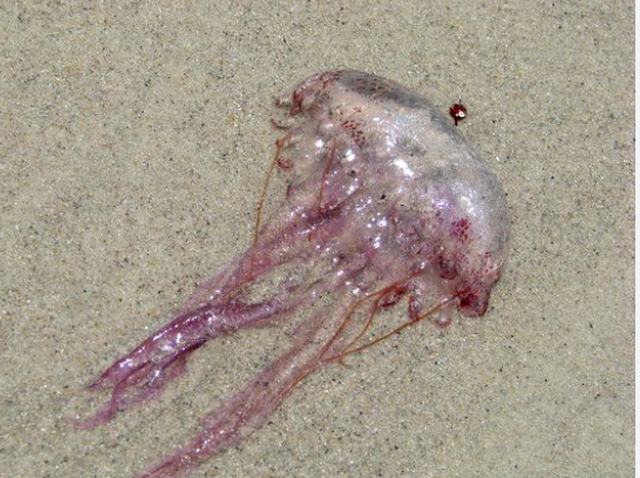
A fairly small and colorful species, both its tentacles and bell (unusual in jellyfish) are covered in spines. Stings are common, painful, and symptoms can persist for a long time, but are generally not dangerous. Swarms of the species Pelagia noctiluca have been recorded wiping out entire fish farms. Because of this, it has become one of the most studied species.
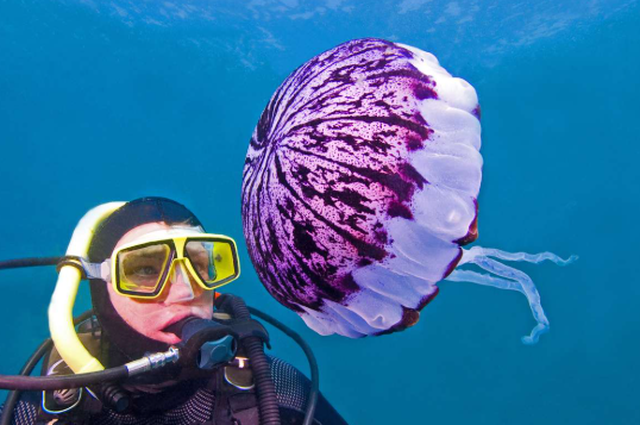
-Remove any tentacles that are attached to your body. But not with your bare hands, because this will cause the tentacles to stick to your hands and transfer the irritation there.
-Rinse the bite area with plenty of seawater. If there is no better way, fill a fist with sand and rub the part of your body where the stinger's tentacles are attached. Do not use fresh water, as it may activate the stingers that are still in the skin.
-Apply ice or cold compresses to the bite site. This limits local skin reactions.
-Apply a cortisone cream to the affected area. It limits the local inflammatory reaction and quickly relieves the stinging and itching.
Finally, if the symptoms are severe and especially if they do not disappear after applying local measures, a cortisone injection may be necessary. In this case, you should definitely go to the hospital or visit a Health Center. /CNA

Kastraveci është një nga prodhimet e stinës së verës me sh...
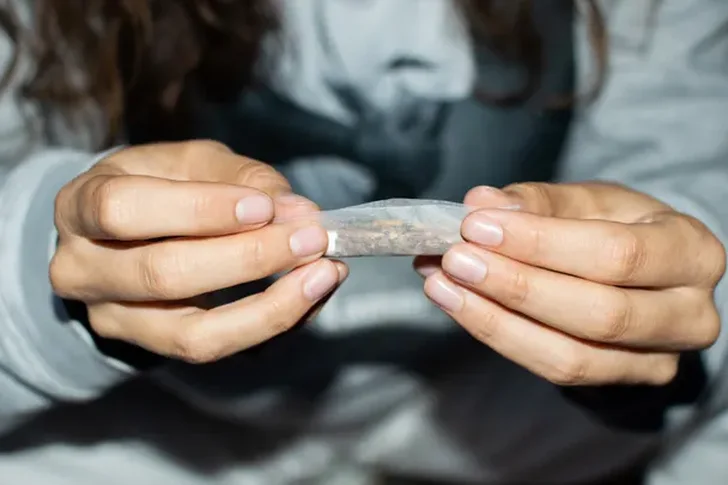
A recent French study said that cannabis use increases the...

Apples have a high nutritional value, which is why people ...
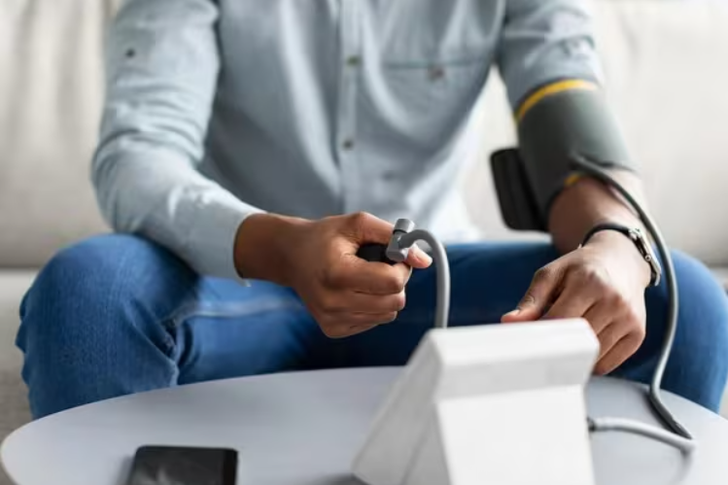
Doctors are routinely overlooking a common cause of high b...

You've made the decision: you're going to start working ou...
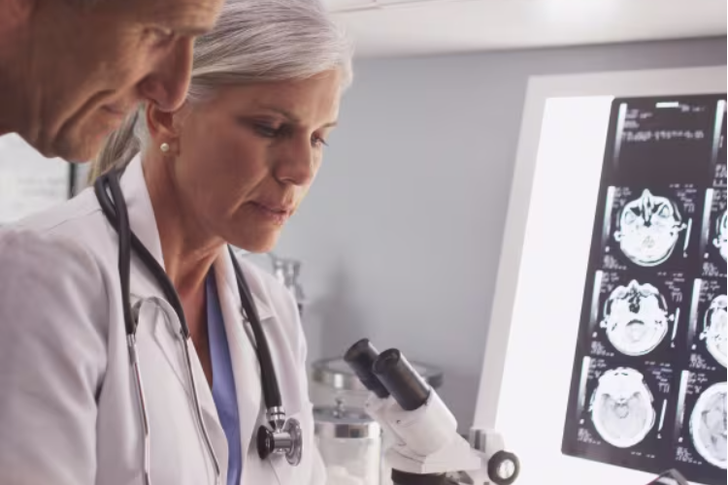
A team of researchers at Johns Hopkins Medicine may have d...
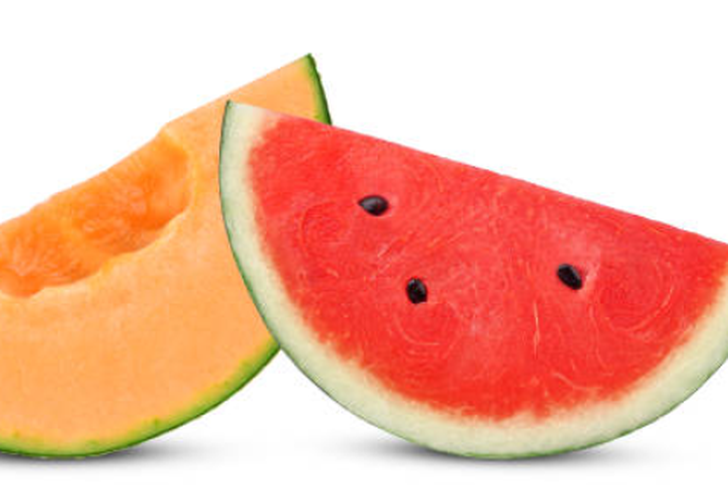
From the beginning to the end of summer, when we talk abou...
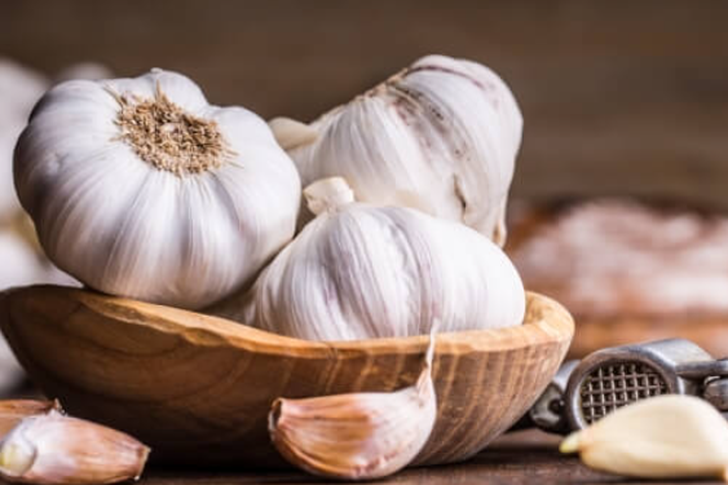
Garlic is not just a spice, but one of the most powerful n...
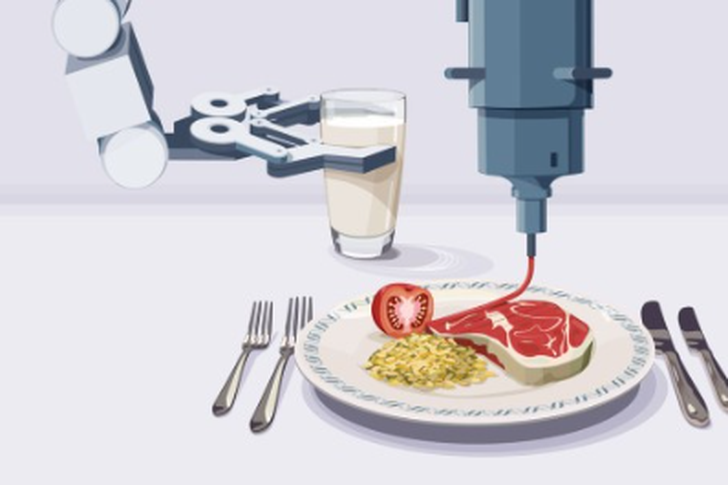
The food menu of the future will be an ecologically innova...
A major study from the University of Oxford has shown that...

Climate change is silently stealing nutrients from our foo...

A new study published in the journal Nature has added to t...

People who breathe more polluted air are at greater risk o...
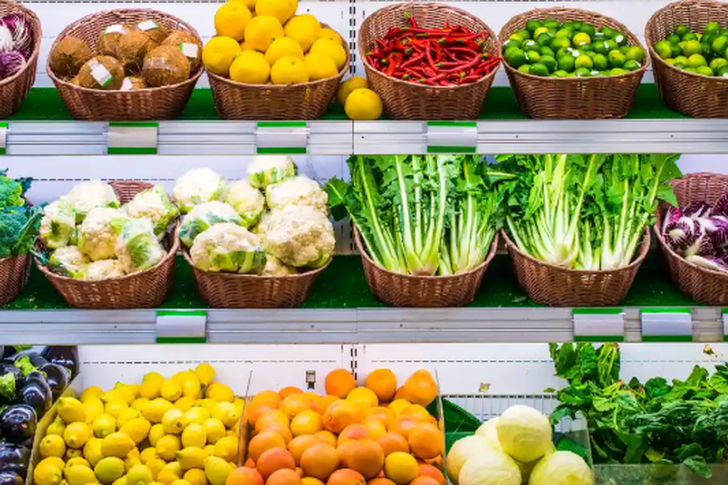
If there's one thing that gets put off time and time again...

The time we eat is important, and in the case of dinner, s...

Our bodies are made up of about 60% water, and all of our ...
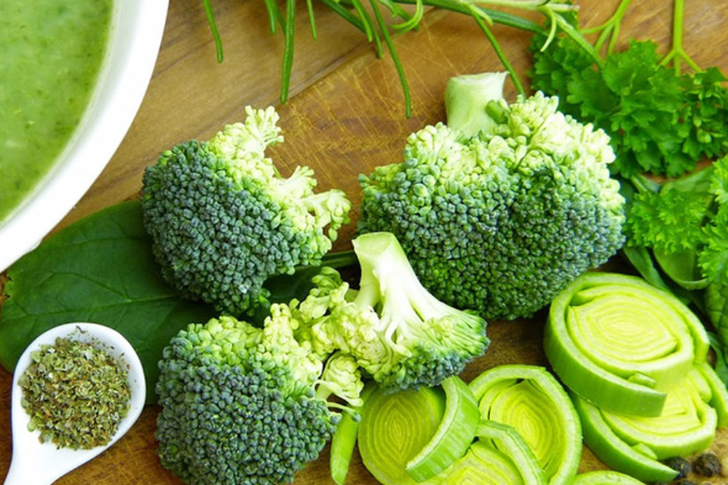
The different types of fiber your body needs come from an ...
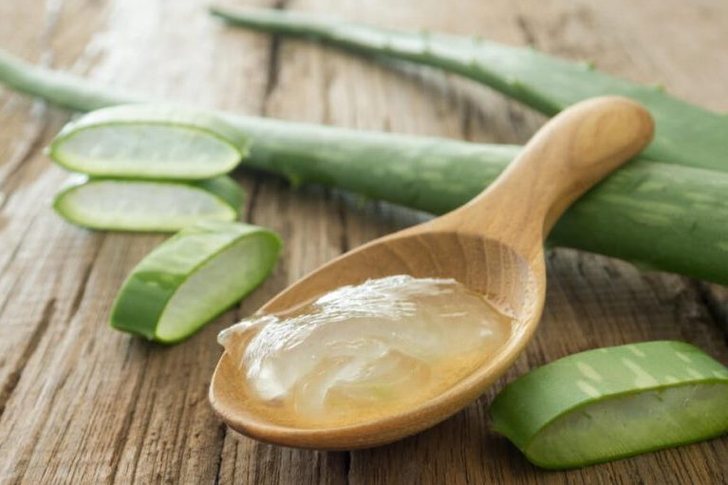
If you feel weak and don't get enough rest, or are prone t...

Hot summer days can be wonderful when we're at the beach o...
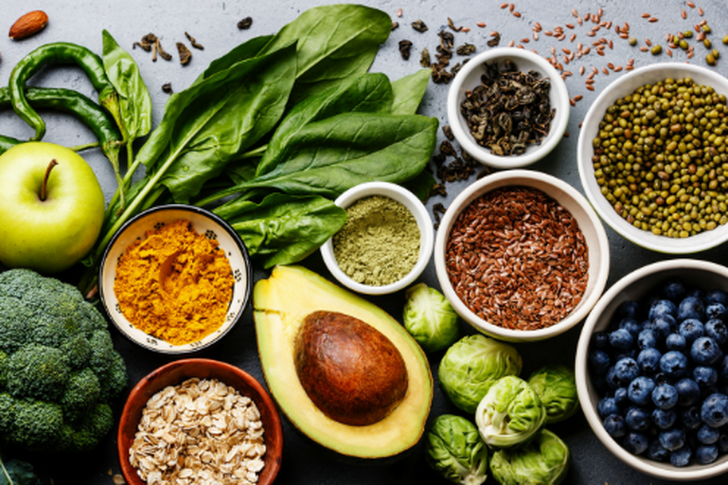
Numerous studies have shown that healthy eating patterns c...

The next case broadcast on the show "Stop", this Thursday,...
The case published this Thursday, June 4, on the show "Sto...

The protests of recent days related to the situation in Zv...

The case addressed this Wednesday, June 3, on the show "St...

The Special Board of Appeal (KPA) decided this Monday ...

The KPA vetting decided this Thursday to dismiss the p...

Suela Salavaçi, a prosecutor in the Prosecutor's Offic...

The Special Board of Appeal reinstated the prosecutor ...
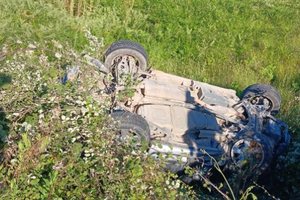
A serious accident occurred on the Kardhiq-Delvinë axis, i...

Authorities have conducted a large-scale anti-drug operati...
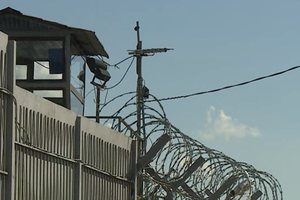
A convict was found dead today in the premises of the Pris...
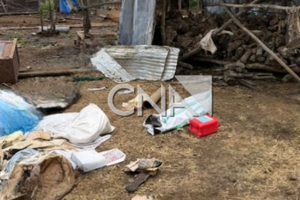
Several images provided by CNA show the area where this mo...
Today our country will be affected by stable weather condi...

For many children and teenagers, the long summer holidays ...

Albania is facing an unprecedented demographic transition,...
On Thursday, our country will be affected by unstable weat...

Russian President Vladimir Putin said the war in Ukraine c...
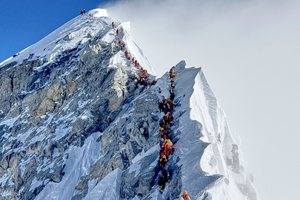
An extraordinary story of survival has been recorded in Ne...

The Peace Implementation Council in Bosnia and Herzegovina...

John Bolton, the former national security adviser to US Pr...

Korça is ready to open the summer season with one of the c...

Two years after his passing, the renowned Korçë poet Skënd...

The Ethnographic Museum of Berat has opened its doors to v...
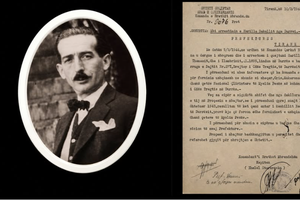
The story of Harilla Bakalli is one of the most chilling t...
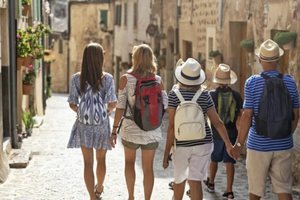
Despite years of efforts at regional cooperation and free ...

Albania is the country with the highest level of severe ma...

This Friday, one US dollar is bought for 81.3 lek and sold...

The government aims to transform the country's industrial ...