


Armë, kokainë dhe cannabis në zonat bregdetare/ Arrestohen dy persona
Policia e Vlorës ka finalizuar operacionin e koduar “Sigur...

Policia e Vlorës ka finalizuar operacionin e koduar “Sigur...

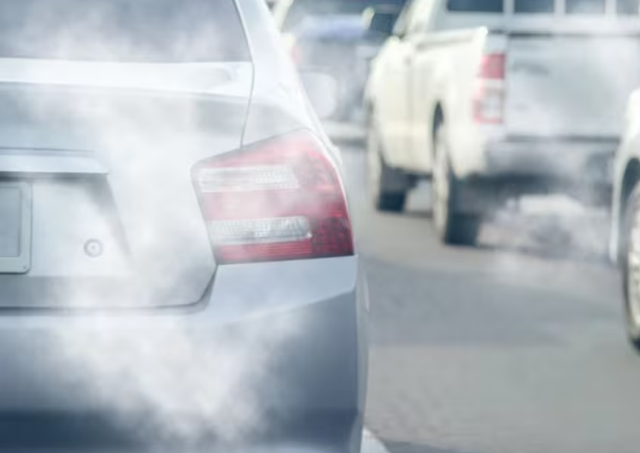
People who breathe more polluted air are at greater risk of developing a common brain tumor, a new study suggests.
Several different types of air pollutants, including particulate matter and nitrogen dioxide, appear to increase the risk of meningiomas — tumors that form in the layers of tissue covering the brain and spinal cord, researchers reported July 9 in the journal Neurology.
“Various types of air pollution have been shown to have negative effects on health, and ultrafine particles are small enough to cross the blood-brain barrier and can directly affect brain tissue,” lead researcher Ulla Hvidtfeldt, a senior scientist at the Danish Cancer Institute in Copenhagen, Denmark, said in a press release.
"Our study suggests that long-term exposure to air pollution from traffic and other sources may play a role in the development of meningioma and adds to the growing evidence that air pollution can affect the brain - not just the heart and lungs," she added.
More than 170,000 people are diagnosed with meningioma in the United States each year, according to the Cleveland Clinic. Symptoms include headaches, dizziness, nausea, vision changes, hearing loss, seizures, memory problems, muscle weakness or paralysis, and changes in behavior or personality.
Meningiomas can be treated with surgery, radiotherapy or chemotherapy, says the Cleveland Clinic.
For the new study, researchers followed nearly 4 million adults in Denmark over a 21-year period. During that time, about 16,600 of them developed brain or spinal cord tumors, including more than 4,600 who developed meningiomas.
Using people's addresses, the research team assessed their long-term exposure to air pollution. The results showed that people with the highest exposure to air pollution had three times the rate of meningioma compared to those with the lowest exposure - 0.2% of the population versus 0.06%.
Moreover, the risk increased with increasing exposure to various air pollutants. For example, people had a 21% higher risk of meningioma for every four micrograms per cubic meter increase in exposure to fine particulate matter, or airborne particles with a diameter of 2.5 microns. By comparison, a human hair is 50 to 70 microns in diameter.
Likewise, they had a:
12% increase in risk for every 8.3 Ug/m3 increase in nitrogen dioxide.
10% higher risk for each increase of 5,747 particles/cm3 for ultrafine particles with a diameter of less than 0.1 micrometer.
3% higher risk for every 0.4 Ug/m3 increase in carbon in the air.
However, the researchers did not find strong links between air pollutants and more aggressive brain tumors.
"While research on the health effects of ultrafine particles is still in its early stages, these findings indicate a possible link between exposure to traffic-related ultrafine particles and the development of meningioma," said Hvidtfeldt.
The researchers noted that the study design cannot prove a direct cause-and-effect relationship between air pollutants and meningioma, but only an association.
"More research is needed to confirm these results, but if cleaning our air can help reduce the risk of brain tumors, this could make a real difference to public health," Hvidtfeldt added./ CNA

If there's one thing that gets put off time and time again...
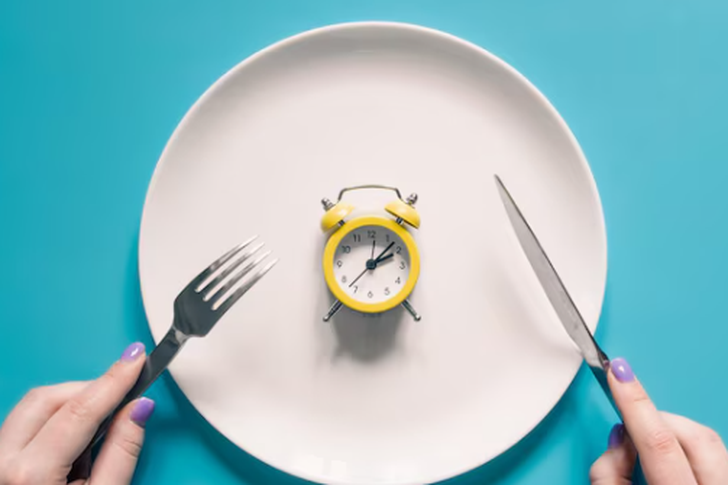
The time we eat is important, and in the case of dinner, s...

Our bodies are made up of about 60% water, and all of our ...
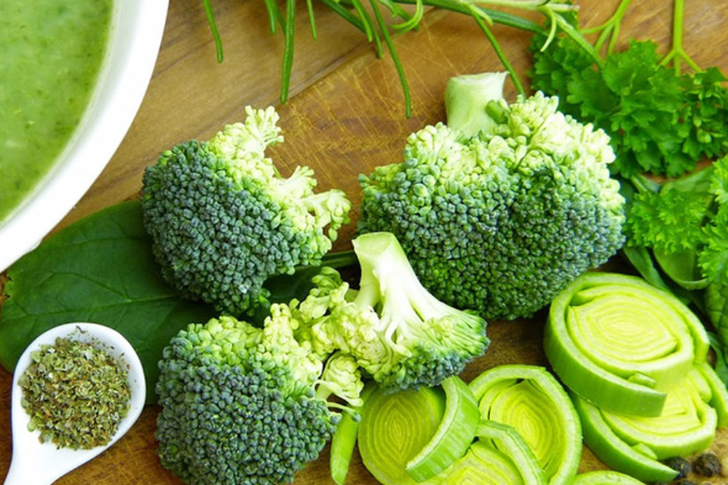
The different types of fiber your body needs come from an ...

If you feel weak and don't get enough rest, or are prone t...

Hot summer days can be wonderful when we're at the beach o...
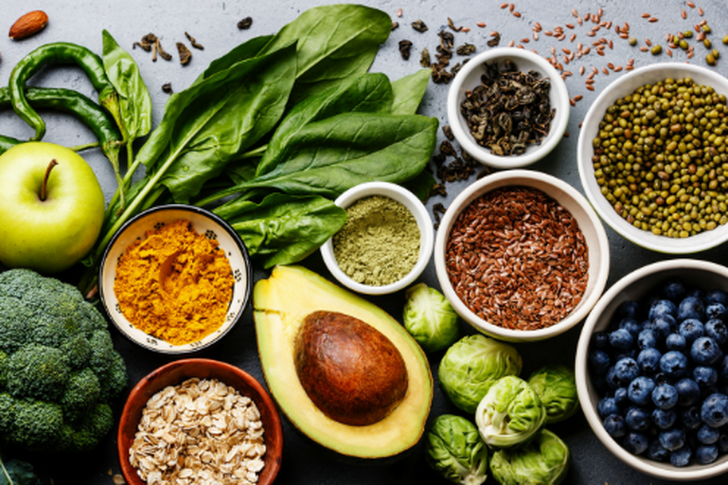
Numerous studies have shown that healthy eating patterns c...

Groups at highest risk during extreme heat include people ...
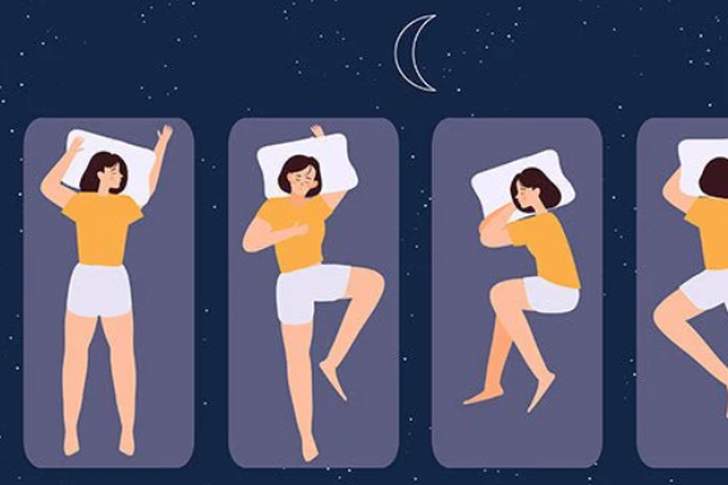
New research shows that the human brain has a superpower t...

Heading the ball can be a dramatic and game-changing actio...
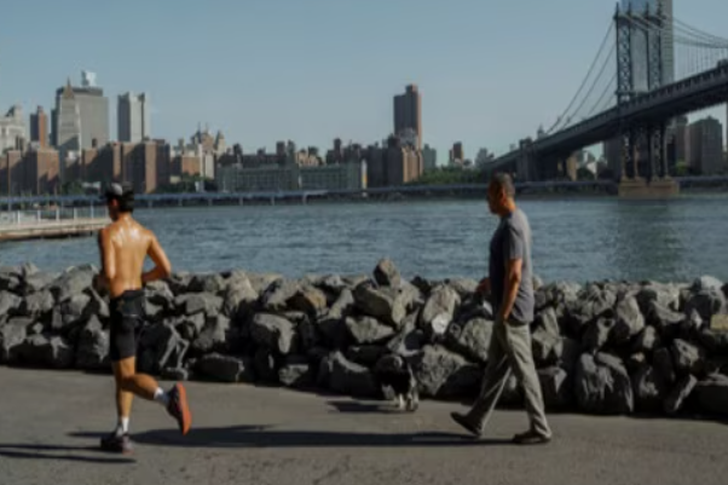
Extreme heat makes it especially difficult to cool your bo...
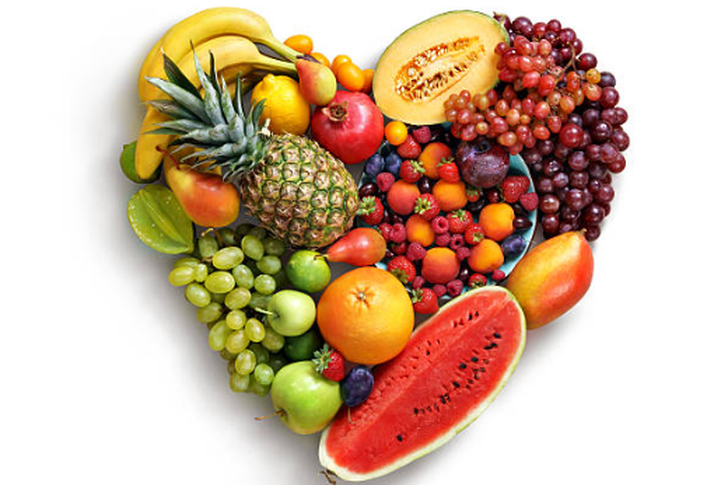
Summer is the ideal time to add more fruits and vegetables...

Swimming is not only a pleasant memory from our childhood,...
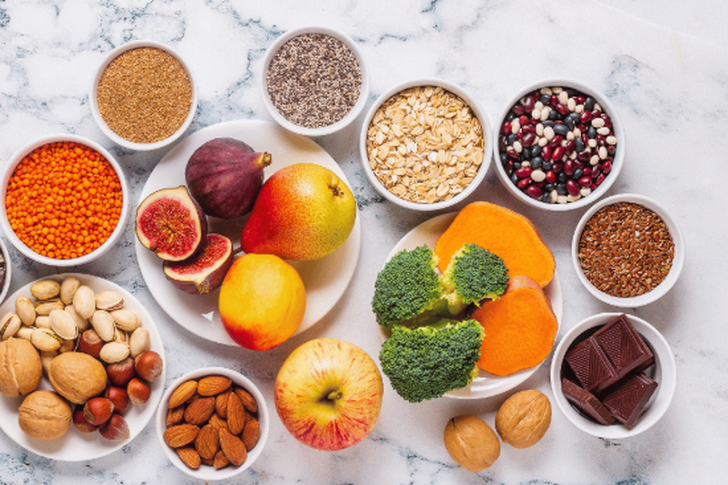
Found primarily in plant foods like fruits, vegetables, wh...
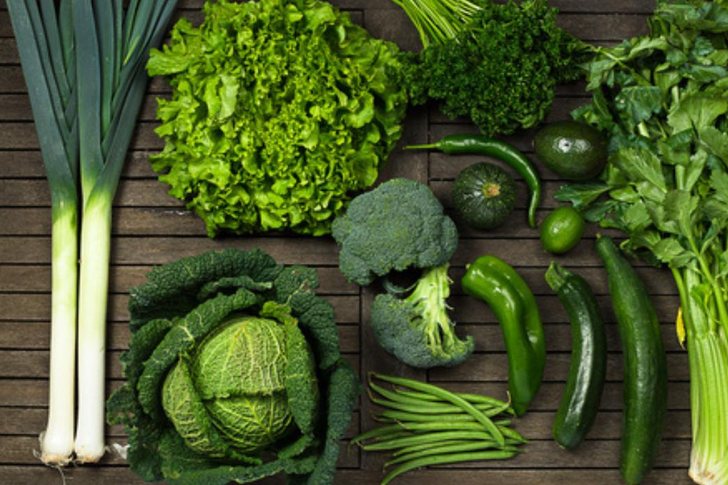
Food is our main source of energy and vitality. By adding ...
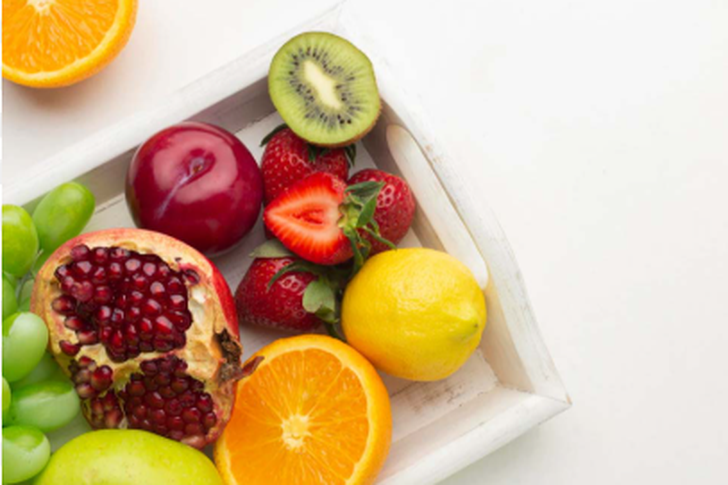
Fruits are an integral part of a healthy diet, they are lo...
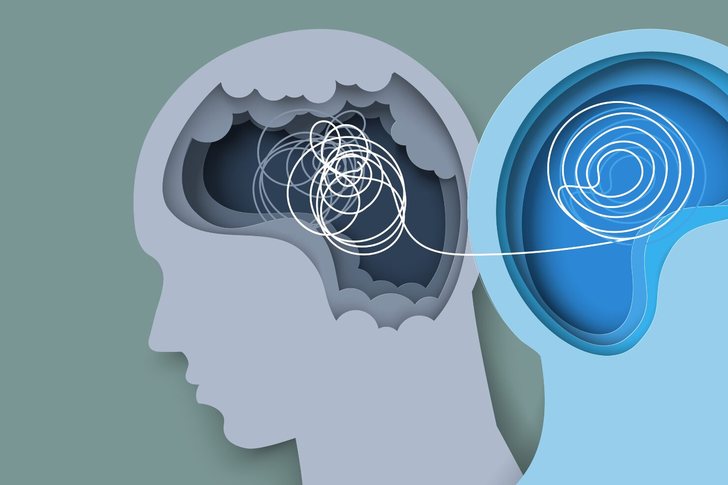
Europe is on alert. The WHO, in its latest report, says th...

As fitness devices become more popular, more and more peop...

Summer is the season we all look forward to, with longer d...
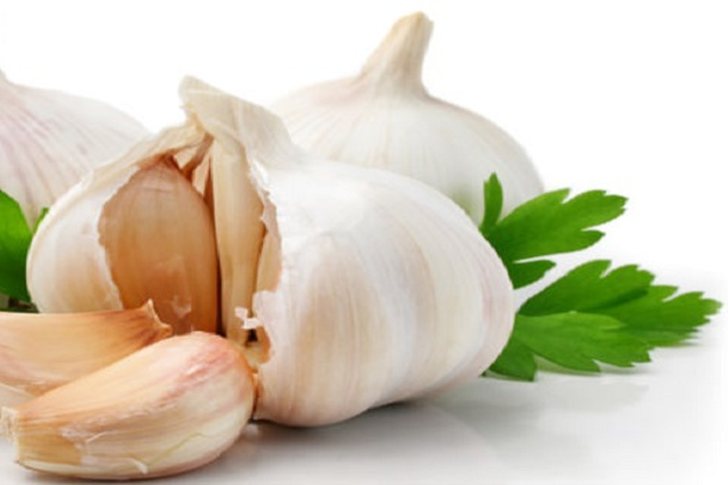
Since ancient times, garlic has been humanity's ally again...

There have been 12 days of protests in the capital, which ...
Dritan Prençi is the SPAK prosecutor who is sleeping on th...

The in-depth investigations that SPAK conducted into Ajola...
SPAK's standards, the way it investigates, how it secures ...

The Special Board of Appeal (KPA) decided this Monday ...

The KPA vetting decided this Thursday to dismiss the p...

Suela Salavaçi, a prosecutor in the Prosecutor's Offic...

The Special Board of Appeal reinstated the prosecutor ...

Policia e Vlorës ka finalizuar operacionin e koduar “Sigur...

New details have emerged regarding the serious accident th...
An Albanian businessman was arrested this afternoon in Gre...

A serious accident has occurred on the Korça-Ersekë axis, ...
Today our country will be affected by stable weather condi...
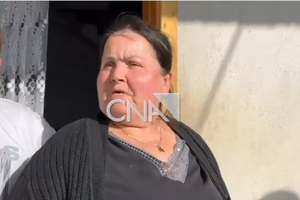
A tragic accident occurred this Friday afternoon in Kameni...

Today our country will be affected by unstable weather con...
On Thursday, our country will be affected by relatively un...
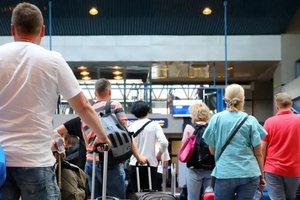
Good news for those who fly: After years of negotiations, ...
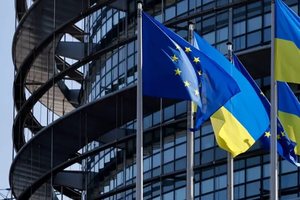
It took more than two years, but now the EU can begin acce...
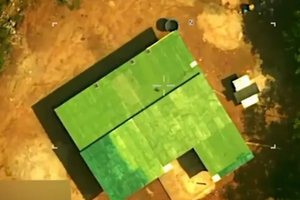
US President Donald Trump announced that the US military h...
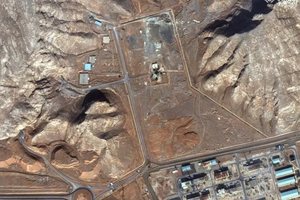
Iran has taken new measures to strengthen the protection o...

Several archaeological excavations conducted during this s...

At the Museum of Fine Arts in Chambéry, France, an exhibit...

Korça has transformed this weekend into the capital of cel...

Korça is ready to open the summer season with one of the c...
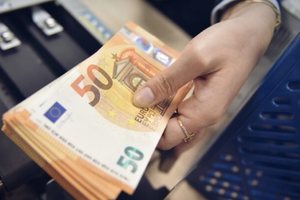
This Saturday, one US dollar is bought for 81.5 lek and so...
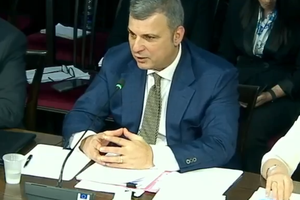
The Governor of the Bank of Albania, Gent Sejko, shared to...

Business lending has increased in the first half of this y...

The labor market has shown worrying trends in early 2026. ...