


Serious accident on the Kardhiq-Delvinë axis / One person dies, three others are injured
A serious accident occurred on the Kardhiq-Delvinë axis, i...

A serious accident occurred on the Kardhiq-Delvinë axis, i...

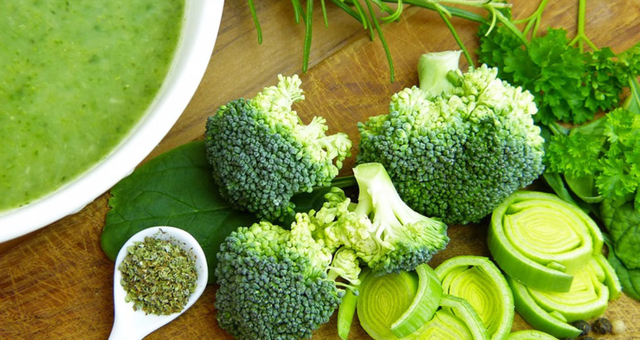
The different types of fiber your body needs come from an army of overlooked foods, each of which supports a different intestinal function.
Fiber may not appear next to collagen coffee or infrared saunas in your wellness diet, but if you want to feel cleaner and lighter on the inside, here's where you should start.
We've learned to count macronutrients, protein, carbs, fats, as if that were the whole story. But fiber doesn't follow these rules.
You can't "hit the target" by simply eating the same foods over and over again. And yet, that's exactly what most of us do: we circle around a few popular fiber-rich foods and think we're covered.
While the amount of fiber is important, the variety is just as critical. You want all of these to work together to produce short-chain fatty acids, which affect overall metabolic health.
You don't have to track which food does what. Just start including a wider variety, that's the secret to unlocking the full potential of fiber.
The different types of fiber your gut craves
We've popularized kale and broccoli as the "faces" of fiber, but every plant food—grains, greens, lentils, legumes, fruits, vegetables, nuts, and seeds—contains a different kind. Each one feeds a distinct set of microbes in your gut.
Think of your gut as an organism. Each fiber-rich food feeds a different part. If one is overworked and the others are neglected, the entire system slows down. Your body doesn't just need one superfood, it needs a whole team working in sync.
The fiber in beets feeds a different “group” of microbes than flaxseed or chickpeas. Even among leafy greens, amaranth, spinach, fenugreek, the microbial effects vary.
And because each bacterial species supports a different function in the body, the more diverse your fiber sources, the more balanced your internal ecosystem becomes.
Its health depends on biodiversity. In your body, this translates into a more stable mood, clearer skin, and better digestion, without having to strictly follow nutritional rules.
What does fiber diversity mean in practice?
You don't need a kitchen revolution or 25 ingredients for every meal. Focus on variety throughout the week, not on every dish. Start by noticing which foods you repeat and where you can make small changes.
For example, most Indian meals consist of 1-2 main dishes, dal and rice, or sabzi and roti. Can you reduce that base a bit, not the calories, just its dominance, and add a small portion of something different? It's an easy way to increase variety without eating more.
Source of fiber
International options
Chia Seeds – Easy to use, rich in fiber, especially when soaked in water
Avocado – Creamy, rich, helps stabilize blood sugar
Nutritional Yeast Flakes – A delicious fiber-rich addition to toast, salads, or oven-roasted vegetables
Ground flaxseed or pumpkin seed powder – Mild flavor, mixes easily into oatmeal, smoothies, or yogurt
Quinoa – A light grain that offers both fiber and protein
Local staple foods
Guava, amla, sapodilla – Some of the fruits with the highest fiber content, rich in soluble and insoluble fiber.
Chickpeas, beans, lupins – Rotate them to support microbial diversity
Jowar and nachni (ragi) – Gluten-free, naturally increase fiber intake
Red and black rice – unprocessed, with more fiber than white
Black beans (methi) and spinach – Everyday greens that make a difference when rotated weekly.
Even these little additions, different types of fiber at each meal, give your gut new information to process. You don't need perfection, just a little more purpose.
While I still take a good probiotic every day, your gut needs the first support from food, varied, fiber-rich, plant-based meals that do things that supplements can't.
There's a whole world of nutritious, fiber-rich foods that are both delicious and healthy, even if they look boring on paper. When you start building that relationship with food, it's no longer about rules and it becomes about rhythm.

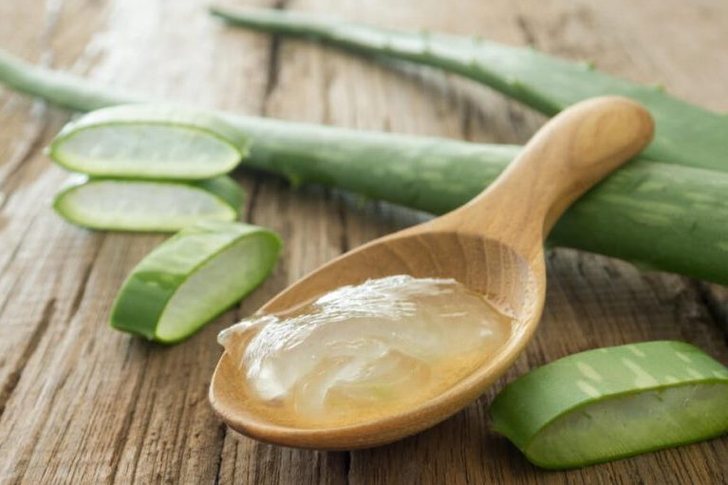
If you feel weak and don't get enough rest, or are prone t...

Hot summer days can be wonderful when we're at the beach o...
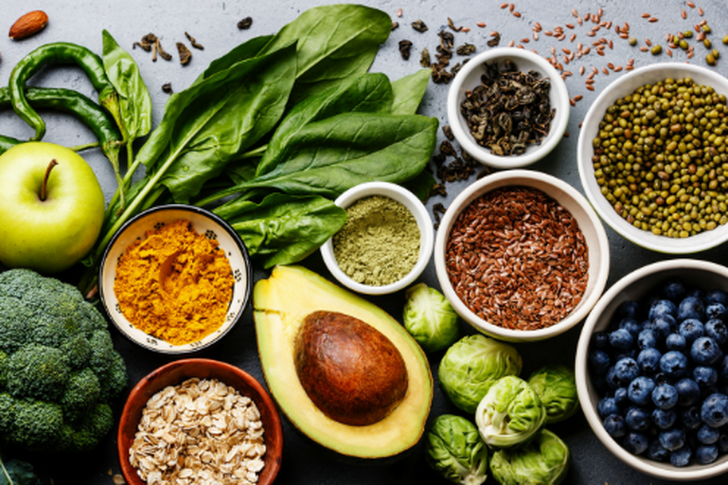
Numerous studies have shown that healthy eating patterns c...

Groups at highest risk during extreme heat include people ...

New research shows that the human brain has a superpower t...

Heading the ball can be a dramatic and game-changing actio...

Extreme heat makes it especially difficult to cool your bo...
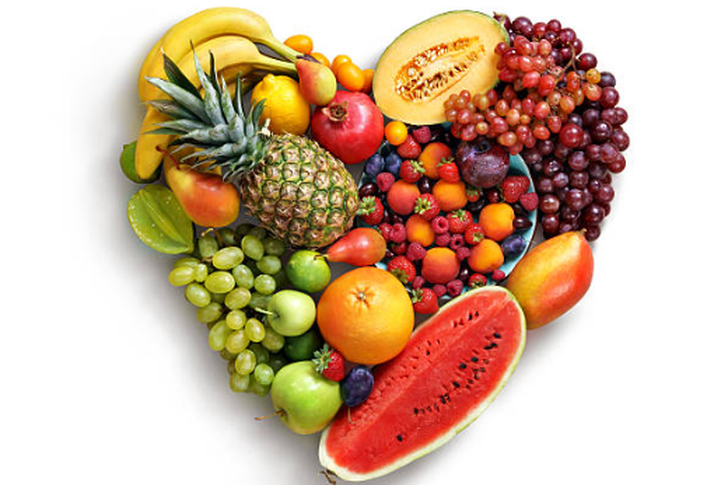
Summer is the ideal time to add more fruits and vegetables...

Swimming is not only a pleasant memory from our childhood,...
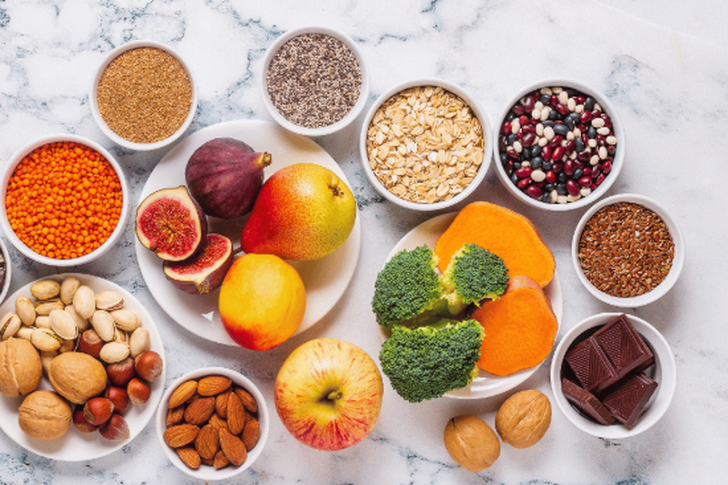
Found primarily in plant foods like fruits, vegetables, wh...
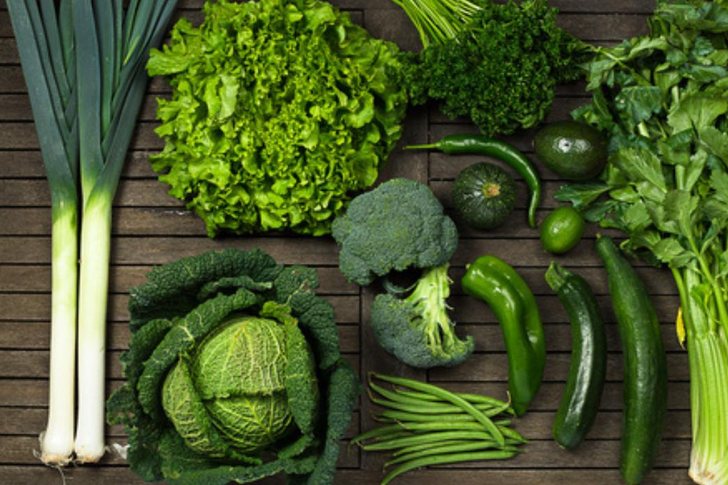
Food is our main source of energy and vitality. By adding ...
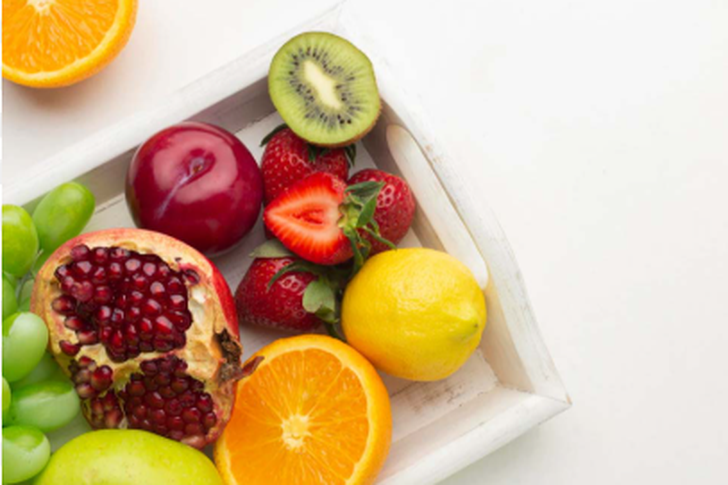
Fruits are an integral part of a healthy diet, they are lo...

Europe is on alert. The WHO, in its latest report, says th...

As fitness devices become more popular, more and more peop...

Summer is the season we all look forward to, with longer d...
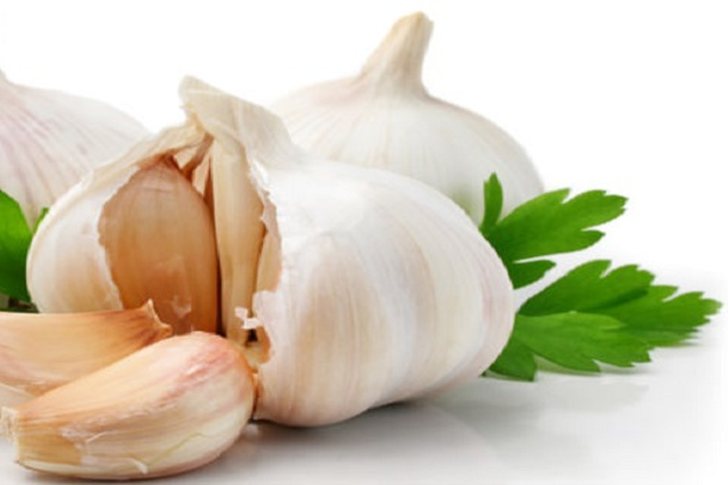
Since ancient times, garlic has been humanity's ally again...

If every time you travel you notice that your skin's behav...

There is a type of "noise" that can significantly improve ...
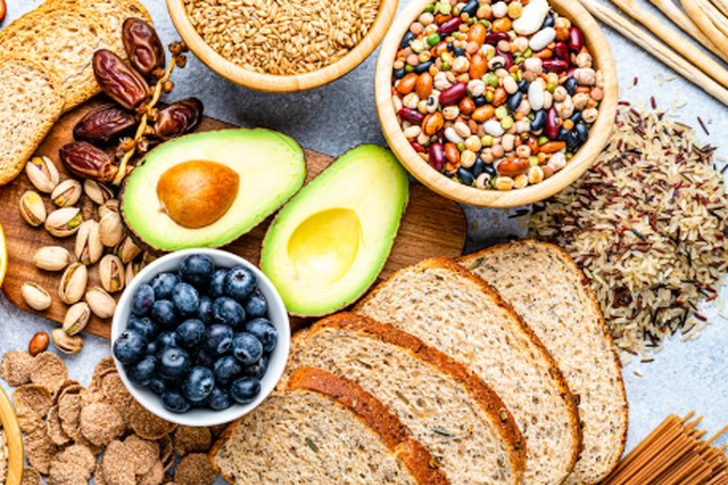
We live in an era where nutrition is mentioned everywhere:...
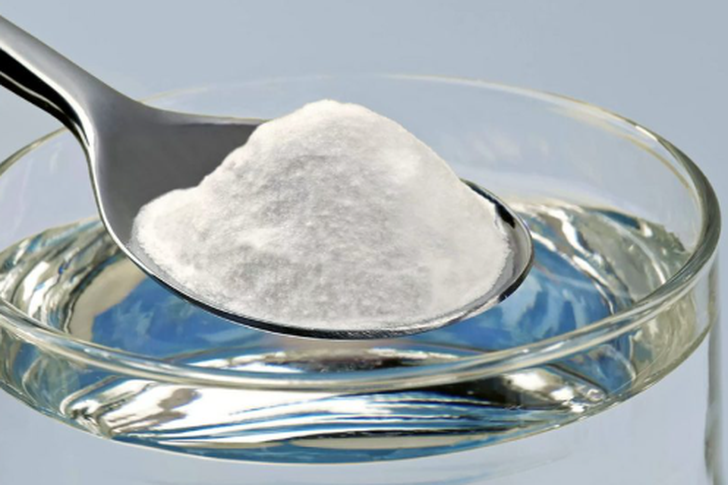
Baking soda is one of the products that is never missing i...

The next case broadcast on the show "Stop", this Thursday,...

The case published this Thursday, June 4, on the show "Sto...

The protests of recent days related to the situation in Zv...

The case addressed this Wednesday, June 3, on the show "St...

The Special Board of Appeal (KPA) decided this Monday ...

The KPA vetting decided this Thursday to dismiss the p...

Suela Salavaçi, a prosecutor in the Prosecutor's Offic...

The Special Board of Appeal reinstated the prosecutor ...
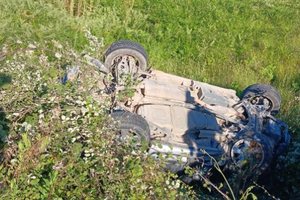
A serious accident occurred on the Kardhiq-Delvinë axis, i...

Authorities have conducted a large-scale anti-drug operati...

A convict was found dead today in the premises of the Pris...

Several images provided by CNA show the area where this mo...

Today our country will be affected by stable weather condi...

For many children and teenagers, the long summer holidays ...
Albania is facing an unprecedented demographic transition,...

On Thursday, our country will be affected by unstable weat...

Russian President Vladimir Putin said the war in Ukraine c...

An extraordinary story of survival has been recorded in Ne...

The Peace Implementation Council in Bosnia and Herzegovina...

John Bolton, the former national security adviser to US Pr...

Korça is ready to open the summer season with one of the c...

Two years after his passing, the renowned Korçë poet Skënd...

The Ethnographic Museum of Berat has opened its doors to v...

The story of Harilla Bakalli is one of the most chilling t...
Despite years of efforts at regional cooperation and free ...

Albania is the country with the highest level of severe ma...

This Friday, one US dollar is bought for 81.3 lek and sold...

The government aims to transform the country's industrial ...