


Businessman Artur Shehu breaks his silence: I am a long-time land owner in Zvërnec, I don't know the investors at all
Albanian businessman Artur Shehu spoke on the Opinion show...

Albanian businessman Artur Shehu spoke on the Opinion show...

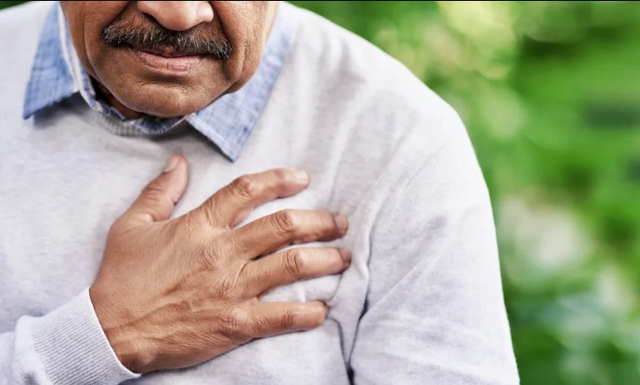
A 59-year-old man arrived at Peking University First Hospital in Beijing for a procedure when he began experiencing severe chest pain and shortness of breath.
Four months ago, he had cancerous tumors removed from his bladder. Around his family, he tried his best to appear strong and avoided discussing his health. In private, his intense anxiety about the possibility of the cancer returning kept him awake at night.
Doctors said the man was experiencing takotsubo cardiomyopathy — also known as broken heart syndrome, as documented in a 2021 case study. The rare stress-induced heart disease has been seen primarily in women, but a study published in the Journal of the American Heart Association in May found that the disease may be more deadly for men who are affected.
Thought to be triggered by extreme emotional or physical events — such as learning of the death of a loved one, winning the lottery, or lifting a heavy couch — takotsubo cardiomyopathy, or TC, occurs when the heart muscle is flooded with stress hormones, causing part of it to “freeze” in place. As the heart struggles to pump blood properly, symptoms resemble those of a heart attack, including chest pain, heart palpitations, and irregular heartbeats.
The new study analyzed data from nearly 200,000 patients hospitalized for TC in the United States between 2016 and 2020. While women accounted for 83% of cases, men were more than twice as likely to die from the condition — with a mortality rate of 11.2%.
Broken heart syndrome in men versus women
Similar to differences between men and women's cardiovascular health in general, the discrepancies in cardiovascular mortality rates are not well understood, Movahed said, particularly because they contradict trends in other heart diseases. However, it is widely theorized that differences in hormone levels play a role.
Stressful situations cause the adrenal glands to release our “fight or flight” hormones, called catecholamines. They are meant to raise blood pressure and increase heart rate, but extreme levels can temporarily “shock” cells in heart tissue, leading to TC, Movahed explained.
He suggested that men are thought to produce more catecholamines during stressful situations compared to women, causing men to present with more severe cases of TC.
Estrogen, a sex hormone produced in higher levels in women, may also have a protective effect on the cardiovascular system, making it easier to manage an extreme influx of catecholamines and reducing the risk of serious cardiovascular complications, said Dr. Louis Vincent, a non-invasive cardiology researcher at the University of Miami who is co-author of a similar multi-year study investigating the differences in men and women who had cardiovascular disease. Vincent was not involved in the new study.
Beyond biological differences, social factors may also play a role. “Most (doctors) are aware of takotsubo, but they may think of it as a disease that only affects women, so the diagnosis may be overlooked in men,” said Dr. Deepak Bhatt, a cardiologist and director of Mount Sinai Fuster Heart Hospital, who was not involved in the study. “With misdiagnosis, care is delayed, and that can sometimes lead to worse outcomes.”
Men may also seek care at a later stage of the disease, believing that their symptoms are manageable or will pass.
Deadly complications from TC include blood clots, stroke, cardiac arrest and heart failure, Lemor said. If the condition is caught early, medications can reduce the risk of these complications, restore proper heart function and allow for a full recovery within weeks, he added.
The higher mortality rate in men requires further study.
Movahed's team was able to take into account important variables such as age, race, income, chronic lung disease, hypertension and diabetes in its findings.
However, there was no patient data on other comorbidities, such as a history of stroke or the presence of a Covid-19 infection, Vincent said.
Furthermore, the new study included inpatient diagnostic data only for those hospitalized with TC, so those who received outpatient care or died later from complications outside the hospital were likely not counted in the analysis, Movahed noted.
To create a stronger explanation for the differences in mortality rates between men and women and to test further treatment methods, a more detailed data set would be needed, Vincent said.
Don't try to 'endure' it.
Sudden, severe chest pain or shortness of breath should always be treated as a medical emergency, warned Bhatt, who is also a professor of cardiovascular medicine at the Icahn School of Medicine at Mount Sinai in New York City.
“This is not the time to deal with it at home or go online to figure it out… Don’t try to find your primary care provider. Call emergency services,” Bhatt said. “Time is of the essence. By buying those few hours, you could save yourself irreparable damage to your heart.”
Symptoms that come after physical stressors — a common cause of TC in men — shouldn't be ignored, Movahed said, especially those that precede medical events like asthma attacks, seizures, or complications from drug use.
Although TC is triggered by unexpected stress, Bhatt said that managing chronic stress with meditation or daily exercise can lead to better cardiovascular health overall, giving you routines to rely on in unexpected situations./ CNA

Heartburn, a common condition characterized by a burning s...
Scientists believe they have discovered the reason why we ...

A new study suggests that washing clothes worn at home may...

Our brain health is a hot topic for new research. Climate ...
Feeling sick? Drink more water! This advice may sound as… ...

Collagen is one of the body's building blocks. Made up of ...

A study has found that a new triple therapy for aggressive...
Çfarë lloj diete ndjekin ata që jetojnë në të ashtuquajtur...

Reading may be the key to living longer. According to a st...

For most of us, summer has significant positive benefits f...

Women and girls need to be mindful of the nutrients they n...

A simple combination of tea, apples, berries, grapes and c...

According to a new and groundbreaking study from Iran, cou...

An almost common and often unconscious habit at the table,...
Scientists discover a way to prevent and treat age-related...
Diets need variety. A colorful diet can give you all the n...

According to a recent survey, healthy living is now a majo...

Walking is a physical activity that moves the body and wor...

The International Agency for Research on Cancer (IARC) has...
Even if you get enough sleep, an inconsistent sleep-wake s...

The next case broadcast on the show "Stop", this Thursday,...
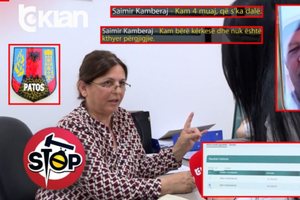
The case published this Thursday, June 4, on the show "Sto...

The protests of recent days related to the situation in Zv...
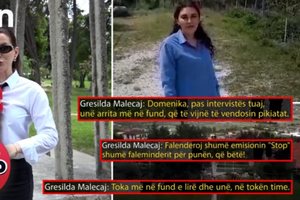
The case addressed this Wednesday, June 3, on the show "St...

The Special Board of Appeal (KPA) decided this Monday ...

The KPA vetting decided this Thursday to dismiss the p...

Suela Salavaçi, a prosecutor in the Prosecutor's Offic...

The Special Board of Appeal reinstated the prosecutor ...

A convict was found dead today in the premises of the Pris...
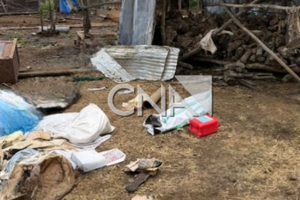
Several images provided by CNA show the area where this mo...

A quantity of explosive material exploded this morning at ...
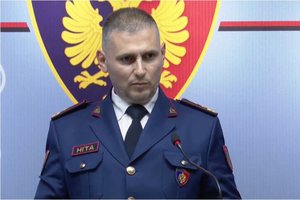
The Head of the State Police, Skënder Hita, expressed his ...

For many children and teenagers, the long summer holidays ...
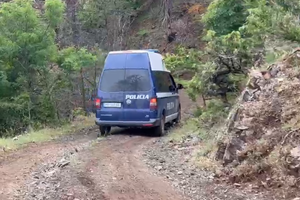
Witnesses in Lozhan, Maliqi, have shared details from the ...

Albania is facing an unprecedented demographic transition,...

On Thursday, our country will be affected by unstable weat...

Russian President Vladimir Putin said the war in Ukraine c...
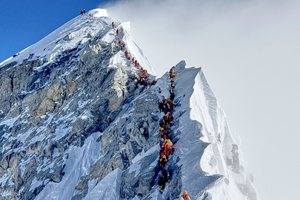
An extraordinary story of survival has been recorded in Ne...
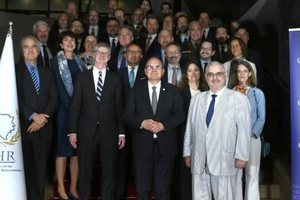
The Peace Implementation Council in Bosnia and Herzegovina...
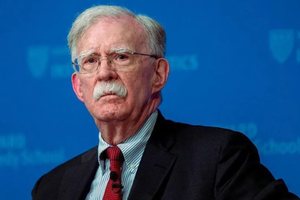
John Bolton, the former national security adviser to US Pr...
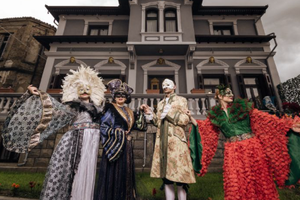
Korça is ready to open the summer season with one of the c...
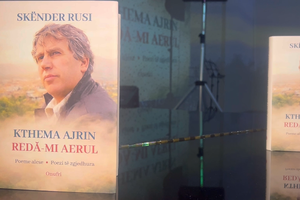
Two years after his passing, the renowned Korçë poet Skënd...

The Ethnographic Museum of Berat has opened its doors to v...
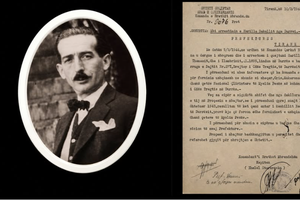
The story of Harilla Bakalli is one of the most chilling t...

The government aims to transform the country's industrial ...

Kursi i këmbimit të euros me lekun ka rënë më tej këtë jav...

Profit margins in the construction sector have increased s...

The Transparency Board, at its meeting today, decided to i...