


Regional isolation, 22% of Balkan citizens do not travel to neighbors at all
Despite years of efforts at regional cooperation and free ...

Despite years of efforts at regional cooperation and free ...


Heartburn, a common condition characterized by a burning sensation in the chest or throat due to acid reflux, affects millions of people worldwide. As the population ages, it becomes increasingly common, with certain age-related factors contributing to its progression.
Heartburn occurs when stomach acid travels up into the esophagus, the tube that connects your mouth to your stomach. As we age, several physiological and lifestyle factors contribute to worsening heartburn symptoms. Gastroenterologists say there are three main reasons for this, HuffPost Life reports.
• Muscle weakness.
The lower esophageal sphincter, a ring of muscle at the junction of the esophagus and stomach, plays a critical role in preventing the reflux of stomach acid into the esophagus. With age, this muscle can weaken, leading to increased susceptibility to acid reflux. Factors such as prolonged physical exertion, obesity, and dietary habits exacerbate this weakening.
Aging can also impair esophageal motility, the coordinated muscle movement that helps transport food and liquids from the mouth to the stomach. Reduced motility slows the clearance of stomach acid from the esophagus, prolonging exposure and worsening heartburn symptoms.
• Medications.
Older adults are more likely to take medications that can worsen heartburn, including blood pressure medications, such as nitrates and calcium channel blockers. Medications for erectile dysfunction and nonsteroidal anti-inflammatory drugs (NSAIDs) can also increase the risk of heartburn.
• Weight gain.
Age can also bring changes in dietary preferences and lifestyle habits, such as reduced physical activity and eating large meals, which can cause weight gain and increase the risk of heartburn. Research shows that both men and women gain an average of one pound to one pound each year, HuffPost Life reports. Popular weight-loss drugs called GLP-1 agonists, such as Ozempic and Mounjaro, have been linked to reflux because they delay stomach emptying.
How to prevent and manage heartburn
While heartburn can worsen with age, it is not inevitable. There are effective strategies to relieve symptoms and improve quality of life. Pay attention to foods that seem to trigger heartburn. Foods such as citrus fruits, fatty meals, caffeine, and alcohol are common triggers, and older adults may be more susceptible to them due to a slower metabolism.
Eating smaller meals and maintaining a balanced diet can help reduce episodes of heartburn. Including high-fiber foods and staying hydrated are essential for digestive health. Seniors should consult with their healthcare providers to review their medications and identify those that may be contributing to heartburn. Alternatives or adjustments may be recommended.
Experts say you should eat your last meal at least two hours before bed. When you go to bed, elevate your upper body by up to 30 degrees using a wedge or pillow, suggests Dr. Ali Kazemi, a gastroenterologist with Gastro Health in Virginia. If these lifestyle measures don't work, talk to your doctor about medications to relieve heartburn./ CNA


Scientists believe they have discovered the reason why we ...

A new study suggests that washing clothes worn at home may...

Our brain health is a hot topic for new research. Climate ...

Feeling sick? Drink more water! This advice may sound as… ...
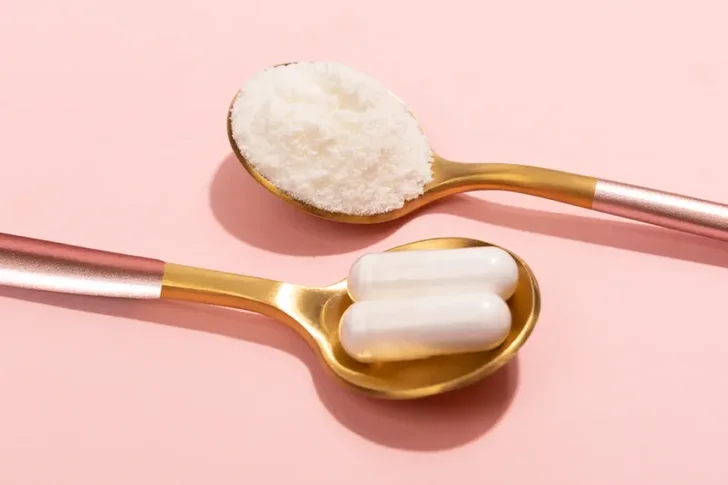
Collagen is one of the body's building blocks. Made up of ...

A study has found that a new triple therapy for aggressive...
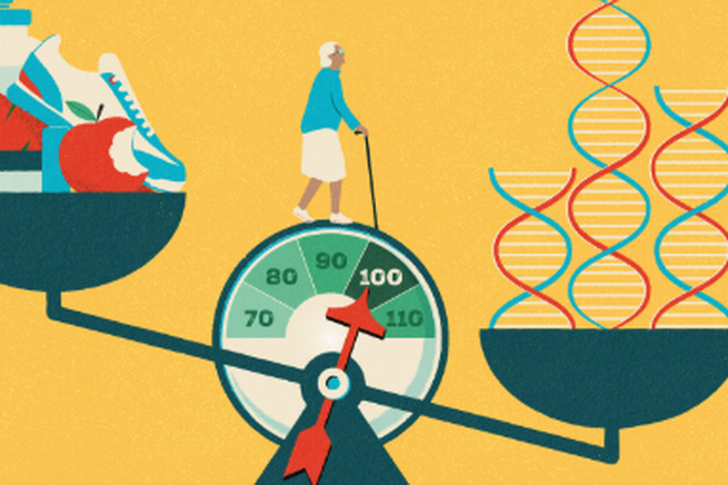
Çfarë lloj diete ndjekin ata që jetojnë në të ashtuquajtur...

Reading may be the key to living longer. According to a st...

For most of us, summer has significant positive benefits f...

Women and girls need to be mindful of the nutrients they n...
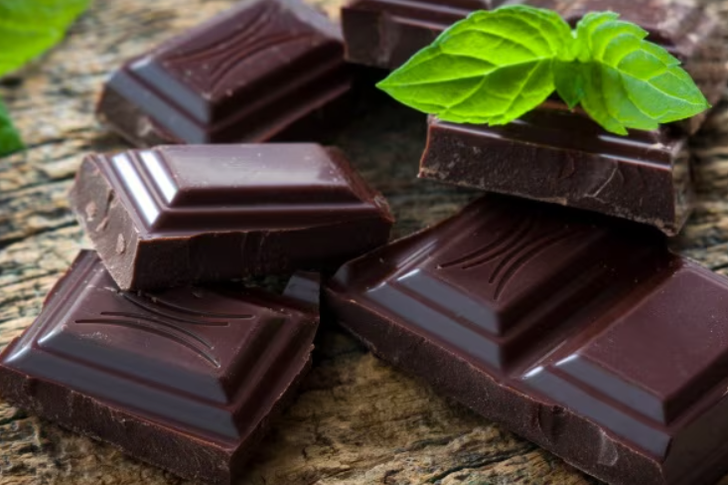
A simple combination of tea, apples, berries, grapes and c...

According to a new and groundbreaking study from Iran, cou...

An almost common and often unconscious habit at the table,...

Scientists discover a way to prevent and treat age-related...

Diets need variety. A colorful diet can give you all the n...

According to a recent survey, healthy living is now a majo...

Walking is a physical activity that moves the body and wor...

The International Agency for Research on Cancer (IARC) has...

Even if you get enough sleep, an inconsistent sleep-wake s...

The scale is one of the most important household items for...

The next case broadcast on the show "Stop", this Thursday,...

The case published this Thursday, June 4, on the show "Sto...

The protests of recent days related to the situation in Zv...

The case addressed this Wednesday, June 3, on the show "St...

The Special Board of Appeal (KPA) decided this Monday ...

The KPA vetting decided this Thursday to dismiss the p...

Suela Salavaçi, a prosecutor in the Prosecutor's Offic...

The Special Board of Appeal reinstated the prosecutor ...

A convict was found dead today in the premises of the Pris...

Several images provided by CNA show the area where this mo...

A quantity of explosive material exploded this morning at ...

Witnesses in Lozhan, Maliqi, have shared details from the ...

Today our country will be affected by stable weather condi...

For many children and teenagers, the long summer holidays ...

Albania is facing an unprecedented demographic transition,...

On Thursday, our country will be affected by unstable weat...

Russian President Vladimir Putin said the war in Ukraine c...

An extraordinary story of survival has been recorded in Ne...

The Peace Implementation Council in Bosnia and Herzegovina...

John Bolton, the former national security adviser to US Pr...

Korça is ready to open the summer season with one of the c...

Two years after his passing, the renowned Korçë poet Skënd...

The Ethnographic Museum of Berat has opened its doors to v...

The story of Harilla Bakalli is one of the most chilling t...

Despite years of efforts at regional cooperation and free ...

Albania is the country with the highest level of severe ma...

This Friday, one US dollar is bought for 81.3 lek and sold...

The government aims to transform the country's industrial ...