


Seasonal viruses/ Jorgji: There are different types of flu circulating, from colds to Covid
Doctor Adrian Jorgji spoke about seasonal viruses and the ...


Caffeine is perhaps the most famous ingredient in the world because it is the main ingredient in a product that is used very often, such as coffee.
Caffeine is very popular because it has a stimulating effect on the brain and regenerates the entire body.
However, it is also known for its negative effects because it can make you hyperactive or increase blood pressure in some people.
Another problem you may encounter with excessive caffeine is apparently the nightmares you experience at night.
Caffeine stimulates the nervous system, so it tells your brain when to be more active.
These functions in the brain explain why after consuming a cup of coffee you may feel more alert than usual.
Although you usually take this ingredient in the morning, traces of caffeine can remain in your brain for a long time.
If there are traces of caffeine in your system by dinnertime, your brain will have higher activity than usual which won't necessarily prevent you from sleeping, but it may make you more prone to nightmares.
This happens because the brain has difficulty fully relaxing itself, which is what you normally experience when you sleep soundly. Caffeine makes you stay in the dreaming phase longer, which results in more nightmares.
Caffeine stimulates the production of the stress hormone cortisol. In a 2005 study published in Psychomatic Medicine, caffeine stimulation gives you the advantage of being more alert, but it also makes you more stressed.
This can especially happen if you consume a lot of caffeine during the day. Experiencing stress makes you more prone to experiencing nightmares, according to MedlinePlus.
In general, the presence of caffeine in the body during sleep hours causes you to have an uneasy sleep pattern. It significantly reduces the quality of sleep, which then leads to all the consequences such as stress or insomnia and the inability to relax at night.
Another side effect of caffeine is insomnia, which then causes anxiety, fatigue, and affects your daily life.
To avoid all the problems mentioned above, try not to have any traces of caffeine in your body during dinner.
Start by eliminating caffeine after lunch about 4-8 hours before you go to sleep.
And if you are very sensitive to caffeine, you can avoid it up to 12 hours before going to sleep.

Doctor Adrian Jorgji spoke about seasonal viruses and the ...

A big feast often ends with empty plates and a heavy stoma...
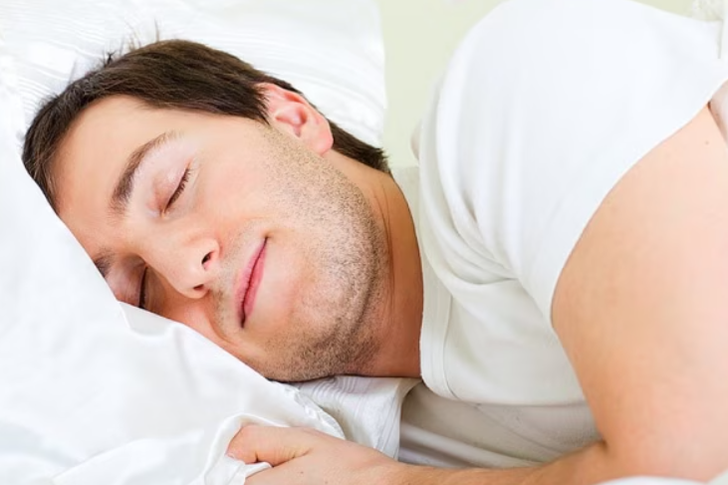
Such a simple step of sticking to the same sleep schedule ...
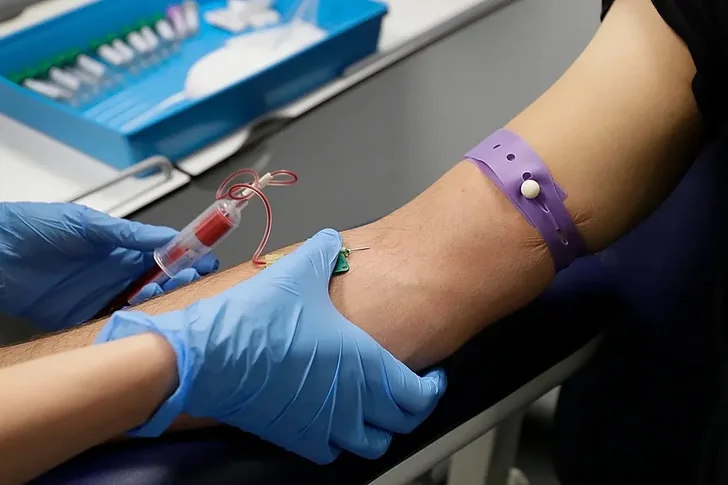
According to a report, more than half of HIV diagnoses in ...

New research shows that just 15 minutes of playtime each d...

Tangerines contain many antioxidants, including vitamin C,...

Seasonal fruits have more to offer than we might think. On...
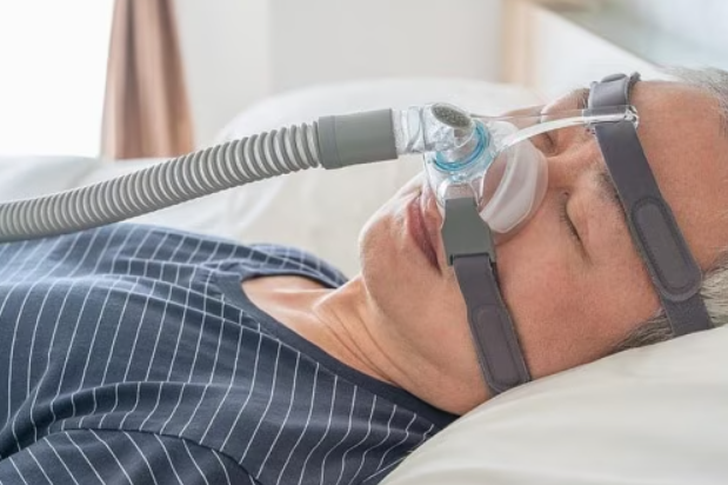
A new study involving 11 million U.S. veterans finds that ...
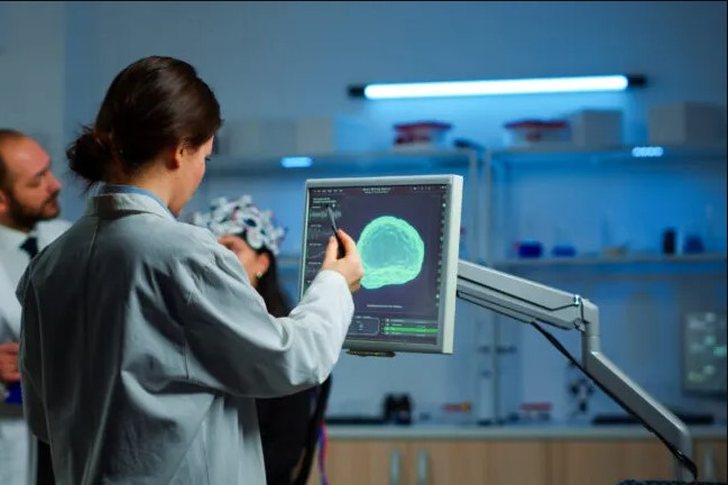
A new scientific study reveals that the human brain never ...

According to a new study, genes linked to impulsive behavi...

An overwhelming majority of Americans feel overwhelmed dur...
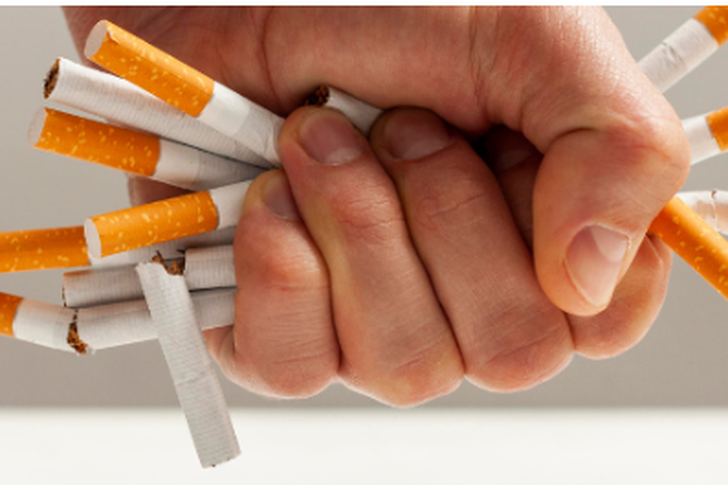
If you needed another reason to say goodbye to smoking for...

A new flu strain spreading overseas could set the stage fo...

If you're planning a turkey feast for Thanksgiving, you sh...

A new British study shows that combined diet and exercise ...

A new study found that hearing loss caused by mutations in...

Water is essential for survival. Not only does it help mai...

Scientists in the UK are turning to artificial intelligenc...

Dark chocolate is not just a dessert – it is a valuable al...

Everyday life can be full of stress, pressure, and worries...

The protests of recent days related to the situation in Zv...

The case addressed this Wednesday, June 3, on the show "St...

The show "Stop" broadcast this Wednesday, June 3, the case...

Irfan Hysenbelliu claims to be a big businessman, an hones...

The Special Board of Appeal (KPA) decided this Monday ...

The KPA vetting decided this Thursday to dismiss the p...

Suela Salavaçi, a prosecutor in the Prosecutor's Offic...

The Special Board of Appeal reinstated the prosecutor ...

Several images provided by CNA show the area where this mo...

A quantity of explosive material exploded this morning at ...

The Head of the State Police, Skënder Hita, expressed his ...

New details have emerged regarding the serious incident th...

For many children and teenagers, the long summer holidays ...

Witnesses in Lozhan, Maliqi, have shared details from the ...
Albania is facing an unprecedented demographic transition,...

On Thursday, our country will be affected by unstable weat...

Serbian President Aleksandar Vučić has confirmed that he w...

Israel and Lebanon have agreed to renew their fragile ceas...

United States President Donald Trump announced in a post o...

Asambleja e Përgjithshme e Kombet e Bashkuara ka përfundua...

Korça is ready to open the summer season with one of the c...

Two years after his passing, the renowned Korçë poet Skënd...

The Ethnographic Museum of Berat has opened its doors to v...
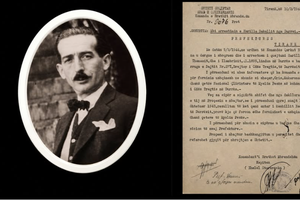
The story of Harilla Bakalli is one of the most chilling t...

Profit margins in the construction sector have increased s...

The Transparency Board, at its meeting today, decided to i...

Today, in the foreign exchange market, one US dollar is bo...

The Minister of Finance, Petrit Malaj, announced today a n...