

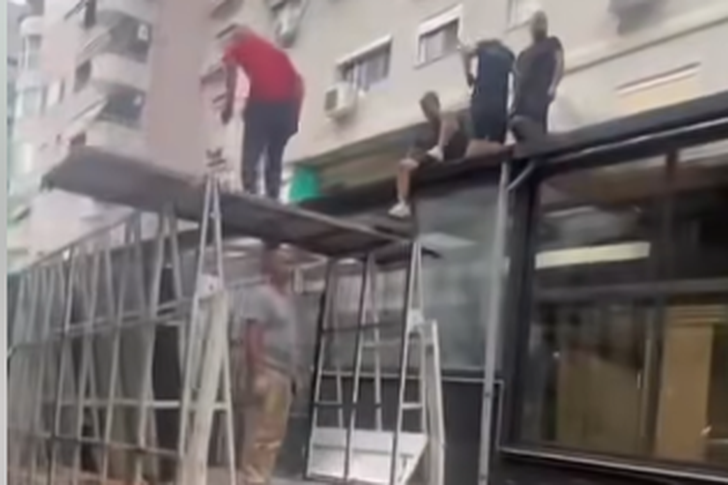
Action for public spaces/ Rama: The train is gone...we continue
Prime Minister Edi Rama shared this afternoon more footage...


An article published in the well-known media outlet 'Politico' has highlighted a problem related to the economic policies of the country, which aspires to EU membership.
The article emphasizes that while cash dominates daily use in Albania and Albanians prefer to keep it under their mattress rather than in the bank, Prime Minister Edi Rama's ambition to eliminate cash from circulation by 2023 could turn society upside down.
Full article:
In a country where cash is king, Prime Minister Edi Rama's ambition to leave Albania cashless by 2030 would turn society upside down.
For years, Albanians have preferred to keep their money under their mattress — next to their AK-47, as the national joke goes — rather than in banks. But if Rama gets his wish, Albania will become the world's first cashless economy.
The main reason for this is that so many transactions currently take place over the counter. Eliminating cash “is an absolute priority for countries with high informality and destabilizing amounts of illicit money in the financial system,” said Selami Xhepa, a professor of economic sciences at the University of Tirana.
The problem is that the banking system and society may not be ready to take this step.
Most Albanians prefer to manage their savings outside the banking system, hiding banknotes away from the eyes of others and insisting on physical cash payments whenever possible.
Even in tourist guides to Albania, the phrase "cash is king" often appears as advice to visitors. Although most chain stores or larger restaurants accept cards, cafes, beauty salons, boutiques, telecommunications companies, and grocery stores do not.
At a clothing store in downtown Tirana, when POLITICO tried to pay with a digital card, the cashier seemed confused and asked: "cash on delivery?"
It was a similar story in a taxi and on the bus - the conductor mocked and repeated loudly: "40 lek".
The center-left government wants to rid Albania of what the European Commission's 2024 country report described as a "large informal economy" that hinders business and competition (not to mention reduces tax revenues).
Estimates place the grey economy - the part of the economy not counted in official statistics - at between 29 percent and 50 percent of gross domestic product.
Spiro Brumbulli, sekretar i përgjithshëm i Shoqatës së Bankave Shqiptare, i tha POLITICO se qeveria dhe institucionet do të hartojnë një plan për të hapur rrugën për të kaluar pa para në dorë, me hapat e mëtejshëm që përfshijnë një kufi për blerjet e bëra me monedhë fizike, integrimin me sistemin e pagesave SEPA të BE-së deri në tetor dhe futjen e pagesave të menjëhershme SEPA menjëherë pas kësaj.
Kapërcimi i traumës së bankave shqiptare
Një nga problemet është se shqiptarët thjesht nuk i pëlqejnë bankat. Një sondazh i kohëve të fundit nga Shoqata Shqiptare e Bankave zbuloi se vetëm 34 përqind e popullsisë u besonte atyre. Banka Botërore raportoi se më pak se 50 përqind e shqiptarëve kanë një llogari bankare.
Banka e Shqipërisë thotë se 78 përqind “kanë akses” në një llogari bankare, më pak se mesatarja evropiane prej 96 përqind.
Jo të gjithë janë të bindur se plani ka kuptim. Genc Pollo, bashkëthemelues i Partisë Demokratike të opozitës dhe ish-zëvendëskryeministër, i tha POLITICO se përpjekja për të mbyllur zonat gri të ekonomisë duke ndaluar paratë e gatshme ishte “si të vrisje pula duke përdorur artileri”. Ai e quajti idenë një “sulm ndaj lirisë personale të mbajtësve legjitimë të kartëmonedhave”.
Ndërsa ai pranoi se bankat shqiptare mund të jenë “të ngathëta dhe të shtrenjta”, rregullimi më i zgjuar dhe më shumë konkurrencë nga platformat e parave online dhe kriptovalutat do të ishin një rrugë më e mirë sesa një ndalim i parave të gatshme. Ai kishte pak shpresë se një shoqëri pa para të gatshme do të zvogëlonte pastrimin e parave.
Erald Kapri, një anëtar i sapozgjedhur i parlamentit për Partinë e Mundësive të qendrës së djathtë, i tha POLITICO-s se dyshonte se politika ishte në lojë. "Është vetëm një nga ato ide të Ramës për të tërhequr vëmendjen dhe për të shpërqendruar vëmendjen nga problemet reale të vendit, siç janë korrupsioni ose kostoja e lartë e jetesës", tha ai.
Trauma post-komuniste
Ideja e kalimit gjithnjë e më shumë pa para në dorë po ndiqet nga shumë vende të zhvilluara, si Suedia, Estonia dhe Irlanda. Megjithatë, Shqipëria është një çështje tjetër dhe skepticizmi publik është i kuptueshëm.
Pas rënies së komunizmit në fillim të viteve 1990, bankat dhe institucionet financiare, së bashku me "kompanitë e investimeve", filluan të shfaqen dhe të premtonin norma interesi tepër të larta deri në 19 përqind për depozitat.
Disa firma u rritën shpejt në më shumë se 25, dhe në kulmin e kësaj çmendurie, një në gjashtë shqiptarë kishin investuar para - në shumë raste, të gjitha kursimet e tyre të jetës - në skemat piramidale. Investitorët e hershëm morën pagesa bujare, por këto u bënë më të vogla dhe më pak të shpeshta ndërsa sistemi u përkul nën peshën e vet.
By January 1997, the first firms began to go bankrupt, prompting Albanians to try to withdraw their funds en masse, creating a vicious cycle of further collapse. By March, the country was in chaos and rebellion had begun. Soldiers and police deserted their posts, and crowds of angry and broken Albanians accused the government of failing to stop the fraud and even profiting from it.
About 2,000 people were killed in clashes between citizens and authorities, and by armed gangs with more than a million weapons looted from state weapons depots. Overall, about $1.2 billion was lost - equivalent to half of GDP at the time.
This period caused waves of migration, set the country back years in its development, and destroyed citizens' trust in banking institutions and the state.
Expensive banks
In the almost three decades since then, banks have failed to rebuild trust.
Part of the problem, said Professor Xhepa, is that banks offer few benefits and are expensive to use. This discourages people from opening accounts and using bank cards and digital transfers.
Most “have maintained discriminatory interest rates,” he said. “High for lending and very low for savings.” He added: “International payments have also had high fees, discouraging transfers from migrants.”
Domestic digital payments between Albanian banks have high transaction fees (the cost of sending 500 euros was as low as 50 euros for this POLITICO reporter), while rates for other forms of transactions can be just as high in terms of cost.
Bank exchange rates between the lek and the euro are also notoriously uncompetitive. Even in stores, businesses object to having to pay up to 3.5 percent per transaction for card processing. Brumbulli, of the banking association, said some businesses even charge customers extra for card payments. This helps businesses avoid taxes, as cash payments are often not recorded at the register.
The Governor of the Bank of Albania, Gent Sejko, declined to comment.
While the ambition to go cashless by 2030 is bold, success still depends on the introduction of low-cost, easy-to-access digital payments infrastructure — potentially including a central bank digital currency or a national instant payments platform.
Although the Bank of Albania has studied such currencies and stablecoins — a type of cryptocurrency — as possible tools, there is no official plan. Without a blueprint for such mechanisms, Rama’s plan risks remaining aspirational.

Prime Minister Edi Rama shared this afternoon more footage...
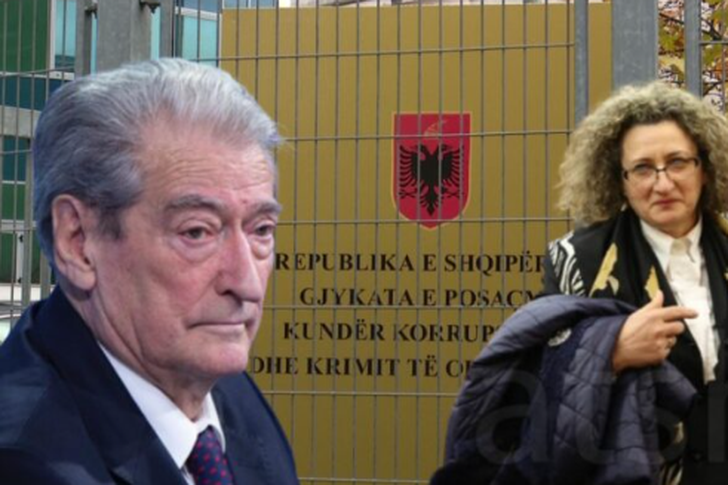
Berisha today did not forget to mention again what he call...
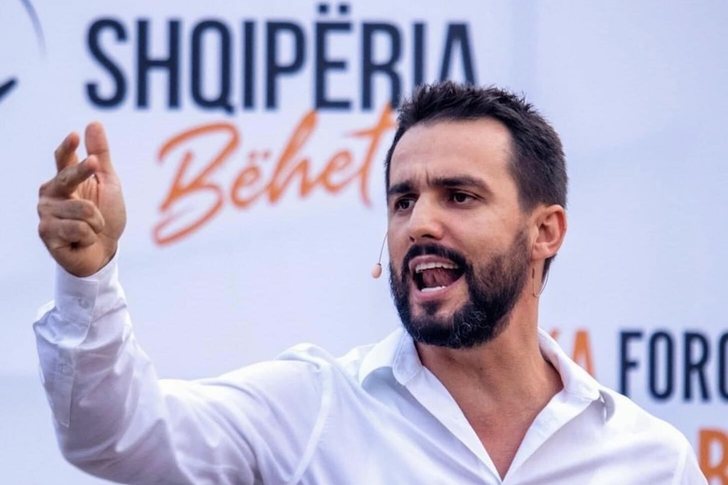
Lëvizja “Shqipëria Bëhet” ka depozituar sot një ankimim në...
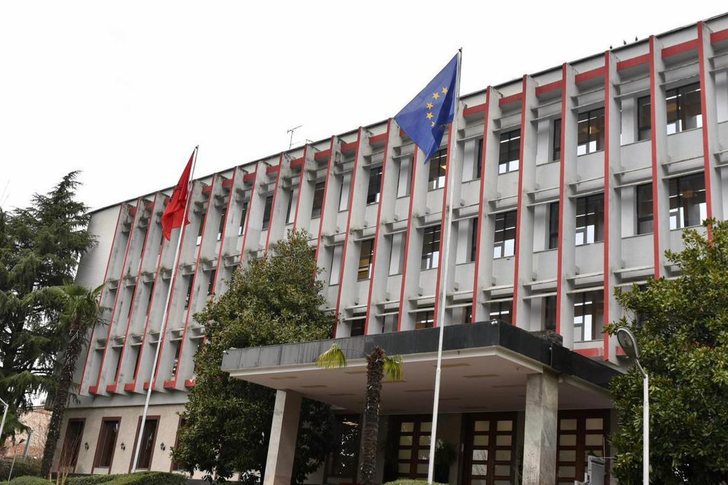
The Ministry for Europe and Foreign Affairs reacted this a...

The elected DP MP for Tirana, Belind Këlliçi, shared his v...
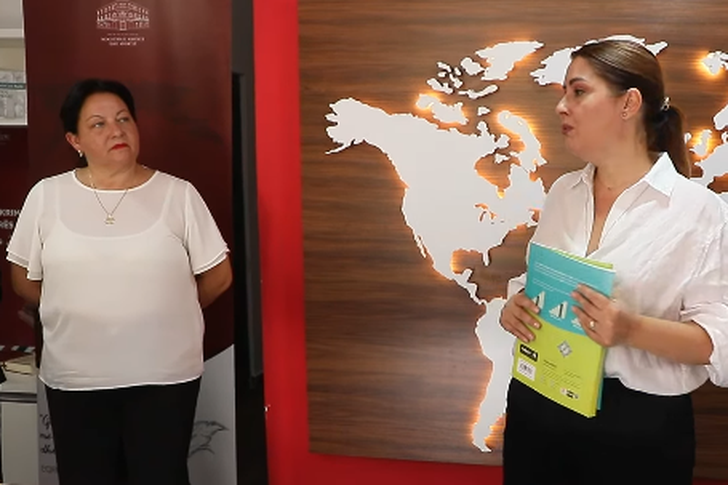
Over 27,000 textbooks have been distributed to students in...
Information has begun throughout the country for applicati...
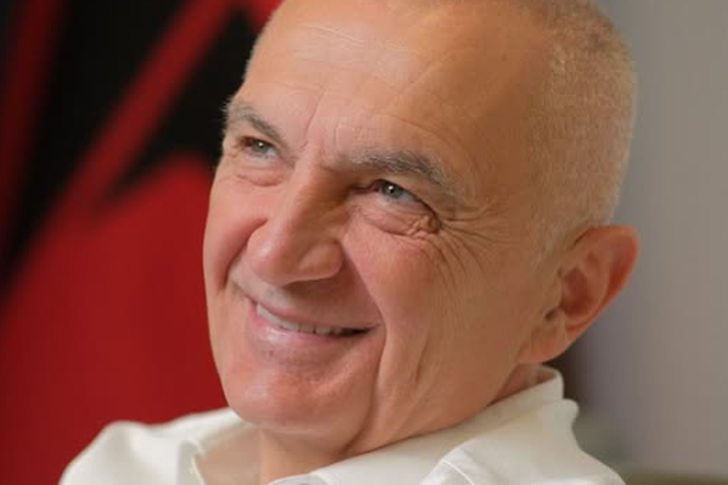
The leader of the Freedom Party, Ilir Meta, has reacted fr...
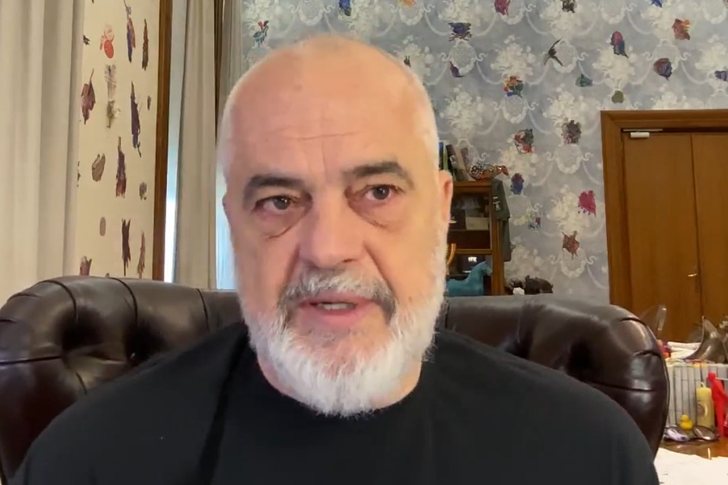
Prime Minister Edi Rama, through a post on the X platform,...
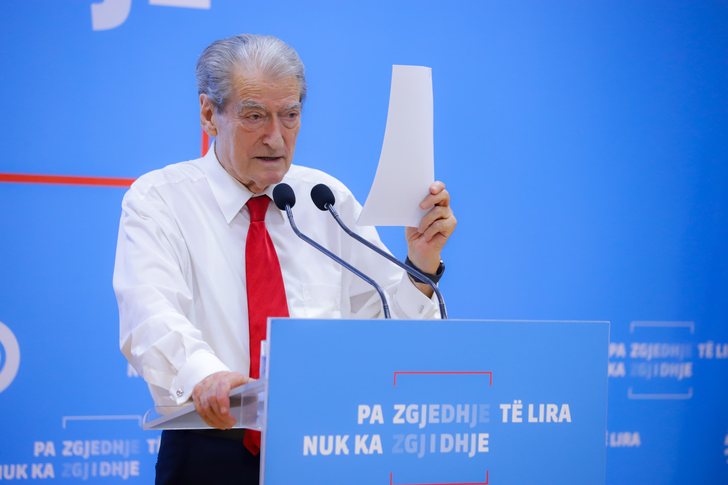
The Chairman of the Democratic Party, Sali Berisha, publis...
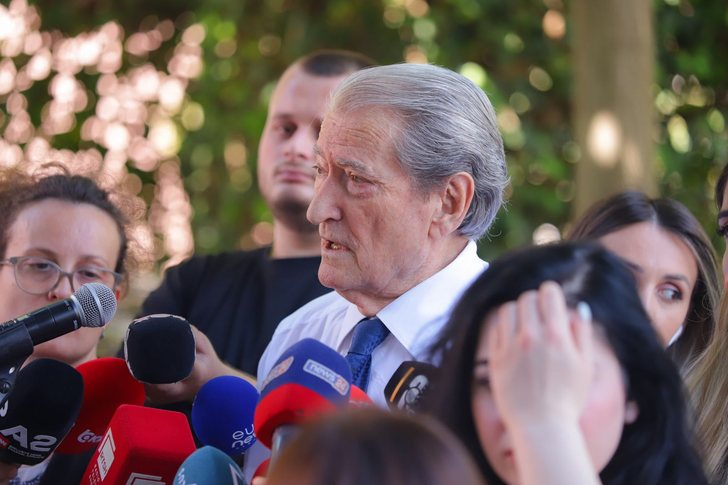
The leader of the Democratic Party, Sali Berisha, in a spe...
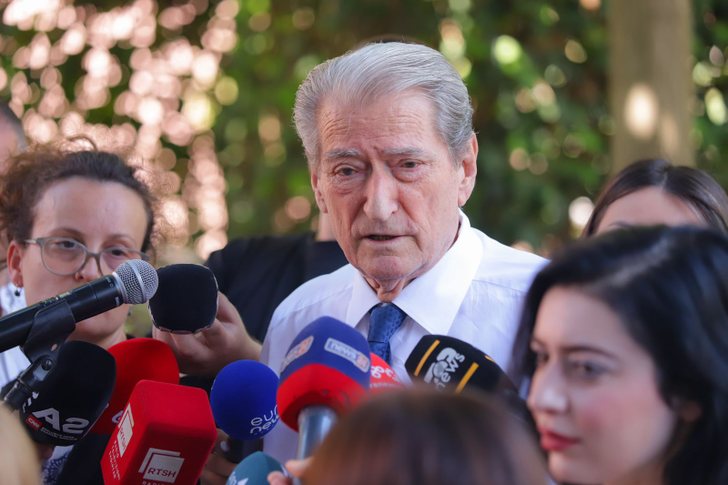
The leader of the Democratic Party, Sali Berisha, spoke to...
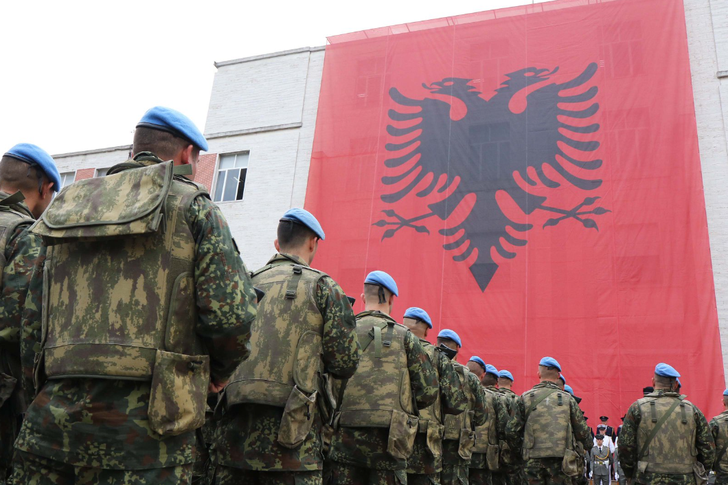
The government has proposed a new draft law for the Armed ...
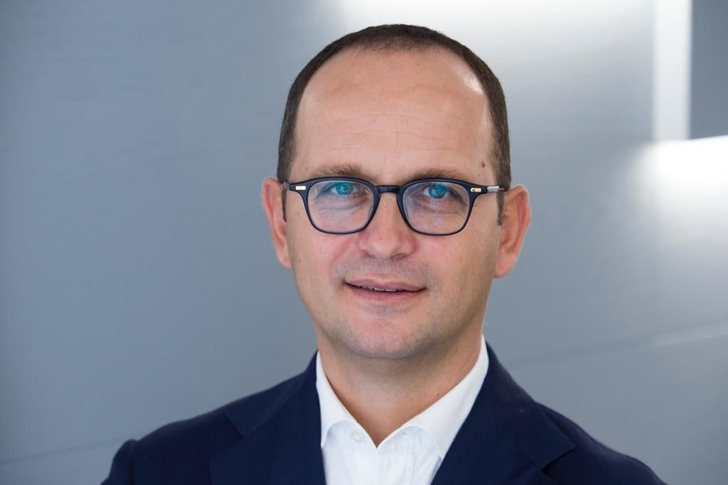
Former Foreign Minister Ditmir Bushati has reacted after t...
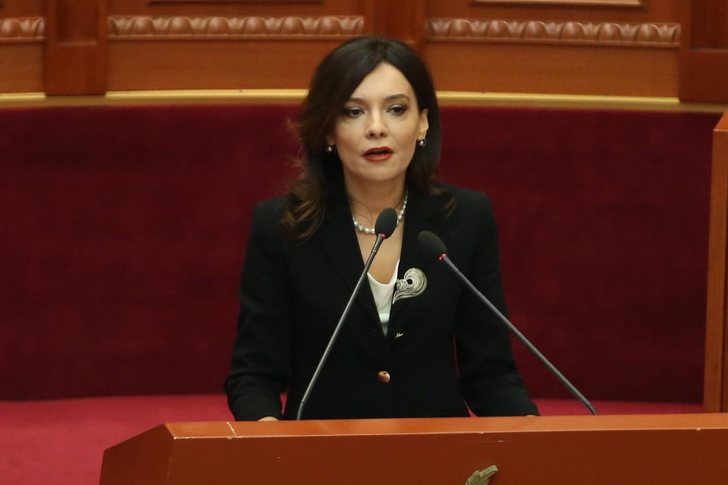
The Speaker of the Parliament, Elisa Spiropali, reacted to...
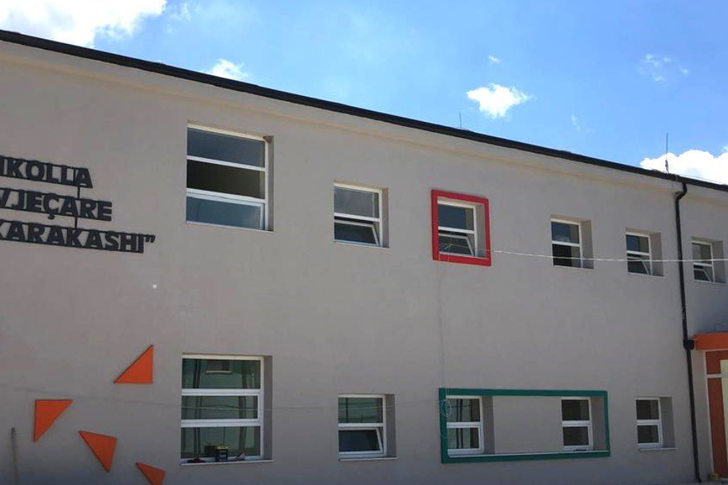
Prime Minister Edi Rama announced today that with the comp...
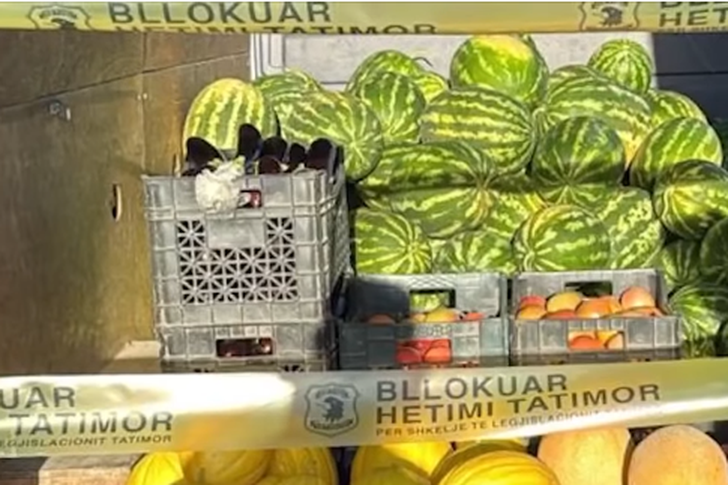
94 tons of agricultural and livestock products were blocke...
There is a heated debate about a draft launched by the Min...
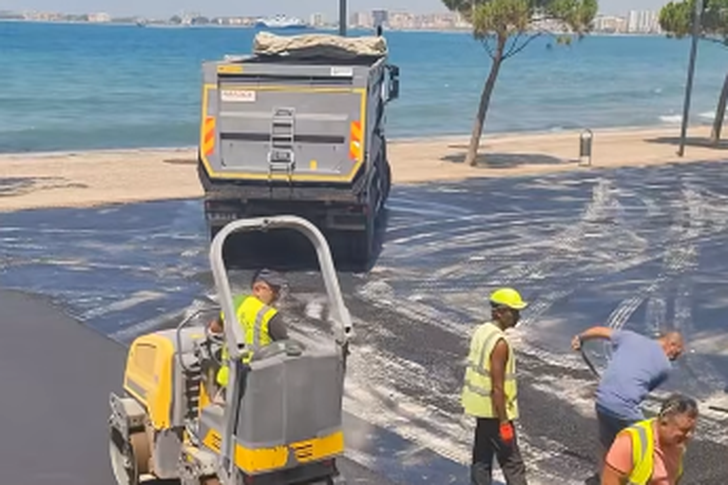
The Mayor of Vlora, Ermal Dredha, announced today that the...
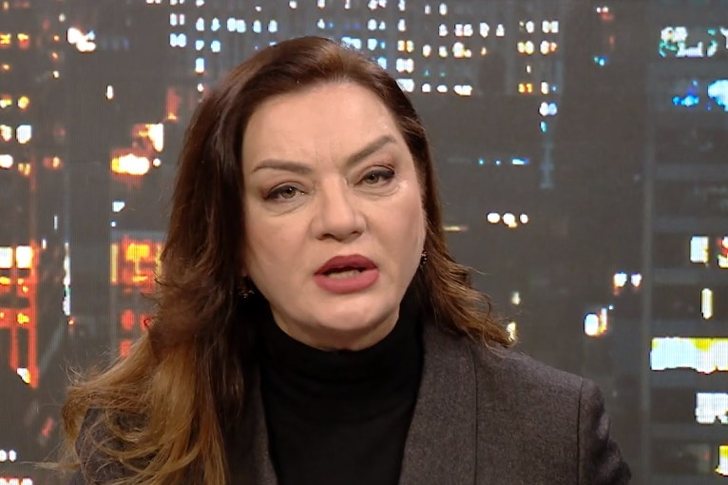
Democratic MP Albana Vokshi shared her views regarding the...
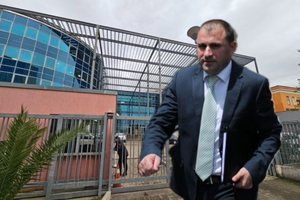
Dritan Prençi is the SPAK prosecutor who is sleeping on th...
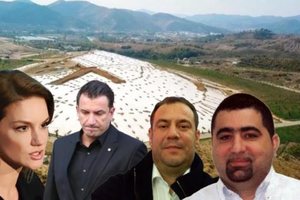
The in-depth investigations that SPAK conducted into Ajola...
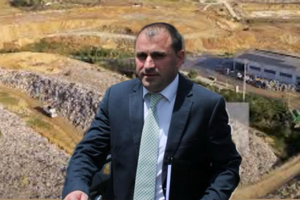
SPAK's standards, the way it investigates, how it secures ...
Irfan Hysenbelliu claims to be a big businessman, an hones...

The Special Board of Appeal (KPA) decided this Monday ...

The KPA vetting decided this Thursday to dismiss the p...

Suela Salavaçi, a prosecutor in the Prosecutor's Offic...

The Special Board of Appeal reinstated the prosecutor ...
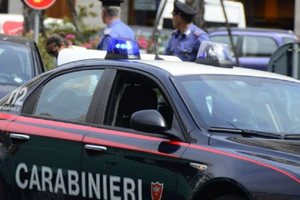
A 33-year-old Albanian citizen was arrested in Italy after...
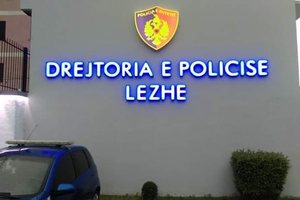
One of the perpetrators of the explosion that occurred yes...
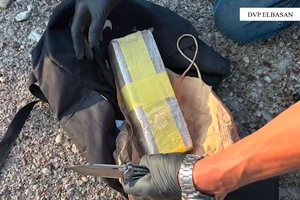
A case of heroin trafficking from North Macedonia to Alban...
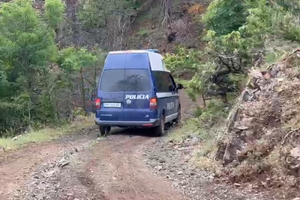
Details have been revealed from the investigation file for...

On Thursday, our country will be affected by relatively un...
Albania is facing a deep demographic crisis where official...
This Wednesday, our country will be affected by relatively...

The UN's World Meteorological Organization now warns that ...
German Chancellor Friedrich Merz (CDU) defended his govern...
US President Donald Trump has made a post on Truth Social ...
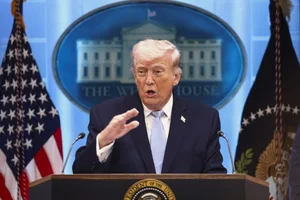
US President Donald Trump announced today that he was canc...
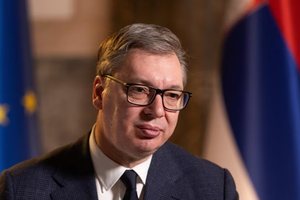
Serbian President Aleksandar Vučić said he was considering...
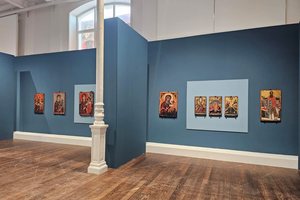
At the Museum of Fine Arts in Chambéry, France, an exhibit...
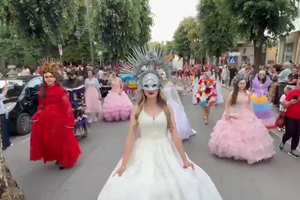
Korça has transformed this weekend into the capital of cel...

Korça is ready to open the summer season with one of the c...

Two years after his passing, the renowned Korçë poet Skënd...
The price of gold fell to its lowest level in more than si...
Businesses reduced their borrowing abroad last year. Bank ...

Payments and withdrawals in online sports betting will be ...
This Thursday, one US dollar is bought for 81.6 lek and so...