


Porto Romano and the state's failure to meet European standards
The recent developments made public regarding hazardous wa...



If the justice reform has legal problems, the majority has the votes to fix them. The public clash with the institutions shows that the problem is not the law, but control.
For a long time, in fact, not only has Prime Minister Edi Rama's public rhetoric towards justice institutions taken on an increasingly confrontational tone. From a language with a clear tendency towards denouncing and publicly discrediting individual judges or prosecutors, forcefully claiming that the law is always on his side, critical statements, public irony and even direct accusations have now been directed against justice institutions, against the system itself.
Thus, the delegitimization of judicial actions has shifted attention from the debate on improving reform, towards a political clash that highlights serious concerns about the relationship between the executive branch and the rule of law.
The justice reform was designed and implemented with the aim of freeing the system from political interference and guaranteeing the equality of all or each before the law. Therefore, it was presented and used both as a major achievement of the majority and as a new institutional model standard for Albania. Precisely for this reason, the Prime Minister's constant clash with the justice system constitutes a political paradox: the more the justice system attempts to function independently, the harsher the criticism against it becomes.
In everything he has said and continues to say publicly, the Prime Minister has hinted that the new justice system suffers from conceptual, legal, procedural, structural, or even interpretation problems in the implementation of the law.
We are not told that any serious and detailed analysis has been made of the justice reform, its achievements or problems. But, if these problems that the Prime Minister raises and insists on are real and structural, then a fundamental question arises: why are they being addressed through public pressure and not through legal correction? The governing majority has the parliamentary majority and, consequently, has all the constitutional instruments to review, improve or clarify the legal framework of the justice reform.
The reform is not a product of justice institutions, but of political decision-making. The laws that regulate its functioning are drafted and approved by the Assembly, under the leadership of the Prime Minister's majority. The justice institutions do nothing but implement this normative framework. Blaming them for the consequences of a law approved by the Prime Minister himself (he says that the justice reform was carried out by the Socialist Party!), is essentially an avoidance of institutional responsibility.
Instead of a principled and professional debate on improving the reform, a conflict narrative is being built. And especially when criticism comes from the Prime Minister, it does not remain simply a political opinion, but turns into pressure on another independent power.
From a broader perspective, this behavior violates the principle of separation of powers and weakens democratic balances.
The problem becomes even more worrying when this clash is contemplated or accompanied by the usual silence of the academic and university world, of those who paradoxically we are accustomed to presenting themselves to us as the intellectuals of justice. The numerous faculties of law, heads of departments and deans with all sorts of degrees and titles, professors of constitutional law and experts who have the knowledge and authority to analyze these developments, have largely chosen indifference. This silence cannot be justified either as impartiality or as intellectual or academic prudence. It is a sign of a moral and institutional failure.
At times when the principle of separation of powers is called into question, intellectual silence is not neutrality, but rather serves to normalize political pressure on justice and impoverish public debate.
An independent judiciary is not measured by how comfortable it is with the government, but by its ability to act even when its decisions are politically unpopular. The moment justice becomes a problem as soon as it affects the interests of the government, reform loses its meaning and risks becoming a selective instrument.
If Prime Minister Edi Rama is truly convinced that the justice reform has legal failures (in my assessment, the reform is a complete failure), his institutional responsibility is clear: to address them through the Parliament, in a transparent and constitutional manner. Clash with justice does not improve the reform, but only undermines public trust in institutions.
The conflict between the Prime Minister and the judiciary does not produce reform. It produces institutional uncertainty and reinforces the belief that justice is accepted only as long as it does not challenge power. And this is precisely what the judicial reform promised to change.

The recent developments made public regarding hazardous wa...
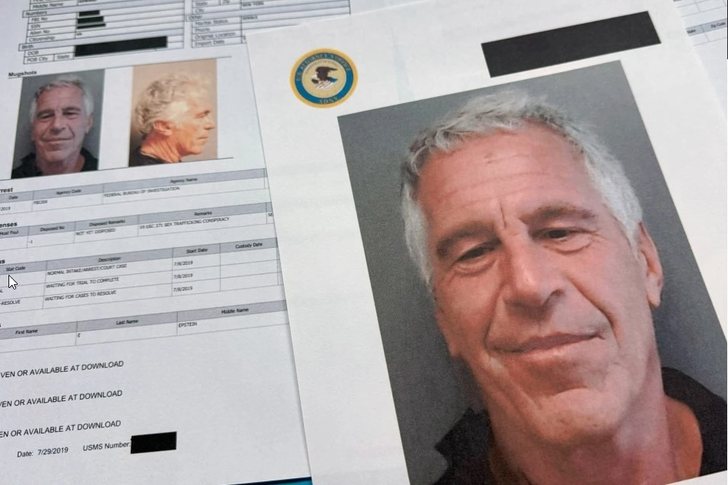
The Epstein scandal and the figure of the elusive actor in...
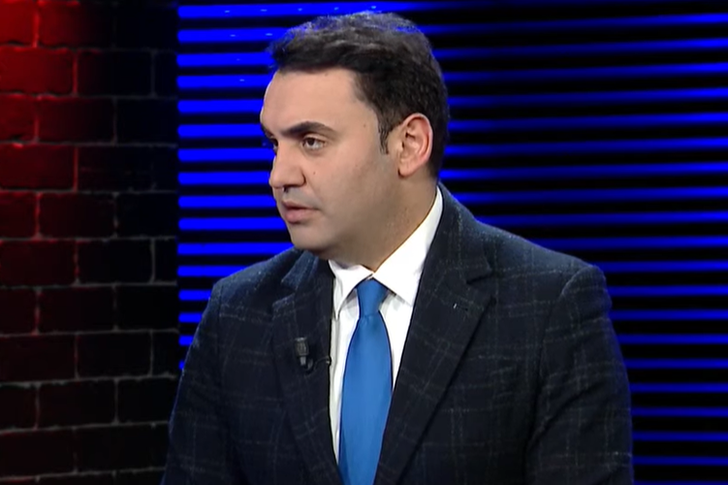
Edi Rama discovered today in record time, in a lightning-f...

As always, what is not news became current news. So, the m...
The "Epstein" dossier is not simply a public exposure of a...
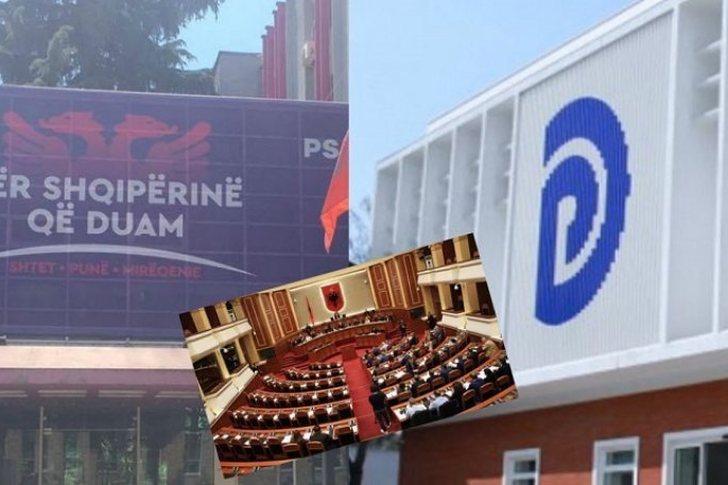
The inspiration for writing these lines came from two status...

Today we decided to bring together a perfect mass front fo...
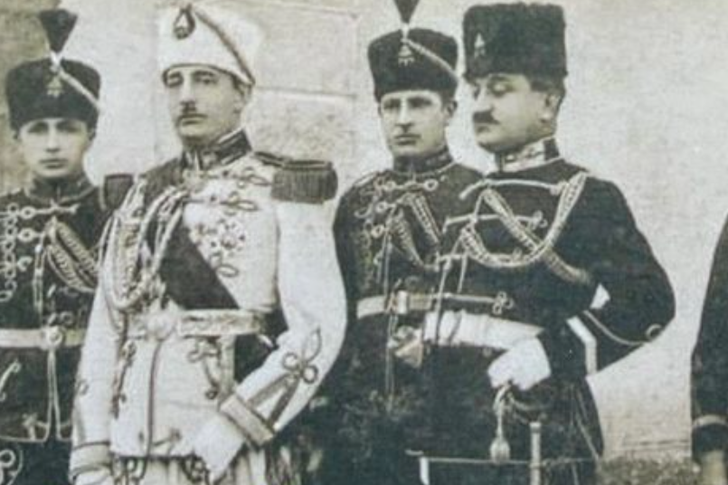
It has long been requested with irrefutable arguments that...
The issue of elections in a crisis, but also outside of a ...
For some time now, the thesis of a "republic of prosecutor...
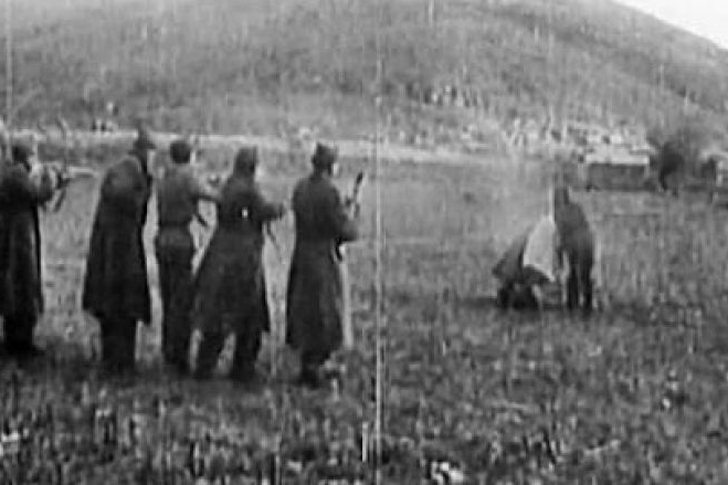
Writer Ismail Kadare, for the first time, addresses one of...
Yesterday, Petrit Malaj, Minister of Finance, spoke in Par...

Self-regulation is vital, but the state in the middle is m...

Today, January 28, 2026, marks the 90th anniversary of the...
When people with integrity do not tell the truth, they onl...
I have been saying for years: "THIS POLITICAL ESTABLISHMEN...
The postponement of the decision by the Constitutional Cou...
When corruption becomes a system, it begins to appear in ...
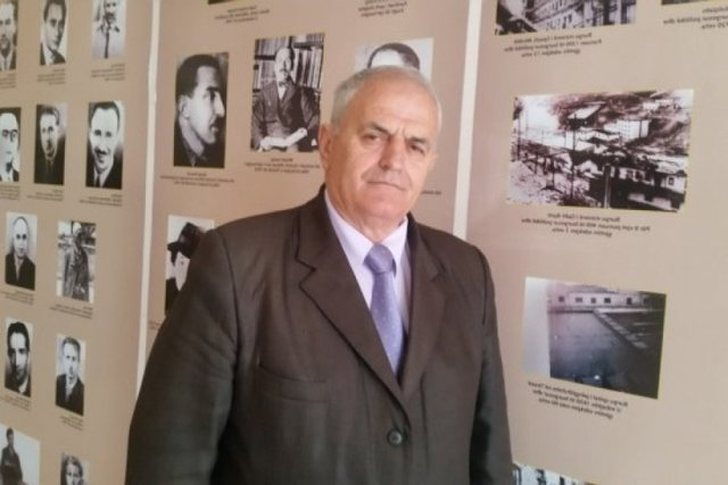
Today we mark a significant and historic day for nations, ...
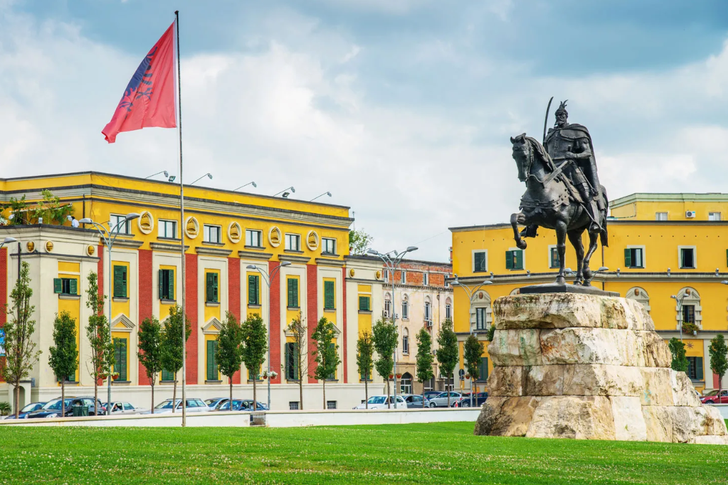
Emergjenca është doktrinë pushteti, blen kohë duke u shitu...

The next case broadcast on the show "Stop", this Thursday,...

The case published this Thursday, June 4, on the show "Sto...

The protests of recent days related to the situation in Zv...

The case addressed this Wednesday, June 3, on the show "St...

The Special Board of Appeal (KPA) decided this Monday ...

The KPA vetting decided this Thursday to dismiss the p...

Suela Salavaçi, a prosecutor in the Prosecutor's Offic...

The Special Board of Appeal reinstated the prosecutor ...
A convict was found dead today in the premises of the Pris...

Several images provided by CNA show the area where this mo...

A quantity of explosive material exploded this morning at ...

The Head of the State Police, Skënder Hita, expressed his ...

For many children and teenagers, the long summer holidays ...

Witnesses in Lozhan, Maliqi, have shared details from the ...

Albania is facing an unprecedented demographic transition,...

On Thursday, our country will be affected by unstable weat...

Russian President Vladimir Putin said the war in Ukraine c...

An extraordinary story of survival has been recorded in Ne...
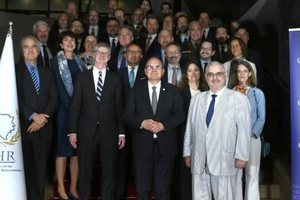
The Peace Implementation Council in Bosnia and Herzegovina...

John Bolton, the former national security adviser to US Pr...
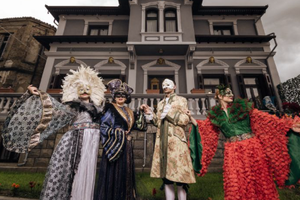
Korça is ready to open the summer season with one of the c...

Two years after his passing, the renowned Korçë poet Skënd...

The Ethnographic Museum of Berat has opened its doors to v...
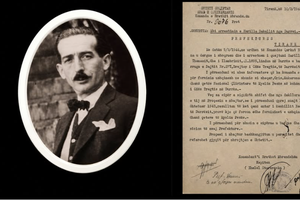
The story of Harilla Bakalli is one of the most chilling t...
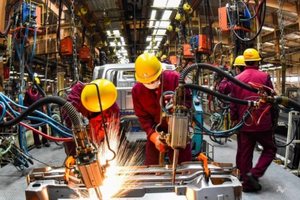
The government aims to transform the country's industrial ...

Kursi i këmbimit të euros me lekun ka rënë më tej këtë jav...

Profit margins in the construction sector have increased s...

The Transparency Board, at its meeting today, decided to i...