


Businessman Artur Shehu breaks his silence: I am a long-time land owner in Zvërnec, I don't know the investors at all
Albanian businessman Artur Shehu spoke on the Opinion show...

Albanian businessman Artur Shehu spoke on the Opinion show...


Self-regulation is vital, but the state in the middle is murderous!
Journalists are not calling for the removal of defamation from the Criminal Code as a “legalization of defamation.”
We are calling for this article to be repealed entirely so that people in power do not use this article to threaten quality journalism and combat critical reporting.
Today, as we speak, there are some serious journalists, from the most balanced media, who have been facing defamation lawsuits in prosecutors and courts for years, simply because they have told the truths that the “powerful” have not liked.
Processes that create costs, take time and energy, distracting them from their main task: reporting the truth. Even if I win that trial, I will have wasted years of effort.
There are journalists today in criminal proceedings for making critical or ironic posts on social networks.
This is the truth!
Meanwhile, everyone has the right to defend themselves if they are the victim of defamation. They can do this through a lawsuit in the civil chambers. In fact, the fine in this case is paid by the victim of the defamation and not by the state, as is the case in criminal proceedings.
Does the article approved yesterday save journalists from defamation lawsuits?
No.
Because the article says that a journalist must be registered somewhere according to the law in force.
Unenforceable, because there is no law that requires journalists to register somewhere (fortunately).
Secondly, for a journalist to be “forgiven” defamation, he or she must have made every effort, according to the Criminal Code, to uncover the truth.
But how is this measured? There is no objective method.
Third, to avoid facing criminal charges, he must delete the article if the affected party requests it, claiming that he has been defamed.
What if the journalist is convinced that he is right and insists on what he has reported?
All three of these conditions make the "amnesty" of journalists from defamation sentences unenforceable.
Should there be regulatory acts for the profession of journalists?
Yes, but in no way through state channels.
The day the government grants or revokes a journalist's title or license, media freedom is over.
Self-regulation is the only form. Journalists join media organizations, and based on codes of ethics, these entities grant or revoke membership.
This is the only path that should be supported and followed.
How does it work in the EU?
Italy – the “Ordine dei Giornalisti” model
Journalism has been regulated by law since 1963. To practice as a “professional”, you must be a member of the Ordine dei Giornalisti.
Registration requires passing a state exam after a period of practice.
Although it is a public entity, it is self-managed by journalists, but remains under the supervision of the Ministry of Justice.
Others – self-regulation
In countries like the UK, Germany or the Scandinavian countries, there is no state licensing.
The system operates through Media Councils, which are self-regulatory bodies.
If a journalist violates ethics, he does not lose a state license, but he can be expelled from professional associations or penalized by the self-regulatory body, which seriously damages his credibility.

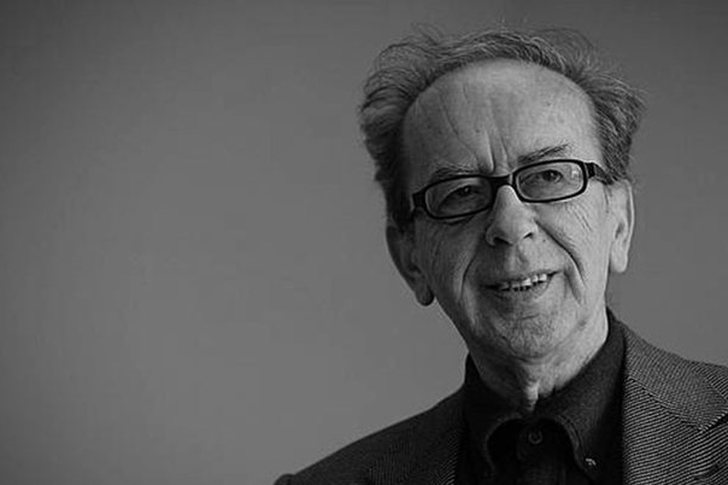
Today, January 28, 2026, marks the 90th anniversary of the...
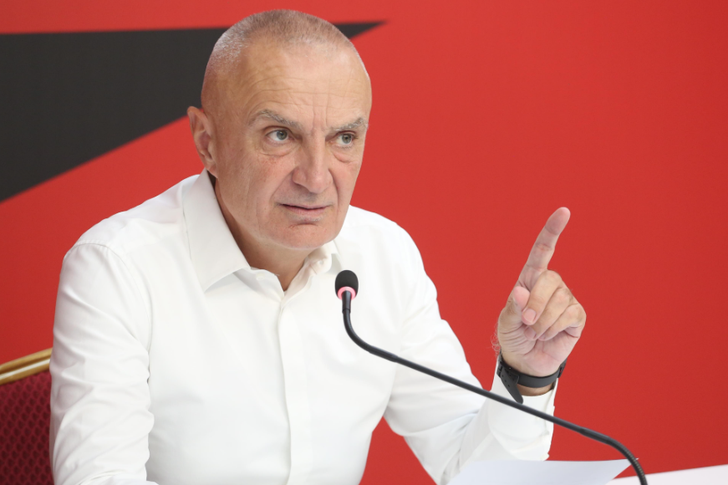
When people with integrity do not tell the truth, they onl...
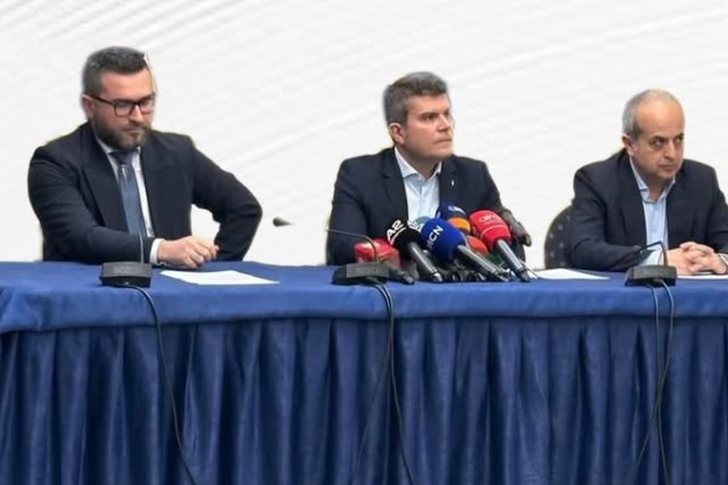
I have been saying for years: "THIS POLITICAL ESTABLISHMEN...
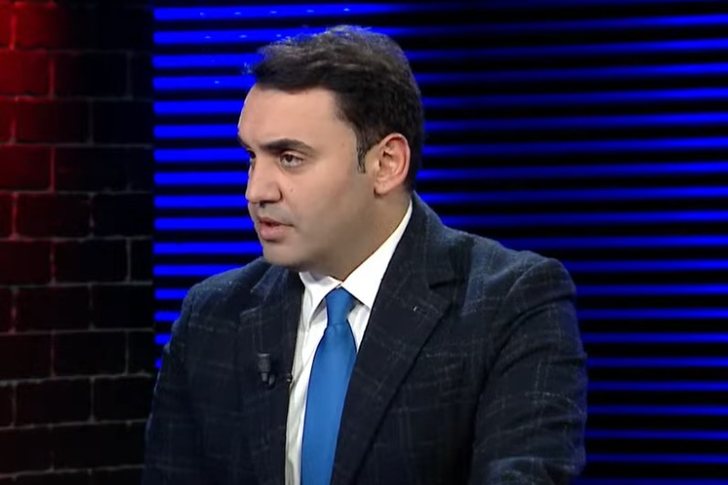
The postponement of the decision by the Constitutional Cou...
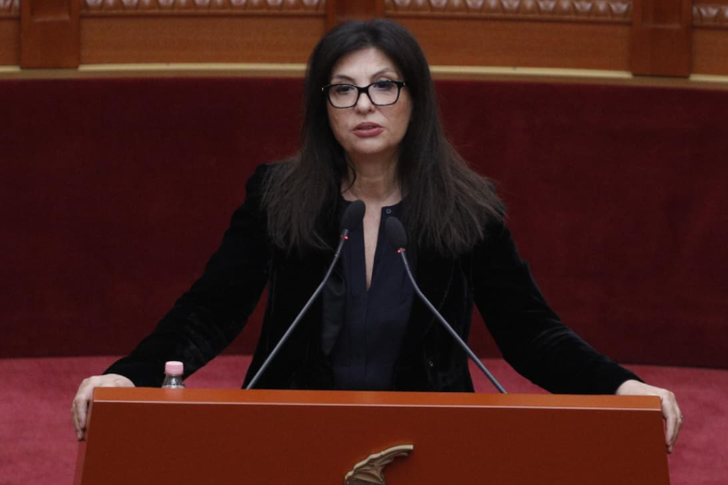
When corruption becomes a system, it begins to appear in ...
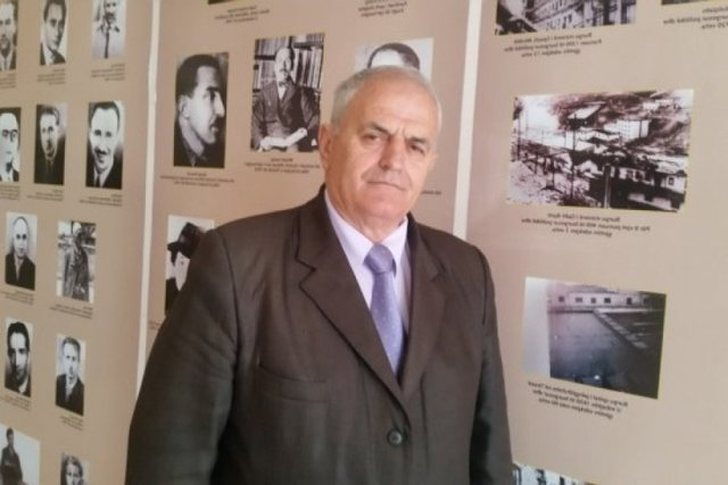
Today we mark a significant and historic day for nations, ...
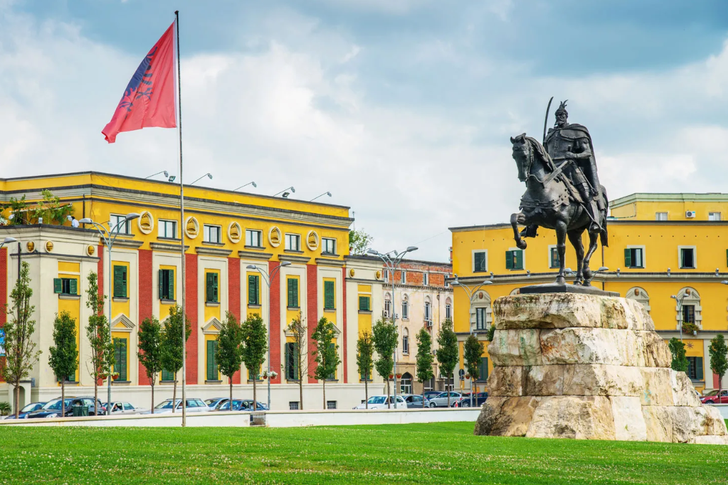
Emergjenca është doktrinë pushteti, blen kohë duke u shitu...
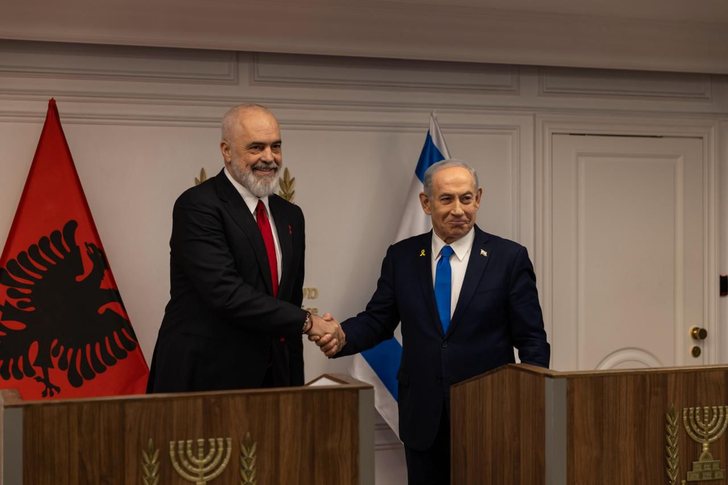
Prime Minister Rama's visit to Israel and his very presenc...
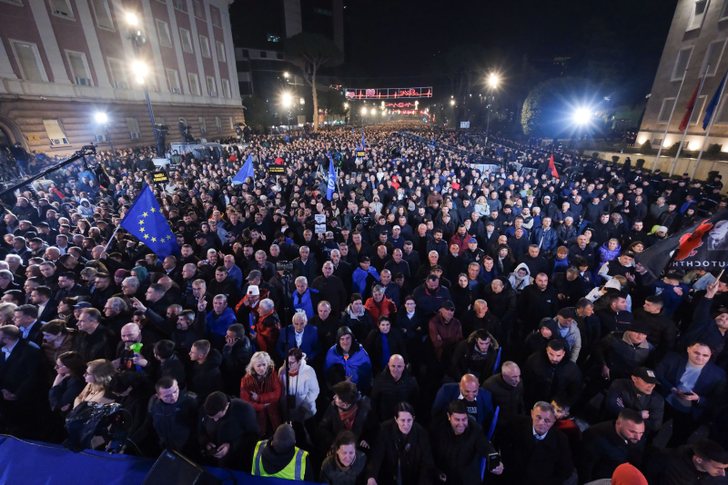
The delusion of absolute political power and the inability...
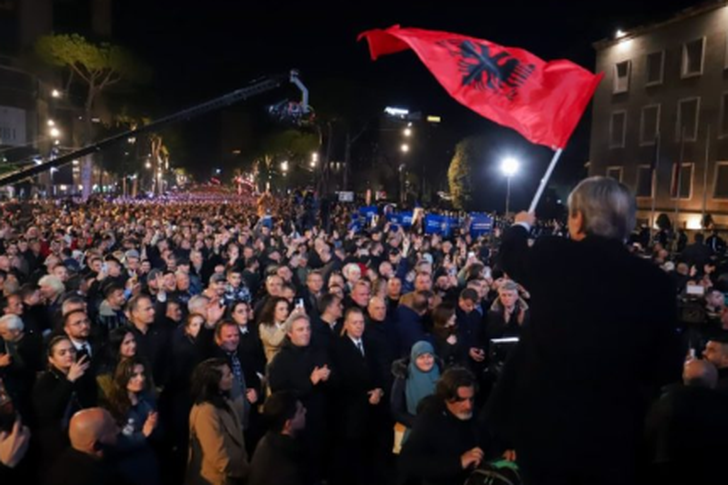
Saliu and his fire in the capital is a criminal offense. H...
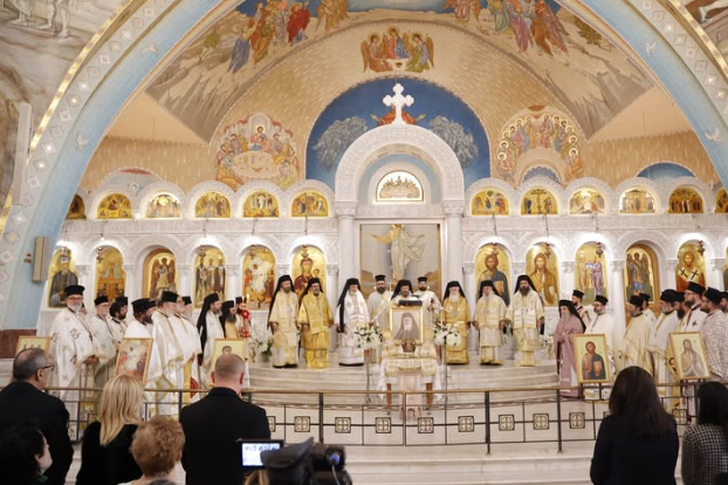
A year that our Church experiences the absence of our belo...

On Thursday, the American flag was lowered from the headqu...
In Tirana, Durrës, Shkodra and everywhere else, time seems...
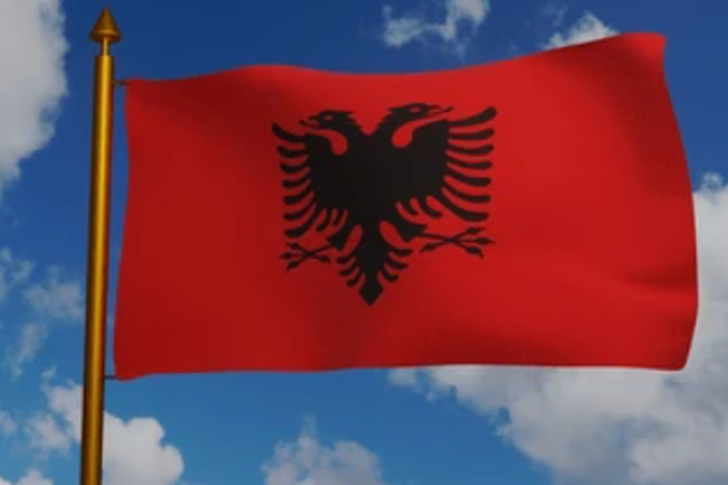
Albania has a moral, national and constitutional obligatio...
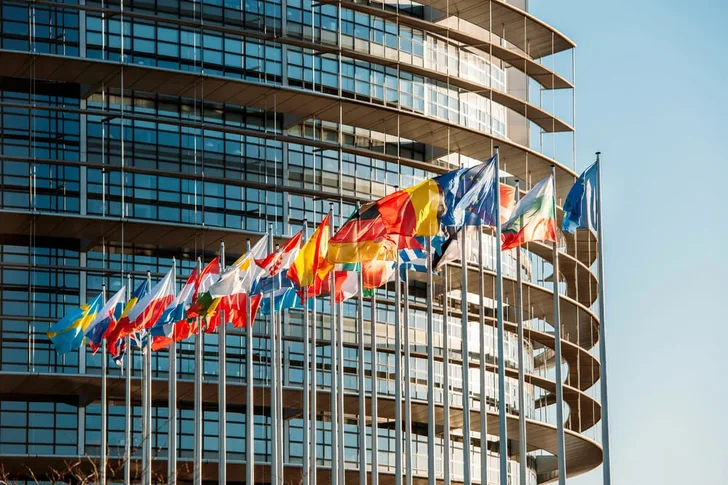
The world is changing at an unprecedented pace. Every day ...
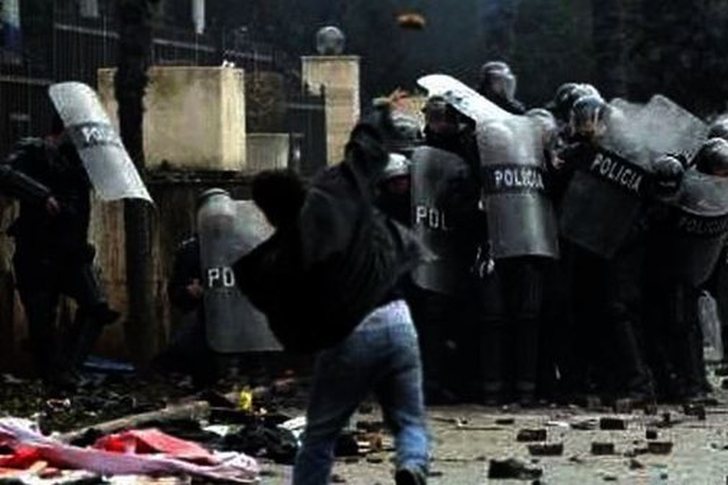
On January 21, 2011, during a protest organized by the the...
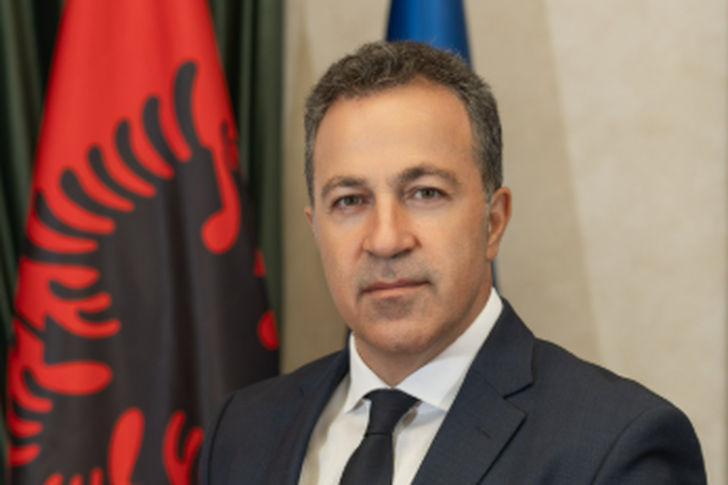
We have been brought to this Assembly by the trust of citi...

By Osman Mula You destroyed it with the intention of des...
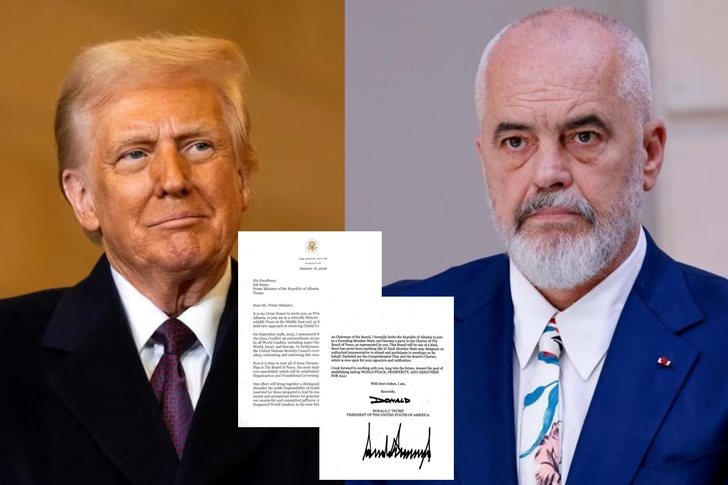
The invitation for Albania to take a seat on the Gaza Peac...
Albanian Radio Television is not financed from the state b...
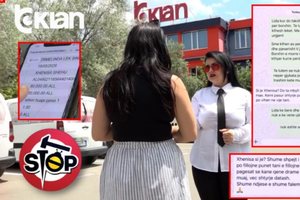
The next case broadcast on the show "Stop", this Thursday,...
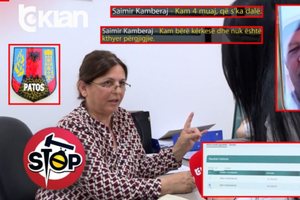
The case published this Thursday, June 4, on the show "Sto...

The protests of recent days related to the situation in Zv...
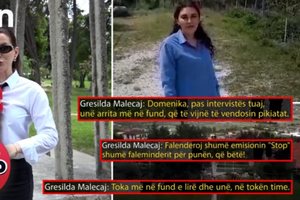
The case addressed this Wednesday, June 3, on the show "St...

The Special Board of Appeal (KPA) decided this Monday ...

The KPA vetting decided this Thursday to dismiss the p...

Suela Salavaçi, a prosecutor in the Prosecutor's Offic...

The Special Board of Appeal reinstated the prosecutor ...
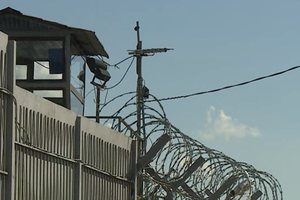
A convict was found dead today in the premises of the Pris...
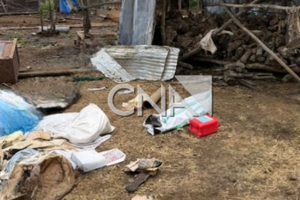
Several images provided by CNA show the area where this mo...
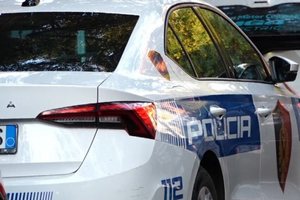
A quantity of explosive material exploded this morning at ...
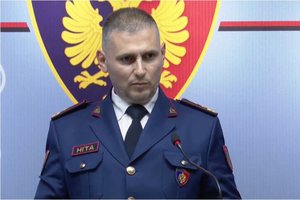
The Head of the State Police, Skënder Hita, expressed his ...

For many children and teenagers, the long summer holidays ...
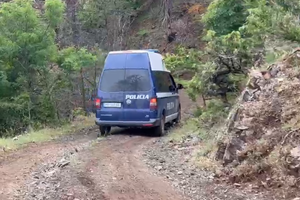
Witnesses in Lozhan, Maliqi, have shared details from the ...
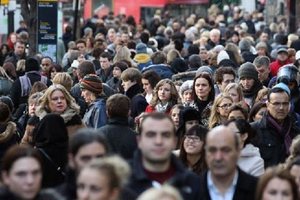
Albania is facing an unprecedented demographic transition,...
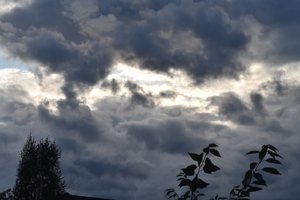
On Thursday, our country will be affected by unstable weat...
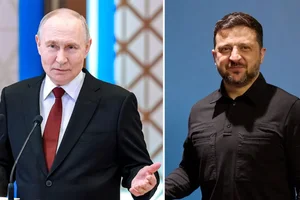
Russian President Vladimir Putin said the war in Ukraine c...
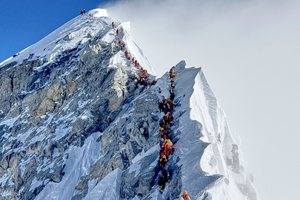
An extraordinary story of survival has been recorded in Ne...
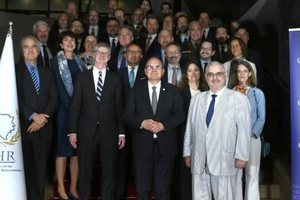
The Peace Implementation Council in Bosnia and Herzegovina...
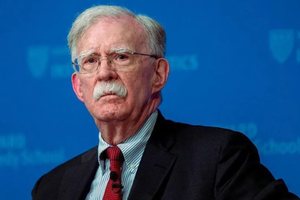
John Bolton, the former national security adviser to US Pr...
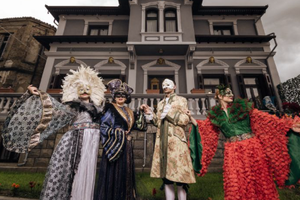
Korça is ready to open the summer season with one of the c...
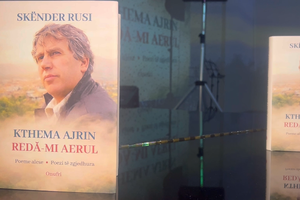
Two years after his passing, the renowned Korçë poet Skënd...
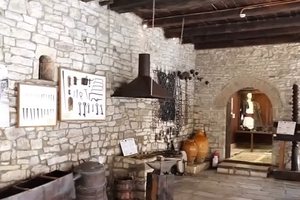
The Ethnographic Museum of Berat has opened its doors to v...
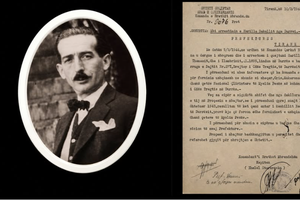
The story of Harilla Bakalli is one of the most chilling t...
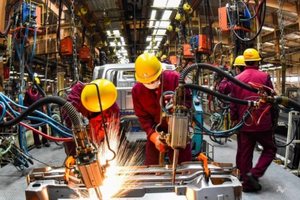
The government aims to transform the country's industrial ...
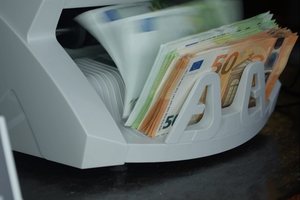
Kursi i këmbimit të euros me lekun ka rënë më tej këtë jav...
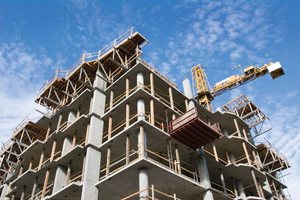
Profit margins in the construction sector have increased s...
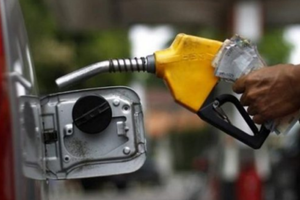
The Transparency Board, at its meeting today, decided to i...