



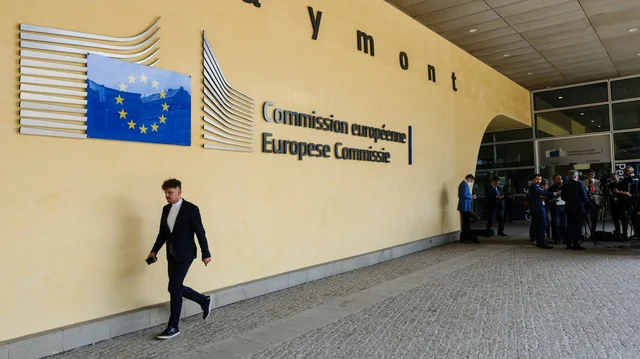
European Union member states have received less than a third of the initial 723 billion euro fund to boost economic recovery after the Covid pandemic, and are now pressuring the European Commission to speed up payments, writes Politico.
Countries are asking the Commission to cut red tape, which prevents them from receiving their share of the fund or even discourages them from applying in the first place. It expires in 2026, raising fears that large sums of money will be lost.
According to Politico, the Recovery Fund is embroiled in a corruption scandal, with Italian police arresting more than 20 suspects across the EU as part of an investigation into a fraud of more than €600 million.
A national official complained to Politico about the hurdles member states had to overcome to access the money, which consists of grants and loans. Another diplomat said governments were beginning to feel that seeking loans under the Recovery Fund was "not worth it".
The commission is considering ways to speed up the disbursement of cash, according to people with knowledge of the private discussions. The EU's executive body has already cut the total amount available from 7,233 billion euros to 648 billion euros after governments failed to apply for nearly 100 billion euros of loans before an interim deadline of the end of 2023.
When the European Union created the Fund in 2021, it overturned one of the bloc's long-standing taboos on countries pooling money together in debt markets. However, the money must be distributed by the end of 2026.
So far, the Commission has released only 225 billion euros. Spain, which was supposed to be the second-biggest beneficiary after Italy, has received just 340 million euros in loans - a tiny fraction of the 83 billion euros earmarked for 2021.
Countries must submit a "recovery plan" that sets out how the cash will be used and what reforms they will promote in return. Now they are asking the Commission to process this documentation at a faster pace.
"The commission cannot change the regulation, but it can choose the interpretation" of the rules for releasing the funds, said Atanas Pekanov, a former Bulgarian government official who was closely involved in drafting his country's recovery plan. "They can be more or less strict and decide what has been met enough."
A key reason for the inclusion, according to the report, is that the Commission sees the Fund as a tool to force governments to carry out reforms on a range of issues, including pensions and democratic standards, that have been pending for years./ CNA





After the decision of the Comprehensive Institute "Iqbal M...

The United States is in dire need of construction workers,...

Republican presidential candidate Donald Trump said ab...
Four members of the Municipal Electoral Commissions (MEC) ...

Another incident was recorded in a "Boeing" plane, immedia...
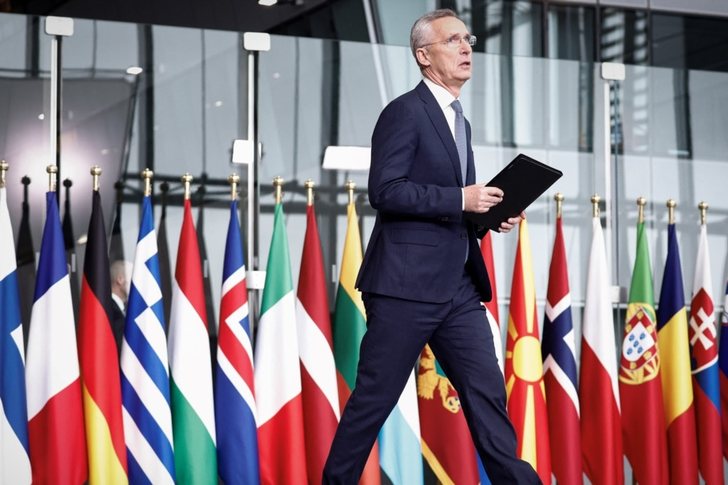
The Secretary General of NATO, Jens Stoltenberg, expressed...

The United Nations called today for an end to the viol...

A recent scientific expedition to Antarctica revealed ...

The Israeli army announced on Sunday that it had withdrawn...

The Macedonian police arrested journalist Furkan Saliu, fo...
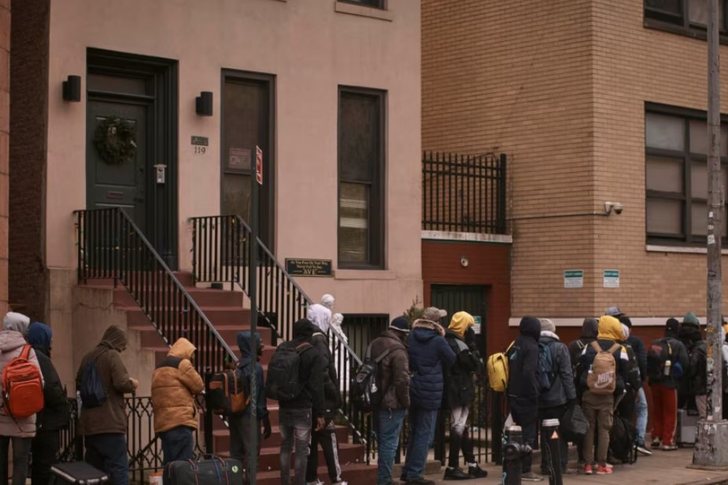
Shtetet e Bashkuara kanë nevojë të madhe për punëtorë ndër...
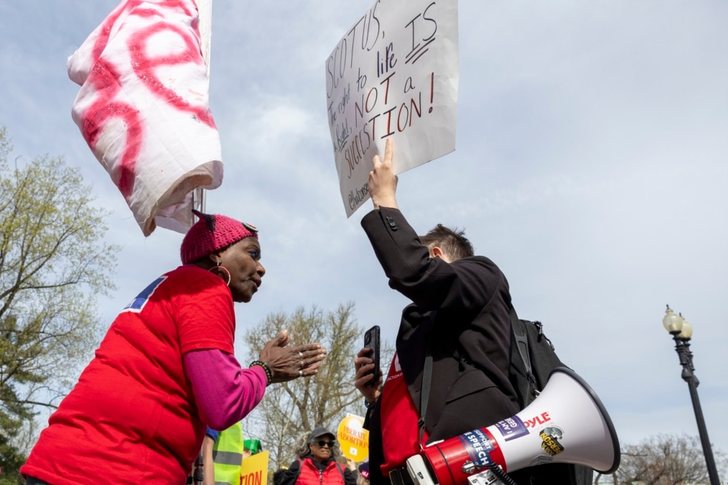
The Florida Supreme Court's recent decision paved the way ...
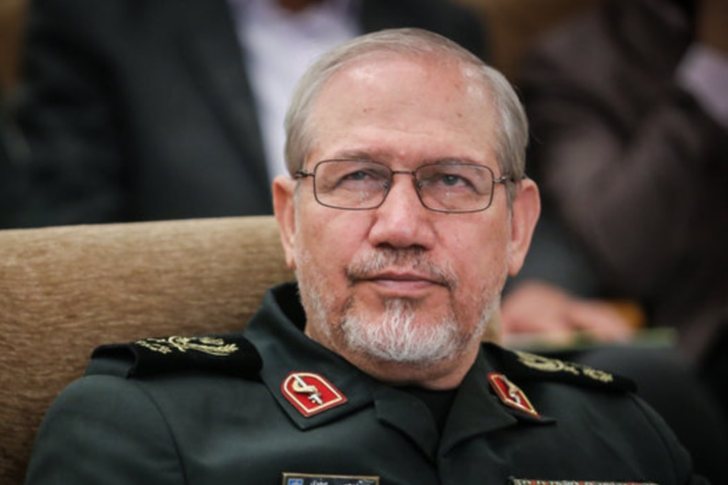
A senior Iranian military adviser warned Israel on Sunday ...
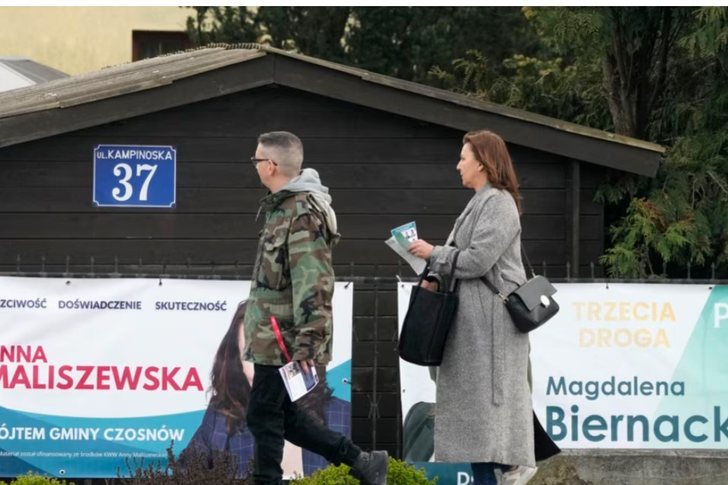
Poles are voting Sunday in local elections to elect counci...
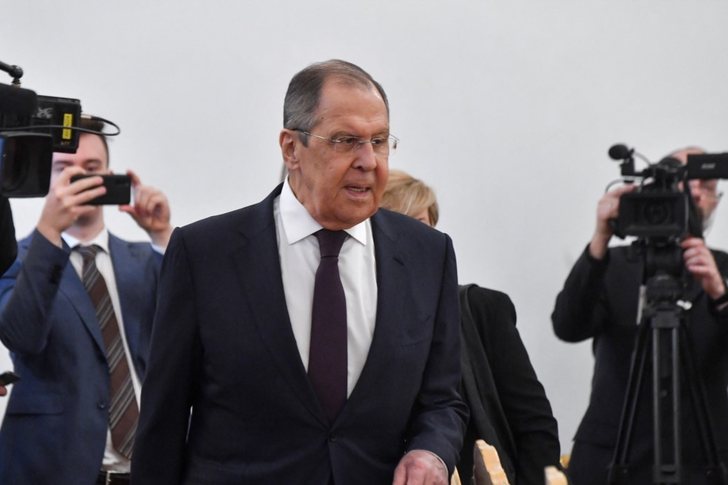
Russian Foreign Minister Sergei Lavrov is visiting Chi...

Prime Minister Benjamin Netanyahu said Sunday, six months ...
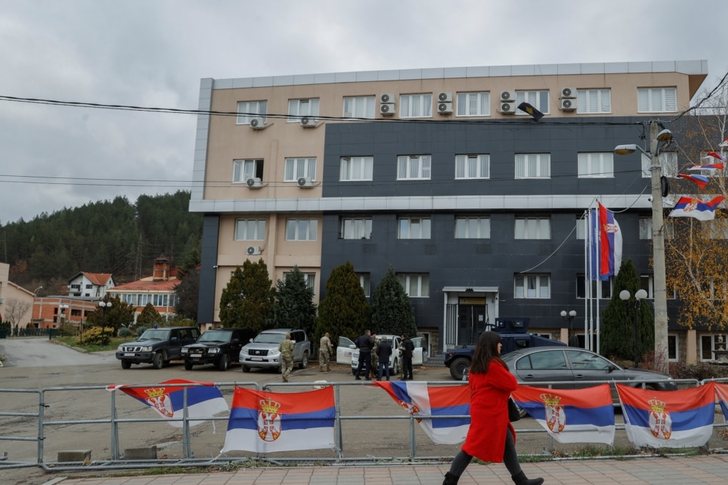
Lista Serbe - the largest party of Kosovo Serbs - announce...

Tens of thousands of people protested in several Israeli c...

The Israeli army has withdrawn all ground troops from ...
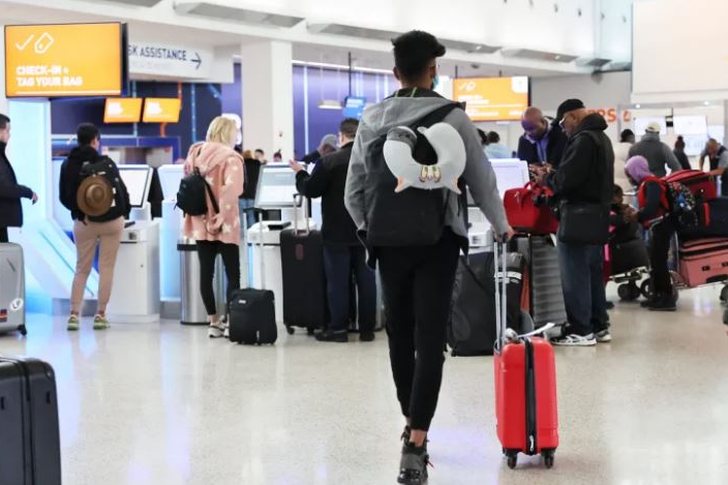
Pasagjerët e linjave ajrore në disa pjesë të Mbretëris...

CNA has launched another investigation that could lead to ...

Irfan Hysenbelliu is a businessman that we call "Irfan the...

In March 2026, CNA launched another investigation centered...
The arrested mayor of Tirana, Erion Veliaj, with 13 charge...

The Special Board of Appeal (KPA) decided this Monday ...

The KPA vetting decided this Thursday to dismiss the p...

Suela Salavaçi, a prosecutor in the Prosecutor's Offic...

The Special Board of Appeal reinstated the prosecutor ...

A road accident occurred this evening on Nikolla Zoraqi St...

Three people were shot and wounded in Elbasan last night b...

A serious incident occurred this Tuesday in the Yrshek are...

An accident occurred this Tuesday on "Dituria" street in K...

All of Southern Europe will face changing weather conditio...

Albania was hit by temperatures significantly higher than ...

For the first time, Pogradec welcomed the Inter-Lake Chess...
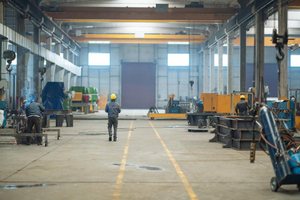
Albania has achieved a record for the employment of foreig...

US Secretary of State Marco Rubio arrived in Manila on Jul...
In the space of a few days, Ukrainian President Volodymyr ...

The spokesman for the Iranian Foreign Ministry warned Bulg...
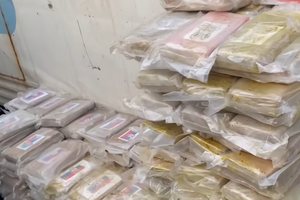
Autoritetet italiane sekuestruan pako me afër 800 kilogram...

At a time when industrial products are increasingly taking...

Trust among people is not just a three-syllable word. It c...

Master of humor Todi Llupi has passed away at the age of 7...

The ninth edition of "MIK Festival" kicked off with one of...

Construction company licenses will have a validity period ...
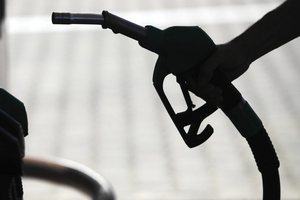
The Centralized Purchasing Operator recently opened a tend...
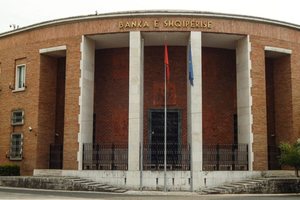
The new draft law "On the Bank of Albania" provides that t...
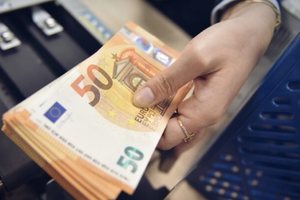
This Tuesday, one US dollar is bought for 81.2 lek and sol...