


"With fake but original FB"/ Rama stings Qori, Lapaj and Shehaj
Prime Minister Edi Rama has ironically mocked the infiltra...

Prime Minister Edi Rama has ironically mocked the infiltra...


The still new phenomenon called "sextortion" means sex and then blackmail. In most cases, men meet young women. A short online conversation quickly turns into digital chats and then into sending photos or even a live video chat.
If the victim engages in this conversation and appears naked in front of the cameras, the perpetrator records it. After that comes the request for money. Authorities around the world are warning about this type of scam.
For Sebastian* (name changed), it all started harmlessly as a kind of flirtation on a dating platform. Then there was an exchange of names and phone numbers, correspondence and finally a WhatsApp video call. That's where he made the big mistake - his supposed fan strips in front of the cameras and asks him to do the same. After he undressed and finally masturbated, they sent him footage of the action with the demand that if he didn't immediately pay $2,000, they would send all of his Instagram friends the footage and pictures where he is seen naked.
Cases like Sebastian's regularly end up on the desk of Mario Krause, chief detective of the cybercrime task force at the Central Criminal Investigation Department in Braunschweig. This investigator says there are up to 20 such cases a week. Police crime statistics speak of several thousand such cases in 2023. They are treated as "sexual blackmail", although other crimes are also included.
However, the statistics do not give the true picture because the number of unreported cases is probably much higher, Krause estimates. Most victims never contact the police due to shame.
The biggest scams come from Asia...
Britain's NCA and the FBI in the US have recently warned of criminals who mainly contact young people around the world to blackmail them. Authors are mainly located in Africa and Southeast Asia. A veritable fraud industry has developed there during the Covid-19 pandemic.
NDR reporters spoke to people who were lured under false pretenses to work as workers in so-called fraudulent factories in Myanmar or Cambodia, who were supposed to work there, but later managed to escape. Often pressure and other measures are used for fraud: victims are lured into dubious investments, promised riches allegedly earned in cryptocurrencies or blackmailed with nude photos.
Globalized crime
In December, 28-year-old Chinese man Neo Lu (name changed) managed to escape from one of these fraud factories in Myanmar, in the so-called Dongmei area on the border with Thailand. He was forced to work there for seven months, first as a bouncer and then other jobs.
In the factory, especially women from China were blackmailed and money was taken from them. He heard from factories in the area that sexual extortion or so-called romance scams are also used there, in which women are lured into supposed love affairs and then cheated. With the help of small translation programs, online fraud is now being carried out on an international scale, he says.
Interpol and actions
NDR records show the scam factory took $4.4 million from 214 victims in the five months Neon Lu worked there as an accountant. Interpol recently spoke of a "global crisis" at a press conference in Singapore. Authorities estimate that fraud cartels have now made up to three trillion dollars through human trafficking and online scams. For comparison: Myanmar's Gross Domestic Product is about US$62 billion.
The United Nations Office on Crime and Drugs reports the following: Income generated by online fraud and human trafficking has already replaced the drug trade in Southeast Asia. The FBI is also increasingly cracking down on sexual extortion and other online scams, including the fact that at least 20 teenagers in the US have committed suicide since 2021 after being blackmailed with nude photos.
Investigators face huge challenges
For investigators in Germany, the problem is above all the spread of this crime, says chief inspector Mario Krause. In addition, he says he quickly reaches the limits of his investigations if the perpetrators are abroad. Then the local authorities will have to show their willingness to cooperate. But, he says, it often takes time and sometimes all effort is wasted.
In addition, there is a growing concern about the use of artificial intelligence by fraudsters. Online fraud can become even more globalized in this way, for example through the simple use of translation software. But people could also be blackmailed with artificially created nude photos.
The investigator advises victims of sexual blackmail: do not pay anything, block your account immediately, block the scammer's account and contact the police.
Sebastiani didn't pay either and learned a clear lesson: don't carelessly trust someone you know from the internet anymore./ DW


Israeli Prime Minister Benjamin Netanyahu will address...
The United States is satisfied with the policy of the Serb...
The President of the United States, Joe Biden, has sai...
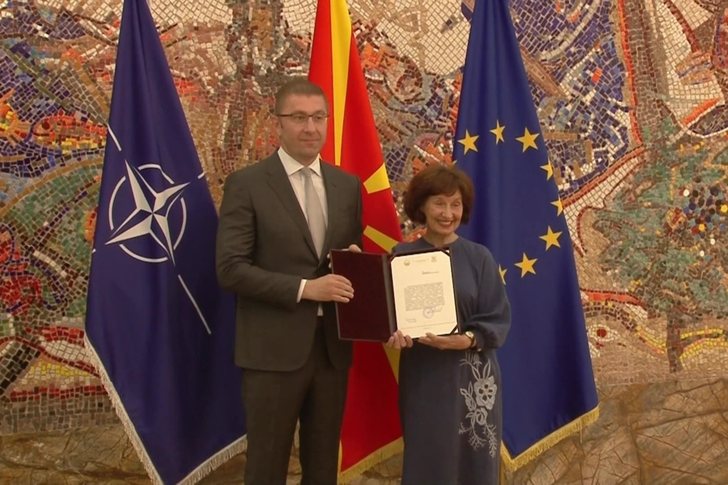
Hristijan Mickovski of VMRO-DPMNE on Thursday received the...

Suspected Ukrainian drone strikes set fire to two Russian ...

On Thursday, the Kosovar authorities interrogated the wife...
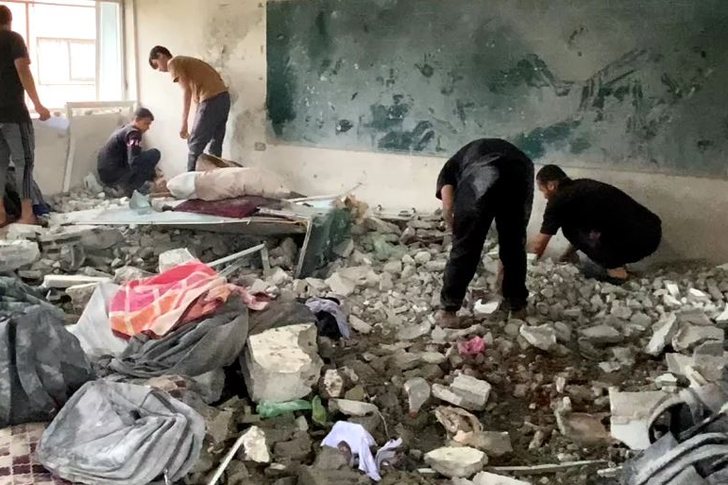
Dozens of people were killed in an overnight Israeli a...
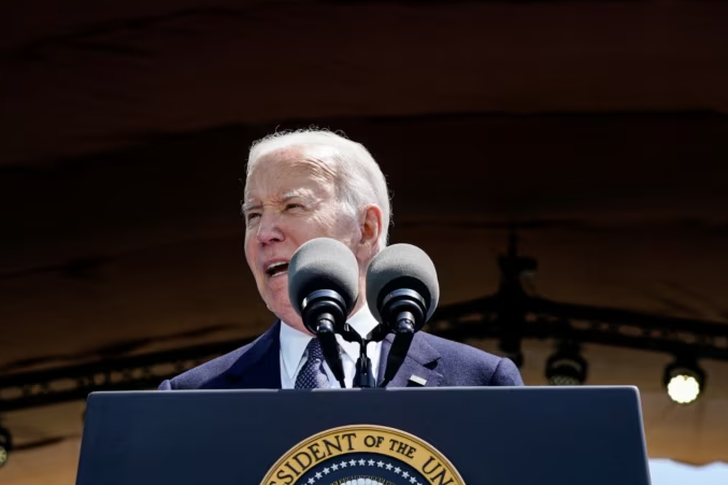
United States President Joe Biden and sixteen other world ...
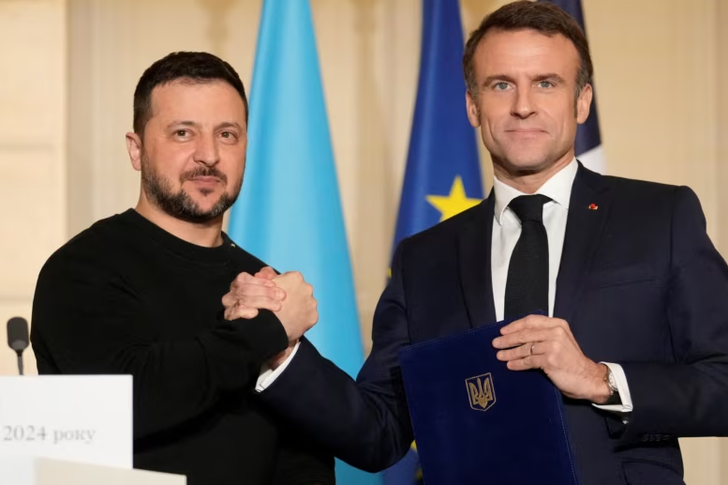
French President Emmanuel Macron will attend a Ukrainian p...

A 59-year-old man in Mexico has died from a strain of ...
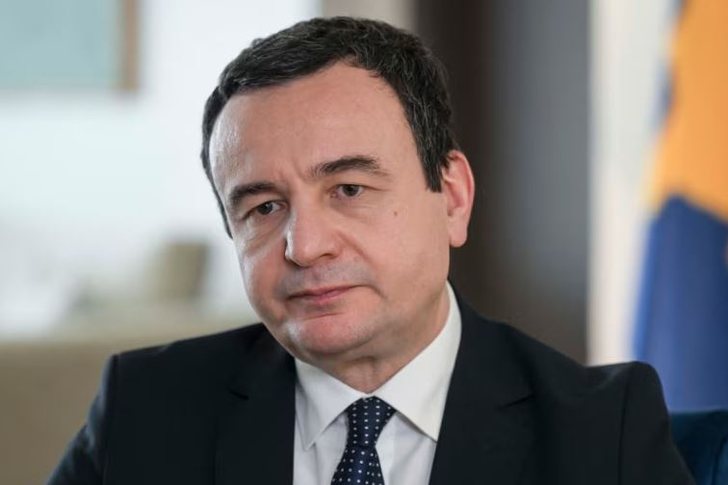
Those frozen in the personal relationship between him ...

The president of Gordana state, Siljanovska Davkova, today...
Kosovo police announced that weapons, ammunition and m...
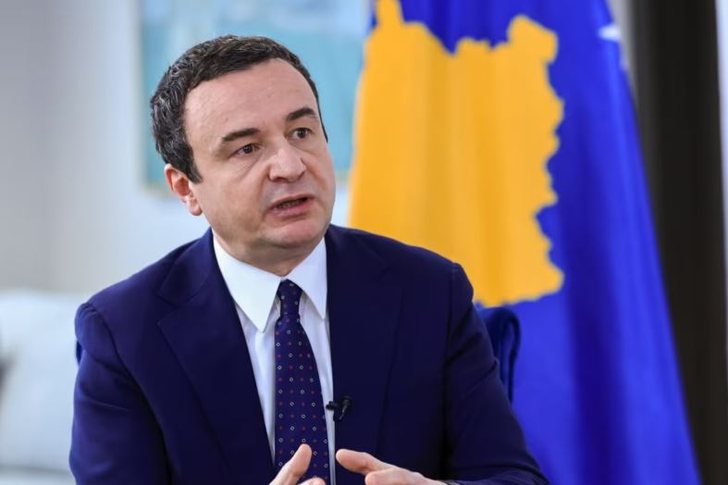
The Prime Minister of Kosovo, Albin Kurti, in the show...
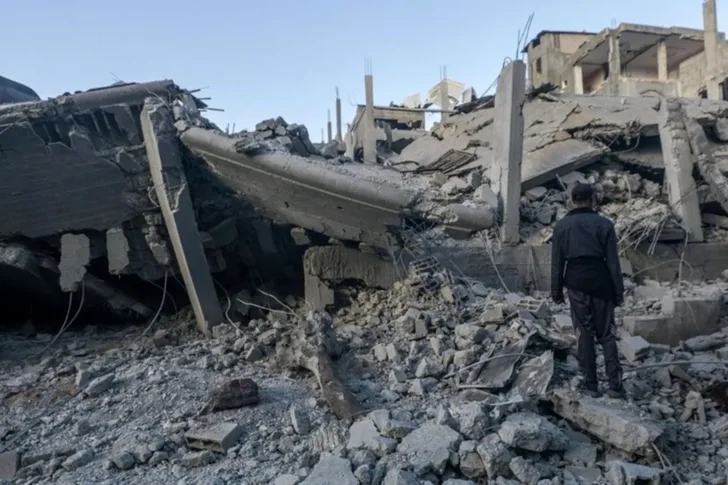
An Israeli airstrike on a UN school packed with hundreds o...
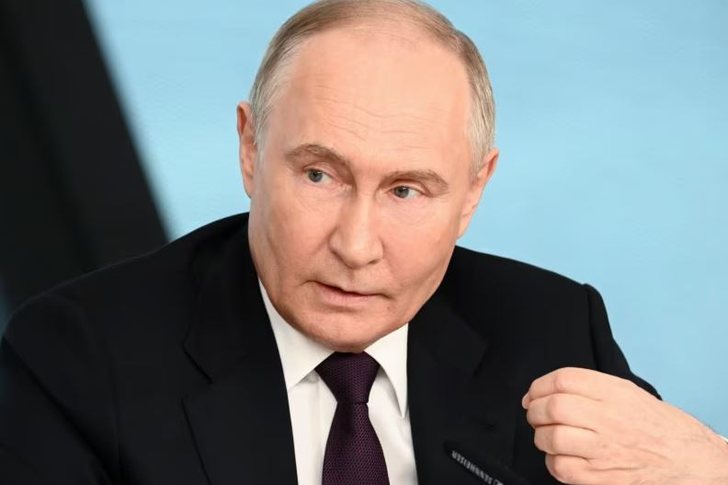
Russian President Vladimir Putin said on Wednesday tha...

Who should pay the rising costs of climate change damages?...

At least four people were killed and 23 others injured aft...

350 million EU citizens will be able to vote directly for ...
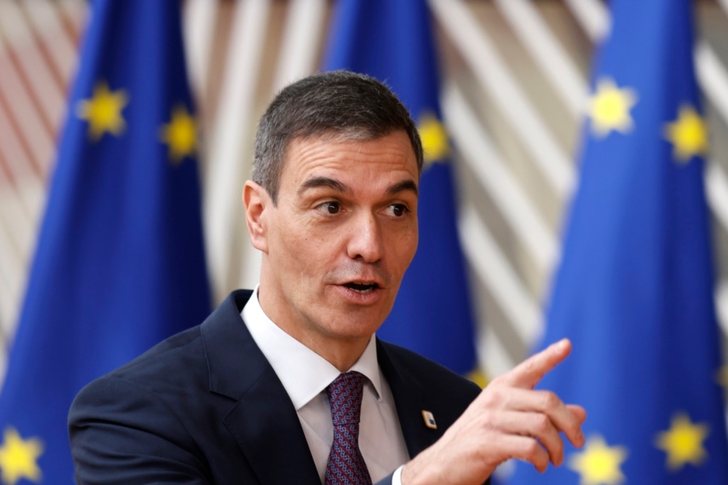
The Catalan party of Mr. Carles Puigdemont, "Junts per Cat...

CNA has launched another investigation that could lead to ...

Irfan Hysenbelliu is a businessman that we call "Irfan the...

In March 2026, CNA launched another investigation centered...
The arrested mayor of Tirana, Erion Veliaj, with 13 charge...

The Special Board of Appeal (KPA) decided this Monday ...

The KPA vetting decided this Thursday to dismiss the p...

Suela Salavaçi, a prosecutor in the Prosecutor's Offic...

The Special Board of Appeal reinstated the prosecutor ...
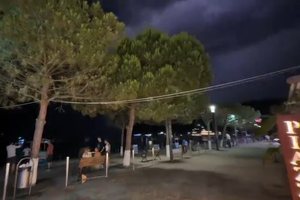
The bad weather that swept the country on Tuesday evening ...

A road accident occurred this evening on Nikolla Zoraqi St...

Three people were shot and wounded in Elbasan last night b...

A serious incident occurred this Tuesday in the Yrshek are...

This Wednesday, our country will be under the influence of...

All of Southern Europe will face changing weather conditio...
Albania was hit by temperatures significantly higher than ...

For the first time, Pogradec welcomed the Inter-Lake Chess...

Prime Minister Andy Burnham has announced that most bus fa...

France's parliament has passed a law to ban social media f...

US Secretary of State Marco Rubio arrived in Manila on Jul...
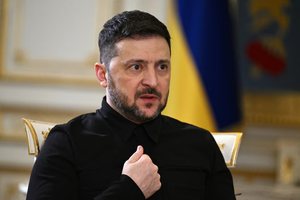
In the space of a few days, Ukrainian President Volodymyr ...

At a time when industrial products are increasingly taking...

Trust among people is not just a three-syllable word. It c...

Master of humor Todi Llupi has passed away at the age of 7...

The ninth edition of "MIK Festival" kicked off with one of...

Businesses will no longer be required to simply register t...

Despite economic growth and income in recent years, Albani...

This Wednesday, one US dollar is bought for 81.4 lek and s...

Construction company licenses will have a validity period ...