

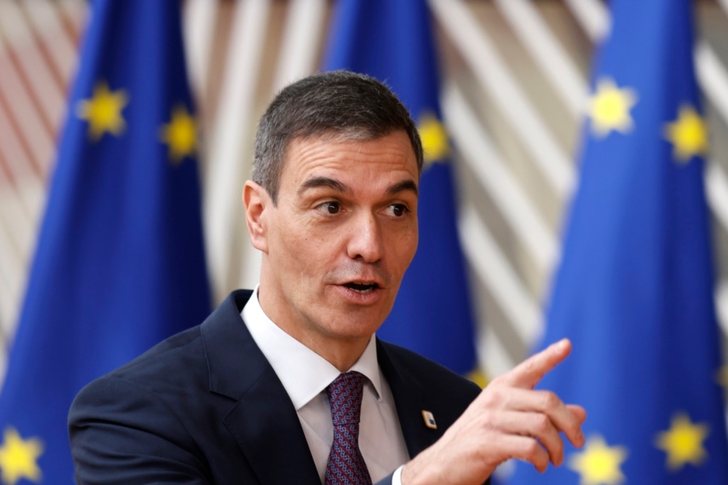
The Catalan party Junts asks Spain to recognize Kosovo
The Catalan party of Mr. Carles Puigdemont, "Junts per Cat...


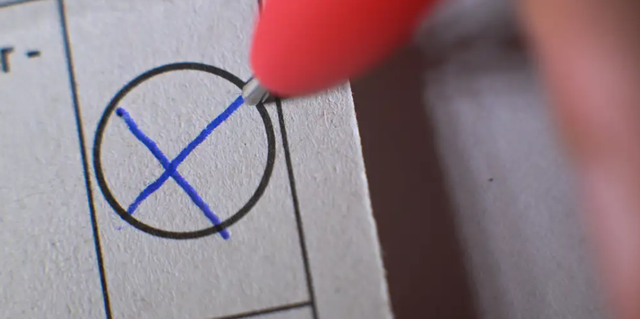
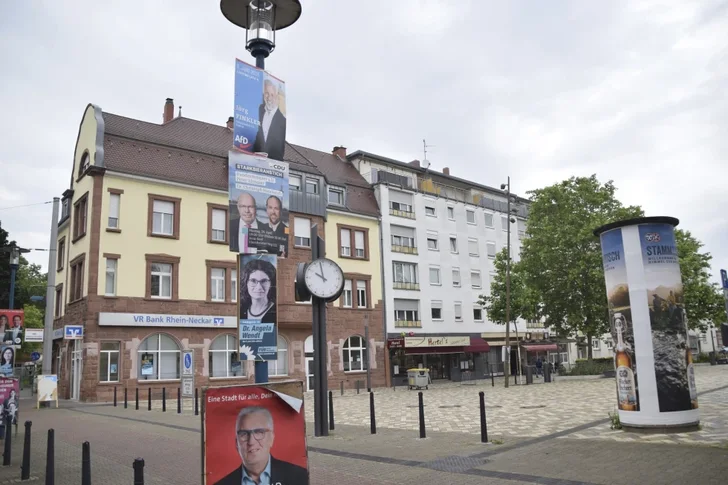
350 million EU citizens will be able to vote directly for their parliament from Thursday to Sunday this week. EU skeptics and nationalists may be emboldened.
Roberta Metsola, the Christian Democratic President of the European Parliament from Malta, visited all 27 member states of the European Union in recent months with the slogan "Use your voice". In numerous discussions in town halls, universities and schools, she tried to particularly interest young voters in the European elections, which are held every five years. "The picture you see in your mind of the European Parliament is these 700+ blue seats. These seats will be assigned whether you vote or not. But now you have a choice, you can make a difference, you can influence who sits on the benches parliament", said Roberta Metsola to young people in Denmark.
But getting the 350 million eligible voters in the European Union to the polls in the world's second largest democratic election, after India, is not so easy. Voter turnout in the last elections, in 2019, was only around 50 percent. In the spring poll of public opinion, the EU found that this time the interest in the elections was around 60 percent. Therefore, voter turnout may increase. This is especially important for these elections, which many political camps have declared "elections of fate" or "elections of direction". Because, statistically, it turns out that the middle of the political spectrum usually benefits from high turnout.
In many EU countries, including Germany, the election campaign was shaped by the discussion of security and defense against the backdrop of Russia's war against Ukraine. However, according to public opinion polls, economic and social policies are the most important issues in the 27 member states. Migration policy did not play a decisive role in most EU countries in this campaign.
Polls predict rise in right-wing forces In many countries, activists are worried about the expected rise in numbers from right-wing conservatives skeptical of the EU to right-wing radicals. Reason this for Chancellor Olaf Scholz (SPD) to issue dark warnings. "Some populists want Germany to leave the European Union. Others see Putin's Russia or Xi Jinping's China as models for Europe. There are those who want to destroy the EU - what self-destructive madness! Europe and the European Union ensure our prosperity and our future," said Olaf Scholz in a pre-election video calling for voting.
In France, Italy, the Netherlands, Belgium, Austria and Hungary, right-wing parties are in first place in terms of voters. In Poland, Germany and Sweden, right-wing parties may become the second or third force. The far-right Alternative for Germany (AfD) is roughly equal to the two ruling parties, the SPD and the Greens, with around 15 percent. In Germany, the Christian Democratic opposition (CDU/CSU) leads with 30 percent. It is expected that the number of blue seats in the plenary hall of the European Parliament for far-right parties will increase significantly, to 21 to 25 percent. But this is not enough for the decisive majority.
Meloni wants to create a right-wing alliance
Italy's Prime Minister Giorgia Meloni, who also heads the European right-wing EKR family, has announced that she wants to create an Italian-style coalition in the European Parliament. Meloni has been leading Italy for 18 months with an alliance of right-wing populists, right-wing extremists and Christian Democrats. It wants to break the current informal grand coalition in the European Parliament, which is made up of the Social Democrats, Liberals and Christian Democrats.
"We are on the verge of decisive elections, because for the first time European elections can put an end to an unnatural and counterproductive majority," Giorgia Meloni said during a campaign appearance in Spain. She wants to found a new right-wing nationalist bloc.
The Christian Democrats and the right
The main candidate of the European Christian Democrats, the president of the European Commission, Ursula von der Leyen, does not rule out future cooperation with Meloni & Co. Ursula von der Leyen said in several televised debates that it is important if MPs support Ukraine and pay attention to European values, not so much party membership. Von der Leyen said of Meloni: "She is also clearly pro-European. She is against Putin, she said it very clearly. She supports the rule of law. If it remains so, we will offer cooperation."
The Social Democrats, the Liberals, the Greens and the Left strongly criticized this new course of the Christian Democrat von der Leyen. According to the latest polls, the Christian Democrats and the Social Democrats remain roughly in the same positions as before. The Liberals, the Greens and the Left will lose. In the new legislative period, the European Parliament will have 720 mandates, 15 more than before.
Limited power of the EP Whatever coalition is formed after the formation of the parliamentary groups, it should be taken into account that the European Parliament is only one of two equal legislative chambers. It cannot decide on its own and cannot choose a government, but depends on cooperation with the Council of the European Union, where all 27 governments of the member states are represented. However, the European Parliament is unique in significance because no other region in the world has a comparable institution that can legislate across national borders.
Traditionally, voting takes place over four days. Elections in the Netherlands begin on June 6. Most states vote on Sunday, June 9. Reliable results on the distribution of seats in the tenth European Parliament will be published on Sunday at 23:00./ DW

The Catalan party of Mr. Carles Puigdemont, "Junts per Cat...
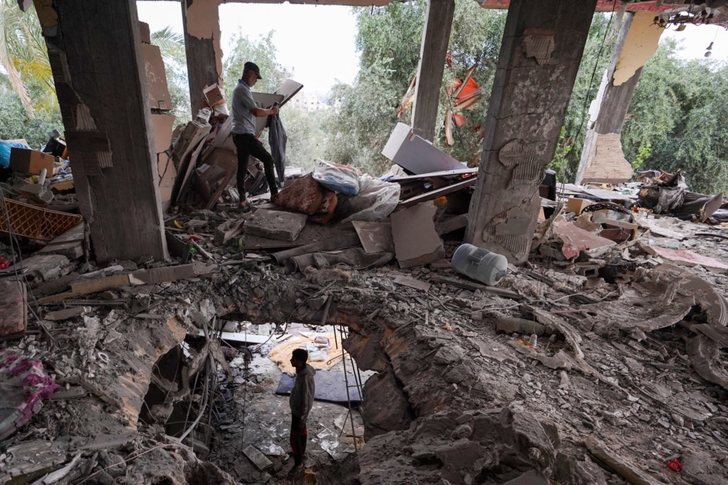
The Palestinian militant group Hamas announced that it wil...
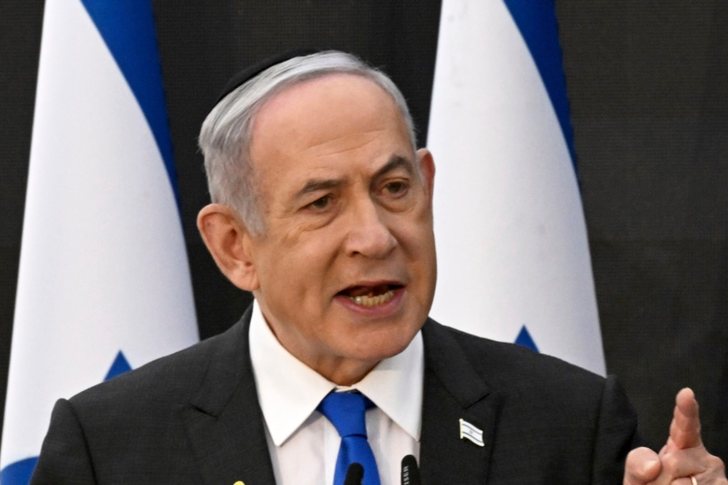
Israeli Prime Minister Benjamin Netanyahu said on Wednesda...
The mission in Kosovo of the Organization for Security and...

The President of the United States, Joe Biden, arrived in ...
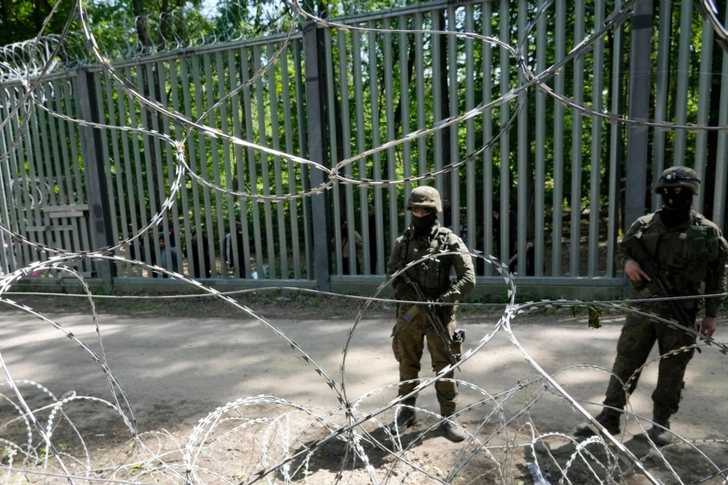
The recent violence between soldiers and migrants on the P...
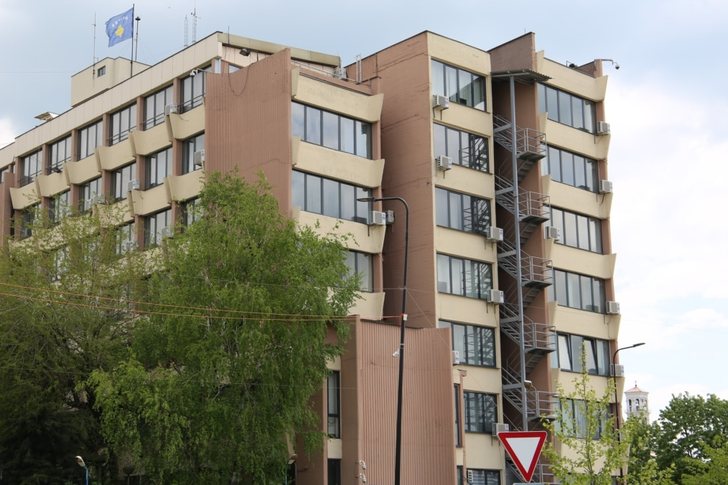
The Special Prosecutor's Office of Kosovo announced on Wed...
The Israeli court on Wednesday upheld the government's dec...
A serious event has occurred in Germany, where the can...
The European Union (EU) fully supports the plan presen...
A gunman was captured by Lebanese soldiers after he tried ...

On June 4, the Parliament of Turkey turned into a boxing a...
Holidaymakers heading to London Gatwick Airport are ad...
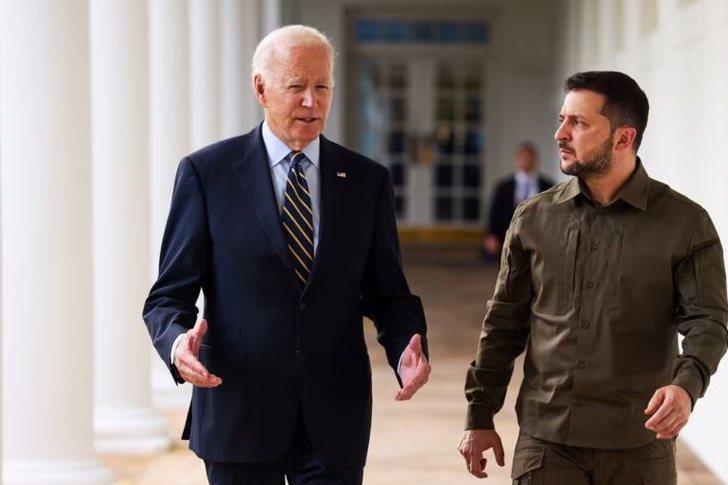
US President Joe Biden will meet with his Ukrainian co...
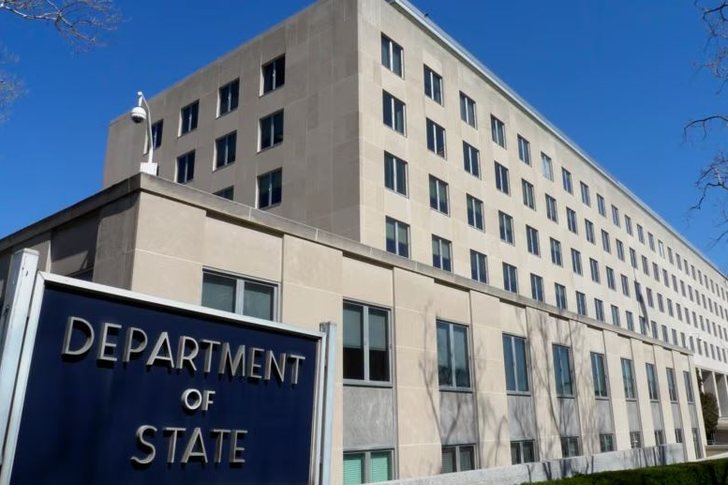
The US State Department (Dash) told Radio Free Europe ...
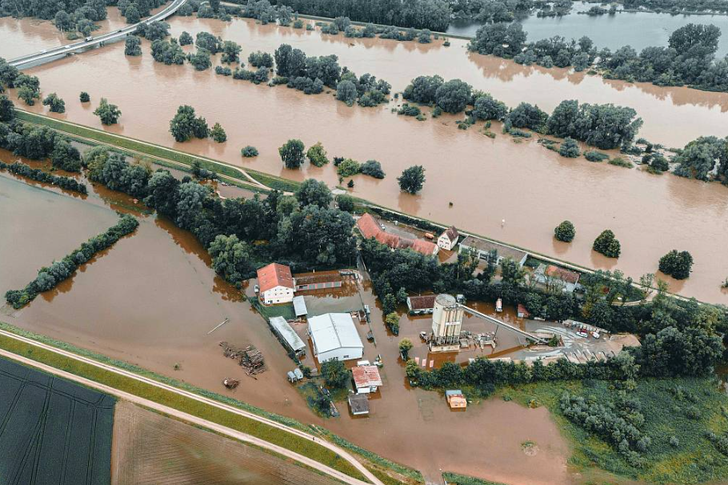
Bad weather in Germany has caused flooding in several citi...
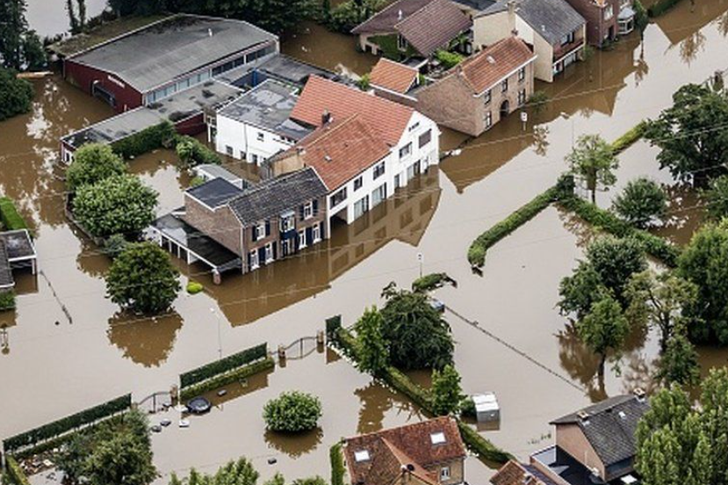
Water, mud, rubble and destruction. Reconstruction and ren...
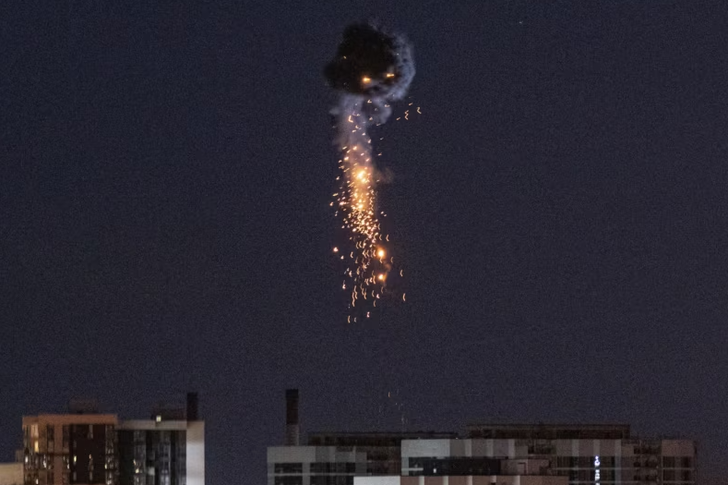
The Ukrainian Air Force said it shot down 22 of the 27 Sha...
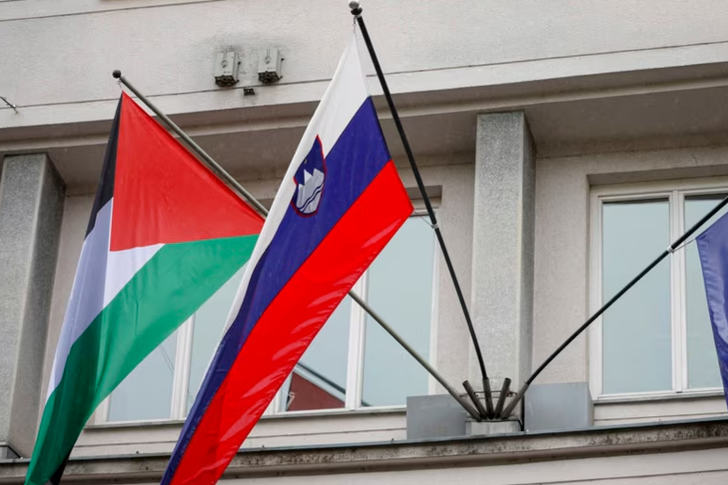
Slovenia is the latest European country to recognize t...

US President Joe Biden signed a new executive order on...

CNA has launched another investigation that could lead to ...

Irfan Hysenbelliu is a businessman that we call "Irfan the...

In March 2026, CNA launched another investigation centered...
The arrested mayor of Tirana, Erion Veliaj, with 13 charge...

The Special Board of Appeal (KPA) decided this Monday ...

The KPA vetting decided this Thursday to dismiss the p...

Suela Salavaçi, a prosecutor in the Prosecutor's Offic...

The Special Board of Appeal reinstated the prosecutor ...
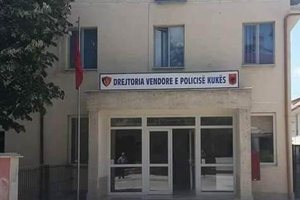
A serious incident has occurred in Morina, Kukes. Citizen...
The bad weather that swept the country on Tuesday evening ...
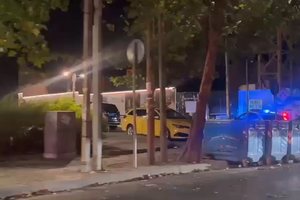
A road accident occurred this evening on Nikolla Zoraqi St...
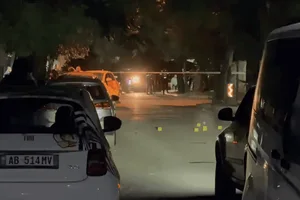
Three people were shot and wounded in Elbasan last night b...

This Wednesday, our country will be under the influence of...

All of Southern Europe will face changing weather conditio...
Albania was hit by temperatures significantly higher than ...

For the first time, Pogradec welcomed the Inter-Lake Chess...
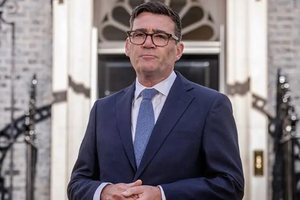
Prime Minister Andy Burnham has announced that most bus fa...

France's parliament has passed a law to ban social media f...

US Secretary of State Marco Rubio arrived in Manila on Jul...
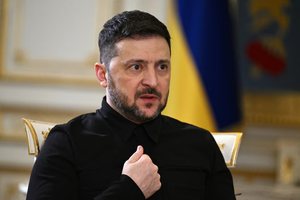
In the space of a few days, Ukrainian President Volodymyr ...

At a time when industrial products are increasingly taking...

Trust among people is not just a three-syllable word. It c...

Master of humor Todi Llupi has passed away at the age of 7...

The ninth edition of "MIK Festival" kicked off with one of...

Businesses will no longer be required to simply register t...

Despite economic growth and income in recent years, Albani...

This Wednesday, one US dollar is bought for 81.4 lek and s...

Construction company licenses will have a validity period ...