

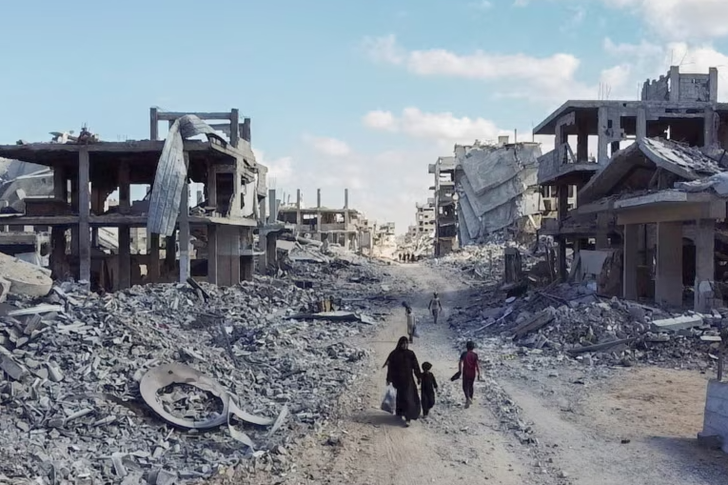
Allegation of ceasefire violation/ Israeli attacks reported in Gaza
The Israeli military has carried out attacks in Gaza, as I...


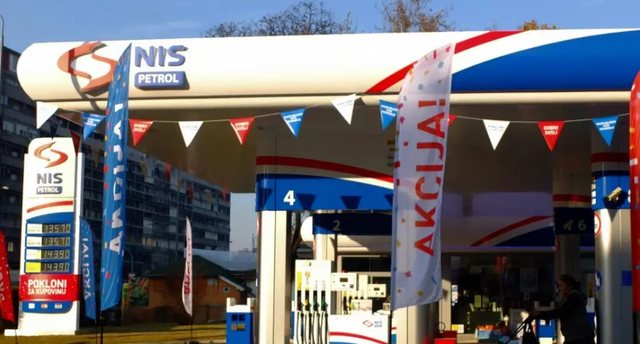
Belgrade, despite massive pressure from the EU, continues to maintain good relations with Russia and rejects sanctions against Russia. Serbia is heavily dependent on Russian gas supplies. But the 2022 agreement on gas supplies from Russia to Serbia expires at the end of this year. Meanwhile, US sanctions have been in effect for a week, affecting the Serbian concern NIS. Given the fact that NIS covers over 80 percent of Serbia's oil and gasoline needs, this could have consequences, according to experts.
Why was NIS sold to Russia's Gazprom?
Serbia has been in massive trouble due to an economic deal with Russia since 2008. At the time, Serbia sold its financially struggling state-owned oil company NIS (Naftna Industrija Srbije) to the Russian oil company Gazprom Neft. Serbia hoped for political advantages in addition to economic advantages: mainly Russian support in the Kosovo conflict. Today, Gazprom Neft, together with Gazprom, owns about 56 percent of NIS's shares, while the Serbian state has about 30 percent. As a result, the Serbian oil company faced a package of US sanctions against the Russian energy industry in January of this year.
Supplies cut off
Sanctions were imposed against Russia and its energy sector by US President Joe Biden at the last moment of his term. With the arrival of Donald Trump in the White House, there was an exemption from sanctions for NIS, so as not to jeopardize Serbia's energy supply. But the deadline expired on October 9, 2025. Now that there is no longer an exemption, NIS will really feel the consequences of the sanctions. Since Serbia produces less than a quarter of its oil needs domestically, NIS receives oil mainly from countries such as Kazakhstan, Azerbaijan and Nigeria. The oil is supplied by tankers to Croatia and from there through pipelines to Serbia. Now that the sanctions have come into effect, the Croatian oil pipeline company JANAF has cut off supplies.
Accusations against the government in Serbia
The Serbian opposition criticizes the government. President Aleksandar Vu?i? has done nothing to break away from dependence on Russia. On the other hand, it has long been clear that the US would one day impose sanctions. Experts also note that the government has acted irresponsibly towards this problem.
Gas contract extended until the end of the year
In May of this year, the ten-year agreement with Russia's Gazprom expired. The Russian side extended the term of this agreement until the end of this year. Now in Serbia there is speculation that by doing this Russia is putting pressure on the oil concern NIS not to return to the ownership of the Serbian state. This was rejected by the Russian ambassador to Serbia, Alexander Botsan-Kharchenko: "We will not interrupt the supply of gas to Serbia. We will continue it even further at better prices."
Buyback of shares by Serbia?
Serbian President Vu?i? met a few days ago with the chairman of the board of the Russian company Gazprom Neft, Alexander Djukov, and with the Russian Deputy Minister of Energy, Pavel Sorokin, to negotiate regarding NIS. What the final solution will be, was not said, but Vu?i? promised the Serbs that there will be no energy crisis. "Times are difficult. But I can assure the citizens of Serbia that there will be no shortage of oil or its derivatives, nor any energy crisis in Serbia. Our Russian friends have understood our message, and we have understood what their interests are. We will do everything that is tactically and strategically best for Serbia," said Vu?i?. Serbian media have learned from various sources that the Serbian state plans to buy back a part of NIS, so that Russian state-owned corporations will no longer be the owners of the majority of shares. If Russia ever manages to "normalize" its position internationally, the shares could be sold to Russia again, that could be the plan.
Will there be a fuel supply crisis?
Serbia does not yet have a supply shortage. But some Serbs worry that they may have to buy gasoline in bottles and cans again, as in the war-torn 1990s. Citizens are already feeling the first effects of the sanctions. Because NIS and Gazprom gas stations in Serbia are disconnected from the Visa, Mastercard and American Express credit card payment system./DW

The Israeli military has carried out attacks in Gaza, as I...
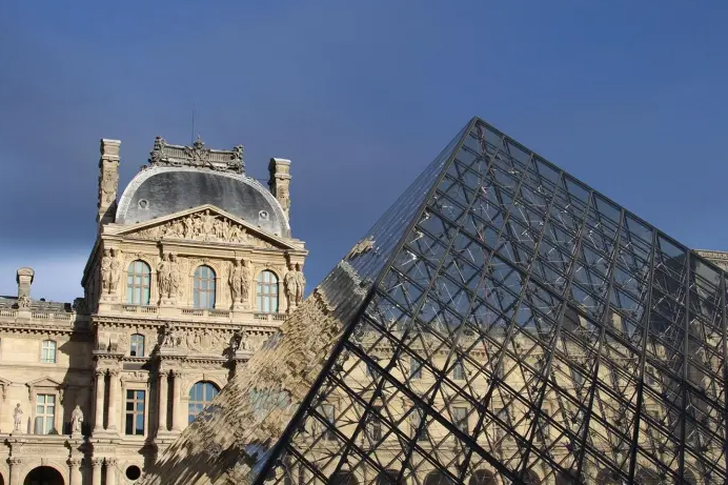
The Louvre Museum in Paris, one of the most iconic cultura...
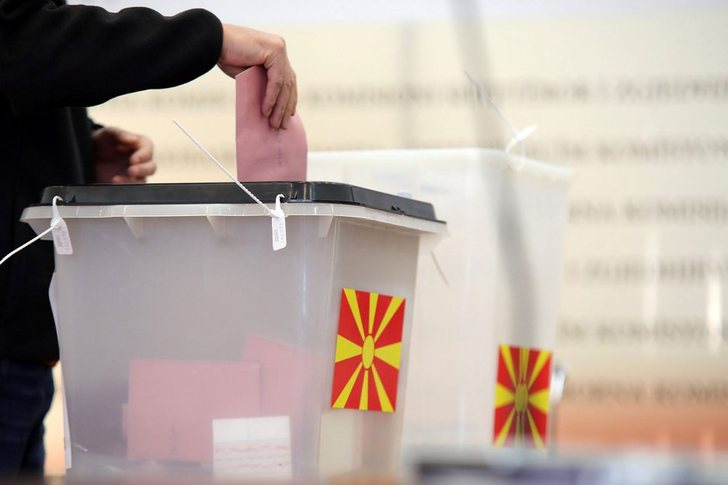
North Macedonia is holding local elections today in 80 mun...
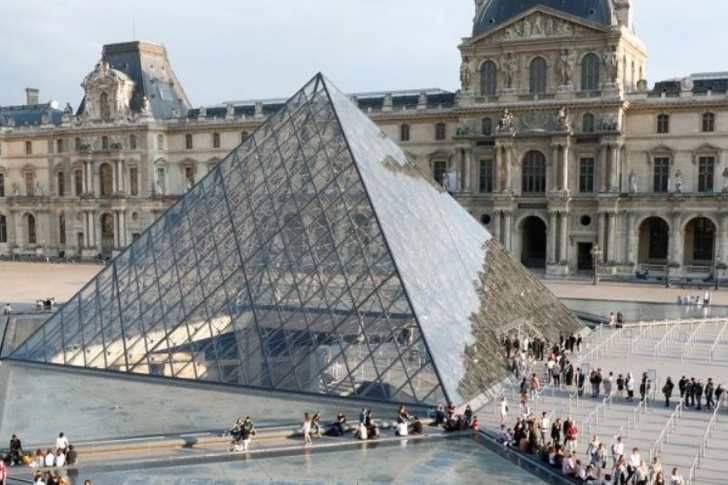
The Louvre Museum in Paris has been robbed. The news was c...
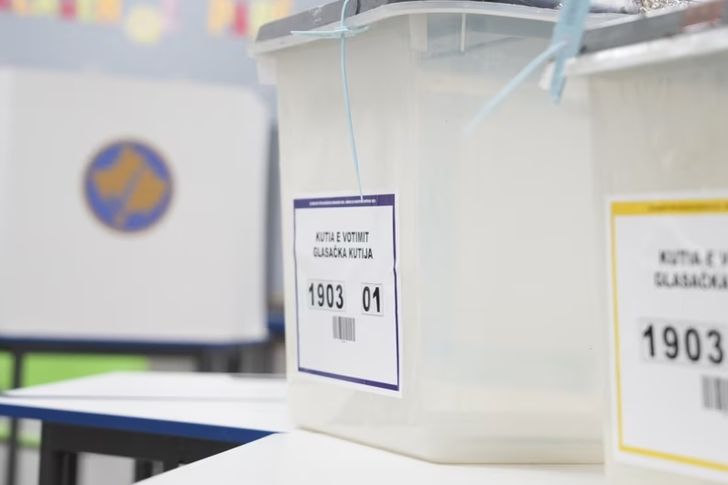
The Central Election Commission announced that activities ...
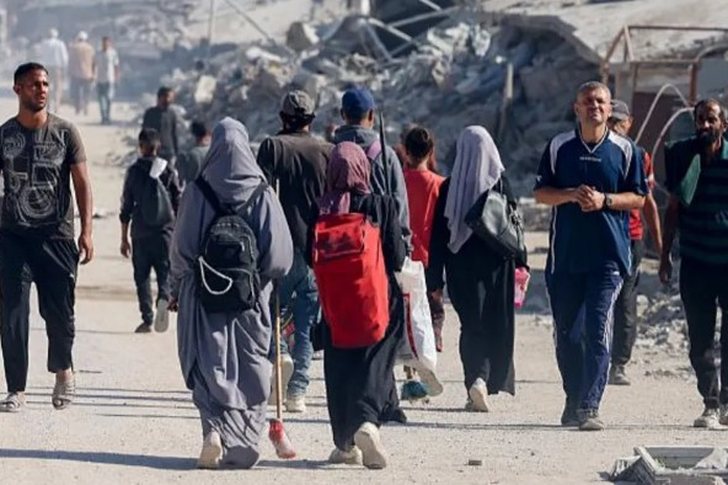
The US State Department says it has "credible reports" tha...
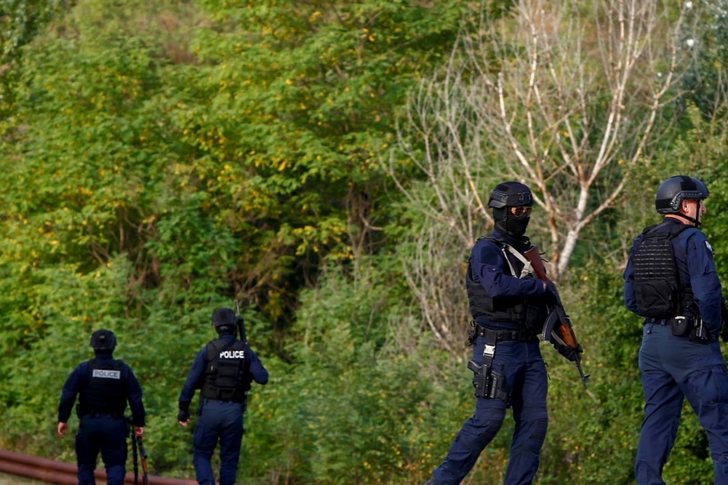
Police investigators are conducting raids in the municipal...
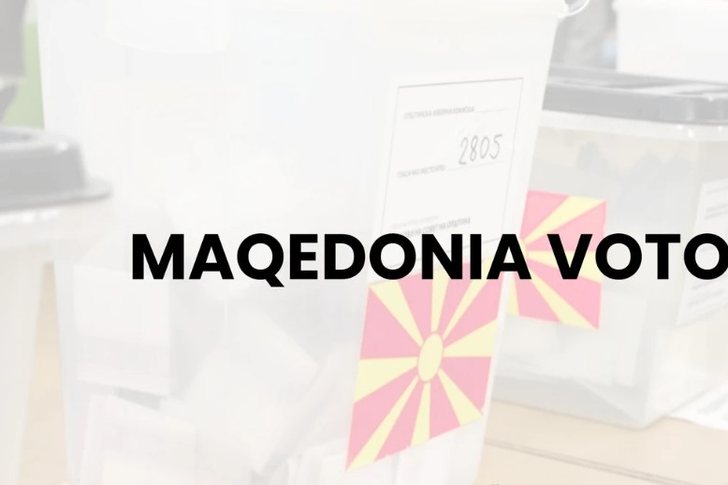
North Macedonia is holding local elections today in 80 mun...
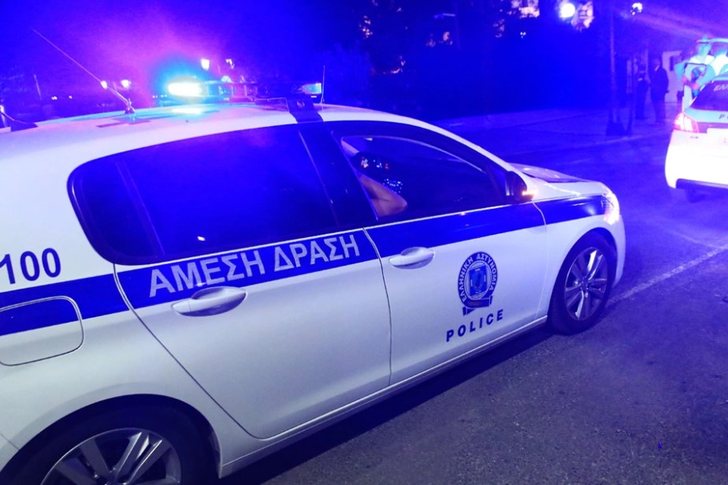
Four Greek citizens, including a 26-year-old woman and thr...
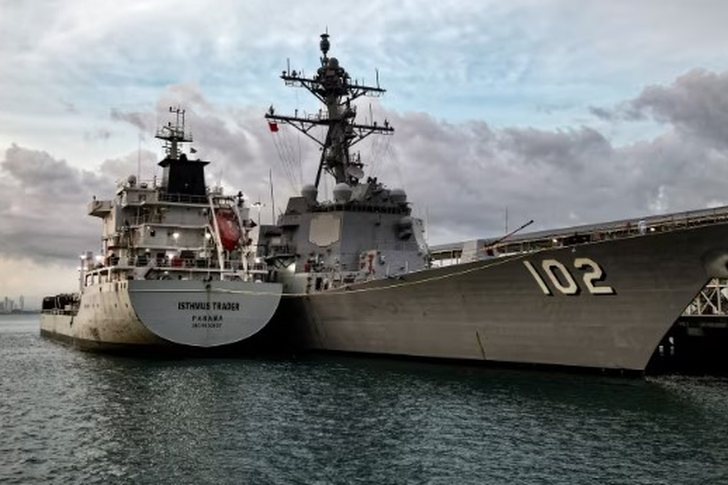
The Trump administration is considering deporting two of t...
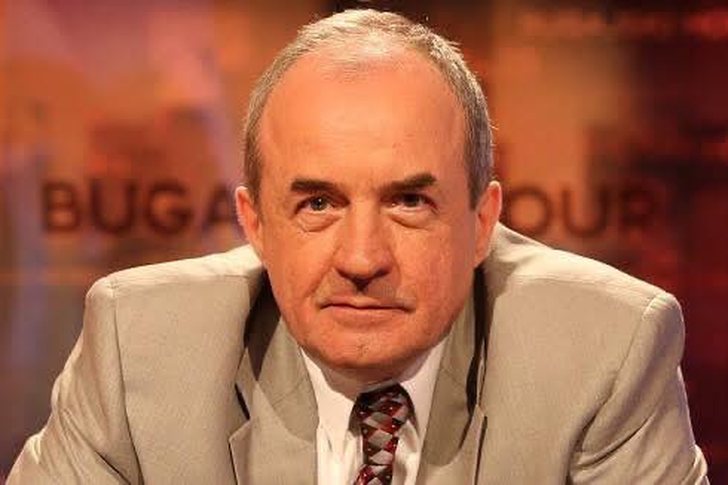
American Balkan affairs analyst Janusz Bugajski passed awa...
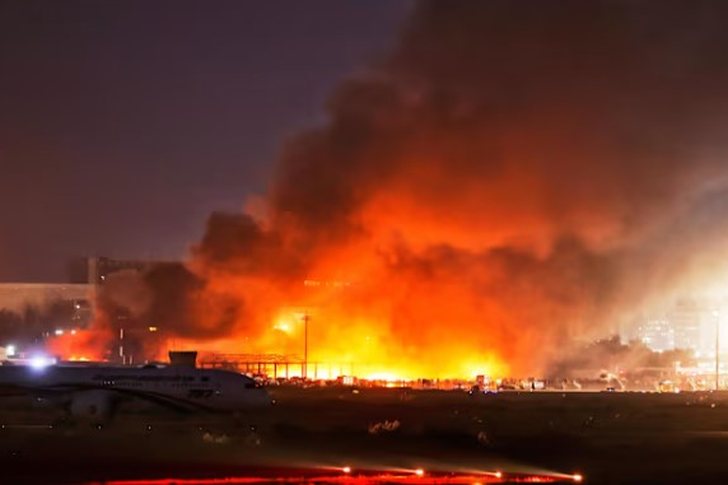
Bangladesh's largest airport was engulfed today by a massi...
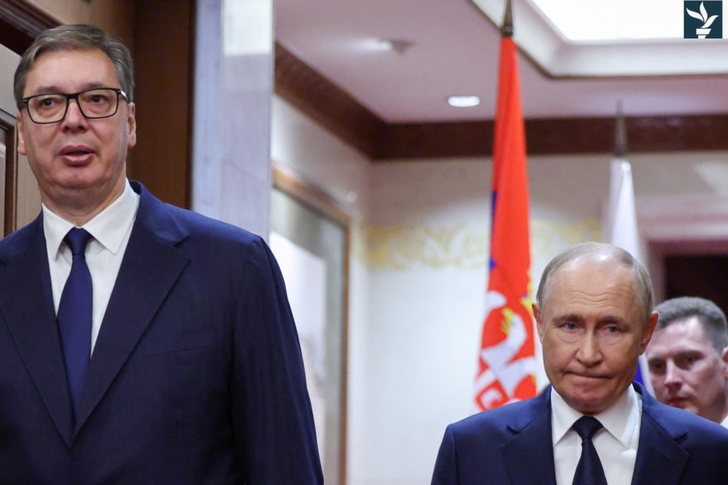
"Lack of patience from Brussels and demand for sanctions a...
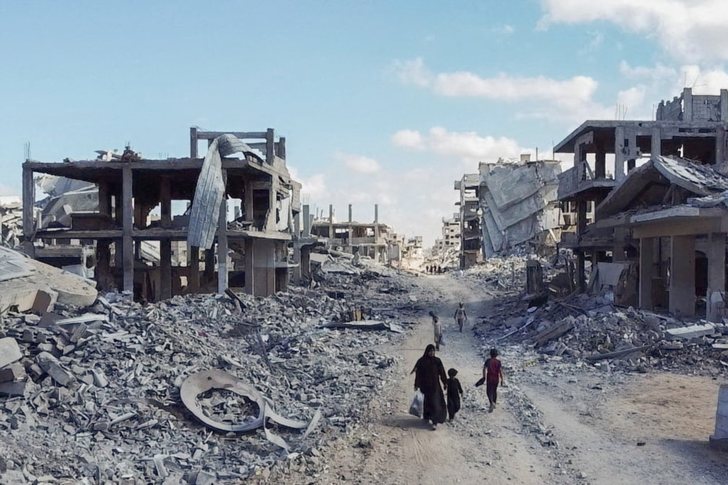
Israel returned the bodies of 15 Palestinians to Gaza on O...
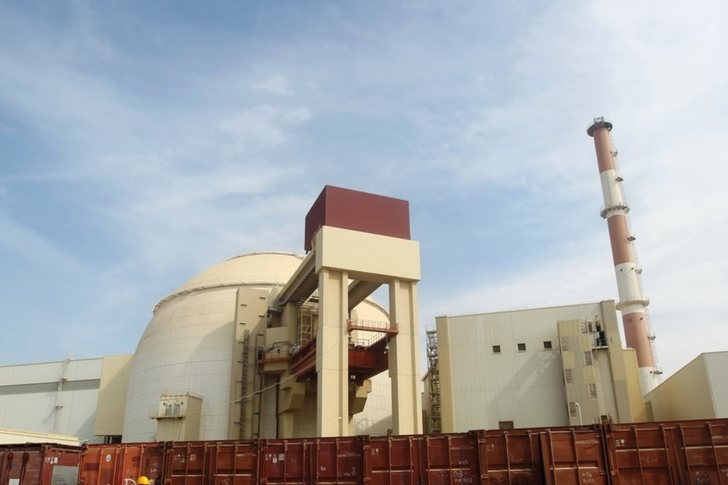
Iran said it was no longer bound by restrictions on its nu...
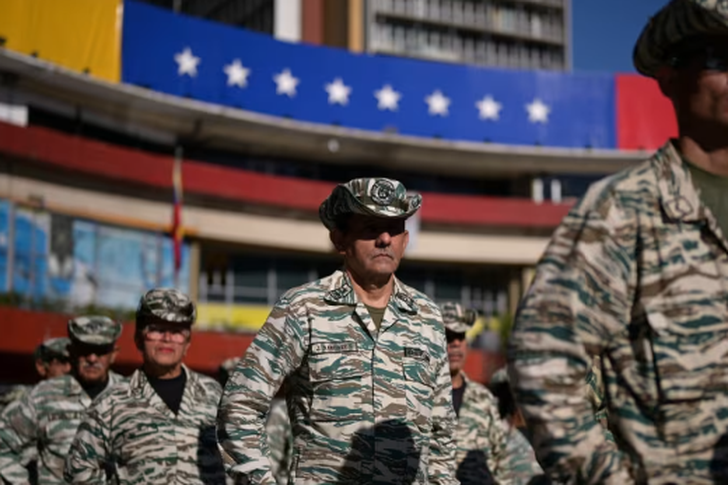
While President Donald Trump is considering military actio...
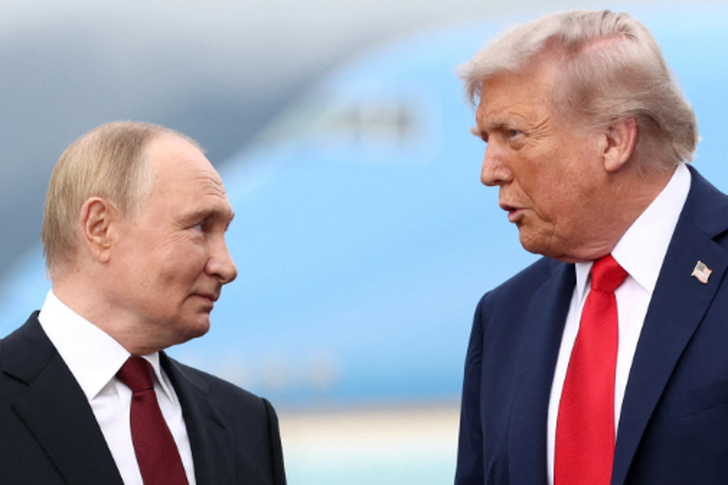
Russian President Vladimir Putin will visit Hungary in the...
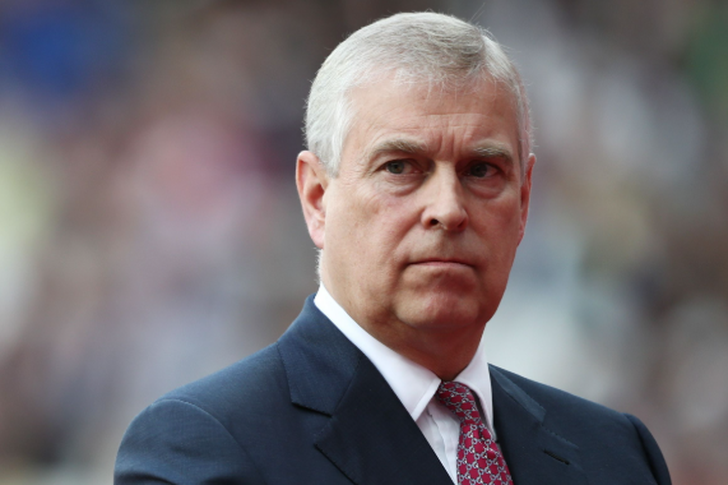
Britain's Prince Andrew announced today that he will give ...
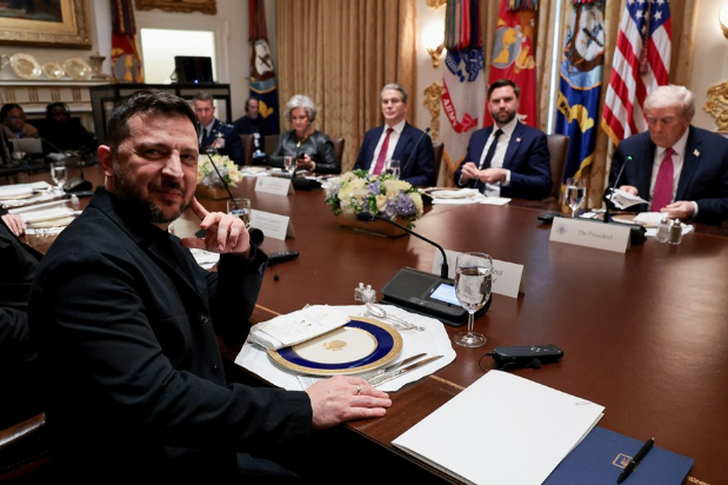
Ukrainian President Volodymyr Zelensky stated today that h...
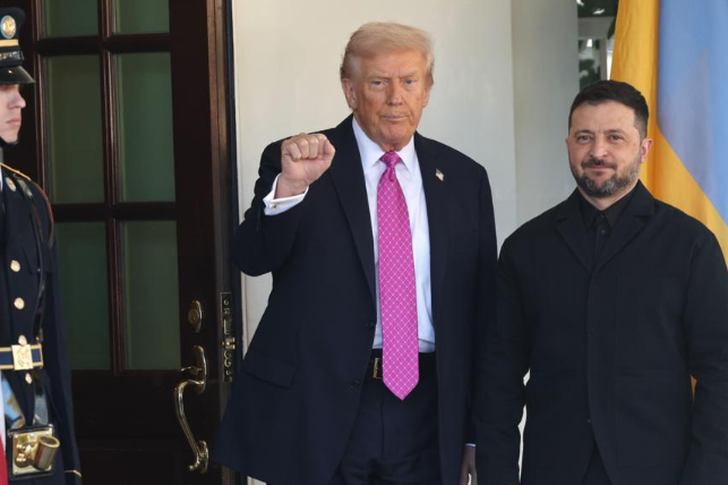
Ukrainian President Volodymyr Zelensky has arrived at the ...

CNA has launched another investigation that could lead to ...

Irfan Hysenbelliu is a businessman that we call "Irfan the...

In March 2026, CNA launched another investigation centered...
The arrested mayor of Tirana, Erion Veliaj, with 13 charge...

The Special Board of Appeal (KPA) decided this Monday ...

The KPA vetting decided this Thursday to dismiss the p...

Suela Salavaçi, a prosecutor in the Prosecutor's Offic...

The Special Board of Appeal reinstated the prosecutor ...
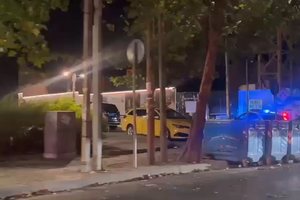
A road accident occurred this evening on Nikolla Zoraqi St...
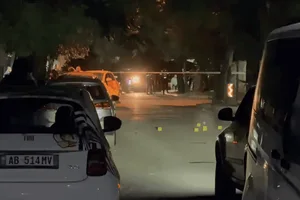
Three people were shot and wounded in Elbasan last night b...

A serious incident occurred this Tuesday in the Yrshek are...

An accident occurred this Tuesday on "Dituria" street in K...
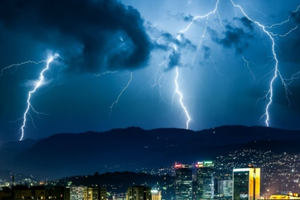
All of Southern Europe will face changing weather conditio...
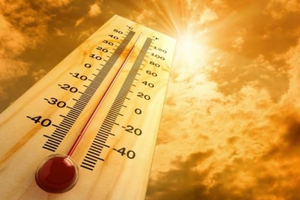
Albania was hit by temperatures significantly higher than ...

For the first time, Pogradec welcomed the Inter-Lake Chess...
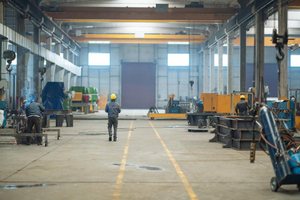
Albania has achieved a record for the employment of foreig...

US Secretary of State Marco Rubio arrived in Manila on Jul...
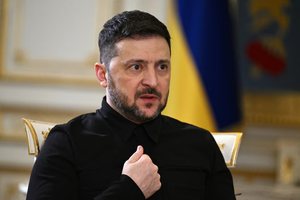
In the space of a few days, Ukrainian President Volodymyr ...
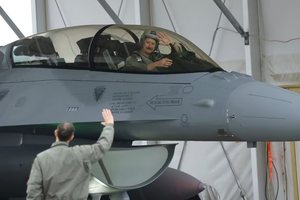
The spokesman for the Iranian Foreign Ministry warned Bulg...
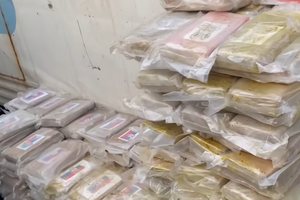
Autoritetet italiane sekuestruan pako me afër 800 kilogram...

At a time when industrial products are increasingly taking...

Trust among people is not just a three-syllable word. It c...

Master of humor Todi Llupi has passed away at the age of 7...

The ninth edition of "MIK Festival" kicked off with one of...
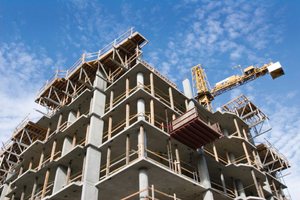
Construction company licenses will have a validity period ...
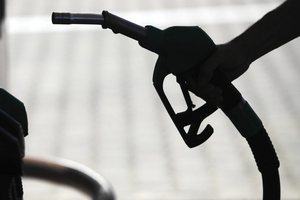
The Centralized Purchasing Operator recently opened a tend...
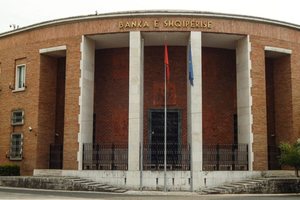
The new draft law "On the Bank of Albania" provides that t...
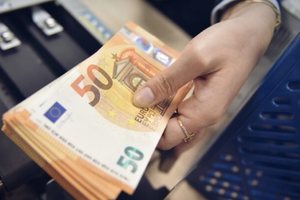
This Tuesday, one US dollar is bought for 81.2 lek and sol...