

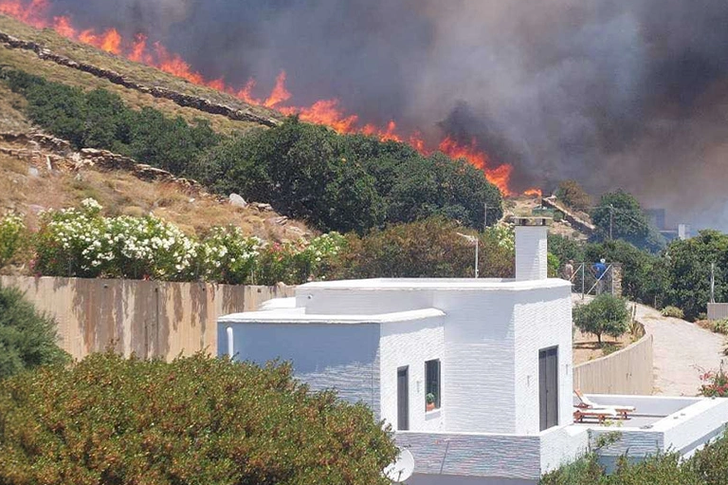
Big fire in Andros/ Four areas are evacuated
At noon today in Andros, in the area of Straburgies,...


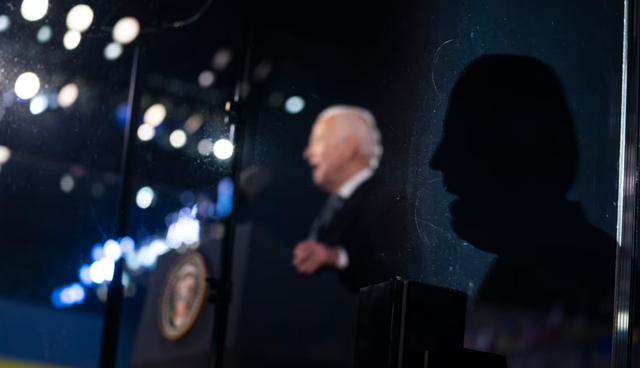
As this year's presidential election approaches, American voters are exposed to malicious interventions that use artificial intelligence to create disinformation, either to help rival politicians or to serve the interests of foreign governments. Voice of America correspondent Ivanna Pidborska reports on the use of artificial intelligence in the 2024 elections.
Artificial intelligence has already become present in this election cycle, as in the computer-generated photographs of former President Donald Trump hugging infectious disease expert Dr. Anthony Faucin, or in the made-up voice of President Biden for a phone call asking voters in New Hampshire not to participate in the primary election.
The timing chosen for the spread of these fake materials makes them even more dangerous, says media expert Elaine Kamarck of the Brookings Institution.
"Even 24 hours before the elections, someone can put out a fake material or a disinformation. It is very difficult to fight; in very close elections this can make the difference between victory and defeat," she says.
Rijul Gupta's DeepMedia firm helps the Pentagon identify fake materials, which he says are popular because they are inexpensive and can be produced easily.
"It takes 15 minutes to create a completely fake material.
There are many such free services on the Internet. If you want to pay for something of better quality, 30 seconds of audio costs maybe 2 cents,” says Mr Gupta.
Ari Cohn is a lawyer and activist for freedom of expression.
"There's been a lot of talk about Russia, but China is also particularly involved in the artificial intelligence race to get the edge," he says.
Mr. Cohn says that the most sophisticated foreign operations aim to "plant" a certain segment of disinformation with influential Americans, so that they can then distribute it to others.
Major US tech firms and social media platforms have promised some form of artificial intelligence self-governance during election campaigns, but there are currently no federal laws on it.
“It's very, very difficult to legislate for political discourse in the United States. The First Amendment to the Constitution protects the freedom of political expression very strongly and rightfully so: We do not want the government to have a role in the outcome of the election," says Mr. Cohn.
Mr. Gupta says the biggest difficulty is differentiating between something that is false and something that describes an issue in a way that someone might disagree with.
"Poor audio quality e.g. may be an indication that it is AI-produced material. It may seem like a joke, but tracking for these small signs and quickly spotting them in images, audio and video can help to filter out a lot of them. So, if e.g. you are in a video conference with someone and you suspect that they may be fake footage, you can ask them e.g. to turn chairs. If they don't, chances are it's artificial intelligence footage," says Mr. Gupta.
Mr. Cohn says that artificial intelligence can also be used for positive purposes in politics. It could allow candidates to communicate with diaspora communities in their own language, or it could give campaign teams more accurate data on voter preferences so they can better tailor their election message. ./ Voa

At noon today in Andros, in the area of Straburgies,...

At least 42 people were killed by Israeli strikes in t...
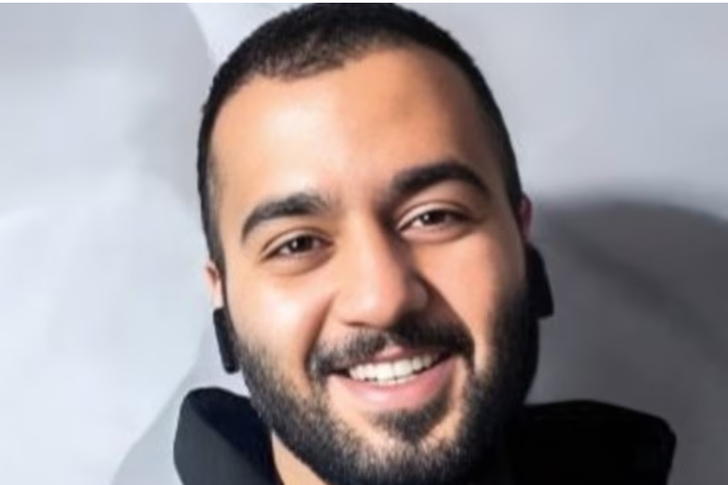
The Supreme Court in Iran has overturned the death sen...
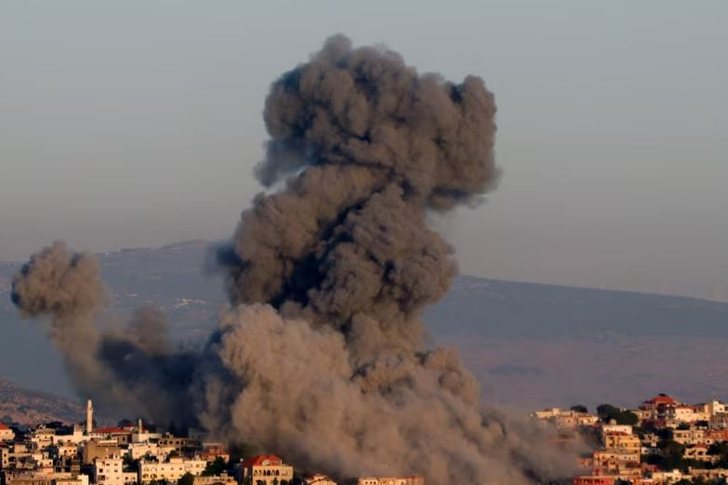
At least 42 people were killed in Israeli strikes in G...
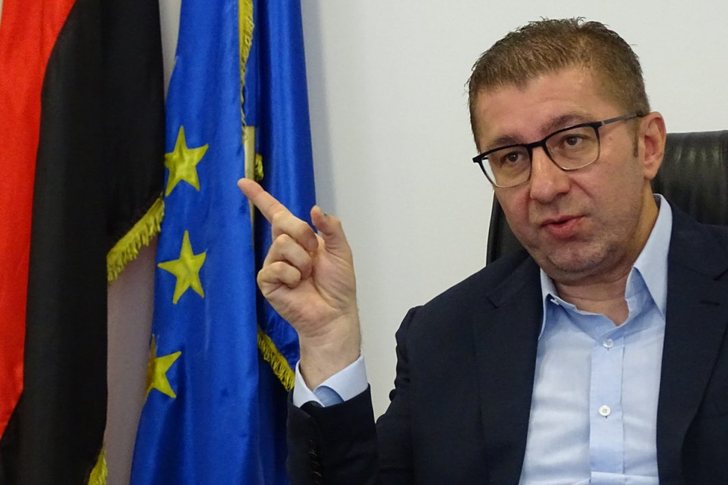
"The time has come to roll up our sleeves, put an end ...
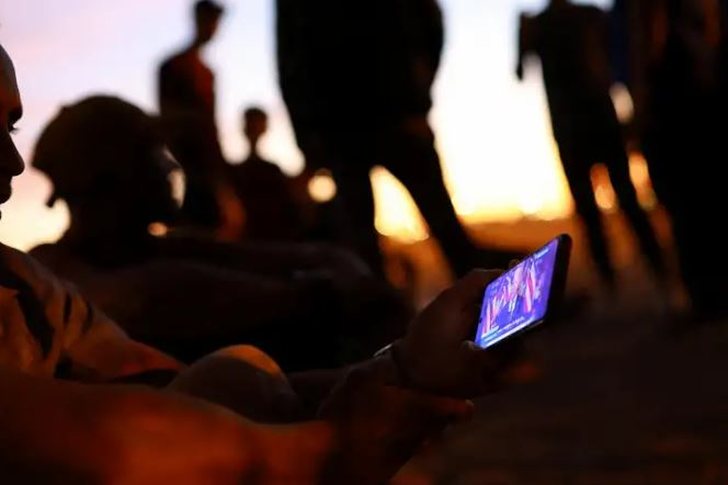
Judge Jennifer Panzer is negotiating the future of a m...
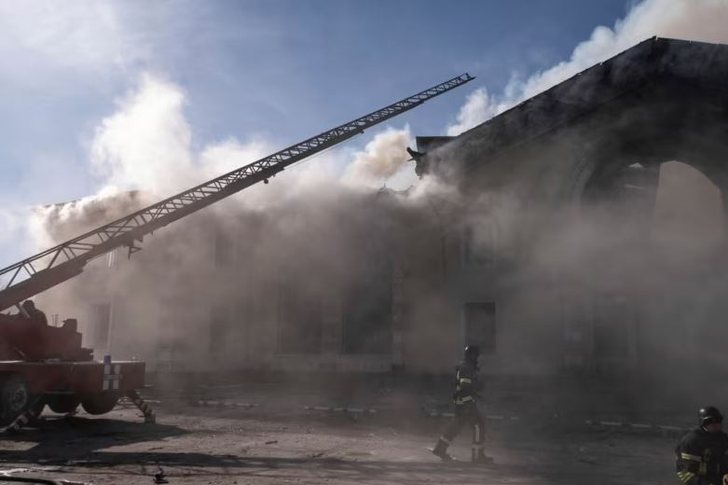
Ukraine's Energy Ministry and national grid operator Ukren...
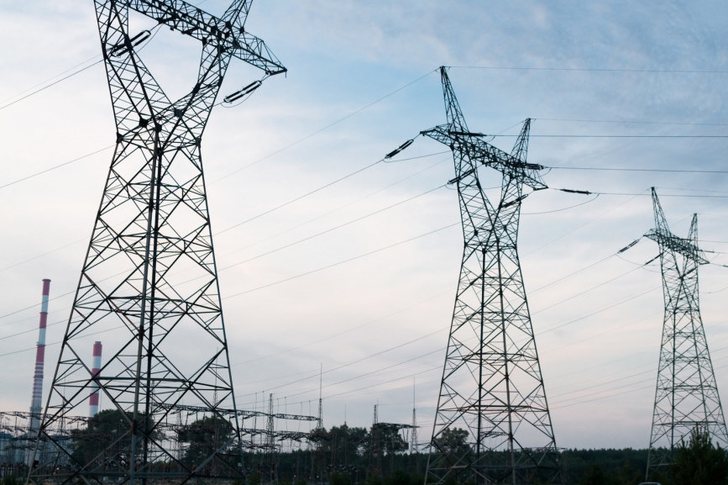
The Committee for System Operations of the European Ne...

The official death toll from this year's Hajj pilgrima...

Barcelona, a top Spanish holiday destination, has an...
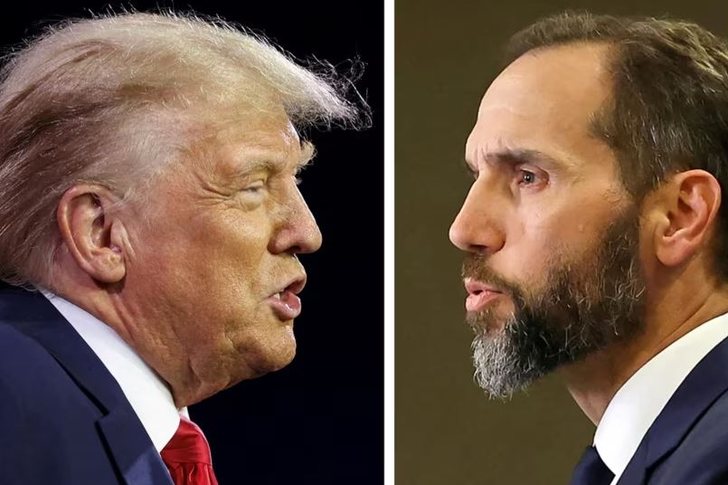
Mr. Donald Trump's lawyers, in the case brought against hi...

The International Committee of the Red Cross says its ...
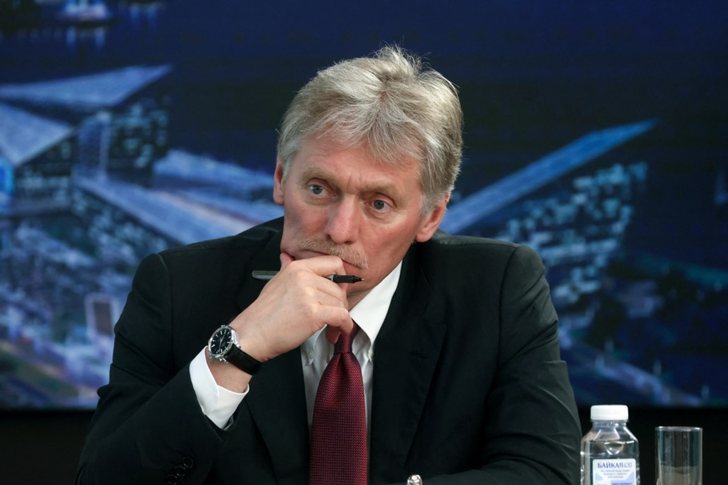
Kremlin spokesman Dmitry Peskov said Friday that Russi...
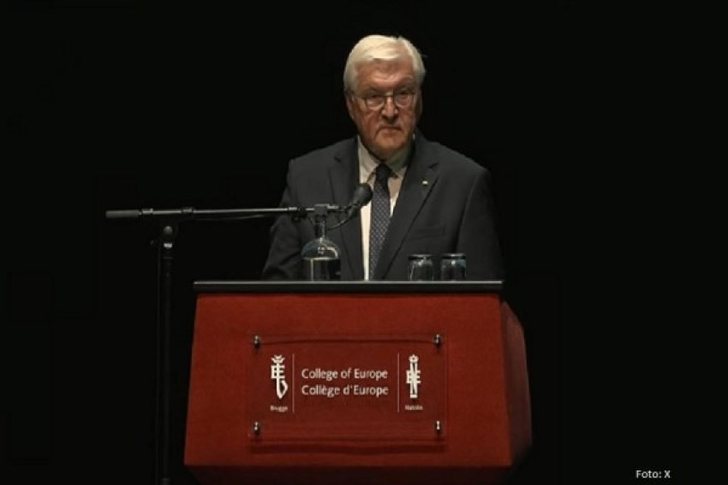
The next generation of EU officials must defend freedo...
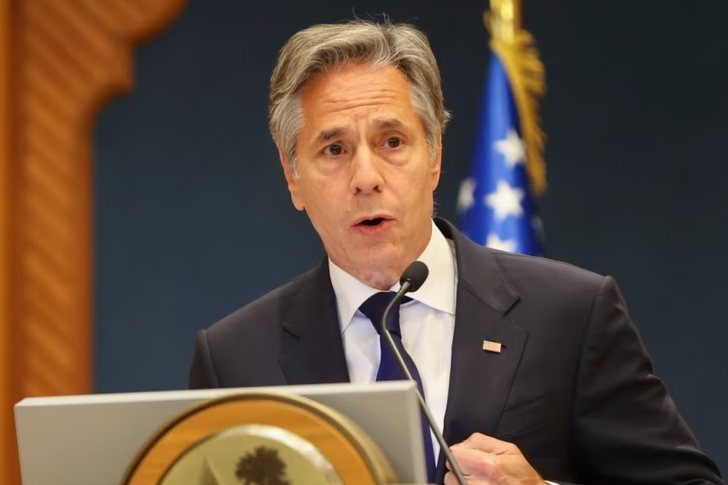
US Secretary of State Antony Blinken has condemned dee...
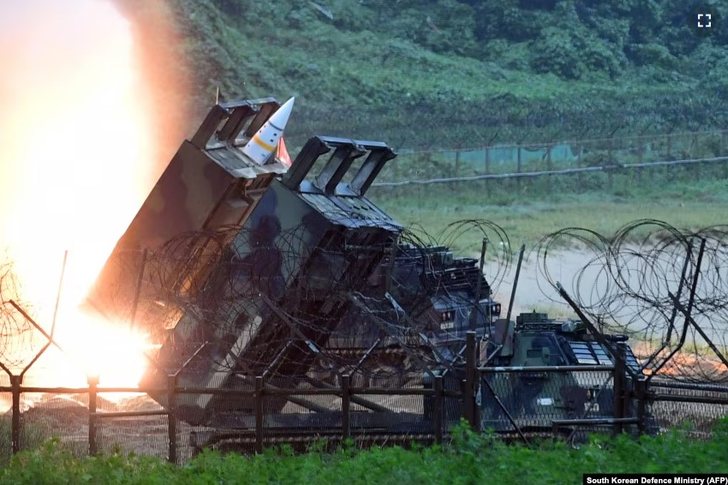
Ukraine's military is allowed to use US long-range mis...
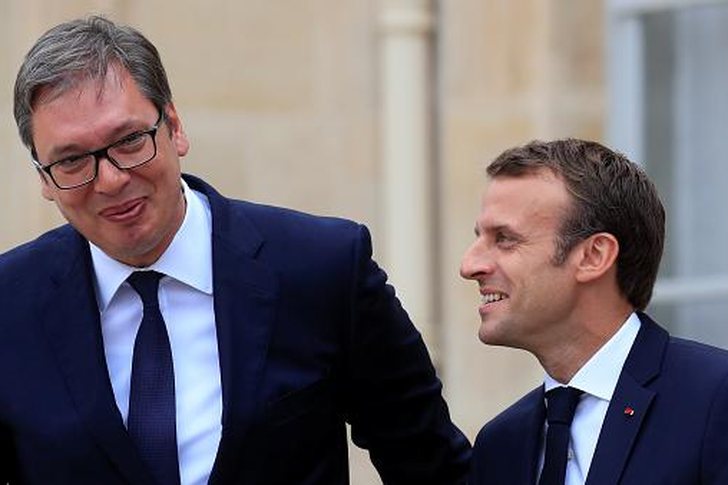
Vucic wrote on Instagram that they should be part of t...
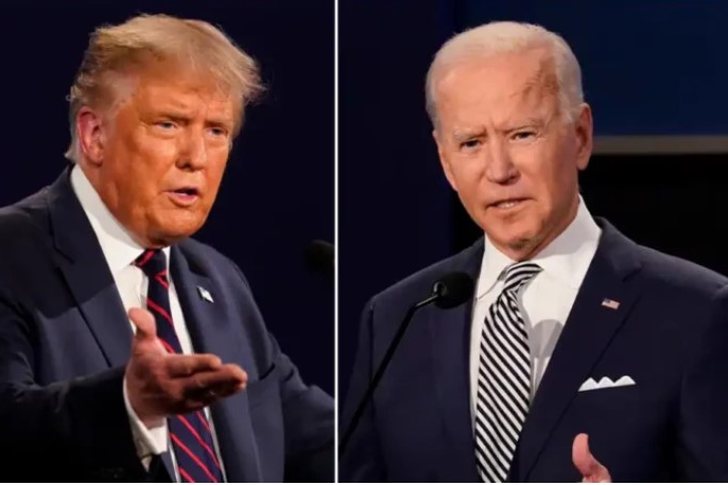
President Joe Biden begins an intense period in what c...
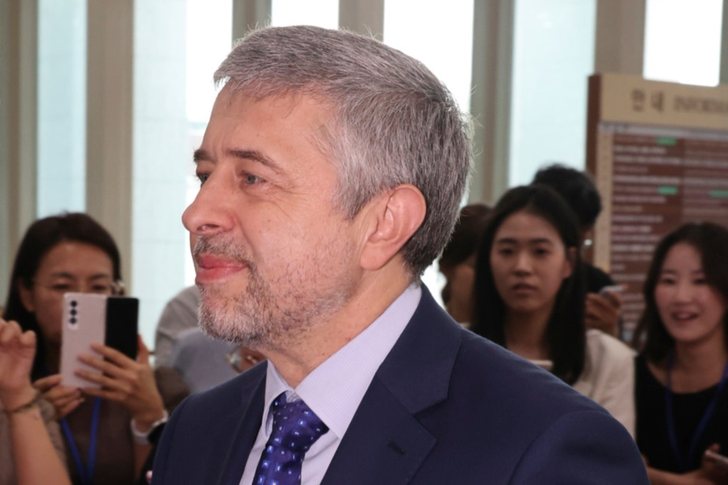
South Korea summoned the Russian ambassador on Friday in p...
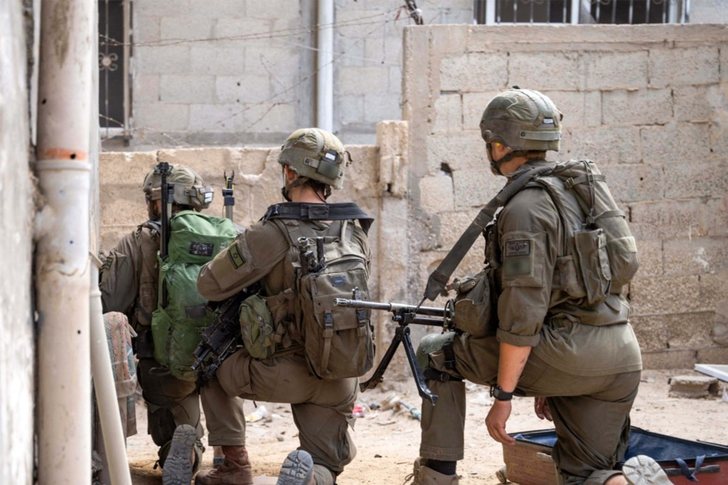
Israeli forces hit the city of Rafah today with air and gr...

CNA has launched another investigation that could lead to ...

Irfan Hysenbelliu is a businessman that we call "Irfan the...

In March 2026, CNA launched another investigation centered...
The arrested mayor of Tirana, Erion Veliaj, with 13 charge...

The Special Board of Appeal (KPA) decided this Monday ...

The KPA vetting decided this Thursday to dismiss the p...

Suela Salavaçi, a prosecutor in the Prosecutor's Offic...

The Special Board of Appeal reinstated the prosecutor ...
Three people were shot and wounded in Elbasan last night b...

A serious incident occurred this Tuesday in the Yrshek are...

An accident occurred this Tuesday on "Dituria" street in K...
A tourist has lost her life on Orikum beach, where she was...

All of Southern Europe will face changing weather conditio...
Albania was hit by temperatures significantly higher than ...

For the first time, Pogradec welcomed the Inter-Lake Chess...

Albania has achieved a record for the employment of foreig...

Greece has taken several emergency measures to protect wor...

An operation led by Europol, through authorities in severa...
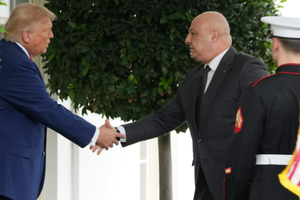
US President Donald Trump hosted the Lebanese president at...
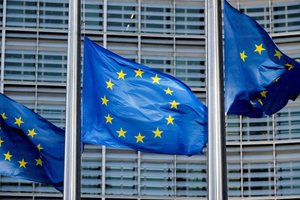
The European Union has criticized the decision of the acti...

At a time when industrial products are increasingly taking...

Trust among people is not just a three-syllable word. It c...

Master of humor Todi Llupi has passed away at the age of 7...

The ninth edition of "MIK Festival" kicked off with one of...
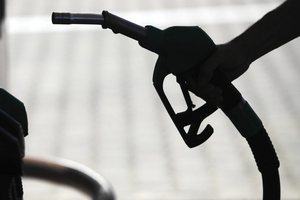
The Centralized Purchasing Operator recently opened a tend...
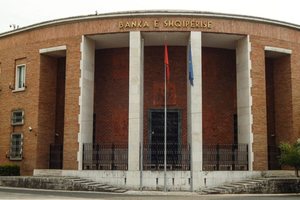
The new draft law "On the Bank of Albania" provides that t...
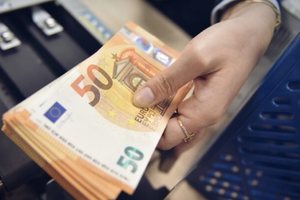
This Tuesday, one US dollar is bought for 81.2 lek and sol...
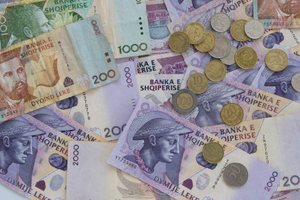
Deputy Minister of Economy and Innovation, Enkelejd Musabe...