

New Zealand Foreign Minister: Israel's actions in Lebanon undermine UN mission
Israel's military actions in Lebanon have harmed the Unite...


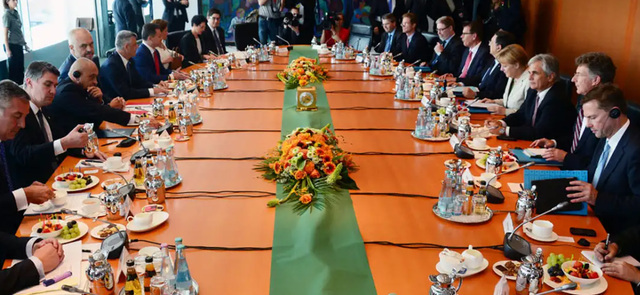
The Berlin process was created to accompany the journey of the Western Balkan countries towards the EU. But many of the countries have the road blocked due to conflicts with each other.
Aleksandra Tomani? heads the European Fund for the Balkans, a regional foundation based in Belgrade. When planning an activity in Sarajevo, she should think twice before inviting participants from Kosovo. "For Kosovars, the journey is complicated and takes a lot of time, as they must first travel to Skopje to apply for a visa. The same applies to Bosniaks who want to travel to Kosovo," says Tomani? without hiding his disappointment that the regime of visas between Kosovo and Bosnia-Herzegovina is still in force.
While two years ago it looked like things would improve: In November 2022, the heads of government of six Western Balkan countries – Albania, Bosnia and Herzegovina, Kosovo, North Macedonia, Montenegro and Serbia – signed three agreements mobility, where they agreed on free movement with identity cards, recognition of university degrees and some professional qualifications. To date, the implementation of these agreements has stalled. "This is not the only broken promise of the Berlin Process," says Tomanic.
An impromptu initiative
The Berlin process was initiated in 2014 by the initiative of the former German chancellor, Angela Merkel, to support the countries of the Western Balkans in their journey towards the EU. The president of the European Commission, Jean-Claude Juncker, had previously announced an "enlargement pause". Merkel, who was concerned that this would destabilize the region, invited the governments of the Western Balkan countries to a conference in Berlin. Participants were the six countries of the Western Balkans and ten countries of the EU: in addition to Germany, Austria, France, Italy, Poland, Bulgaria, Greece, Croatia and Slovenia also participated, as well as Great Britain, which was part of the EU- of. Since 2014, annual summits have been held in various European cities such as Vienna, London, Paris, Trieste, Pozna?, Sofia, Berlin and recently Tirana. Each year, the host countries added a priority of their own, which was accompanied by a ministerial one. Meanwhile, the number of ministerial and thematic meetings is very large. Today, annual ministerials are organized for economic cooperation, youth exchanges, security, digitalization, green energy, agriculture, ministerial for Roma and ministerial for gender issues. The tenth meeting is being held again in Berlin. The summit in the office of Chancellor Olaf Scholz, on October 14, was preceded by a series of meetings in different forums and at different levels where these and other topics were discussed.
Maintaining the prospect of EU membership
The German analyst from Berlin, Bodo Weber, sees a positive impact from the annual meetings of this process. "Regular meetings of leaders and ministers have become normal," he says in an interview with DW. This has helped the perspective of the countries of the Western Balkans towards the EU to remain alive. But he notes that the Berlin Process has not stabilized regional relations permanently. "Serbia, which does not recognize the independence of Kosovo, still pursues an aggressive regional policy, which is based on the concept of 'Srpski svet'," says Weber. This nationalist concept, which is promoted by the nationalist wing of the Serbian leadership, aims to unite Serbs in various countries of the Balkans, especially in Bosnia-Herzegovina, Montenegro and Kosovo.
Aleksandra Tomanic's balance sheet is critical: "Ten years after its founding, the Berlin Process still leaves an improvised impression," she says. Although there are numerous formats and meetings, concrete results are lacking and many of the agreements reached have not been implemented. "Similar to the EU enlargement process, the biggest failure remains the political dimension of cooperation, which has been neglected," Tomanic points out.
Many problems in the Berlin Process are not discussed in order to reach compromises. "In Serbia, democratic structures continue to degrade and President Vu?i? is using the conflict with Kosovo to strengthen his political control," criticizes Tomanic. Vucic does not allow critics of the regime from other countries to enter the country and has weakened the media and freedom of expression. She is disappointed that precisely in the Berlin Process such problems are not being discussed: "It is important for leaders to produce another 'family photo' that gives the impression of success."
Exemplary regional cooperation projects: RYCO and Roaming
But there are also successes: In addition to the gradual abolition of roaming charges for the Internet and telephone calls between the countries of the Western Balkans, RYCO, the Youth Exchange and Cooperation Office, is considered one of the exemplary projects of the Berlin Process. To date, it has united 31,000 young people from the region.
In addition, the EU, which is one of the main partners of the Berlin Process, has made available to the Western Balkans 30 billion euros, about half of which has already been invested in infrastructure, energy and digitalization projects.
But the main project of the Berlin process: the Common Regional Market, still remains non-functional. The cause is the unresolved conflict between Serbia and Kosovo.
CEFTA Free Trade Agreement
On its tenth anniversary, the Berlin Process aims to reach a new agreement: CEFTA. The regional free trade agreement will connect the Western Balkan countries more closely with the EU common market. In fact, the agreement is not very new, because all the countries of the region are members of it, including Kosovo, which until now was represented by UNMIK. The re-signing of the agreement gives Kosovo the opportunity to be represented in CEFTA by its government.
Shortly before the summit, the Prime Minister of Kosovo, Albin Kurti, succumbed to the pressure of the German special envoy for the Balkans, Manuel Sarrazin, and opened the Merdara checkpoint to allow the passage of Serbian goods. The blockade of imports from Serbia has been in place since June 2023. The Government of Kosovo had stated that this is how it wanted to stop the smuggling of weapons from Serbia to Kosovo. Foreign Minister Annalena Baerbock, at the preparatory meeting of Foreign Ministers, called this a "historic step" for the region. But will the CEFTA agreement be implemented in all the countries of the region? "The letter is one thing, but the deeds are something else," Baerbock told reporters and added that "every day we appreciate the partners of this process for this"./ DW

Israel's military actions in Lebanon have harmed the Unite...

A man has been arrested after being caught with a shotgun ...
Four soldiers have been killed and more than 60 others inj...
The situation of the German economy is not good at all at ...
Removal of social benefits for certain groups of refugees ...
Israeli Prime Minister Benjamin Netanyahu has called o...
The war between Israel and Hamas has entered its second ye...
Arizona is one of the important undecided states in this y...
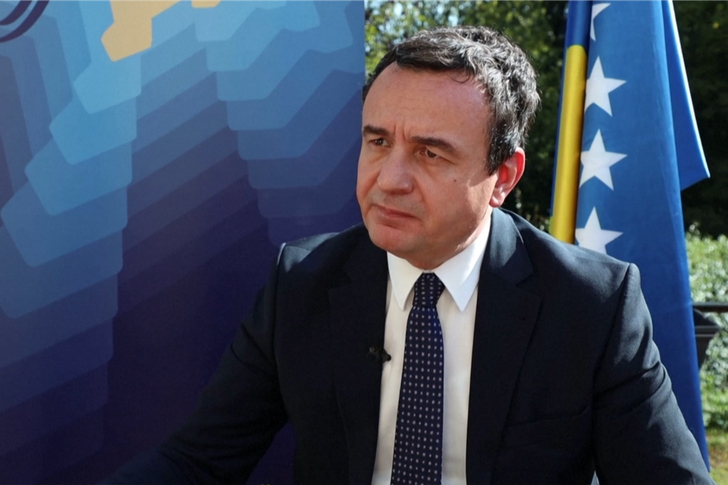
Kosovo Prime Minister Albin Kurti accused Serbia on ...
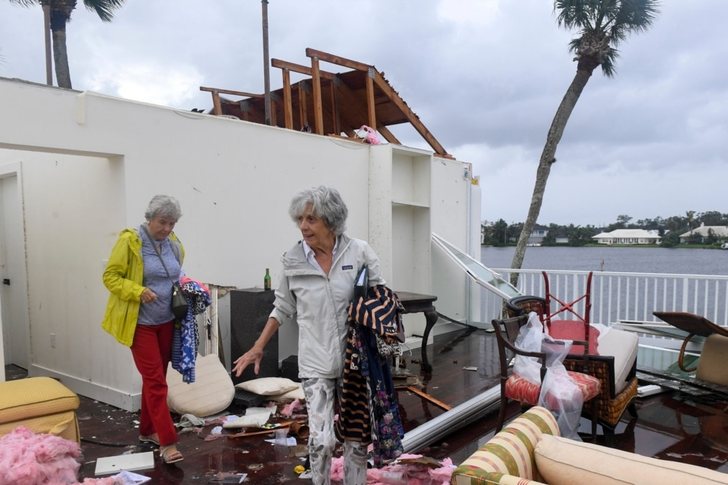
In Florida, officials say they are continuing to assess th...
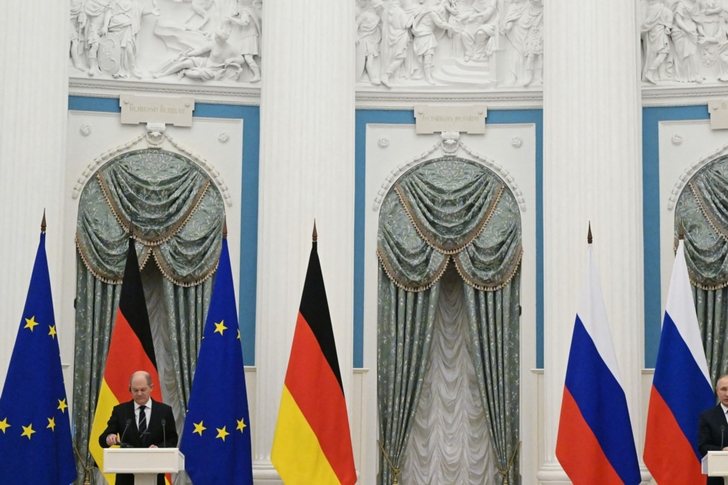
Russian President Vladimir Putin is open to dialogue with ...
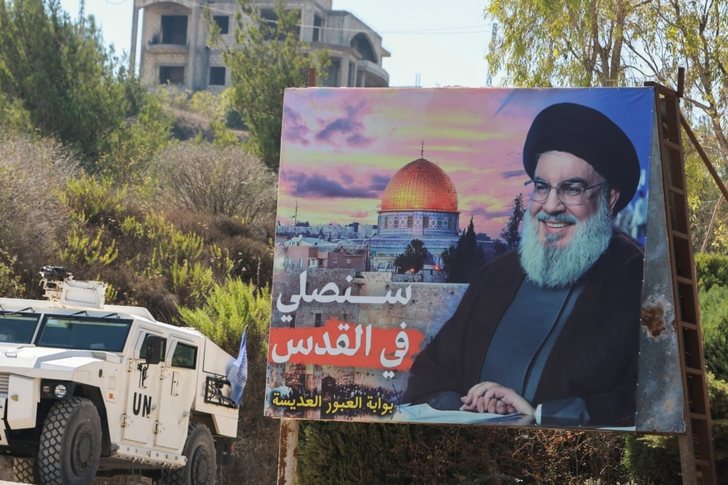
Israeli Prime Minister Benjamin Netanyahu called on the UN...
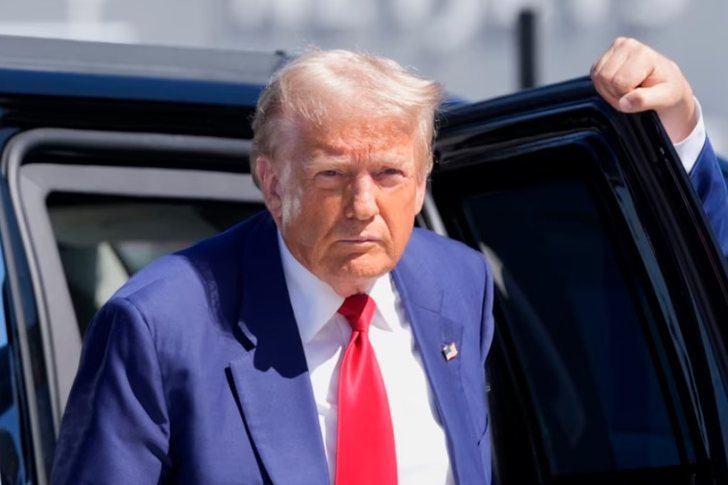
Donald Trump's campaign is changing course and pushing...
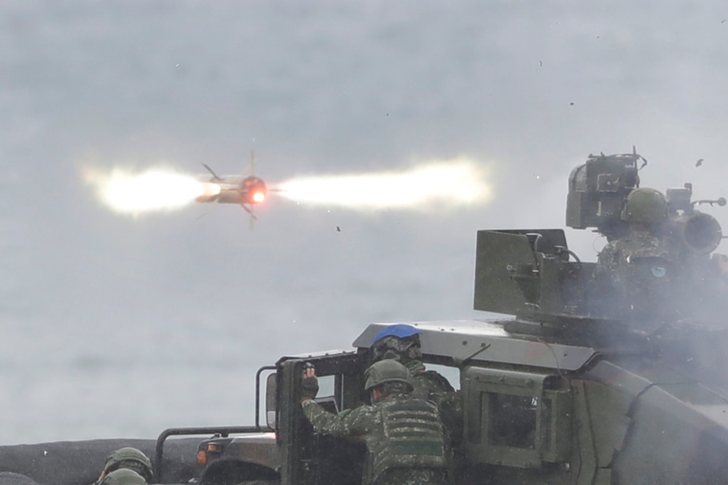
The Chinese military released a propaganda video on its so...
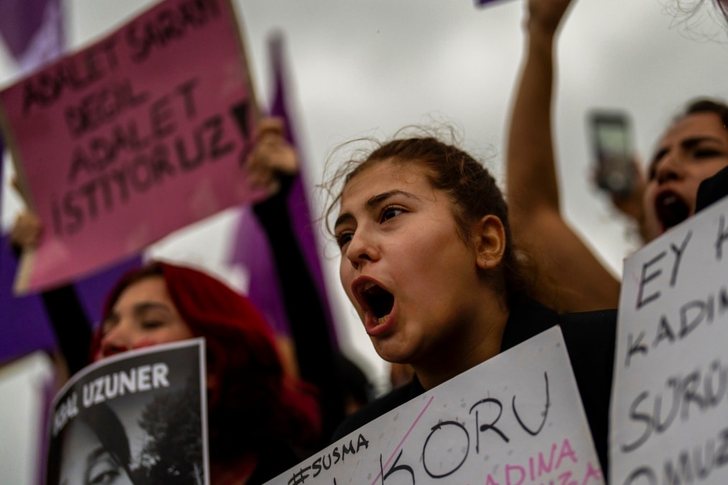
Hundreds of women have protested in Turkish cities against...

Kim Yo Jong, the sister of North Korean leader Kim Jon...
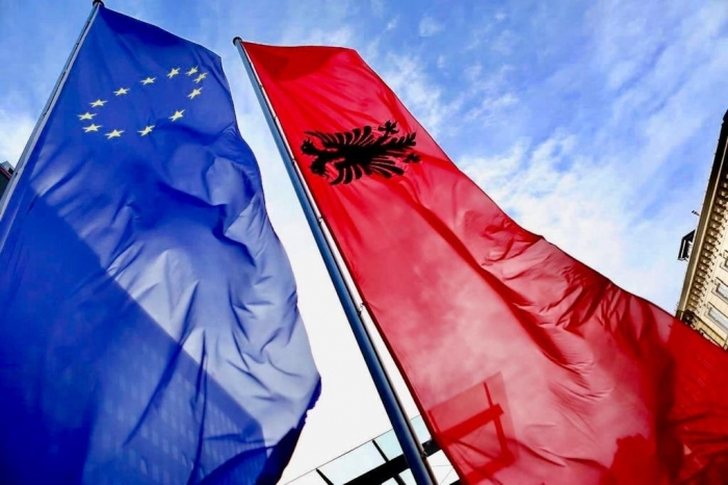
The European Union is very close to completing the procedu...
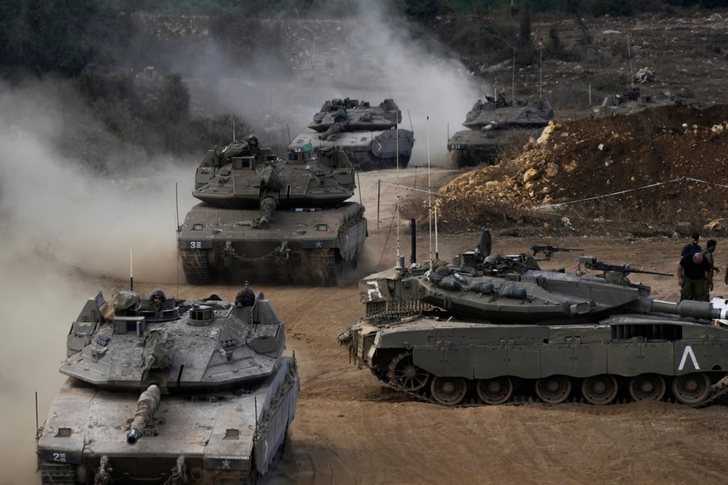
US officials believe Israel has narrowed down the targets ...
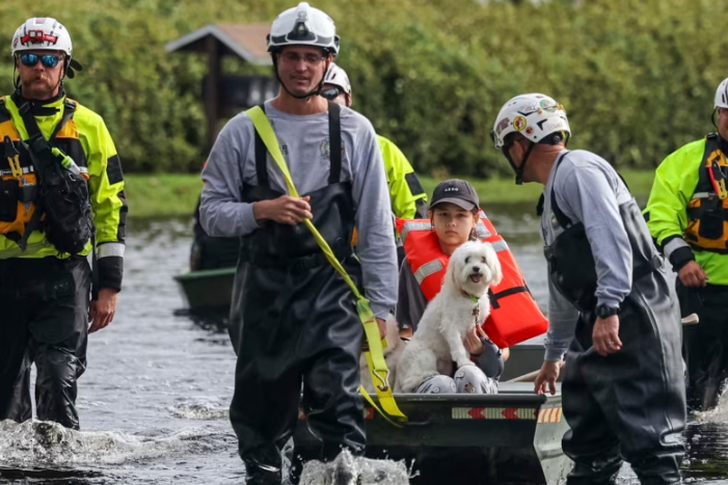
Florida residents are returning to their homes after evacu...
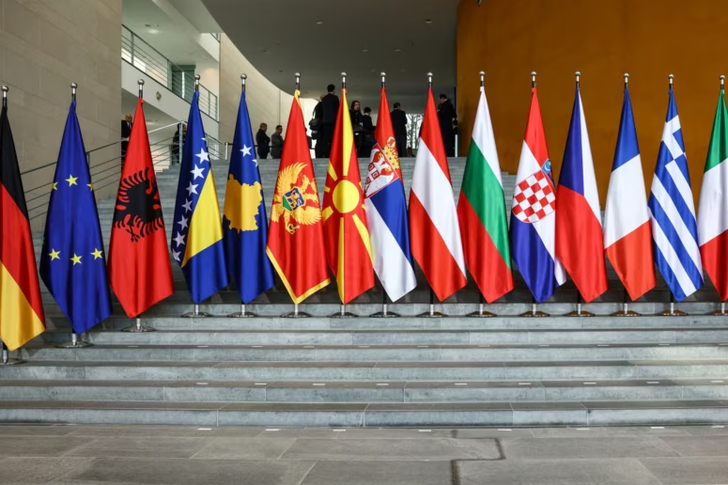
The Berlin Process, launched in 2014 with the aim of incre...

CNA has launched another investigation that could lead to ...

Irfan Hysenbelliu is a businessman that we call "Irfan the...

In March 2026, CNA launched another investigation centered...
The arrested mayor of Tirana, Erion Veliaj, with 13 charge...

The Special Board of Appeal (KPA) decided this Monday ...

The KPA vetting decided this Thursday to dismiss the p...

Suela Salavaçi, a prosecutor in the Prosecutor's Offic...

The Special Board of Appeal reinstated the prosecutor ...
A road accident occurred this evening on Nikolla Zoraqi St...
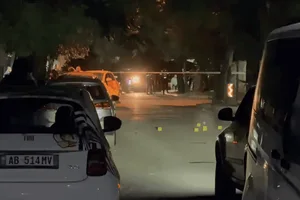
Three people were shot and wounded in Elbasan last night b...
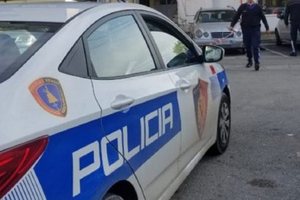
A serious incident occurred this Tuesday in the Yrshek are...
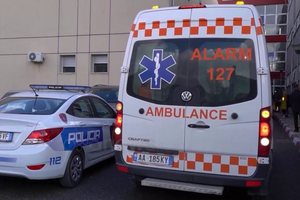
An accident occurred this Tuesday on "Dituria" street in K...
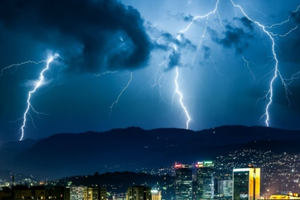
All of Southern Europe will face changing weather conditio...
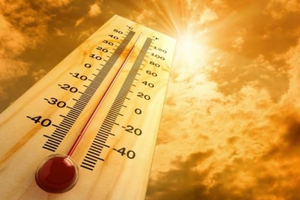
Albania was hit by temperatures significantly higher than ...

For the first time, Pogradec welcomed the Inter-Lake Chess...
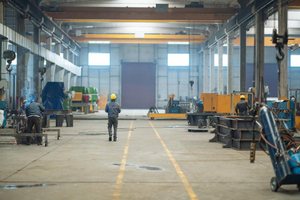
Albania has achieved a record for the employment of foreig...
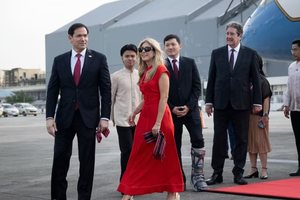
US Secretary of State Marco Rubio arrived in Manila on Jul...
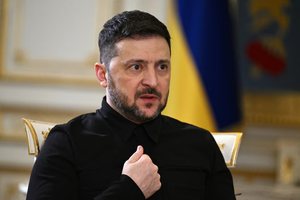
In the space of a few days, Ukrainian President Volodymyr ...
The spokesman for the Iranian Foreign Ministry warned Bulg...
Autoritetet italiane sekuestruan pako me afër 800 kilogram...

At a time when industrial products are increasingly taking...

Trust among people is not just a three-syllable word. It c...

Master of humor Todi Llupi has passed away at the age of 7...

The ninth edition of "MIK Festival" kicked off with one of...

Construction company licenses will have a validity period ...
The Centralized Purchasing Operator recently opened a tend...
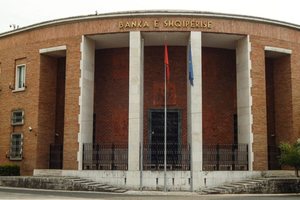
The new draft law "On the Bank of Albania" provides that t...
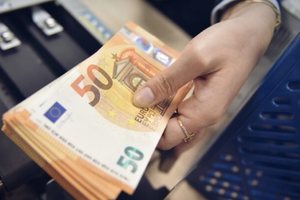
This Tuesday, one US dollar is bought for 81.2 lek and sol...