

The German government changes the "security package"
Removal of social benefits for certain groups of refugees ...


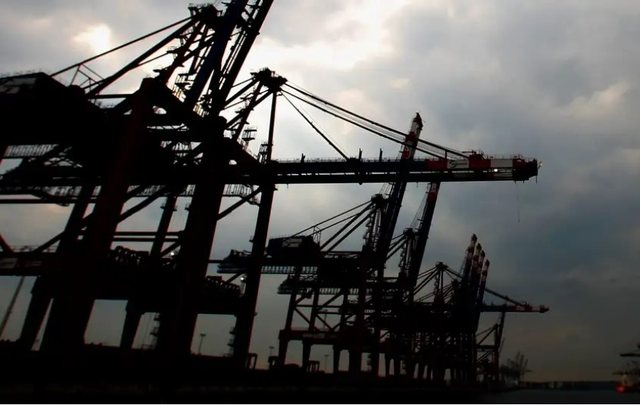
The situation of the German economy is not good at all at the moment and the future does not look good either. German Economy Minister Robert Habeck told reporters in Berlin on Wednesday (09.10.) that the country's gross domestic product (GDP) is expected to shrink in 2024, which means that Europe's largest economy will remain stuck in recession for the second consecutive year.
Unveiling the government's routine autumn growth forecast, Habeck announced an expected contraction of 0.2%, revising a more optimistic spring outlook of plus 0.3% growth. He noted, however, that Germany has not seen strong growth since 2018 as the country's structural problems have been compounded by broader global challenges. "In the midst of the crisis, Germany and Europe are squeezed between China and the United States and must learn to assert themselves," he said.
Information coming from German businesses is likely to add to the difficulties for Habeck, as they do not bring confidence that the economy will recover soon. In September, the business climate index compiled by the Munich-based ifo Institute marked its fourth consecutive decline. Ifo president Clemens Fuest said the economy is "under increasing pressure". The majority of company managers surveyed by ifo said they are dissatisfied with their current situation and pessimistic about their business prospects. The bleak economic situation has led DZ Bank economist Christoph Swonke to describe Germany as the "problem child of the eurozone".
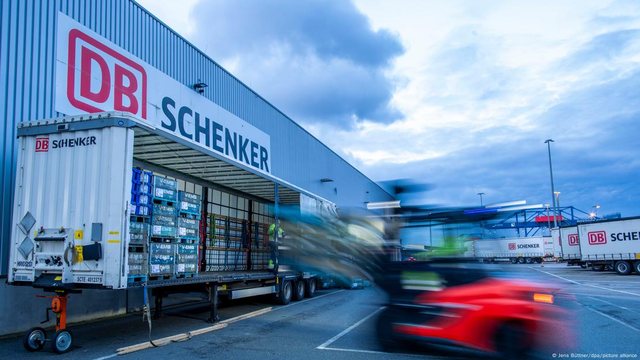
In times of declining sales and revenue, businesses often look to stronger partners to help them overcome their difficulties. Germany's railway, Deutsche Bahn, is the last case. The company has agreed to sell its profitable logistics subsidiary, Schenker, to its Danish rival DSV for about 14 billion euros ($15.3 billion). The new flow could be a much-needed financial boost for the struggling state-owned company, which is known for frequent delays.
There is much talk of another overseas acquisition of Commerzbank. Germany's second largest private lender was bailed out by the German government after the 2008/2009 financial crisis, the state still holds a 12% stake in the bank. Italian bank UniCredit is aiming for a full takeover of Commerzbank after surreptitiously increasing its effective stake to 21% in September in what industry officials believe could be a so-called hostile takeover.
European Central Bank (ECB) President Christine Lagarde told the European Parliament on Monday (October 7th) that banking mergers within Europe were "desirable" so that European banks are able to compete "level, depth and breadth". with other banks worldwide. Meanwhile, more and more German companies are leaving the country altogether, or at least investing more in their factories abroad than in their home bases in Germany. Chemical giant BASF, for example, is building a €10 billion plant in China. And midstream energy service provider Techem was sold by its Swiss owners to US asset manager TPG.
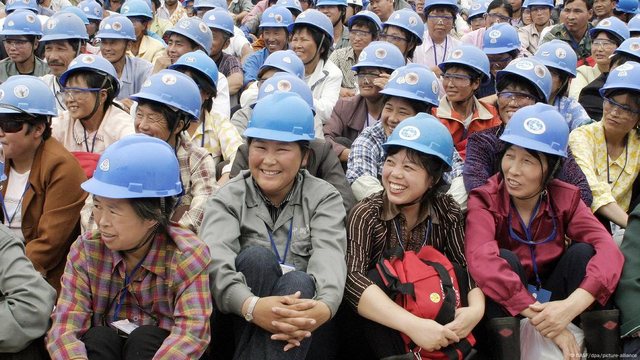
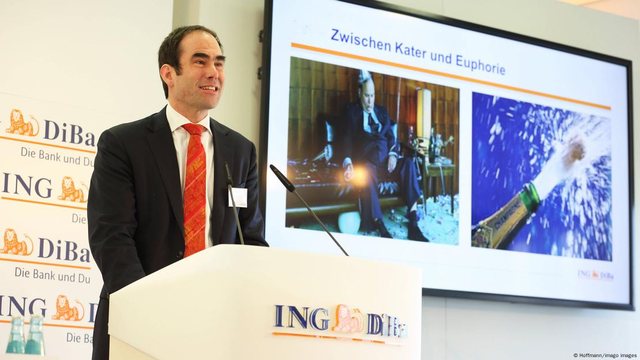
Foreign acquisitions of German companies, even those partly owned by taxpayers, are seen by economists as a natural process. ING Bank chief economist Carsten Brzeski says that "economic stagnation and structural changes naturally have consequences" for companies. "During such moments, acquisitions take place, whether at home or abroad," Brzeski told DW. Even Stefan Kooths, director at the Kiel Institute for the World Economy (IfW), shares this view, adding that "companies don't have a passport." A country's prosperity will not depend on the nationality of its corporate owners, he told DW, but on the quality of its business environment. Kooths says the recent slowdown in foreign direct investment (FDI) in Germany is " another sign of the country's weaknesses" as a business location. Countries that are more conducive to doing business attract foreign capital, he said, "while weak countries are shunned by investors."
Since the 1980s, successive German governments have promised to reduce the country's overburdened bureaucracy and boost investment in Germany. After all those years, Kooths concludes, some "attempts have been made" by those governments, but mostly on paper without "significant political action". Kooths lays the blame not only on the German government, but also on Brussels, where EU regulators are creating more and more red tape. "Especially with the EU's excessive reporting requirements - from the EU taxonomy to supply chain regulations - market players increasingly find themselves in the way."
ING's Carsten Brzeski agrees, suggesting the digitization of government bureaucracy as the first step along the way. "This would speed up red tape reduction and also help address the shortage of skilled workers in many authorities."
As the EU seeks to implement the so-called Green Deal - with which it wants to become the world's "first climate-neutral bloc" by 2050 - Brzeski and Kooths doubt that prioritizing ecology will help the economy. "Overall, decarbonisation cannot be a growth story," Kooths said, because "decarbonisation policy suffers from too many interventions".
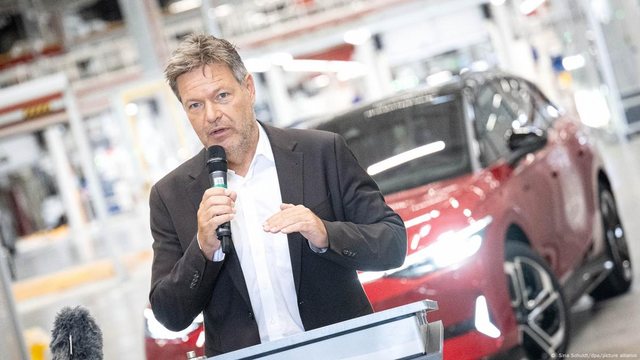
And Brzeski adds that "green technologies have so far unlocked very little investment." Instead, he is asking the government to address the declining competitiveness of German companies, a process that has been going on for a decade, he said.
Kooths also believes that improving the competitiveness of German industry is key to returning to a growth path, but warned that growth cannot be "stimulated; it must be enabled".
The expert is critical of the government's stimulus programs, saying that the current German growth initiative is a "step in the right direction" but will not bring about a turnaround. For that to happen will require "a fundamental shift from interventionist industrial policy to a market-based policy that strengthens the business environment," he said.
Kooths also categorically ruled out that the German government should intervene to prevent a possible sale of German companies. Instead, he pointed to the laws of free markets, where companies are forced to become takeover targets "when their structures can no longer withstand the competition"./ DW

Removal of social benefits for certain groups of refugees ...
Israeli Prime Minister Benjamin Netanyahu has called o...
The war between Israel and Hamas has entered its second ye...
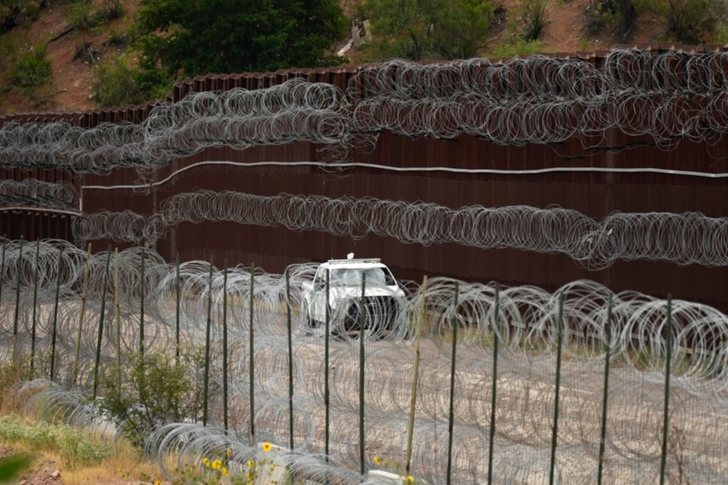
Arizona is one of the important undecided states in this y...
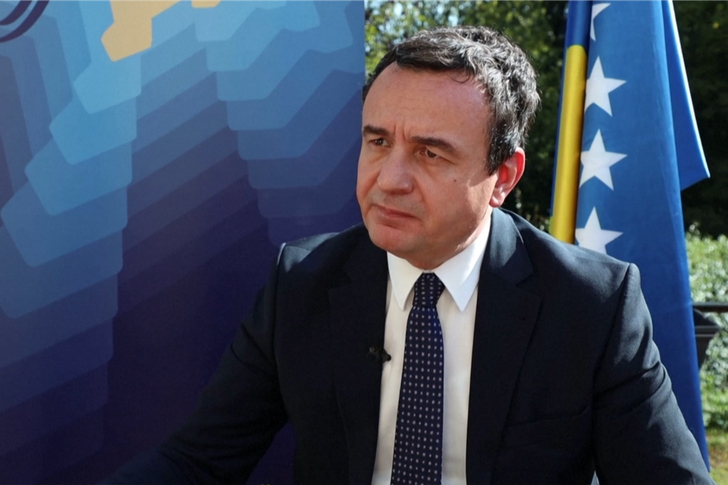
Kosovo Prime Minister Albin Kurti accused Serbia on ...
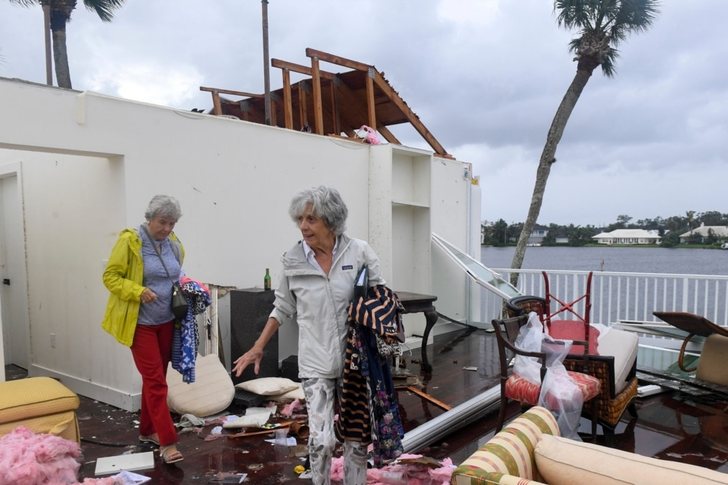
In Florida, officials say they are continuing to assess th...
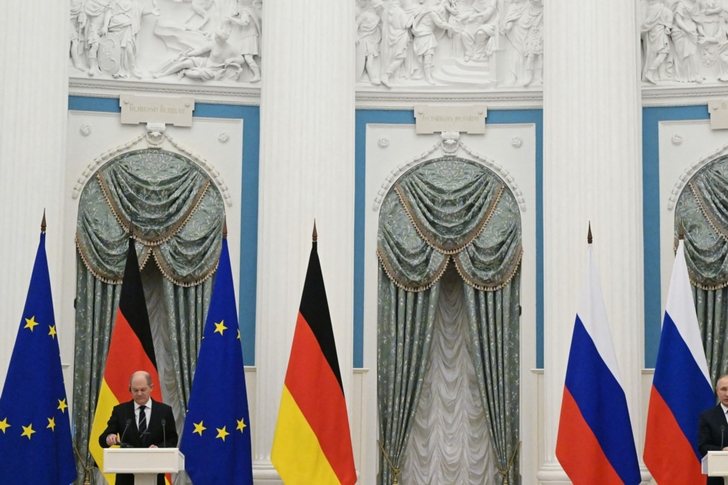
Russian President Vladimir Putin is open to dialogue with ...
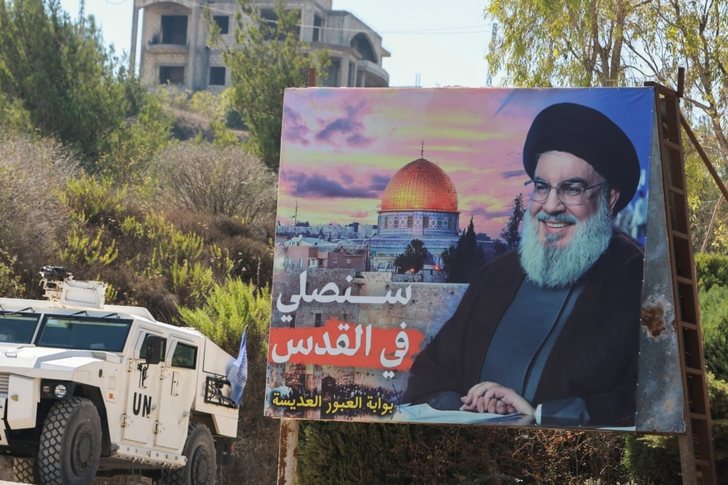
Israeli Prime Minister Benjamin Netanyahu called on the UN...
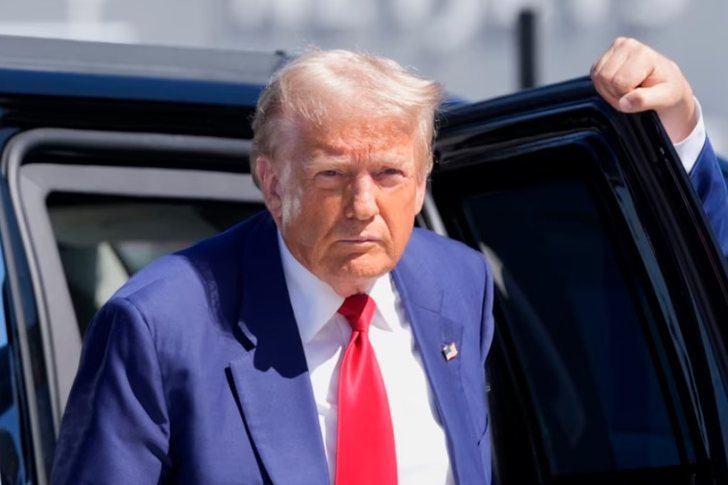
Donald Trump's campaign is changing course and pushing...
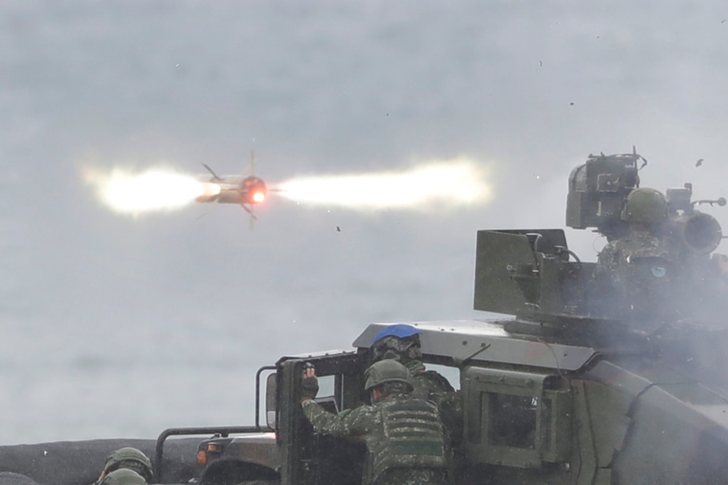
The Chinese military released a propaganda video on its so...
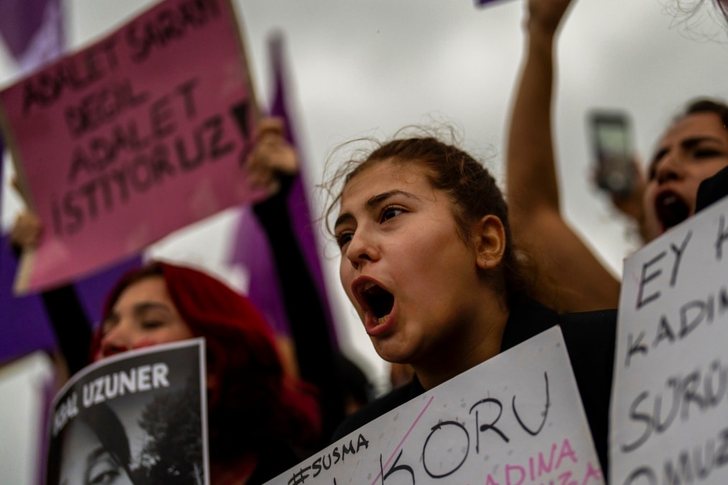
Hundreds of women have protested in Turkish cities against...

Kim Yo Jong, the sister of North Korean leader Kim Jon...
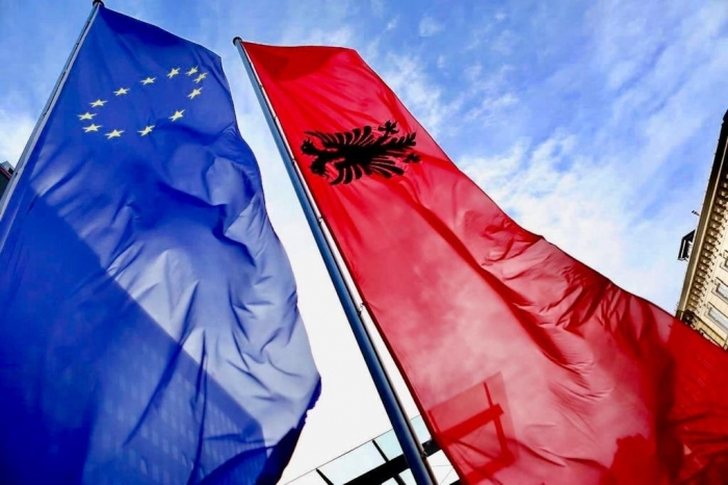
The European Union is very close to completing the procedu...
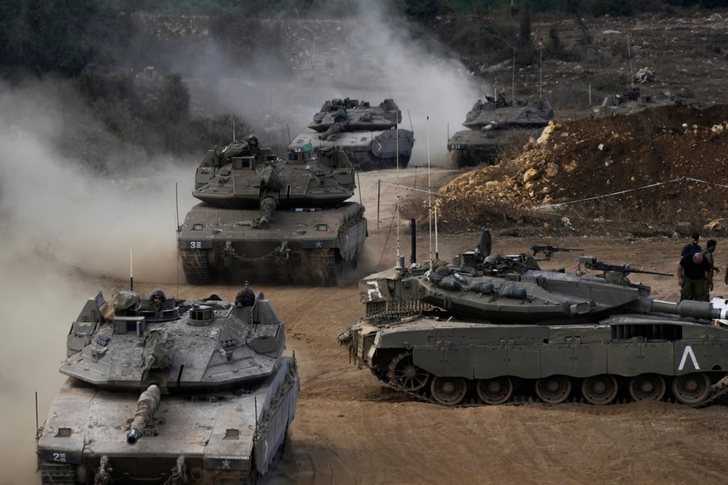
US officials believe Israel has narrowed down the targets ...
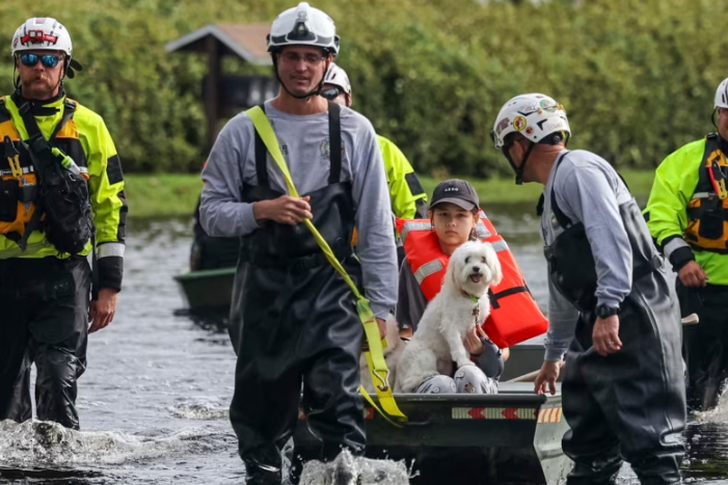
Florida residents are returning to their homes after evacu...
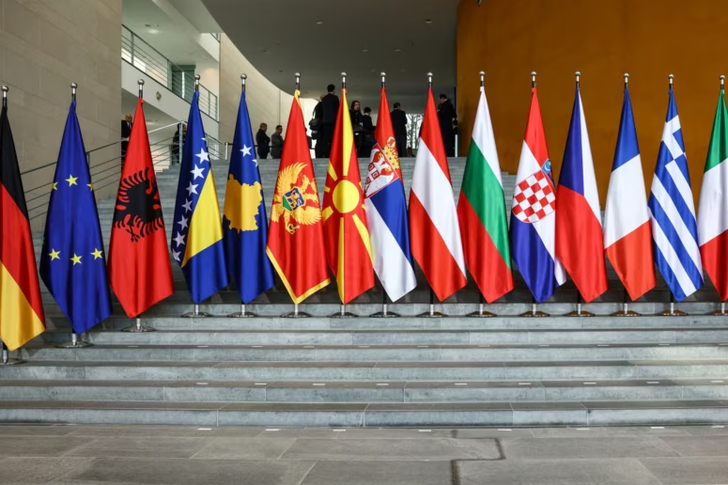
The Berlin Process, launched in 2014 with the aim of incre...
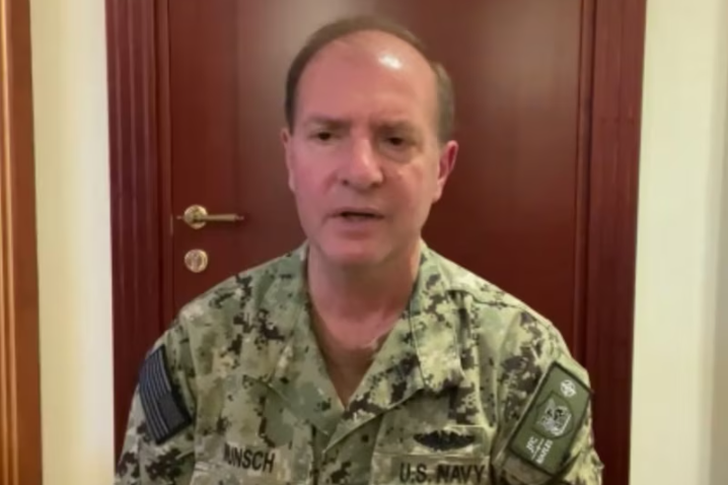
In an interview for the Voice of America, the commander of...
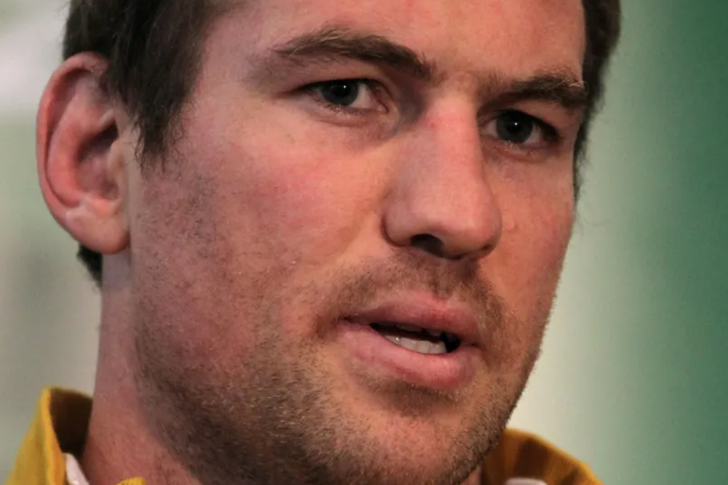
An international arrest warrant has been issued for former...
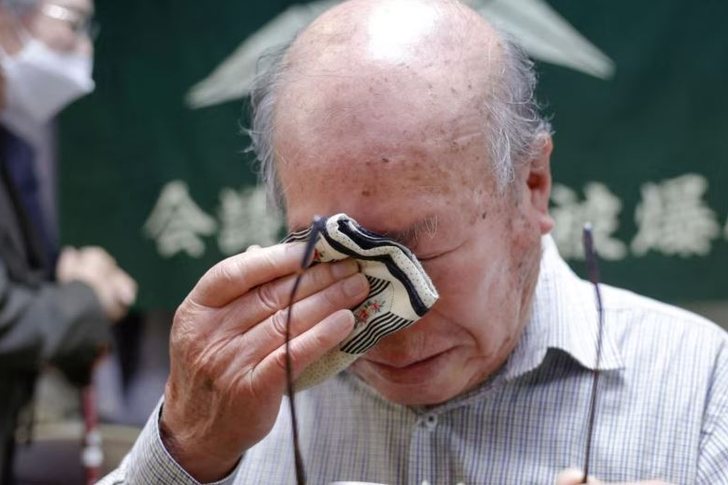
Leaders of the Nobel Peace Prize-winning group of atomic b...
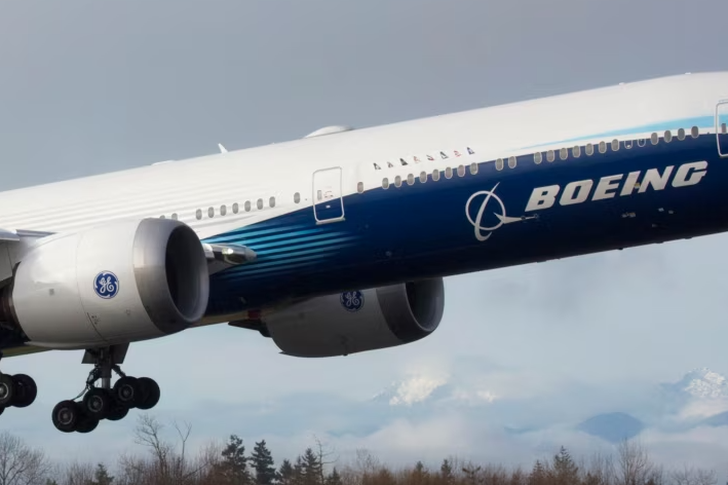
Boeing will cut 17,000 jobs and delay production to deal w...

CNA has launched another investigation that could lead to ...

Irfan Hysenbelliu is a businessman that we call "Irfan the...

In March 2026, CNA launched another investigation centered...
The arrested mayor of Tirana, Erion Veliaj, with 13 charge...

The Special Board of Appeal (KPA) decided this Monday ...

The KPA vetting decided this Thursday to dismiss the p...

Suela Salavaçi, a prosecutor in the Prosecutor's Offic...

The Special Board of Appeal reinstated the prosecutor ...

A road accident occurred this evening on Nikolla Zoraqi St...

Three people were shot and wounded in Elbasan last night b...

A serious incident occurred this Tuesday in the Yrshek are...

An accident occurred this Tuesday on "Dituria" street in K...
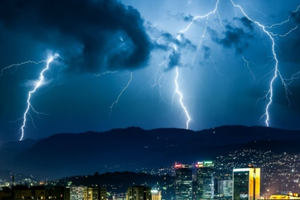
All of Southern Europe will face changing weather conditio...
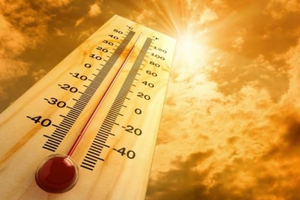
Albania was hit by temperatures significantly higher than ...

For the first time, Pogradec welcomed the Inter-Lake Chess...
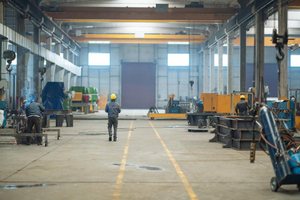
Albania has achieved a record for the employment of foreig...

US Secretary of State Marco Rubio arrived in Manila on Jul...
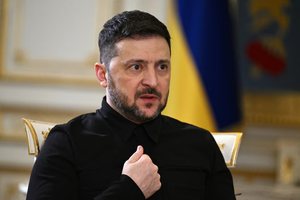
In the space of a few days, Ukrainian President Volodymyr ...
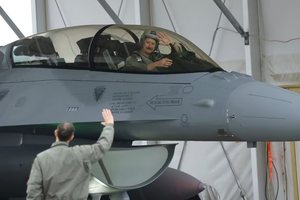
The spokesman for the Iranian Foreign Ministry warned Bulg...
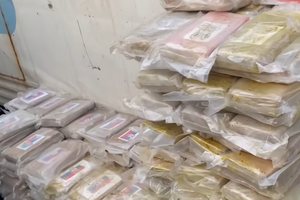
Autoritetet italiane sekuestruan pako me afër 800 kilogram...

At a time when industrial products are increasingly taking...

Trust among people is not just a three-syllable word. It c...

Master of humor Todi Llupi has passed away at the age of 7...

The ninth edition of "MIK Festival" kicked off with one of...

Construction company licenses will have a validity period ...
The Centralized Purchasing Operator recently opened a tend...
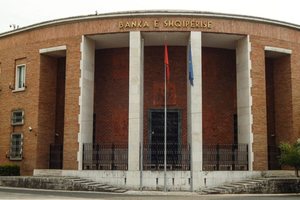
The new draft law "On the Bank of Albania" provides that t...
This Tuesday, one US dollar is bought for 81.2 lek and sol...