


International arrest warrant for rugby star Rocky Elsom
An international arrest warrant has been issued for former...


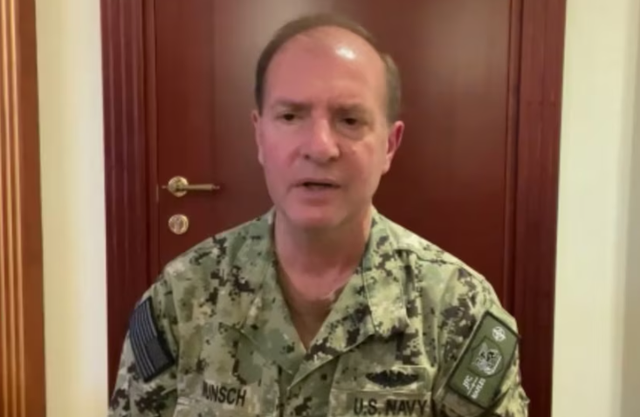
In an interview for the Voice of America, the commander of the US Navy for Europe and Africa and the commander of NATO forces at the Naples base, US Admiral Stuart B. Munsch said that the security situation in Kosovo is stable, but fragile. , stressing that the main concern currently is inflammatory political rhetoric "that could inspire disgruntled parties to take violent action." In the interview with colleague Garentina Kraja, Admiral Munsch also talks about Russia's efforts to destabilize the region, as well as NATO's plans to create stability, through a new corridor of the alliance, which passes from the port of Durrës, through Macedonia of the North, in Bulgaria, to the Black Sea, which, according to him, will enable the alliance to strengthen and act quickly.
VOA: Admiral Munsch, in your statements on Friday you warned the government of Kosovo to refrain from what you consider to be "unilateral decisions" that escalate tensions and damage the reputation of a reliable international partner. Can you clarify what you mean by this statement?
Admiral Munsch: Actually, what you said applies to all governments. NATO is neutral regarding the circumstances here. All governments should refrain from unilateral actions and use the dialogue facilitated by the European Union between Pristina and Belgrade. It is the best way to resolve differences and create permanent stability.
VOA: NATO has increased its forces on the ground, with troops and equipment, since the incident in Banjska last year and in anticipation of further tension that continued throughout the last year. What are the main security threats in Kosovo?
Admiral Munsch: We increased the number of forces and also the weapons and equipment they brought with them to prevent further incidents of violence. 2023 was the most violent year in Kosovo in the last two decades, with the attack on KFOR forces in May and then another attack in September, during which a large amount of weapons were discovered. We increased the number of forces, so that KFOR is able to defend itself and also be ready to intervene in the event of a war between the two states.
Currently, the main concern is the inflammatory political rhetoric in this period, which may prompt either individual actors or non-state actors to take violent action to express their grievances.
VOA: What actors are you talking about?
Admiral Munsch: It could be criminal groups, it could be individual actors, it could be from outside countries or it could be gray area operatives, supported by the state.
VOA: You referred to the incidents in the northern part of Kosovo and the armed attack by a Serbian armed group in Banjska last year. Do you have a clearer picture of what happened that day and of the increase of Serbian forces along the border with Kosovo that happened afterwards? Are you worried about such incidents?
Admiral Munsch: The event in Banjska is a matter for the law enforcement agencies and the investigations are being conducted by the law enforcement agencies. We are aware of their findings as they have defined them. Meanwhile, when it comes to increasing the forces at the border, we continue to maintain close communication with both sides of the border, with the authorities of the armed forces. There is transparency, there is clear communication of goals. As for the gathering of military forces at this point, it is not a concern.
Voice of America: How concerned are you about the security situation surrounding the KFOR mission, Kosovo and the states of the region?
Admiral Munsch: The situation is stable now, but fragile. It is sustainable because we understand the circumstances and have the forces on the ground. But the fragility stems from the fact that here violence can erupt very quickly. Again, the main concern at present is inflammatory political rhetoric that might inspire disgruntled parties to take violent action.
VOA: Many experts have repeatedly warned that Russia could exploit the tensions that exist in the region and use Serbia as a channel to destabilize the Balkans. Do you see such efforts from Russia and what measures are you taking to combat this influence?
Admiral Munsch: Historically, Russia aims to create instability in the surrounding countries, thinking that it is safer that way. It mainly targets small countries to create instability, as they have fewer resources to counter Russian activities. Russian activities are quite widespread in the cyber sphere, but also in the physical one. So countries are working together to counter what the Russians are doing. Mainly their actions are manifested in misinformation, which they spread to exploit any differences that exist, in an attempt to create the impression that the differences are much greater than they really are.
Voice of America: Do you expect tensions this year or in the near future in Kosovo and in general in the region?
Admiral Munsch: We are always ready to meet any challenge that may arise. Sometimes we deploy additional forces to be prepared for any situation that may lead to violence. An example of this is the 'Allied Reaction Force', which NATO created last summer and made the first dislomic in the region to maintain stability.
Voice of America: Are you planning to increase troops and military equipment for KFOR?
Admiral Munsch: We have the ability to do so if necessary. For this we decide according to the circumstances.
VOA: NATO recently inaugurated the eighth corridor, which allows NATO troops to deploy overland from the port of Durrës in Albania to the Black Sea. How does this affect the security structure in the region?
Admiral Munsch: Transportation corridors are vital to ensure the flow of logistics, munitions, fuel and other supplies. The robust nature of the corridors is itself a deterrent against any aggression against NATO, simply because we can reinforce and act quickly.
VOA: This new corridor passes by Russia's ally (Serbia) with which NATO has had a war. Is this an obstacle, or another step in the confrontation with Russia?
Admiral Munsch: The purpose of the corridor is to be ready for any eventuality. Being ready, that in itself means prevention.
VOA: Anything else you want to add?
Admiral Munsch: I would like to congratulate the countries for their 25-year commitment to peace and stability in Kosovo. KFOR has been with us for 25 years with tremendous success. It has improved the circumstances here, enabled economic development and peaceful reconciliation, making Kosovo a much better country./ Voa

An international arrest warrant has been issued for former...

Leaders of the Nobel Peace Prize-winning group of atomic b...

Boeing will cut 17,000 jobs and delay production to deal w...
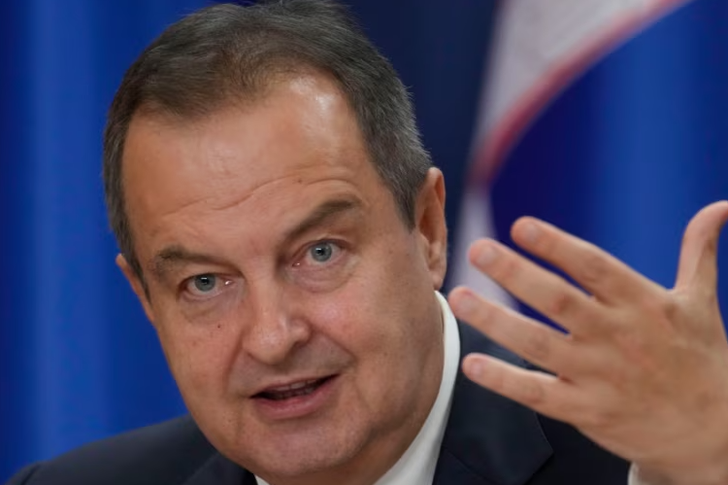
The Deputy Prime Minister of Serbia, at the same time the ...
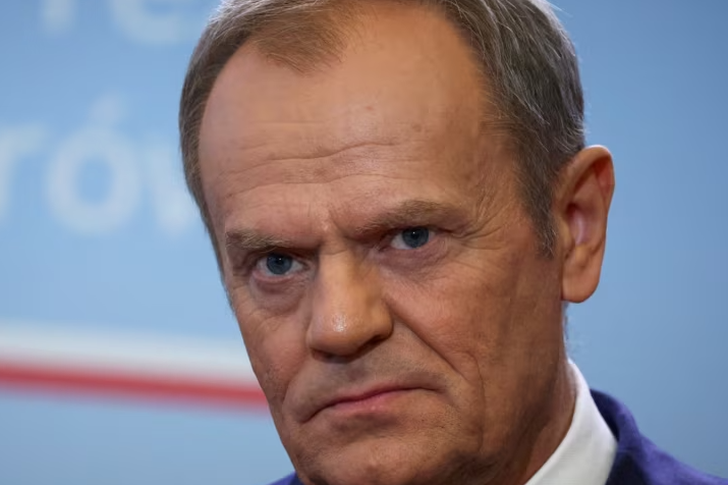
Poland plans to temporarily suspend the right to asylum as...
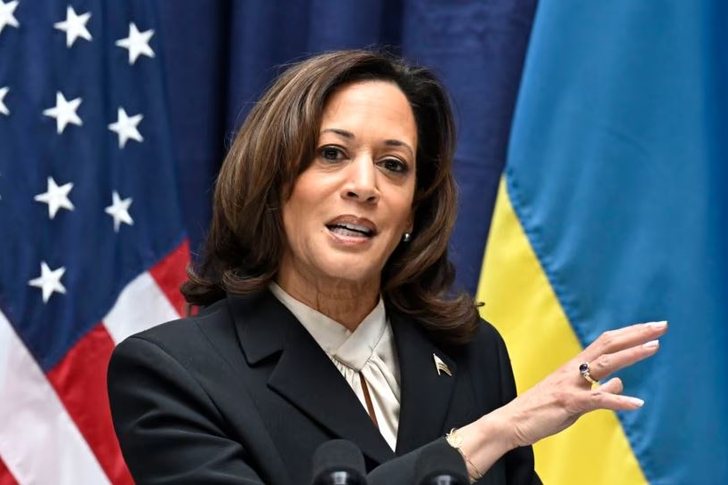
US Vice President Kamala Harris is in "excellent healt...
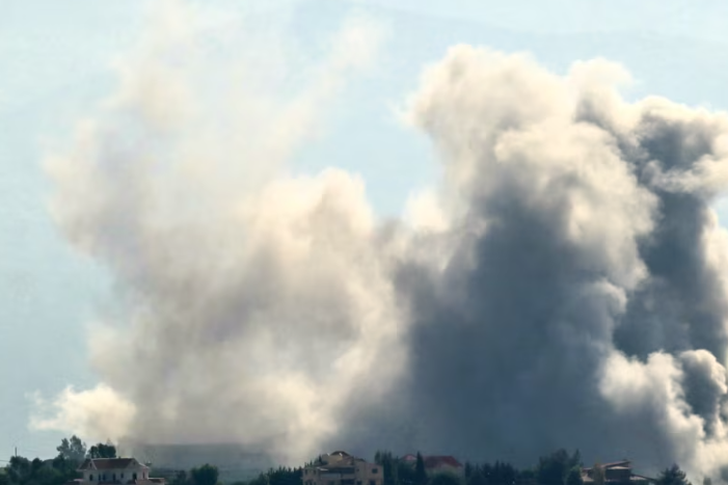
Hezbollah announced that it struck an Israeli military bas...
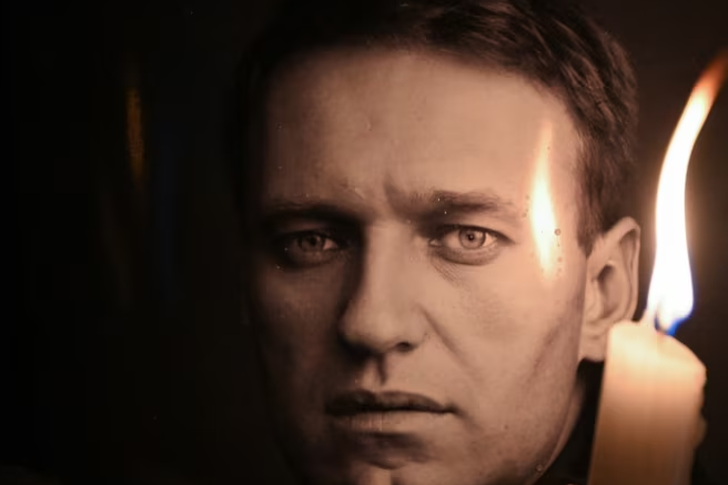
Russian dissident Alexei Navalny, the staunchest opponent ...
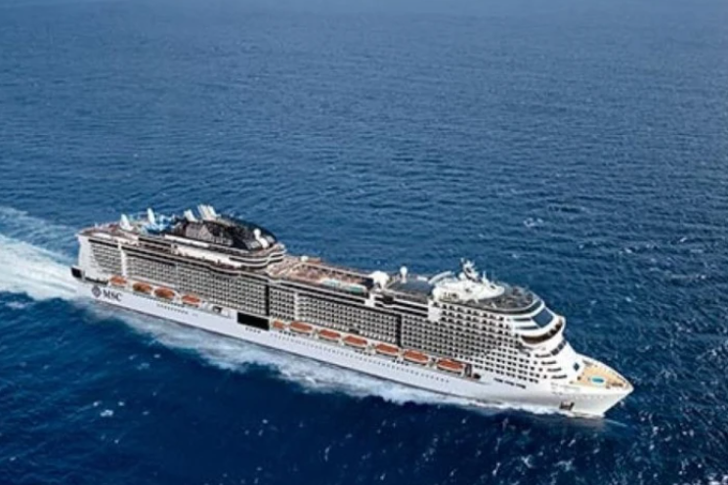
A 20-year-old girl has lost her life after falling from a ...
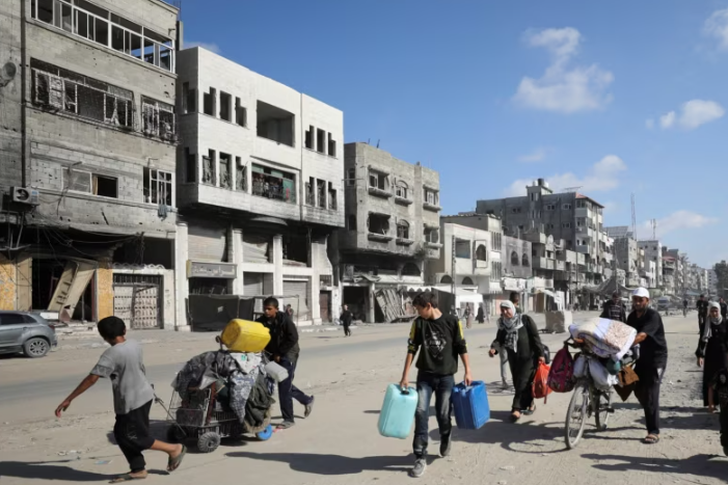
The Israeli army issued new orders on Saturday for Palesti...
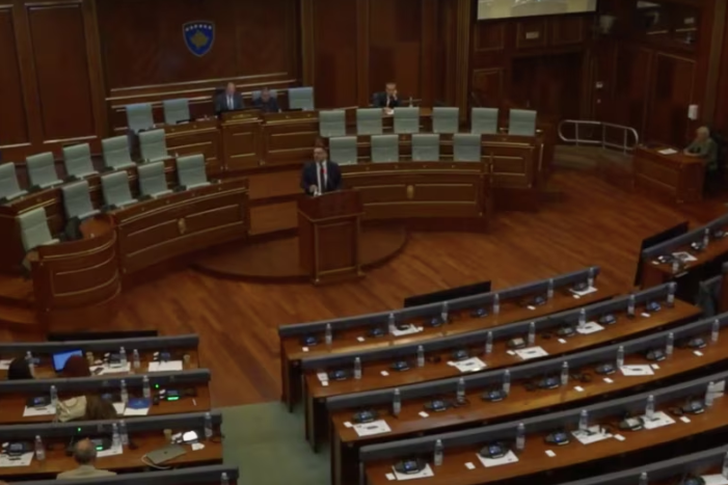
The MPs of the opposition parties in the Parliament of Kos...
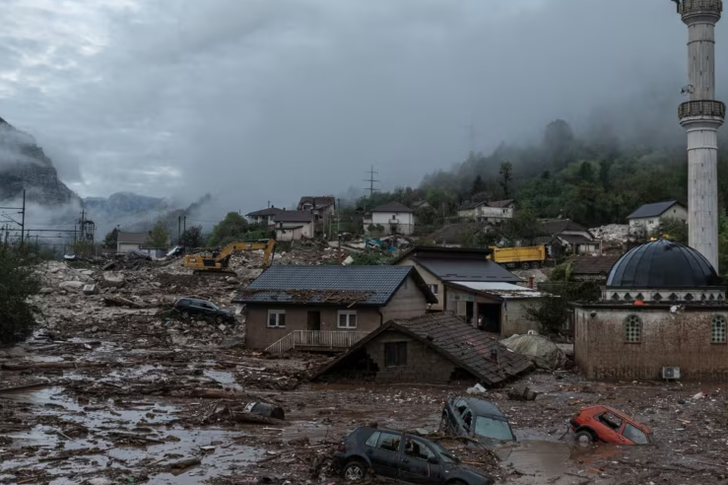
The government of Kosovo announced that it will help Bosni...
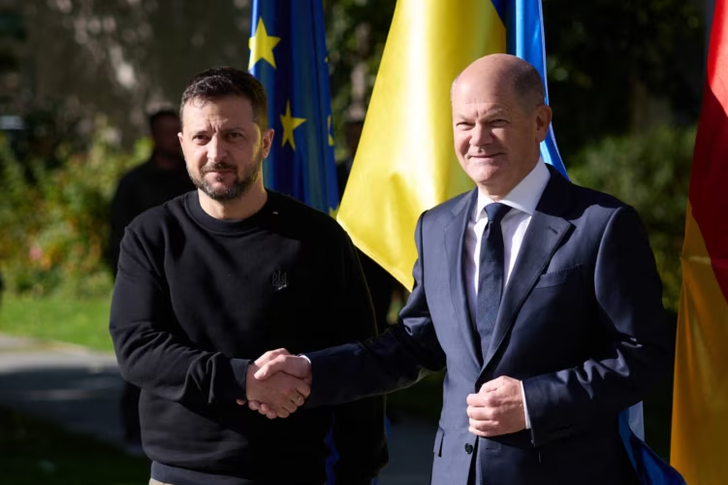
German Chancellor Olaf Scholz vowed on Friday that his cou...
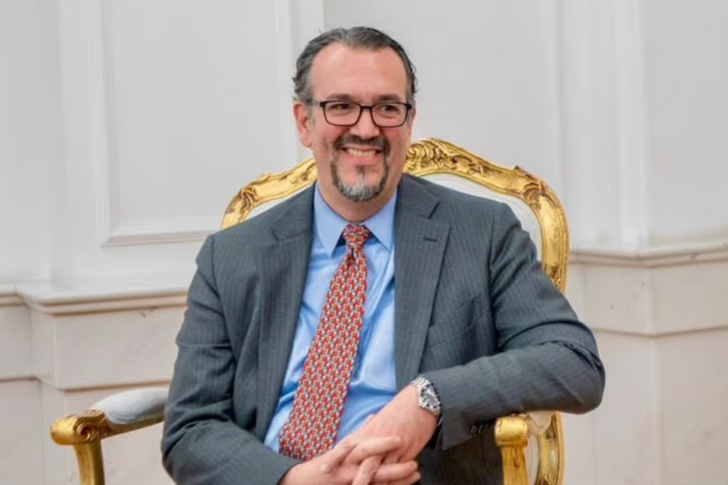
The American envoy for the Western Balkans, Alexander Kasa...

In Germany, in the future a man will be able to automa...
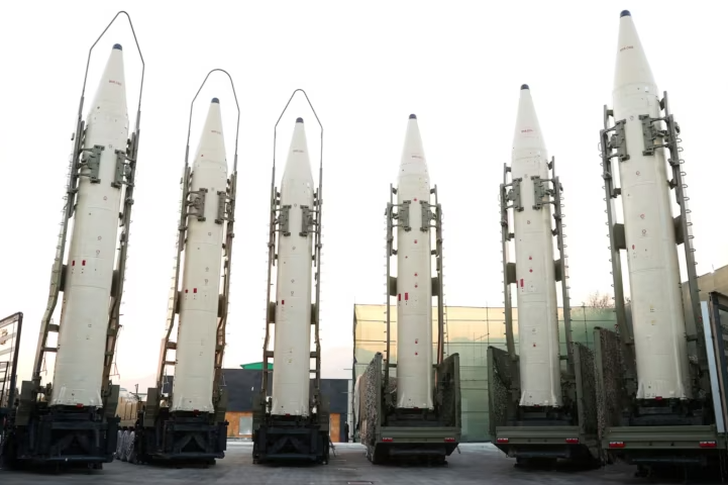
The European Union (EU) will impose new sanctions against ...
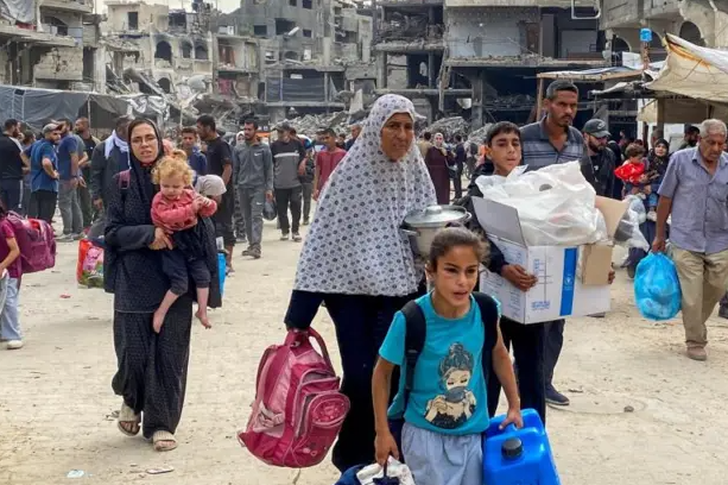
US Secretary of Defense Lloyd Austin called Israel's defen...
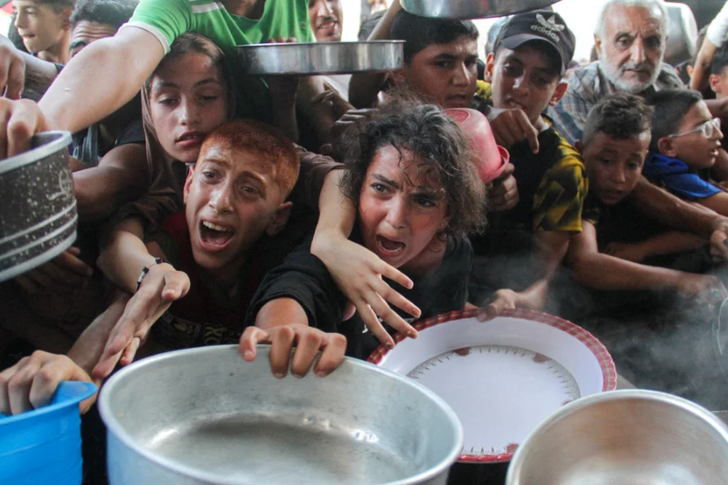
No food has entered northern Gaza since early October, put...
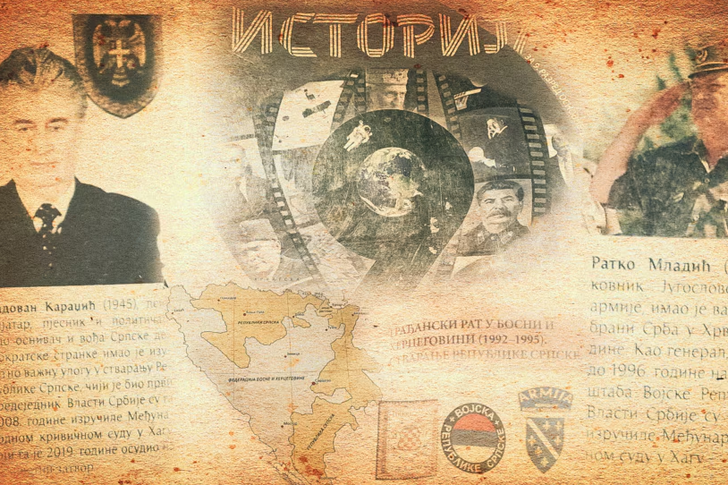
The Constitutional Court of Bosnia and Herzegovina on Frid...
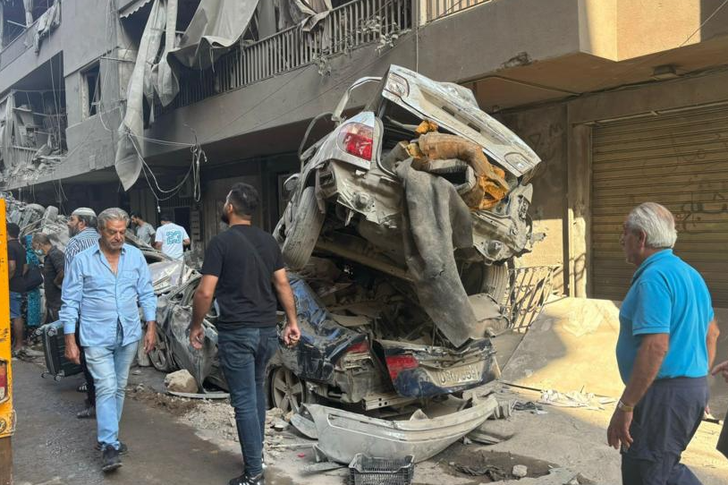
The UK government says it is "appalled" by reports that Is...

CNA has launched another investigation that could lead to ...

Irfan Hysenbelliu is a businessman that we call "Irfan the...

In March 2026, CNA launched another investigation centered...
The arrested mayor of Tirana, Erion Veliaj, with 13 charge...

The Special Board of Appeal (KPA) decided this Monday ...

The KPA vetting decided this Thursday to dismiss the p...

Suela Salavaçi, a prosecutor in the Prosecutor's Offic...

The Special Board of Appeal reinstated the prosecutor ...

A road accident occurred this evening on Nikolla Zoraqi St...
Three people were shot and wounded in Elbasan last night b...

A serious incident occurred this Tuesday in the Yrshek are...

An accident occurred this Tuesday on "Dituria" street in K...

All of Southern Europe will face changing weather conditio...

Albania was hit by temperatures significantly higher than ...

For the first time, Pogradec welcomed the Inter-Lake Chess...

Albania has achieved a record for the employment of foreig...

US Secretary of State Marco Rubio arrived in Manila on Jul...
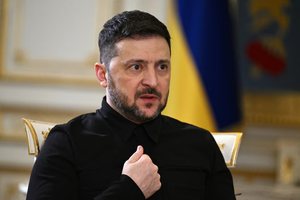
In the space of a few days, Ukrainian President Volodymyr ...
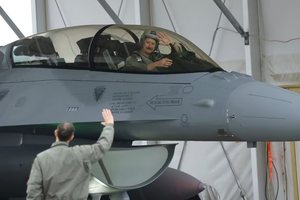
The spokesman for the Iranian Foreign Ministry warned Bulg...

Autoritetet italiane sekuestruan pako me afër 800 kilogram...

At a time when industrial products are increasingly taking...

Trust among people is not just a three-syllable word. It c...

Master of humor Todi Llupi has passed away at the age of 7...

The ninth edition of "MIK Festival" kicked off with one of...

Construction company licenses will have a validity period ...

The Centralized Purchasing Operator recently opened a tend...
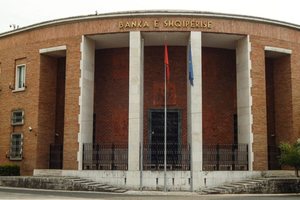
The new draft law "On the Bank of Albania" provides that t...

This Tuesday, one US dollar is bought for 81.2 lek and sol...