

Admiral Munsch: The security situation in Kosovo is fragile, political inciting rhetoric is a concern
In an interview for the Voice of America, the commander of...


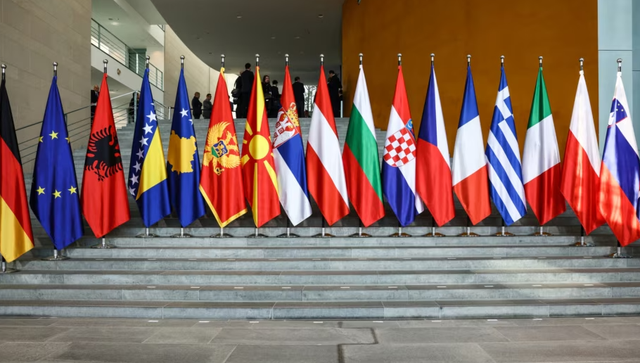
The Berlin Process, launched in 2014 with the aim of increasing cooperation between the countries of the Western Balkans and facilitating their integration into the European Union, marks its tenth anniversary this fall.
Despite several agreements and declarations adopted over a decade, progress on the ground has been slow.
In the words of Naim Rashiti - director of the Balkan Group for Politics in Pristina, who constantly analyzes the developments of this process - the countries of the region accept the agreements, but implement them selectively.
The Berlin process started in 2014, with the initiative of the then German chancellor, Angela Merkel.
Shortly before this initiative, the then president of the European Council, Jean-Claude Juncker, announced a pause in EU enlargement.
The idea was that through the Berlin Process, the countries of the Western Balkans - Kosovo, Albania, Serbia, North Macedonia, Montenegro and Bosnia and Herzegovina - would increase cooperation between themselves and with EU countries.
In the summer of 2014, Merkel invited the heads of state and government of the region to a conference in Berlin, where representatives of Germany, Croatia, Slovenia, Austria, France and EU institutions were also present.
Over the years, this process expanded and today there are ten partner countries: Austria, Bulgaria, Croatia, France, Germany, Greece, Italy, Poland, Slovenia and the United Kingdom.
Summits have been held every year in different European cities - from where various agreements and declarations have come out - while the next one is expected to be held on October 14 in Berlin.
Rashiti says that the solution of the open problems between the countries of the Western Balkans, the reconciliation between the societies in the region, the improvement of regional cooperation and the creation of the basis for the stability of the region, are four main objectives of the Berlin Process, which remain unchanged.
At the core of the process is the "Connectivity Agenda", which accelerates economic growth and job creation in the Western Balkans region.
Within this agenda, the EU presented in 2015 the plan to increase investments and improvements in transport and infrastructure.
The Common Regional Market and the Green Agenda, meanwhile, were signed at the Sofia Summit in 2020.
The Common Regional Market, as stated in the statement of the leaders of the Western Balkans, aims to "strengthen economic cooperation within the Western Balkans, in accordance with EU regulations and standards", as well as "to bring the region closer to the EU and the Single Market of the EU".
E, the Green Agenda envisages addressing the challenges arising from climate change on the part of the countries of the Western Balkans.
Rashiti says that among the good goals of the Berlin Process, but quite challenged, are: the Connectivity Agenda and the objective of reconciling societies in the region.
But, according to him, these are also the "two biggest failures" of this process.
Speaking to Radio Free Europe, Rashiti explains that the Connectivity Agenda has foreseen a standardization of procedures for the free movement of people and goods in the Western Balkans, development of road and railway infrastructure, opening of borders, as well as increased opportunities for mobility in the region.
"But, we are ten years behind and we still have obstacles in the free movement of citizens, of goods... We have more tensions and we have very few infrastructure investments that connect the countries to each other", says Rashiti.
He emphasizes that even the solution of bilateral issues, as a precondition for the increase of regional cooperation, "has marked an enormous delay".
"The solution of the problems has not happened. The political tensions between the countries are very big", says Rashiti, referring especially to the tensions between Kosovo and Serbia.
According to him, the Berlin Process does not foresee any punitive mechanism and everything remains at the will of the parties.
According to Rashit, the Common Regional Market is the main project of the Berlin Process, but as such it has not been realized.
The main reason for this remains the unresolved dispute between Kosovo and Serbia and the tensions between the two countries in recent years, he says.
"In substance, for its own interests, which do not affect Serbia's policy towards Kosovo, Serbia implements [the agreements]. In substance, Bosnia fails in many aspects, due to regional and internal conflicts. In content, Kosovo implements a large part, except for those where it is handicapped in terms of representation, as in CEFTA", says Rashiti.
CEFTA, or the Central European Free Trade Agreement, reached in 2006, includes the six countries of the Western Balkans, plus Moldova.
Until now, Kosovo in CEFTA has been represented through the United Nations mission, UNMIK, but this week the CEFTA Committee has announced that it has accepted its request for the removal of UNMIK from the role of representative.
This decision was preceded by Germany's pressure on Kosovo to lift the ban on the import of goods from Serbia - otherwise it was warned of the possibility of its exclusion from regional initiatives.
The Government of Kosovo lifted this ban on October 7 - after more than a year - at the Merdare border crossing.
The implementation of CEFTA is directly related to the implementation of the Agreement on the Common Regional Market (TPR), which emerges from the Berlin Process.
The CEFTA issue has also been raised as problematic in the report "Kosovo and the Berlin Process: Addressing Uncertainties and Exploiting Opportunities", published by the German Friedrich-Ebert-Stiftung Foundation, in December 2023.
"CEFTA continues to be a problematic aspect of TPR implementation. The issue of the representation of Kosovo remains a discussion without a solution, which presents obstacles for the progress of the TPR", it was said in that report.
In the framework of the Berlin Process, the countries of the Western Balkans agreed in 2022 on three agreements in the direction of the implementation of the Common Regional Market.
The signed agreements deal with free movement with identity cards, recognition of higher education qualifications and recognition of professional qualifications of doctors, dentists and architects.
Kosovo ratified all three agreements, but not the other countries of the Western Balkans.
The Government of Kosovo expressed its belief that the Agreement on free movement with IDs would enable "citizens of Kosovo and Bosnia and Herzegovina, finally, to move freely only with IDs".
But, this did not happen. Citizens of both countries must continue to obtain visas to move to the respective countries.
This is because Bosnia and Herzegovina, which does not recognize the state of Kosovo, has not ratified either agreement.
"Imagine, Kosovo moves freely with the EU and the citizens of Bosnia move freely with the EU, but they do not move to each other. This is a scandal. This hinders the economy and trade", says Rashiti.
In the other four countries of the Western Balkans, citizens of Kosovo can move only with identity cards.
Rashiti says that there are many paradoxes regarding the agreements, which, according to him, are created by the signatory countries themselves.
"For example, professions are recognized, but diplomas are not recognized. The list of universities has not been agreed upon. Half solutions are made, in some form, that are often not understood by Germany or other EU countries. Because, in their concept, when the professions are recognized, the degree is also recognized", says Rashiti.
Regarding the recognition of diplomas, Kosovo and Serbia reached an agreement within the dialogue for the normalization of relations in Brussels, but it was not implemented on the ground.
At the summit in Poznan, in 2019, the countries of the Western Balkans signed the agreement on "roaming", or the gradual removal of tariffs for mobile phones and the Internet.
In 2023, the entry into force of reduced tariffs for "roaming" was marked.
Rashiti sees the commitment of the countries of the region to the implementation of this agreement as something positive.
"In terms of the Connectivity [Agenda], 'roaming' has been successful and is expected to be removed or should now be removed... It has reduced costs and we hope that the charges will be zero as soon as possible because it will have an effect very good", he says.
As a good example, Rashiti also mentions the implementation of the project initiated at the Paris summit in 2016 for youth cooperation - RYCO.
"It is based on the similar project between France and Germany, after the Second World War. It has started working very well. It still works very well, but the obstacles are enormous from the governments of the Western Balkans [countries] for RYCO", says Rashiti.
He expects the October 14 summit in Berlin to launch the Regional Common Market 2.
European Union officials repeatedly emphasize that the future of the Western Balkans is in the EU, but call on countries to resolve open issues.
This year, the EU has also approved the Growth Plan for the Western Balkans, worth 6 billion euros, which aims to support EU-related reforms and economic growth in the region.
The current president of the European Commission, Ursula von der Leyen, has pledged that she will prioritize EU enlargement./ Rel

In an interview for the Voice of America, the commander of...

An international arrest warrant has been issued for former...

Leaders of the Nobel Peace Prize-winning group of atomic b...
Boeing will cut 17,000 jobs and delay production to deal w...
The Deputy Prime Minister of Serbia, at the same time the ...
Poland plans to temporarily suspend the right to asylum as...
US Vice President Kamala Harris is in "excellent healt...
Hezbollah announced that it struck an Israeli military bas...

Russian dissident Alexei Navalny, the staunchest opponent ...

A 20-year-old girl has lost her life after falling from a ...
The Israeli army issued new orders on Saturday for Palesti...
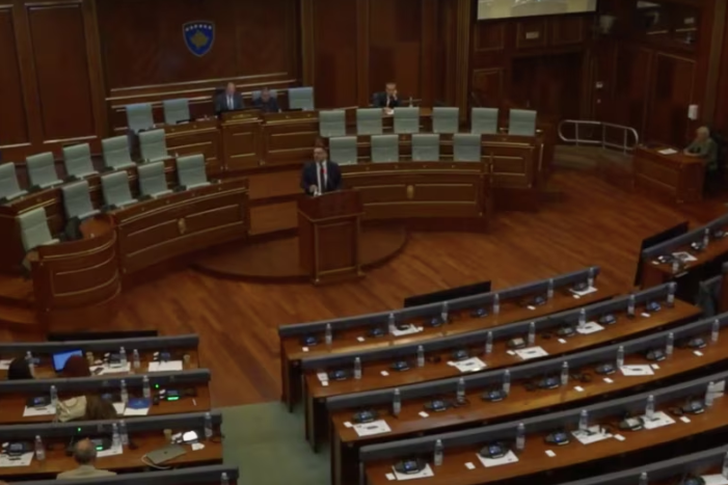
The MPs of the opposition parties in the Parliament of Kos...
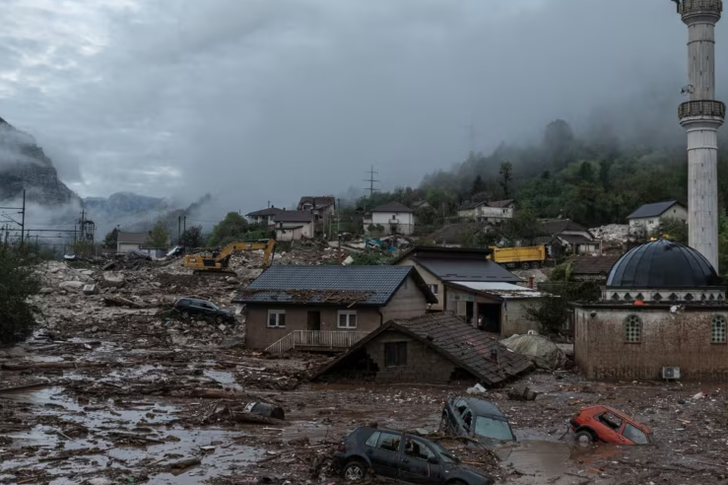
The government of Kosovo announced that it will help Bosni...
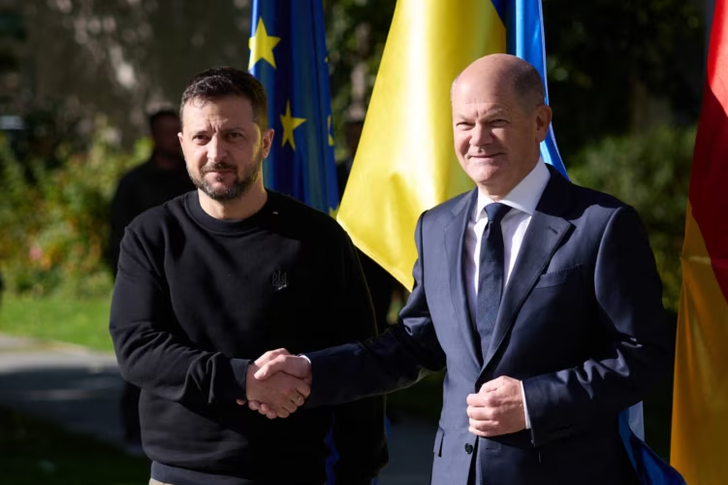
German Chancellor Olaf Scholz vowed on Friday that his cou...
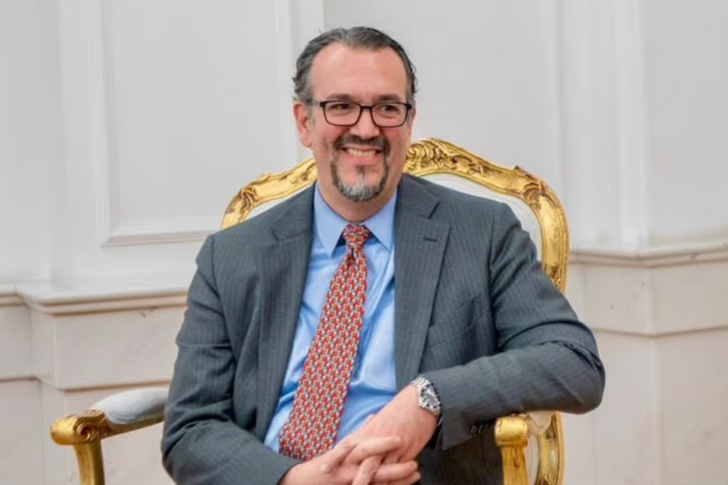
The American envoy for the Western Balkans, Alexander Kasa...

In Germany, in the future a man will be able to automa...
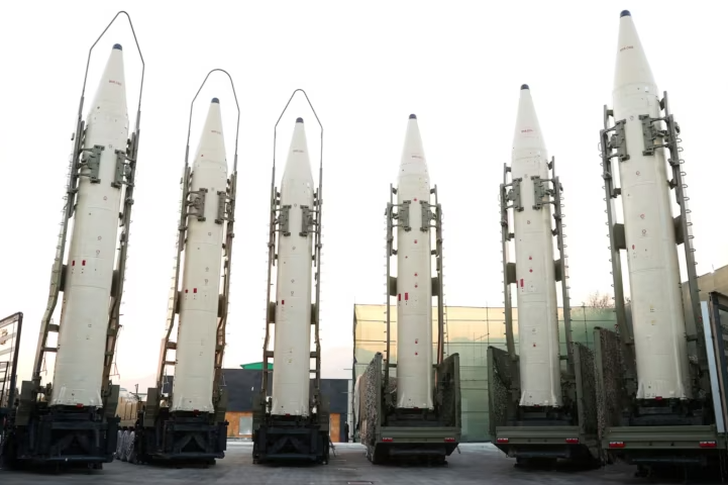
The European Union (EU) will impose new sanctions against ...
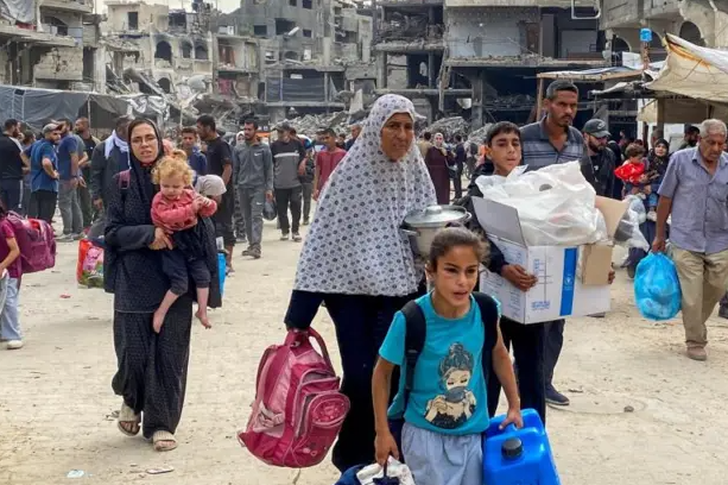
US Secretary of Defense Lloyd Austin called Israel's defen...
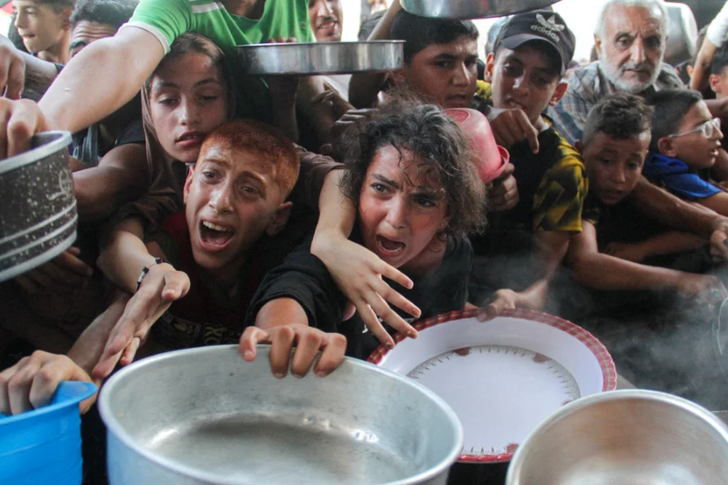
No food has entered northern Gaza since early October, put...
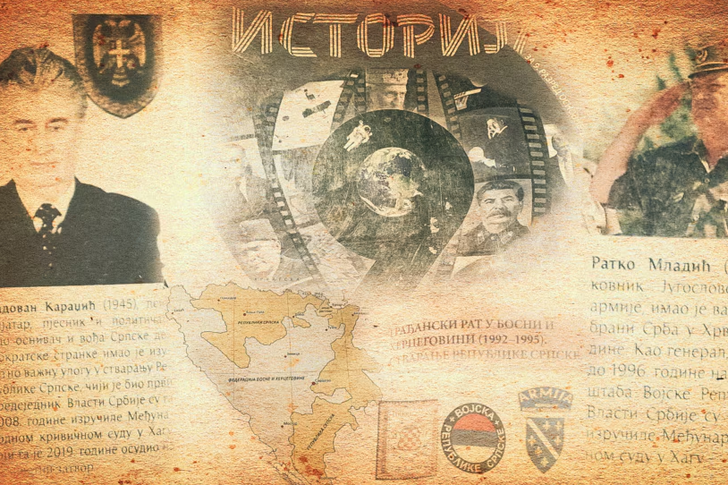
The Constitutional Court of Bosnia and Herzegovina on Frid...

CNA has launched another investigation that could lead to ...

Irfan Hysenbelliu is a businessman that we call "Irfan the...

In March 2026, CNA launched another investigation centered...
The arrested mayor of Tirana, Erion Veliaj, with 13 charge...

The Special Board of Appeal (KPA) decided this Monday ...

The KPA vetting decided this Thursday to dismiss the p...

Suela Salavaçi, a prosecutor in the Prosecutor's Offic...

The Special Board of Appeal reinstated the prosecutor ...
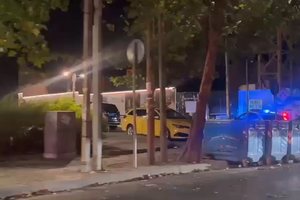
A road accident occurred this evening on Nikolla Zoraqi St...
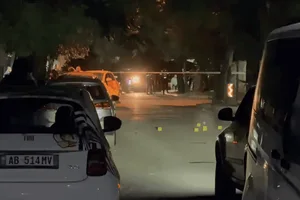
Three people were shot and wounded in Elbasan last night b...
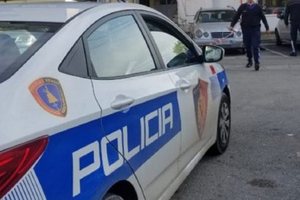
A serious incident occurred this Tuesday in the Yrshek are...

An accident occurred this Tuesday on "Dituria" street in K...

All of Southern Europe will face changing weather conditio...

Albania was hit by temperatures significantly higher than ...

For the first time, Pogradec welcomed the Inter-Lake Chess...
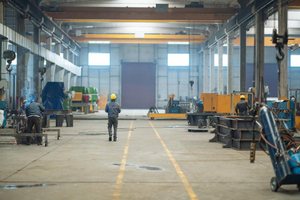
Albania has achieved a record for the employment of foreig...

US Secretary of State Marco Rubio arrived in Manila on Jul...
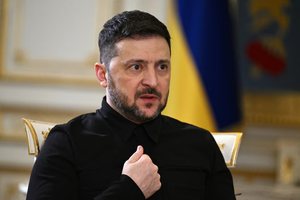
In the space of a few days, Ukrainian President Volodymyr ...
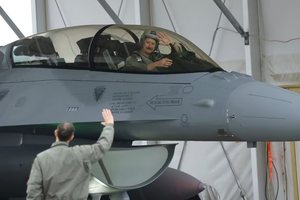
The spokesman for the Iranian Foreign Ministry warned Bulg...

Autoritetet italiane sekuestruan pako me afër 800 kilogram...

At a time when industrial products are increasingly taking...

Trust among people is not just a three-syllable word. It c...

Master of humor Todi Llupi has passed away at the age of 7...

The ninth edition of "MIK Festival" kicked off with one of...

Construction company licenses will have a validity period ...
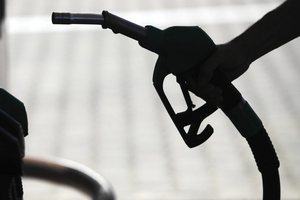
The Centralized Purchasing Operator recently opened a tend...
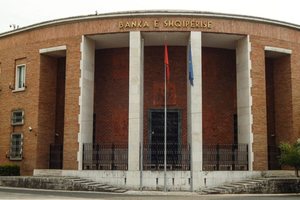
The new draft law "On the Bank of Albania" provides that t...

This Tuesday, one US dollar is bought for 81.2 lek and sol...