

Immigration, an important issue for Arizona voters
Arizona is one of the important undecided states in this y...


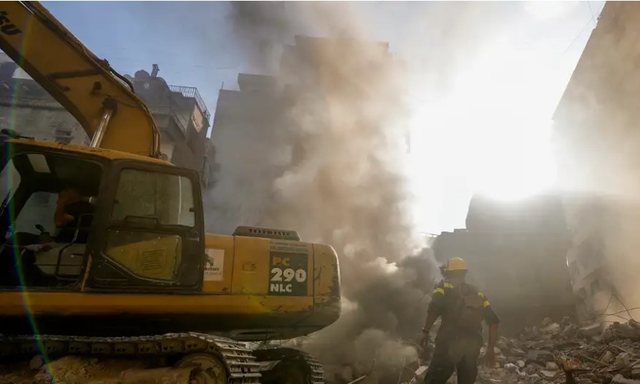
The war between Israel and Hamas has entered its second year and there is still no end in sight. The Israeli government seems to be quite unclear about how this war might end and what will happen next. She does not mention any specific plans. Both the government and Prime Minister Benjamin Netanyahu speak of a "total victory". What this means in practice remains unclear, however, and many observers are convinced that there is no unanimous opinion on this even within the Israeli government. Hamas has been categorized as a terrorist organization by the USA, EU, Canada, Germany, and other countries.
For years, Netanyahu and the various governments under him tried to maintain the status quo in the conflict with the Palestinians. In Hebrew, this approach is known as "Nihul HaSikhsukh" or "conflict management": the existing situation must be preserved under all circumstances. Torn between the demands of his ultra-right voters and the need to find a solution to the situation in the occupied West Bank and Gaza, Netanyahu repeatedly postponed a decision.
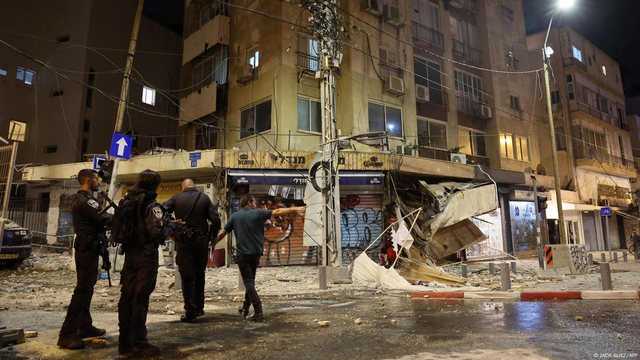
According to Israeli media reports, Netanyahu stated in 2019 that it was part of his strategy to maintain division between Palestinian factions in the West Bank and Gaza by allowing money transfers from Qatar to Hamas. But as of October 7, 2023, many Israelis see this strategy not only as a failure, but as deadly.
This day, around 1,200 people, most of them civilians, lost their lives in terrorist attacks. The various Islamist groups that carried out these attacks, led by Hamas, also kidnapped around 250 people in Gaza. 101 of these hostages are still being held there.
It was the worst terrorist attack in Israel's history and the deadliest massacre of Jews since the Holocaust. The Israeli government was forced to do something it had avoided in the previous escalation with Hamas: it formally declared all-out war. "Not an offensive, not a combat mission, a war," Netanyahu made clear when he learned of the October 7 attacks.
But a year after the start of the war against Hamas and just weeks after Israel's first strike in southern Lebanon, Netanyahu appears to be returning to his old ways. And it comes at a time when Israeli security authorities are calling for more decisiveness in the political decision-making process.
On the one hand, the Israeli military insists that it has defeated Hamas's fighting wing "at a military level" and that it can only act as a guerrilla group. On the other hand, there is nothing new to report about the return of the 101 hostages that remain in the hands of militant groups in Gaza.
There are regular attacks inside Israel. In the latest escalation with Lebanon, Israeli soldiers lost their lives and thousands of Israelis were forced to flee their homes.
On the Lebanese side, the Ministry of Health reported at least 274 dead and 1,024 wounded following Israeli airstrikes in late September. After the latest Israeli attack on October 10 in downtown Beirut, authorities confirmed the death of at least 22 people.
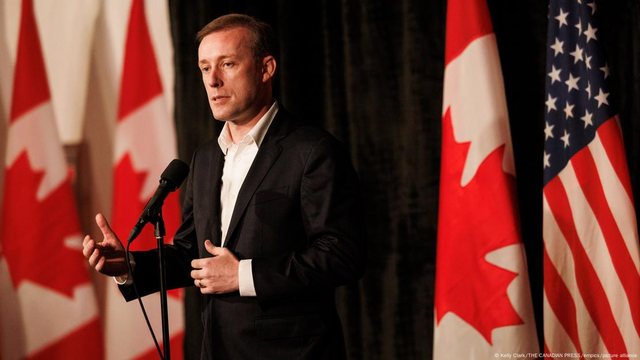
The US, Israel's closest ally, is looking to Netanyahu for a strategy for the post-war period and the future of the region. In May, US National Security Adviser Jake Sullivan met with Netanyahu, Israeli President Isaac Herzog and other government officials. There he "stressed the need for Israel to link its military operations with a political strategy that ensures the lasting defeat of Hamas, the release of all hostages and a better future for Gaza," Sullivan said after his visit to Israel. .
Most of the Israeli population believes that the government lacks a clear strategy. According to a recent poll by the Jewish People's Policy Institute, 57 percent of the population blames the lack of a clear strategy as the reason the war has gone on for so long. 76 percent of Israelis also believe the war is dragging on because the government is wasting too much time making decisions. According to many, even the very survival of the coalition government also plays a role in this situation.
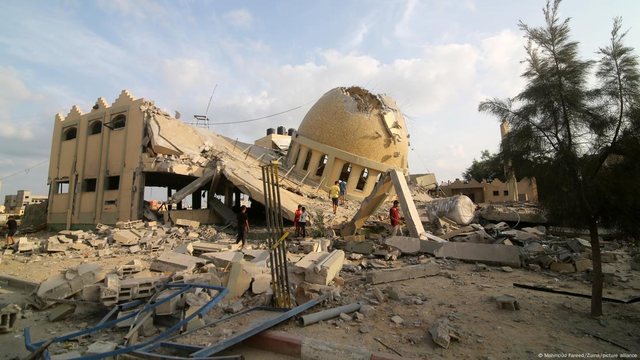
Netanyahu's Likud party has gained points in the polls in recent weeks, but the right-wing coalition government itself continues to lag behind opposition parties. 55 percent are convinced that the war will be prolonged for this reason.
While the Israeli far-right calls for attacks on Hezbollah's main backer, Iran, moderates in Netanyahu's government, on the other hand, believe that cooperation with the US is the way to go.
In recent weeks, Israeli forces have killed not only the much-wanted Hezbollah leader Hassan Nasrallah, but also other Hezbollah militia leaders. Tehran fired 200 rockets at Israel in response to the killing of Nasrallah and other Hezbollah leaders.
The United States is asking Israel to turn intelligence and military operations into political successes. A source familiar with the Israeli government told the Washington Post that Israel has a strategy for fighting Hezbollah, but "not necessarily a strategy for what comes next, how to end it."
Regarding the "total victory" declared by Netanyahu, the Foreign Affairs and Defense Committee of the Israeli Parliament was scheduled to meet on October 6 to formally clarify the terms "victory" and "defeat". The meeting was cancelled. The lack of a strategy of the Israeli government also has consequences for the post-war period. The far-right in the government wants to expand settlements in the West Bank, which the international community largely considers illegal. Some on the far right would even like to see Israeli settlements in the Gaza Strip again.
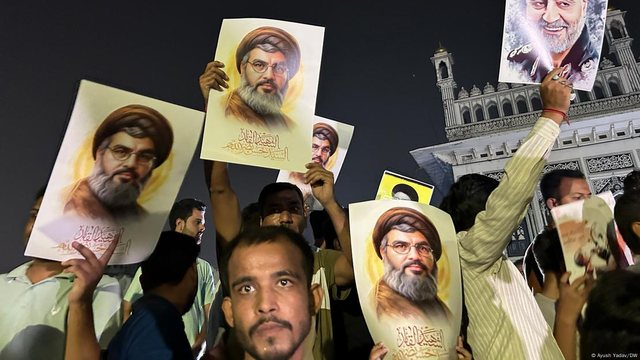
Meanwhile, there have been increased voices from the Arab and Muslim world calling for the normalization of relations with Israel in exchange for the creation of a Palestinian state. Voices that until recently were only heard behind closed doors or in confidential conversations. Ayman Safadi, Jordan's foreign minister, is the most senior Arab politician to speak out on the issue.
In a press conference after Netanyahu's speech to the UN General Assembly in September, Safadi said the Arab and Muslim world was ready to guarantee Israel's security if the Israeli government agreed to the creation of a Palestinian state on the pre-1967 borders. - is. Israel has rejected a two-state solution, said Safadi. The Israeli government itself does not take a position on the two-state solution, but some government officials have publicly spoken out strongly against a possible state of their own for the Palestinians. "Can you ask Israel's representatives what their goal is other than war, war and more war?"/ DW

Arizona is one of the important undecided states in this y...
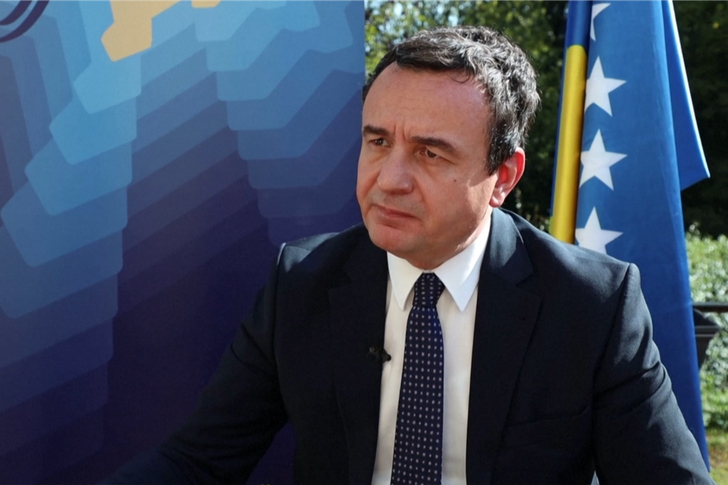
Kosovo Prime Minister Albin Kurti accused Serbia on ...
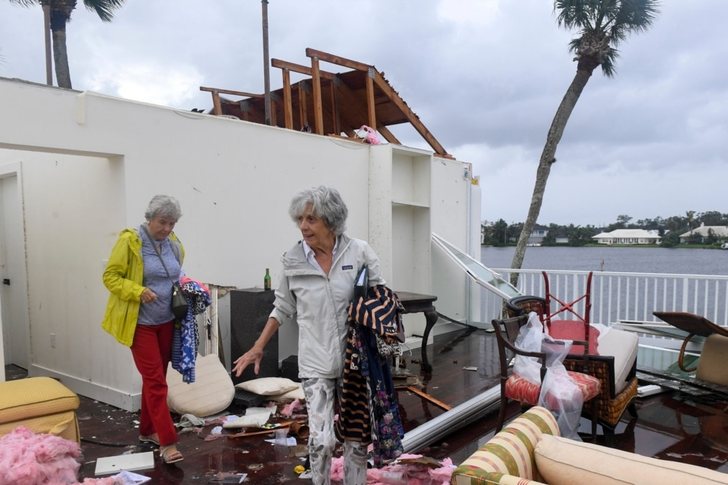
In Florida, officials say they are continuing to assess th...
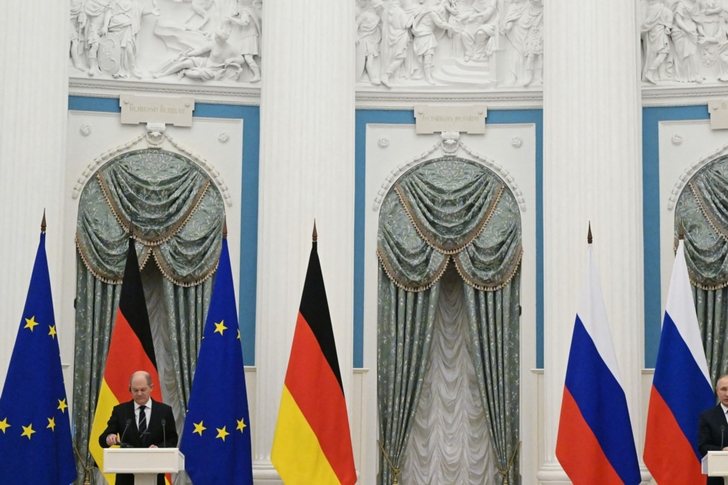
Russian President Vladimir Putin is open to dialogue with ...
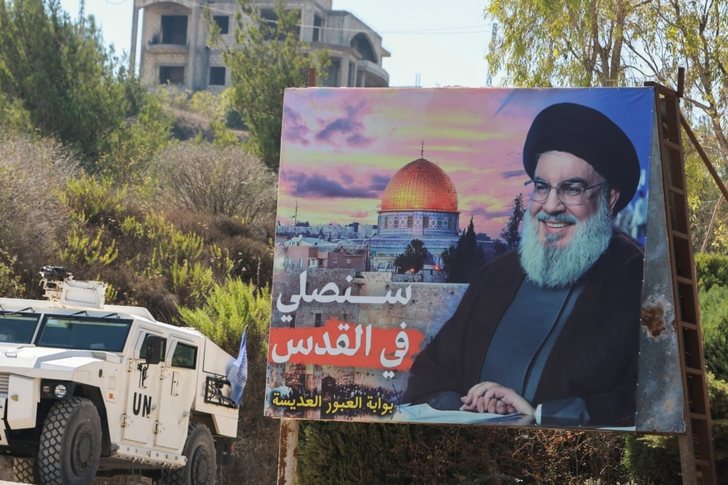
Israeli Prime Minister Benjamin Netanyahu called on the UN...

Donald Trump's campaign is changing course and pushing...
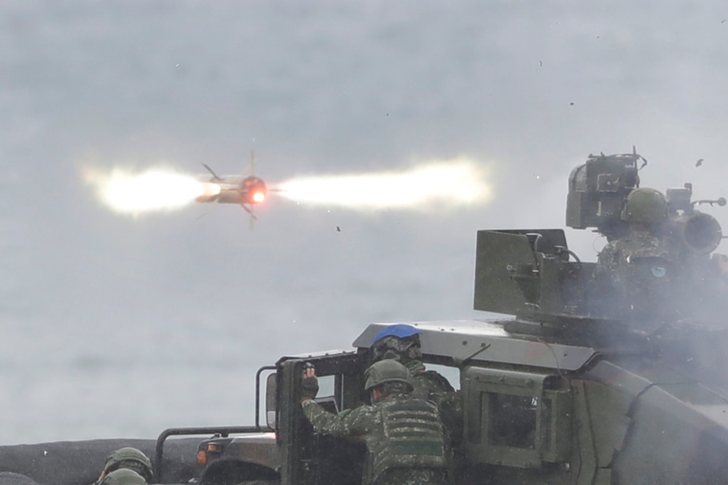
The Chinese military released a propaganda video on its so...
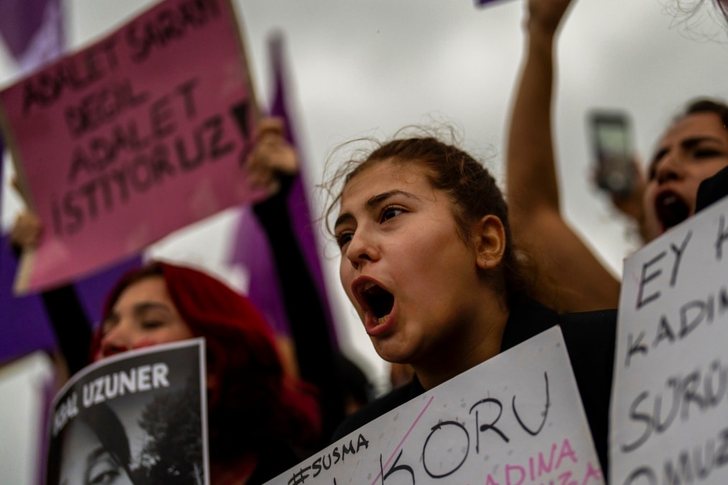
Hundreds of women have protested in Turkish cities against...

Kim Yo Jong, the sister of North Korean leader Kim Jon...

The European Union is very close to completing the procedu...
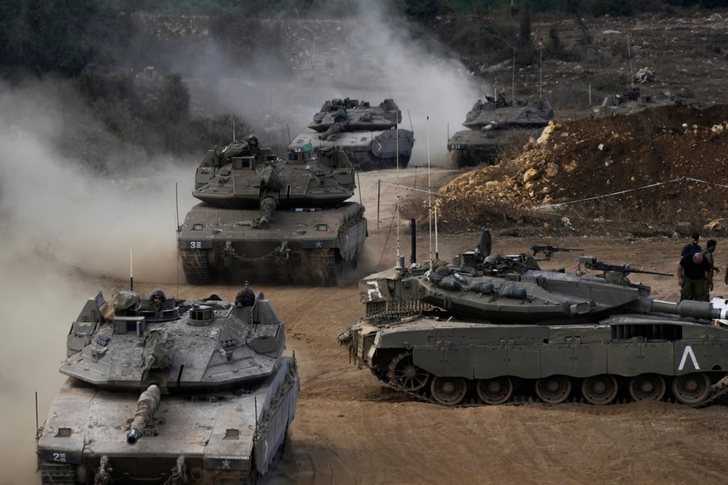
US officials believe Israel has narrowed down the targets ...

Florida residents are returning to their homes after evacu...
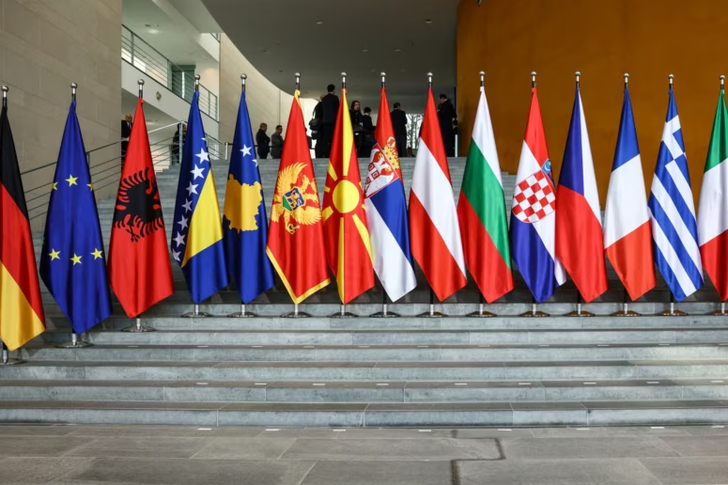
The Berlin Process, launched in 2014 with the aim of incre...
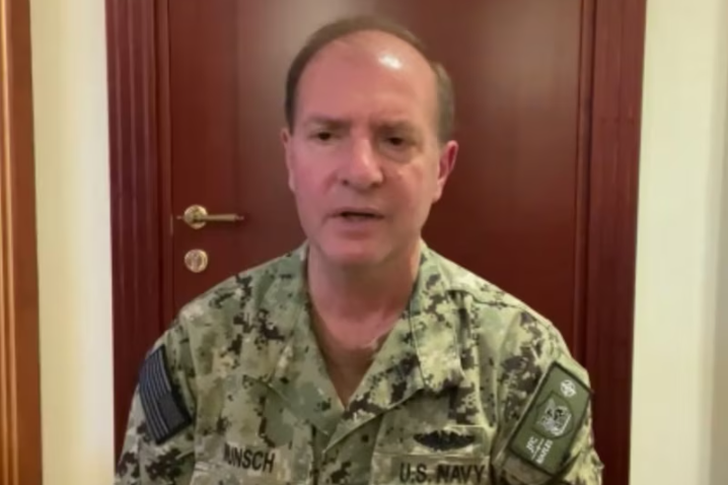
In an interview for the Voice of America, the commander of...

An international arrest warrant has been issued for former...

Leaders of the Nobel Peace Prize-winning group of atomic b...

Boeing will cut 17,000 jobs and delay production to deal w...
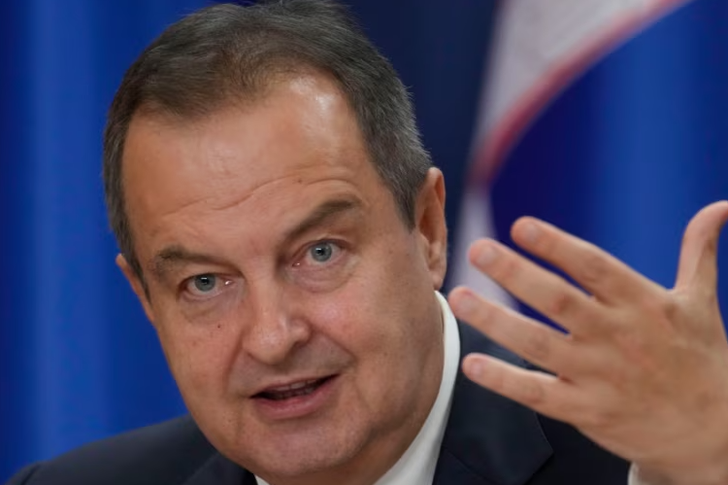
The Deputy Prime Minister of Serbia, at the same time the ...

Poland plans to temporarily suspend the right to asylum as...
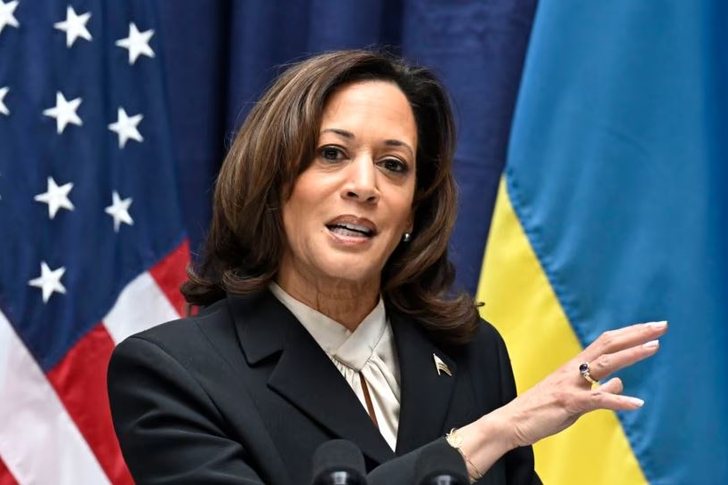
US Vice President Kamala Harris is in "excellent healt...

CNA has launched another investigation that could lead to ...

Irfan Hysenbelliu is a businessman that we call "Irfan the...

In March 2026, CNA launched another investigation centered...
The arrested mayor of Tirana, Erion Veliaj, with 13 charge...

The Special Board of Appeal (KPA) decided this Monday ...

The KPA vetting decided this Thursday to dismiss the p...

Suela Salavaçi, a prosecutor in the Prosecutor's Offic...

The Special Board of Appeal reinstated the prosecutor ...

A road accident occurred this evening on Nikolla Zoraqi St...

Three people were shot and wounded in Elbasan last night b...

A serious incident occurred this Tuesday in the Yrshek are...

An accident occurred this Tuesday on "Dituria" street in K...

All of Southern Europe will face changing weather conditio...

Albania was hit by temperatures significantly higher than ...

For the first time, Pogradec welcomed the Inter-Lake Chess...

Albania has achieved a record for the employment of foreig...

US Secretary of State Marco Rubio arrived in Manila on Jul...
In the space of a few days, Ukrainian President Volodymyr ...

The spokesman for the Iranian Foreign Ministry warned Bulg...

Autoritetet italiane sekuestruan pako me afër 800 kilogram...

At a time when industrial products are increasingly taking...

Trust among people is not just a three-syllable word. It c...

Master of humor Todi Llupi has passed away at the age of 7...

The ninth edition of "MIK Festival" kicked off with one of...

Construction company licenses will have a validity period ...

The Centralized Purchasing Operator recently opened a tend...

The new draft law "On the Bank of Albania" provides that t...

This Tuesday, one US dollar is bought for 81.2 lek and sol...