

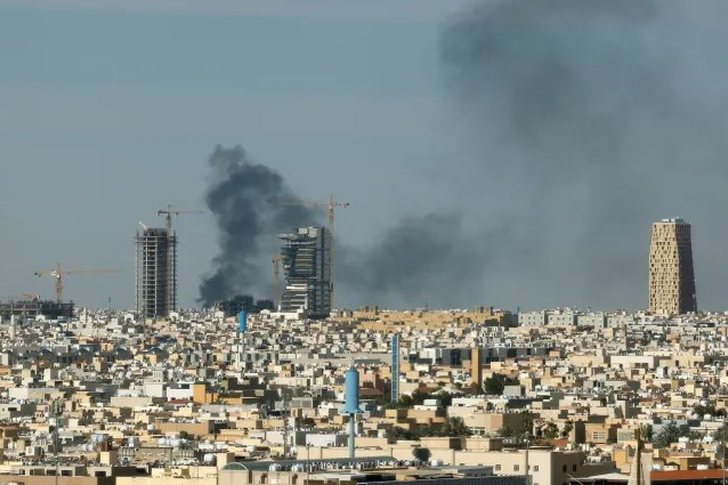
Wave of attacks in Persian Gulf countries/ Missile alert throughout Dubai
Missile alarms were heard across Dubai today as Iran conti...


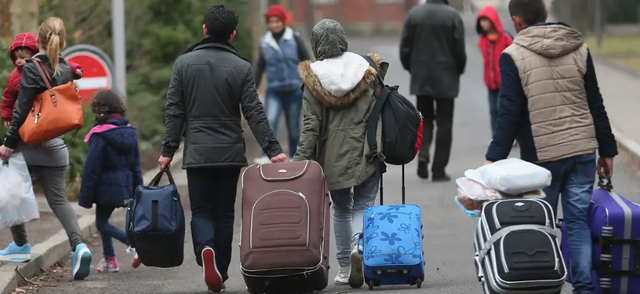
News of a UK plan to send rejected migrants to the Balkans has sparked political debate and a wave of misinformation in North Macedonia.
In late 2025, the British media "Daily Mail" and "The Times" were among the first to report that North Macedonia was holding talks with the UK on a plan to build camps for rejected migrants. According to reports, the UK would pay North Macedonia for every migrant it takes in, and would also provide investment in the country and help in the fight against Russian influence. But North Macedonia's Prime Minister, Hristijan Mickoski, dismissed all these claims as speculation and fake news by the opposition.
"As long as I am prime minister, not a single shelter for illegal migrants will be built and we will not accept any migrants," Mickoski declared.
Hints of such a plan emerged a few days after the signing of the strategic partnership agreement between North Macedonia and Great Britain at the Tirana Summit, which Mickoski presents as an agreement that will bring investments to the country.
Lack of courage or transparency?
Instead of a direct and official communication that would clarify the content of the agreement with Great Britain, the government offered the public fragments of information for several weeks, leaving room for interpretations and fake news.
According to Professor Florian Bieber, from Karl-Franzens University, Graz, Austria, keeping the public in suspense until a final epilogue is reached may be considered the most advantageous option for the government, as premature publication of information could potentially harm the ruling party.
"Since the ruling party represents a more conservative and nationalist electorate, this could damage its own electoral base. It's not just about xenophobia, but also about the feeling of humiliation that the country is being used as a hub for migrants from Western countries. There has been a long-standing concern in the region, since the borders were closed in 2015, that it could become a 'dumping ground for migrants,'" Bieber told DW.
According to him, it is expected that such centers will not be well-liked by the public and consequently, there will be opposition. And that such a case occurred with Albania, where despite disagreements, the plan for migrant centers was presented to the public as a done deal.
Perfect situation to feed fear
Kaosit informativ i kanë paraprirë shumë media online të cilat e përdorën këtë situatë për të shpërndarë lajme të rreme dhe tituj sencasionalë. "Secili duhet të ketë një armë kundër migrantëve”, "pse frikoheni, nuk do t'ju përdhunojnë të gjithëve”, "jo, për këtë duhet rezistencë qytetare”, apo "ata që duan të sjellin këtu nuk janë migrantë, por militantë islamikë fanatikë, përdhunues të vajzave të krishtera”.
Këto janë vetëm disa prej mijëra komenteve, që shfaqen nën postimet që përhapin lajme të rreme për kampet e migrantëve.
Mediat dhe nxitja e ksenofobisë
Sipas profesores Olga Koshevaliska, nga Universiteti Goce Delcev në Shtip, roli i medias në formësimin dhe nxitjen e ksenofobisë nuk është për t'u nënvlerësuar. Ajo thekson se lajmet që lidhen me fenomenin e migrimit paraqiten në media në mënyrë sensacionale dhe pa kontekst, duke krijuar përshtypjen se migrimi është një valë e vazhdueshme që mund ta mbushë vendin brënda natës.
"Reagimi i një pjese të qytetarëve ndaj vetë idesë së kampeve, shpesh i shoqëruar me frikë dhe mosbesim, mund të shpjegohet duke e konsideruar panoramën më të gjerë të dinamikës mediatike dhe sociale, ku këto çështje prej kohësh janë paraqitur si „krizë" ose „sulm". Kur migracioni paraqitet jo si një fenomen i ndërlikuar shoqëror, por përmes titujve sensacionalë – „migrantët do të marrin vendin tonë", „terroristë mes refugjatëve" – frika bëhet një iluzion kolektiv që ushqehet nga çdo informacion i ri, veçanërisht nga dezinformimi sensacionalist”, thotë Koshovaliska.
Politizimi i çështjes së migrantëve
Suprizues ishte dhe reagimi i social demokratëve të cilët e përdorin këtë temë në maksimum për të sulmuar qeverinë. Lideri i saj, Venko Filipçe, paralajmëroi protesta dhe një rezolutë.
Politizimin e çështjes së migrantëve Koshovalinska e quan mjet për mobilizimin e mbështetësve duke rikujtuar shembullin e vitit 2017, kur pas akuzave të opozitës së atëherëshme për ndërtimin e kampeve disa komuna paralelisht me zgjedhjet lokale zhvilluan edhe një referendum.
"Kjo tregoi sa lehtë mund të keqpërdoret kriza migratore për përfitime politike, duke shfrytëzuar ndjenjën e frikës tek qytetarët dhe duke e paraqitur si „luftë për mbijetesë" të popullsisë lokale. Pikërisht në këto situata, aktorët politikë përdorin migracionin për të lëshuar akuza ndaj kundërshtarëve politikë dhe për t'i transferuar problemet sociale dhe ekonomike mbi ata që zakonisht janë më të cenueshëm – migrantët, refugjatët dhe personat që kërkojnë azil.” shton ajo.
Në dhjetor 2025 partitë në pushtet paraqitën dhe miratuan një rezolutë që synon të ndalojë spekulimet e opozitës dhe të konfirmojë politikat e shtetit kundër migrimit të paligjshëm.
Ballkani: hapësirë për eksperimente politike me migrantët
British media reports, among other things, state that the plan is still in a very early stage and envisages the inclusion of several Balkan countries, such as Kosovo, Montenegro, North Macedonia and Bosnia and Herzegovina.
Unlike the North Macedonian prime minister, the reaction of Kosovo's prime minister, Albin Kurti, was more direct. He immediately expressed his willingness to support the UK's plan in exchange for support in the security field.
Kosovo has previously shown willingness for similar agreements, from housing around 1,900 Afghans after 2021, to the agreement with Denmark for the transfer of prisoners to Gjilan.
However, the offer to build centers for rejected asylum seekers from Great Britain represents a new political step, which, according to critics, may exceed the country's real capacities.
Political Science Professor Nexhmedin Spahiu is straightforward in his assessment: "I do not believe that Kosovo has such capacities. The prime minister's statement was just a gesture of servility towards a strategic ally to maintain good relations." According to him, Kosovo should show loyalty to allies only in matters where it has the capacities to fulfill obligations.
Justification for EU countries
The inclusion of Balkan countries in such plans is not considered a coincidence. Professor Florian Bieber points out that the position of these countries within the European legal system creates a more politically acceptable justification for the transfer of migrants, compared to sending them to autocratic countries with poor human rights records.
"Firstly, the greater the distance, the more difficult it becomes for migrants to return to the UK. Secondly, I doubt that many EU countries would be willing to participate in such a scheme. As a result, such an agreement seems to exploit the weak economic position of the countries in the region to promote this model," says Bieber. Among the countries that have immediately rejected this plan-proposition are Albania, Montenegro and Bosnia and Herzegovina./ DW

Missile alarms were heard across Dubai today as Iran conti...
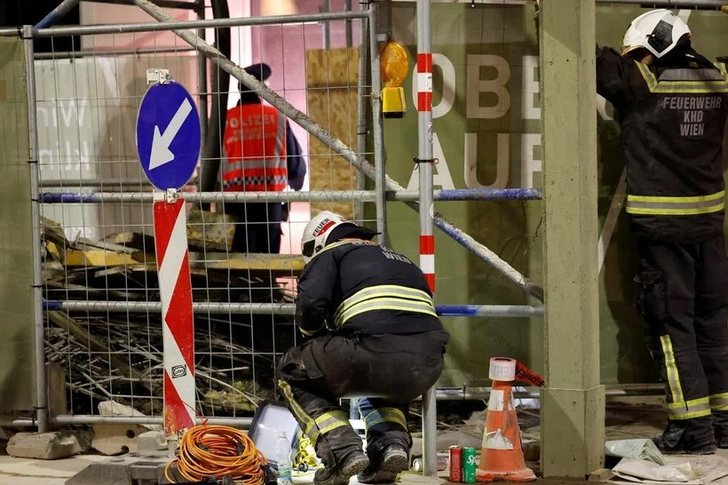
A tragic accident has occurred at a construction site in V...
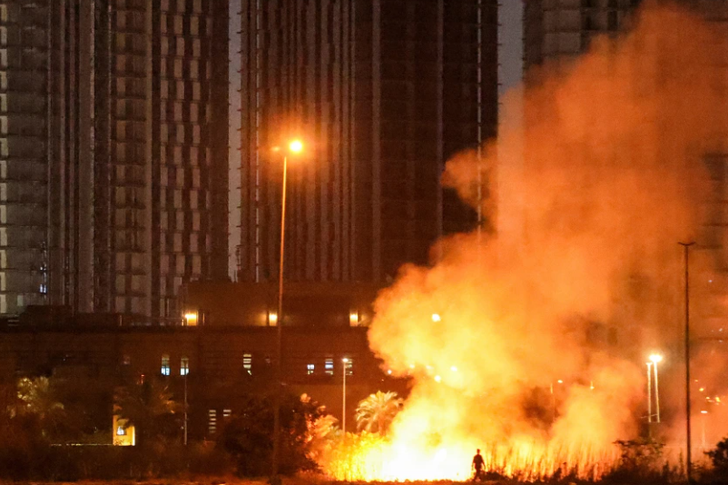
The US State Department has ordered all US embassies and c...

Të premten e kaluar (6 mars), presidenti amerikan Donald T...
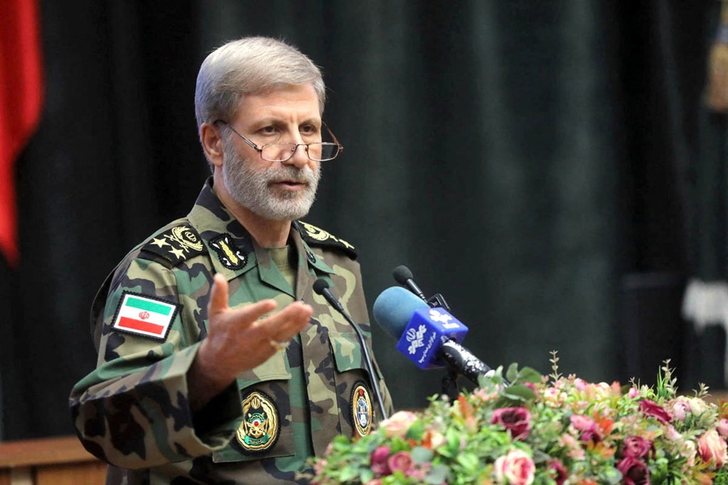
Iranian army chief Amir Hatami has threatened to launch a ...
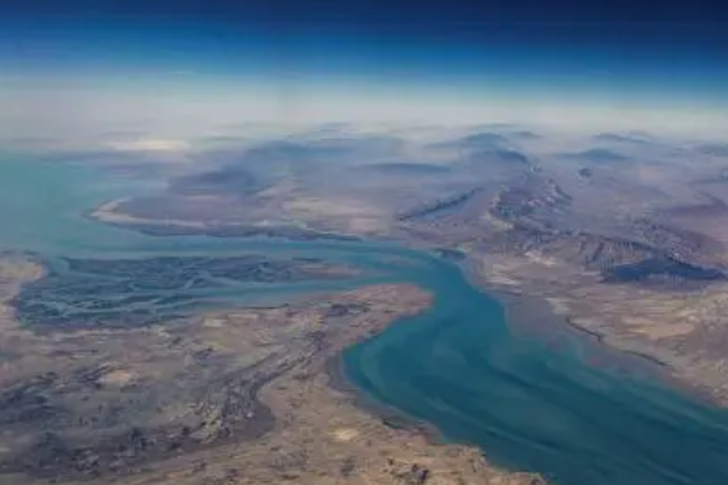
The United States military has carried out airstrikes on I...
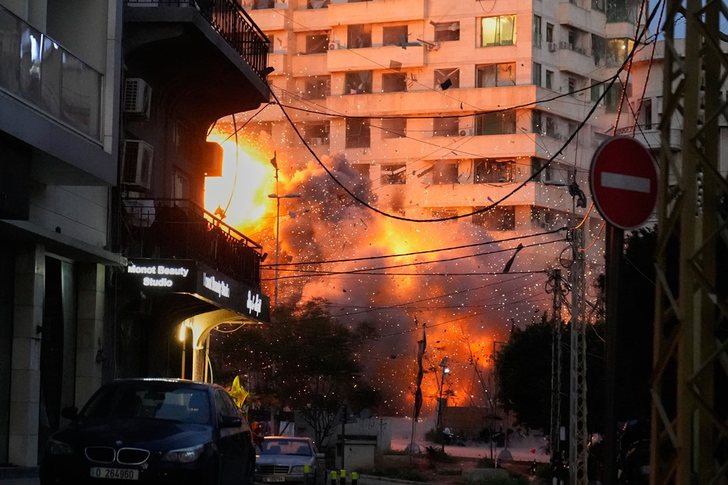
Sulmet izraelite në Bejrut kanë vrarë të paktën gjashtë pe...

Iran fired missiles with nuclear warheads at Tel Aviv over...
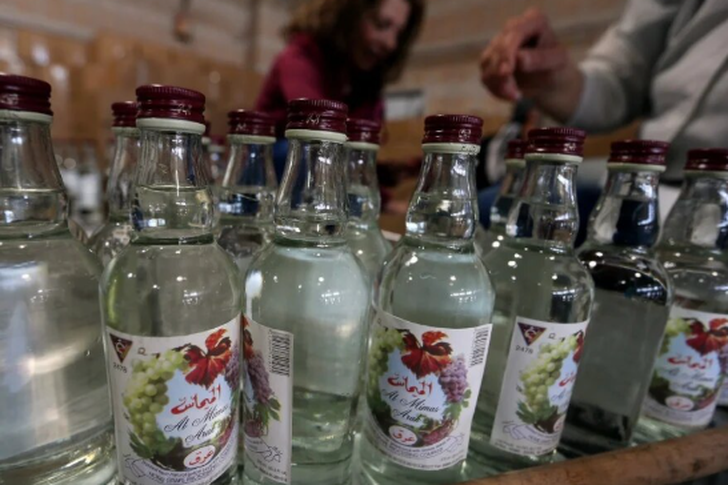
Syrian authorities have banned the sale of alcohol in rest...
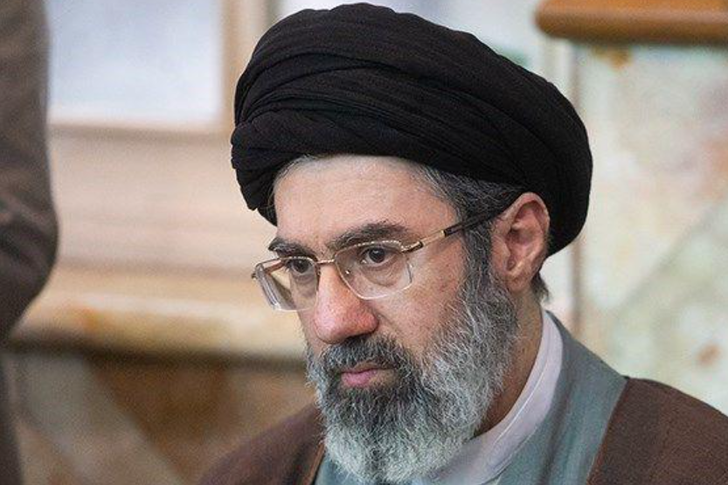
The Israeli military has warned that it will pursue and ne...
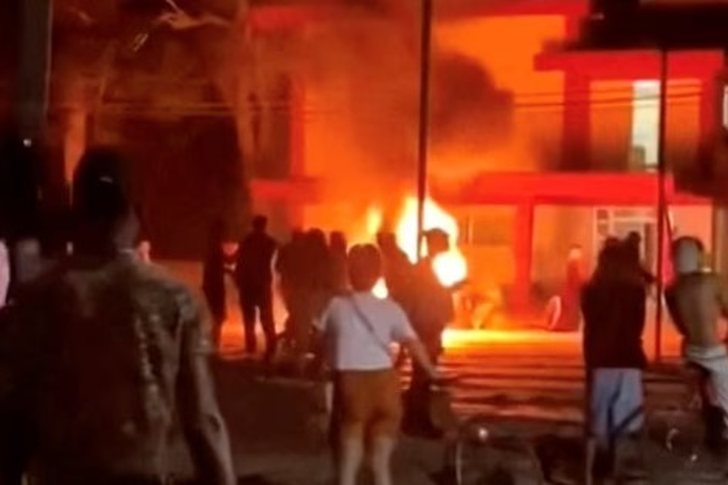
A group of protesters attacked an office of the Communist ...
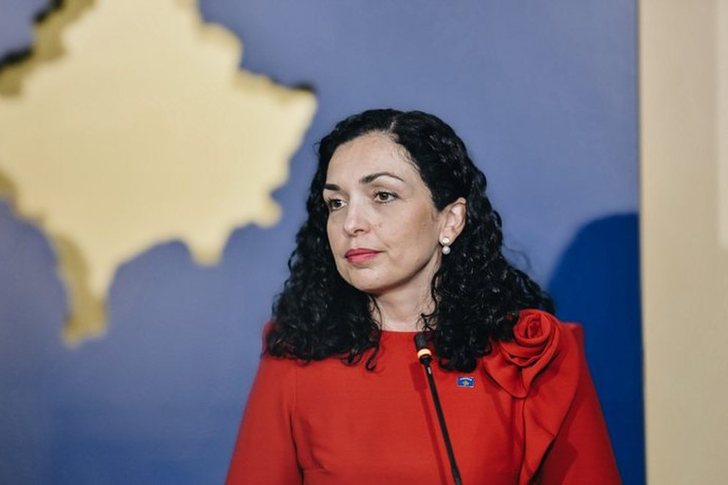
Kosovo President Vjosa Osmani has reacted to the EU's deci...
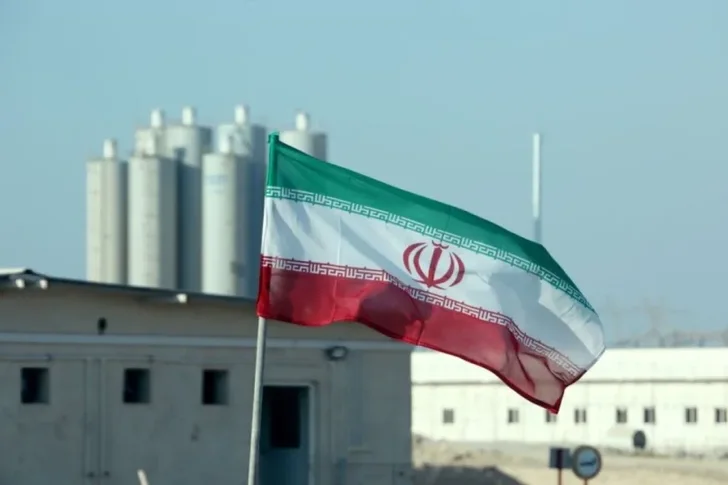
The Iran war is causing major disruptions to the global ma...
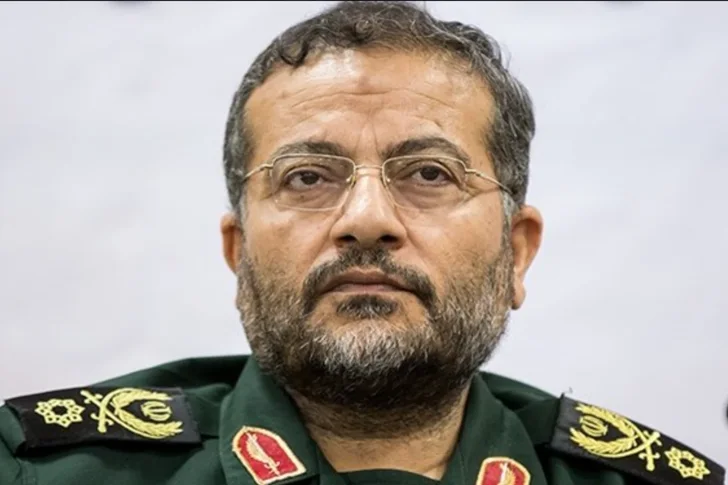
Iran's IRGC (Islamic Revolutionary Guard Corps) has acknow...
Asian countries are being forced to take energy-saving mea...
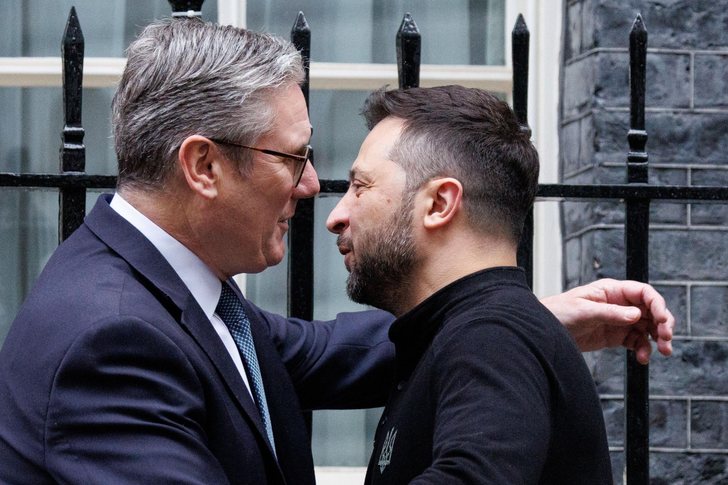
British Prime Minister Keir Starmer welcomed Ukrainian Pre...
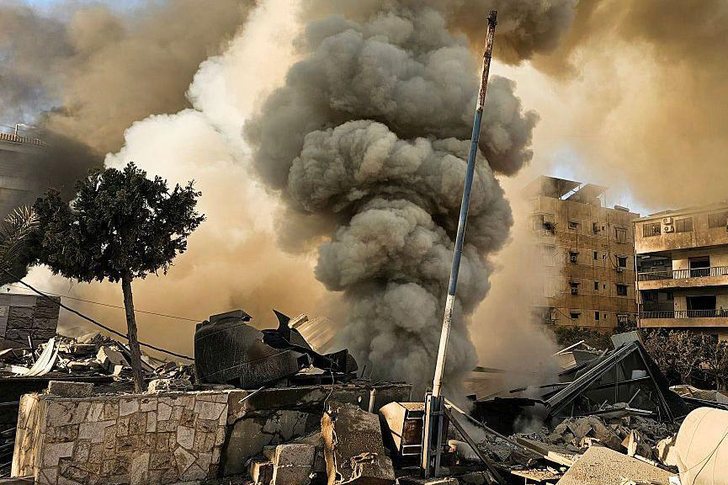
The war in Iran could push 45 million people into acute hu...
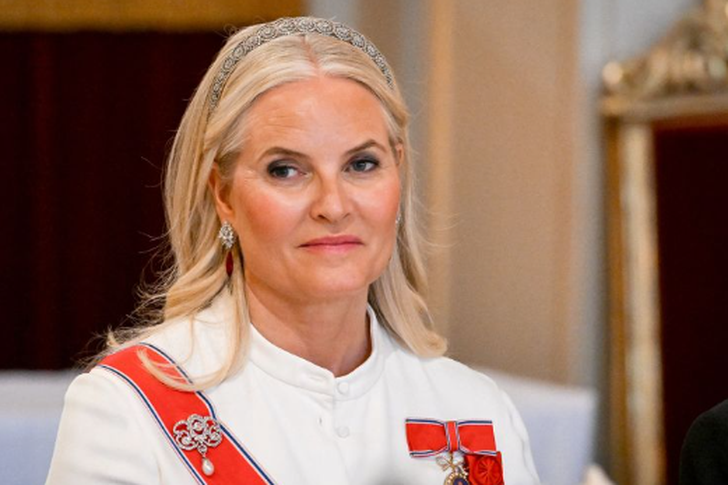
The health of Norway's Crown Princess Mette-Marit has dete...
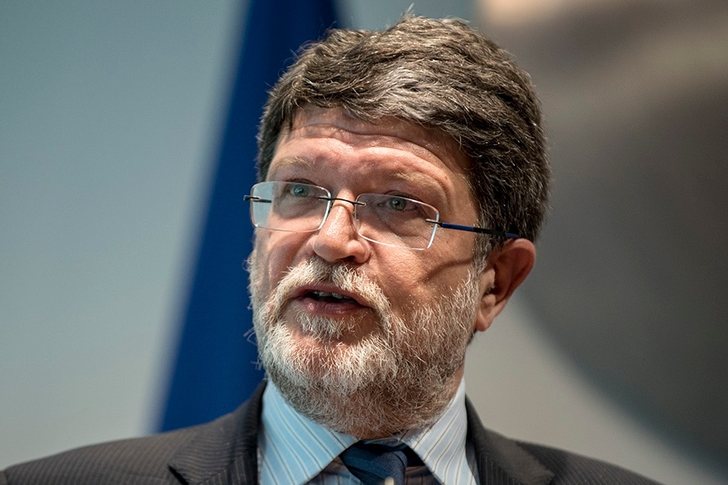
The rapporteur for Serbia in the European Parliament, Toni...

US President Donald Trump shared with the Italian media ou...

CNA has launched another investigation that could lead to ...

Irfan Hysenbelliu is a businessman that we call "Irfan the...

In March 2026, CNA launched another investigation centered...
The arrested mayor of Tirana, Erion Veliaj, with 13 charge...

The Special Board of Appeal (KPA) decided this Monday ...

The KPA vetting decided this Thursday to dismiss the p...

Suela Salavaçi, a prosecutor in the Prosecutor's Offic...

The Special Board of Appeal reinstated the prosecutor ...
A serious accident occurred this Wednesday on the Elbasan-...
Citizen MH, 61, a fisherman, was found dead near the islan...

Another phase of the international operation, codenamed "T...

Police have arrested a 34-year-old woman at Rinas Airport ...

The Institute of Geosciences has shared a forecast for wea...
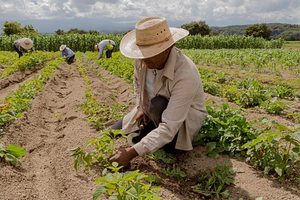
Rising energy and fertilizer prices are expected to contin...
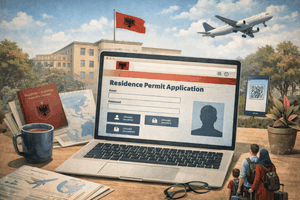
Over 18,000 foreign citizens from 140 countries have appli...

This Wednesday, our country will be under the influence of...

Prime Minister Andy Burnham has announced that most bus fa...

France's parliament has passed a law to ban social media f...

US Secretary of State Marco Rubio arrived in Manila on Jul...
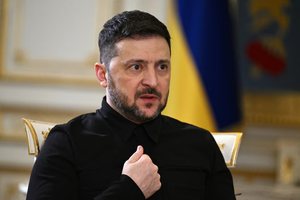
In the space of a few days, Ukrainian President Volodymyr ...

At a time when industrial products are increasingly taking...

Trust among people is not just a three-syllable word. It c...

Master of humor Todi Llupi has passed away at the age of 7...
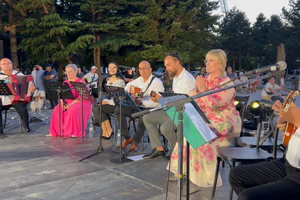
The ninth edition of "MIK Festival" kicked off with one of...

Businesses will no longer be required to simply register t...

Despite economic growth and income in recent years, Albani...

This Wednesday, one US dollar is bought for 81.4 lek and s...

Construction company licenses will have a validity period ...