

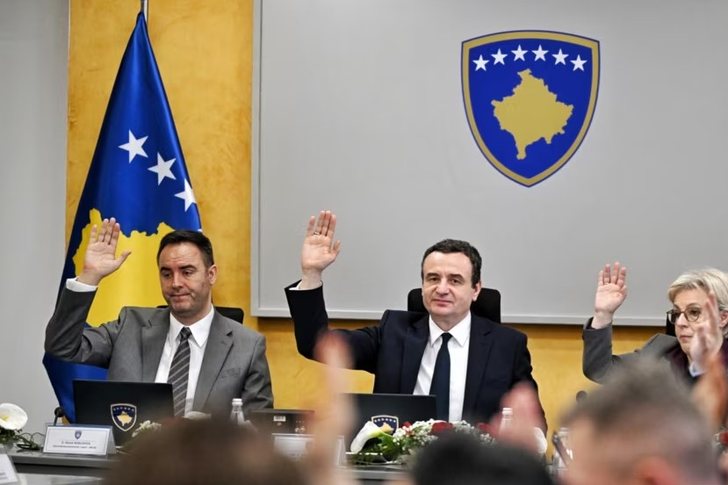
Kosovo Government approves draft law on price ceilings and health insurance
Prime Minister Albin Kurti's cabinet passed draft laws on ...


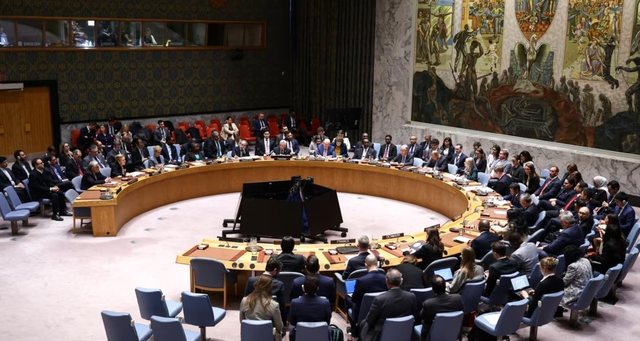
The United Nations Security Council is expected to vote on April 4 on a revised resolution aimed at restoring commercial shipping through the Strait of Hormuz, as world powers remain divided on how far to go to confront Iran's blockade of the vital waterway.
The latest draft, submitted by Bahrain, is said to have been watered down slightly after objections from veto-wielding members – China, Russia and France – who objected to the initial wording that authorized countries to use “all necessary means” to secure the waterway. This led to the postponement of the vote, originally scheduled for April 3.
The Associated Press reported that a revised version of the text now only allows for "protective measures" to ensure safe passage through the strait and surrounding waters, marking a compromise aimed at avoiding a veto while still allowing for some form of coordinated response.
The vote comes at a crucial moment in the war that began with joint attacks by the United States and Israel against Iran in late February, while Iran's effective closure of the strait has shaken global energy markets and fueled fears about the consequences of a supply blockade.
China has publicly stated its opposition to any resolution that could legitimize the use of force. Beijing's UN ambassador, Fu Cong, stated that "any such authorization would inevitably lead to further escalation and serious consequences," calling on members to prioritize a political solution.
“From Beijing’s perspective, accepting a military response to the closure of the strait would legitimize the use of force, preemptive strikes, and unilateral security enforcement,” Jonathan Fulton, an expert on China in the Middle East at Zayed University in Abu Dhabi, wrote in his newsletter on China’s role in the region. “China does not have the hard power to prevent this scenario, but it does have veto power in the UN Security Council and is unlikely to relinquish the value of that power.”
Russia has taken a similar stance, arguing that the focus should be on ending hostilities, not expanding maritime security mandates. Before Bahrain released its final revised draft, the Russian ambassador to the UN, Vassily Nebenzia, said the proposal “does not solve the problem.”
France has signaled that it may be open to new wording in the resolution, stressing that there is a need for safeguards.
The outcome of the April 4 vote remains uncertain, with diplomats closely watching whether the changes are enough to secure support – or at least abstention – from the Council's most powerful members: Britain, China, France, Russia and the United States, which have veto power.
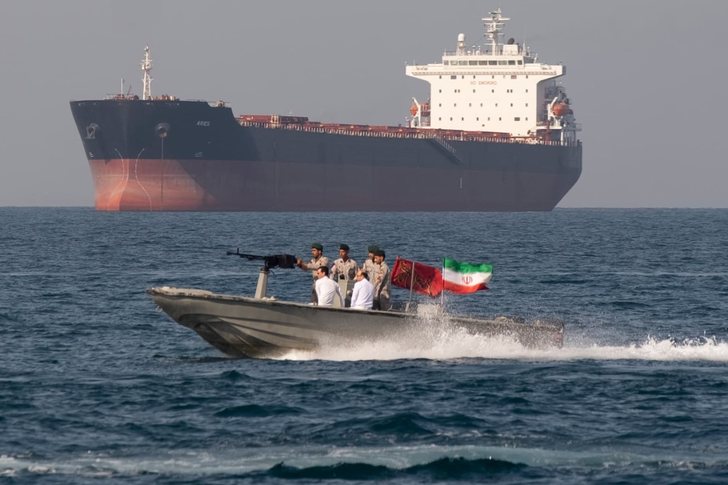
Iran has largely blocked traffic through the Strait of Hormuz, targeting ships and tightening control over one of the world's most important energy hubs, as about a fifth of global oil and gas supplies pass through the strait.
Tehran has also presented its own proposal for managing the strait, stating that it is working with neighboring Oman on a system that would require ships to obtain special permits and licenses to pass through the waterway.
The European Union's foreign policy chief, Kaja Kallas, opposed this concept, writing on social media that "international law does not recognize 'pay for passage' schemes."
She also held a telephone conversation on April 2 with Chinese Foreign Minister Wang Yi regarding the war in Iran and its impact on the global economy.
"Iranian attacks on civilian ships and the threat to others have brought traffic in the Strait of Hormuz to an almost complete halt," Kallas said on social media.
Since the war began, only a very limited number of ships have passed through the Strait of Hormuz. These are mostly ships bound for countries that Iran considers friendly, and a system is being created where Tehran pre-approves passage along a route that passes close to its coast. For example, Pakistan has reached an agreement for 20 ships to pass under its flag, while other Asian countries have also provided safe passage.
A container ship signaling it was French-owned also exited the Strait of Hormuz on April 3, in what appears to be the first passage by a ship bound for Western Europe since the start of the war.
US President Donald Trump has signaled that Washington will not take the lead in reopening this waterway, calling on countries that depend most on Gulf energy supplies to act on their own.
Gulf states, many of which host US forces and have been subject to Iranian attacks, have so far avoided direct retaliation, fearing escalation into a wider regional war. /REL

Prime Minister Albin Kurti's cabinet passed draft laws on ...
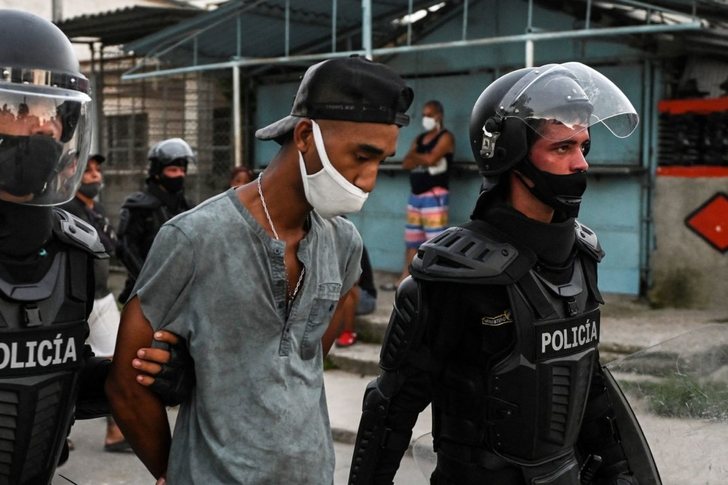
The Cuban government has announced the release of 2,010 pr...
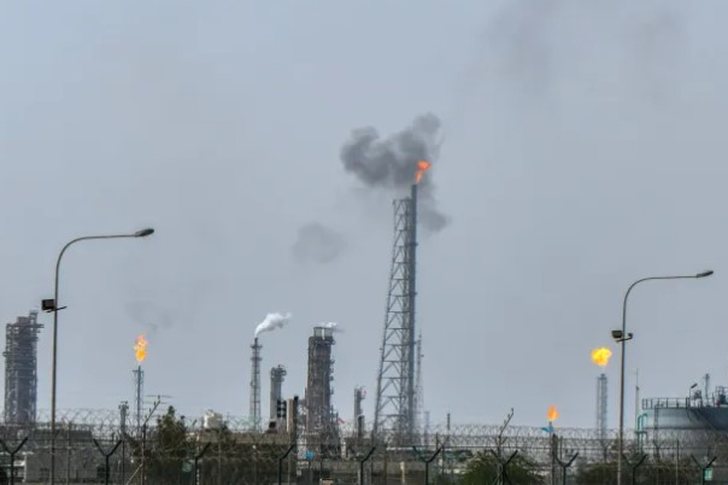
The state-owned oil company Kuwait Petroleum Corporation h...
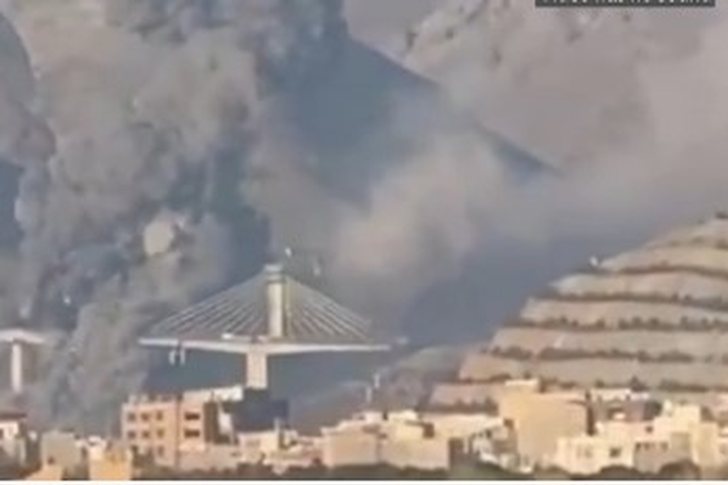
Iranian Foreign Minister Abbas Araghchi said on his X acco...
US President Donald Trump has warned of a possible escalat...
US President Donald Trump, in a reaction to Truth Social, ...
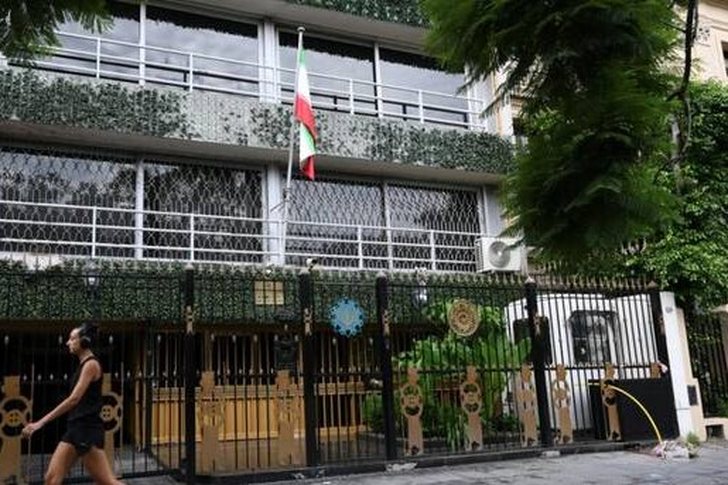
Argentina has ordered the Iranian embassy's chargé d'affai...
President Donald Trump has fired Pam Bondi as attorney gen...
The UK has launched an international diplomatic initiative...
The co-chairs of the NATO Watch Group in the US Senate hav...
Oil prices rose sharply and stocks fell after Donald Trump...
Two people have been killed after a gun attack on a bridge...
Kosovo lawmakers ratified a series of international agreem...
A powerful 7.4-magnitude earthquake struck the Molucca Sea...
The ruling party, Vetevendosje Movement (LVV), has called ...

Oil prices rose and stocks fell today, following statement...
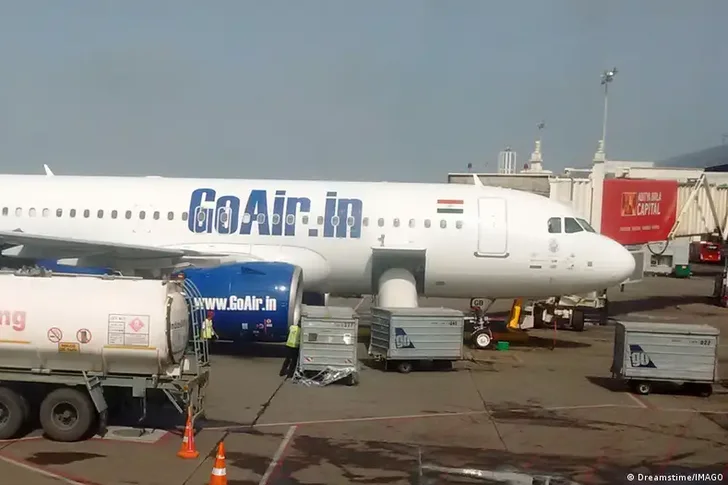
The rise in fuel prices as a result of the Iran war is sta...
US President Donald Trump, in a statement regarding the mi...
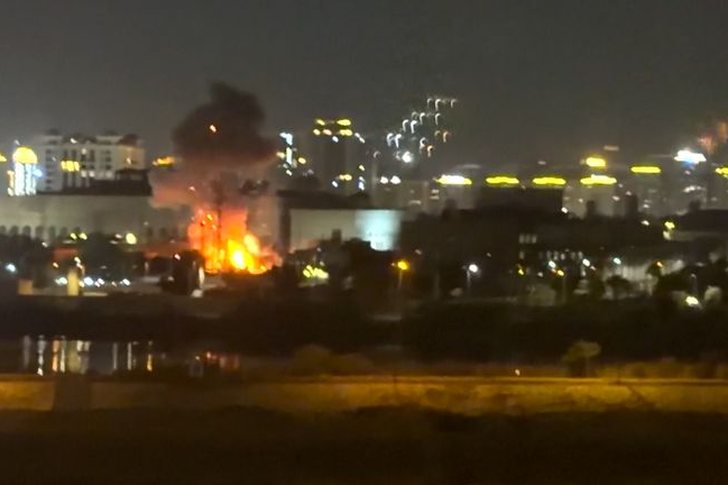
The US embassy in Iraq has warned that Iran-linked militan...
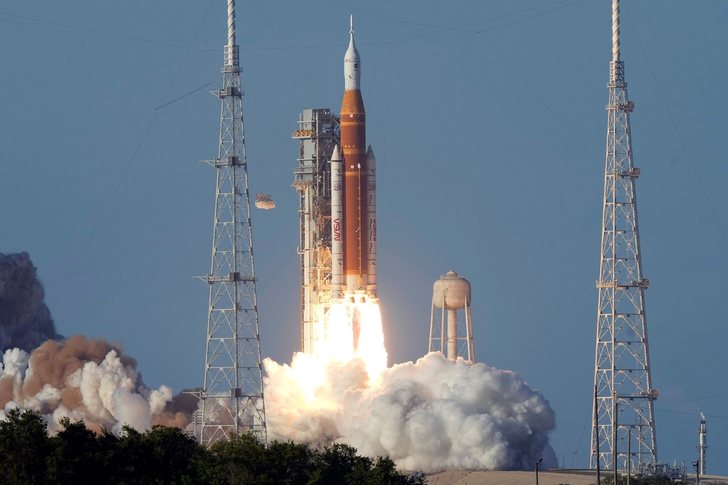
NASA's historic Artemis II mission, the first to travel to...

CNA has launched another investigation that could lead to ...

Irfan Hysenbelliu is a businessman that we call "Irfan the...

In March 2026, CNA launched another investigation centered...
The arrested mayor of Tirana, Erion Veliaj, with 13 charge...

The Special Board of Appeal (KPA) decided this Monday ...

The KPA vetting decided this Thursday to dismiss the p...

Suela Salavaçi, a prosecutor in the Prosecutor's Offic...

The Special Board of Appeal reinstated the prosecutor ...

A road accident occurred this evening on Nikolla Zoraqi St...

Three people were shot and wounded in Elbasan last night b...

A serious incident occurred this Tuesday in the Yrshek are...

An accident occurred this Tuesday on "Dituria" street in K...

All of Southern Europe will face changing weather conditio...

Albania was hit by temperatures significantly higher than ...

For the first time, Pogradec welcomed the Inter-Lake Chess...
Albania has achieved a record for the employment of foreig...
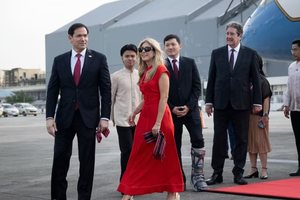
US Secretary of State Marco Rubio arrived in Manila on Jul...
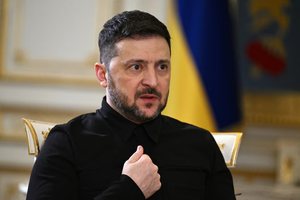
In the space of a few days, Ukrainian President Volodymyr ...
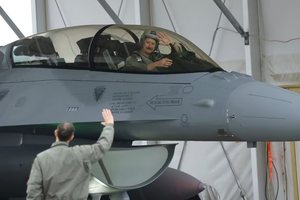
The spokesman for the Iranian Foreign Ministry warned Bulg...

Autoritetet italiane sekuestruan pako me afër 800 kilogram...

At a time when industrial products are increasingly taking...

Trust among people is not just a three-syllable word. It c...

Master of humor Todi Llupi has passed away at the age of 7...

The ninth edition of "MIK Festival" kicked off with one of...

Construction company licenses will have a validity period ...
The Centralized Purchasing Operator recently opened a tend...
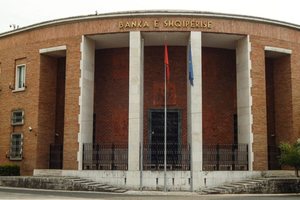
The new draft law "On the Bank of Albania" provides that t...
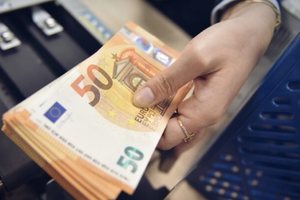
This Tuesday, one US dollar is bought for 81.2 lek and sol...