


Armë, kokainë dhe cannabis në zonat bregdetare/ Arrestohen dy persona
Policia e Vlorës ka finalizuar operacionin e koduar “Sigur...

Policia e Vlorës ka finalizuar operacionin e koduar “Sigur...

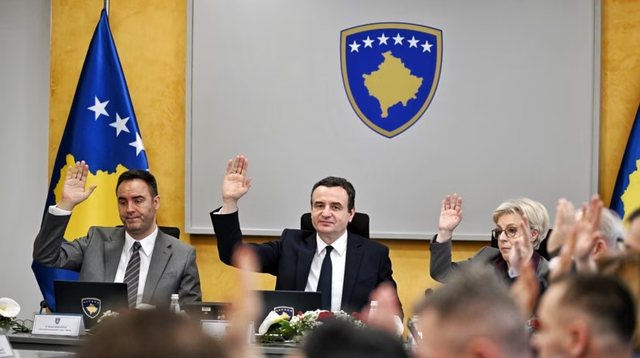
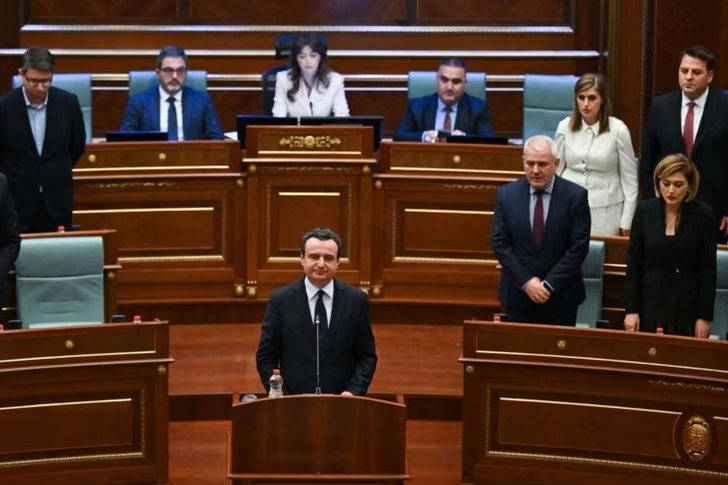
Prime Minister Albin Kurti's cabinet passed draft laws on price ceilings and mandatory health insurance on Friday, which must be sent to the Kosovo Assembly for approval before becoming laws.
This is Kurti's new attempt to strengthen these two laws, after the Constitutional Court struck down both of them during his previous four-year mandate.
The draft law on ceiling prices, known as the draft law on temporary measures for basic products in special cases of market destabilization, also comes at a time when the sharp increase in fuel prices in the country has fueled fears of a chain reaction of price increases, especially for basic goods.
In just a few weeks, the price of a liter of diesel at gas stations in Kosovo has reached 1.79 euros, compared to 1.33 euros on March 3, three days after the US and Israel launched attacks against Iran.
Speaking at his cabinet meeting on this draft law, Kurti said: "We are bringing this draft law for approval, which comes as a necessary response to a reality and experience that our citizens have experienced: unexpected price increases, market uncertainty and a lack of protection mechanisms."
The draft law establishes a necessary balance between the free functioning of the market and the state's responsibility to protect the public interest in extraordinary situations, according to Kurti.
The law on price ceilings was declared invalid by the Constitutional Court in 2023, when the court stated that it was not in accordance with the country's Constitution.
The Minister of Industry, Entrepreneurship, Trade and Innovation, Mimoza Kusari - Lila, said during the presentation of the draft law that she took into account the recommendations of the Constitutional Court in its drafting.
She said that the new draft law defines two types of temporary measures: setting the trade margin for wholesale and retail sales, as well as setting the maximum allowed price for basic products.
The previous law, now declared invalid, considered essential products: cereals, bread, flour, rice, pastries, sunflower oil, milk, table salt, chicken eggs, chicken meat, granulated sugar, personal hygiene products, and firewood.
Health Insurance Law
The Law on Mandatory Health Care Insurance was struck down by the Constitutional Court in January, after it found that the law had been passed unconstitutionally.
The court said in its January ruling that the Assembly approved it on December 5, 2024, committing procedural violations during the lawmaking process.
Presenting the new draft law on Friday, Health Minister Arben Vitia said that this is "one of the most important initiatives for the future of healthcare in our country."
He said that through this law, a mandatory health insurance fund for Kosovo will be established.
The draft law includes the entire population of the country, aims to provide universal access to basic health services, as well as increase the quality of services, he emphasized.
It also foresees the regulation of health insurance contributions as a source of healthcare financing, which will be additional to the current financing from the state budget.
This is a 10-year effort to bring mandatory health insurance to the country.
The lack of mandatory health insurance is believed to have harmed all citizens of Kosovo, especially the poorer sections of society and vulnerable groups, such as pensioners and social cases.
Services in public health institutions in Kosovo are provided free of charge only for certain categories, such as children, pensioners or social cases, while for others a co-payment for healthcare applies.
Its amount varies - from 1 to hundreds of euros - depending on the service the patient receives.
For those treatments that are not provided by public institutions, the Health Insurance Fund, which is managed by the Ministry of Health, is responsible for covering the costs. But bureaucratic procedures until patients receive the necessary funds take weeks, and sometimes even months.
Therefore, many citizens are forced to cover the costs themselves - whether in private hospitals or abroad. Only those who receive health insurance from private companies have it. /REL

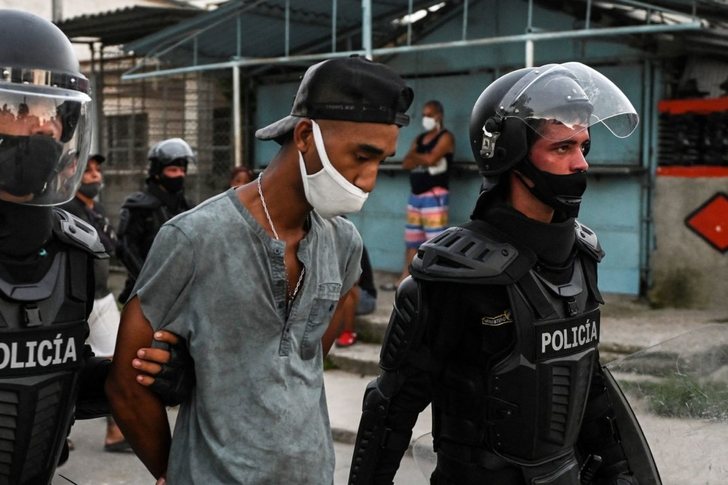
The Cuban government has announced the release of 2,010 pr...
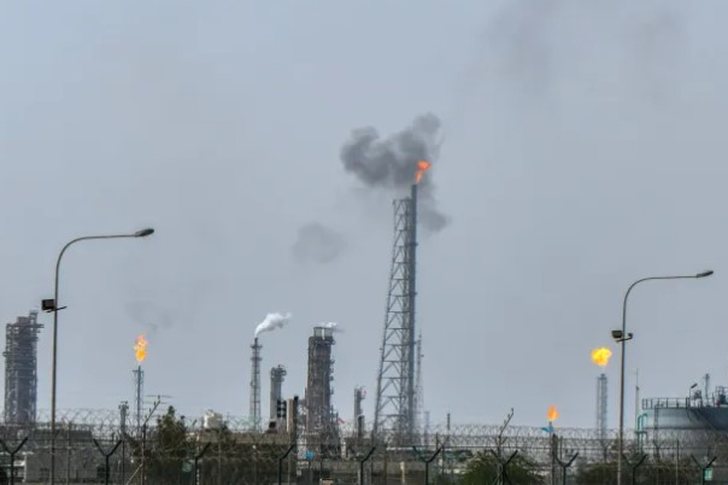
The state-owned oil company Kuwait Petroleum Corporation h...
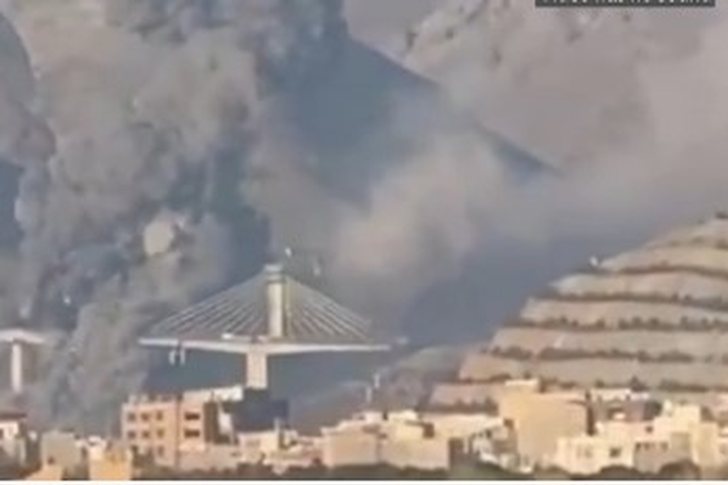
Iranian Foreign Minister Abbas Araghchi said on his X acco...
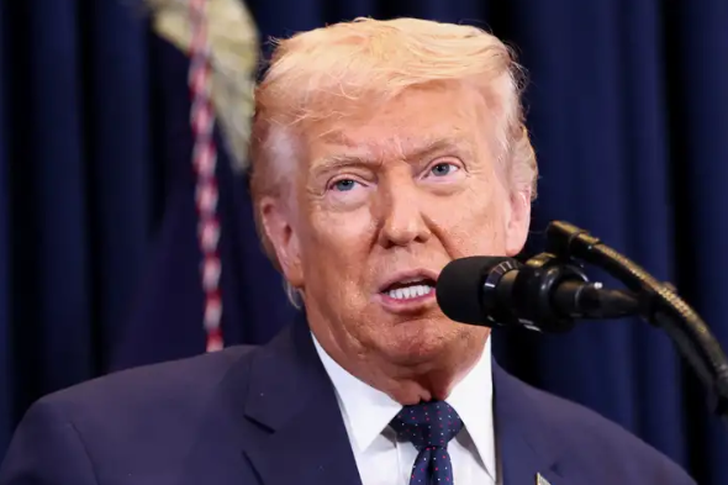
US President Donald Trump has warned of a possible escalat...

US President Donald Trump, in a reaction to Truth Social, ...
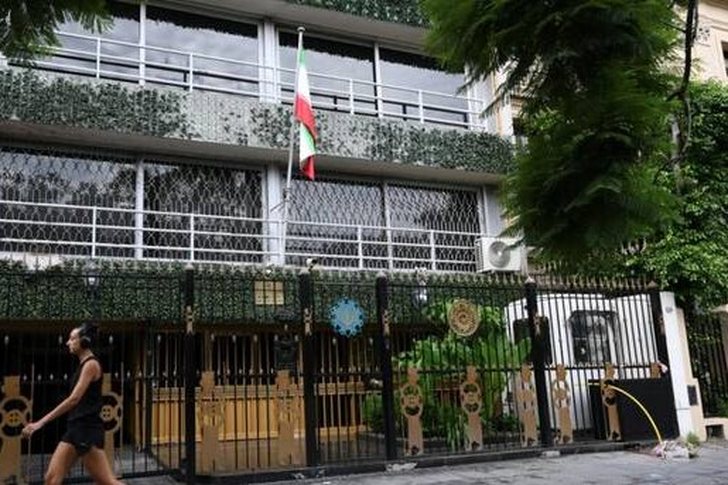
Argentina has ordered the Iranian embassy's chargé d'affai...
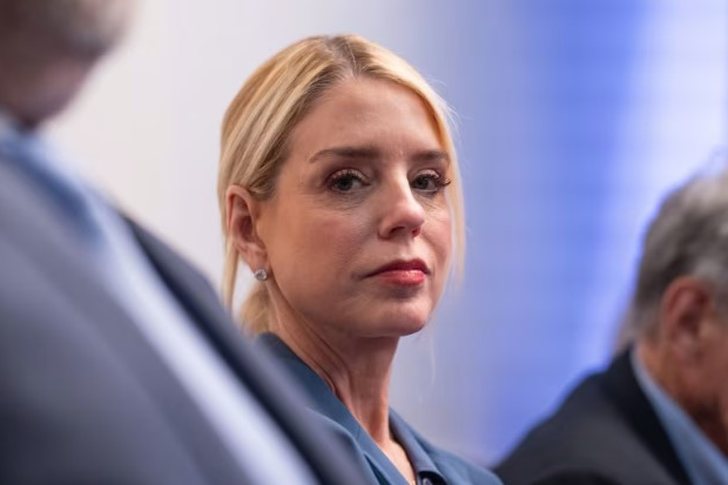
President Donald Trump has fired Pam Bondi as attorney gen...
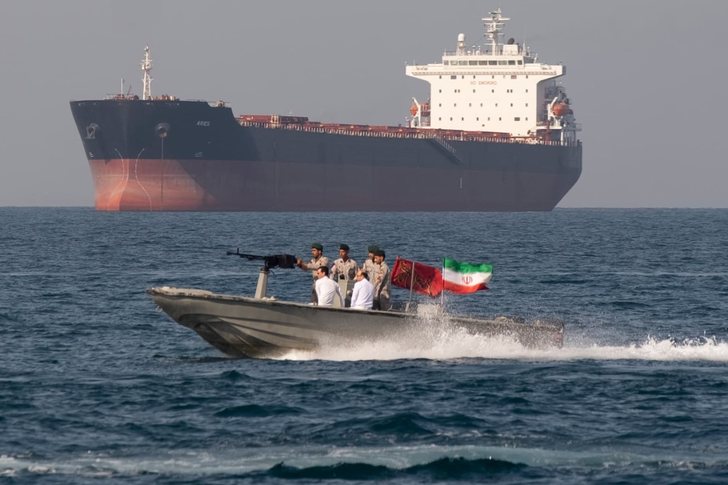
The UK has launched an international diplomatic initiative...
The co-chairs of the NATO Watch Group in the US Senate hav...
Oil prices rose sharply and stocks fell after Donald Trump...
Two people have been killed after a gun attack on a bridge...
Kosovo lawmakers ratified a series of international agreem...
A powerful 7.4-magnitude earthquake struck the Molucca Sea...
The ruling party, Vetevendosje Movement (LVV), has called ...
Oil prices rose and stocks fell today, following statement...
The rise in fuel prices as a result of the Iran war is sta...
US President Donald Trump, in a statement regarding the mi...
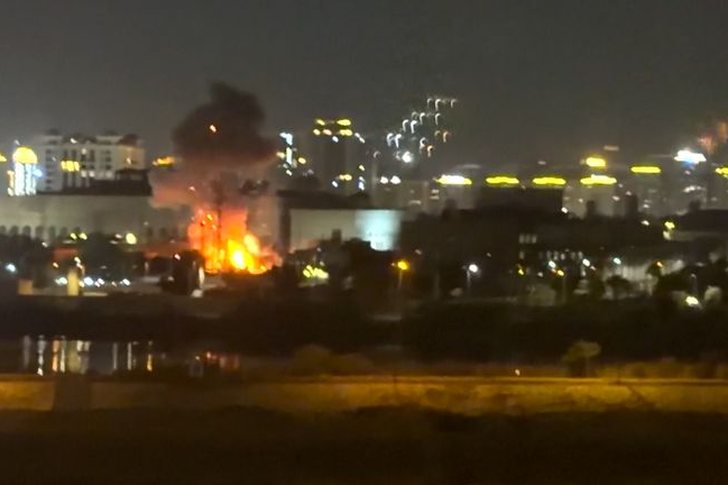
The US embassy in Iraq has warned that Iran-linked militan...
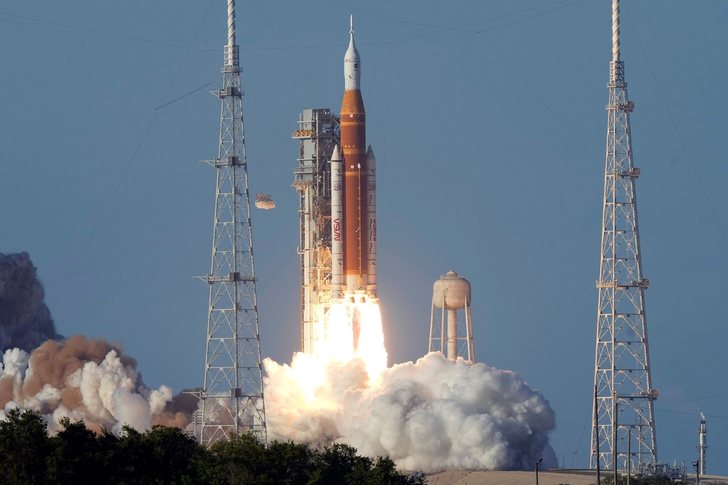
NASA's historic Artemis II mission, the first to travel to...
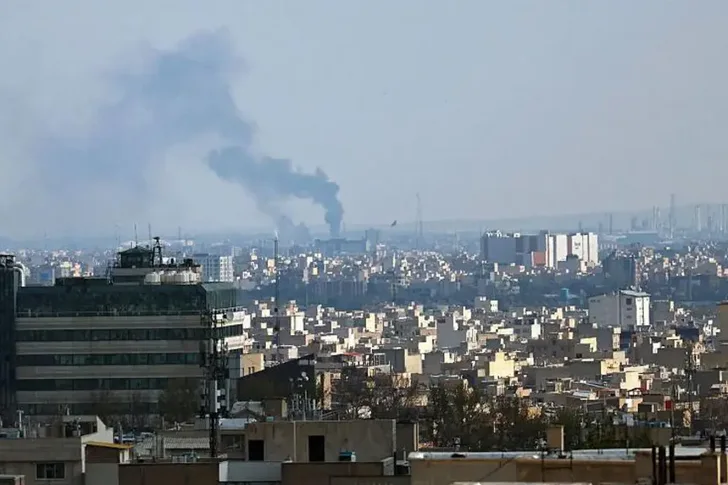
Iranian media are reporting that Kamal Kharrazi, a senior ...
There have been 12 days of protests in the capital, which ...
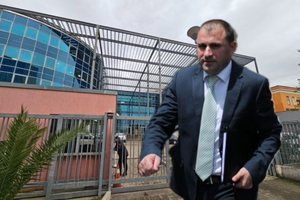
Dritan Prençi is the SPAK prosecutor who is sleeping on th...
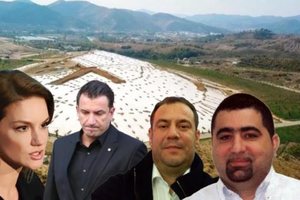
The in-depth investigations that SPAK conducted into Ajola...
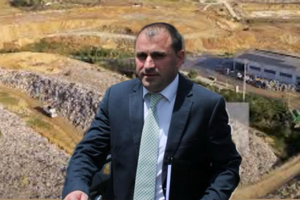
SPAK's standards, the way it investigates, how it secures ...

The Special Board of Appeal (KPA) decided this Monday ...

The KPA vetting decided this Thursday to dismiss the p...

Suela Salavaçi, a prosecutor in the Prosecutor's Offic...

The Special Board of Appeal reinstated the prosecutor ...
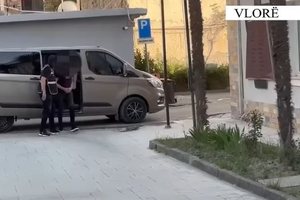
Policia e Vlorës ka finalizuar operacionin e koduar “Sigur...

New details have emerged regarding the serious accident th...
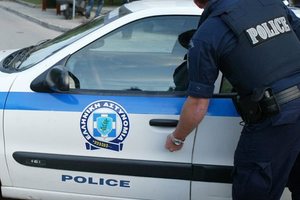
An Albanian businessman was arrested this afternoon in Gre...
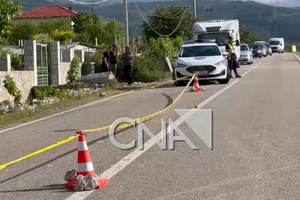
A serious accident has occurred on the Korça-Ersekë axis, ...

Today our country will be affected by stable weather condi...
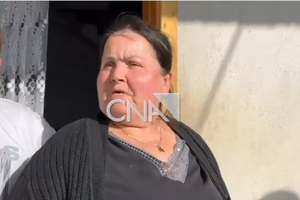
A tragic accident occurred this Friday afternoon in Kameni...

Today our country will be affected by unstable weather con...
On Thursday, our country will be affected by relatively un...
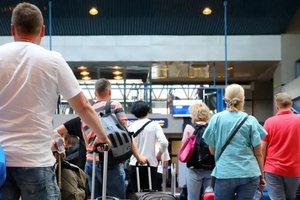
Good news for those who fly: After years of negotiations, ...
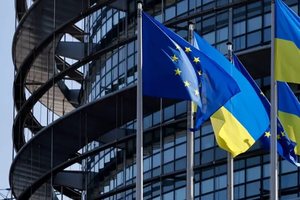
It took more than two years, but now the EU can begin acce...

US President Donald Trump announced that the US military h...
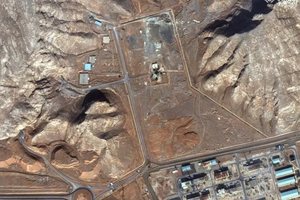
Iran has taken new measures to strengthen the protection o...
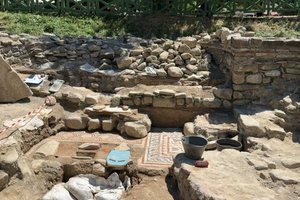
Several archaeological excavations conducted during this s...

At the Museum of Fine Arts in Chambéry, France, an exhibit...

Korça has transformed this weekend into the capital of cel...

Korça is ready to open the summer season with one of the c...
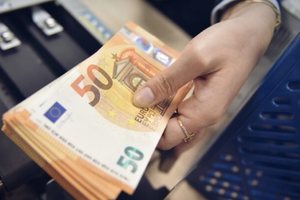
This Saturday, one US dollar is bought for 81.5 lek and so...
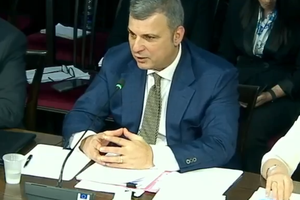
The Governor of the Bank of Albania, Gent Sejko, shared to...

Business lending has increased in the first half of this y...

The labor market has shown worrying trends in early 2026. ...