

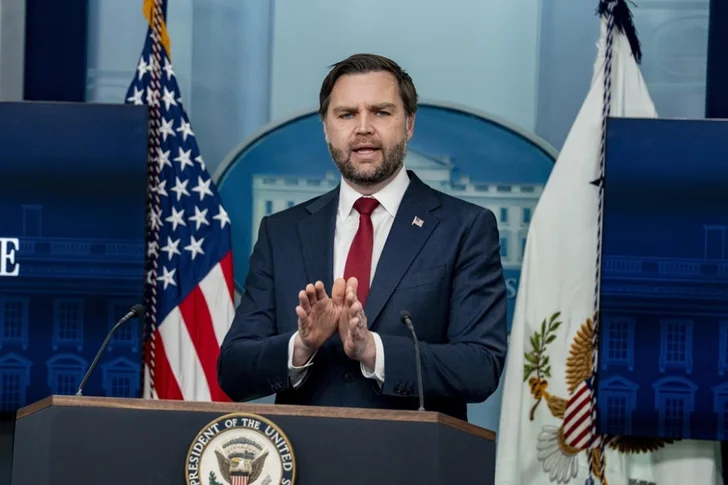
After talks in Switzerland/ Vance: Iran will allow resumption of international nuclear inspections
US Vice President JD Vance said today that high-level talk...



At a time when Kosovo citizens face rising prices and economic uncertainty, over 150 thousand euros are coming out of the state budget for a scheme that pays former MPs, even after they are no longer part of the Assembly.
This is about the so-called "transitional salary" - a benefit that guarantees former MPs a monthly salary for a period of up to 12 months after the end of their mandate, even if they have not been re-elected and no longer exercise any parliamentary function.
From the last legislature alone - which was constituted on February 11 and dissolved on April 28 - a former MP can cost the state budget around 23 thousand euros per year, without working at all in the Assembly.
Currently, the legislative institution is not functional - it is awaiting constitution based on the results of the early parliamentary elections of June 7, which have not yet been certified.
Out of the total number of 120 MPs, in May, 80 of them applied for a transitional salary worth 1,914 euros, according to data provided by the Assembly of Kosovo.
This translates to about 153 thousand euros per month from the state budget, or approximately two million euros per year.
The transitional salary is guaranteed by law, regardless of the length of the MP's mandate or the fact that some no longer exercise that function.
According to the Law on the Rights and Responsibilities of Members of Parliament, former members of parliament are entitled to receive this compensation until they begin to receive income from another source or a pension, or a maximum of 12 months.
Organizations that monitor the work of the Assembly say that the last legislature - the tenth in a row - has been ineffective.
According to the Kosovo Law Institute (KLI), during the February-April period, the Assembly held 24 sessions, with extraordinary majority, rapid decision-making and no substantial debate.
Legal researcher at IKL, Melos Kolshi, says that, although transitional pay is legal, it creates a clear gap between the law and public ethics.
According to him, the problem lies in the almost automatic application of this right, in a reality where citizens face unemployment, rising costs of living, and low wages.
He emphasizes that the responsibility is not only legal, but also moral, underlining that each former MP must assess for himself whether he really needs this compensation.
"If a former MP has the opportunity to immediately return to his profession or has other sources of income, then receiving a transitional salary just because the law allows it is difficult to justify from an ethical point of view," Kolshi tells Radio Free Europe.
From an economic perspective, the scheme is seen as even more critical.
The former governor of the Central Bank of Kosovo, Fehmi Mehmeti, considers this payment unreasonable in the country's current economic conditions.
According to him, although its purpose is to facilitate the transition of former MPs, the cost of around two million euros per year is difficult to justify in an economy with inflation and unemployment.
"Two million euros could be directed towards education, health, support for youth, student scholarships or employment programs," Mehmeti tells Radio Free Europe.
According to the International Monetary Fund, economic activity in Kosovo has slowed, while inflation has increased over the last year.
Data from the Kosovo Agency of Statistics show that inflation in May reached 6.8 percent, driven mainly by the increase in food prices.
The economy grew by 5.4 percent in the first quarter of this year, but, according to experts, single-digit growth is not enough to significantly improve the well-being of citizens.
Unemployment remains at 10.9 percent, while the average monthly salary is 713 euros.
Mehmeti and Kolshi agree that the legal basis should be reviewed, without removing this right.
According to Kolshi, the problem is not the existence of the transitional wage, but the way it is designed.
He proposes that the 12-month period be reviewed, especially when parliamentary mandates can in practice last much less.
A more flexible model, according to him, could be fairer and more proportional to the real duration of the mandate.
“A fixed period of 12 months may not always be justified, so a shorter term or a gradual model that reduces compensation over time, depending on how long the legislature has lasted, could be considered,” says Kolshi.
Mehmeti suggests limiting the transitional salary to 3 to 6 months, or linking it more closely to the length of parliamentary service.
"This would increase accountability and transparency in the use of taxpayers' money... because, in recent years, election cycles have become more frequent, and consequently, payments," he emphasizes.
A political system with frequent election cycles
Over the past year and a half alone, Kosovo has held three parliamentary elections - an indicator of political instability that also directly impacts the state's financial burden.
Following the June 7 elections, the Central Election Commission is expected to announce the final results by the end of the month, after which the new Parliament is expected to be constituted.
According to preliminary results, the Vetëvendosje Movement has won 53 seats, the Democratic Party of Kosovo 22, the Democratic League of Kosovo 18 and the Alliance for the Future of Kosovo 7.
Twenty seats are guaranteed for minority communities - ten for Serbs, ten for others.
From the last legislature, 36 MPs have remained outside the Assembly, but the final number of beneficiaries of the transitional salary will be known only after the formation of the Government, as some MPs are expected to be appointed ministers and vacate their mandates. /REL

US Vice President JD Vance said today that high-level talk...

Thirteen people drowned over the weekend in France, swimmi...
European Commission President Ursula von der Leyen has rea...

Andy Burnham has reacted to Keir Starmer's resignation and...

Two sisters originally from the village of Topanicë in Kam...
British Prime Minister Keir Starmer has announced that the...
Keir Starmer resigns as Prime Minister and leader of the L...
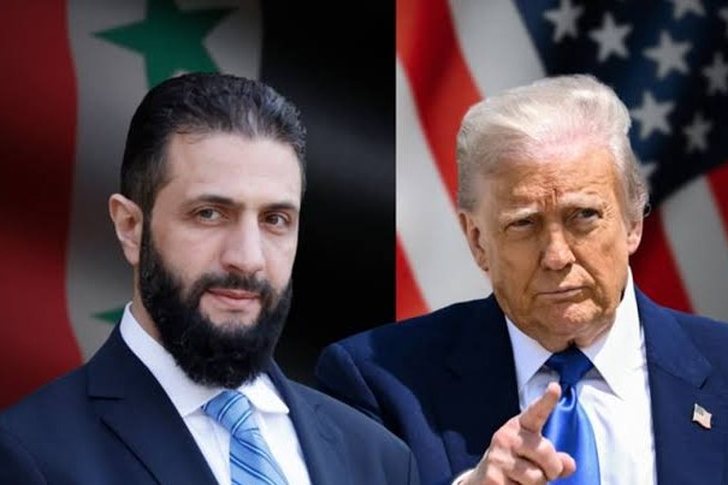
Syrian President Ahmed al-Sharaa has ruled out the possibi...
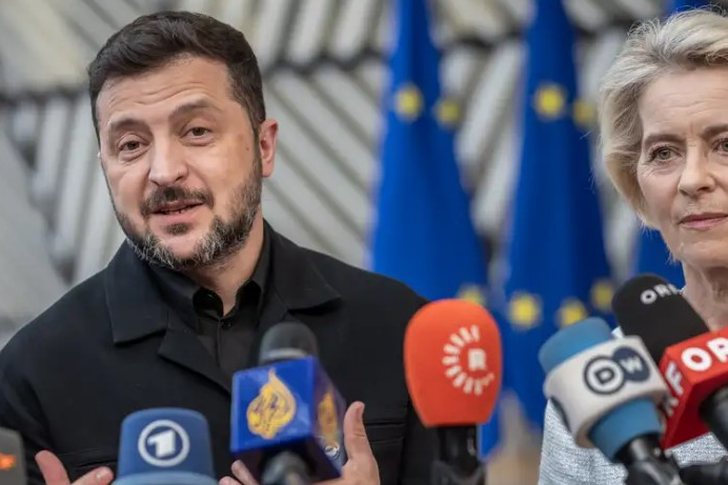
Official Berlin seems unhappy with the president of the EU...
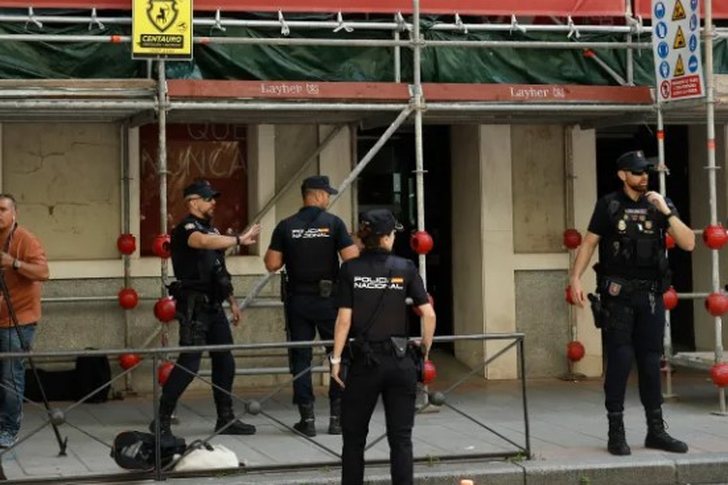
Political pressure on Spanish Prime Minister Pedro Sánchez...
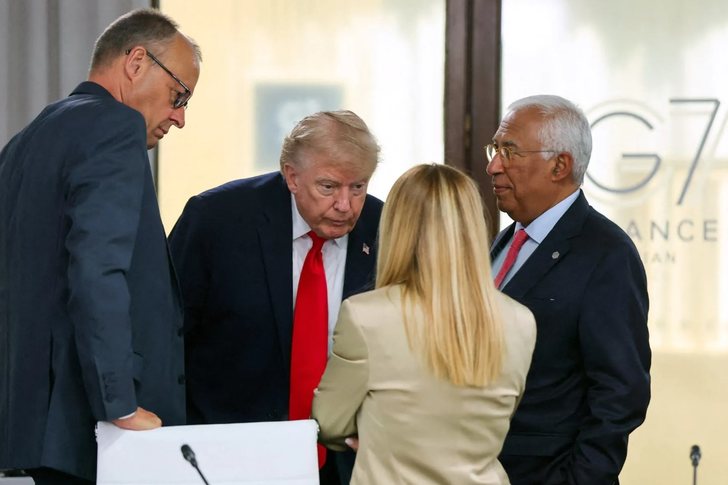
US President Donald Trump, in an exclusive interview with ...
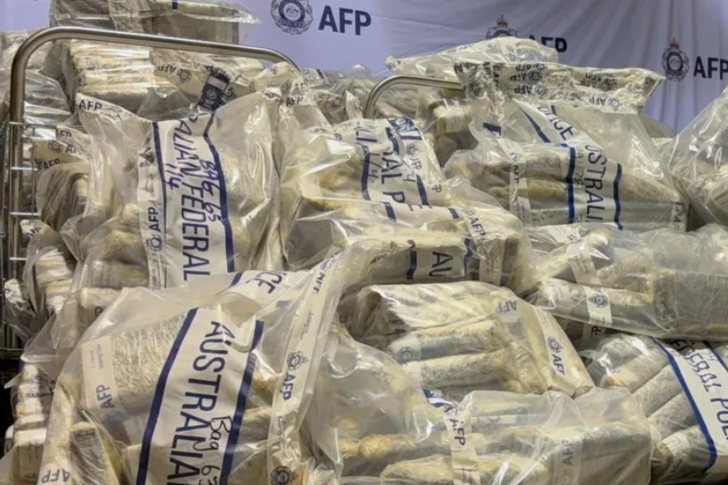
Australian police have made the largest cocaine seizure in...
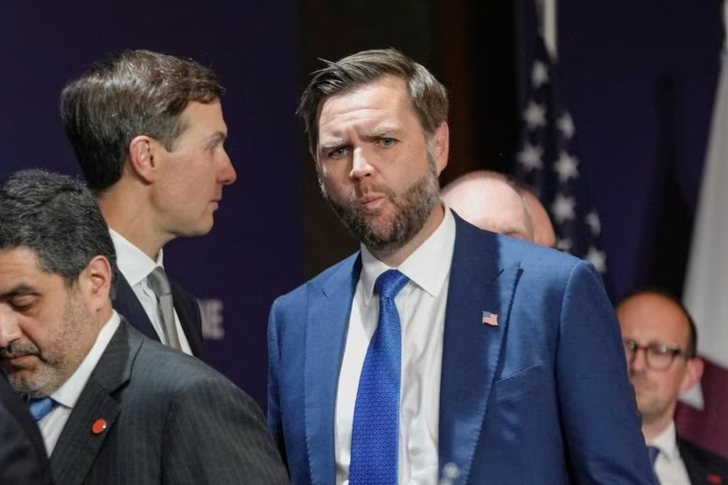
Mediators from Pakistan and Qatar declared on June 22 that...

A cargo ship in the Black Sea has caught fire after a Russ...
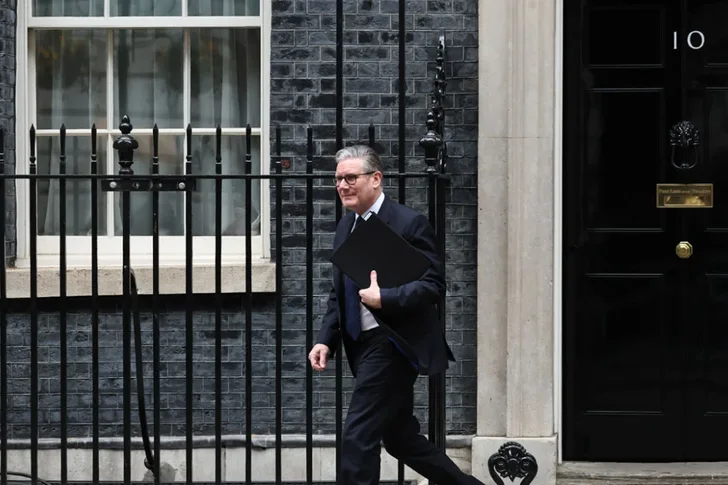
British Prime Minister Keir Starmer is considering the pos...
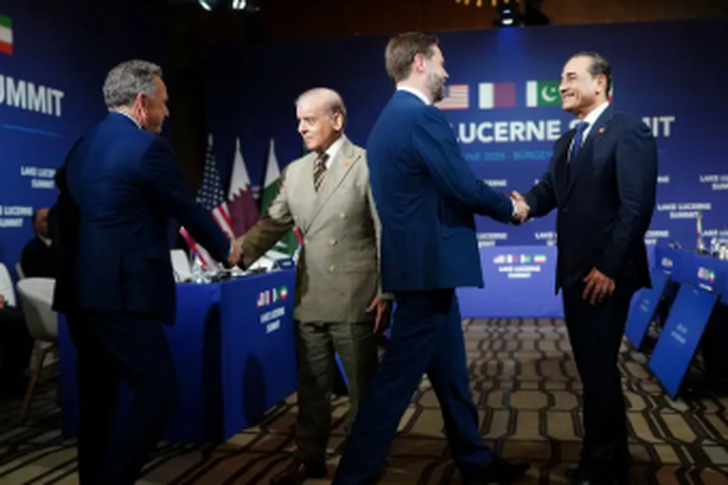
A member of Iran's negotiating team with the US told state...

US President Donald Trump publicly unveiled the Boeing 747...
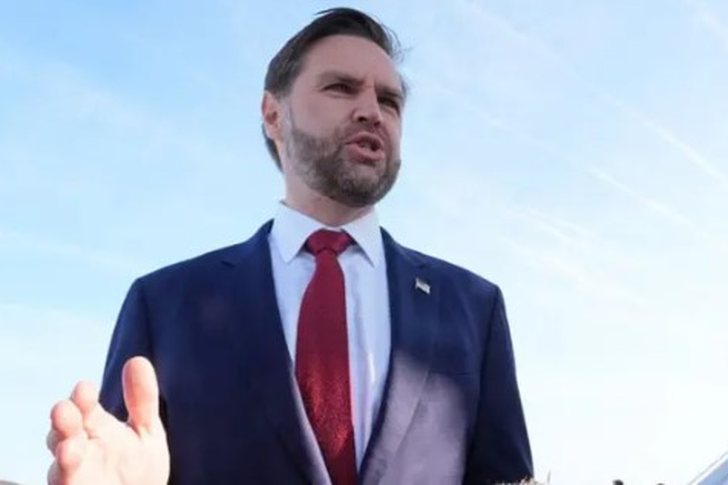
US Vice President JD Vance said today that US President Do...
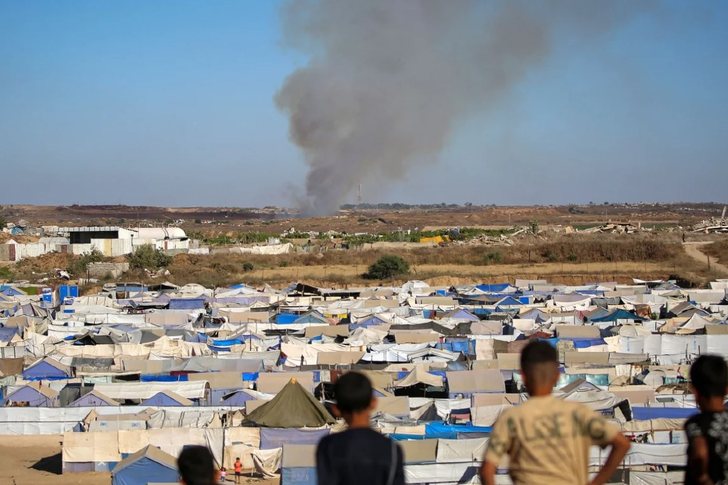
A series of Israeli airstrikes in the Gaza Strip have left...

A new poll by the European Council on Foreign Relations (E...
A mountain of documents for a flagrant case, in the na...
The Democratic Party has denounced a tender held by the Hi...
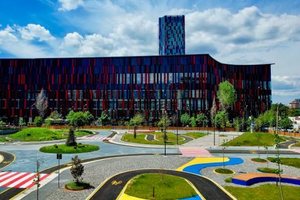
Since the summer of 2020, the Mayor of Tirana, Erion Velia...
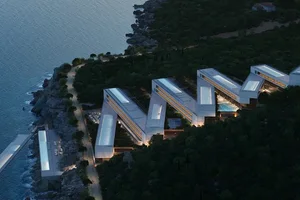
The leader of the Democratic Party, Sali Berisha, denounce...

The Special Board of Appeal (KPA) decided this Monday ...

The KPA vetting decided this Thursday to dismiss the p...

Suela Salavaçi, a prosecutor in the Prosecutor's Offic...

The Special Board of Appeal reinstated the prosecutor ...
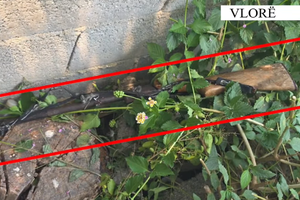
A 35-year-old man was arrested and taken to the police sta...
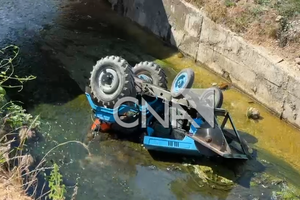
An accident occurred this Monday in the village of Çërrava...

Zbardhen detaje të reja nga ngjarja e shënuar sot në mesdi...

A wanted person was involved in a road accident on Monday ...

Albania is facing significant challenges in human capital ...
On Monday, our country will be affected by relatively stab...
Some of Europe's meteorological agencies are predicting a ...
Today, the country will be engulfed by a heat wave, with t...

Dy fëmijë të moshës 2 dhe 4 vjeçare u gjetën të pajetë pas...

At a time when Kosovo citizens face rising prices and econ...
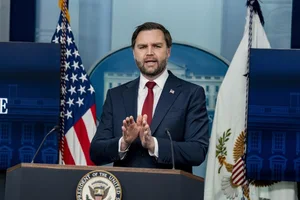
US Vice President JD Vance said today that high-level talk...

Thirteen people drowned over the weekend in France, swimmi...
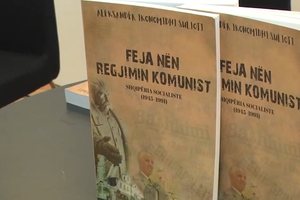
The promotion of the book by author Aleksandër Ikonomidhi ...
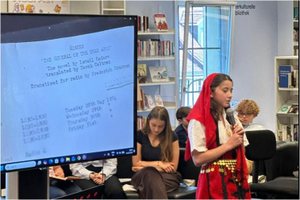
The Albanian Embassy in Switzerland has organized an eveni...

This Wednesday, the prominent actor of Albanian cinema, Gj...
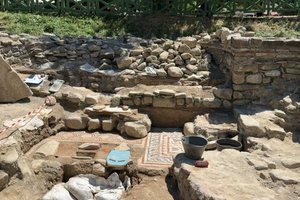
Several archaeological excavations conducted during this s...

Çmimi i karburanteve për transportin e mjeteve personale n...
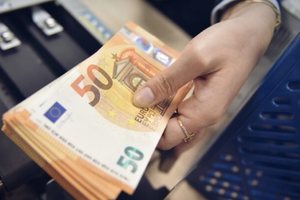
This Monday, one US dollar is bought for 81.4 lek and sold...

For almost a decade, the construction sector in our countr...

This Sunday, one US dollar is bought for 81.4 lek and sold...