

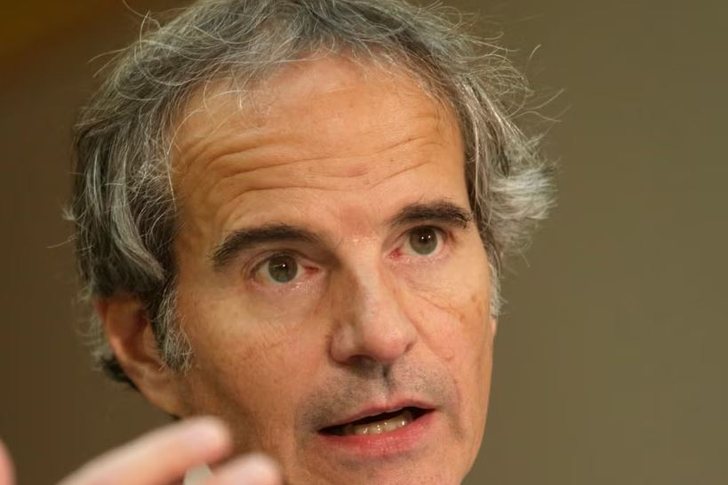
Senior UN official visits Kursk nuclear power plant
The head of the United Nations Atomic Energy Agency, Rafae...


Edward P. Joseph, a lecturer at Johns Hopkins University in the USA, speaks in an interview for Radio Free Europe about the impact that the outcome of the elections in the United States may have on the Western Balkans.
Joseph says that the possible return of Donald Trump to the presidency could lead to drastic changes in US foreign policy. In that case, he does not rule out the possibility of an agreement with Russia on Ukraine, which, he says, would directly affect the Balkans.
Regarding the possible victory of Kamala Harris, he is not sure what it would bring, but, according to him, it would be important for Harris to address the "Balkan paradox".
"After the Russian invasion of Ukraine in February 2022, the West is stronger and more united and Russia is weaker and more isolated, while the situation in the Balkans has worsened. This is the Balkan paradox", says Joseph.
He also talks about the visit of the head of the CIA, William Burns, last week to several countries in the Balkans.
Radio Free Europe: The election campaign in the USA is taking off, while the race between the two candidates is very close. There is a lot of uncertainty - the polls sometimes put Harris in the lead, sometimes Trump. How is this uncertainty felt in the Western Balkans region?
Edward P. Joseph: The fact that the race is close does not affect the Balkans, but the prospect of Donald Trump's return to the presidency does. Whoever the other Republican candidate was - whether the past ones like Mitt Romney or George Bush, or the later ones like Marco Rubio or Nikki Haley - you wouldn't ask me if this election would affect the Balkans. It would be of interest to the Balkans, but it would not affect the Balkans.
What affects the region is the prospect of the return of Donald Trump and the fundamentally different approach to foreign policy and America's role in the world. This would undoubtedly affect the Balkans and the rest of the world. Because [in that case] there is the prospect of a completely different alliance—an alliance with an autocrat—that would call into question the continuation of the same approach to [Russian President Vladimir] Putin and to Ukraine. It would be the same with the Balkans: commitment to some principles in the Balkans would be continued or left aside.
Radio Free Europe: Specifically, how would the possible return of Trump affect the Balkans?
Edward P. Joseph: One of the main issues affecting the Balkans is Ukraine, the war in Ukraine. He [Trump] may try to reach an agreement with Russia on Ukraine and push Ukraine towards a territorial settlement. If he does this, showing some kind of friendly relationship with Putin, it immediately affects the Balkans. Because an alliance with an autocrat like Putin means a softer approach to [Serbian President Aleksandar] Vucic. In my opinion, even the Biden administration has been too soft on him.
It should be noted that Harris, when he accepted the nomination of the Democratic Party in Chicago, said that he would not make friends with autocrats.
Radio Free Europe: In foreign policy, the Americans have big issues on the agenda - you mention the war in Ukraine, then there is the war in Gaza. In all this whirlwind of events, they have also turned their attention to the Balkans - which we can say is evidenced by the visit of the head of the CIA, last week...
Edward P. Joseph: What we can draw from this visit is the ongoing concern of the Biden administration for the Balkans. It should be remembered that at the beginning of this administration, there were officials who publicly said in congressional hearings that there is no reason to worry about conflicts in the Balkans. Now, in August of 2024, you have the director of the CIA, who is involved in extremely complex [Gaza] ceasefire negotiations that go to at least three Balkan capitals.
The reason he left has nothing to do with maintaining interest in the region, but concerns and worries about it. And that's different from what we heard at the beginning of the Biden administration.
Radio Free Europe: Is the US trying to finish anything in the Balkans before the elections?
Edward P. Joseph: I don't see it that way. It would be nice if there was, and if there was some initiative, but I don't see Burns' visit in this context. It was a deterrence visit, to warn actors like [Republika Srpska president Milorad] Dodik and others who might take destabilizing steps. And, Burns is a very good messenger.
Sending him was a good move, but I don't see it as part of any rescue mission, or any solution.
If there are secret initiatives, that would be great, but I don't see them as the purpose of his visit. To me, it was a stern warning to those who would make things worse, not to make things better or close open issues.
Radio Free Europe: What do you think Burns might have discussed in Kosovo? Edward P. Joseph: Look at the picture that was released. You saw Burns sitting next to Prime Minister [of Kosovo, Albin] Kurti. To Burns' right was the [United States' ambassador to Kosovo, Jeffrey] Hovenier, taking notes.
I think that what Burns told Kurt, is the message that Ambassador Hovenier also gave not to take unilateral actions and not to destabilize the region.
As director of the CIA, Burns may also have sought to increase awareness of Russia's activities and interest in the region.
On the other hand, Kurti may have pressured Burns about the US position towards Vu?i? and about the case of the attack in Banjska. Because Burns is the ideal person to ask about Banjska, what Vucic knew and what his role was. This might have been an ideal moment to raise the issue. I don't know if Kurt did it, but the head of the CIA is the ideal person.
I believe that even in Belgrade, Burns had an open meeting with Vu?i?, where he let him know in clear terms that we know what happened in Banjska, we know what your role was, President Vu?i?, and we know the activities of other figures in your Government. So we know what your Government has done to destabilize the situation and we expect you to stop those actions.
I hope Burns said that in Belgrade, but, of course, those are confidential meetings and I don't know.
Radio Free Europe: Do you think this visit will change anything in Kosovo-Serbia relations?
Edward P. Joseph: Maybe not drastically right away, but there is potential. Because if Kurti and Vucic clearly understand that the United States knows - and normally knows because Burns is the head of intelligence - what actions destabilize the situation and that the US will not tolerate them, then one thing this can take some temptations off the table and perhaps refocus attention on cooperation. I think so potentially, but I don't see anything immediate or dramatic.
Radio Free Europe: In Bosnia, one entity is led by people who are on the US blacklist, but there are also such people in the Government of Serbia. Can something be achieved with these people?
Edward P. Joseph: I hope so. We have indications that Burns' visit had some effects, because Dodik later stated that the goal of the Republika Srpska was never to separate from the rest of Bosnia and Herzegovina. This suggests to me that Burns' message in Banja Lluka had an impact.
In Belgrade, I am not sure that the message was received, because the Biden administration has a conflicting approach to Belgrade, unlike Banja Llukë. Certain American officials constantly praise the Government of Serbia for what it is doing, for example, in Ukraine. Radio Free Europe: You spoke earlier about the impact of Trump's possible victory in the Balkans. I want to ask you about Harris' possible victory. How would it affect the Balkans and the problem between Kosovo and Serbia specifically?
Edward P. Joseph: I don't know the answer to that question, and I don't know if it will be a continuation of the Biden approach, which in some respects has been a continuation of the Trump approach. Trump has pushed forward the mini-Schengen, Biden has pushed forward the Open Balkans.
The situation in the Balkans has worsened, and whether Harris will take into account the difficulties that Biden has faced in the Balkans since the beginning of the war in Ukraine and try something different, I don't know.
Radio Free Europe: Do you think the US should engage more in the Balkans?
Edward P. Joseph: If you ask me what Harris should do...she should take a hard look at the difficulties that the Biden administration has had and deal with - as I've called it in my writing - the Balkan paradox . It must face the Balkan paradox.
What is the Balkan paradox? After the Russian invasion of Ukraine in February 2022, the West is stronger and more united and Russia is weaker and more isolated, while the situation in the Balkans has worsened. This is the Balkan paradox. Why has the situation in the Balkans worsened when the West is stronger and more united and Russia is weaker and more isolated? Why are the relations between Kosovo and Serbia even worse? Why has the internal situation in Serbia worsened? Why have the relations between Serbia and Montenegro deteriorated? Why have the relations between Serbia and Croatia deteriorated?... Kamala Harris and her advisers would have to face the Balkan paradox. And, unlike senior Biden administration officials, they should stop pretending he doesn't exist./ Rel

The head of the United Nations Atomic Energy Agency, Rafae...

Europol has supported the Spanish and Colombian police in ...
Special prosecutor Jack Smith asked a federal appeals ...

When protests erupted in Belarus in 2020 following rigged ...
The 21-year-old from Sri Lanka did not expect to be se...
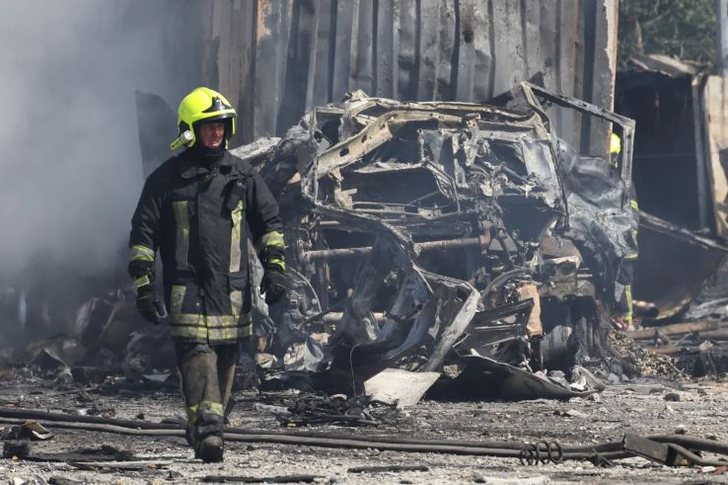
Russia has targeted Ukraine with another wave of attacks. ...
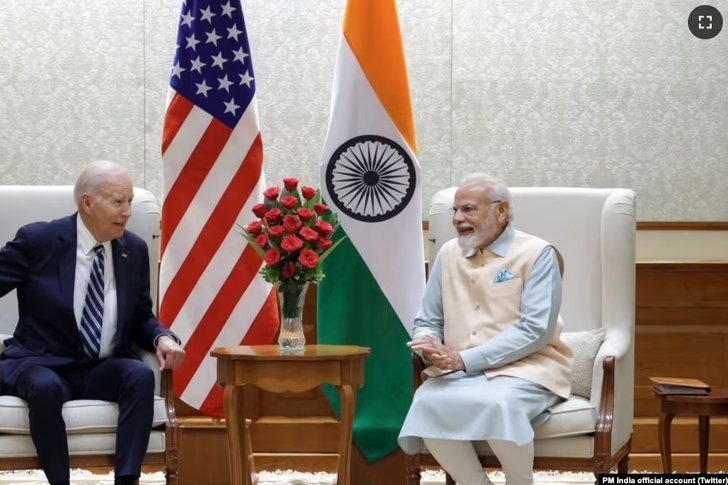
India's Prime Minister Narendra Modi has spoken to US ...
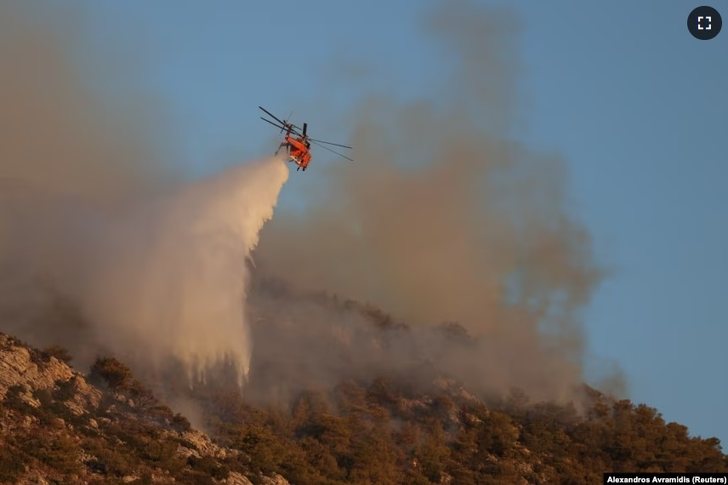
Greece has experienced 50 percent more fires this summer t...
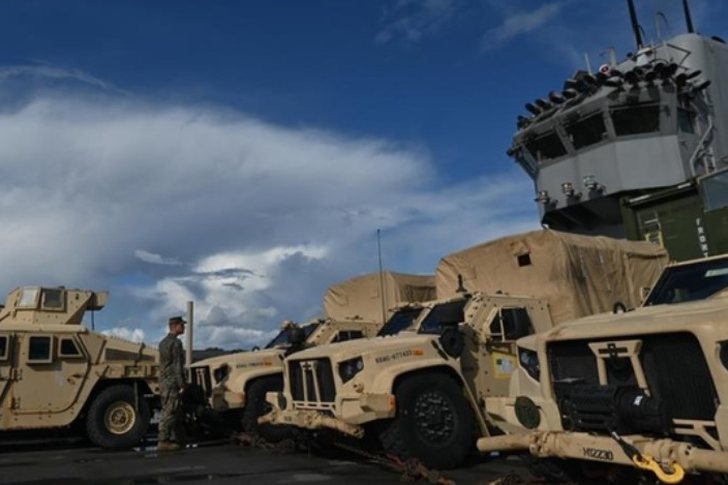
German security sources warned today that a NATO base in t...
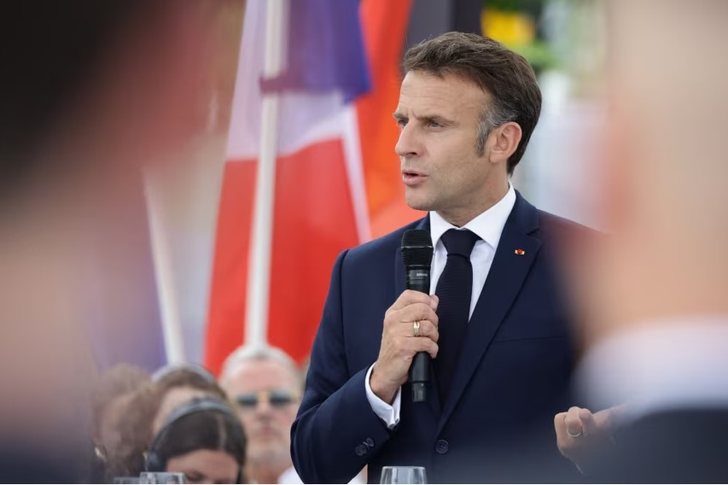
French President Emmanuel Macron said the arrest of Pa...
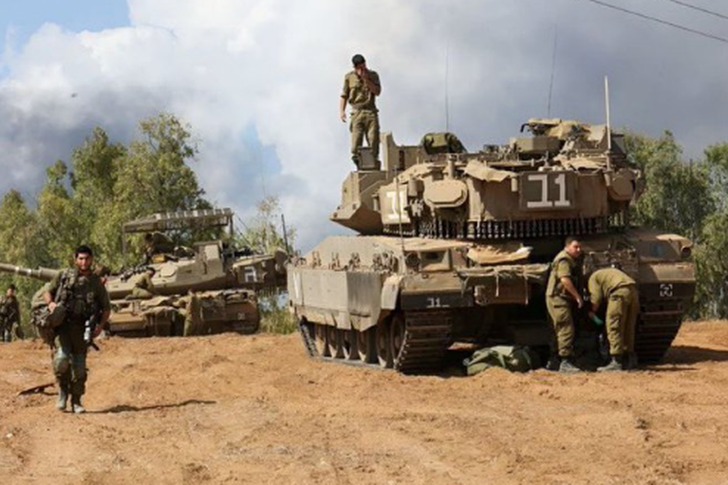
The European Union has already prepared the plan for sendi...

Tanker "Delta Sounion" engulfed in fire after Houthi rebel g...

NASA has completed production of a key piece of spacefligh...
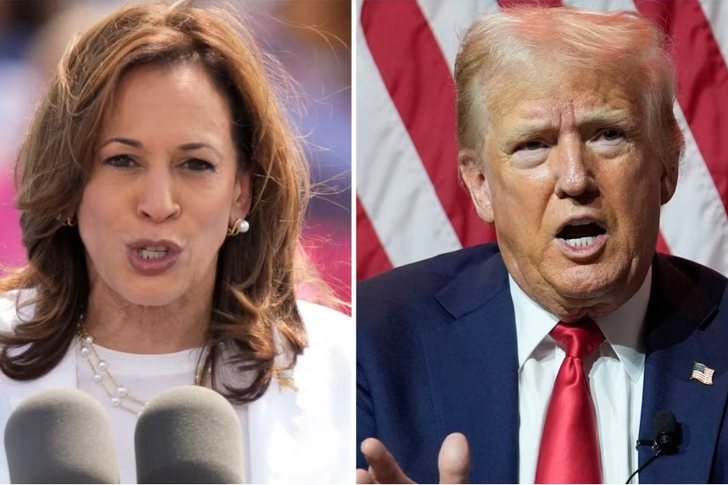
The US presidential election is likely to hinge on the...

The Basic Court of Pristina has made the decision that...
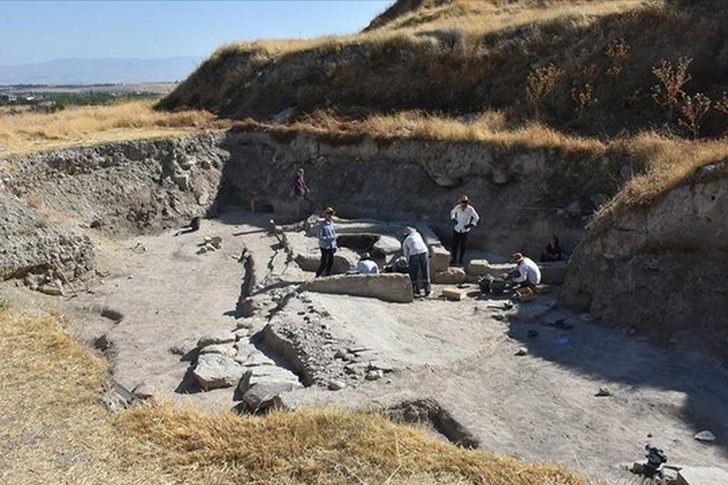
Archaeologists working at the UNESCO World Heritage site o...
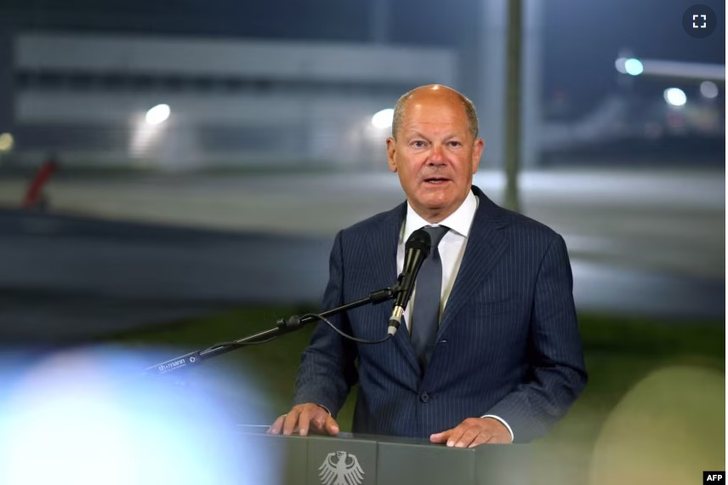
German Chancellor Olaf Scholz said on Monday he wants ...
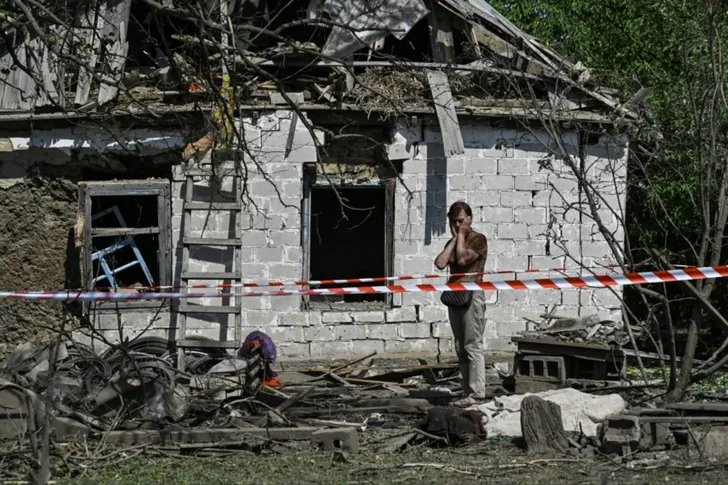
At least five people have been killed after Russia launche...
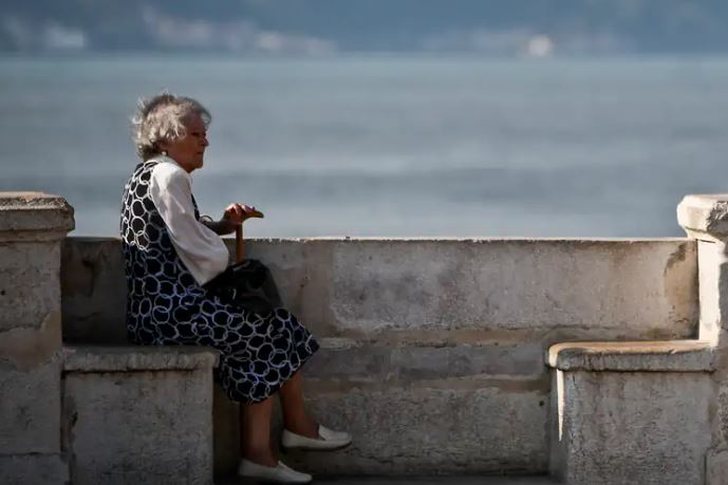
Aging happens slowly and steadily but not just like that, ...
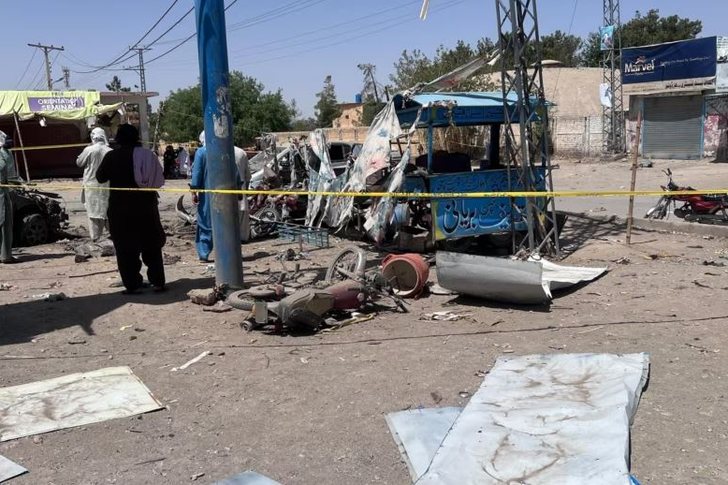
Gunmen shot dead 23 passengers after identifying them and ...

Dritan Prençi is the SPAK prosecutor who is sleeping on th...
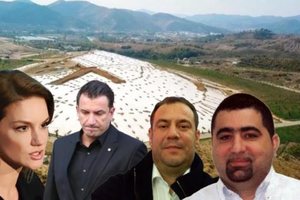
The in-depth investigations that SPAK conducted into Ajola...
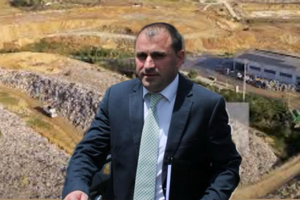
SPAK's standards, the way it investigates, how it secures ...

Irfan Hysenbelliu claims to be a big businessman, an hones...

The Special Board of Appeal (KPA) decided this Monday ...

The KPA vetting decided this Thursday to dismiss the p...

Suela Salavaçi, a prosecutor in the Prosecutor's Offic...

The Special Board of Appeal reinstated the prosecutor ...

The two German tourists who lost contact while exploring t...

After finding 7446 narcotic plants in the village of Reç i...

Following Operation "The Wanted", a 42-year-old man wanted...

As a result of intensive investigative and operational act...

The UN's World Meteorological Organization now warns that ...

Intense rainfall has caused numerous problems in the Radom...
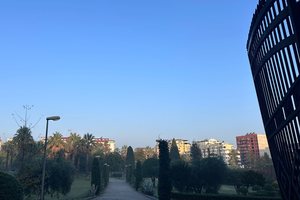
Today our country will be affected by relatively unstable ...

On Monday, our country will be affected by relatively stab...

Bulgaria's newly appointed Defense Minister, Dimitar Stoya...

NASA has named its crew for its next major mission to the ...

Five people have been arrested in Kosovo on suspicion of i...

Six Georgian citizens appeared before a Paris court on Tue...

Korça has transformed this weekend into the capital of cel...

Korça is ready to open the summer season with one of the c...

Two years after his passing, the renowned Korçë poet Skënd...

The Ethnographic Museum of Berat has opened its doors to v...

Predictions of a severe oil shortage this summer have not ...

Improving the performance of public parking lots in Vlora,...

Inflation has increased in May, rising to 3% compared to 2...

Exchange rate, June 8, 2026 This Tuesday, one US dollar is...