

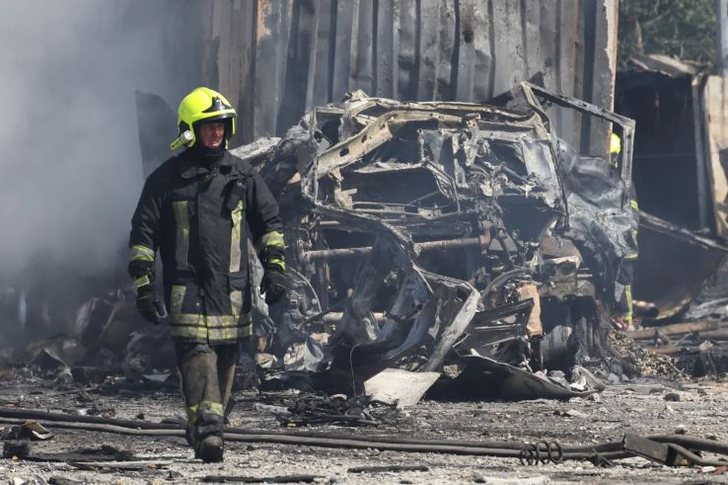
Russia does not stop, massive drone attacks in Ukraine
Russia has targeted Ukraine with another wave of attacks. ...


The 21-year-old from Sri Lanka did not expect to be sent to the front line in Ukraine when he signed the contract with the Russian Ministry of Defense. He had heard about the possibility of joining the Russian army from a compatriot from Sri Lanka. He had told him that if he served for a year in the army, he and his parents would receive Russian citizenship. "He told me that you are not sent to the front, but only serve as an assistant," says the young man. So in February he decided to quickly sign a contract and immediately received about $2,000. He was promised a monthly salary of $2,300 plus some additional benefits.
The Sri Lankan from the town of Walasmulla says he was forced to sign a contract with the army to gain legal residency status in Russia. In the spring, while in a Ukrainian hospital near the front, after being wounded and taken prisoner, he agreed to tell his story on condition of anonymity. He spoke to a DW reporter in Sinhalese through an interpreter over the phone, under the watchful eye of Ukrainian military officers who apparently did not speak English well enough and did not intervene.
From the slaughterhouse to the restaurant and then to the army
"Due to the bad economic situation in Sri Lanka", as the young man says, he decided to get a work visa in Russia through an employment agency. The crisis in his country has also worsened due to the war in Russia, since the prices of of food and fuel have increased due to the blockade of Ukrainian exports to the Black Sea. The man worked for a year in a slaughterhouse in Russia and, when his visa expired, he lived illegally for another year, where he worked in a fast food restaurant joined the Russian army.
After only two months of service in the interior of the country, it was moved to the outskirts of the occupied Ukrainian city of Donetsk. "I told the commander that I wanted to return to Sri Lanka, but he said that this was impossible and that according to the contract I would face 15 years in prison in Russia if I escaped," says the young man, adding that in his unit there were also a citizen of Nepal, Kyrgyzstan and Tajikistan. He had been at the front only once - for five days. He was wounded and taken prisoner.
Russia forces migrants and foreign students to join the army
Siç njoftoi agjencia e lajmeve Bloomberg në qershor, duke cituar zyrtarë evropianë, Rusia ka detyruar mijëra punëtorë emigrantë dhe studentë të huaj t'i bashkohen ushtrisë ruse në luftën kundër Ukrainës. Nëse refuzonin, të huajt kërcënoheshin se nuk do t'u zgjatej më viza në Rusi. "Ne jemi shumë, shumë të varfër", thotë një 35-vjeçar nepalez në një kamp të burgosurish lufte në Ukrainën perëndimore. Ai ia tregoi historinë e tij DW-së në korrik dhe nuk donte t`i përmendej emri. Në këtë bisedë ishte i pranishëm edhe një roje, por ai heshtte dhe dukej se nuk kuptonte anglisht.
Në Nepal burri kishte punuar si shofer taksie – me një pagesë rreth 400 dollarë në muaj. Kjo nuk i dilte për të mbajtur gruan, dy fëmijët dhe prindërit. Nga disa miq nga India mësoi, se në ushtrinë ruse mund të fitohen "shumë para". Kështu ai erdhi në Moskë në tetor 2023, ku u ekzaminua dhe u dërgua në qendrën e trajnimit "Avantgarde” në periferi të kryeqytetit rus së bashku me 60 të huaj të tjerë. Për këtë objekt kanë raportuar edhe të huaj të tjerë të rekrutuar. Sipas transmetuesit amerikan CNN ai shërben vetëm për trajnimin e mercenarëve të huaj. Atje nepalezi nënshkroi një kontratë vjetore me ushtrinë ruse për një pagë 2000 dollarë në muaj.
Ai tregon, se edhe ai fillimisht u vendos në brendësi të Rusisë, së bashku me një kinez si ndihmëskuzhinierë. Në njësinë e tij ishin 23 vetë nga Nepali dhe tre nga India. Njëmbëdhjetë të tjerë ishin rusë. Të gjithë komunikonin me njëri tjetrin me ndihmën e sistemeve të përkthimit audio. Pas një muaji ai u transferua në pozicionet pranë Donjeckut. Aty ai iu lut komandantit, që ta linte të shkonte në shtëpi, por edhe atij iu tha, se ndërprerja e kontratës nuk ishte e mundur. Disa javë më vonë, në prill, ai u plagos dhe pa ushtarët ukrainas. "Hoqa helmetën, jelekun mbrojtës dhe automatikun, kërkova ndihmë dhe u thashë që vij nga Nepali”, tregon ai.
Njerëz nga jugu global në shërbim ushtarak për Rusinë
Aktualisht janë rreth dhjetë mercenarë të zënë rob nga ukrainasit, thotë Petro Jacenko, zëdhënës i shtabit koordinues për të burgosurit e luftës në shërbimin e inteligjencës ushtarake ukrainase HUR. "Janë kapur edhe disa të tjerë, por ende nuk janë përfshirë në statistika”, thotë Jacenko për DW. Sipas tij në mesin e të burgosurve ka shtetas nga vendet afrikane, si Sierra Leone dhe Somalia, por dhe nga Sri Lanka, Nepali dhe Kuba. "Janë kryesisht njerëz nga jugu global, nga vendet e varfra," thotë Jacenko, duke shtuar se një kubanez i ka treguar, se në vendin e tij fitonte vetëm shtatë dollarë në muaj.
HUR nuk ka dijeni, se sa të huaj luftojnë në anën ruse. Sidoqoftë Rusia i josh të huajt me reklama në rrjetet sociale si dhe direkt me anë të agjitatorëve jashtë vendit, thotë Yacenko: "Atyre u premtohet shpesh punë në firma të ndryshme dhe, kur bëhet fjalë për ushtrinë, u thonë se do të dislokoheni vetëm në brendësi".
However, Petro Yatsenko from HUR points out that among the foreigners there are also professionals who fight for Russia. "They have military experience and know very well where they are going," says Yacenko. Not everyone is a victim of fraud.
Foreign mercenaries are classified as prisoners of war
"As long as there is no trial against them, they are being held as captive Russian soldiers," Yatsenko says of the status of these foreigners. None of them have yet been released through exchange or other procedures. "Some countries, especially Sri Lanka and Nepal are interested in receiving their citizens. This enables us to negotiate," says the HUR spokesperson.
Even foreigners are offered help to escape from the army
There are also well-known cases when foreigners have escaped from Russian positions. In May, HUR announced, without giving figures, a mass exodus of mercenaries from Nepal who were stationed in the occupied Luhansk region. And in June, the France 24 station reported on 22 Sri Lankans who had escaped from the Russian army. Activists of the Russian human rights organization "Idite lesom" ("Walk through the forest") help to escape from the Russian army - especially Russians and Ukrainians, who have been forcibly taken into the army in the territories occupied by Russia. But they also take care of citizens of other countries.
Ivan Chuvilyaev, representative of the organization, confirmed in an interview for DW that the activists were able to help citizens from African countries and Afghanistan to escape. According to him, the way Russia recruits foreigners into the army is no different from the recruitment of its own citizens. "It takes advantage of the fact that people don't know the law and are in a precarious financial situation," says the human rights activist. /DW

Russia has targeted Ukraine with another wave of attacks. ...
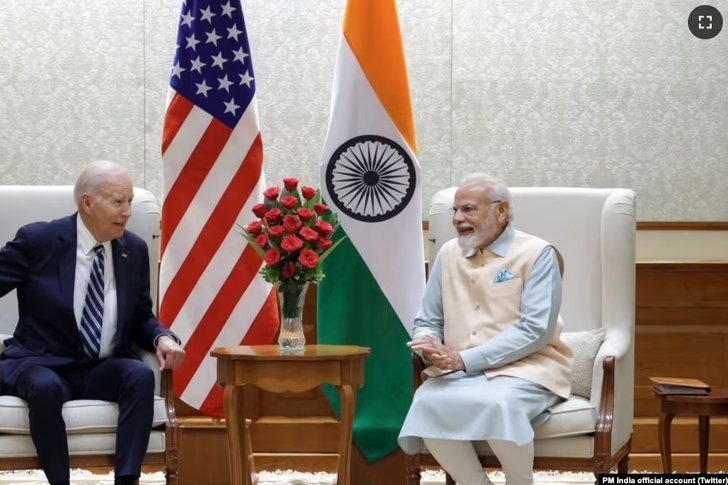
India's Prime Minister Narendra Modi has spoken to US ...
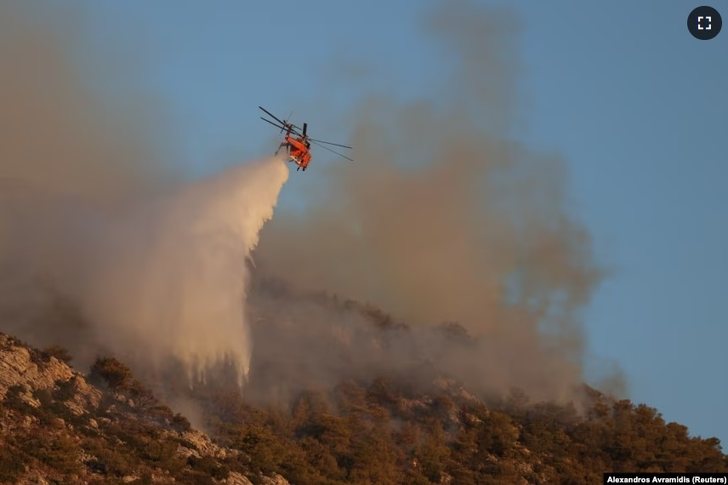
Greece has experienced 50 percent more fires this summer t...
German security sources warned today that a NATO base in t...
French President Emmanuel Macron said the arrest of Pa...
The European Union has already prepared the plan for sendi...

Tanker "Delta Sounion" engulfed in fire after Houthi rebel g...

NASA has completed production of a key piece of spacefligh...

The US presidential election is likely to hinge on the...
The Basic Court of Pristina has made the decision that...
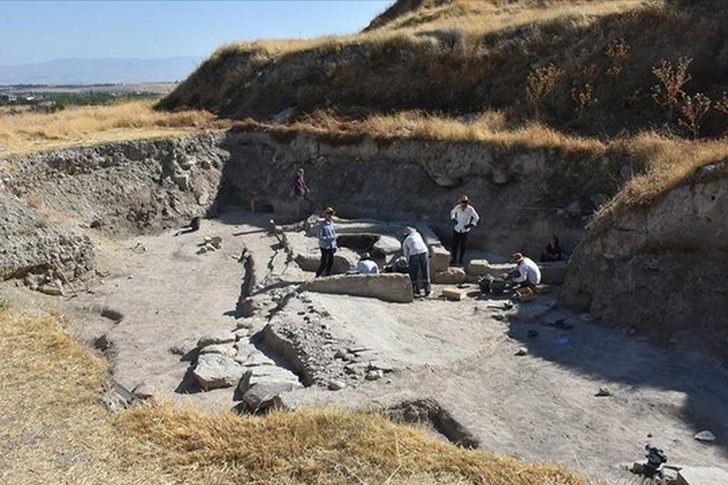
Archaeologists working at the UNESCO World Heritage site o...
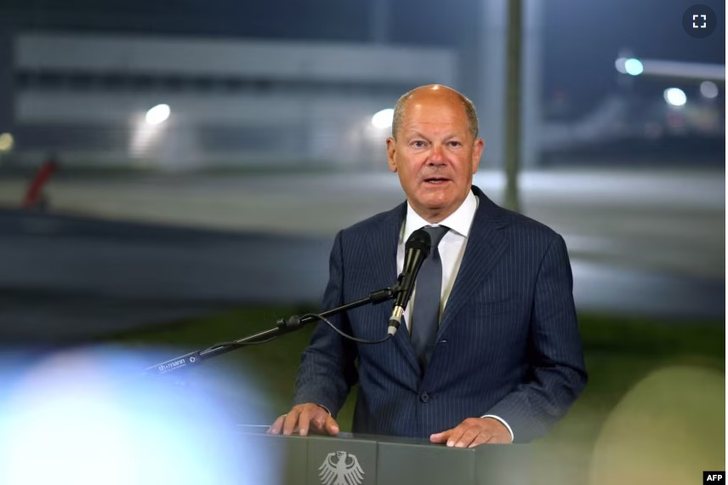
German Chancellor Olaf Scholz said on Monday he wants ...
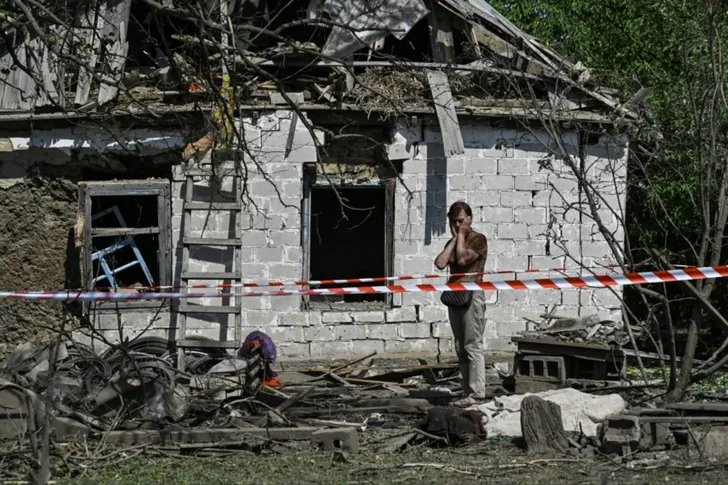
At least five people have been killed after Russia launche...
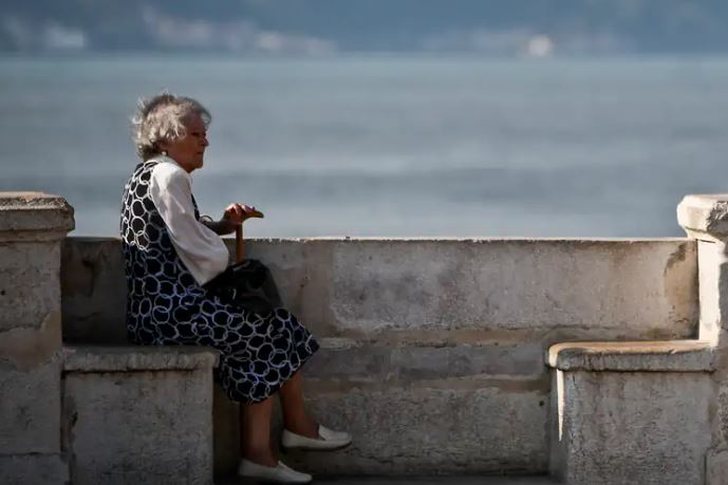
Aging happens slowly and steadily but not just like that, ...
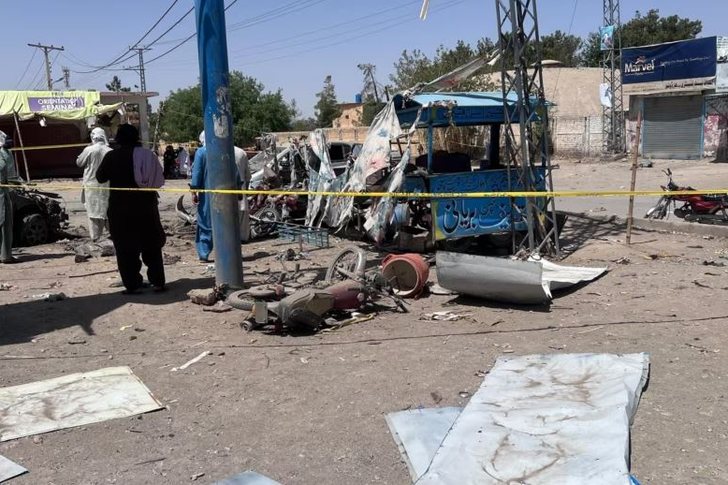
Gunmen shot dead 23 passengers after identifying them and ...
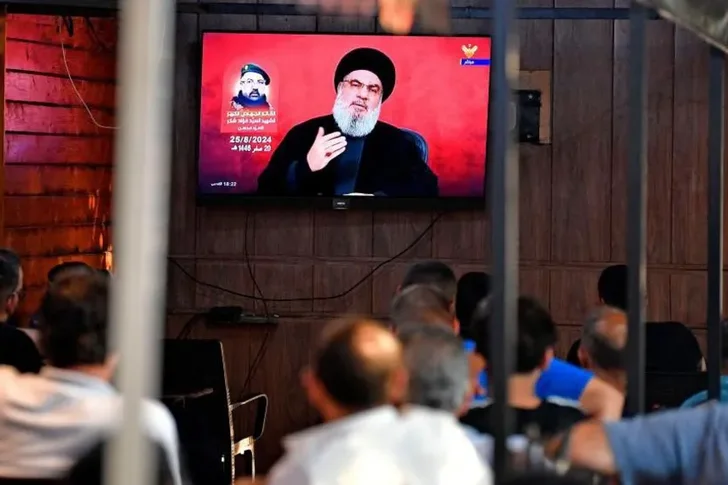
Israeli authorities have announced that they have carried ...
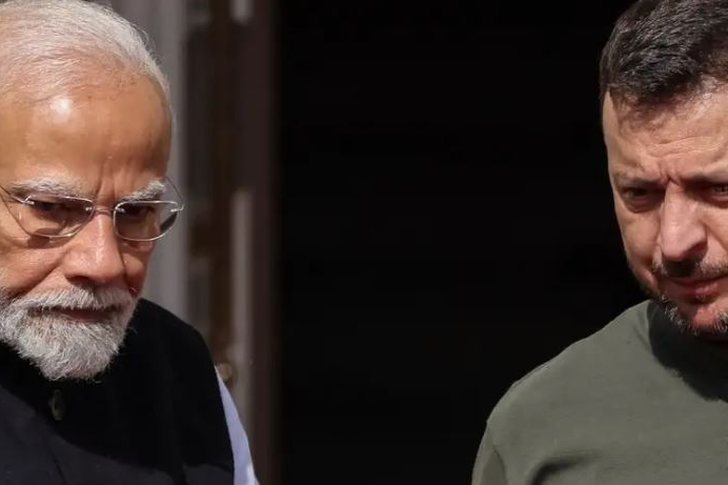
To create opportunities for negotiation - this is always m...
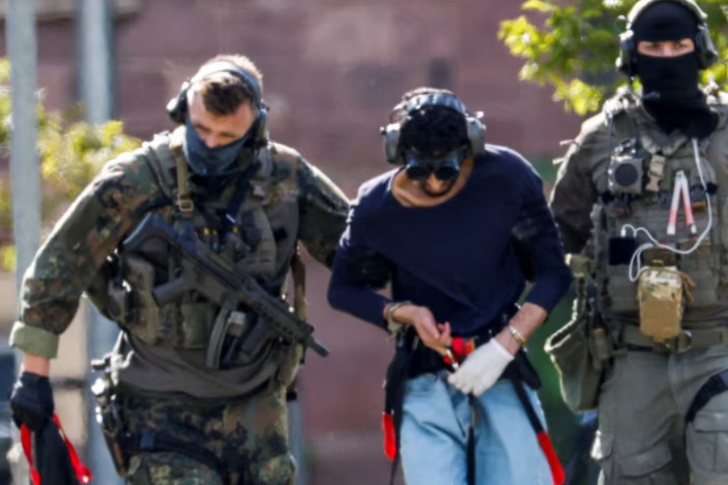
A court in Germany remanded a young Syrian man on suspicio...

NASA decided not to return to Earth its two astronauts who...
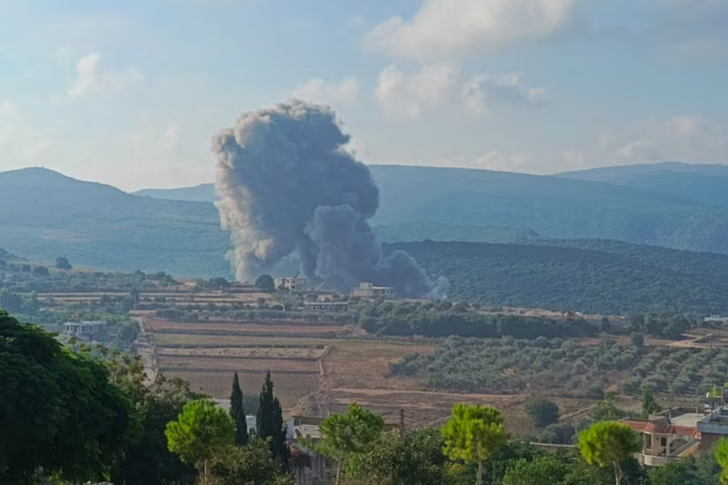
The Pentagon chief ordered two aircraft carriers to remain...
Dritan Prençi is the SPAK prosecutor who is sleeping on th...
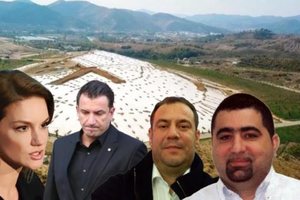
The in-depth investigations that SPAK conducted into Ajola...
SPAK's standards, the way it investigates, how it secures ...

Irfan Hysenbelliu claims to be a big businessman, an hones...

The Special Board of Appeal (KPA) decided this Monday ...

The KPA vetting decided this Thursday to dismiss the p...

Suela Salavaçi, a prosecutor in the Prosecutor's Offic...

The Special Board of Appeal reinstated the prosecutor ...
The two German tourists who lost contact while exploring t...

After finding 7446 narcotic plants in the village of Reç i...

Following Operation "The Wanted", a 42-year-old man wanted...

As a result of intensive investigative and operational act...

The UN's World Meteorological Organization now warns that ...
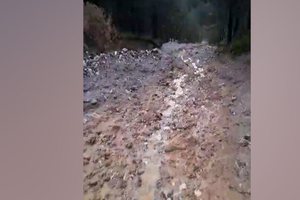
Intense rainfall has caused numerous problems in the Radom...
Today our country will be affected by relatively unstable ...

On Monday, our country will be affected by relatively stab...
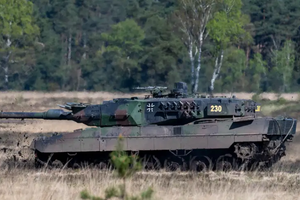
Bulgaria's newly appointed Defense Minister, Dimitar Stoya...

NASA has named its crew for its next major mission to the ...
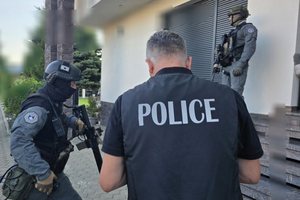
Five people have been arrested in Kosovo on suspicion of i...
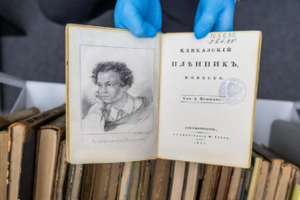
Six Georgian citizens appeared before a Paris court on Tue...
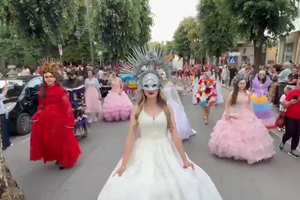
Korça has transformed this weekend into the capital of cel...
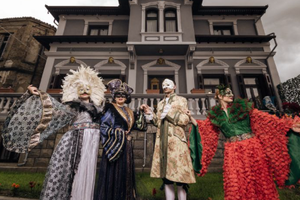
Korça is ready to open the summer season with one of the c...
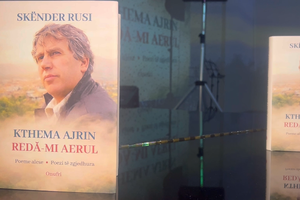
Two years after his passing, the renowned Korçë poet Skënd...

The Ethnographic Museum of Berat has opened its doors to v...

Predictions of a severe oil shortage this summer have not ...

Improving the performance of public parking lots in Vlora,...

Inflation has increased in May, rising to 3% compared to 2...

Exchange rate, June 8, 2026 This Tuesday, one US dollar is...