

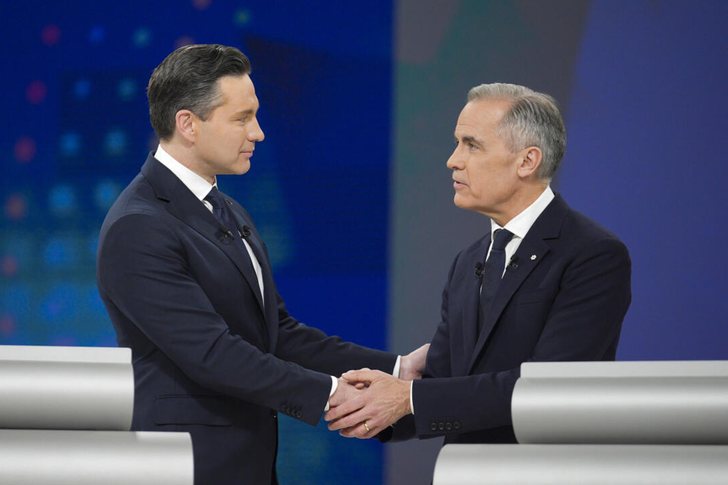
Early elections in Canada/ Counting begins for mail-in votes
Canada is holding a snap election today to determine who w...


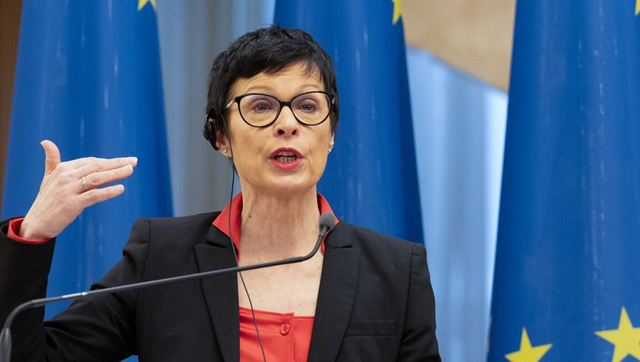
European Union Commissioner for Enlargement, Marta Kos, told Radio Free Europe that normalizing Kosovo's relations with Serbia is a prerequisite for Kosovo to be able to obtain candidate country status and begin the EU membership process.
Kosovo applied for EU membership on December 15, 2022, and now it remains the only country in the region that does not yet have candidate country status.
"We are waiting for the [formation of] the new government. I am in contact with the politicians there, and they claim that they are very much in favor of normalizing relations with Serbia, which is a prerequisite for the negotiation process to start or for candidate status to be granted," Kos said, in an interview given to Radio Free Europe.
She said that it is very important that the next government of Kosovo fulfills certain preconditions "that must be fulfilled," without mentioning what they are.
Kosovo is being led by an acting government as the new legislature has not yet been constituted, not even more than a month after the certification of the results of the parliamentary elections held on February 9.
The process of a country's accession to the EU takes time, as the candidate country must meet several criteria, adapt its laws to those of the EU, and await ratification of the accession treaty in the parliaments of each EU member state.
Kosovo is still in the initial stages of accession, as it has not yet received candidate country status. To do this, the European Commission must first give its consent to the application for membership and then the European Council must unanimously confirm the status as a candidate country.
"I have not received any signal from the member states or from the Danish presidency [of the European Council] that this [acquiring the status during the Danish presidency] could happen. But I think it would be very good to start," she said.
Earlier this month, the European bloc's foreign policy chief, Kaja Kallas, said that neither Kosovo nor Serbia could move forward on the path to the EU without normalizing relations.
Under EU mediation, Kosovo and Serbia reached an agreement in 2023 on a path toward normalizing relations. But since then, the bloc has criticized both countries for failing to implement the agreement, despite it being binding on them.
Due to the crises in northern Kosovo, which increased tensions between the two countries, no round of political dialogue has taken place in Brussels since September 2023, but there have only been talks at the level of chief negotiators.
Pikërisht këto tensione në veriun e Kosovës kishin bërë që BE-ja, më 2023, t’i vendosë disa masa ndëshkuese Kosovës dhe vazhdon t’i mbajë ato në fuqi me arsyetimin se Kosova nuk ka bërë ende mjaftueshëm për shtensionimin e gjendjes në veriun e banuar me shumicë serbe.
Me gjithë kërkesat e liderëve të Kosovës për heqjen e këtyre masave, Kos theksoi se aktualisht jo të gjitha shtetet anëtare të BE-së janë të gatshme për heqjen e masave në këtë fazë.
“Ne ende nuk e dimë. Jemi e duke diskutuar këtë. Nëse shtetet anëtare do të jenë për heqjen e tyre, sigurisht që do ta bëjmë këtë. Por, për momentin, jo të gjitha shtetet anëtare janë për heqjen e masave”, u shpreh ajo.
Gjatë intervistës së dhënë për REL-in, Kos tha se ajo do ta cilësonte si një dështim nëse gjatë mandatit të Komisionit aktual nuk do të kishte anëtarë të rinj në Bashkimin Evropian.
Megjithatë, ajo u shpreh optimiste, duke theksuar se nga pikëpamja teknike “mund të përfundojmë me Malin e Zi [si anëtar] deri në fund të vitit 2026” dhe “mund të përfundojmë me Shqipërinë [si anëtar] deri në fund të vitit 2027”.
E pyetur nëse Mali i Zi dhe Shqipëria do të bëhen anëtarët e 28-të dhe 29-të të BE-së, ajo u përgjigj se mund të ketë edhe vende të reja.
Duke folur për Serbinë, vendin që ajo do ta vizitojë këtë javë, Kos tha se “Serbia duhet vërtet të japë rezultate”.
“Fjalët nuk mjaftojnë. E shoh misionin tim ose vizitën time atje si një përpjekje të madhe për ta rikthyer Serbinë në rrugën evropiane”, tha Kos.
Ajo shtoi se kërkesat e protestuesve, të cilët po protestojnë prej muajsh në Serbi - pas vdekjes së 16 personave nga rrëzimi i një strehe betoni në stacionin e trenave në Novi Sad - janë të njëjta me ato të Komisionit Evropian.
“Është shteti i së drejtës, është lufta kundër korrupsionit, është prokurimi publik, është legjislacioni për mediat, është legjislacioni për zgjedhjet. Serbia ka premtuar shumë në dhjetor në të ashtuquajturin 'non-paper' [dokument joformal”, tha Kos, duke shtuar se tani “duhet të kontrollojmë nëse po i zbatojnë ato që kanë premtuar”.
“Dhe në fakt, më pëlqen të them që unë jam mbështetësja më e madhe e protestuesve, sepse nëse Serbia është serioze për rrugën drejt BE-së — dhe ata më thonë se janë — atëherë do të duhet të japin rezultate”, tha Kos.
Ndërkohë, zyrtarja e BE-së tha se është e vështirë të punohet me liderë si presidenti i entitetit të Republika Sërpska (RS) së Bosnje e Hercegovinës, Millorad Dodik.
Ajo tha se “është e vështirë të merresh me dikë që nuk vepron në të mirën e vendit të tij, Bosnje e Hercegovinës” dhe që shkon “kundër integritetit territorial, sovranitetit dhe rendit kushtetues”.
Tutje, Kos theksoi se kjo është një nga arsyet pse Bosnje e Hercegovina, edhe pse ka status kandidati, ende nuk ka hapur negociatat me BE-në.
Në lidhje me sanksionet potenciale ndaj Dodikut, ajo shtoi se “shtetet anëtare nuk janë të bashkuara” për t'i vendosur ato.
Dodik, along with the Speaker of the RS Parliament, Nenad Stevandic, and Prime Minister Radovan Viškovi?, are accused of attacking the constitutional order, and a central arrest warrant has been issued against them in Bosnia and Herzegovina, after they failed to respond to the Bosnian Prosecutor's Office's summons to appear for questioning./ REL

Canada is holding a snap election today to determine who w...
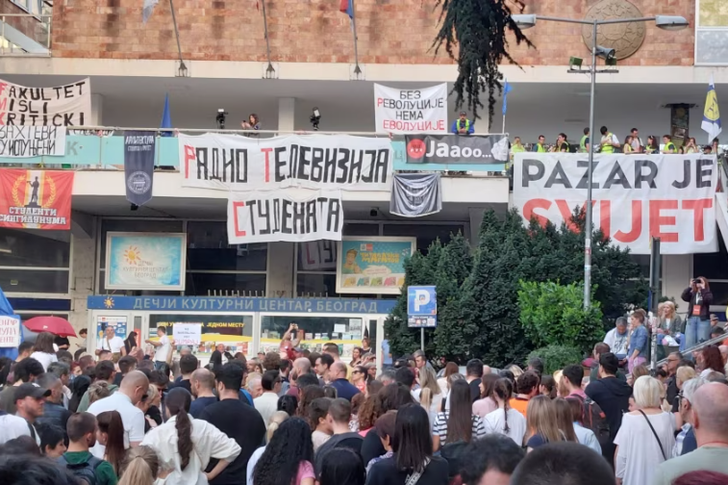
Studentët serbë të hënën i dhanë fund një bllokade dyjavor...
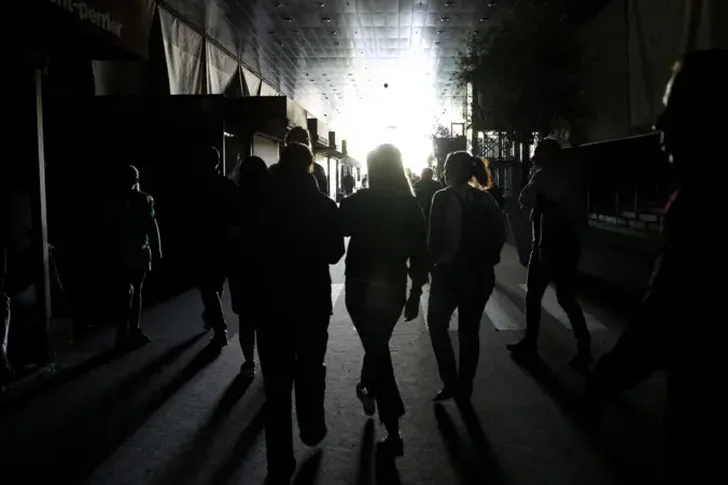
Spanish energy operator Red Electrica announced in a state...
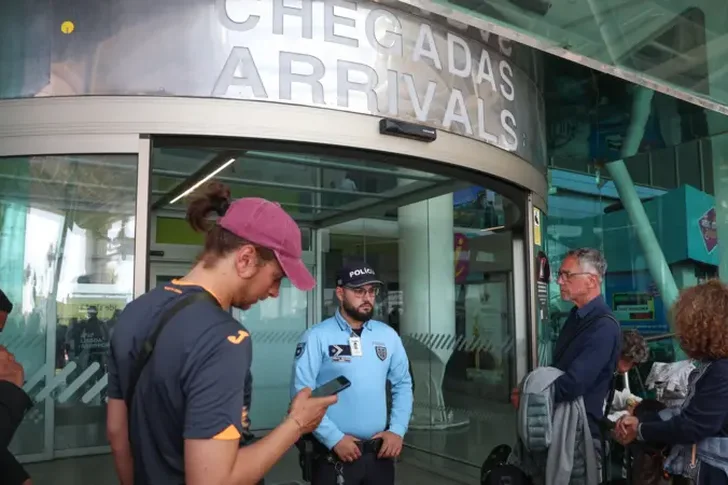
Aviation specialist David Gleave said the power outage in ...
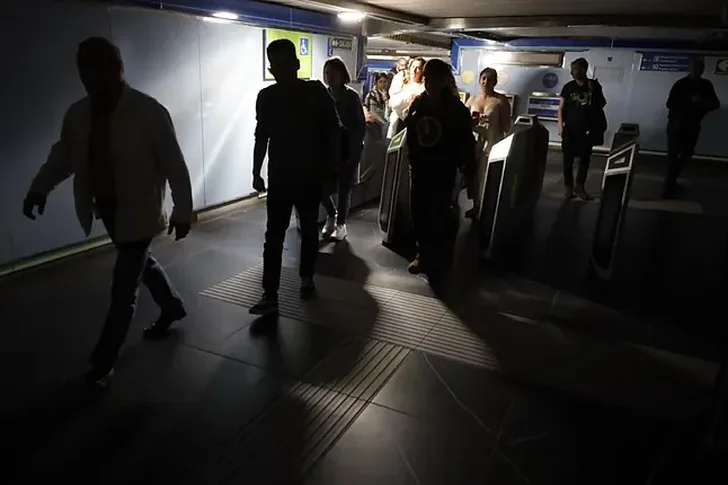
Since noon today, Spain and Portugal, and then France and ...
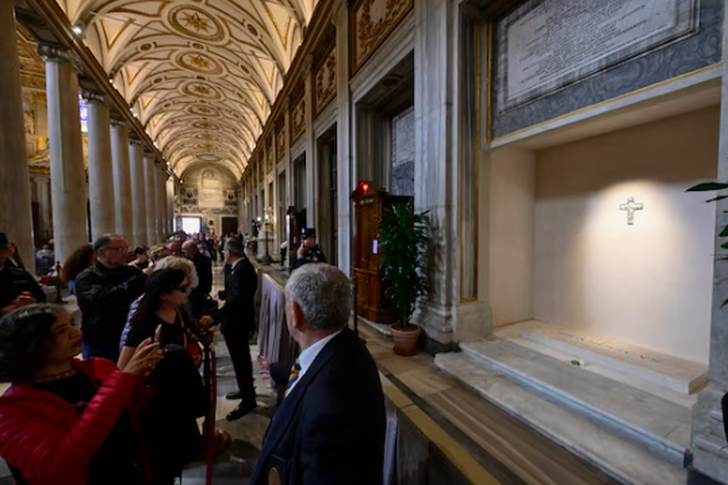
Thousands of believers continue to line up in a very long ...
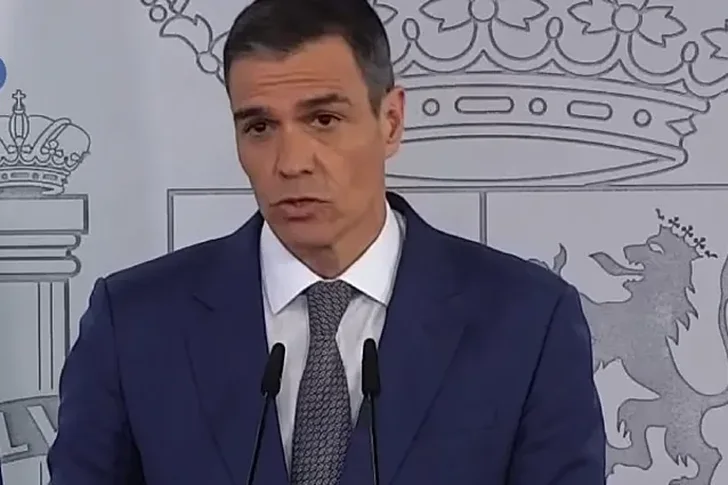
About six hours after the power outage in Spain and Portug...
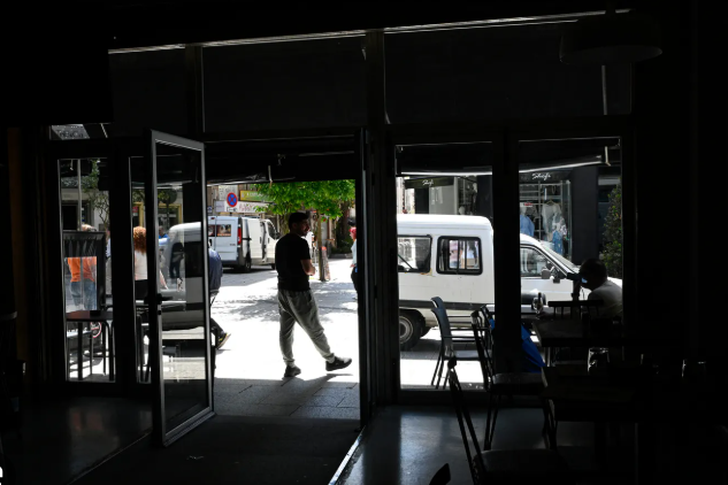
Residents of Andorra and parts of France bordering Spain r...

A power outage hit Spain and Portugal today, leaving milli...
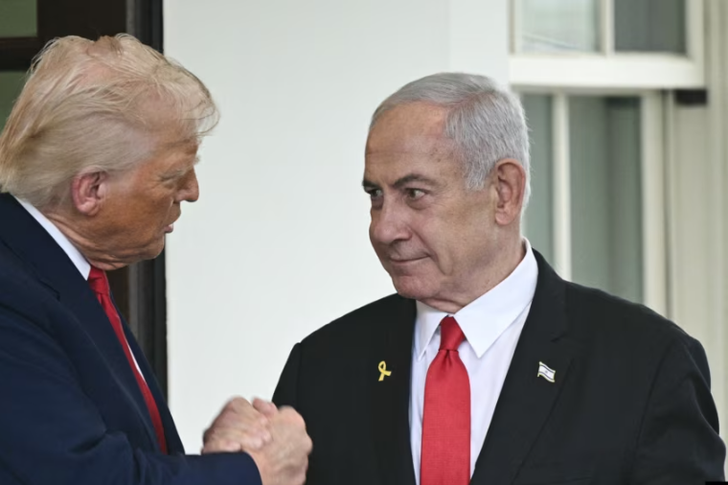
Iran's top diplomat, Abbas Araqchi, has accused Israeli Pr...
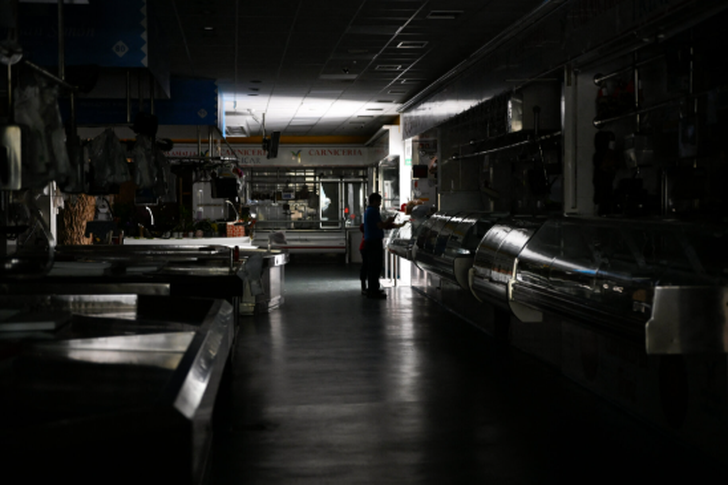
A power outage hit Spain and Portugal today, leaving milli...
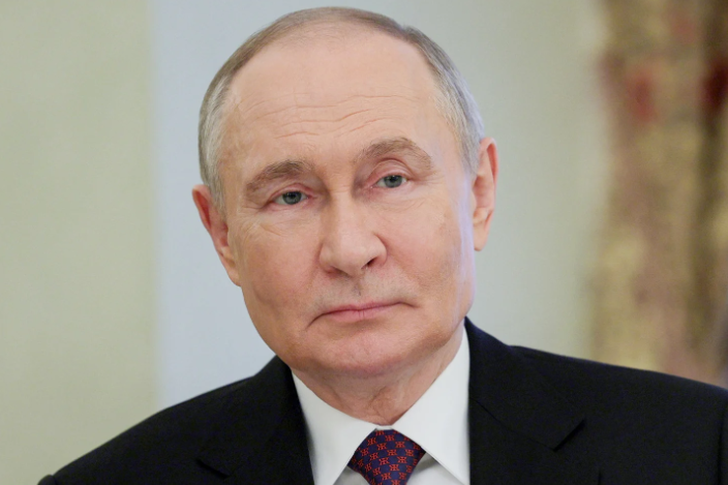
Russian President Vladimir Putin has declared a three-day ...
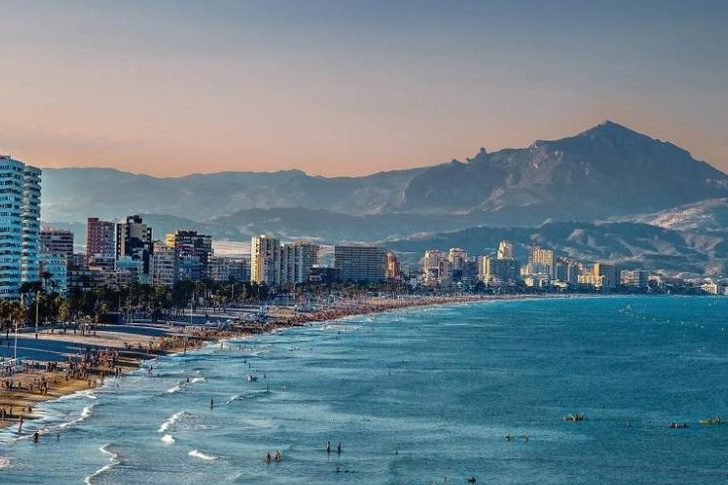
All of Spain and large parts of Portugal and France have b...
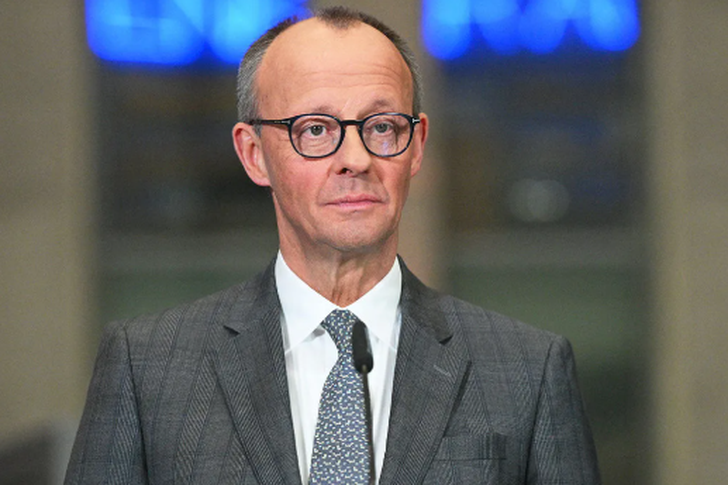
CDU chairman and future German chancellor Friedrich Merz h...
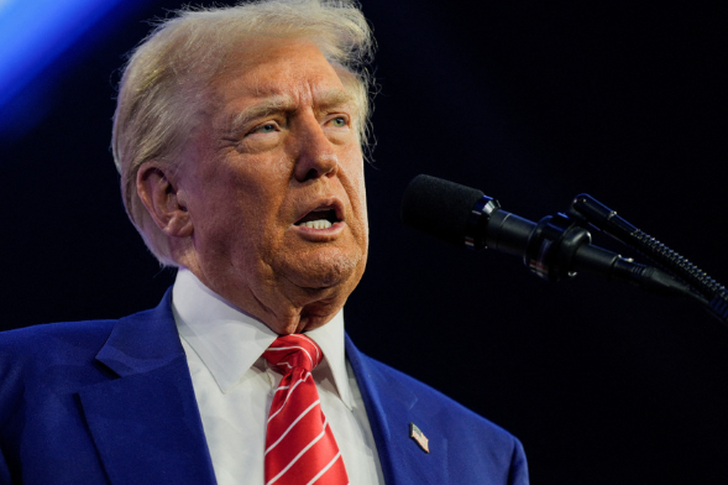
US President Donald Trump blamed his Democratic predecesso...
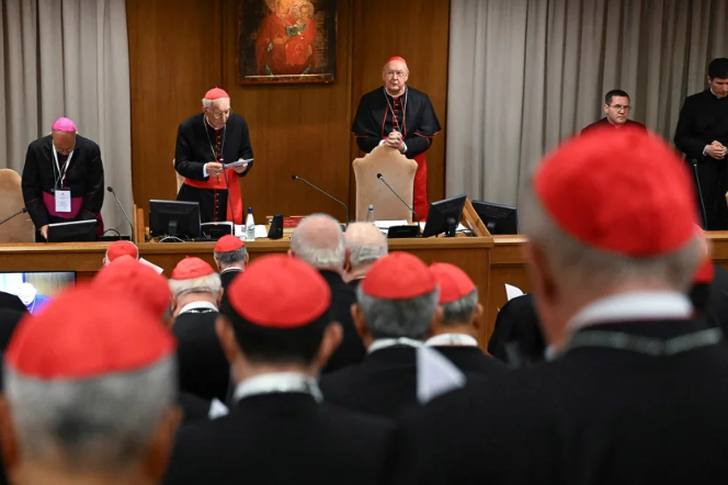
Cardinals have chosen May 7 as the date to begin the concl...
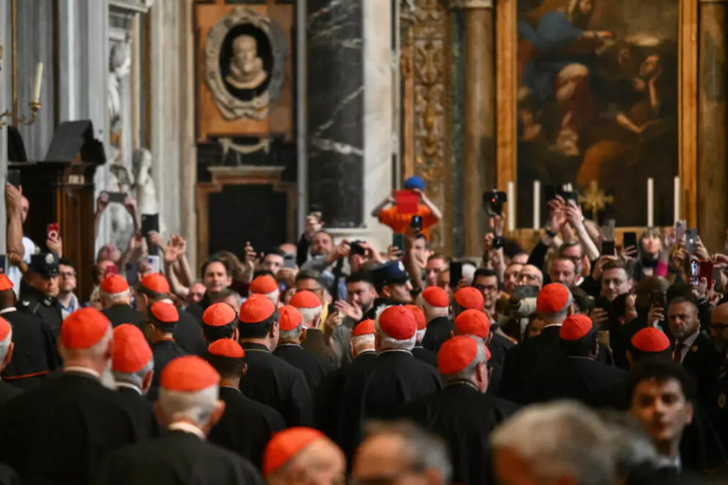
Catholic cardinals gathered Monday for a conclave to elect...
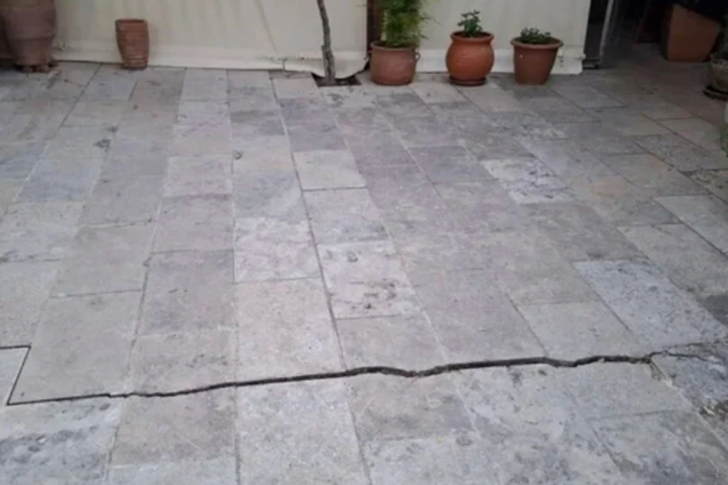
Cracks that have appeared over the past day or so in stree...

The EU executive announced it would fine the US iPhone mak...
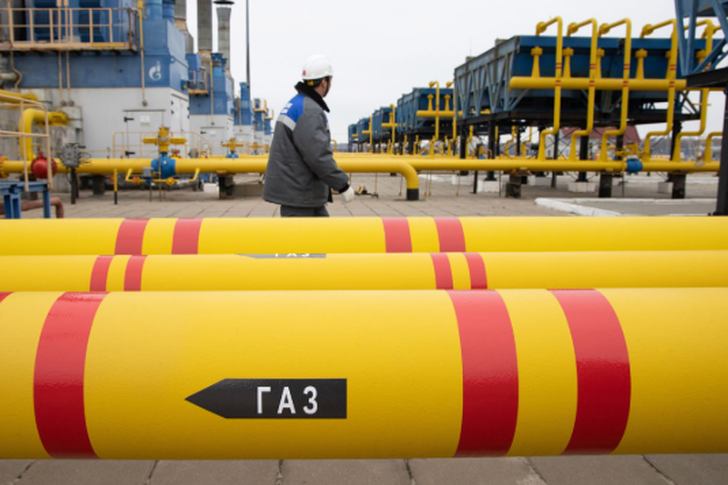
The White House is discussing whether to lift sanctions on...

CNA has launched another investigation that could lead to ...

Irfan Hysenbelliu is a businessman that we call "Irfan the...

In March 2026, CNA launched another investigation centered...
The arrested mayor of Tirana, Erion Veliaj, with 13 charge...

The Special Board of Appeal (KPA) decided this Monday ...

The KPA vetting decided this Thursday to dismiss the p...

Suela Salavaçi, a prosecutor in the Prosecutor's Offic...

The Special Board of Appeal reinstated the prosecutor ...
A road accident occurred this evening on Nikolla Zoraqi St...
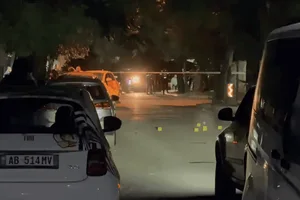
Three people were shot and wounded in Elbasan last night b...
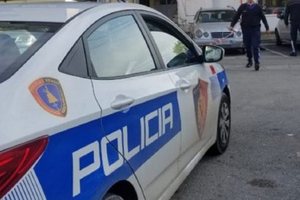
A serious incident occurred this Tuesday in the Yrshek are...

An accident occurred this Tuesday on "Dituria" street in K...
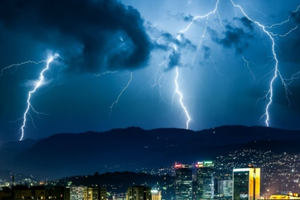
All of Southern Europe will face changing weather conditio...
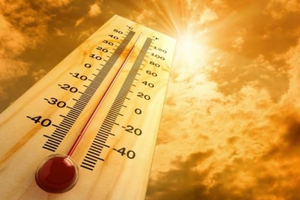
Albania was hit by temperatures significantly higher than ...

For the first time, Pogradec welcomed the Inter-Lake Chess...
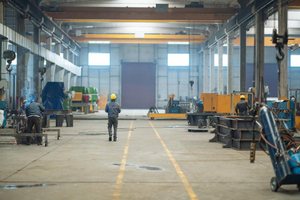
Albania has achieved a record for the employment of foreig...
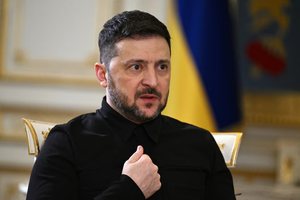
In the space of a few days, Ukrainian President Volodymyr ...
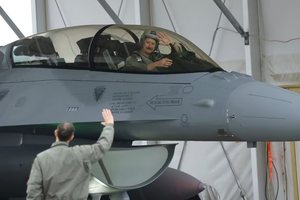
The spokesman for the Iranian Foreign Ministry warned Bulg...
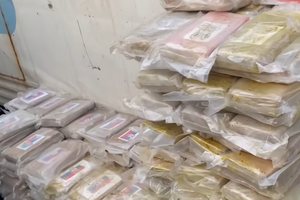
Autoritetet italiane sekuestruan pako me afër 800 kilogram...
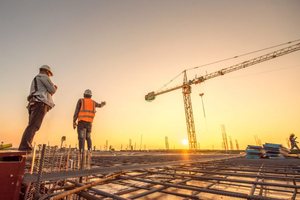
Greece has taken several emergency measures to protect wor...

At a time when industrial products are increasingly taking...

Trust among people is not just a three-syllable word. It c...

Master of humor Todi Llupi has passed away at the age of 7...

The ninth edition of "MIK Festival" kicked off with one of...

Construction company licenses will have a validity period ...
The Centralized Purchasing Operator recently opened a tend...
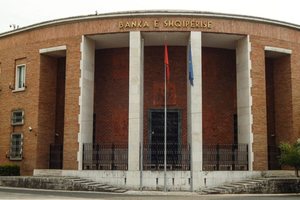
The new draft law "On the Bank of Albania" provides that t...
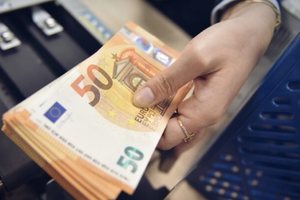
This Tuesday, one US dollar is bought for 81.2 lek and sol...