

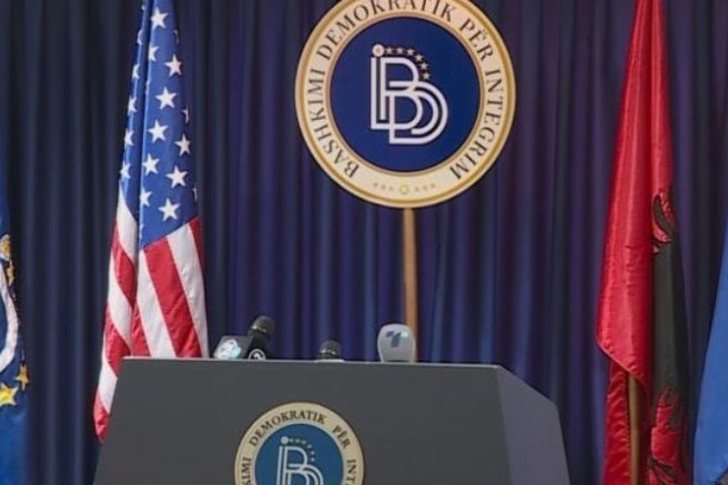
North Macedonia interrupts the procedure for the use of the Albanian language on road signs / DUI: Clear discrimination
The Democratic Union for Integration, the largest party of...


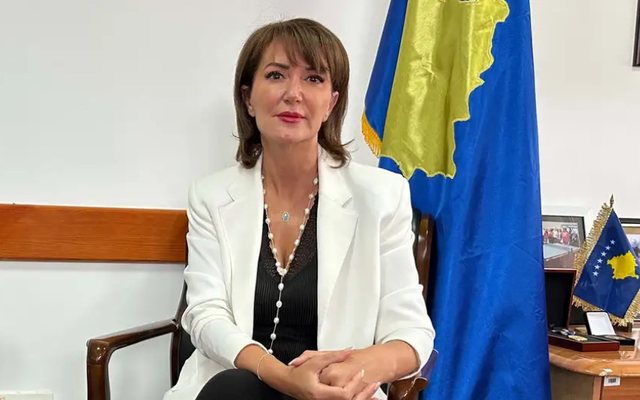
DW: President Jahjaga, it has been several years since a number of about 20,000 women who were raped during the last war in Kosovo has been mentioned, you were directly involved in raising awareness of this issue when you were the country's president. How were these evidences obtained and what is their authenticity?
Jahjaga: When we talk about sexual violence during the war in Kosovo, it has been and continues to be an open wound and a taboo topic for the state and our citizens. In these 25 years after the war, I have worked actively, especially during my mandate as president of Kosovo and after the end of the mandate now as former president and now with the Jahjaga Fund. The statistics that we refer to are statistics of a form that have been used not only in the case of Kosovo, but this has also happened with Bosnia, Rwanda and Myanmar. So it is a special formula for determining the number. We have cases reported through international organizations. We have a very large percentage, the number is about 20 thousand, women and not only, but there are also about 1000 men who have been raped.
There are cases where victims themselves have reported when they went to refugee camps in neighboring countries to refugee hosting organizations. We have statistics from the International Red Cross and many other organizations. Then the number of abortions that occurred in the refugee camps, also reports after the liberation of Kosovo. So there are different forms and ways of determining the approximate number of around 20 thousand and until now we do not have a complete report from an organization about the exact number. Only for me during my commitment to this issue, the number goes over eight thousand women and men raped during the war that I have met. The biggest problem is that a very large number of women and men have not yet taken the step to talk openly with their families or anyone else.
DW: In your opinion, what is Kosovo and its institutions doing about this issue? There is a law to recognize the status of rape victims, but the number of applications for this status is said to be very small?
Jahjaga: What you say is very true. Institutional steps have been taken since I was president of Kosovo, especially in 2014 when the National Council for survivors of sexual violence was established and by presidential decree a council of such level was established, where it brought the government, the parliament to a decision-making table , non-governmental organizations, media, international organizations, the diplomatic corps and many, many other partners. However, while the citizens of Kosovo enjoyed their freedom, the victims of sexual violence still had war in their minds and it is still fresh in their minds. It was a taboo topic, but now that taboo has been broken, the stigma has been broken, but we still have work to do as institutions and as a society. So, with the establishment of the National Council, the way has been paved for the law on the values ??of war to be changed and for the victims of rape to receive the status of survivors of sexual violence during the war, that is, as civilian victims of war.
I don't know the exact statistics, but around 1,600 applicants for the status of civilian war victims are brought to claim their legal rights. So, there is a big discrepancy between 20 thousand raped and 1600 applications for their status, but this is not only a feature of Kosovo, this happened in other areas as well. So, from my encounters with survivors of sexual violence, it is very difficult for them to take the step to confess and demand their right. It is not only an obstacle in the institutions, it is also an obstacle in the culture of impunity, because, not only in Kosovo but also at the global level, statistics show that there is a very high degree of the culture of impunity when sexual violence is used as a means of war and in in this case, greater commitment of the international community is required.
The biggest handicap of Kosovo is that we are not a member of Interpol and Europol, and the perpetrators of these crimes are in the neighboring country of Serbia, and moreover, this issue has not been the subject of negotiations between Kosovo and Serbia to request that the perpetrators of these crimes be return to Kosovo and be tried. So one side has to do with stigma, one side with taboo and on the other side with lack of family and social support and the other side with impunity. In every meeting I have had with survivors of sexual violence, they have said that the only thing that can bring me peace and tranquility is when the perpetrators are behind bars.
DW: Violence during the war and this topic, as you say, in social terms has not found enough place in Kosovo to be treated in the context of a disaster, and it still seems like a taboo topic in Kosovar families. Why does this keep happening?
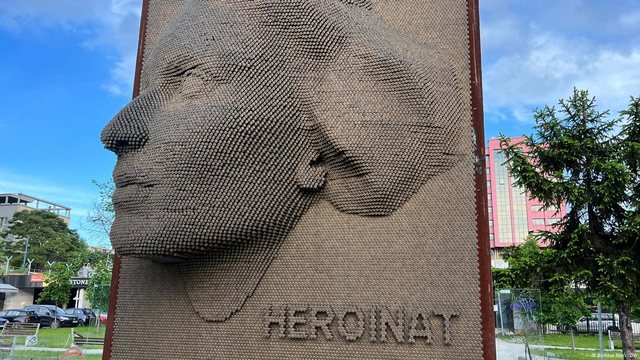
Jahjaga: They are a combination of many things. First of all, it has little to do with the patriarchal mentality of our society. In 2011, when I started to publicly talk about this topic, to institutionally take an active role and talk about this topic, which was not the president's constitutional competence, but was indirectly a moral responsibility, I had messages from the most different from an extreme at the other extreme, that Kosovo and the people of Kosovo are not ready to talk about this topic, so it was said that we know that this issue has happened, but this chapter is closed and I was answering at that time how can a topic that it has never been opened.
So a great injustice has been done immediately after the war when we have taken all those institutional and social obligations towards all the categories that came out of the war, while we, the survivors of sexual violence, have placed them on one side, pointing the finger at them, never knowing that their body has been transformed into a battlefield shape. While we opened the graves of the missing persons and set up memorials for the many martyrs, we have never understood the pain and consequences of the survivors of sexual violence. So, at that time we tried to be discouraged that the society of Kosovo is not ready to discuss this issue, but after the activism of my office and team at that time and a very large group of civil society, they pushed me to I answer the political elites of the time that the people have always been ready to face this topic, but there has been a lack of a proper leadership to talk openly with the people about the still open wounds of our society.
They have been very extreme, one that family members personally bring survivors to organizations and say that you should treat our family members. But we also have the other painful extreme that our women and girls have been forced to keep this secret for themselves and their families for the sake of protecting morality. However, it was not their shame, but the shame of those who committed violence and the finger should not be pointed at the survivors, but at the perpetrators of these crimes who used violence as a means of war against the citizens of Kosovo.
DW: What have the justice institutions done in bringing charges against the perpetrators. Many non-governmental organizations have repeatedly raised the voice that the country has not done anything in this regard. You were president for one term. How sustainable are these concerns?
Jahjaga: So far, if I'm not mistaken, we have only had nine or ten cases, indictments drawn up by the prosecution and law and order institutions, while we have only one case where it ended with a final decision and the degree of punishment leaves many question marks. The sad thing is that thousands of cases have been built by UNMIK and EULEX and those cases have been transferred to the hands of local institutions and have never been separated as special cases, but only as most cases related to crimes of the war. So impunity has influenced survivors of sexual violence to lose faith in justice institutions./ DW

The Democratic Union for Integration, the largest party of...
In the early hours of Sunday morning, September 8, two...
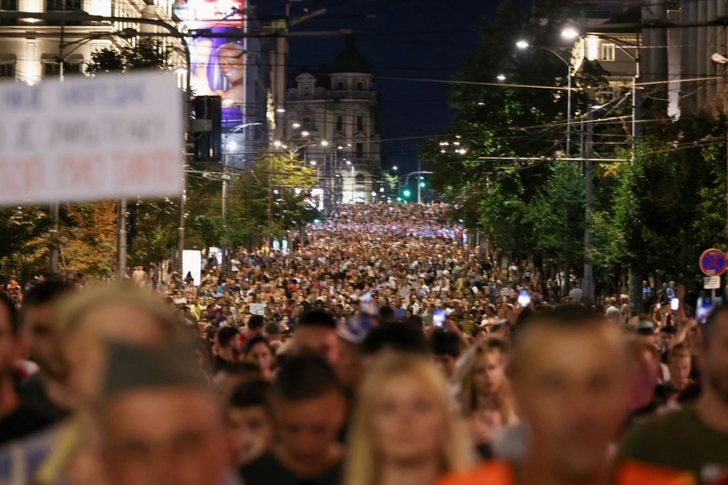
The chief executive of Anglo-American mining company R...
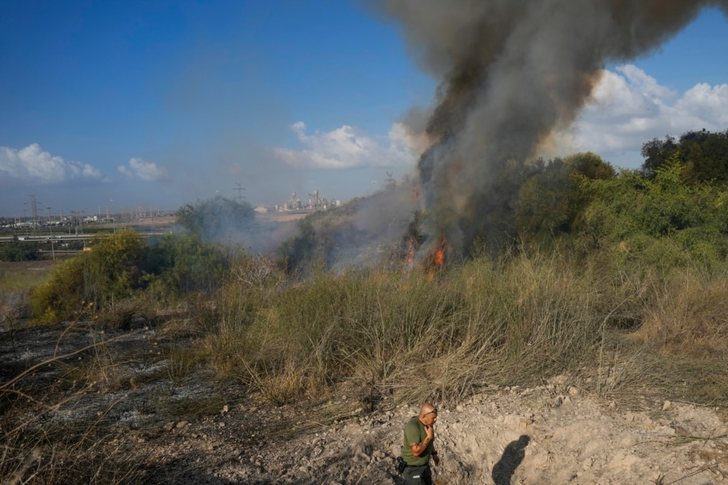
A rocket, which was launched by Yemen's Houthi rebels,...
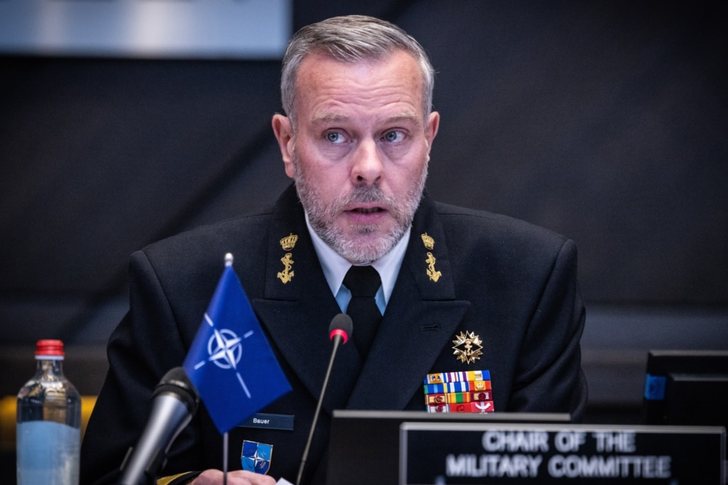
The head of NATO's Military Committee said the questio...
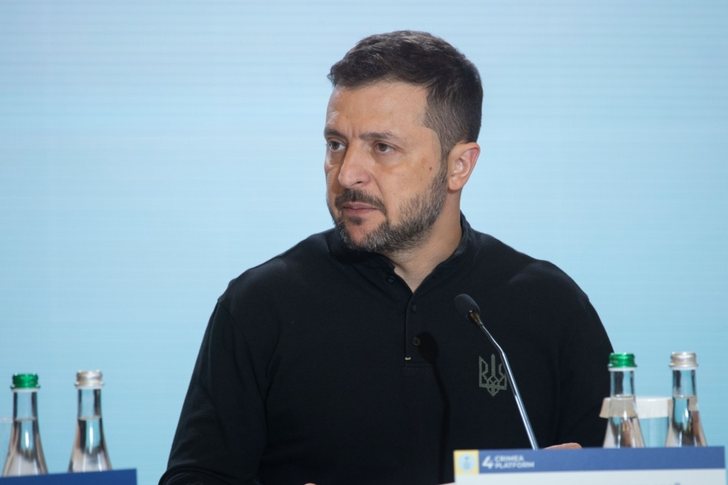
Ukrainian President Volodymyr Zelensky has again calle...
Serbia's Minister of Labour, Veterans and Social Affairs, ...
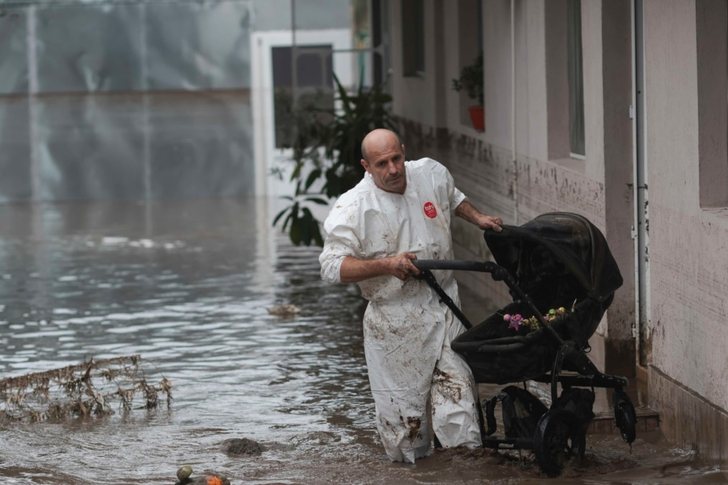
Residents and authorities continued their battle with ...
At least eight people have died during a failed attemp...
The Government of Serbia has approved a conclusion that or...
Russian officials have said that if the West allows Kiev t...

Republican presidential candidate Donald Trump said Thursd...
The Foreign Minister of Kosovo, Donika Gërvalla, on Saturd...
The Minister of Foreign Affairs and Diaspora of Kosovo, Do...
Five people have died and more than 100 others have been e...
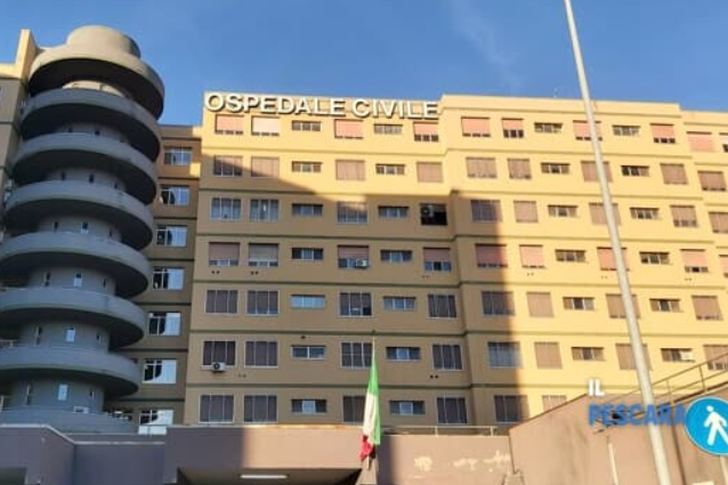
About forty people attended the Oncology department of the...
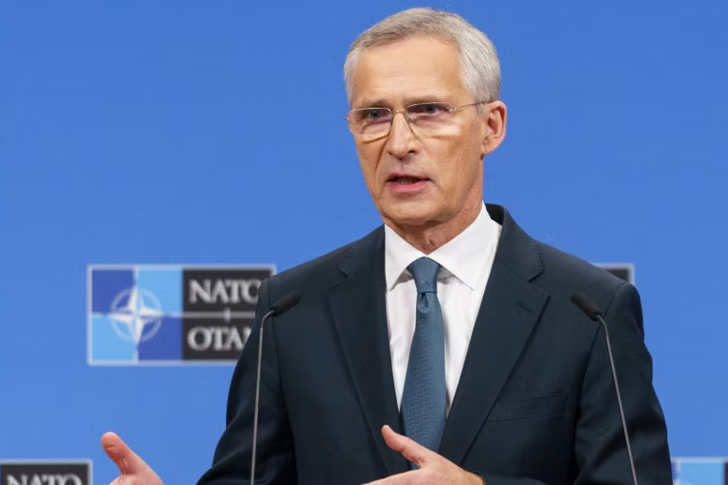
NATO could have done more to arm Ukraine and try to preven...
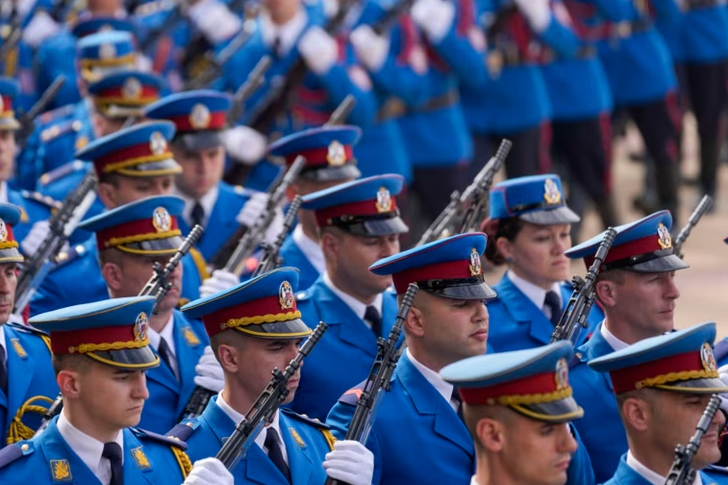
The President of Serbia, Aleksandar Vučić, announced that ...
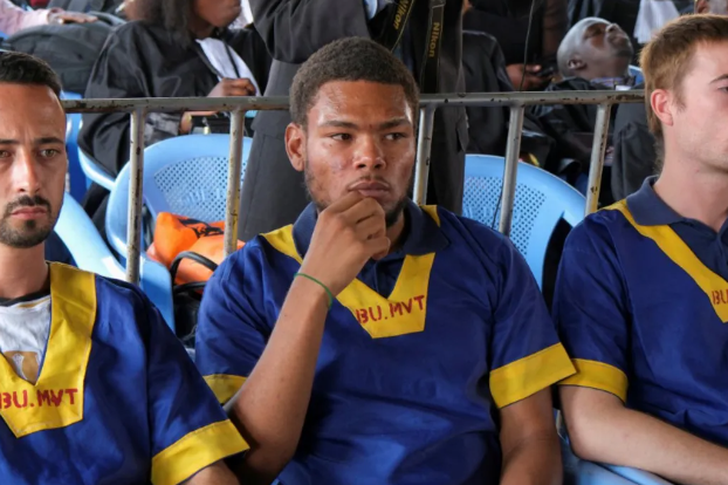
Thirty-seven people, including three Americans, a Briton, ...
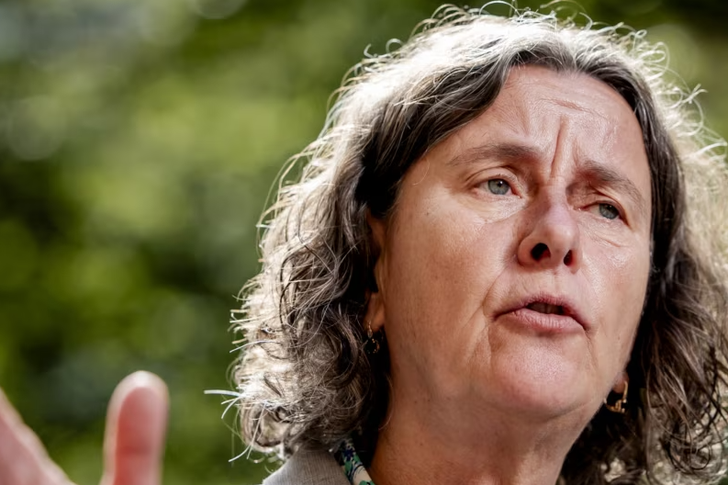
The Netherlands is expected to declare a state of emergenc...

CNA has launched another investigation that could lead to ...

Irfan Hysenbelliu is a businessman that we call "Irfan the...

In March 2026, CNA launched another investigation centered...
The arrested mayor of Tirana, Erion Veliaj, with 13 charge...

The Special Board of Appeal (KPA) decided this Monday ...

The KPA vetting decided this Thursday to dismiss the p...

Suela Salavaçi, a prosecutor in the Prosecutor's Offic...

The Special Board of Appeal reinstated the prosecutor ...
New details have emerged regarding the accident that occur...
New details have emerged from the serious accident that oc...
A serious accident occurred this Wednesday on the Elbasan-...
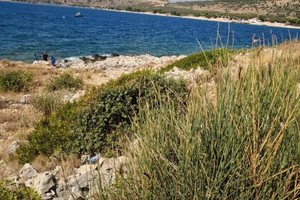
Citizen MH, 61, a fisherman, was found dead near the islan...

The Institute of Geosciences has shared a forecast for wea...
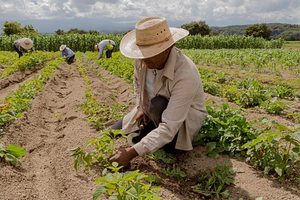
Rising energy and fertilizer prices are expected to contin...
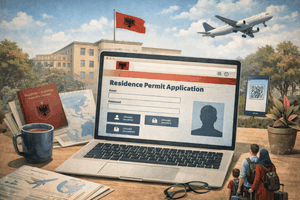
Over 18,000 foreign citizens from 140 countries have appli...
This Wednesday, our country will be under the influence of...
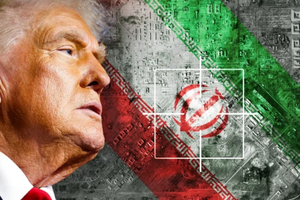
US President Donald Trump has issued another warning to Ir...
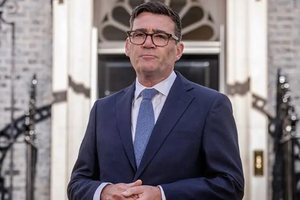
Prime Minister Andy Burnham has announced that most bus fa...

France's parliament has passed a law to ban social media f...

US Secretary of State Marco Rubio arrived in Manila on Jul...

At a time when industrial products are increasingly taking...

Trust among people is not just a three-syllable word. It c...
Master of humor Todi Llupi has passed away at the age of 7...

The ninth edition of "MIK Festival" kicked off with one of...

Businesses will no longer be required to simply register t...

Despite economic growth and income in recent years, Albani...

This Wednesday, one US dollar is bought for 81.4 lek and s...

Construction company licenses will have a validity period ...