

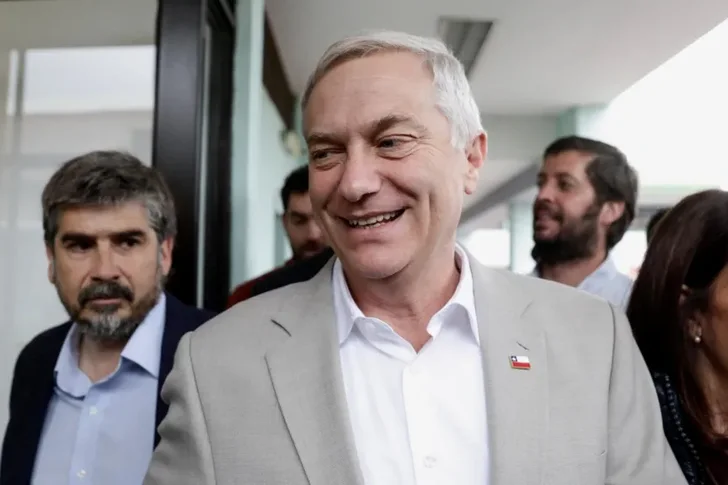
Kili zgjedh kandidatin e të djathtës ekstreme si president të ardhshëm
Kili ka zgjedhur Jose Antonio Kast, të krahut të djathtë e...


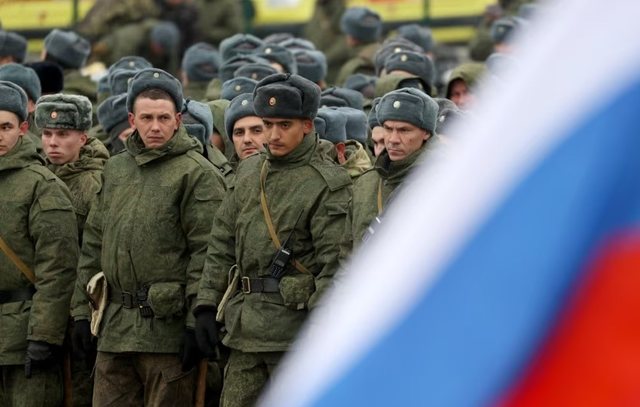
Russian President Vladimir Putin issued a little-publicized decree last month requiring many foreign men seeking permanent residency or Russian citizenship to sign a contract with the military, amid Moscow's war against Ukraine, a Radio Free Europe (RFE/RL) investigation has found.
State and private media in Russia have made almost no mention of this condition, which is highly unusual in international practice, since Putin signed Decree No. 821 on November 5.
However, the new measure is already forcing migrants who have built their lives in Russia to choose between joining the army and leaving the country, according to findings by Systema, REL's Russian research unit, and Azattyq Asia, its Russian-language unit covering Central Asia.
Akif, a 48-year-old who came to Russia from Azerbaijan four years ago, learned about the condition when he recently visited a Federal Migration Service office to ask what documents he needed for permanent residence, his wife, Maria, told REL. She spoke on condition of anonymity.
“We are at a crossroads”
Akif and Maria, who is a Russian citizen, married three years ago and have built a family farm in the Nizhny Novgorod region, where they keep sheep, goats and rabbits. Akif had met the other requirements, passing a Russian language test and obtaining a temporary residence permit.
But the couple has decided to leave the country, abandoning Akif's plan to seek permanent residency. "We don't know what to do. We're at a crossroads," Maria said.
The permanent residence permit gives migrants legal stability: they can leave and re-enter Russia without additional visas and work without the need for a special work permit. For many migrants from former Soviet republics, this is the only path to citizenship.
According to Putin's decree, however, to apply for a permanent residence permit, some men must present a military contract for at least one year of service, a service contract with the Ministry of Emergency Situations, or a certificate from the conscription office certifying that they are unfit for military service.
Similar rules apply to men seeking Russian citizenship: they must present a certificate proving they are unfit for service, or prove that they served in the army or the Ministry of Emergency Situations and were discharged from service before February 24, 2022, the day Russia began its full-scale occupation of Ukraine.
Këto kërkesa vlejnë për burrat që kërkojnë leje të përhershme qëndrimi ose shtetësi mbi bazën e qëndrimit afatgjatë ose rrethanave familjare. Ato nuk vlejnë për aplikantët në kategori të tjera, si specialistët të kualifikuar dhe ata që kërkojnë leje qëndrimi mbi bazën e studimeve në Rusi.
Dekreti nuk zbatohet për burrat nga Bjellorusia, aleatja ushtarake e Rusisë. Për shtetasit e Kazakistanit dhe Moldavisë, kërkesa vlen vetëm për aplikimet për shtetësi, jo për leje të përhershme qëndrimi. Rregulla të veçanta ekzistojnë për shtetasit e Ukrainës. Dekreti thotë se masat janë të përkohshme, por nuk jep ndonjë afat kohor.
“Ia ndalova të nënshkruante”
Një tjetër migrant që u përball papritur me këtë kusht është Burxon, 24 vjeç, i cili erdhi nga Taxhikistani rreth një vit më parë dhe punon në rajonin naftëprodhues të Hanti-Mansisk. Atij i thanë në një zyrë shtetërore se për të aplikuar për qëndrim të përhershëm do t’i duhej të nënshkruante kontratë ushtarake, sipas babait të tij.
“Ai më dëgjon mua. Dhe, unë ia ndalova të nënshkruante kontratën”, i tha babai i Burxonit Azattyq Asias në Taxhikistan.
Përveç një përsëritjeje të mobilizimit jopopullor të shtatorit 2022, i cili i shtyu shumë njerëz të largoheshin nga vendi, ushtria ruse ka shfrytëzuar pothuajse çdo mundësi për ta ruajtur numrin e ushtarëve në luftë, në të cilën agjencitë perëndimore të inteligjencës dhe burime të tjera thonë se më shumë se 1 milion ushtarë rusë janë vrarë ose plagosur.
Rusia ka rekrutuar burra nga e gjithë bota dhe ka tentuar të mobilizojë migrantë meshkuj që nga fillimi i pushtimit të plotë.
Disa të huaj kanë nënshkruar kontrata vullnetarisht në këmbim të pagesave ose procedurave të thjeshtuara për shtetësi. Moska i ka zgjeruar gradualisht këta stimuj ndërsa lufta është zvarritur.
Për shembull, ushtarët e huaj që luftojnë në Ukrainë nuk kanë nevojë të kalojnë provimin e gjuhës ruse për shtetësi. Gjithashtu, ligjvënësit rusë kanë shqyrtuar së fundmi një projektligj që sqaron se të huajt që kanë luftuar në anën e Rusisë nuk do të ekstradohen në vende të tjera që i kërkojnë për ndjekje penale ose për zbatimin e një dënimi.
Në maj, kreu i Komitetit Hetimor rus, Aleksandr Bastrykin, tha se të paktën 20.000 burra të natyralizuar nga Azia Qendrore po luftonin në vijën e frontit, ndërsa 10.000 të tjerë ishin dërguar “të hapnin llogore”.
Për shembull, ushtarët e huaj që luftojnë në Ukrainë nuk kanë nevojë të kalojnë provimin e gjuhës ruse për shtetësi. Gjithashtu, ligjvënësit rusë kanë shqyrtuar së fundmi një projektligj që sqaron se të huajt që kanë luftuar në anën e Rusisë nuk do të ekstradohen në vende të tjera që i ndjekin penalisht ose për zbatimin e ndonjë dënimi.
Në maj, kreu i Komitetit Hetimor, Aleksandr Bastrykin, tha se të paktën 20.000 burra të natyralizuar nga Azia Qendrore po luftonin në vijën e frontit, ndërsa 10.000 të tjerë ishin dërguar “të hapnin llogore”.
Praktikë e pazakontë
Newly naturalized citizens have been summoned to immigration offices and threatened with revocation of status if they refuse to fight. Recently, naturalized migrants have also been detained in large-scale raids and faced pressure to sign military contracts.
Officially, the decree marks the first time that the pressure has extended to non-Russian citizens. It marks a departure from the practice that is widespread globally: in most countries with compulsory military service, it applies to citizens and, more rarely, to permanent residents.
Even the media coverage, or lack thereof, is unusual.
Russian media usually publish or describe Putin's decrees, but in this case, reports in the mainstream media, both print and electronic, did not directly mention the condition, stating that there is a simplified procedure for obtaining a residence permit or citizenship for foreigners joining the military.
Temur Umarov, a researcher on Russia and Eurasia at the Carnegie Center in Berlin, said there appear to be two motives behind the decree.
"With these rules, the Russian government solves two problems," Umarov told Systema. "It increases mobilization at the expense of people who have limited opportunities to defend their rights, and it makes long-term migration to Russia less attractive."
"In the future, migrants will have to come to Russia exclusively as a source of labor and workforce," he said. /REL

Kili ka zgjedhur Jose Antonio Kast, të krahut të djathtë e...
US President Donald Trump's special envoy, Steve Witkoff, ...
A father and son are reported to be the perpetrators of th...

The Russian prosecutor's office has classified German broa...
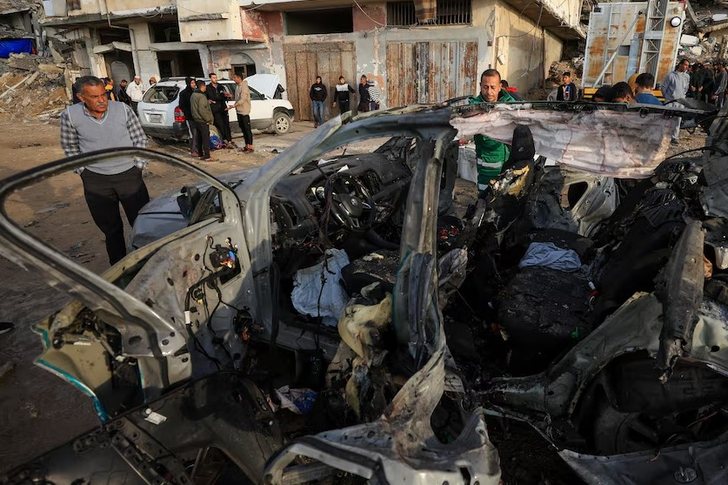
Hamas's chief negotiator, Khalil Al-Hayya, said the killin...
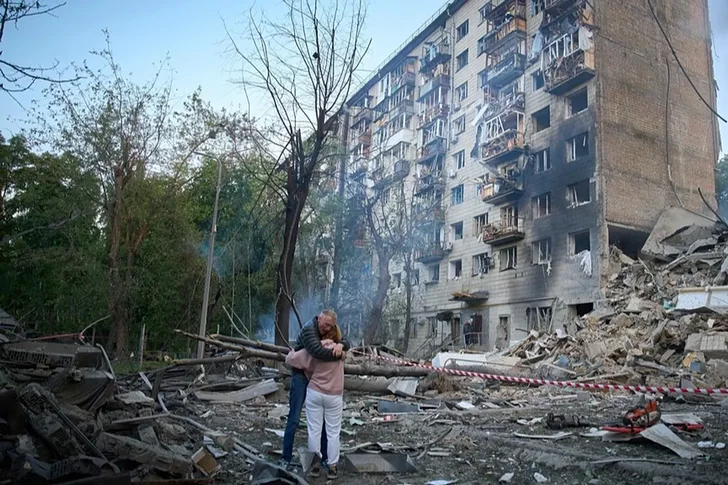
Shërbimi Shtetëror i Emergjencave i Ukrainës ka njoftuar s...
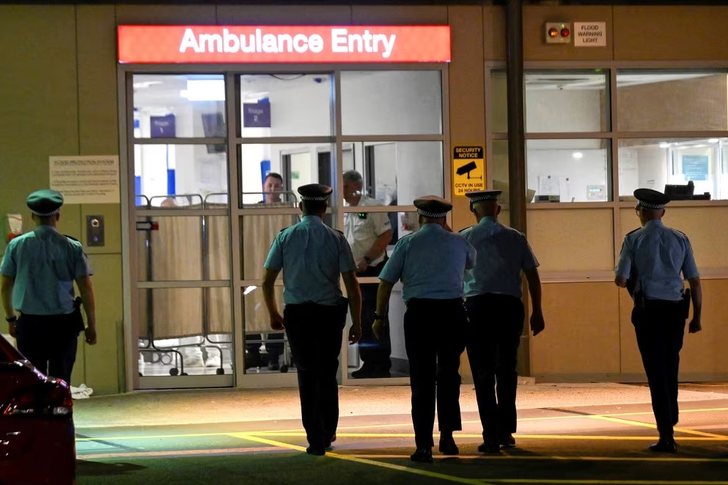
The death toll from today's attack on Bondi Beach in Austr...
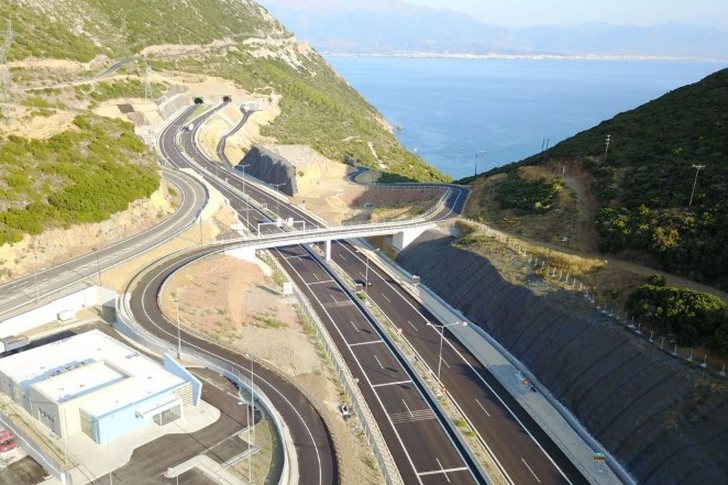
The Greek Ministry of Infrastructure and Transport has ann...
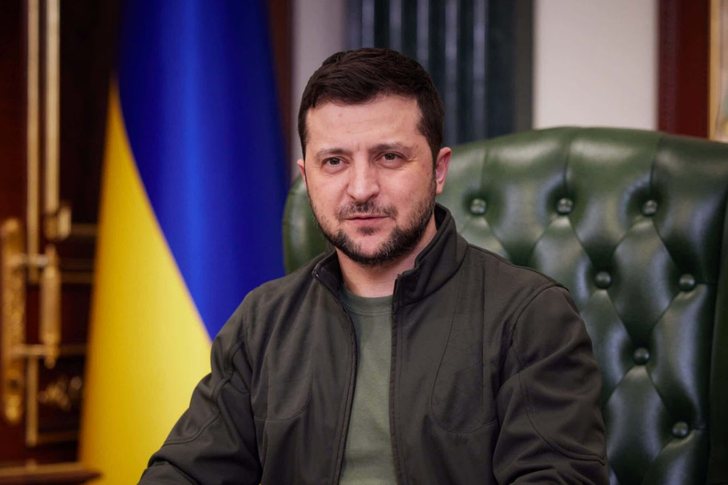
Presidenti ukrainas, Volodymyr Zelensky ka deklaruar se Uk...
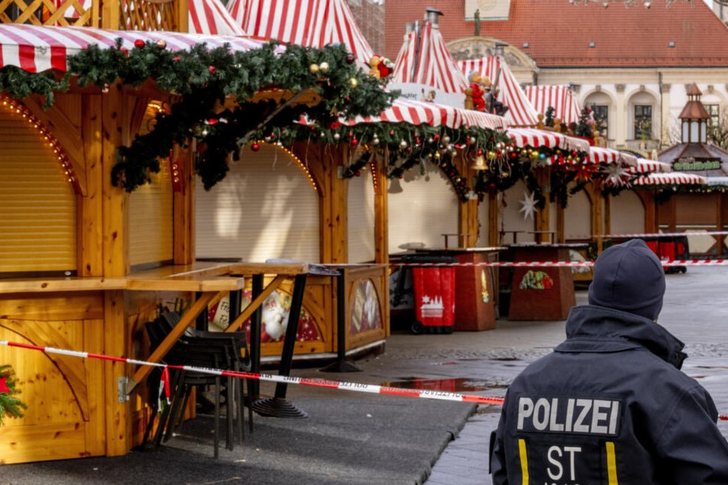
Five people have been arrested in Germany on suspicion of ...
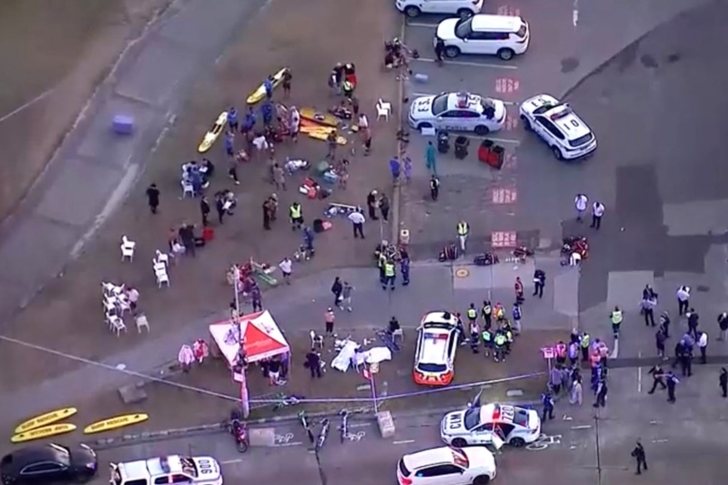
At least 11 people were killed and nearly 30 others injure...
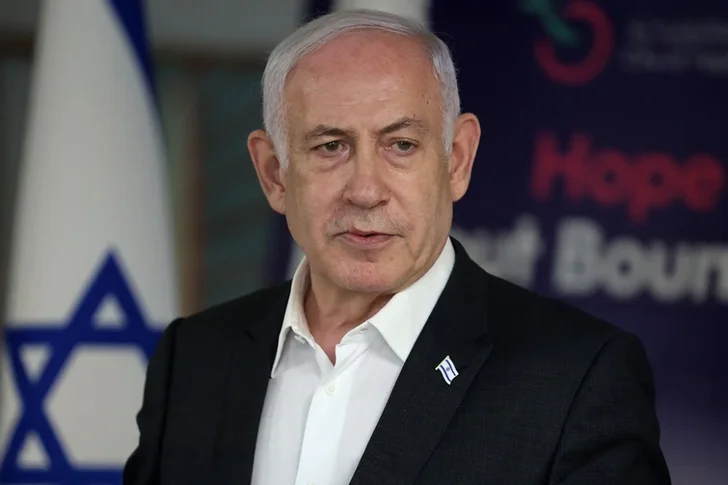
Israeli Prime Minister Benjamin Netanyahu has reacted with...
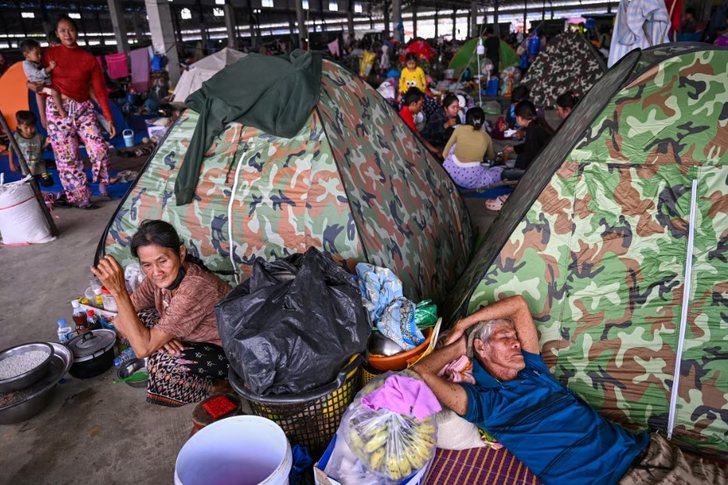
Thailand declared a curfew in its southeastern province of...
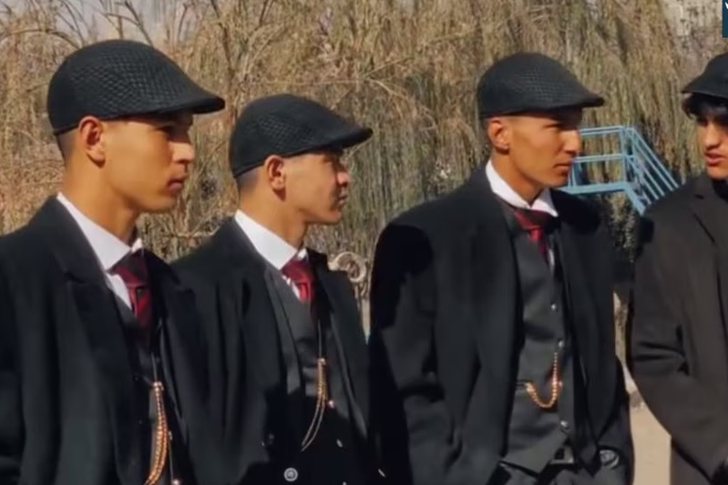
The morality police of the Taliban government in Afghanist...
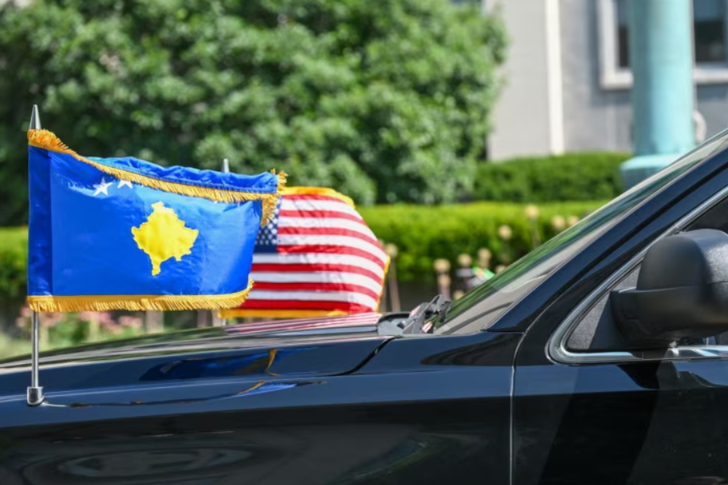
Once part of the US strategic vision, today Kosovo barely ...
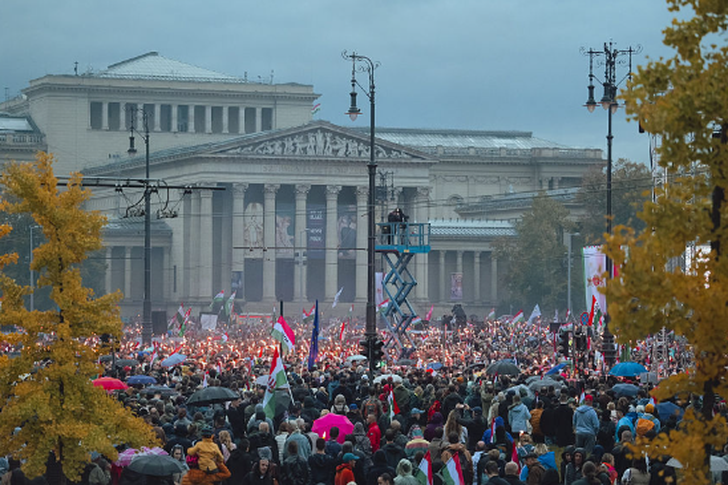
Hungarian Prime Minister Viktor Orbán's main challenger, P...
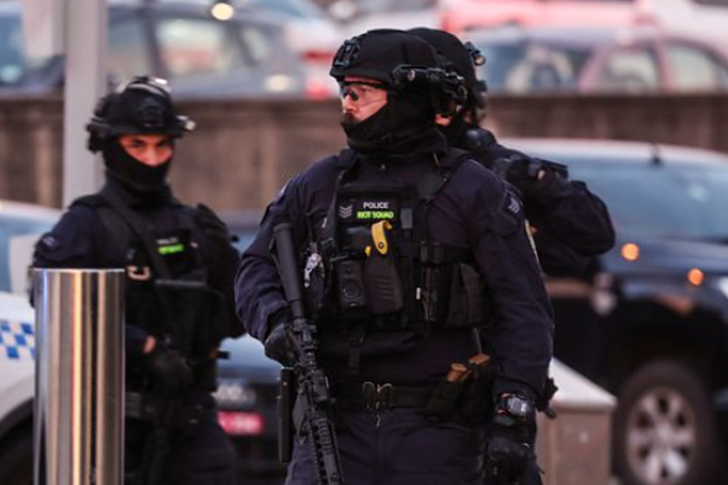
Të paktën 10 persona u vranë dhe rreth 18 të tjerë u plago...
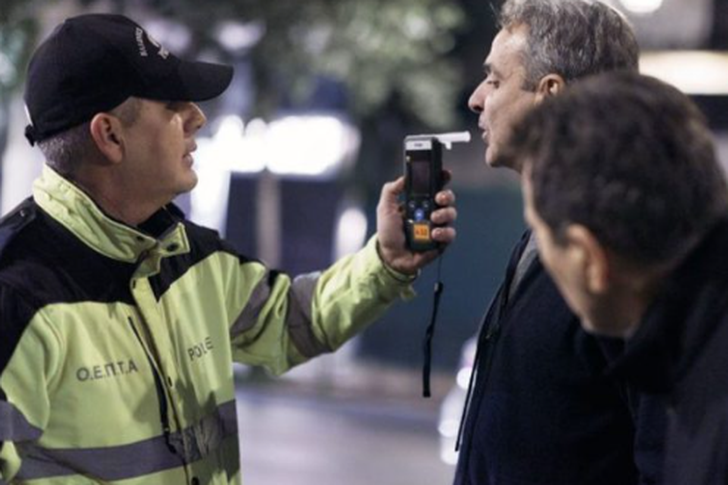
One of the dozens of points in Athens, where the Hellenic ...
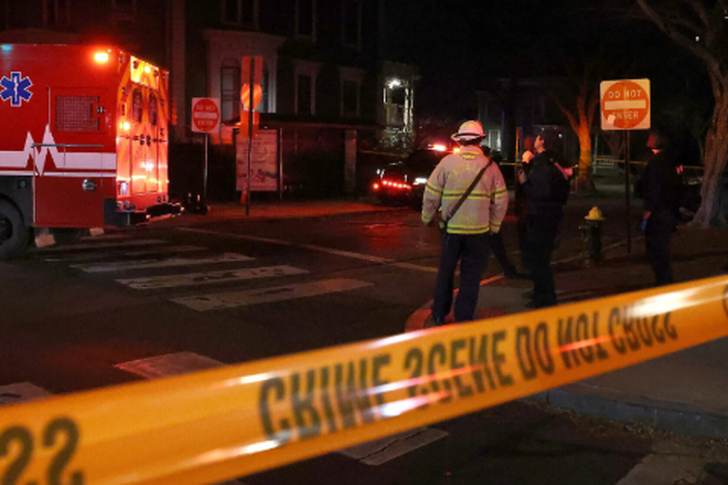
At least two people were killed and eight others were seri...
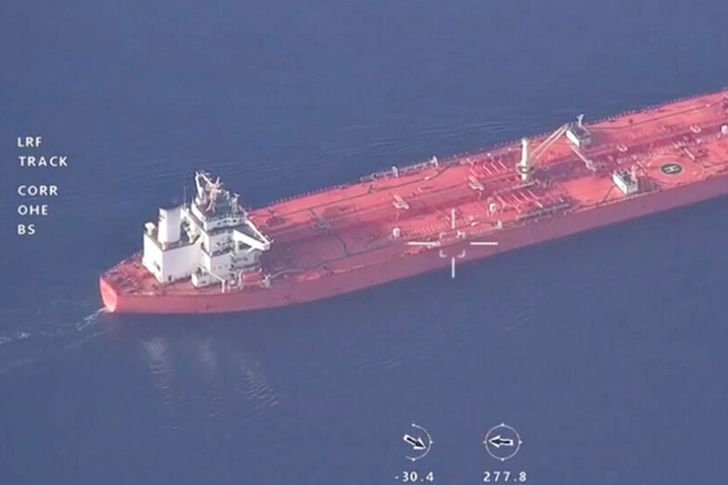
Iranian authorities have detained 18 crew members of a for...

CNA has launched another investigation that could lead to ...

Irfan Hysenbelliu is a businessman that we call "Irfan the...

In March 2026, CNA launched another investigation centered...
The arrested mayor of Tirana, Erion Veliaj, with 13 charge...

The Special Board of Appeal (KPA) decided this Monday ...

The KPA vetting decided this Thursday to dismiss the p...

Suela Salavaçi, a prosecutor in the Prosecutor's Offic...

The Special Board of Appeal reinstated the prosecutor ...
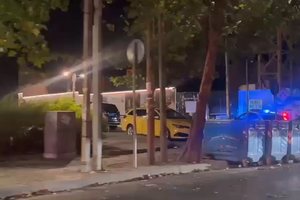
A road accident occurred this evening on Nikolla Zoraqi St...
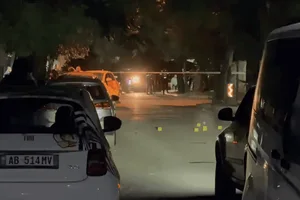
Three people were shot and wounded in Elbasan last night b...
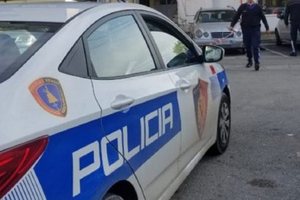
A serious incident occurred this Tuesday in the Yrshek are...

An accident occurred this Tuesday on "Dituria" street in K...
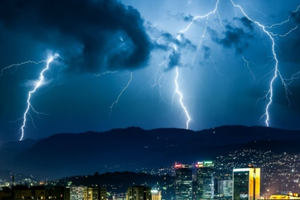
All of Southern Europe will face changing weather conditio...

Albania was hit by temperatures significantly higher than ...

For the first time, Pogradec welcomed the Inter-Lake Chess...

Albania has achieved a record for the employment of foreig...
US Secretary of State Marco Rubio arrived in Manila on Jul...
In the space of a few days, Ukrainian President Volodymyr ...
The spokesman for the Iranian Foreign Ministry warned Bulg...

Autoritetet italiane sekuestruan pako me afër 800 kilogram...

At a time when industrial products are increasingly taking...

Trust among people is not just a three-syllable word. It c...

Master of humor Todi Llupi has passed away at the age of 7...

The ninth edition of "MIK Festival" kicked off with one of...

Construction company licenses will have a validity period ...

The Centralized Purchasing Operator recently opened a tend...
The new draft law "On the Bank of Albania" provides that t...

This Tuesday, one US dollar is bought for 81.2 lek and sol...