


Child abuse in state institutions/ Thousands of Hungarians protest in Budapest
Hungarian Prime Minister Viktor Orbán's main challenger, P...


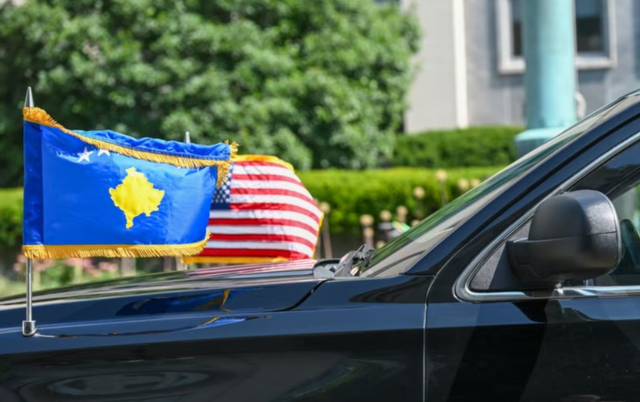
Once part of the US strategic vision, today Kosovo barely figures in its National Strategy. Washington's priorities have changed, and Kosovo has not capitalized on the period of calm, remaining vulnerable.
Earlier this month, President Donald Trump's White House released its National Security Strategy - a document that every US administration issues to explain its foreign policy priorities.
The strategy, which bears the president's signature, emphasizes that "the days when the United States supported the entire world order like Atlas are over," that "the affairs of other countries are a concern of the United States only if their activities directly threaten American interests," and that "the United States will reaffirm and implement the Monroe Doctrine to restore American primacy in the Western Hemisphere."
The 33-page document also calls for “cultivating resistance” in Europe, warning that the continent is undermining democracy, blocking peace in Ukraine and facing “the extinction of civilization” due to high migration and falling birth rates. It also blames European officials for obstructing U.S. efforts to stop the war in Ukraine and accuses governments of ignoring a “vast European majority” that wants peace.
Kosovo is mentioned only in the “principles” chapter, as one of President Trump’s successes in achieving peace between it and Serbia. Europeans greeted this strategy with concern - “the foundations of partnership require mutual respect, especially in moments of political divergence,” said the president of the European Council, Antonio Costa.
In the assessment of Olivia Eno, of the Hudson Institute, the strategy openly acknowledges that America cannot deal with everything, leaves out some regions and problems, and clearly lists priorities, starting with the Western Hemisphere, then Asia, Europe, and finally the Middle East. This choice, she says, is controversial for those who want a more consistent foreign policy, but it is intentional.
"I read it as a ranking of priorities. Others may disagree, but to me the message is clear: this is our hemisphere, so this is of the utmost importance to us. We are going to make sure our border is secure. That is the top priority," Enos says.
However, according to him, the confusion is visible even in the capital of world decision-making itself - in Washington.
Congress there is pushing forward with the National Defense Authorization Act, which contradicts the National Strategy. It aims to strengthen US military engagement in Europe and increase attention to Russia's cooperation with China and North Korea.
The law guarantees 76,000 US troops in Europe, stops major equipment withdrawals and continues support for the Baltic states to contain Russia.
The section on the Western Balkans states, among other things, that "it is in the common interest of the United States and the countries of this region that they have sustainable economic growth and development."/rel

Hungarian Prime Minister Viktor Orbán's main challenger, P...
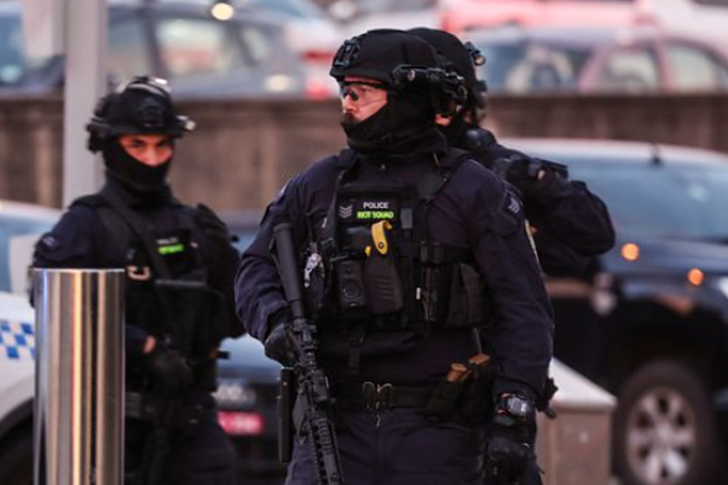
Të paktën 10 persona u vranë dhe rreth 18 të tjerë u plago...

One of the dozens of points in Athens, where the Hellenic ...
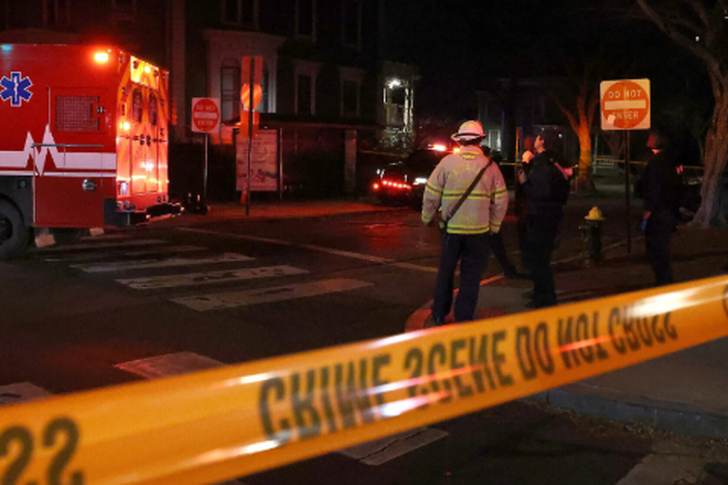
At least two people were killed and eight others were seri...

Iranian authorities have detained 18 crew members of a for...

A river has overflowed its banks in Washington state, forc...
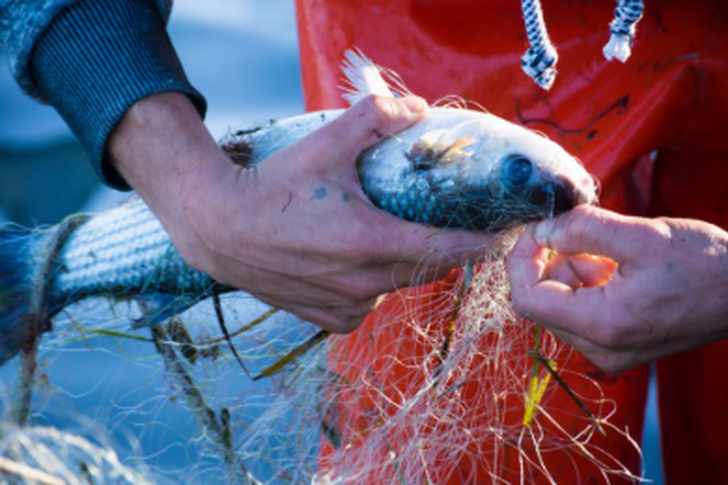
The EU Council of Agriculture and Fisheries Ministers has ...
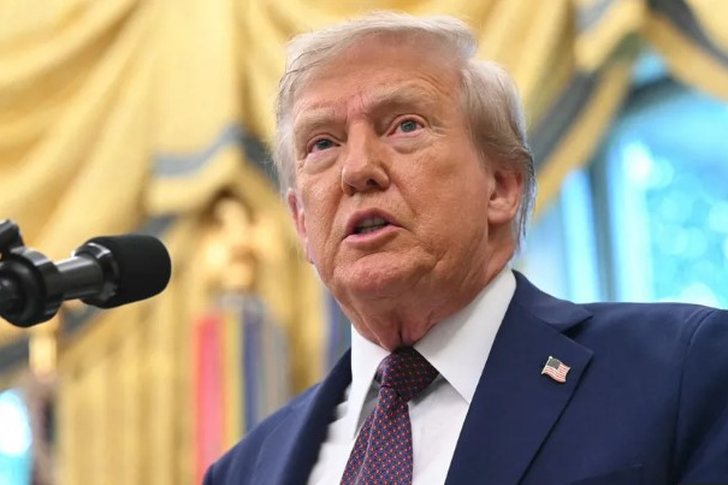
US President Donald Trump said there would be "very seriou...

The Cambodian government announced today that Thai armed f...
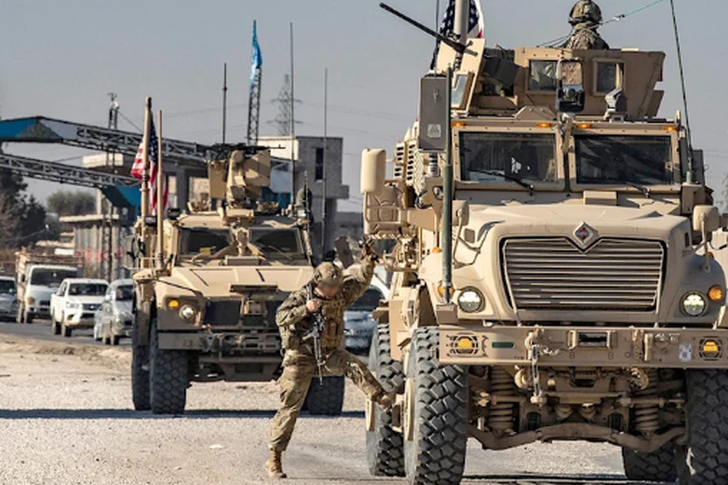
Two American soldiers and an American civilian were killed...
Kreu i Grupit Parlamentar të Partisë Socialiste, Taulant B...
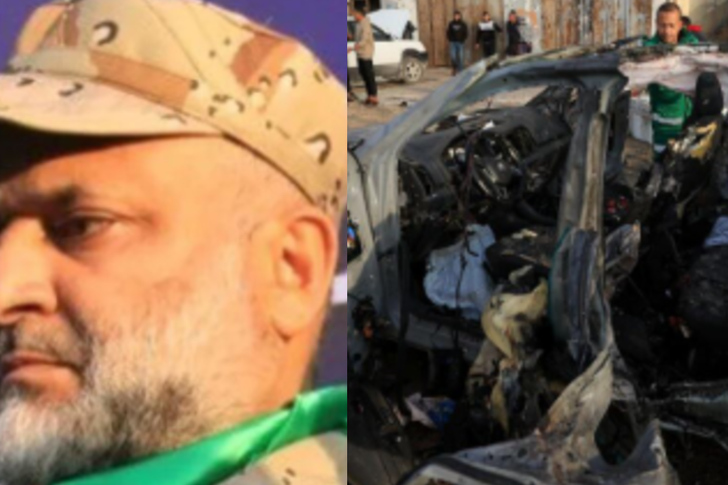
The Israeli army killed senior Hamas commander Raed Saed, ...
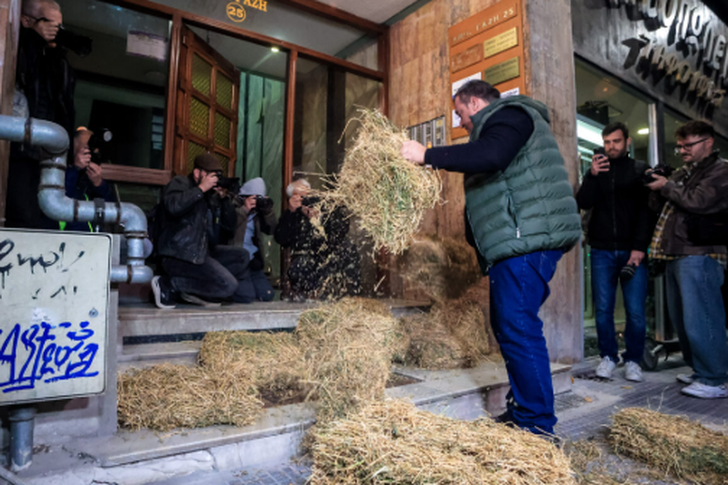
Farmers and herders of the plains of Thessaly protested in...
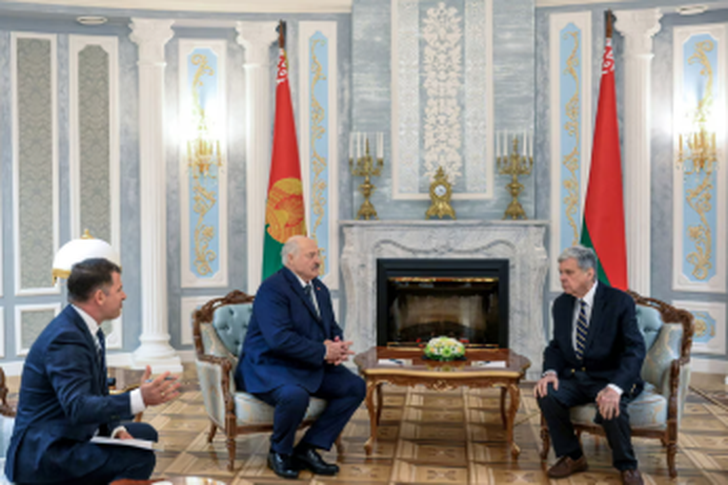
Belarusian President Alexander Lukashenko released 123 pri...
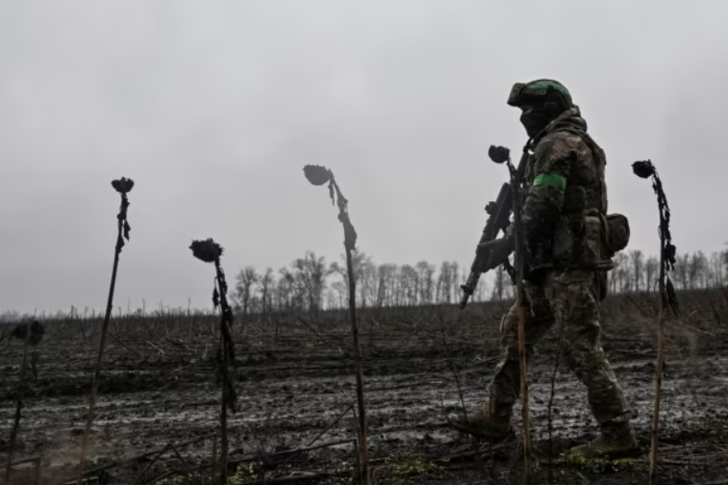
North Korea held a grand ceremony for soldiers returning f...
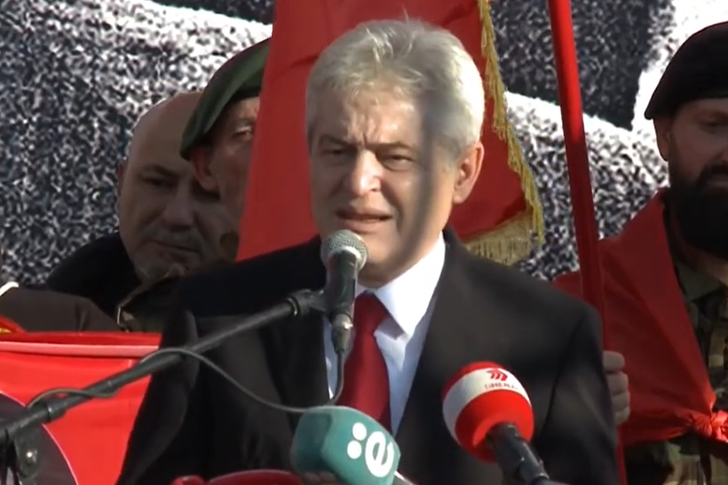
DUI Chairman Ali Ahmeti, during his speech at the protest ...

In his speech at the protest in support of former KLA lead...
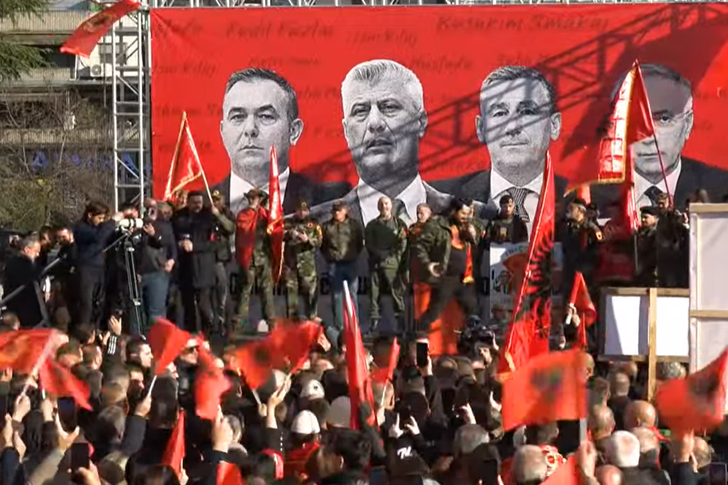
Thousands of Albanians in Skopje have gathered in the squa...
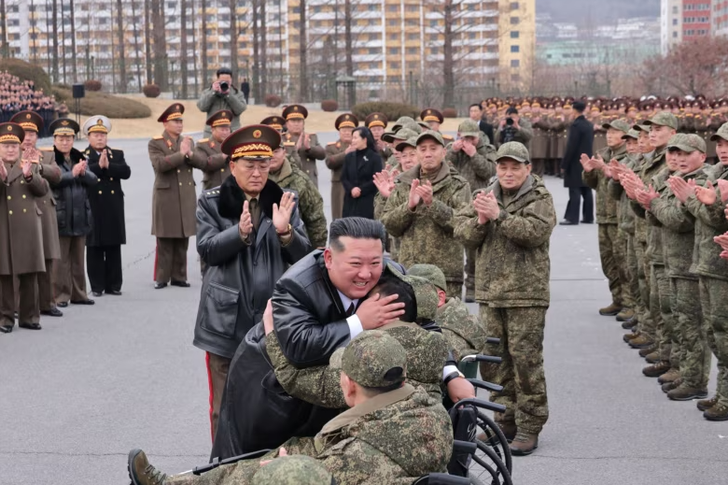
North Korean leader Kim Jong Un attended a welcome ceremon...
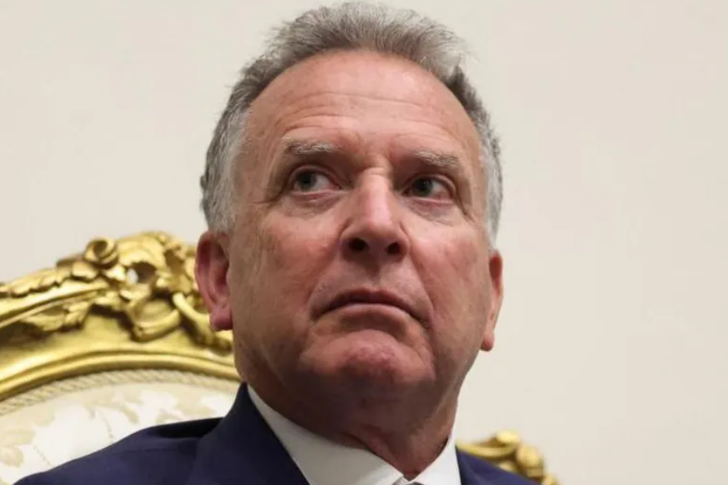
US President Donald Trump's envoy will travel to Germany t...

CNA has launched another investigation that could lead to ...

Irfan Hysenbelliu is a businessman that we call "Irfan the...

In March 2026, CNA launched another investigation centered...
The arrested mayor of Tirana, Erion Veliaj, with 13 charge...

The Special Board of Appeal (KPA) decided this Monday ...

The KPA vetting decided this Thursday to dismiss the p...

Suela Salavaçi, a prosecutor in the Prosecutor's Offic...

The Special Board of Appeal reinstated the prosecutor ...

A road accident occurred this evening on Nikolla Zoraqi St...

Three people were shot and wounded in Elbasan last night b...

A serious incident occurred this Tuesday in the Yrshek are...

An accident occurred this Tuesday on "Dituria" street in K...

All of Southern Europe will face changing weather conditio...

Albania was hit by temperatures significantly higher than ...

For the first time, Pogradec welcomed the Inter-Lake Chess...

Albania has achieved a record for the employment of foreig...

US Secretary of State Marco Rubio arrived in Manila on Jul...
In the space of a few days, Ukrainian President Volodymyr ...
The spokesman for the Iranian Foreign Ministry warned Bulg...

Autoritetet italiane sekuestruan pako me afër 800 kilogram...

At a time when industrial products are increasingly taking...

Trust among people is not just a three-syllable word. It c...

Master of humor Todi Llupi has passed away at the age of 7...

The ninth edition of "MIK Festival" kicked off with one of...

Construction company licenses will have a validity period ...
The Centralized Purchasing Operator recently opened a tend...
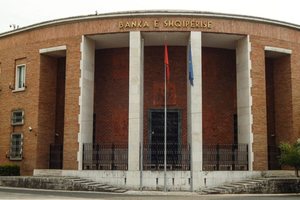
The new draft law "On the Bank of Albania" provides that t...

This Tuesday, one US dollar is bought for 81.2 lek and sol...