

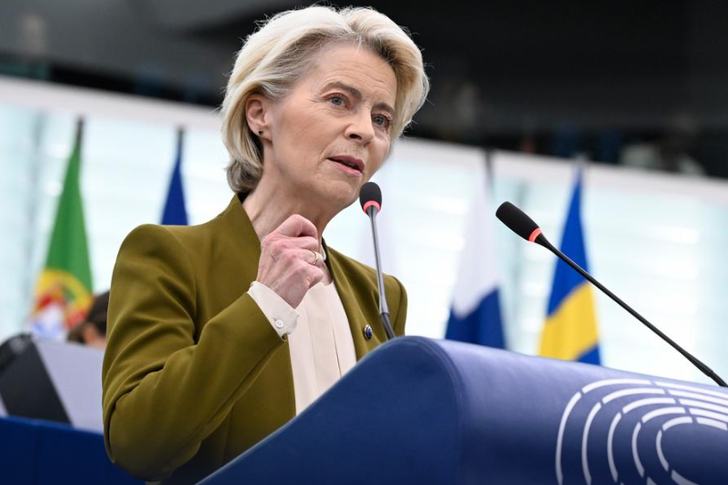
Von der Leyen: Just and lasting peace with respect for Ukraine's sovereignty
European Commission President Ursula von der Leyen said th...


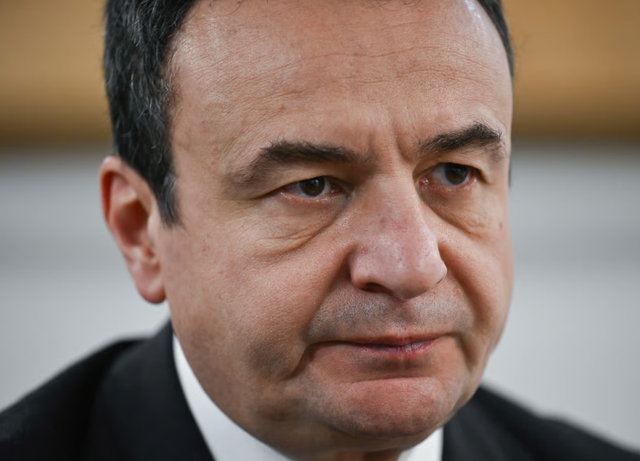
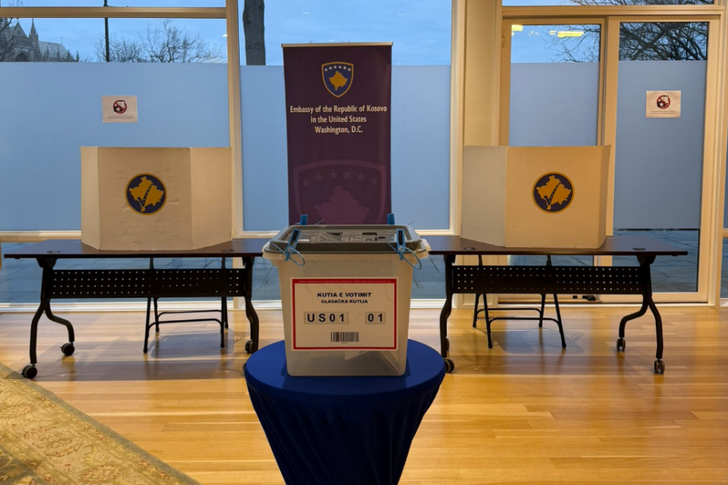
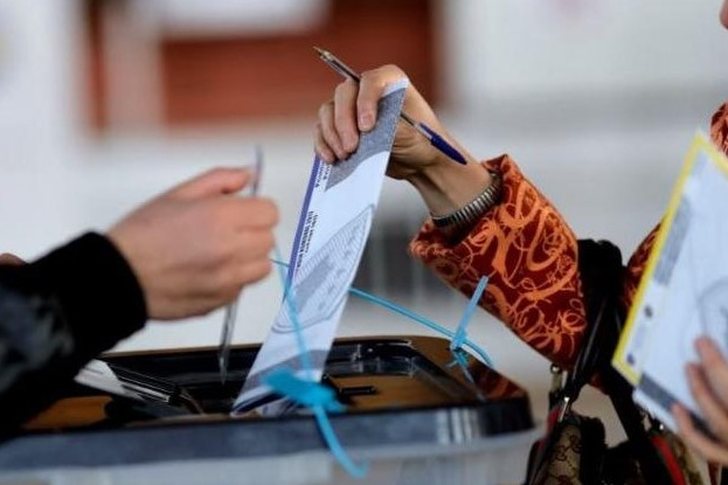
After nearly a year of political paralysis, Kosovo returns to the polls on Sunday in a vote that could determine whether the country makes progress on its stalled path to the European Union.
The February elections saw a clear winner, the ruling Vetëvendosje party of incumbent Prime Minister Albin Kurti, which took 42 percent of the vote. However, it failed to secure an absolute majority and was subsequently unable to form a coalition with another party.
Kurti's party has pushed Kosovo into deeper isolation, as its left-wing populist approach and efforts to assert Kosovo's sovereignty over the Serb-majority north have strained relations with both the US and the EU, leading to punitive measures.
None of the main opposition parties wanted to work with Vetëvendosje, nor did they approve of Kurti’s numerous attempts to appoint a speaker of parliament. Kurti even offered to give up his position as prime minister to appease the opposition, but to no avail.
This meant that President Vjosa Osmani was forced to call early elections in November, making this Kosovo's seventh parliamentary vote since it declared independence from Serbia in 2008.
Ahead of Sunday's vote, opposition parties such as the Democratic League of Kosovo (LDK), the Democratic Party of Kosovo (PDK), and the Alliance for the Future of Kosovo (AAK) show no signs of changing their stance towards Kurti.
"LDK, PDK and AAK see Kurti as a populist who has hindered relations with the West and sabotaged NATO membership and the EU integration process," Haki Abazi, a parliamentary candidate for AAK, told POLITICO.
Abazi was deputy prime minister under Kurti during his first term in 2019, but was later expelled from the party over disagreements over political direction. "Kurti is seen as toxic and fragmenting," Abazi said, adding that this is why none of the three parties will form a coalition with the Vetëvendosje leader.
Opposition parties
There is a possibility that the three opposition parties could form a coalition to prevent another political deadlock, with Abazi calling such a scenario "very likely."
However, PDK MP Blerta Deliu-Kodra told POLITICO that "it remains to be seen what the numbers will be" - although she expects a government to be formed without Kurti as prime minister.
PDK candidate Hajdar Beqa told POLITICO that "Kurti's government has seriously damaged Kosovo's European integration process," stressing the need for a new government to "put the country back on a safe path towards the EU."
However, acting deputy foreign minister and Vetëvendosje candidate Liza Gashi told POLITICO that during Kurti's term, the ruling party "strengthened democratic institutions, improved key economic indicators, expanded social protection, and governed with integrity and stability. [Vetëvendosje] enters this election with a strong governing record and broad public support."
Meanwhile, Kosovo's EU membership bid remains "in the European Union's drawers," Osmani said, speaking at an EU-Western Balkans Summit last week. The country applied in 2022, but little progress has been made since then.
European Commission President Ursula von der Leyen announced at the summit that the EU will lift 2023 sanctions against Kosovo due to tensions in the Serb-majority north and will unlock over 400 million euros in financial aid.
But if the country fails to form a government again, Kosovo risks losing access to the bloc's 6 billion euro Growth Plan for the Western Balkans, as it must implement reforms to unlock the funds.
"Kosovo already faces an uphill battle because of the five [EU] states that have not recognized it, and the country cannot afford another year lost because of the inability of politicians to do what they were elected to do - to provide solutions, not create problems," said Besar Gërgi, an expert on European integration at the Group for Legal and Policy Studies, a think tank in Kosovo. Cyprus, Slovakia, Spain, Greece and Romania do not recognize Kosovo.
When asked by POLITICO what to expect from Sunday's elections, Osmani expressed confidence that they will meet "the best democratic standards," yield quick results, and allow for the rapid formation of government institutions.
"Interests of the Serbs"
Serbian President Aleksandar Vu?i? said he hopes "for a big and significant victory" for Kosovo's largest ethnic Serb party, the Serbian List, expecting it to secure seats to "represent the interests of Serbs, not Albin Kurti."
Serbia still does not recognize Kosovo and refers to the state as “Kosovo and Metohija,” its former name as a Serbian province. The EU has attempted to improve relations between Kosovo and Serbia through the Belgrade-Pristina Dialogue; however, despite years of talks, the intervention has yielded few concrete results./politico

European Commission President Ursula von der Leyen said th...
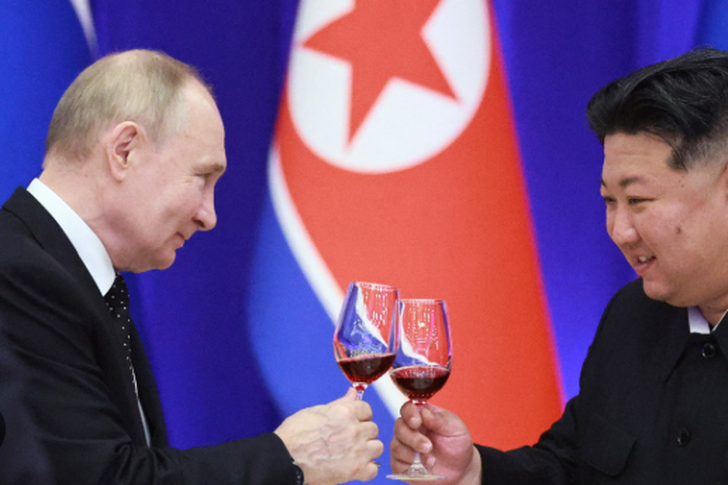
North Korean leader Kim Jong Un has highlighted what he de...
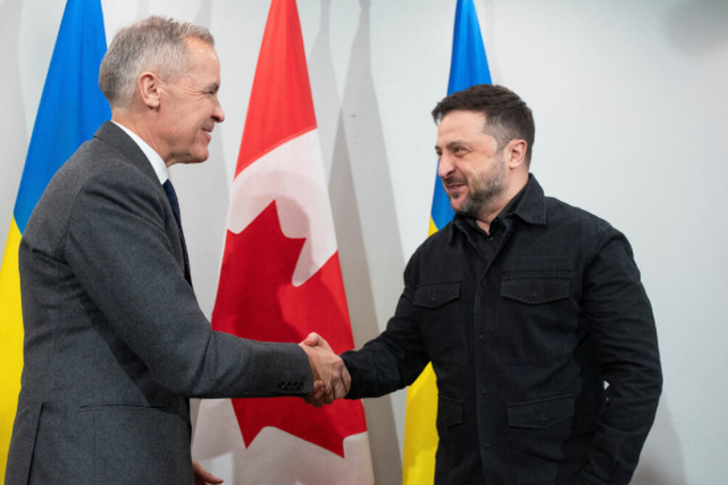
Ukrainian President Volodymyr Zelensky made a stop in Cana...

Israeli Prime Minister Benjamin Netanyahu will depart for ...
A magnitude 6.6 earthquake struck off the coast of Taiwan ...
A British aristocrat may have been pregnant with Adolf Hit...
Rescuers in Yakutia have pulled a submerged vehicle from a...
The voting center at the Kosovo Embassy in Washington is o...

"Serbophobe", "persecution of Serbs", "Albanian criminals"...
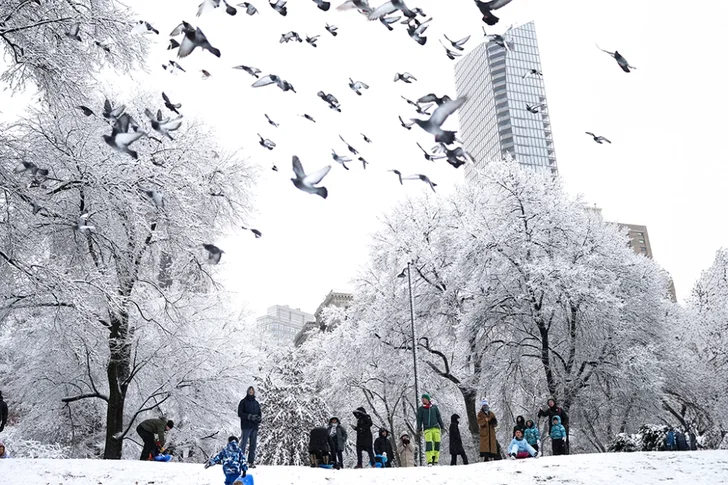
A powerful winter storm has swept through the New York Cit...
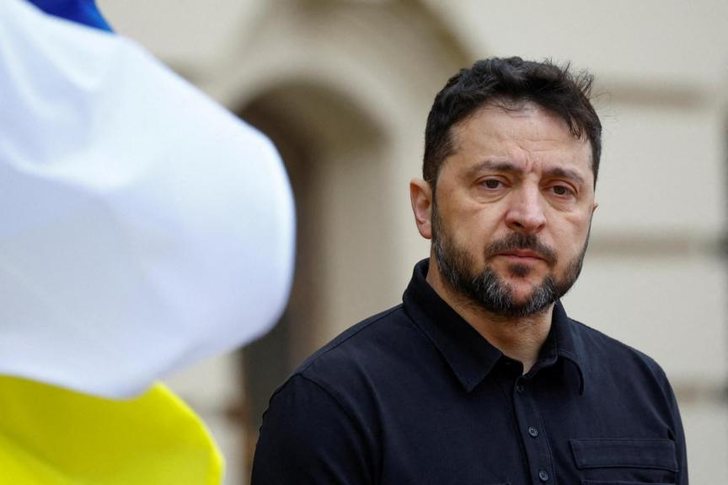
Ukrainian President Volodymyr Zelensky will fly to Florida...
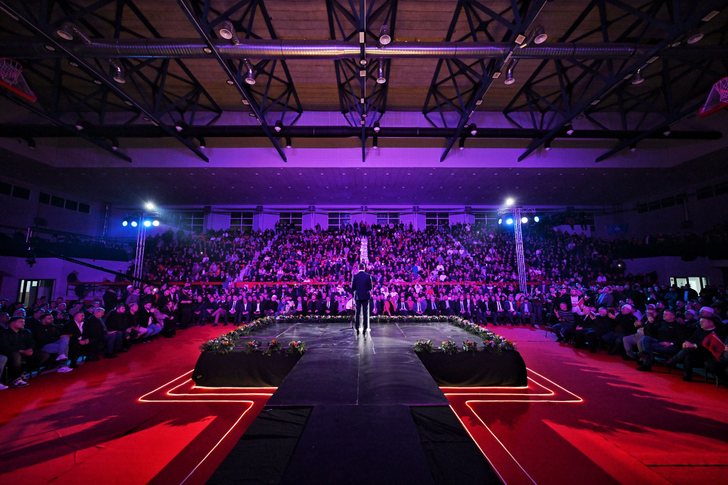
Kosovo will hold early elections tomorrow. While the votin...
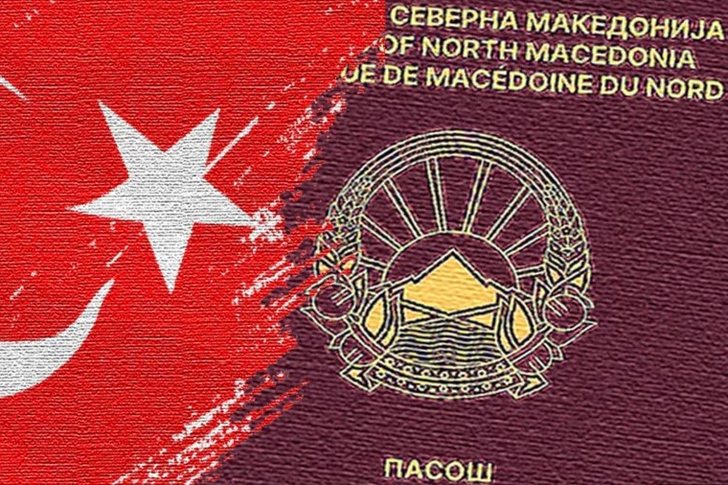
“Jeta në Turqi është bërë politikisht shumë e vështirë, po...
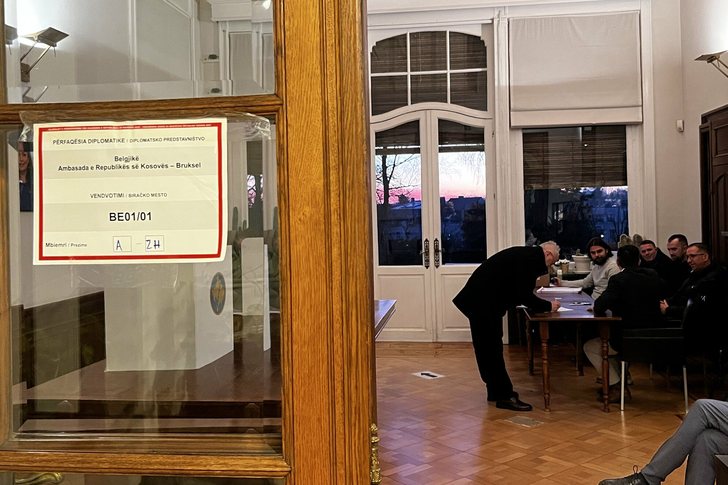
Qytetarët e Kosovës që jetojnë jashtë vendit i janë drejtu...

Nine people have been arrested by the Italian police and G...
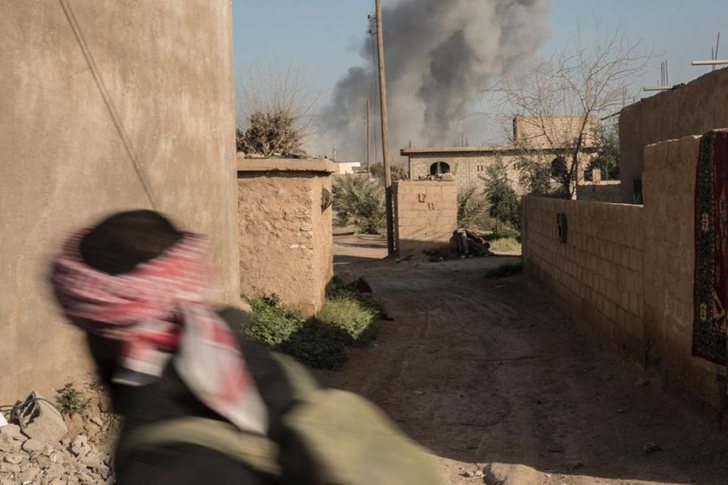
Sulmi i Shteteve të Bashkuara kundër militantëve të Shteti...
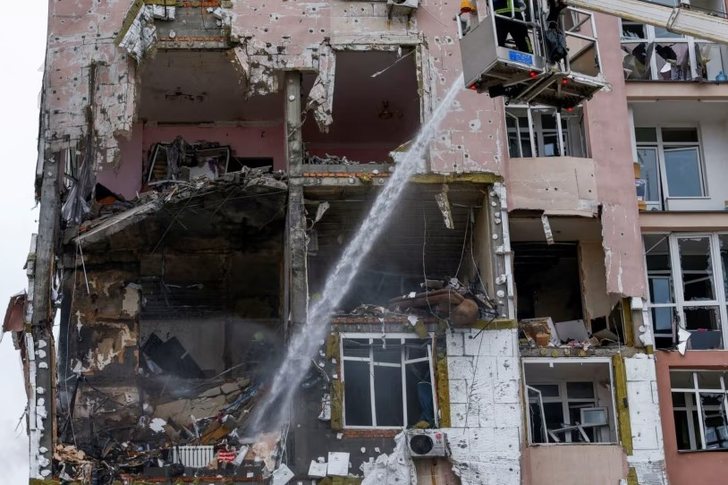
A barrage of Russian drones and missiles over Kiev and its...
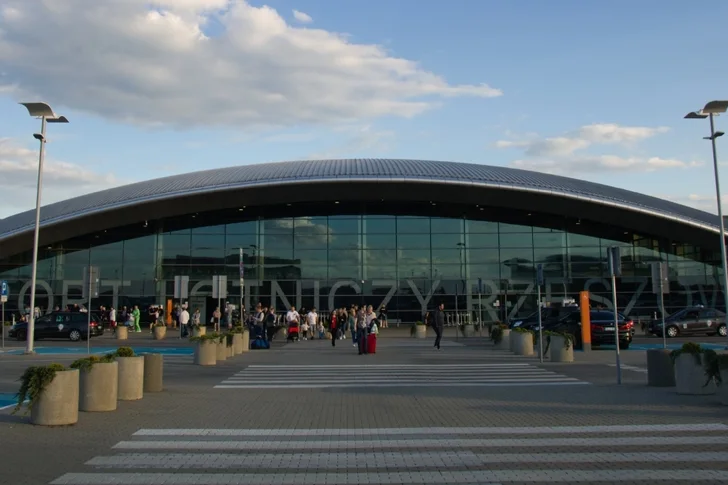
Rzeszow and Lublin airports in southeastern Poland have be...
Qytetarët e Kosovës që jetojnë jashtë vendit do të votojnë...
Bulgaria will introduce the euro on January 1, 2026, makin...

CNA has launched another investigation that could lead to ...

Irfan Hysenbelliu is a businessman that we call "Irfan the...

In March 2026, CNA launched another investigation centered...
The arrested mayor of Tirana, Erion Veliaj, with 13 charge...

The Special Board of Appeal (KPA) decided this Monday ...

The KPA vetting decided this Thursday to dismiss the p...

Suela Salavaçi, a prosecutor in the Prosecutor's Offic...

The Special Board of Appeal reinstated the prosecutor ...
A road accident occurred this evening on Nikolla Zoraqi St...
Three people were shot and wounded in Elbasan last night b...
A serious incident occurred this Tuesday in the Yrshek are...

An accident occurred this Tuesday on "Dituria" street in K...
All of Southern Europe will face changing weather conditio...
Albania was hit by temperatures significantly higher than ...

For the first time, Pogradec welcomed the Inter-Lake Chess...
Albania has achieved a record for the employment of foreig...
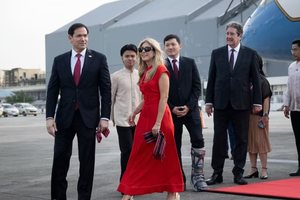
US Secretary of State Marco Rubio arrived in Manila on Jul...
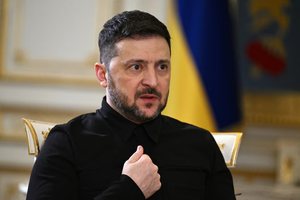
In the space of a few days, Ukrainian President Volodymyr ...
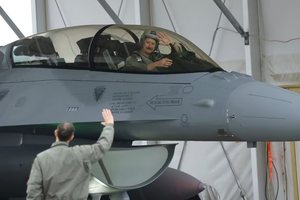
The spokesman for the Iranian Foreign Ministry warned Bulg...
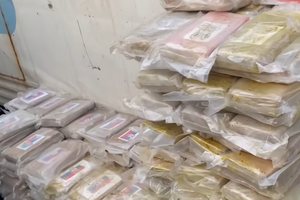
Autoritetet italiane sekuestruan pako me afër 800 kilogram...

At a time when industrial products are increasingly taking...

Trust among people is not just a three-syllable word. It c...

Master of humor Todi Llupi has passed away at the age of 7...

The ninth edition of "MIK Festival" kicked off with one of...

Construction company licenses will have a validity period ...
The Centralized Purchasing Operator recently opened a tend...
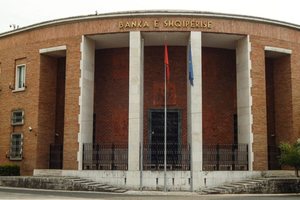
The new draft law "On the Bank of Albania" provides that t...
This Tuesday, one US dollar is bought for 81.2 lek and sol...