

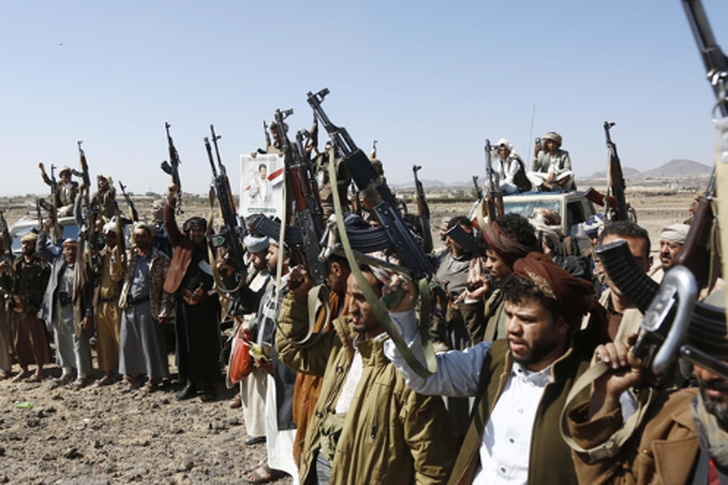
Reuters: Houthis' involvement opens new war front in Middle East
The missile attack by Yemen's Houthi rebels on Israel show...


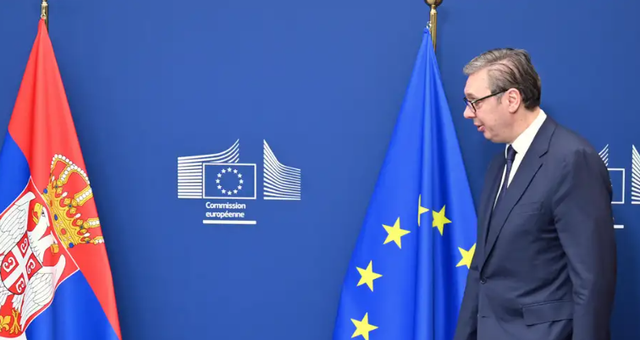
Serbian experts tell DW that the lack of strategy in Serbia's foreign policy, which is largely shaped by President Aleksandar Vu?i?, leads to improvisations and limited results.
Serbian foreign policy, like practically everything else, is led by one man: Aleksandar Vu?i?, the President of Serbia. The Serbian government is only a silent observer of diplomatic agreements and business deals with individual countries. This is also why this policy is marked by improvisations and the personal agenda of the President of Serbia.
To this should be added the fact that geopolitical events are also viewed from a human perspective and that Serbia's further moves in the field of foreign policy are adjusted on this basis. In practice, this means that Aleksandar Vu?i? evaluates world events based on parameters known only to him and tries to present himself to the public as a man with special solutions, who, like a kind of television prophet, predicts when and where war will break out, who is preparing for this or that move, and who will be against whom and with whom.
As an illustration of the complete lack of collective analysis, Vu?i?'s recent warning to his associates in Serbia, during a foreign visit, not to comment on anything in the field of foreign policy until he returns, because they might say something wrong and ruin their foreign policy visions.
Vu?i?'s megalomaniacal ambitions
If, therefore, only one man is involved in Serbia's diplomacy in the global context, it is not surprising that foreign policy commentator Boško Jakši? assesses the achievements of Serbian foreign policy as a fiasco:
"Aleksandar Vu?i? still adheres to the four-chair foreign policy policy, which has since become quite unstable, especially after the war in Ukraine. There is no longer room for four chairs, but Vu?i?, in his megalomaniacal ambition, thinks he is a major global player, which ultimately led to the fact that Serbia had no reliable allies either in the East or in the West," DW's interlocutor emphasizes.
Beshiri: Modest economic benefits
Serbia has no foreign policy strategy, Naim Leo Beshiri, director of the Institute for European Affairs, tells DW, adding "how is this not a coincidence":
"If you don't have a strategy, it means that you are not relying on solid facts, which say that the European Union (EU) should be the main pillar of foreign policy. This then leaves room for Aleksandar Vu?i?, whom the Serbian government does not limit at all in this sense, to gain from foreign mediation only what benefits him personally and the people around him who are getting extremely rich. Foreign policy is created according to corruption and personal gain, and not for the sake of improving the lives of Serbian citizens," Beširi tells DW.
There is no doubt that the government has waged an intense foreign policy campaign in recent months, but it is also shrouded in mystery.
In addition to President Vu?i?, the Ministry of Foreign Affairs also participated in the campaign to some extent, and as usual, apart from phrases about strategic partnership and some vague business ventures, it remained unclear whether any important agreements were negotiated there, or whether allies were sought to combat the protests in Serbia. It seems that Serbia is ready to cooperate with everyone except the European Union countries, whose membership it at least declaratively advocates.
The epilogue of all this is small economic benefits for Serbia, emphasizes Naim Leo Beshiri, "and this most often has to do with the sale of weapons or the provision of Serbian resources. If you follow the government's propaganda, you see that the number of strategic partners that Serbia has is simply incredible. The fact that Serbia does not have any important chapters open with the EU shows that no one trusts Serbia anymore and that it is not seen as a reliable partner. When relations with the EU become strained, Vu?i? immediately seeks support in Beijing, and the EU at those moments makes some concessions to the regime, which I do not think is a good approach towards the EU," Beshiri believes.
What Brussels needs to understand
The European Union is showing a lot of tolerance towards Aleksandar Vu?i?, Jakši? emphasizes, because in his words, "in Serbia he is presented as the center of a conspiracy against Serbia, as support for a protest or as a failed project. In this regard, Vu?i? is returning to his radical roots. The explanation is simple, he never spoke about the values ??of liberal democracy on which the EU is based. He was never interested in this and someone in Brussels should understand this", Jakši? draws attention.
The diplomatic paths in Serbia's current foreign policy campaign show that it is mainly countries that cannot boast of exemplary democracies.
Aleksandar Vu?i? has paid so much attention to relations with Azerbaijan, he flew to the United Arab Emirates in the midst of the conflict with Iran, he declared Serbia Africa's greatest friend in Europe, and texts are also appearing in Britain praising Vu?i?'s wise foreign policy.
Even in Serbia, Vu?i?'s multi-chair dance is seen by his supporters as an excellent foreign policy strategy.
Beshiri: "It is a benefit from the war"
He is looking forward to the same, comments Naim Leo Beshiri, and notes "this is why Vu?i? is looking for his partners in autocratic governments. He has not been seen in a country where the rule of law exists, and when he does appear, it is when he practically buys his presence through some unfavorable agreements for Serbia, like in France. Likewise, in times of war, he sells weapons to Israel or Ukraine.
"This is the strategy of someone who wants to make a profit, this is profiteering from the war, which Vu?i? did in the 1990s and still does today. Many will not turn a blind eye to this, and this will cost the citizens of Serbia," warns the director of the Institute for European Affairs.
Vu?i?'s list of allies consists of autocrats, populists, nationalists and despots, notes Jakši?. Our interlocutor also says that "the conflict with Iran has put Vu?i? in an uncomfortable position, because a lot of energy has been invested in relations with Israel and America, which suffer from criticism and their allies.
"I think Trump cannot be influenced through Israel, because Trump likes personal contacts. Vu?i? talks about increasing relations with America, but he is personally responsible for the deterioration of these relations. Now he is in a position to sit on a bench and wait for someone in Brussels, Washington and to have mercy in Moscow to repair relations with Serbia that he ruined," concludes Boško Jakši?./ DW

The missile attack by Yemen's Houthi rebels on Israel show...
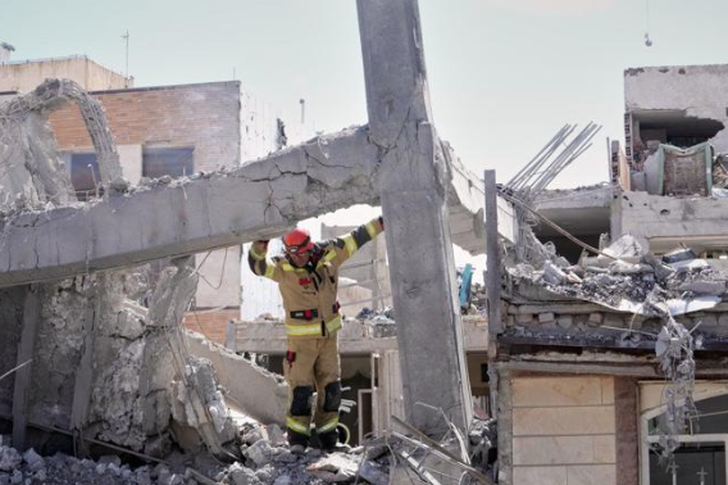
Israel reported that a missile was launched from Yemen, sp...
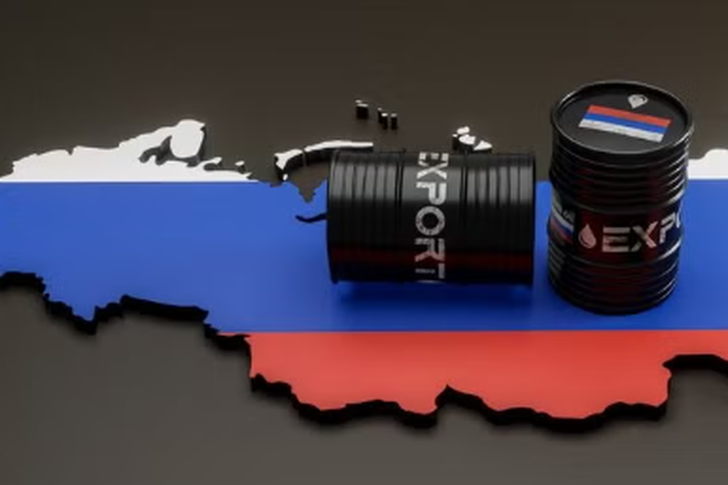
Russia is imposing a ban on gasoline exports in order to c...
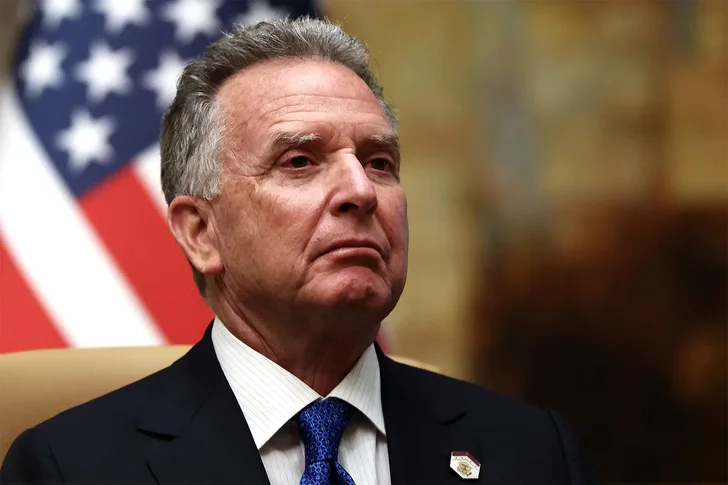
US special envoy Steve Witkoff said today that direct talk...
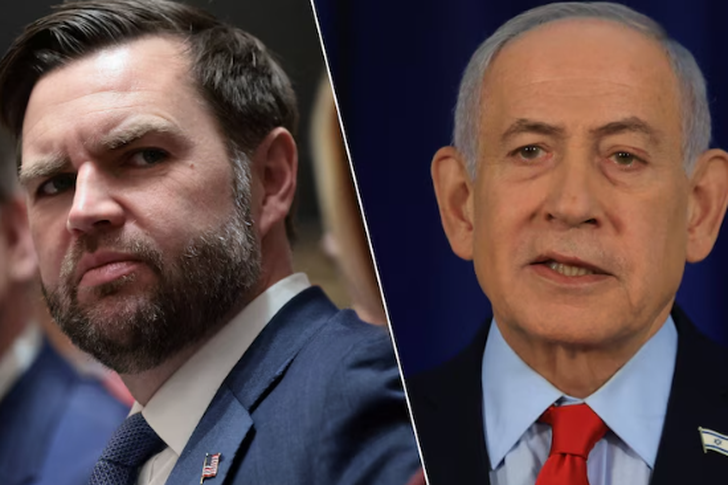
This Friday, a phone call took place between US Vice Presi...
Austria is planning to ban the use of social networks for ...
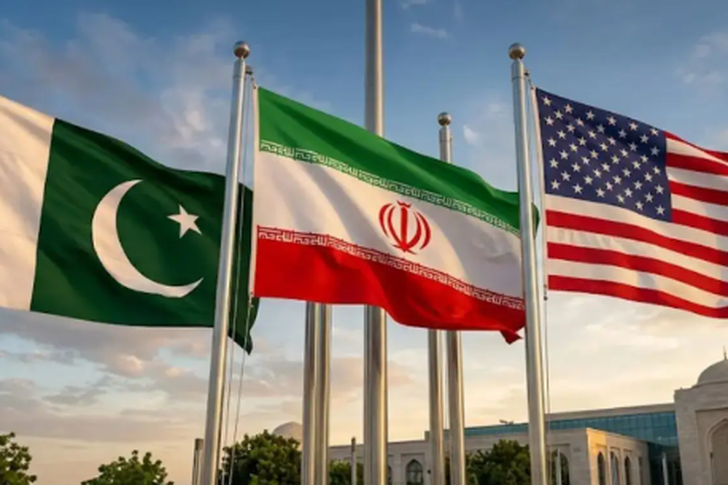
The US and Iran are preparing to hold direct talks soon in...
A hacker group allegedly linked to Iran, called the Handal...
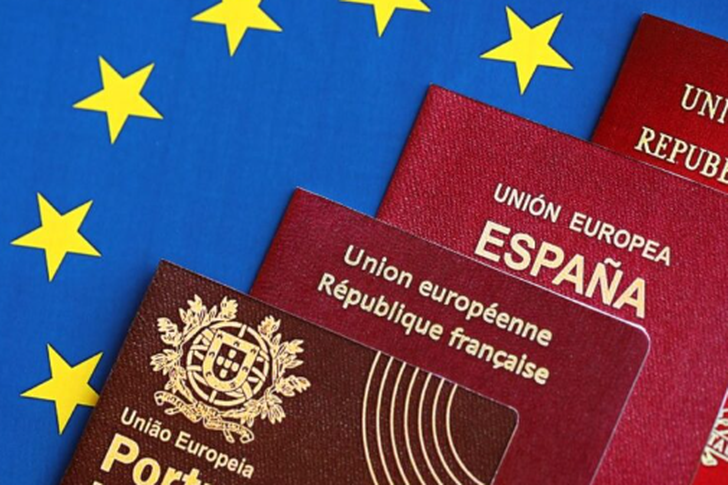
According to data published today by Eurostat, in 2024 aro...
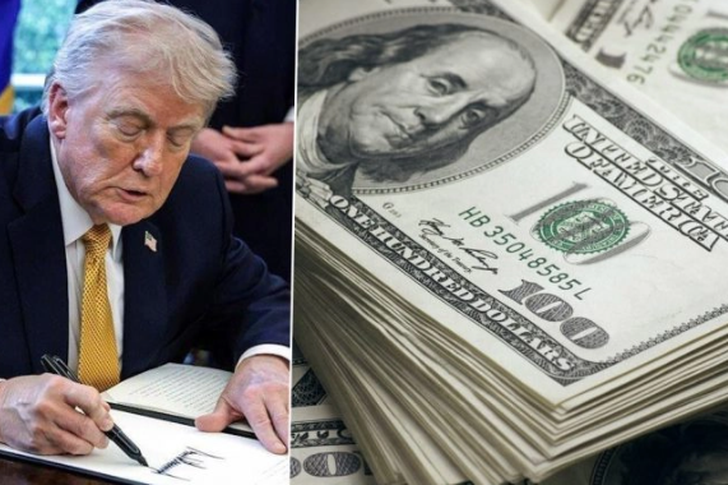
US President Donald Trump will have his signature on US pa...
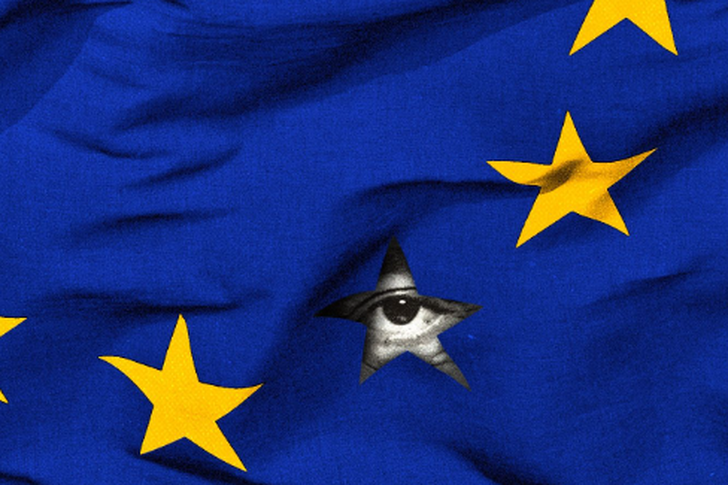
Europe faces not only threats from abroad, but also a seri...
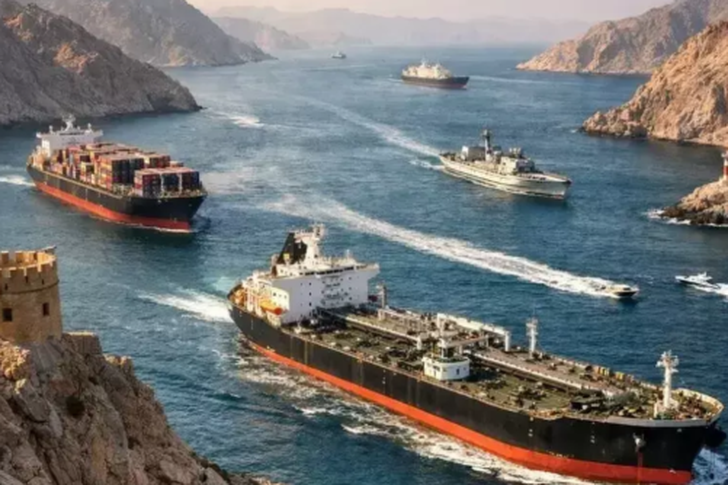
Ngushtica e Hormuzit është një nga rrugët më të rëndësishm...
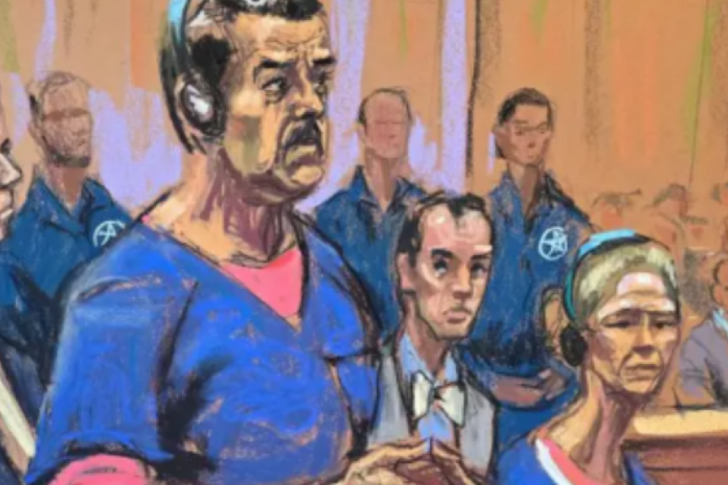
A US court is reviewing a request by former Venezuelan Pre...
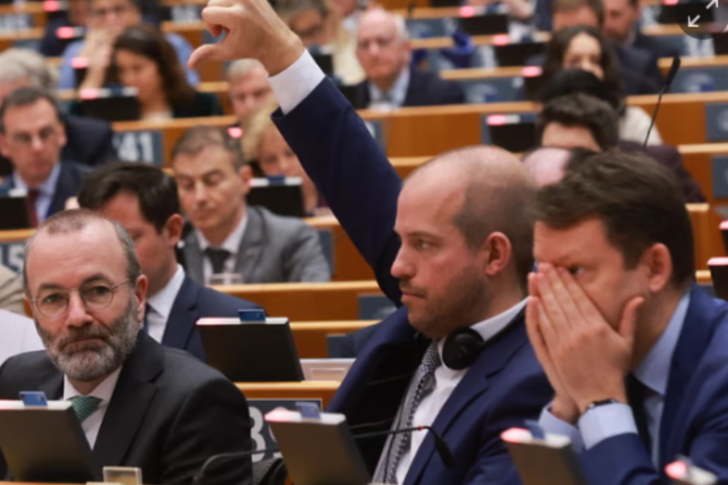
The European Parliament has given the green light to a new...
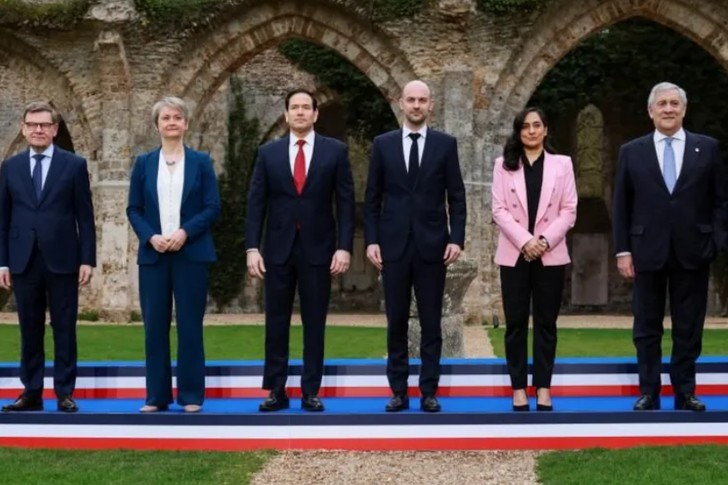
US Secretary of State Marco Rubio has joined his G7 counte...
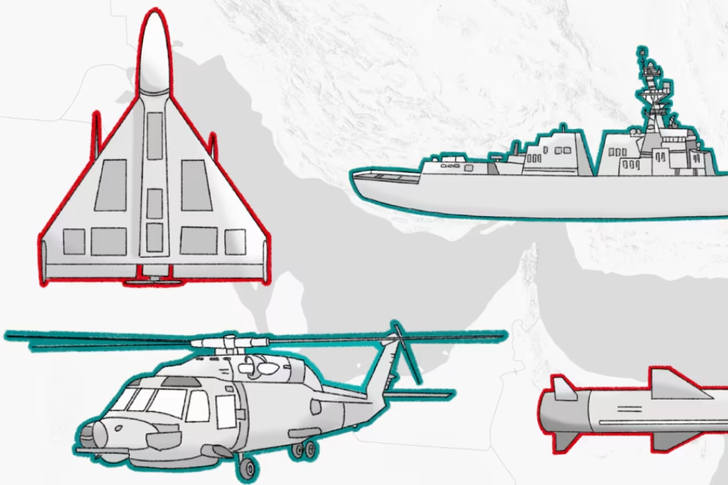
The Strait of Hormuz has been virtually closed for nearly ...
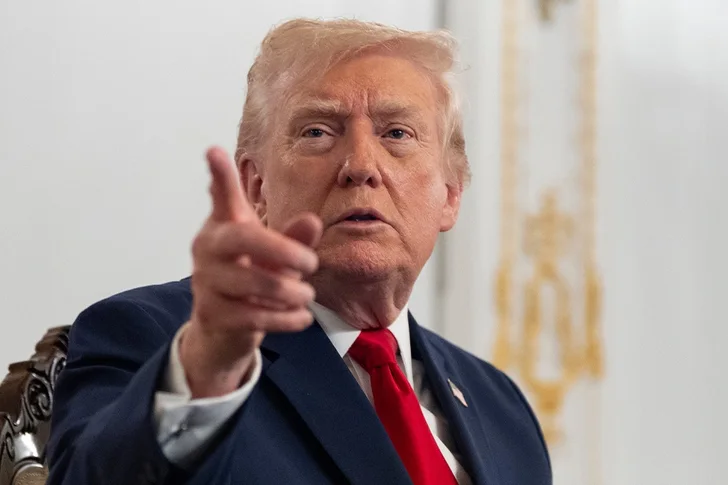
President Donald Trump has announced that he will extend t...
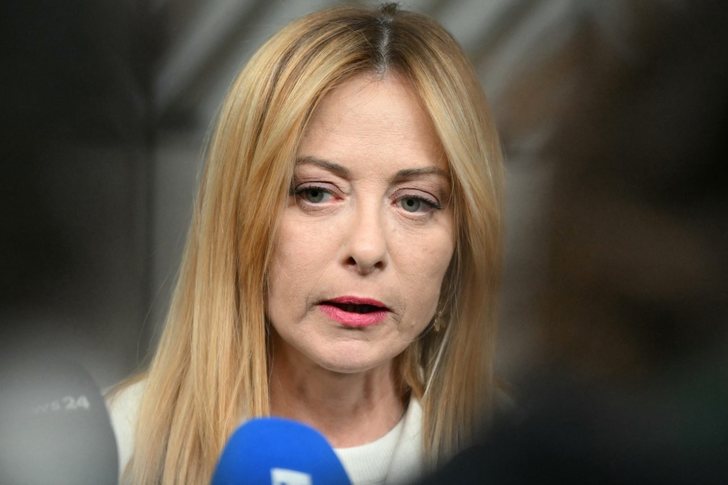
Italian Prime Minister Giorgia Meloni has reacted to today...
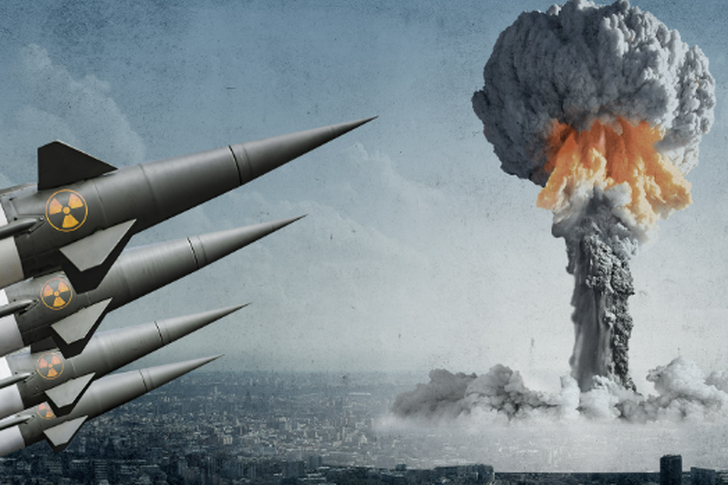
An international report warns that more and more countries...
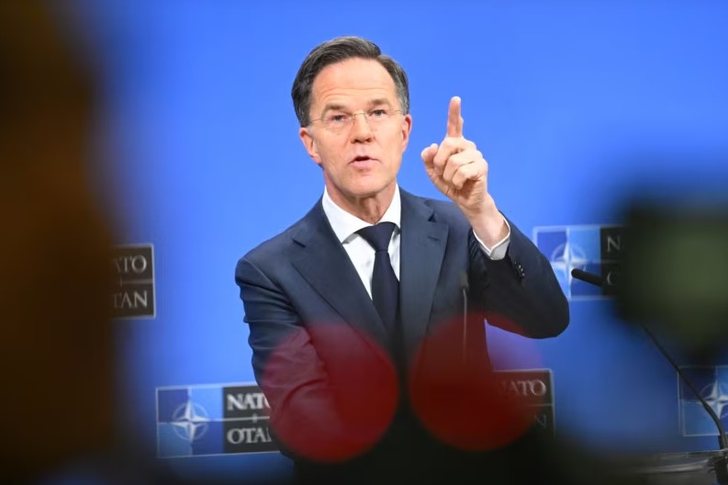
Raporti vjetor i NATO-s e identifikon Rusinë si “kërcënimi...

CNA has launched another investigation that could lead to ...

Irfan Hysenbelliu is a businessman that we call "Irfan the...

In March 2026, CNA launched another investigation centered...
The arrested mayor of Tirana, Erion Veliaj, with 13 charge...

The Special Board of Appeal (KPA) decided this Monday ...

The KPA vetting decided this Thursday to dismiss the p...

Suela Salavaçi, a prosecutor in the Prosecutor's Offic...

The Special Board of Appeal reinstated the prosecutor ...

A road accident occurred this evening on Nikolla Zoraqi St...
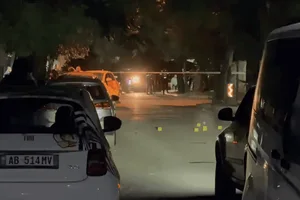
Three people were shot and wounded in Elbasan last night b...

A serious incident occurred this Tuesday in the Yrshek are...

An accident occurred this Tuesday on "Dituria" street in K...
This Wednesday, our country will be under the influence of...
All of Southern Europe will face changing weather conditio...
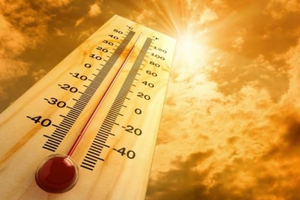
Albania was hit by temperatures significantly higher than ...
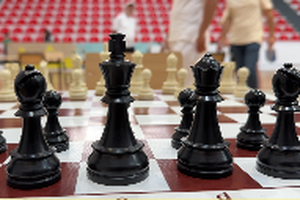
For the first time, Pogradec welcomed the Inter-Lake Chess...
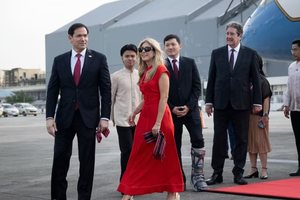
US Secretary of State Marco Rubio arrived in Manila on Jul...
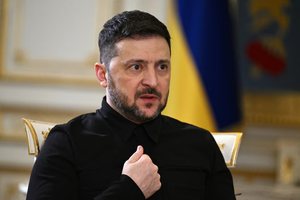
In the space of a few days, Ukrainian President Volodymyr ...
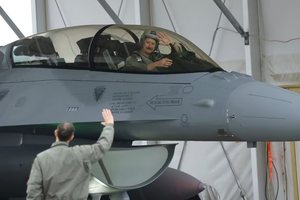
The spokesman for the Iranian Foreign Ministry warned Bulg...

Autoritetet italiane sekuestruan pako me afër 800 kilogram...

At a time when industrial products are increasingly taking...

Trust among people is not just a three-syllable word. It c...

Master of humor Todi Llupi has passed away at the age of 7...

The ninth edition of "MIK Festival" kicked off with one of...

Businesses will no longer be required to simply register t...

Despite economic growth and income in recent years, Albani...
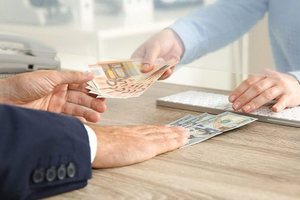
This Wednesday, one US dollar is bought for 81.4 lek and s...

Construction company licenses will have a validity period ...