




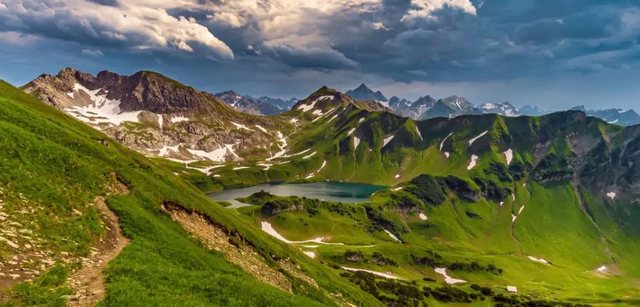
It is a July morning just before nine o'clock when the adventure of crossing the Alps begins. My father, I and several alpine sports enthusiasts have come to Wildental, Austria to face this challenge. Our route will have several stages and will take us through Tyrol to Northern Italy. Our destination is the thermal town of Merano, the "pearl of South Tyrol", which once enchanted the Empress of Austria, Sissi.
Our guide Ludwig Pittl, a retired doctor with bright blue eyes and a refined smile, will accompany us for six days. Luggi, as his friends call him, comes from a village near Innsbruck and has been hiking in the mountains since he was young.
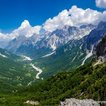
We set off with tightly laced alpine boots, light packs on our backs and full water bottles. The sun smiles at us from the cloudless sky. The valley shines with a lush green. The eye sees freshly mown meadows and dark pines. A mighty mountain range rises on the horizon.
The atmosphere is relaxed and we quickly engage in conversation with other members of the group. Many are retired and experienced climbers, while my father and I are novice climbers.
We turn onto a path of stones and shadows and follow the course of the stream, Wildenbach. Apart from the sound of water, the crunch of pebbles underfoot and the sporadic chirping of birds, nothing is heard.
Traffic jam on the mountain
Yes, we will not have much time alone for this idyll. We constantly meet other groups of hikers and hikers on electric bikes. A little later, when we start the first climb, we have to stop. Dozens of amateur climbers, many under the supervision of a guide, slowly struggle up the climb. But because the mountain path is narrow and the slopes are steep, overtaking is impossible.
At noon we finally reach a mountain hut at the foot of the Großer Widderstein. The effort was worth it. From here the panorama of the Lechtal Alps unfolds all the way down to the valley. It's time to have a refreshing drink and lift something to pick yourself up.
Climate change threatens mountain tourism
But the future of such mountain lodges for climbers is increasingly uncertain. The cause is climate change, says Tobias Hipp of the German Alpine Club. Hipp is an expert on water, climate change and nature protection. He completed his PhD on the effect of climate change on alpine permafrost areas.
The consequences of global warming stand out "most glaringly" in the European Alps. The most obvious example is the melting of the ice, "over the last ten years there we have had an extreme fall, on average 20, 30 meters every summer in the eastern Alps, so in Austria and northern Italy", says Hipp.
Mountain lakes are important water reservoirs. If they melt, the consequences are severe. "Of course this has an impact on the mountain lodges and their water supply. A lot of springs in the high mountains are fed by somebody, and there we had a water shortage," says Hipp. The problem is especially evident on the Pasterze, Austria's largest and longest mountain on the Großglockner mountain.
But even climbing routes are threatened by climate change. Melting ice, for example, leaves behind rocky slopes, which can lead to more frequent rockfalls. This also endangers hiking routes at lower altitudes. Equally dangerous is the continuous melting of the permaforst (permafrost), which holds the rock formations together like a putty. If the frost softens, massive landslides can occur, as happened recently at Flüchthorn on the border between Austria and Switzerland, where about a million cubic meters of rock came off.
Although rockslides and landslides have always occurred, global warming appears to increase their intensity and frequency. Friedl Knönauer, a passionate climber from the Bund Naturschutz eV in Bavaria, thinks that in the future "some climbing routes in certain areas will no longer be maintainable". His attitude is as pragmatic as it is fatalistic: "This climate warming will bring about changes and we have to adapt." Knönauer does not appreciate intervening in nature to make impassable roads accessible again, such as by using bridges. hanging on cables. "You have to let nature be nature," he says.
The last stage
However, on our way few things testify to the growing dangers of alpine tourism. Apart from a lone sign along the Merano High Trail, warning of the risk of falling rocks, the consequences of global warming on the alpine ecosystem and tourism can be easily overlooked.
We feel euphoric on the last day of our six-day excursion, during which we have walked 45 kilometers, although we have also covered some distances by bus and taxi. We are now on the way to Merano. After a few hours, after having managed to climb a 500-meter climb with a lot of technical and physical difficulties, we arrive at the Talbauer guesthouse at 1200 meters, exhausted, sweaty, but happy. With cold drinks in hand we enjoy the wide panorama over Merano and the Adige valley.
Then we descend by cable car to Merano. In the center of the old town we eat from an ice cream parlor. We deserved it after all those hardships./ DW

On Tuesday, notorious Colombian drug lord Dairo Antonio...
The spokesperson of the European Union, Peter Stano, h...
Portugal's forests have been engulfed by numerous fires, a...
US President Joe Biden signed the proclamation creating a ...
Scientists have identified a new species of amphibian that...
Dozens of used Leopard 1 tanks that once belonged to Belgi...
Massachusetts Gov. Maura Healey on Tuesday declared a stat...
Two Ukrainian combat drones headed for Moscow were shot do...
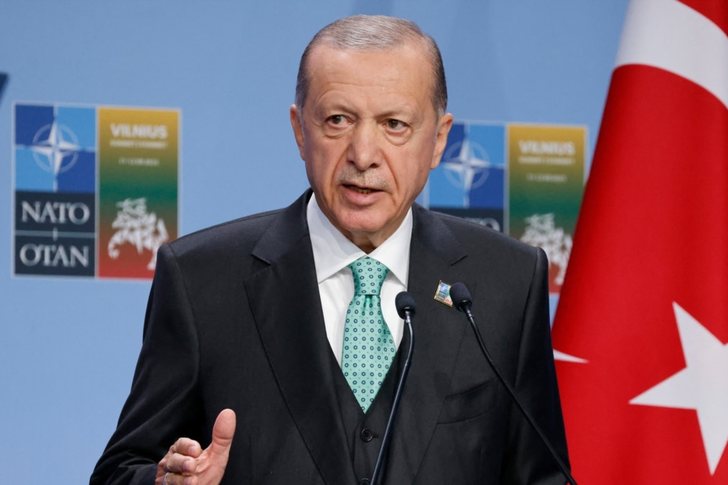
The President of Turkey, Recep Tayyip Erdogan, has said la...

The second son of Thailand's king has returned to Bangkok ...

Lawyers for former President Donald Trump on Tuesday asked...
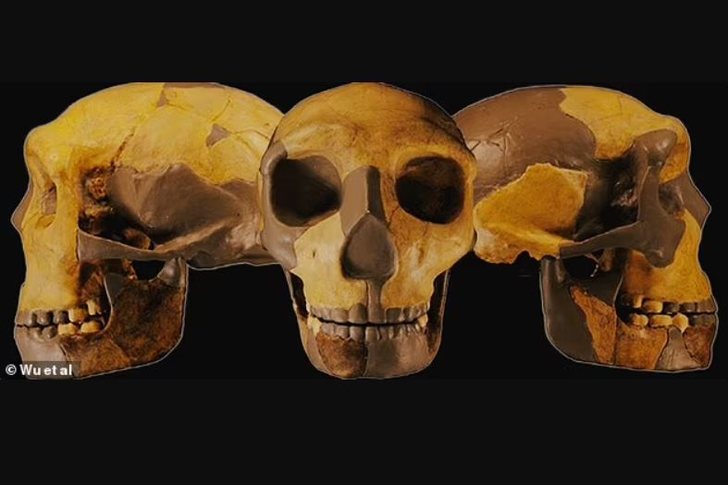
Scientists believe they may have identified a new species ...
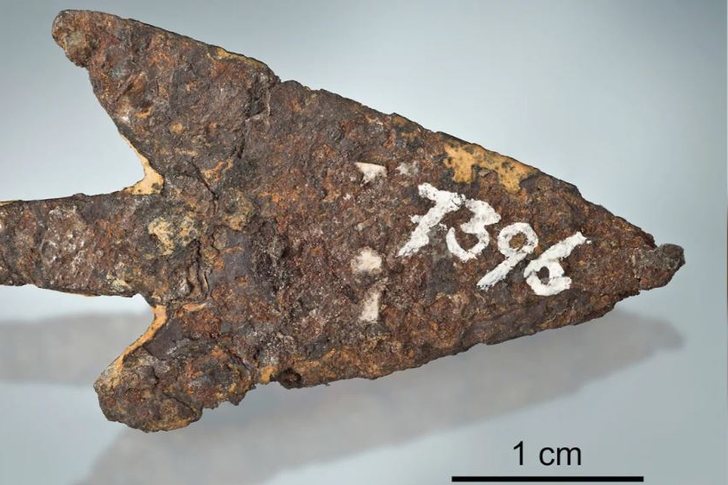
A new study has revealed that a Bronze Age arrowhead found...
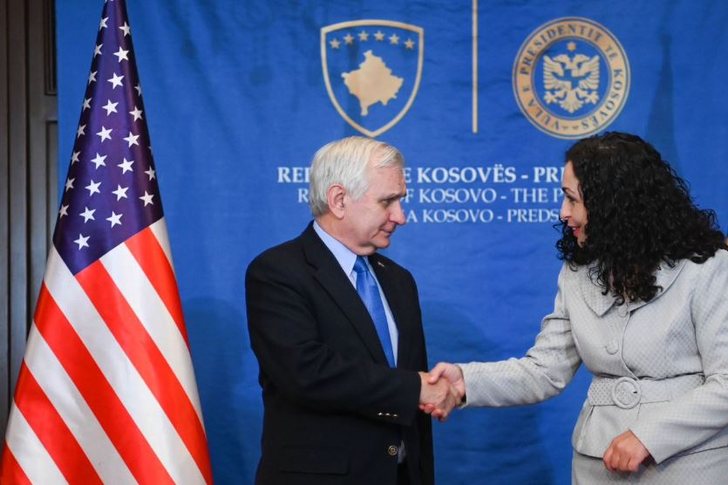
The President of Kosovo, Vjosa Osmani, has requested the h...

The President of Serbia, Aleksandar Vučić, has said that U...
According to statistics, there are at least 2,800 mosques ...
More than 300,000 homes and businesses in the eastern US w...
An Eritrean cultural festival held in Toronto, Canada has ...
Ukrainian President Volodymyr Zelensky said on Tuesday...

A total of 98 people have been arrested in connection with...

For 6 months now, CNA has been sending several letters to ...
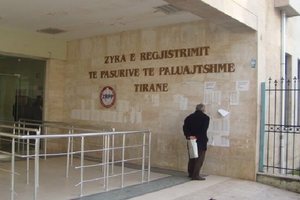
The word "fatherland" with properties is not enough. The m...

The justice reform claimed that it would bring faster, fai...

The Justice Reform and the vetting process were trumpeted ...

The Special Board of Appeal (KPA) decided this Monday ...

The KPA vetting decided this Thursday to dismiss the p...

Suela Salavaçi, a prosecutor in the Prosecutor's Offic...

The Special Board of Appeal reinstated the prosecutor ...

The murder of 40-year-old I.Gj in Laç is suspected to have...
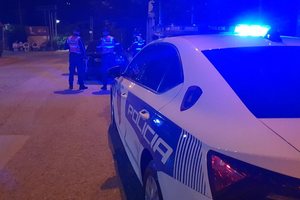
It is reported that a few minutes ago, gunshots were recor...
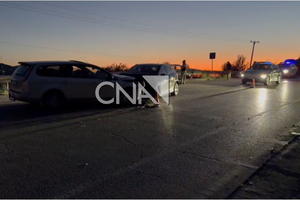
This evening, an accident occurred on the Levan-Tepelena h...
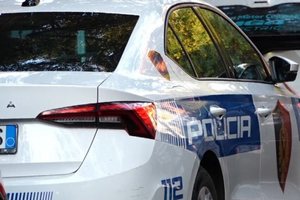
Police have provided details regarding the injury that occ...
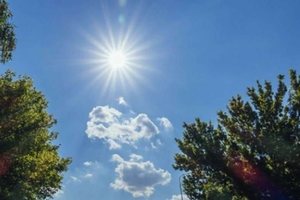
Today our country will be affected by stable weather condi...

Emigration, an aging population, and low participation in ...
Today, our country will be affected by relatively stable w...
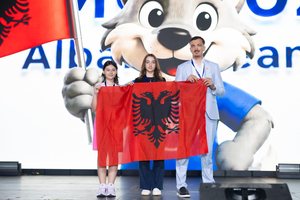
Albania has been awarded two medals of honor at the awards...
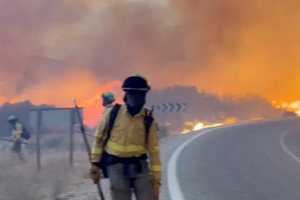
At least 11 people have died and six others have been inju...
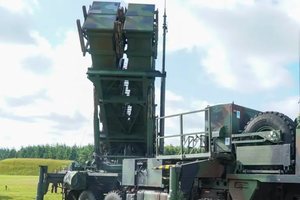
Patriot, Tomahawk, Starlink, F-35: Europe's security still...
The threat level to maritime security in the Strait of Hor...
After the end of the NATO summit, Turkish President Recep ...

The German Embassy in Tirana has invited the Albanian publ...

Professor and literature scholar Ali Xhiku has passed away...

During my research into the life and artistic photographic...

This year's edition of the Gjon Mili International Video A...

In addition to food, household appliances, oil, and more, ...
The government has reduced the funds foreseen for rural de...

This Friday, one US dollar is bought for 81.4 lek and sold...

The Tax Directorate has announced that the process of auto...