

Michel Barnier is appointed as the new prime minister of France
Michel Barnier, the EU's former chief Brexit negotiato...


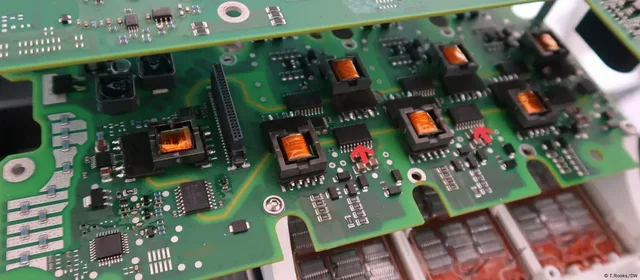
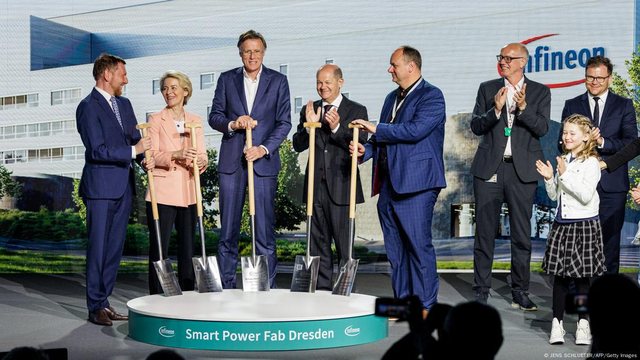
When European Commission President Ursula von der Leyen visited Dresden on August 20 for the groundbreaking ceremony of a new semiconductor manufacturing plant, she brought a gift of 5 billion euros. Actually it wasn't really a gift, it wasn't even European money. What von der Leyen did in the early hours of the morning was approve German government grants for the project.
It was the official green light needed to carry out the large-scale project, which is part of Germany's aim to develop its semiconductor manufacturing sector. German Chancellor Olaf Scholz, who was also present at the laying of the foundation stone, expressed his satisfaction.
The new factory is expected to employ 2,000 people and will be operational by 2027. The project is a joint venture of ESMC (European Semiconductor Manufacturing Company) and its partners Bosch, Infineon and NXP.
The driving force behind the deal is Taiwan-based TSMC, the world's largest semiconductor maker. This is the company's first step in Europe.
The new 10 billion euro plant will be built near the German engineering company Bosch and the facilities of Germany's largest semiconductor maker, Infineon, in what many call "Silicon Saxony".
Silicon Saxony is a region that encompasses a 100 kilometer radius around Dresden, the capital of the German regional state of Saxony. After a difficult period, the region has seen an upward trajectory over the past 15 years.
Today, this high-tech center has 3600 companies active in the field of microelectronics, software or as suppliers of these companies. These companies employ about 81,000 people, one third of whom are women.
According to Frank Bösenberg, chief executive of an industry association also called Silicon Saxony, continued growth paves the way for the industry to employ around 100,000 workers by 2030. According to his calculations, this sector would then overtake the automobiles and will become the most important industry in Saxony.
In an interview with DW, Bösenberg described his work as a mix of politics, economic development, marketing and management expertise. In addition to focusing on Saxony, it coordinates with other semiconductor groups in France, Belgium, the Netherlands, Sweden, Italy, Austria and the Czech Republic.
Saksonia ka qenë një qendër prodhimi që nga vitet 1980. Pjesërisht në sajë të kësaj historie të gjatë, Silicon Saxony është sot qendra më e madhe e mikroelektronikës në Evropë, me zgjedhjen më të madhe të punëdhënësve dhe numrin më të madh të partnerëve ose konkurrentëve. Ky ekosistem, i cili përfshin universitetet teknike të Dresdenit dhe qytetin e afërt të Chemnitz-it, ka qenë në gjendje të mbështesë veten dhe të rritet.
Ndërtimi i fabrikave është njëra pjesë e ekuacionit. Të kesh njerëz të kualifikuar për të punuar në to është pjesa tjetër, dhe këtu Saksonia dhe Turingia fqinje mund të kenë probleme.
Landet, dhe Gjermania Lindore në përgjithësi, nuk kanë qenë gjithmonë mikpritës me të sapoardhurit. Për një rajon që mbështetet shumë te punëtorët e huaj të kualifikuar, frika e intolerancës mund t'i mbajë punëtorët larg. Nëse këto frikëra mbështeten nga një qeveri më e djathtë, gjërat mund të përkeqësohen.
Deri tani, kompanitë e Silicon Saksonisë kanë qenë në gjendje të përballojnë sfidën e gjetjes së punëtorëve të kualifikuar. Frika se fabrikat e reja të mëdha do të largonin punëtorët nga bizneset e vogla nuk u materializuan, pasi gjithnjë e më shumë njerëz nga jashtë rajonit i zbuluan vendet e punës që ofroheshin.
Bösenberg tha se rritja mund të çojë në probleme të tjera, si vështirësi strehimi, shkollat dhe transporti publik. Projektet e infrastrukturës në Gjermani janë të njohura se janë të ngadalta dhe e kapërcejnë buxhetin e paracaktuar. Në Saksoni, shumica e planifikimit bazohet në tkurrjen e rajonit dhe jo në rritjen e tij. Rreth Dresdenit, situata aktuale është "e mirë deri në shumë e mirë", thotë Bösenberg, por ajo duhet të ruhet. Së shpejti do të nevojiten më shumë banesa. Tashmë është e vështirë të gjesh apartamente më të mëdha. Një nga sfidat është të përcaktohet se kush do të vijë për të plotësuar vendet e punës: beqarë apo çifte dhe sa fëmijë do të sjellin? Ka shumë faktorë që modifikojnë nevojat.
TSMC në Dresden kaloi shpejt nga diskutimet në vendosjen e gurit të themelit. Diku tjetër, projektet nuk kanë ecur kaq shpejt. Vitin e kaluar, qeveria nënshkroi një marrëveshje me Intel-in për të ndihmuar në ndërtimin e dy vendeve të prodhimit të gjysmëpërçuesve në qytetin lindor të Magdeburgut. Investimi total mund të arrijë në rreth 30 miliardë euro.
Në atë kohë, kancelari i quajti planet e kompanisë si investimi më i madh i huaj direkt në historinë gjermane. Ndërtimi pritet të fillojë këtë vit, por ende nuk ka ndodhur gjë. Ndërkohë, kompania njoftoi se duhej të reduktonte fuqinë punëtore dhe investimet. Në rajonin e Magdeburgut, shumë dyshojnë se a do të ndërtohet gjë.
Wolfspeed, një prodhues amerikan i gjysmëpërçuesve, po përpiqet gjithashtu të hapë një fabrikë prej disa vitesh në landin e Zarës, në Gjermaninë perëndimore. Vendosja e gurthemelit të kësaj fabrike, e cila do të prodhonte gjysmëpërçues për industrinë e automobilëve, është shtyrë nga viti 2023 në 2025.
Moreover, Germany needs to think more broadly. TSMC's €10 billion plant is a welcome addition to Silicon Saxony, but it pales in comparison to the $65 billion (€58 billion) the company plans to spend on three new factories in Arizona, United States, by the year 2030.
In August, the US Department of Commerce announced that over the past two years, the CHIPS and Science Act has provided more than $30 billion in funding for 23 projects, including 16 new semiconductor manufacturing facilities, in 15 US states.
Some question all these subsidies, especially when the investments support production rather than research and development (R&D). TSCM and Intel, for example, will continue to keep research and development close to themselves, leaving Germany to become a production line for others.
However, for many customers the "Made in Germany" label doesn't mean much when it comes to semiconductors, especially since no one actually sees the semiconductors. "As a customer, you don't care if the chip comes from Dresden or Hsinchu [in Taiwan]. The quality has to be right," Frank Bösenberg told DW.
If Germany wants to become less dependent on others for its semiconductors, it must provide superior quality at a globally competitive price. Made in Germany is not enough. According to Bösenberg, Germany still participates in the semiconductor race. Although he believes progress still needs to be made. "Yes, we are Silicon Saxony. Yes, we are the largest microelectronics center in Europe," he said. "But at the end of the day, Europe is the measuring scale, the region, the level at which things have to be achieved, because otherwise we will be too small, and nobody wants to be small when it comes to semiconductors./ DW

Michel Barnier, the EU's former chief Brexit negotiato...
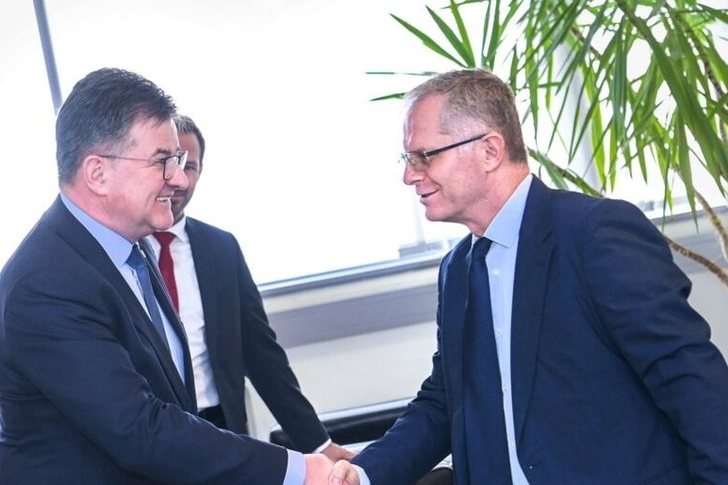
The special representative of the European Union for the K...
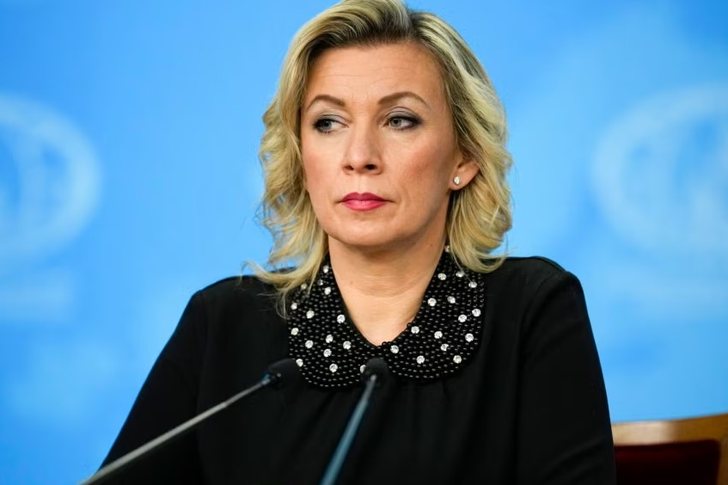
Russia said it will take retaliatory measures against ...
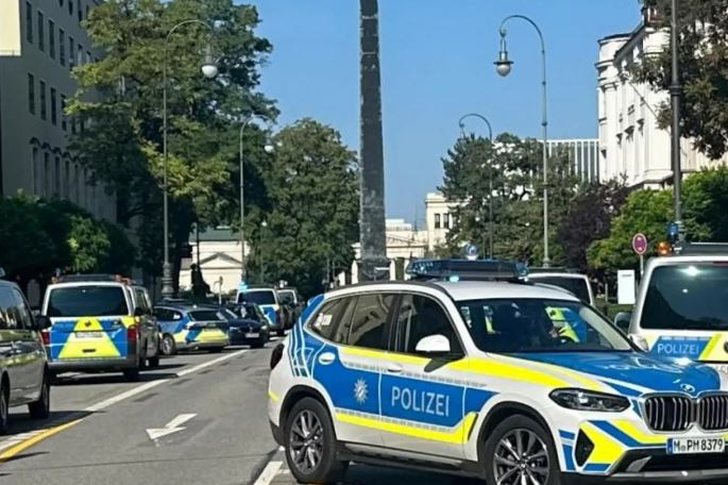
On Thursday, a gunman was shot dead by German police near ...
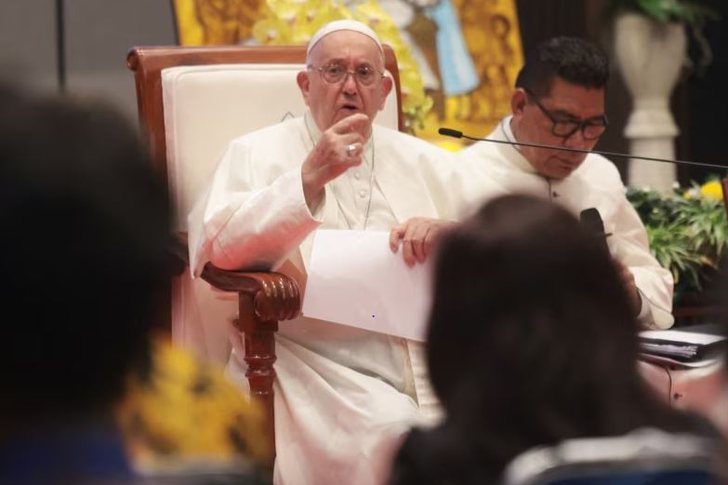
Pope Francis warned against using religion to fuel con...

A 14-year-old student shot and killed two high school stud...
Washington reacts with sanctions against Russian state...
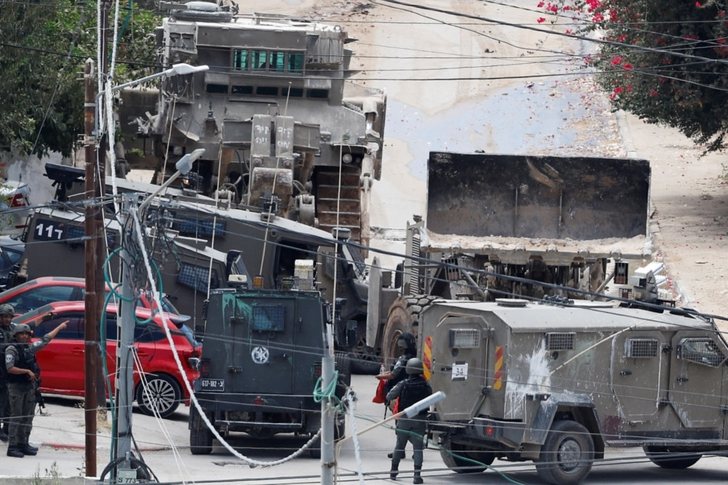
Palestinian health officials said Israeli airstrikes i...
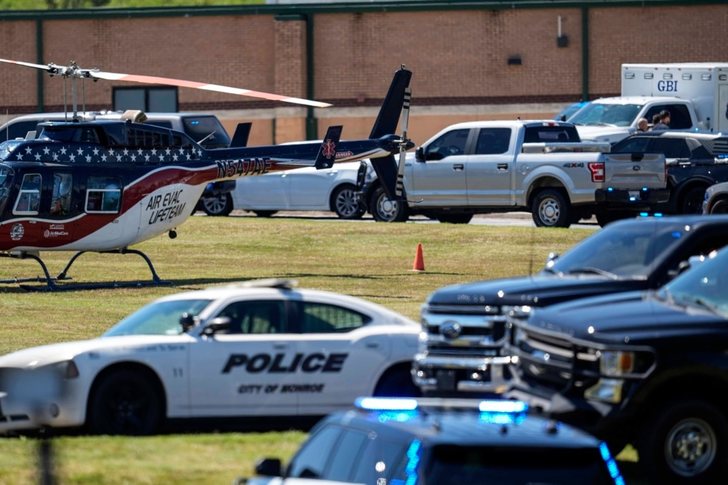
At least four people have been killed as a result of a sho...
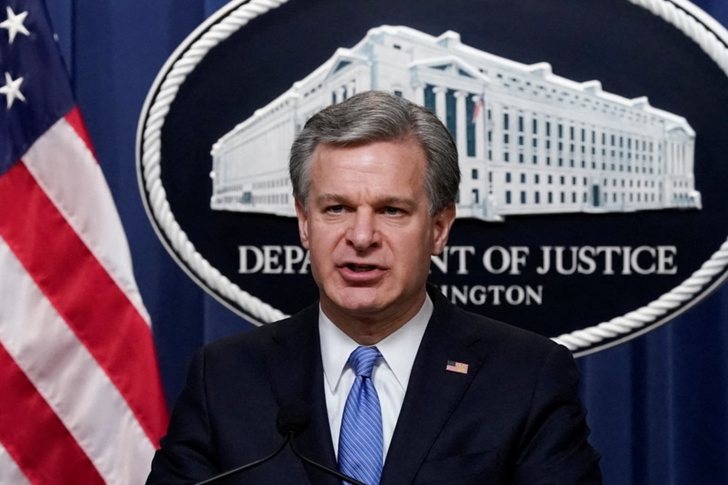
The United States has indicted two managers of a Russian s...
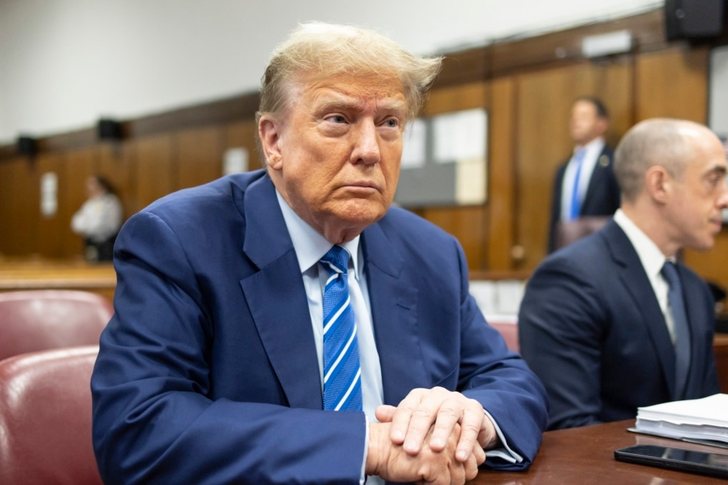
A federal judge on Tuesday denied a request filed by forme...
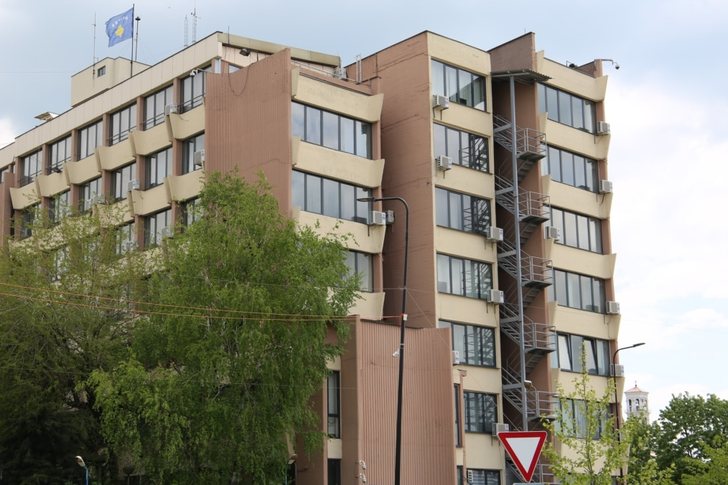
The Special Prosecutor's Office of Kosovo announced on Wed...

Seven people were rescued and 21 others are missing at sea...
German military support for Ukraine and aid for Ukrainian ...
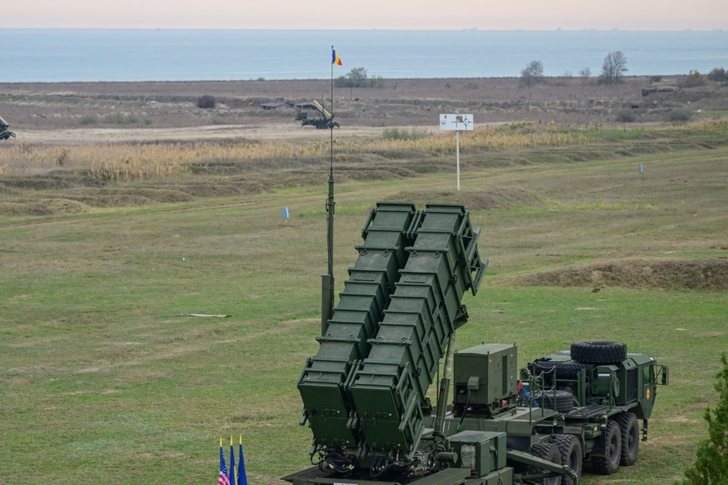
Romanian lawmakers on Wednesday passed a bill to donate an...
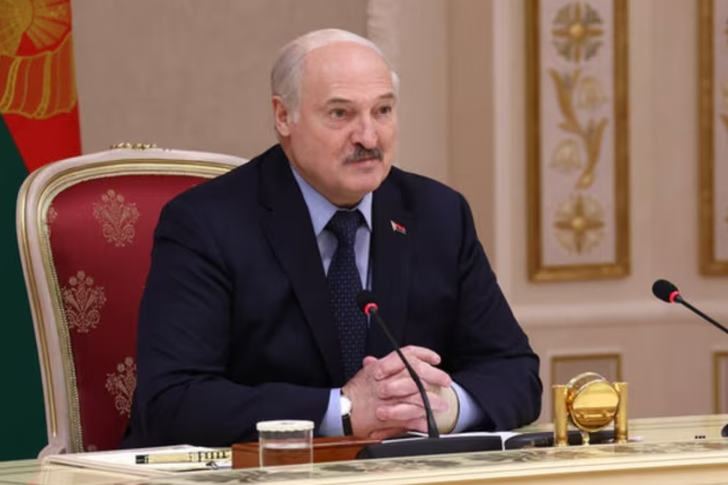
Belarus's authoritarian leader, Alexander Lukashenko, ...
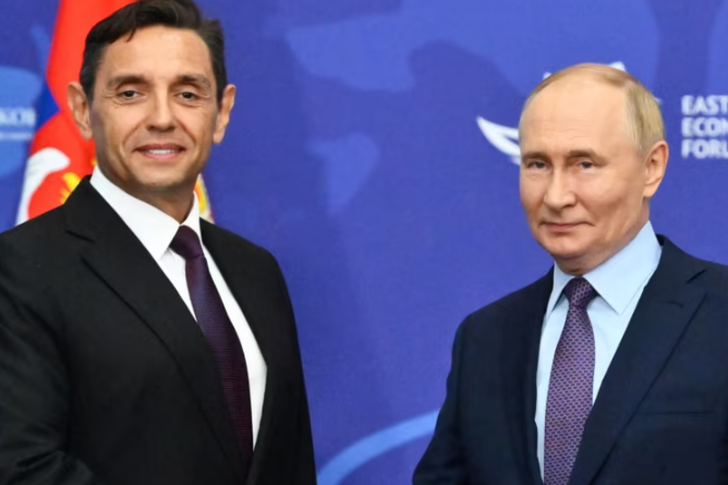
Serbian Deputy Prime Minister Aleksandar Vulin told Russia...
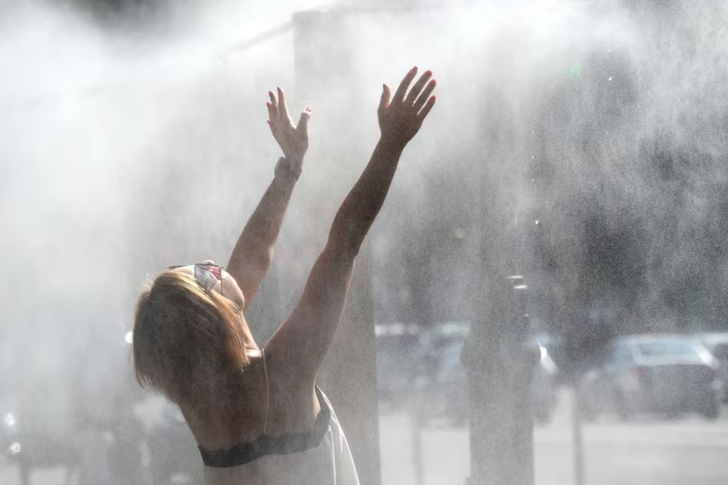
Rising temperatures should be a global alarm, the United N...
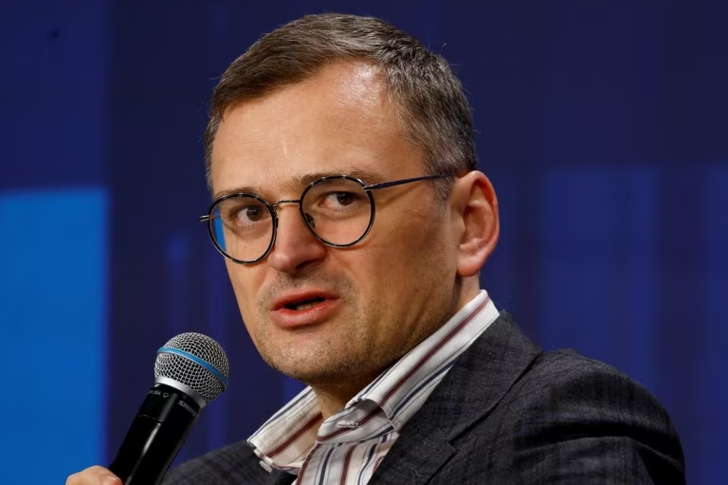
Ukrainian Foreign Minister Dmytro Kuleba is reported t...
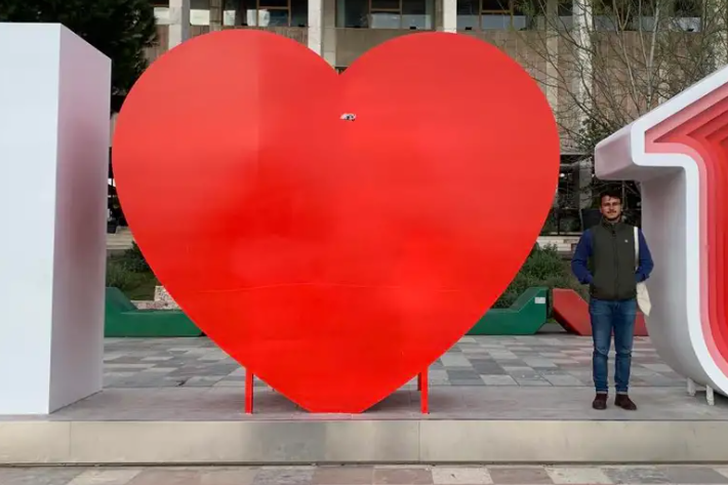
The continued lack of political will to foster cooperation...

CNA has launched another investigation that could lead to ...

Irfan Hysenbelliu is a businessman that we call "Irfan the...

In March 2026, CNA launched another investigation centered...
The arrested mayor of Tirana, Erion Veliaj, with 13 charge...

The Special Board of Appeal (KPA) decided this Monday ...

The KPA vetting decided this Thursday to dismiss the p...

Suela Salavaçi, a prosecutor in the Prosecutor's Offic...

The Special Board of Appeal reinstated the prosecutor ...
Footage emerges from the serious accident that occurred th...

A Shkodra traffic police officer was hit with hard objects...
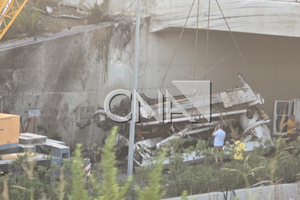
This Wednesday, around 4:00 PM, a serious accident occurre...
Tirana Police have shared details regarding the accident t...

A serious accident that occurred this Wednesday with the c...

The Institute of Geosciences has shared a forecast for wea...
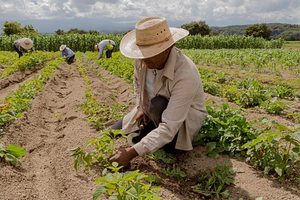
Rising energy and fertilizer prices are expected to contin...

Over 18,000 foreign citizens from 140 countries have appli...

The trial of ousted Venezuelan President Nicolas Maduro on...
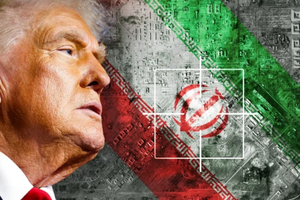
US President Donald Trump has issued another warning to Ir...
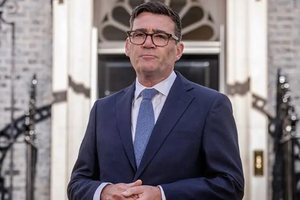
Prime Minister Andy Burnham has announced that most bus fa...

France's parliament has passed a law to ban social media f...

At a time when industrial products are increasingly taking...

Trust among people is not just a three-syllable word. It c...

Master of humor Todi Llupi has passed away at the age of 7...

The ninth edition of "MIK Festival" kicked off with one of...

The price of diesel reached 206 lek per liter from 198 lek...

Businesses will no longer be required to simply register t...

Despite economic growth and income in recent years, Albani...
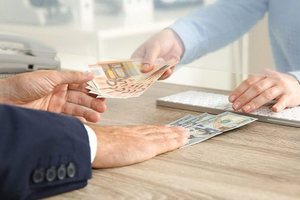
This Wednesday, one US dollar is bought for 81.4 lek and s...