

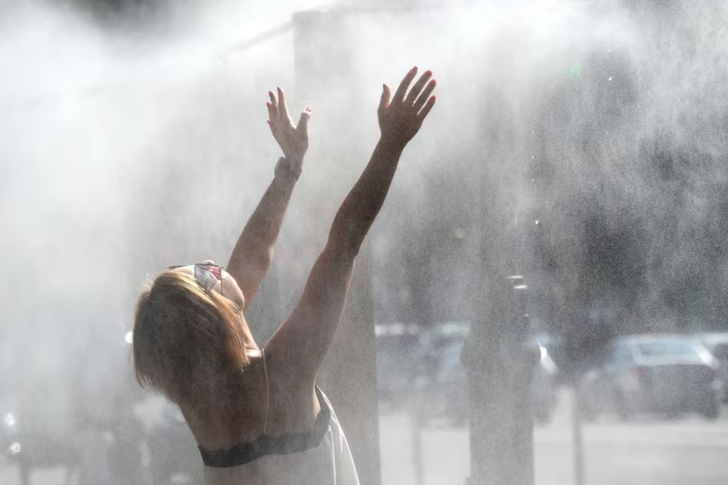
The UN weather agency raises the alarm after record temperatures
Rising temperatures should be a global alarm, the United N...


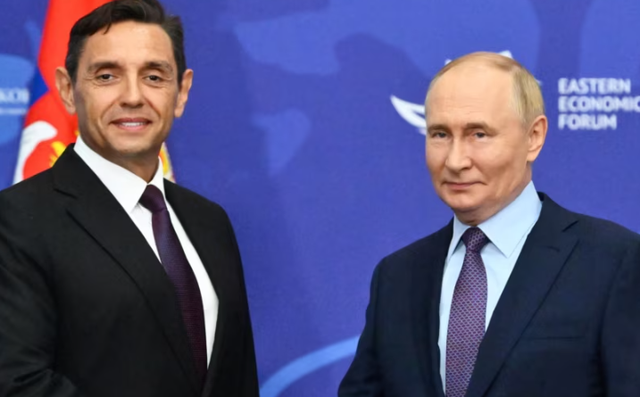
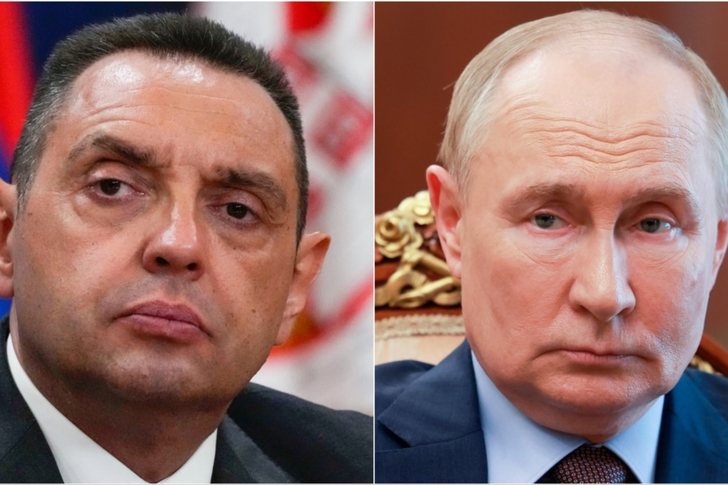
Serbian Deputy Prime Minister Aleksandar Vulin told Russian President Vladimir Putin on Wednesday that the Balkan country is an ally of Russia that will never impose sanctions against Moscow or join NATO, while complaining about Western pressure and the situation in Kosovo and in Bosnia.
The comments by Aleksandar Vulin, the former head of the Serbian Secret Service who is under US sanctions, reflect the continued close relationship between Belgrade and Moscow, despite Serbia's stated intentions to join the European Union.
"It is a great honor for me to have the privilege to speak with you," he told President Putin. "Please believe me when I say that it is a great encouragement for all Serbs, wherever they live."
Serbia has refused to join Western sanctions against Russia over its war in Ukraine even as it has condemned Moscow's aggression. President Aleksandar Vucic has said that imposing sanctions is not in the national interest of Serbia.
"Serbia is not only a strategic partner of Russia, Serbia is also an ally of Russia," said Vulin. "That is why the West's pressure on us is great."
Vulin's meeting with President Putin in Russia's far eastern city of Vladivostok came shortly after French President Emmanuel Macron visited Serbia during which Belgrade signed a deal to buy French Rafale military jets, a move seen as a potential departure from Moscow.
German Chancellor Olaf Scholz also visited Belgrade earlier for the signing of an EU agreement with Serbia on raw materials needed in the green transition.
The meeting took place within an economic forum designed to attract foreign investments. Greeting Vulin, President Putin expressed hope that the Deputy Prime Minister of Serbia will be able to "closely look at and evaluate the possibilities of cooperation with such a large and promising region" as the Russian Far East.
The Serbian official assured President Putin that Serbia's close ties with Russia will continue in the future.
"A Serbia led by Aleksandar Vu?i? is a Serbia that will never become a member of NATO, that will never impose sanctions against the Russian Federation and that will never allow its territory to be used for any action anti-Russian," he said.
"Serbia has not become and will not become part of the anti-Russian hysteria," said Vulin, who complained about the situation in Kosovo and Bosnia. He said that Pristina is trying to "change the situation on the ground, violate Resolution 1244 of the UN Security Council and carry out ethnic cleansing of Serbs". The Serbian official accused the European Union of not implementing the Brussels agreements for the normalization of relations with Kosovo, underlining, as he said, the failure of the EU "to implement its decision on the establishment of the Association of municipalities with a Serbian majority".
He said that the Republika Srpska in Bosnia is a "source of concern" since, according to him, "there is pressure to devalue" the Serbian entity and to destroy the Dayton Agreement, which ended the 1992-1995 war in Bosnia.
"This is not possible if you want peace and stability," he said, thanking Russia for its stance against the UN General Assembly Resolution on the Srebrenica genocide.
The United States sanctioned Aleksandar Vulin in July 2023, accusing him of involvement in arms trafficking, narcotics and abuse of public office and helping to extend Russia's influence in the Balkan region.
Vulini has received two medals of honor from Russia.
US sanctions against individuals and companies in the Balkans are designed to counter efforts to undermine peace and stability in the volatile region and Russia's "malign" influence.
The West has stepped up efforts to draw the troubled region into its fold, fearing that Russia could foment unrest to divert attention from the war in Ukraine. The Balkans experienced numerous wars in the 1990s and tensions continue to be high./ Voa

Rising temperatures should be a global alarm, the United N...
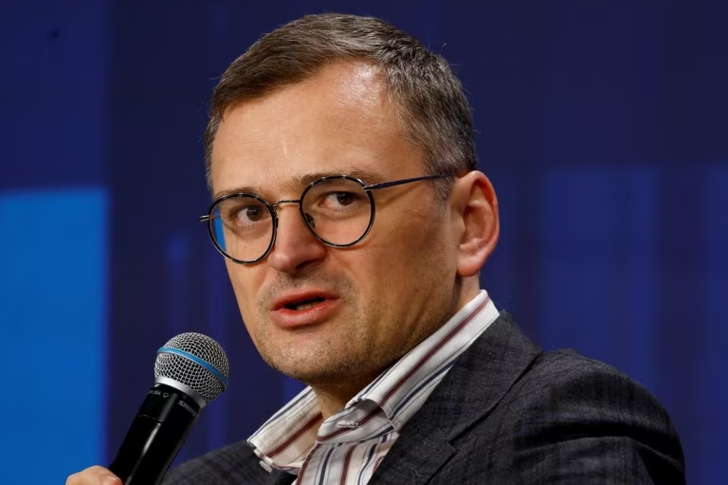
Ukrainian Foreign Minister Dmytro Kuleba is reported t...
The continued lack of political will to foster cooperation...
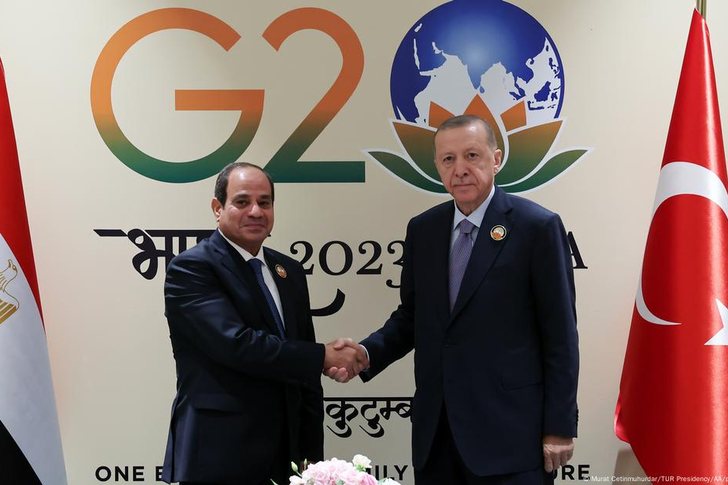
"Some want to reconcile me with Al-Sisi. I reject that. I ...
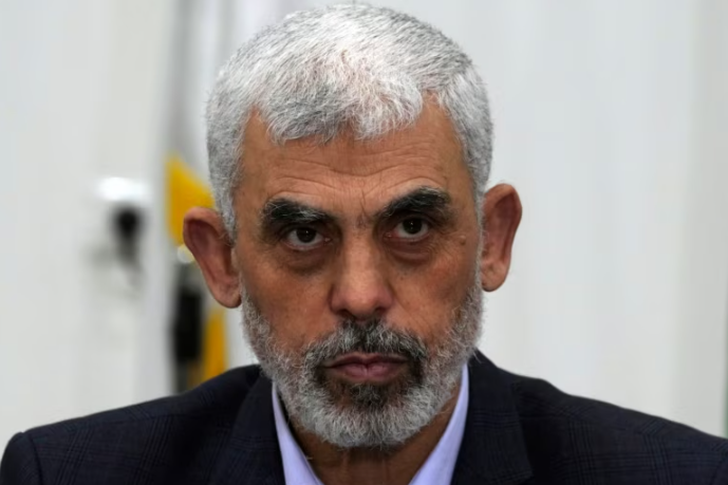
The Justice Department on Tuesday announced criminal charg...

The arrest and indictment of Telegram network founder ...
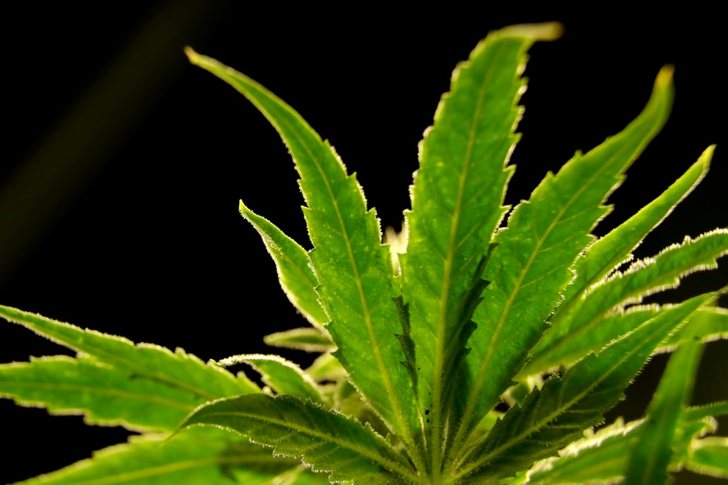
A decision on whether to reclassify marijuana as a less da...
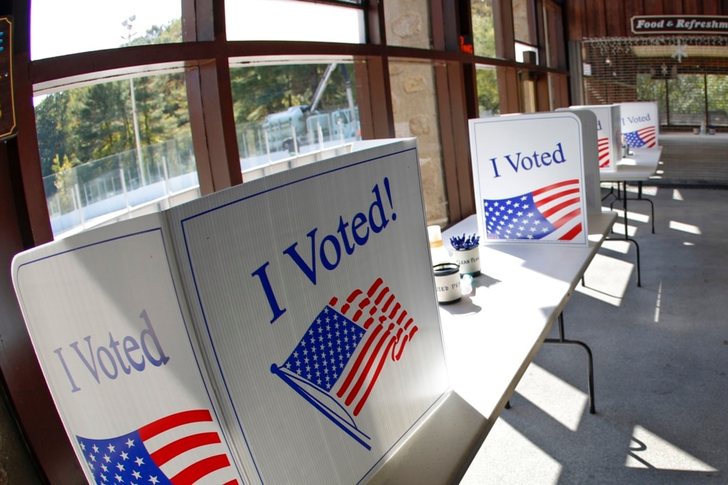
Although it may seem like the presidential election in the...
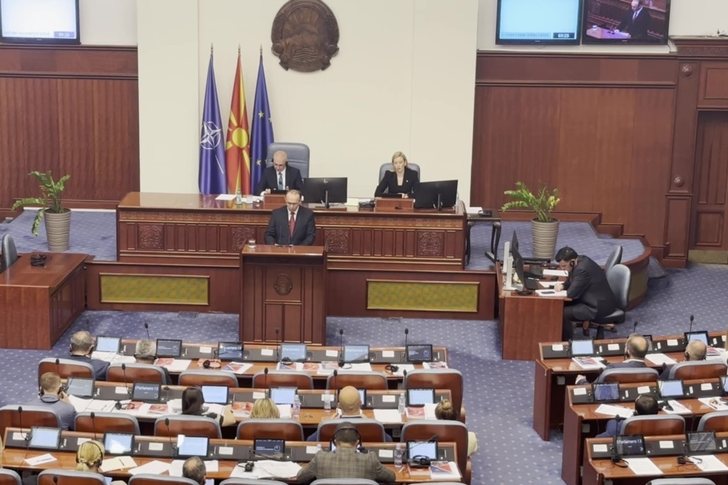
The Parliament of North Macedonia opened today the debate ...
The European Union (EU) has warned Serbia that maintaining...
NATO Deputy Secretary General Mircea Geoan announced o...
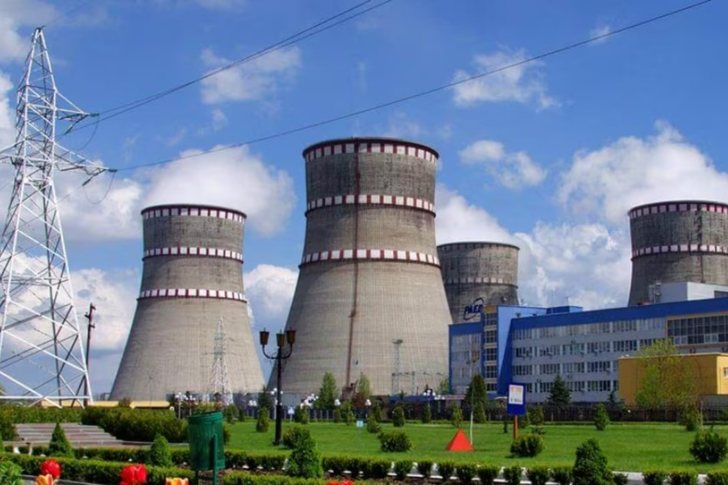
Russian bombing has destroyed about 50% of Ukraine's elect...
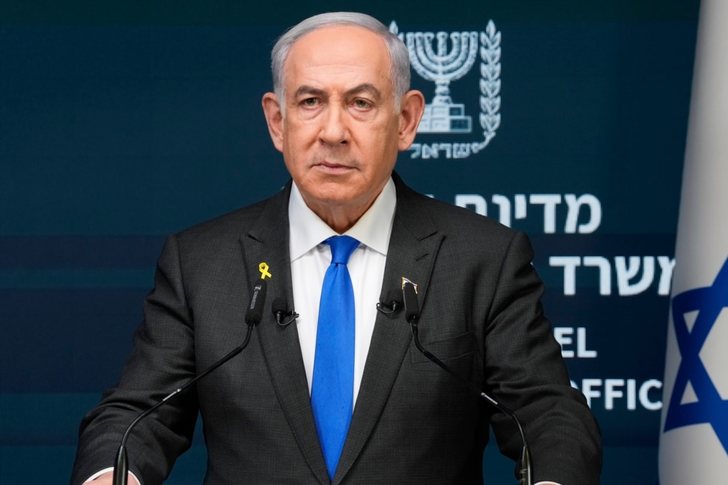
The Israeli military says it has killed a Hamas militant w...
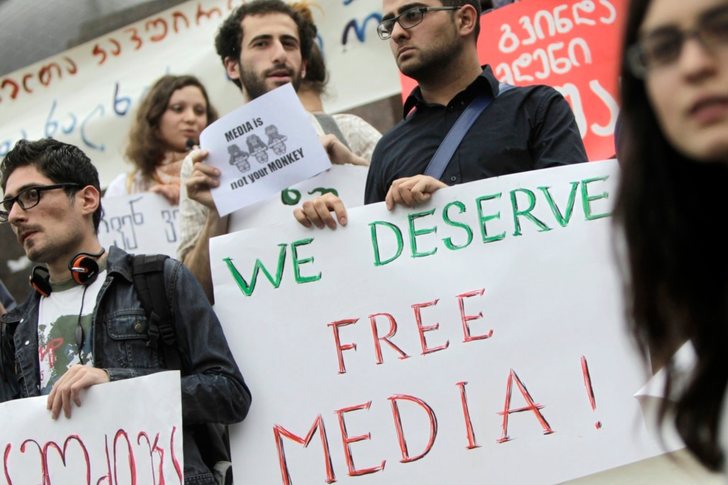
Georgia was once seen as a safe place for journalists. But...
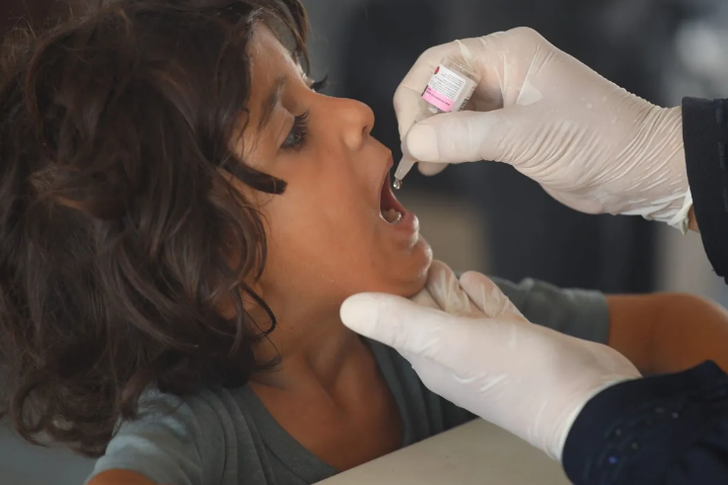
Organizata Botërore e Shëndetësisë thotë se vaksinat kundë...
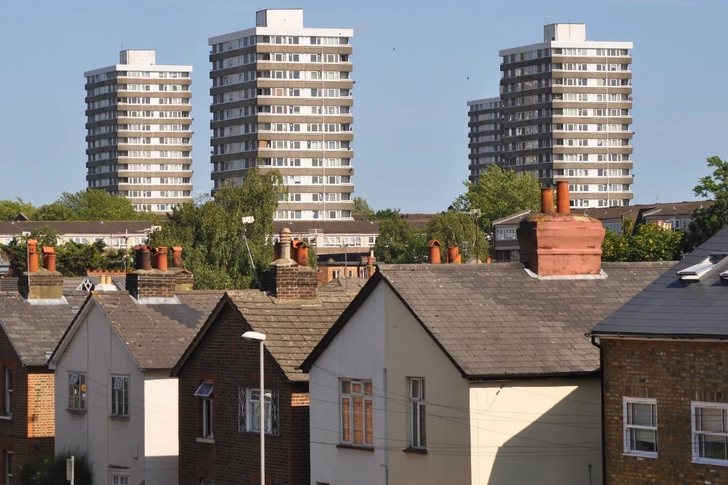
Rising mortgage costs and higher rents have combined with ...
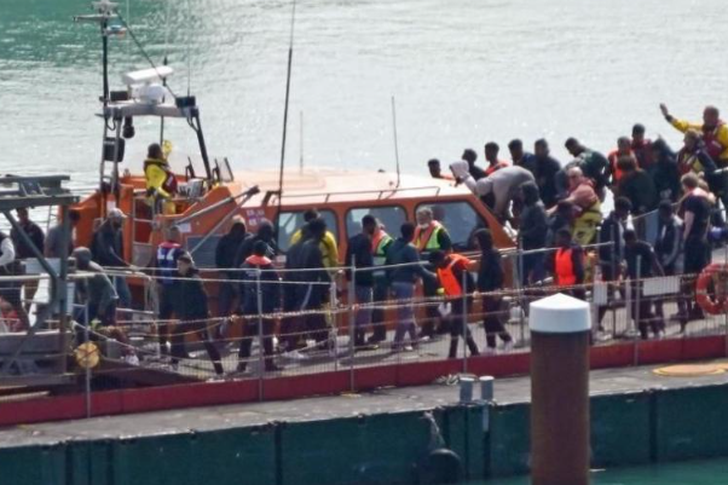
A major search and rescue operation is underway in the Eng...
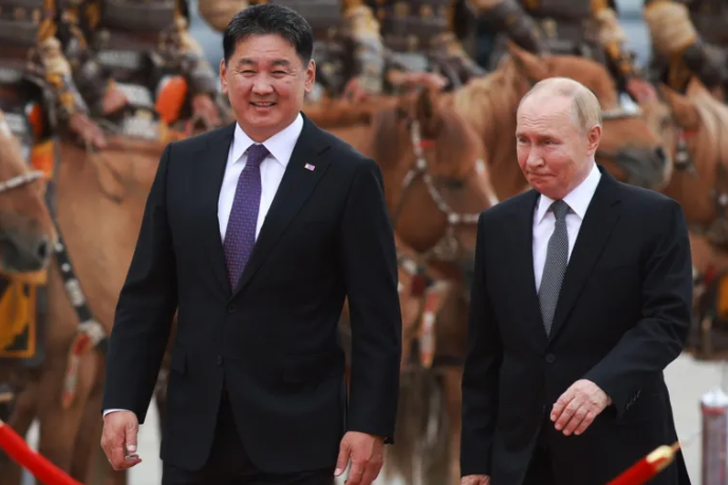
Russian President Vladimir Putin has arrived in Mongolia, ...
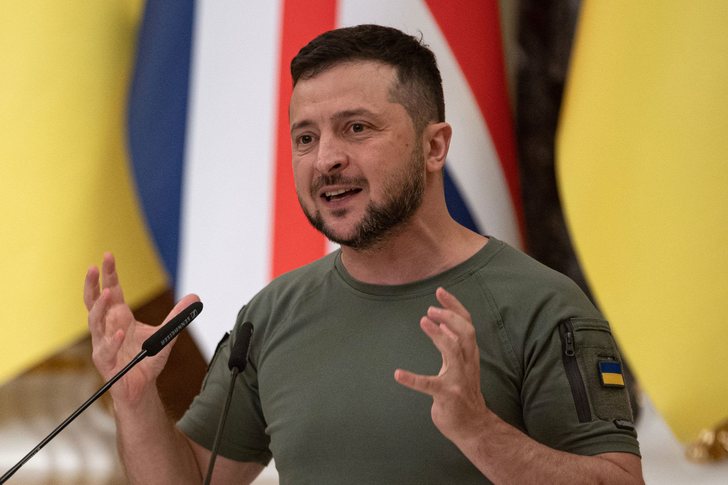
The President of Ukraine, Volodymyr Zelensky, says tha...
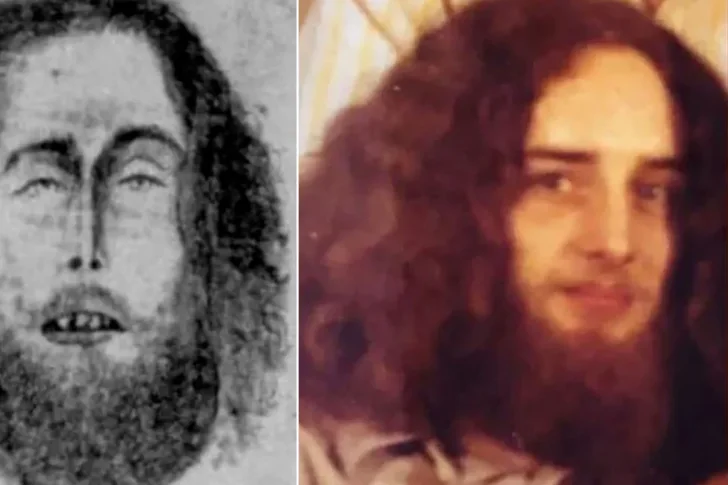
A man found frozen in a Pennsylvania cave in 1977 has ...

CNA has launched another investigation that could lead to ...

Irfan Hysenbelliu is a businessman that we call "Irfan the...

In March 2026, CNA launched another investigation centered...
The arrested mayor of Tirana, Erion Veliaj, with 13 charge...

The Special Board of Appeal (KPA) decided this Monday ...

The KPA vetting decided this Thursday to dismiss the p...

Suela Salavaçi, a prosecutor in the Prosecutor's Offic...

The Special Board of Appeal reinstated the prosecutor ...

Footage emerges from the serious accident that occurred th...

A Shkodra traffic police officer was hit with hard objects...
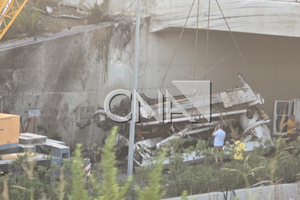
This Wednesday, around 4:00 PM, a serious accident occurre...

Tirana Police have shared details regarding the accident t...
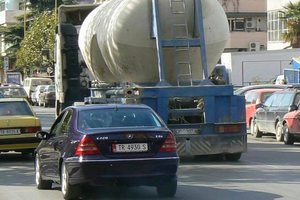
A serious accident that occurred this Wednesday with the c...

The Institute of Geosciences has shared a forecast for wea...
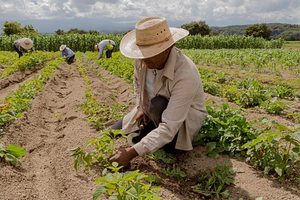
Rising energy and fertilizer prices are expected to contin...

Over 18,000 foreign citizens from 140 countries have appli...
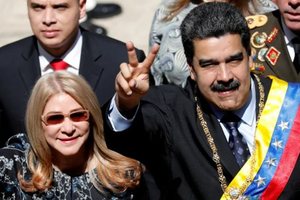
The trial of ousted Venezuelan President Nicolas Maduro on...
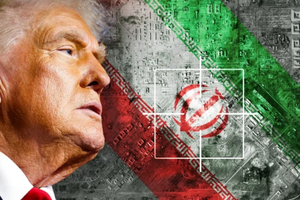
US President Donald Trump has issued another warning to Ir...
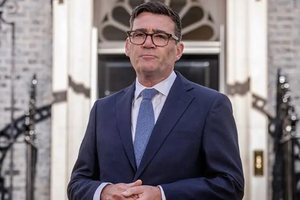
Prime Minister Andy Burnham has announced that most bus fa...

France's parliament has passed a law to ban social media f...

At a time when industrial products are increasingly taking...

Trust among people is not just a three-syllable word. It c...

Master of humor Todi Llupi has passed away at the age of 7...

The ninth edition of "MIK Festival" kicked off with one of...
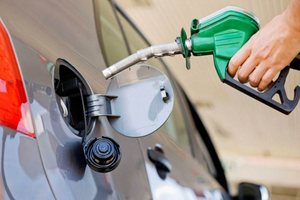
The price of diesel reached 206 lek per liter from 198 lek...

Businesses will no longer be required to simply register t...

Despite economic growth and income in recent years, Albani...

This Wednesday, one US dollar is bought for 81.4 lek and s...