


The EU aims to tighten the visa regime, putting Kosovo at risk
This year, the European Union is expected to tighten its v...


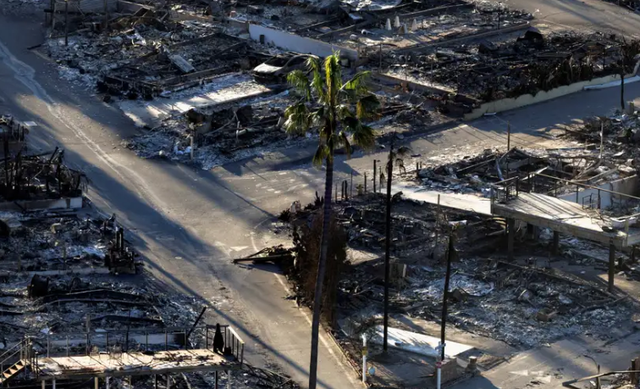
The risks increase as temperatures rise and greenhouse gas emissions continue to rise. A new report shows ways to overcome the situation.
The ecological crisis and man-made climate change have long been a very serious problem for humanity. This is nothing new. However, humans burn more coal, oil and gas than ever before, produce more waste and consume more resources than the planet can sustain.
"Figuratively, we are looking into the abyss. We know how to turn back. Yet we keep going towards it," said Shen Xiaoming, director of the United Nations University Institute for Environment and Human Security (UNU-EHS).
Why is this so, and what are the possible ways out of the abyss? A report published today by her institute, titled "Turning Over a New Leaf," attempts to answer this question. This annual report analyzes how natural hazards and disasters are interconnected and influenced by humans, and what are the possible strategies for addressing these problems.
Many crises, few fundamental changes
The good news: A better future is possible, researchers say. However, many of today's approaches are aimed primarily at combating symptoms, rather than the underlying causes, according to scientists at UNU-EHS, based in Bonn.
For example, polluted beaches or rivers can only be cleaned up with better recycling systems. Although recycling is a valuable way to solve the problem, the main problems lie elsewhere - in the system of packaging and mass production for single use. If the goal is a waste-free future, then it is necessary to change the system of a society that throws things away after a single use, the report says. This is where the authors of the report want to intervene.
Radical change theory
To uncover the deeper causes of global problems, researchers have developed what is called the "Theory of Deep Change." It examines the social structures and patterns of thinking that have led to certain problems that persist today. The authors view society as a social construct.
Some ways of thinking have led to the creation of structures that have caused unforeseen consequences, such as climate change, water scarcity, overproduction and overexploitation of global resources.
"Our research has shown that these processes and structures are largely based on the assumption that humans can and should dominate nature," says Caitlin Eberle in an interview with DW who worked on this report.
This basic assumption appears, in various forms, in laws, literature, films and religious contexts, the authors say. And this in turn influences the goals and structures of society.
The result: monocultures, river flow regulation, animal domestication and plant conservation, and the use of pesticides and herbicides - all are considered legitimate means to achieve social goals.
The assumption or thought model "man rules nature" thus carries risks and represents an obstacle to potential change, the authors assert.
"Changing this mindset means recognizing that humans are part of nature, just one species in a vast ecosystem. And that means we need to try to better adapt our systems to nature's needs," says Eberle.
Also, widespread assumptions that endless economic growth truly brings prosperity, or that the planet has an unlimited capacity to absorb pollution and provide resources, present obstacles to change. This way of thinking, from a scientific point of view, is simply wrong, says Eberle.
Necessary transformation
For truly lasting and profound change, both internal and external changes are needed. On the one hand, this means people's personal beliefs and values ??- that is, internal levers. And external levers can be appropriate laws, adjustments to tax systems, and subsidies that support the changes.
Although changing deeply ingrained values ??and beliefs is difficult, it is not impossible. History shows this, researchers say. For example, smoking was socially acceptable until a few decades ago and in many cultures was associated with higher social status and was even considered healthy. Today, everyone knows that smoking is harmful and is banned in almost all indoor environments.
This change occurred at both the individual and societal levels. In the mid-20th century, scientists began to uncover serious health risks, and through public campaigns, bans, and changes in regulations, society's attitude toward smoking changed.
The change has already begun.
To overcome today's environmental risks, researchers believe that a shift in awareness is needed in five areas: treating waste as a raw material, abandoning the idea that humans are separate from nature, understanding that humanity shares a common responsibility, replacing short-term planning with long-term planning, and reconsidering what is truly valuable - economic wealth or the health of the planet.
According to Caitlin Eberle, it is not technical or logistical challenges that prevent people from achieving these goals, but mindset: "What is needed are truly radical changes in the mindsets that shape our culture and philosophy. We also need to believe that such changes are possible and that we can achieve them."
This process of change cannot happen without resistance, the researchers admit. Conflicts of interest, fear and structural inertia are normal. But there is hope, the study says. It is precisely these conflicts that show that society has already begun to change./ DW

This year, the European Union is expected to tighten its v...
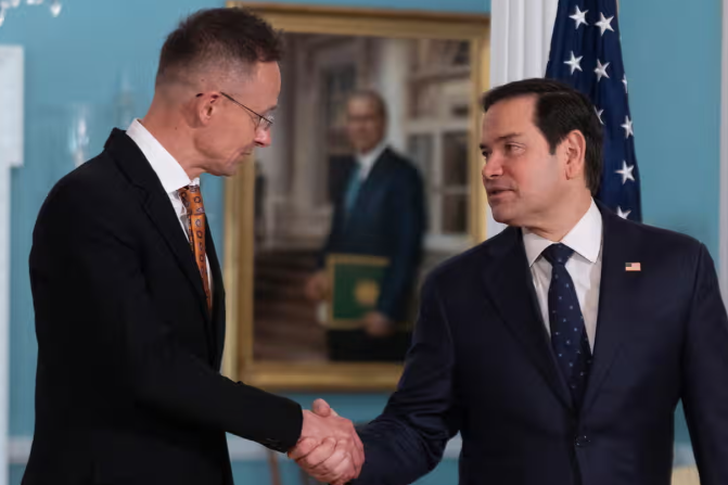
The United States has removed a member of Hungarian Prime ...
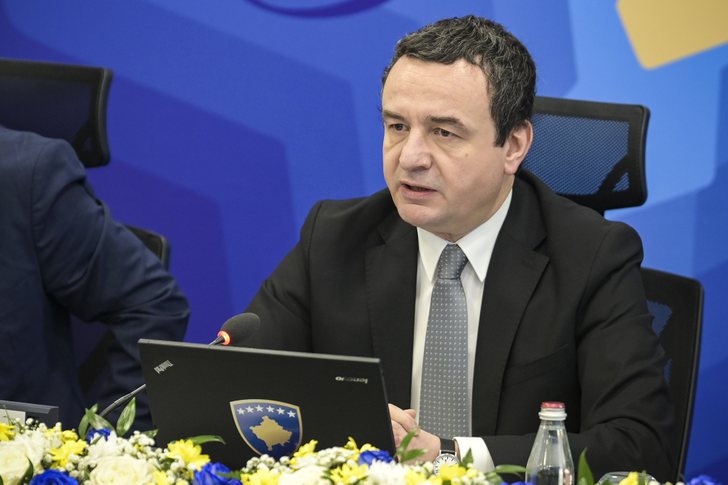
Kosovo Prime Minister Albin Kurti reacted sharply this aft...

Serbian students who have led anti-government protests in ...
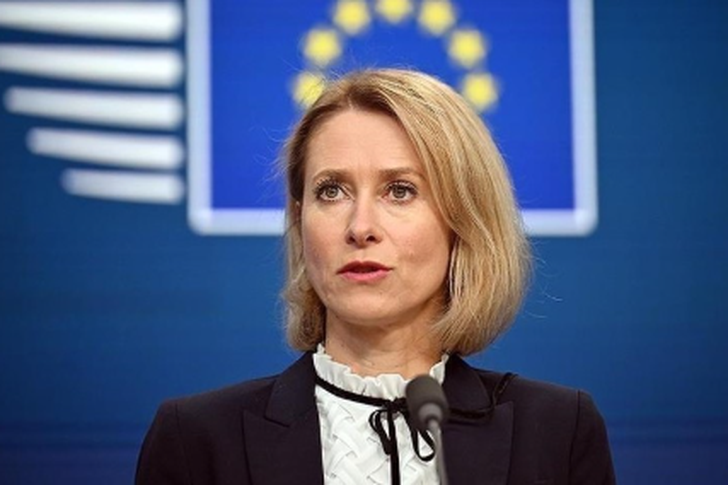
EU foreign policy chief Kaja Kallas announced that she pla...
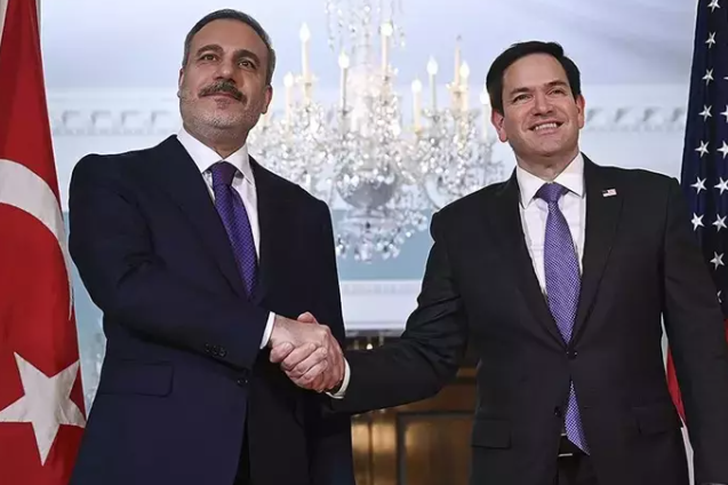
US Secretary of State Marco Rubio and Turkish Foreign Mini...
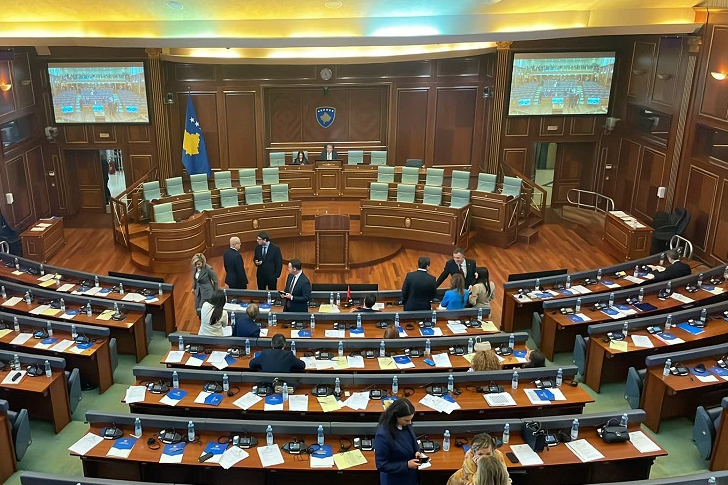
"The report of the temporary committee for the verificatio...
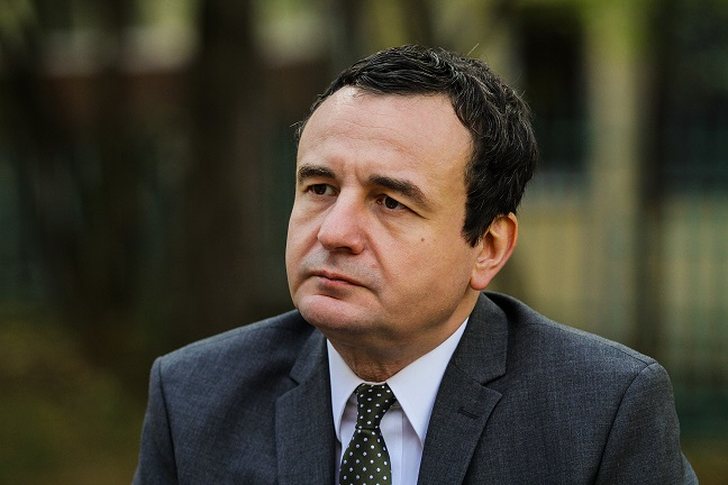
Albin Kurti has resigned from the post of Prime Minister s...
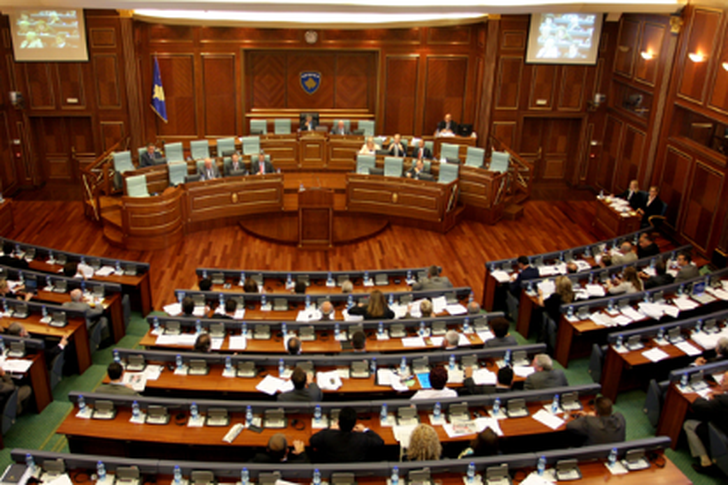
The constitutive session of the IX Legislature of the Asse...

The fact that the CDU/CSU and SPD agreed on a coalition so...
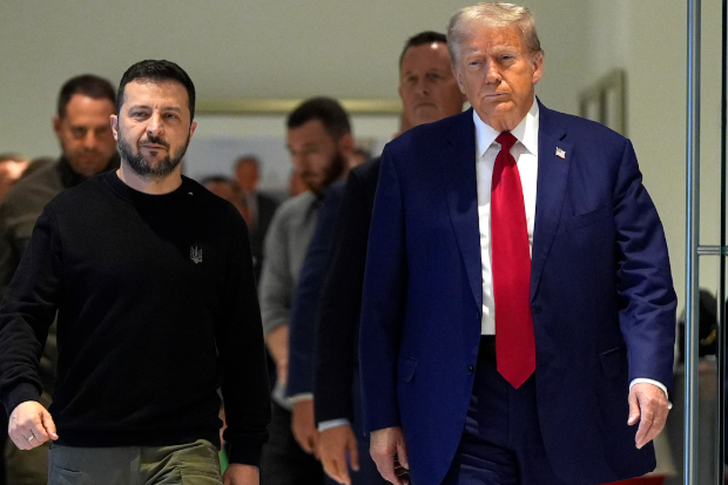
Ukrainian President Volodymyr Zelensky has asked his US co...

US President Donald Trump shared a special message for all...
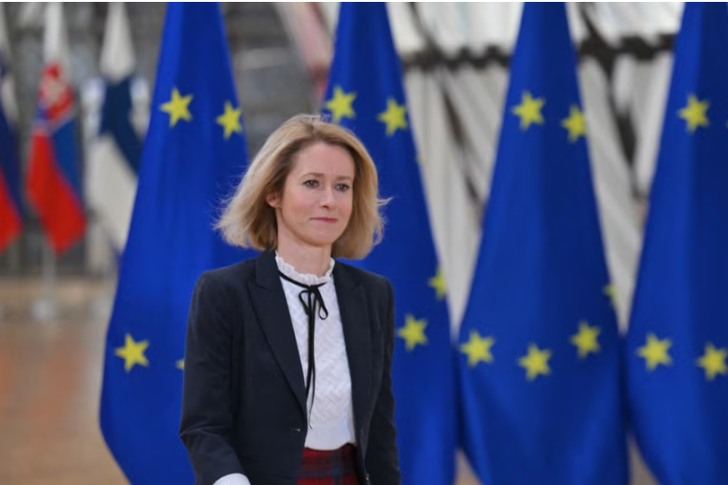
EU High Representative Kaja Kallas will brief the EU on th...
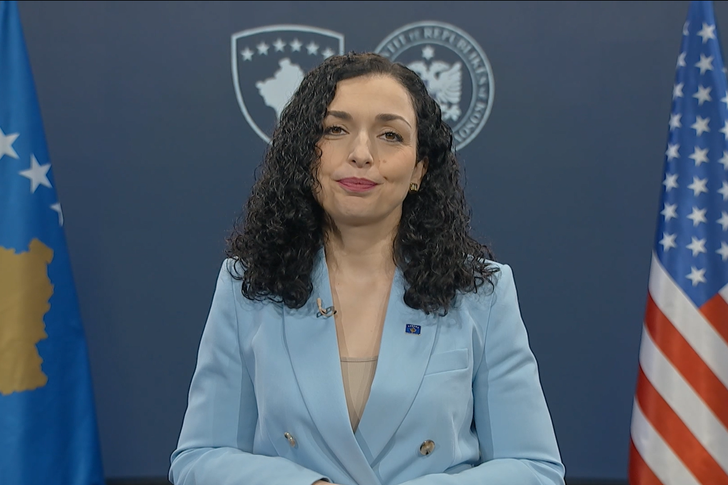
The President of Kosovo, Vjosa Osmani, has said that the O...
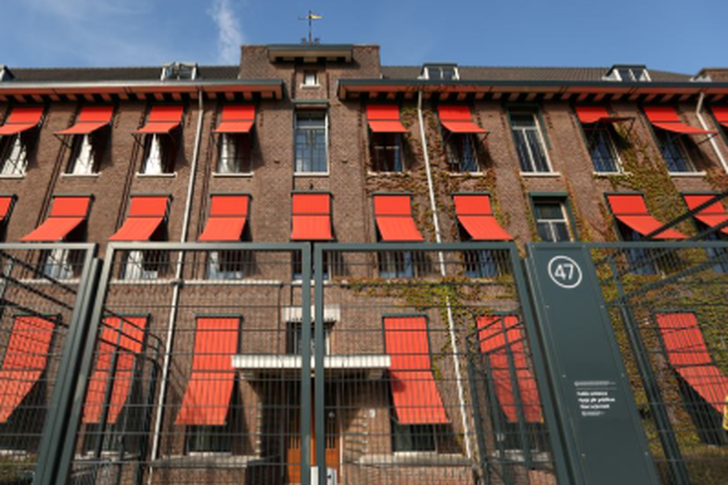
In two years, over 125 witnesses invited by the Specialize...
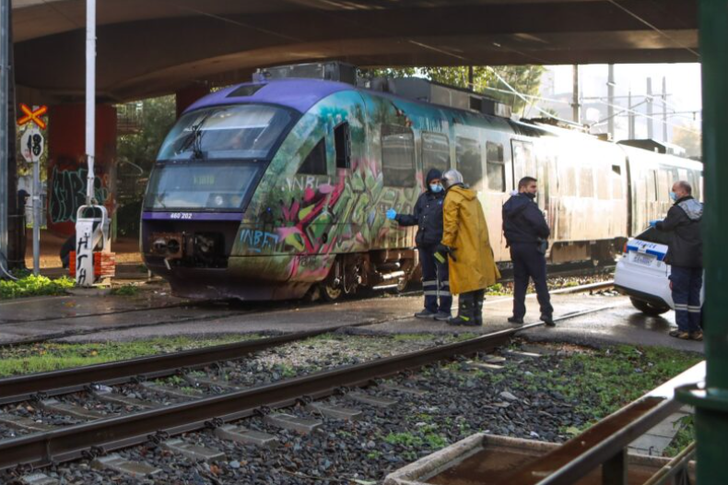
A suburban train operating on the Halkida - Athens route c...

US President Donald Trump has warned that "nobody is getti...
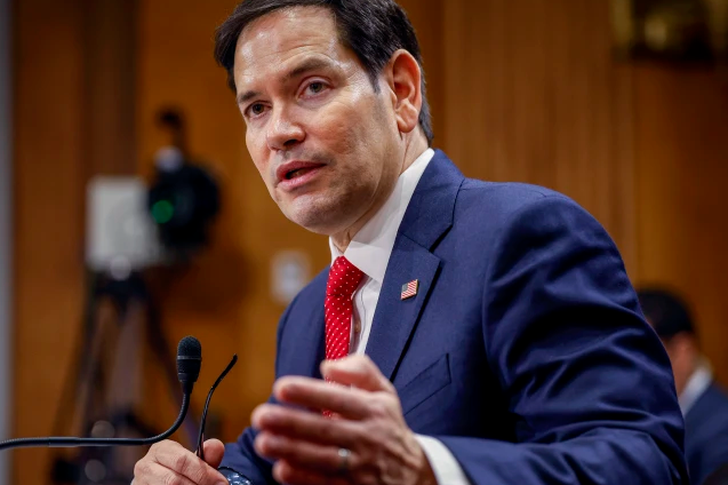
US Secretary of State Marco Rubio responded to Russia's at...
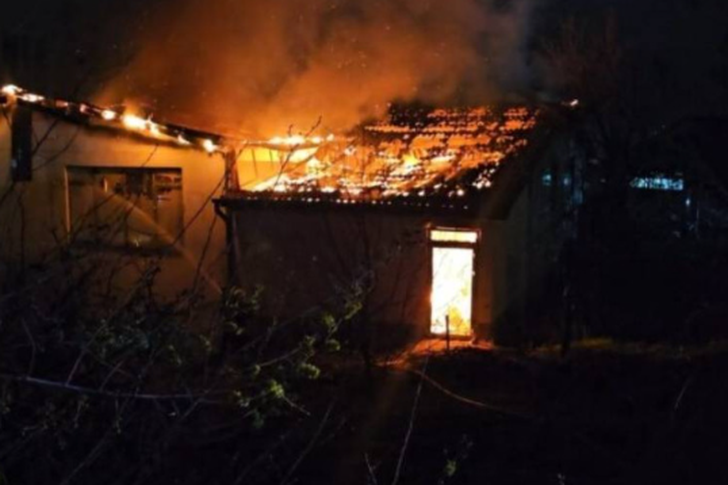
Intensive investigations continue into the tragic event in...
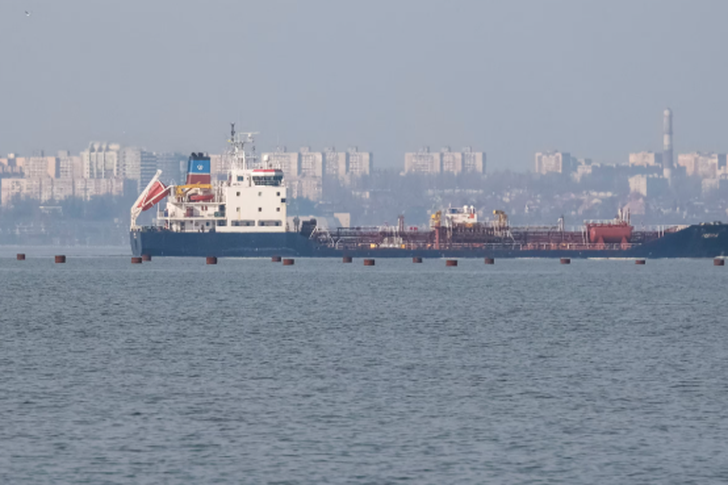
Turkey will hold a Black Sea security meeting with Russian...

CNA has launched another investigation that could lead to ...

Irfan Hysenbelliu is a businessman that we call "Irfan the...

In March 2026, CNA launched another investigation centered...
The arrested mayor of Tirana, Erion Veliaj, with 13 charge...

The Special Board of Appeal (KPA) decided this Monday ...

The KPA vetting decided this Thursday to dismiss the p...

Suela Salavaçi, a prosecutor in the Prosecutor's Offic...

The Special Board of Appeal reinstated the prosecutor ...
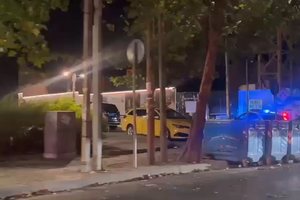
A road accident occurred this evening on Nikolla Zoraqi St...
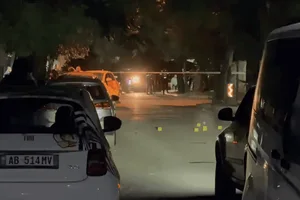
Three people were shot and wounded in Elbasan last night b...

A serious incident occurred this Tuesday in the Yrshek are...

An accident occurred this Tuesday on "Dituria" street in K...

All of Southern Europe will face changing weather conditio...
Albania was hit by temperatures significantly higher than ...

For the first time, Pogradec welcomed the Inter-Lake Chess...
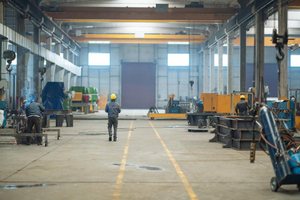
Albania has achieved a record for the employment of foreig...

US Secretary of State Marco Rubio arrived in Manila on Jul...
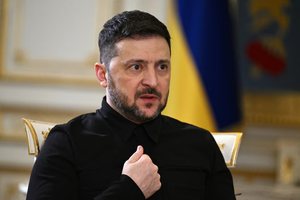
In the space of a few days, Ukrainian President Volodymyr ...

The spokesman for the Iranian Foreign Ministry warned Bulg...
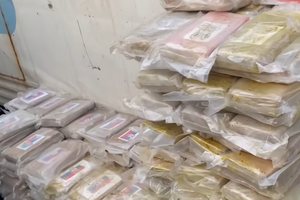
Autoritetet italiane sekuestruan pako me afër 800 kilogram...

At a time when industrial products are increasingly taking...

Trust among people is not just a three-syllable word. It c...

Master of humor Todi Llupi has passed away at the age of 7...
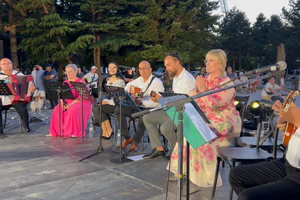
The ninth edition of "MIK Festival" kicked off with one of...

Construction company licenses will have a validity period ...
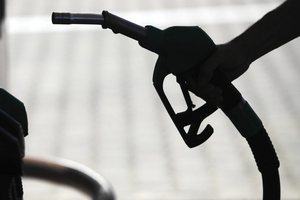
The Centralized Purchasing Operator recently opened a tend...
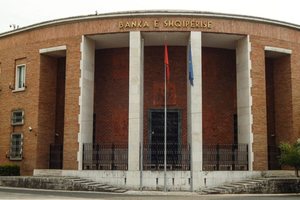
The new draft law "On the Bank of Albania" provides that t...

This Tuesday, one US dollar is bought for 81.2 lek and sol...