

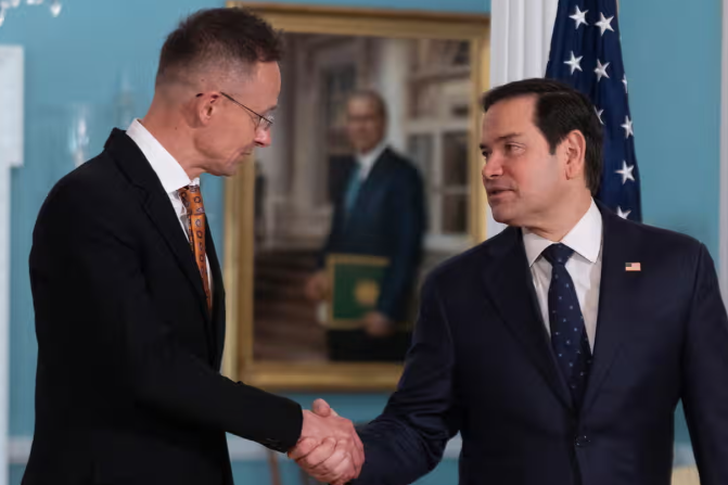
Biden's decision is overturned/US removes Viktor Orbán's cabinet member from sanctions list
The United States has removed a member of Hungarian Prime ...


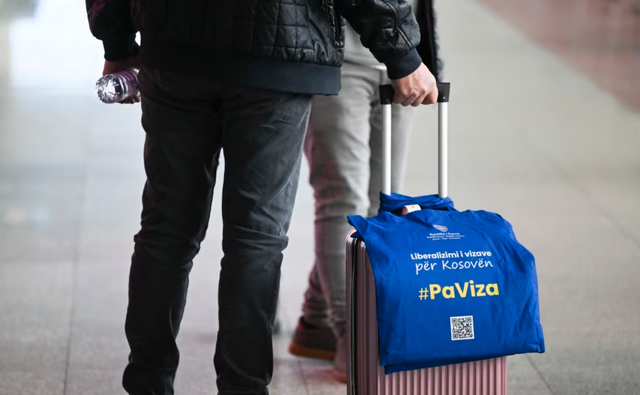
This year, the European Union is expected to tighten its visa suspension mechanism, making it easier for Brussels to lift visa-free travel for citizens of the 61 countries that currently enjoy it – including all EU accession candidate countries in the Western Balkans, as well as Georgia, Moldova and Ukraine.
The proposal to add more grounds to the existing ones for suspending visa-free travel was initiated by the European Commission as early as 2023, and the EU Council – which represents the 27 member states – adopted its position on the matter a year ago. However, due to the European parliamentary elections in June 2024 and the heavy legislative workload, the European Parliament has only recently received the mandate to negotiate.
Last week, the first dialogue between the three institutions on the proposed legislation was held, with the aim of reaching an agreement during the Polish Presidency of the Council of the EU, which runs until the end of June. If all goes well, the new law is expected to enter into force in early autumn.
Why is this happening now?
Essentially, the bloc is becoming much tougher on visa liberalization, reflecting a broader shift: first, to combat any form of illegal migration into the EU; and second, to potentially use the visa regime as a political tool to exert pressure on third countries.
Visa liberalization – which in this case includes all EU member states except Ireland, as well as non-member countries Iceland, Liechtenstein, Norway and Switzerland – has long been one of Brussels' most important political tools.
It allows third-country nationals to visit the EU for up to 90 days within a 180-day period without needing a visa. Kosovo was added to this list in early 2024, and Georgia and Ukraine in 2017 – moves that were welcomed in these countries.
The threat to withdraw this privilege, therefore, can be seen as a truly punitive measure.
The current suspension mechanism, in force since 2018, can be activated in cases of clear abuse – for example, an increase in the number of third-country nationals staying longer than the 90-day limit or using visa-free travel to seek asylum in the EU. So far, the bloc has suspended visa liberalisation only once: first temporarily, then permanently, for the South Pacific nation of Vanuatu.
What are the expected changes?
In general terms, there are four main areas of change, as Brussels aims to make the visa suspension mechanism a more credible tool of punishment. First, visa liberalization can be suspended if there is a perception of inconsistency between the EU's overall visa policy and that of a visa-free third country.
This was the case in 2022, when Serbia allowed visa-free travel for citizens of countries such as Burundi, India and Cuba. Brussels suggested that many of these individuals were using Serbia as a “back door” to the EU. After pressure from the European Commission, Belgrade withdrew some of these agreements. However, under the proposed legislation, such behavior could be punished more easily.
Hybrid threats
Another reason for visa suspensions is so-called hybrid threats. Although still theoretical, this provision is inspired by countries like Russia and Belarus, which the EU has accused of transporting migrants from Africa and Asia to EU borders, such as Poland and Lithuania.
The EU's visa-free travel agreements with Moscow and Minsk have already been suspended for several years due to Russia's invasion of Ukraine and the crackdown on opposition by authoritarian Belarusian leader Alexander Lukashenko. However, if another visa-free country follows a similar tactic, the new mechanism could be activated in response.
Third, if a country operates an investor citizenship scheme – allowing individuals to acquire citizenship without any real connection to the country – then visa liberalization with the EU could be suspended in the future.
However, the fourth ground for suspension is perhaps the most interesting, as it relates to the EU’s political relations with third countries. The legislation, which is still in the draft stage, foresees that the suspension mechanism can be activated in cases of “serious human rights violations and abuses” or “serious breaches of international law and standards, including human rights and failure to respect the judgments of international courts.” The democracy criterion
If you ask EU officials, their reading has always been that there is a “democracy criterion” when it comes to visa liberalization – but it has never been clearly explained what exactly it entails.
Another interesting and new aspect is that the activation of the mechanism in this case should be the exclusive competence of the European Commission, after consultations with EU member states, as it relates to the bloc's external relations.
Ultimately, however, it will be member states – by qualified majority – who will decide on the suspension of visa liberalization with a third country. As EU officials describe it, this remains “the nuclear option when all other options have been exhausted,” as the bloc is usually careful not to punish an entire population rather than its government.
That is why, earlier this year, the EU chose to suspend visa liberalization only for holders of diplomatic passports from Georgia, following democratic setbacks in the Caucasus country. However, the option of targeting the entire population remains on the table – and with the potential expansion of the scope of the suspension mechanism, the bloc is clearly sharpening its weapons./ Rel

The United States has removed a member of Hungarian Prime ...
Kosovo Prime Minister Albin Kurti reacted sharply this aft...
Serbian students who have led anti-government protests in ...
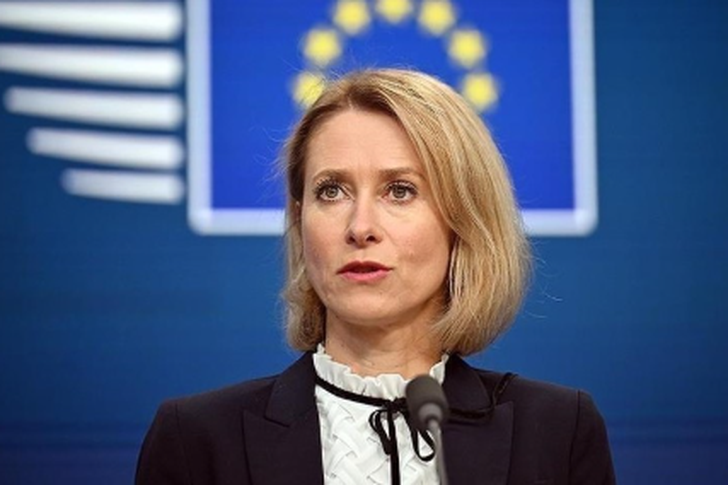
EU foreign policy chief Kaja Kallas announced that she pla...
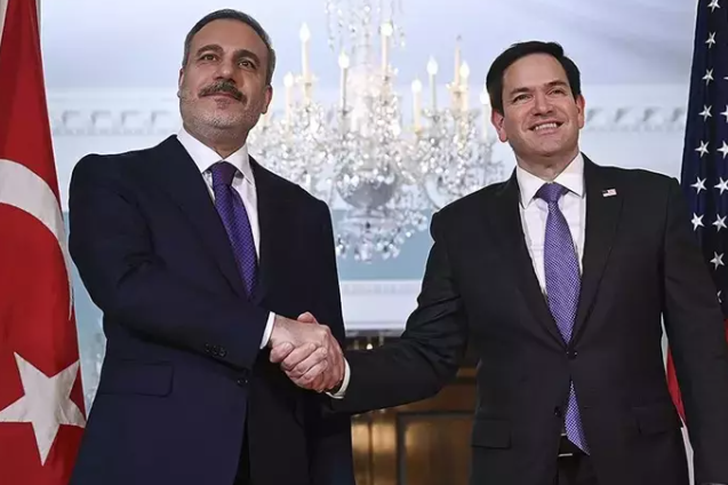
US Secretary of State Marco Rubio and Turkish Foreign Mini...
"The report of the temporary committee for the verificatio...
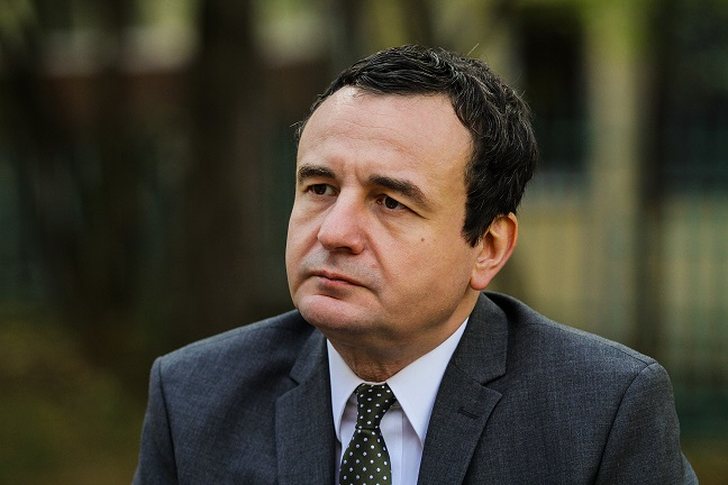
Albin Kurti has resigned from the post of Prime Minister s...
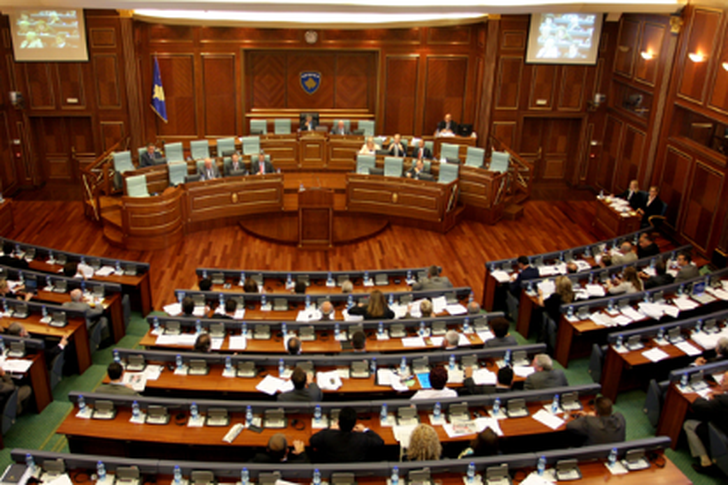
The constitutive session of the IX Legislature of the Asse...
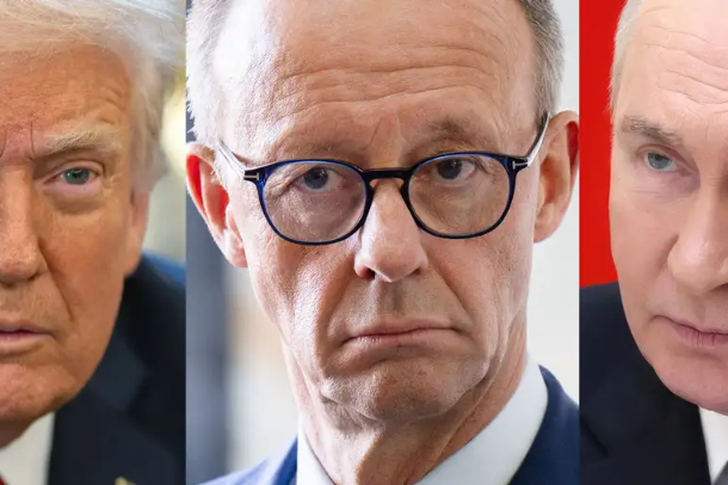
The fact that the CDU/CSU and SPD agreed on a coalition so...
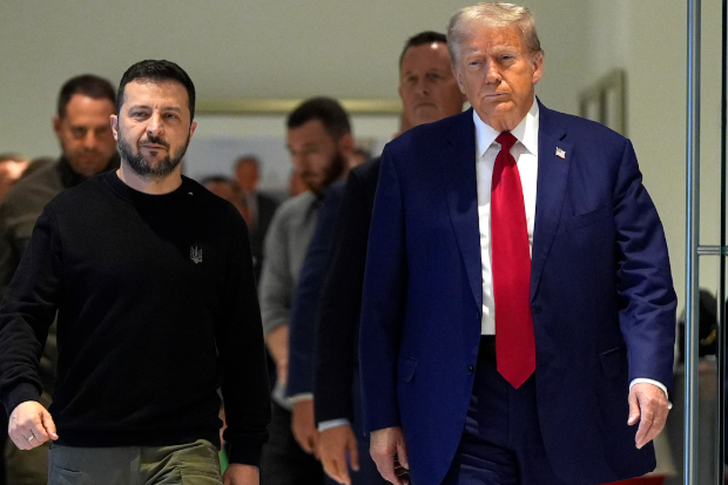
Ukrainian President Volodymyr Zelensky has asked his US co...
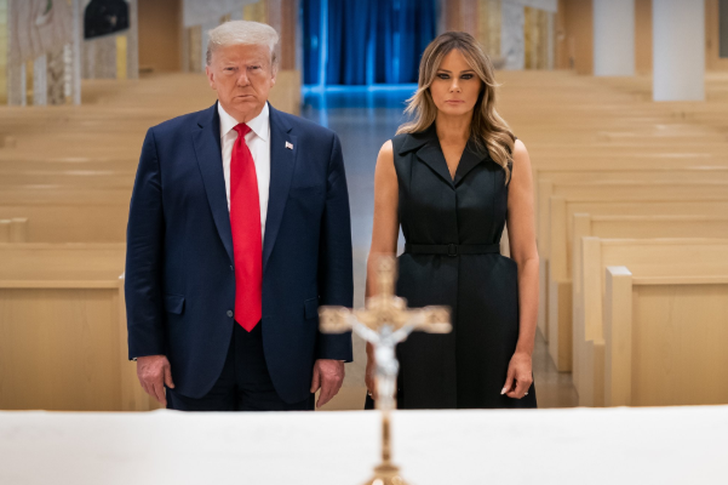
US President Donald Trump shared a special message for all...
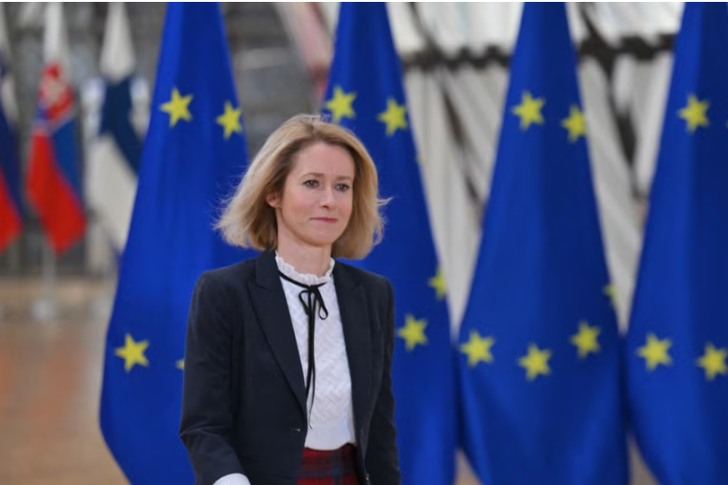
EU High Representative Kaja Kallas will brief the EU on th...
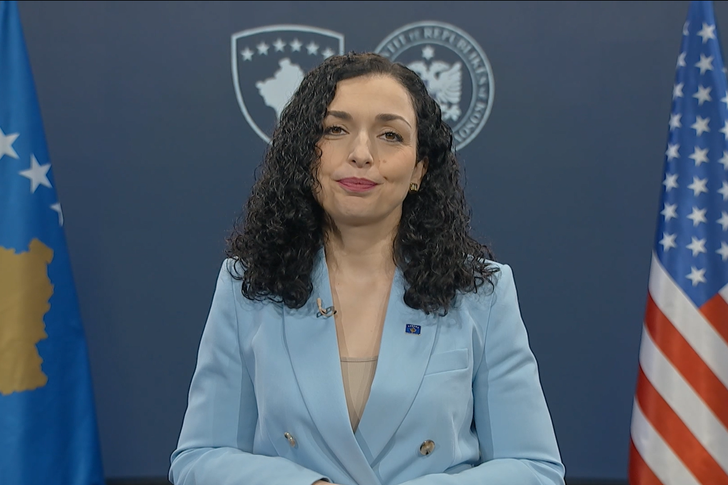
The President of Kosovo, Vjosa Osmani, has said that the O...
In two years, over 125 witnesses invited by the Specialize...
A suburban train operating on the Halkida - Athens route c...
US President Donald Trump has warned that "nobody is getti...
US Secretary of State Marco Rubio responded to Russia's at...
Intensive investigations continue into the tragic event in...
Turkey will hold a Black Sea security meeting with Russian...
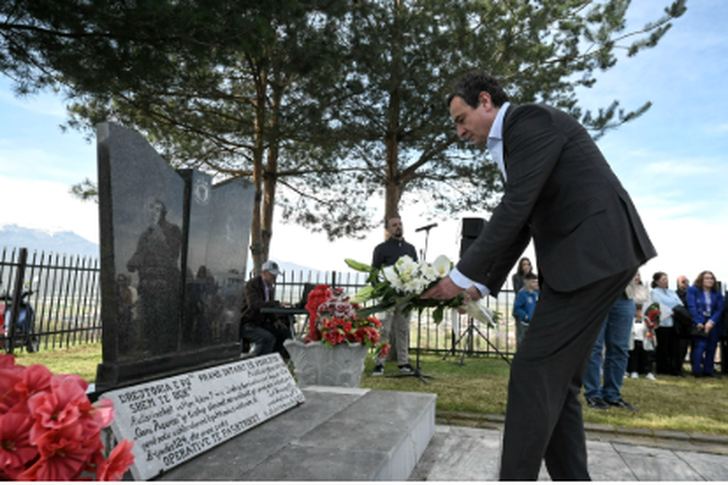
The Prime Minister of Kosovo, Albin Kurti, paid homage tod...

CNA has launched another investigation that could lead to ...

Irfan Hysenbelliu is a businessman that we call "Irfan the...

In March 2026, CNA launched another investigation centered...
The arrested mayor of Tirana, Erion Veliaj, with 13 charge...

The Special Board of Appeal (KPA) decided this Monday ...

The KPA vetting decided this Thursday to dismiss the p...

Suela Salavaçi, a prosecutor in the Prosecutor's Offic...

The Special Board of Appeal reinstated the prosecutor ...
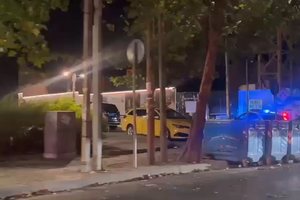
A road accident occurred this evening on Nikolla Zoraqi St...
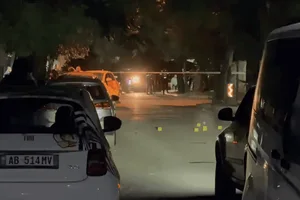
Three people were shot and wounded in Elbasan last night b...
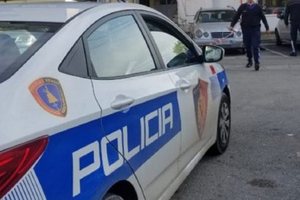
A serious incident occurred this Tuesday in the Yrshek are...

An accident occurred this Tuesday on "Dituria" street in K...
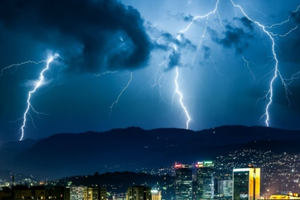
All of Southern Europe will face changing weather conditio...
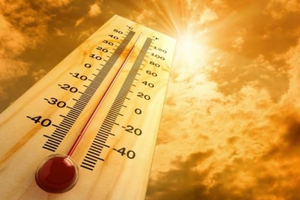
Albania was hit by temperatures significantly higher than ...

For the first time, Pogradec welcomed the Inter-Lake Chess...
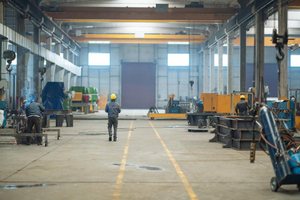
Albania has achieved a record for the employment of foreig...
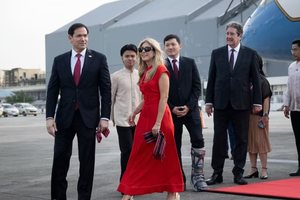
US Secretary of State Marco Rubio arrived in Manila on Jul...
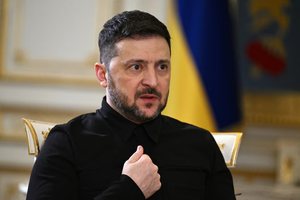
In the space of a few days, Ukrainian President Volodymyr ...
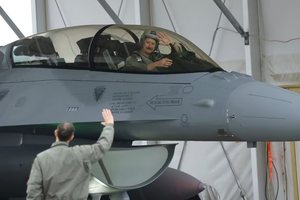
The spokesman for the Iranian Foreign Ministry warned Bulg...

Autoritetet italiane sekuestruan pako me afër 800 kilogram...

At a time when industrial products are increasingly taking...

Trust among people is not just a three-syllable word. It c...

Master of humor Todi Llupi has passed away at the age of 7...

The ninth edition of "MIK Festival" kicked off with one of...

Construction company licenses will have a validity period ...
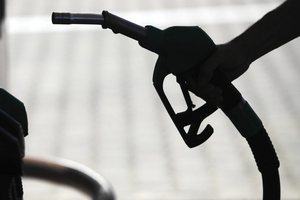
The Centralized Purchasing Operator recently opened a tend...
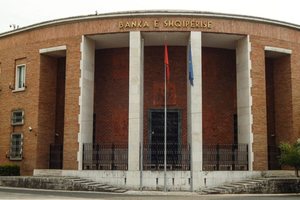
The new draft law "On the Bank of Albania" provides that t...
This Tuesday, one US dollar is bought for 81.2 lek and sol...