


More details emerge/ 3 weapons found in the shed where Braçellari was hiding
Investigations into the serious incident in Lozhan, where ...

Investigations into the serious incident in Lozhan, where ...

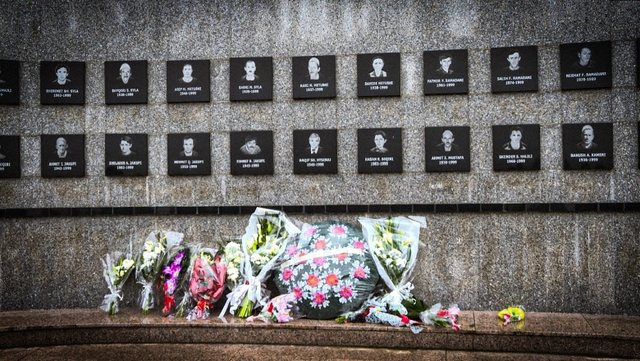
In the village of Recak, about 30 kilometers from Pristina, Serbian forces killed 45 Albanian civilians on January 15, 1999. The largest number of victims was found on Bebusi Hill, while there were also killed in other parts of the village.
What happened in Racak?
In the village of Reçak in Shtime, the first shots were heard in the early hours of the morning of January 15, 1999. The village, located about 30 kilometers from Pristina, had begun to be abandoned by its residents due to the proximity of the Serbian police and army.
During an action lasting several hours, Serbian police and paramilitary forces killed 45 Albanian civilians in Recak that day. Many of them, according to international monitoring teams, were mutilated. The largest number of victims remained on Bebusi Hill, while others were killed throughout the village.
On the morning of January 16, 1999, William Walker, then head of the OSCE Verification Mission in Kosovo, arrived in Recak. Walker was the first person to alert the world to the crimes in Recak.
"From what I saw personally, I have no hesitation in describing the event as a massacre, it is clear, undoubtedly a grave crime against humanity," Walker said.
The bodies of the killed were placed in the village mosque by their families. The Serbian police did not allow the burial. Fighting between Serbian forces and the Kosovo Liberation Army resumed.
After nearly two days of fighting, Serbian forces removed the bodies of the victims from the mosque and sent them for autopsy in Pristina. According to them, the autopsy showed that the event was not related to a massacre. This was later denied by an autopsy report, conducted by a Finnish team, led by forensic expert Helena Renata.
Official statements by Serbian institutions stated that the event was staged and that the victims were KLA members who had been killed in the fighting. The then US President, Bill Clinton, condemned the killing of Albanian civilians.
"It was a deliberate and indiscriminate act of killing, designed to create fear among the people of Kosovo," Clinton said.
After almost a month, on February 11, 1999, the burial ceremony of 45 bodies of murdered civilians was organized in Recak.
Serbia's continued denial of the Recak massacre. Serbian officials continue to deny this massacre even today. They repeat that the event in Recak was a big lie and a terrible forgery.
Serbian Interior Minister Aleksandar Vullin reiterated this on December 10, 2021.
"NATO's aggression [against Serbian army targets] began after a terrible lie about Recak. At that time, we were neither capable nor smart enough to tell the whole world what a terrible lie it was ," Vullin said.
The US State Department, in response to the Serbian minister's statements, said that "the atrocities that occurred in Racak in January 1999, including the massacre of civilians, are well documented."
European Union spokesman Peter Stano said that the crimes that occurred in Recak in 1999 cannot be denied.
"What happened in Recak, Kosovo, and the atrocities committed there in January 1999, are well documented ," Stano said.
How did the crimes in Racak go unpunished?
More than two decades have passed since the massacre in the village of Reçak in Shtime, but no one has been directly punished for this case. The killing of 45 Albanian civilians on January 15, 1999, was part of the indictment of the International Criminal Tribunal for the former Yugoslavia against Slobodan Miloševi?, Milan Milutinovi?, Nikola Šainovi?, Dragoljub Ojdani? and Vllajko Stojilkovi?.
The court accused these individuals of killing hundreds of Albanian civilians in Kosovo, specifically mentioning the killing of at least 45 Albanian civilians in the village of Recak.
The former president of Serbia and Yugoslavia, Slobodan Milosevic, during his trial in The Hague, called dozens of witnesses to testify that the massacre that occurred in Recak “was fabricated” and that “all of those killed were members of the Kosovo Liberation Army” and that they “had been killed in an exchange of fire with Serbian forces.”
Miloševi? died shortly before the Hague Tribunal was to rule on the charges against him. He was charged with, among other things, crimes against humanity and violations of the laws and customs of war. On February 26, 2009, the verdict was announced for former Serbian President Milan Milutinovi?. He was acquitted of all charges.
"The court is not convinced beyond reasonable doubt that Milan Milutinovic made a significant contribution to the joint criminal enterprise," said Hague Tribunal judge Iain Bonom.
Former Yugoslav Deputy Prime Minister Nikola Šainovi?, former Yugoslav Army General Nebojša Pavkovi?, and former Serbian police chief Sreten Luki? were each sentenced to 22 years in prison for crimes against humanity and violations of the laws or customs of war.
Former Yugoslav Army General Vladimir Lazarevi? and his army chief of staff Dragoljub Ojdani? were found guilty of participating in the deportation and forcible transfer of ethnic Albanians from Kosovo and sentenced to 15 years in prison each. However, they were not convicted of direct responsibility for the killing of 45 Albanian civilians in the village of Recak.
Nevenka Tromp, a lecturer in Eastern European Studies at the University of Amsterdam in the Netherlands and a researcher at the Hague Tribunal for War Crimes in the Former Yugoslavia, said in an interview with Radio Free Europe that Recak was removed from the case against Milutinovic and others because the massacre there took place before the declaration of a state of war and the start of the international armed conflict.
This conflict began on March 24, 1999, the day NATO began bombing Serbian army targets, with the aim of stopping the violence in Kosovo.
Responsibility for the Recak massacre is mentioned in the Hague Tribunal's conviction of Serbian police general Vlastimir Djordjevic, who was found guilty of all counts of the indictment: forcible expulsion of Kosovo Albanians, forcible displacement, murder, transportation of killed Albanians from Kosovo to Serbia, racial persecution of Kosovo Albanians, and violation of the laws and traditions of war.
Hague Tribunal documents state that Djordjevic played a leading role in the Serbian Interior Ministry's efforts to cover up the killing of 45 civilians in Recak in January 1999. /REL

US envoy Steve Witkoff has announced the start of the seco...
China praised Canadian Prime Minister Mark Carney's visit ...
Several NATO countries have decided to send a small number...
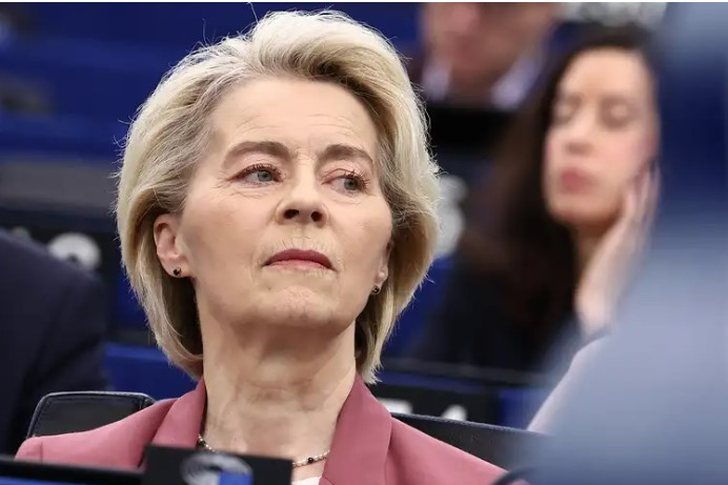
Parliament President Roberta Metsola informed parliamentar...
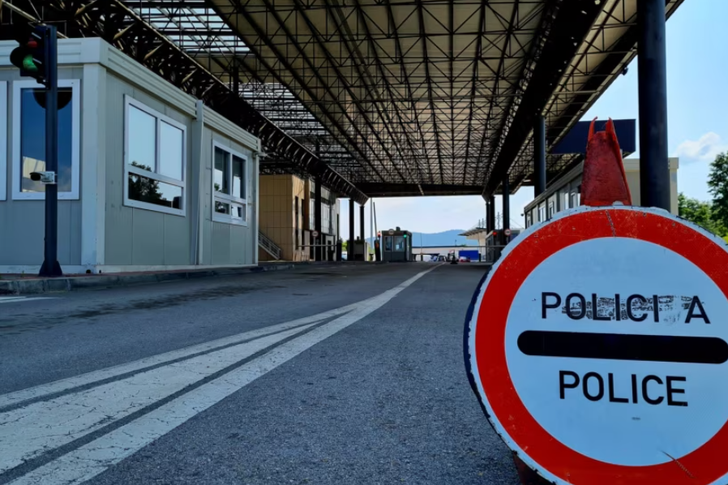
In Kosovo, from tonight at midnight, strict implementation...
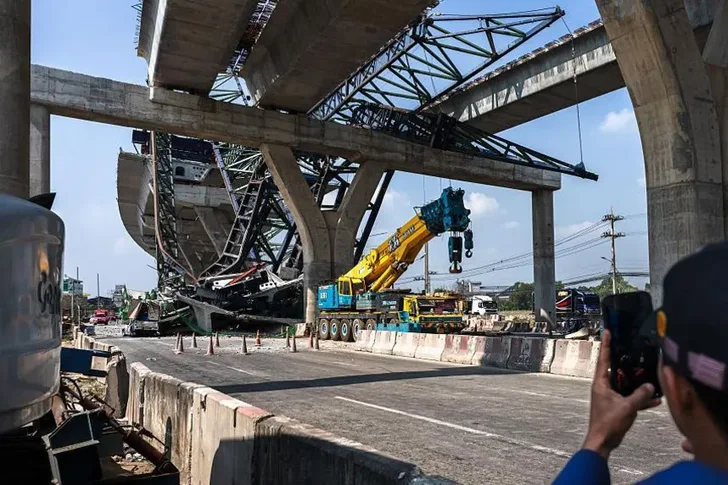
Two people have died after a construction crane collapsed ...
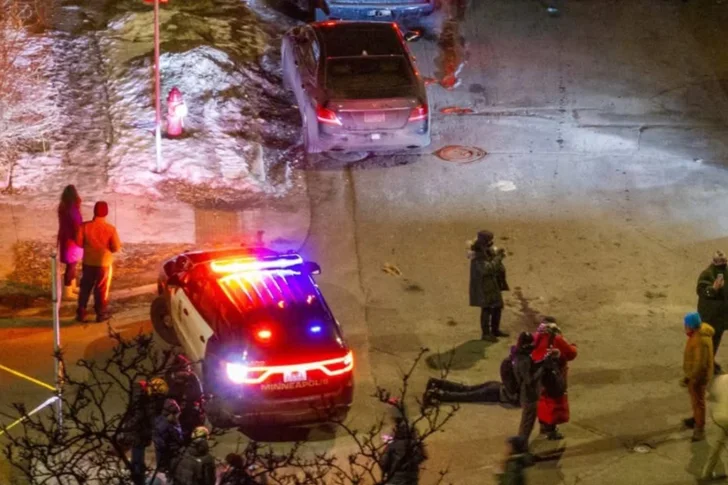
A new incident, where an agent of the US Immigration and C...
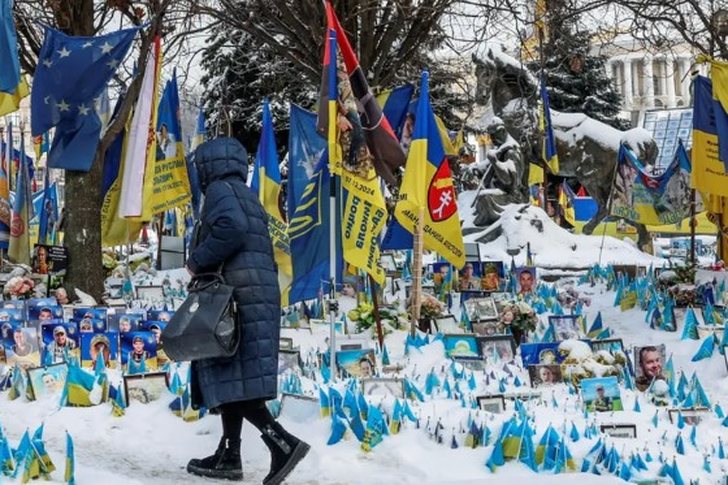
Ukraine has declared a state of emergency in the country's...

A labor rights organization claims to have found evidence ...
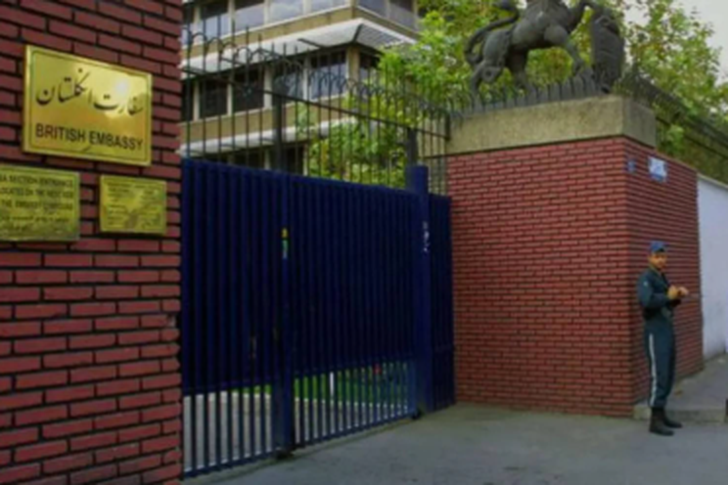
The British embassy in Iran has been temporarily closed as...
Days before the protests in Iran began in late December, I...
Taxi drivers of the Attica region in Greece will continue ...
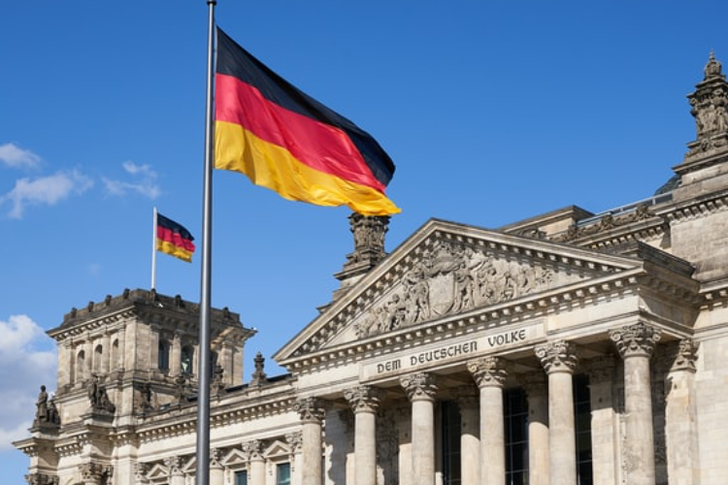
Germany will send its first soldiers to Greenland on Thurs...
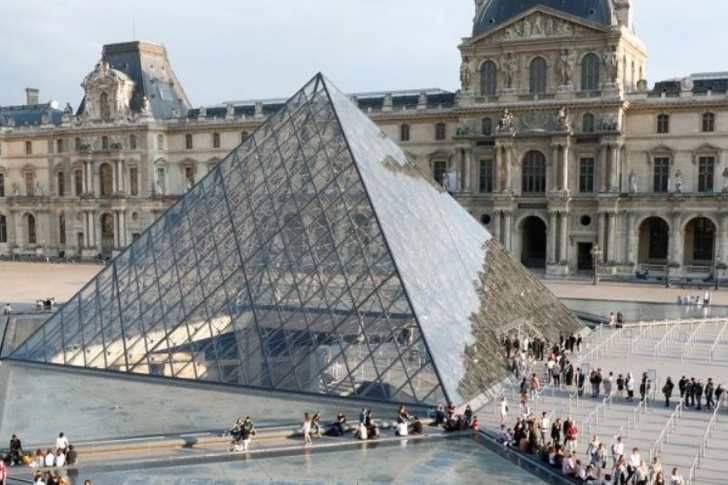
France has introduced a 45% higher entrance fee to the Lou...
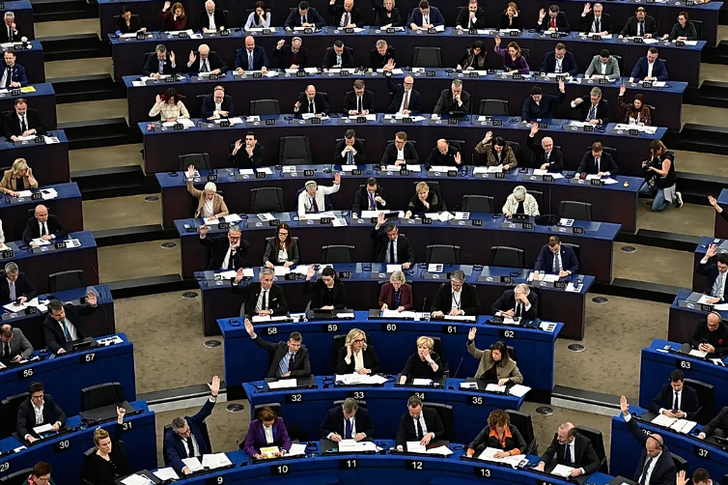
Parlamenti Evropian ka shprehur zyrtarisht mbështetjen e t...

A delegation from Denmark and Greenland was welcomed to th...
The United States is withdrawing some personnel from bases...
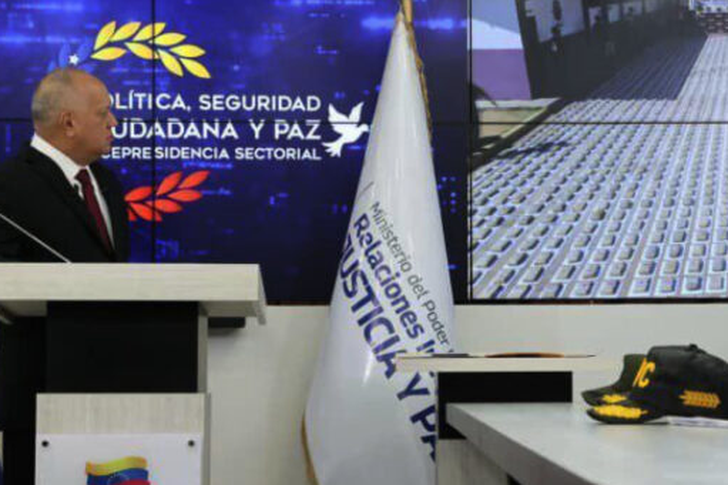
Interior Minister Diosdado Cabello announced on Tuesday th...
The French government faces two new no-confidence motions ...
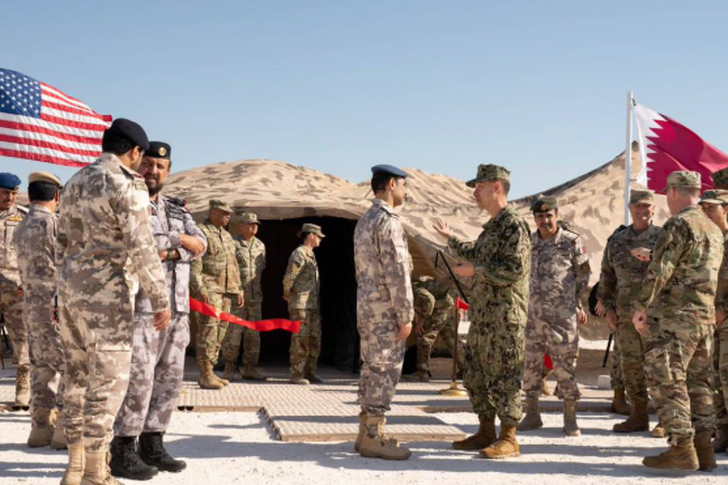
The US has ordered the evacuation of personnel from its la...
The next case broadcast on the show "Stop", this Thursday,...
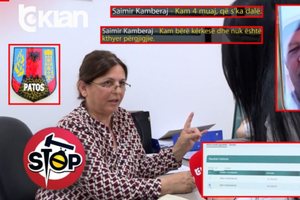
The case published this Thursday, June 4, on the show "Sto...
The protests of recent days related to the situation in Zv...
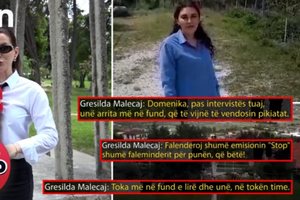
The case addressed this Wednesday, June 3, on the show "St...

The Special Board of Appeal (KPA) decided this Monday ...

The KPA vetting decided this Thursday to dismiss the p...

Suela Salavaçi, a prosecutor in the Prosecutor's Offic...

The Special Board of Appeal reinstated the prosecutor ...

A money changer in Durrës lost 60 thousand euros after bei...
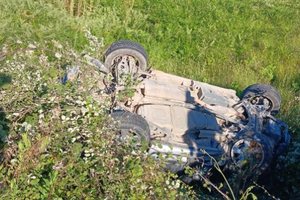
A serious accident occurred on the Kardhiq-Delvinë axis, i...
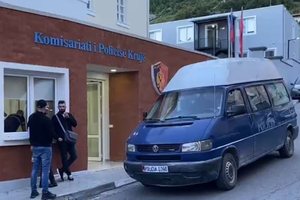
Authorities have conducted a large-scale anti-drug operati...
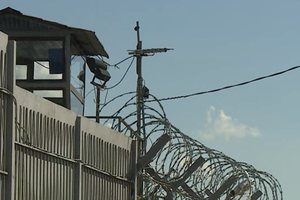
A convict was found dead today in the premises of the Pris...
Today our country will be affected by stable weather condi...

For many children and teenagers, the long summer holidays ...
Albania is facing an unprecedented demographic transition,...
On Thursday, our country will be affected by unstable weat...
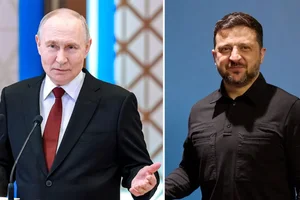
Russian President Vladimir Putin said the war in Ukraine c...
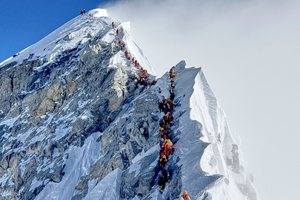
An extraordinary story of survival has been recorded in Ne...
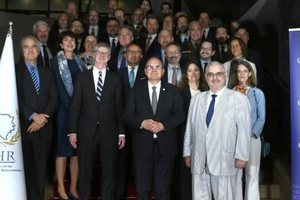
The Peace Implementation Council in Bosnia and Herzegovina...
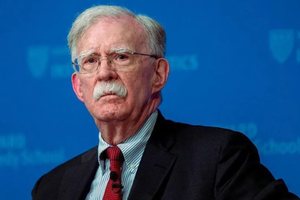
John Bolton, the former national security adviser to US Pr...
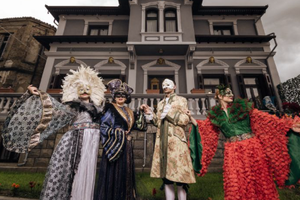
Korça is ready to open the summer season with one of the c...
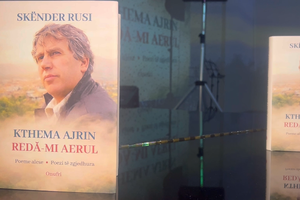
Two years after his passing, the renowned Korçë poet Skënd...
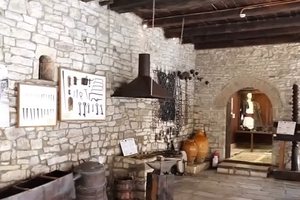
The Ethnographic Museum of Berat has opened its doors to v...
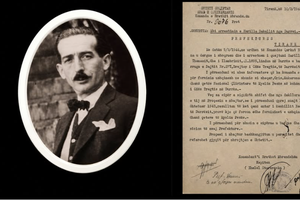
The story of Harilla Bakalli is one of the most chilling t...
Despite years of efforts at regional cooperation and free ...

Albania is the country with the highest level of severe ma...

This Friday, one US dollar is bought for 81.3 lek and sold...
The government aims to transform the country's industrial ...