

Myslim Murrizi: How business-dogs stole hundreds of millions of euros for garbage
Former MP Myslim Murrizi published a little while ago ...


Austrian and Bulgarian investigative journalists have been investigating the sale of Telecom Albania for some time. The Bulgarian investors who had bought Telecom Albania and then sold it – for a huge profit – to a Hungarian telecommunications company, are actually competitors in the Bulgarian telecommunications market. The investigation found no irregularities, but questions remain.
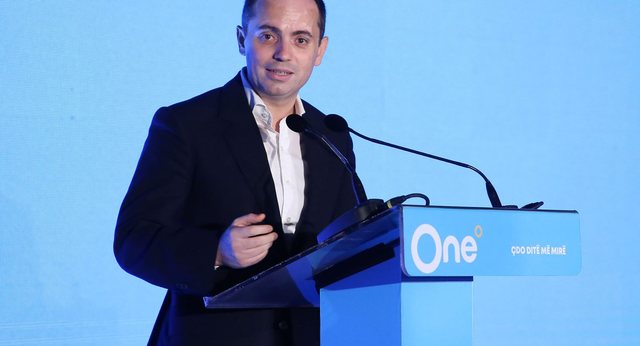
At the center of a joint investigation by the Austrian newspaper Der Standard and the Bulgarian journalists of the investigative network BIRD is the sale of the second largest Albanian telecommunications operator, ONE Telecommunications.
OTE, owned by German Deutsche Telecom, sold the operator in 2019 to Albania Telecom Invest (ATI) for only 50 million euros. The Bulgarian investors behind the company sold the company last year to the Hungarian company 4iG, for 120 million euros.
According to Bulgarian media revelations, the managers of Bulgaria's two largest telecommunications companies, A1 and Vivacom, cooperated during the - highly profitable - sale of One to the Hungarians last year. Both are competitors in Bulgaria, but as the media reports, they "do business together" in Albania.
Moreover, in addition to Elvin Guri, a Bulgarian entrepreneur of Albanian origin, the owner of Albania Telecom Invest was also Atanas Dobrev who was the CEO of the Bulgarian Vivacom at the time of the sale in 2019. Mariana Nikolova Dimitrova, the wife of the CEO of A1 Bulgaria Alexander Dimitrov was also involved in the process of selling the operator to 4iG.
According to BIRD, this case has prompted stakeholders at A1 to launch an investigation into Dimitrov at A1's headquarters in Vienna. ProcewaterhouseCoopers Austria (PwC) auditors investigated the role Dimitrov played in the transaction, as he allegedly participated as a hidden investor in 2019 in a business that ended with the sale of Albania Telecom to the Hungarian company 4iG in 2019.
"Even though the investigation by PwC has confirmed most of the facts claimed by the anonymous whistleblower, PwC has not found any irregularities or the guilt of Dimitrov", writes the Bulgarian portal.
"The results of the investigation reveal that there were no violations of the rules and principles of corporate responsibility and no valid laws and regulations were violated. The investigation concluded that the matter concerned a personal matter, which did not affect A1's business in Bulgaria or any other country in which A1 operates. Compliance rules are deeply rooted in the culture of A1 Group and its Bulgarian subsidiary. Following strict compliance rules shapes the behaviors and attitudes of all our managers and employees,” A1 Group said in a press release.
Austrian and Bulgarian investigative reporters sent questions about the relationship to all parties involved, but they did not receive a response.
There was also no response to reporters' questions from A1's headquarters in Vienna, as well as from the Austrian government, A1's second-largest shareholder.
Journalists asked the PR office of the Austrian government whether they had requested additional explanations as an interested party from A1, and whether they still, as owners of shares in the company, trust the chairman of A1 Bulgaria. They received no response.
A1's headquarters in Vienna are just as quiet. A1's code of conduct states that employees "should avoid situations that may give the impression that business decisions are made based on personal interests." They did not answer the question about compliance with the code, as well as a number of other questions, such as: how did Dimitrov explain the case? Does it make sense for him to invest through a complicated company structure if his businesses in Albania were not suspicious?
BIRD also reports that the Albanian telecommunications industry is one of the targets of the Hungarian geopolitical game. According to BIRD, Hungarian companies have started to increase their presence in the Albanian economy during the last years. They are not only generating profits, but also building a network of political influence in the Balkans.
Last March, when 4iG bought the shares of One Telecommunications from ATI, at the same time they also became owners of over 80 percent of AlbTelecom, the third largest operator in the Albanian market. In January of this year, 4iG merged the two companies. Through the recapitalization, they transferred their shares to the state-owned Antena Hungaria, thus making the Hungarian state the owner of Albanian telecommunications.
After the acquisitions, the Albanian market has de facto become a duopoly of 4iG and Vodafone.
"Hungary has big plans for 2024. In the second half of next year, they will take over the Presidency of the EU. Above all, they will defend the rapid membership of the six South-Eastern European countries in the EU. Over the past few years, Hungary has not only secured its political influence, especially in Serbia and among Serb nationalists in Bosnia and Herzegovina, but also, Hungarian representatives have taken key positions in the security field.
In 2024, Hungary will take over EUFOR, the European peacekeeping force in Bosnia and Herzegovina. In addition to all this, they are becoming an increasingly important economic player in the region," the report states.
Mario Holzner of the Vienna Institute for International Economic Studies says that Hungary is above all involved in areas where a major technological contribution is not necessary. "Their goal is to become the main power in the region. This is the geo-economic plan", he said./ Kapital.al

Former MP Myslim Murrizi published a little while ago ...
This Sunday, the drone was raised again in the Sharra land...

Yesterday the journalist Çim Peka announced that on Mo...
"The Anamark company is 100 percent owned by Klodian Allaj...
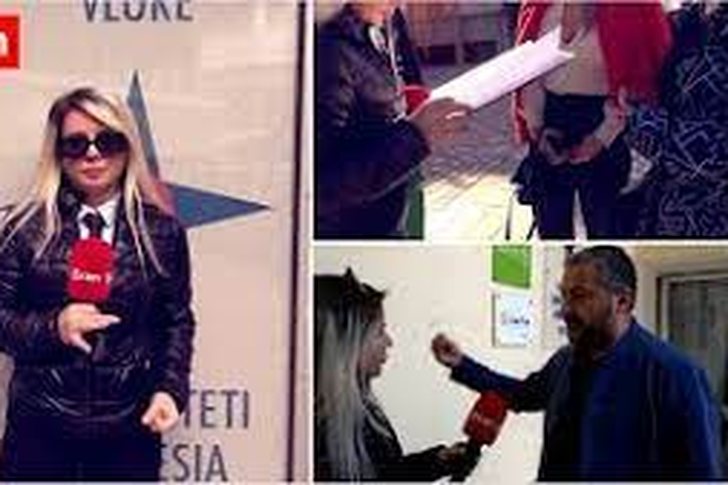
"Stop" was in Vlora for the problem of students who have c...
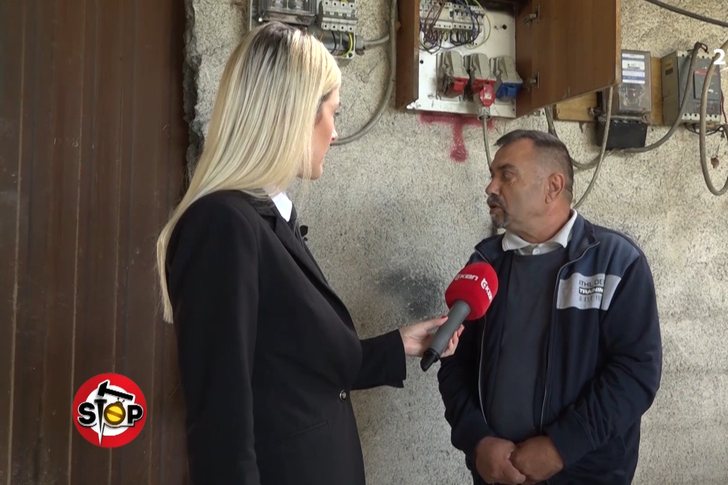
On November 27, we broadcast a problem from the village of...
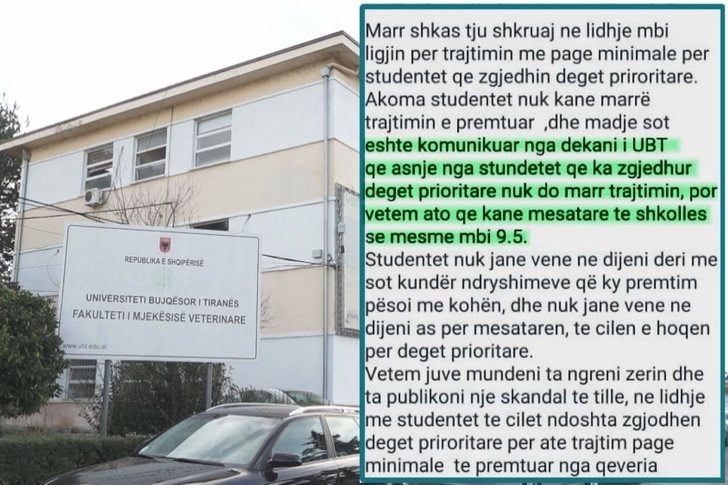
The students of the "Veterinary Medicine" branch at the Ag...

Our newsroom received a complaint about an unauthorized co...
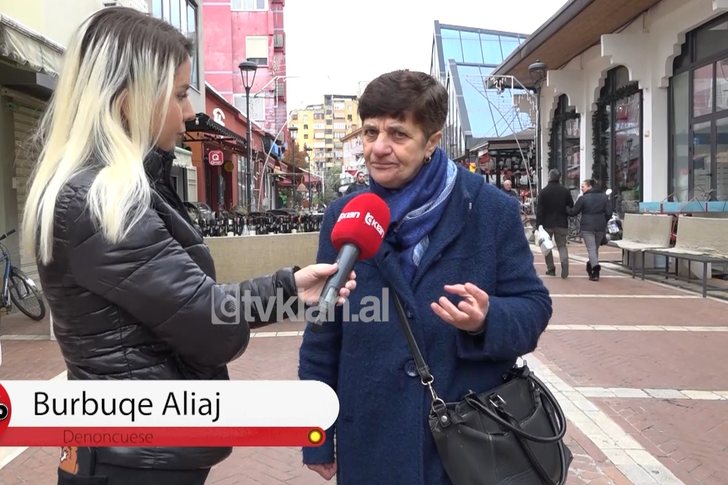
Burbuqe Aliaj has come from Fieri to show her concern abou...
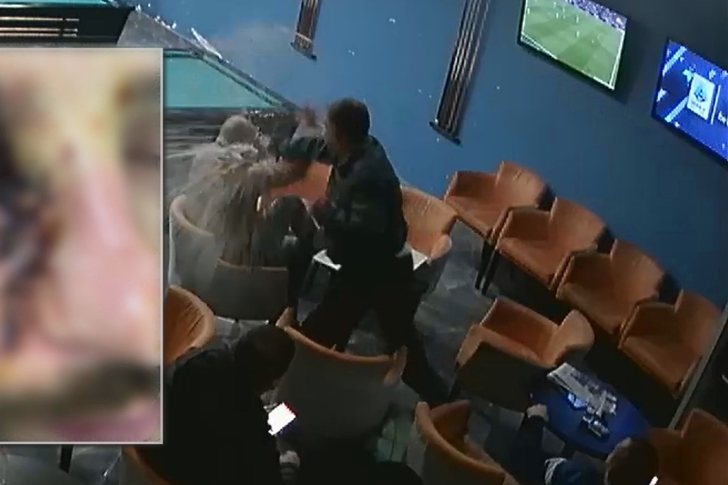
A teacher, on the verge of retirement, seeks justice for h...
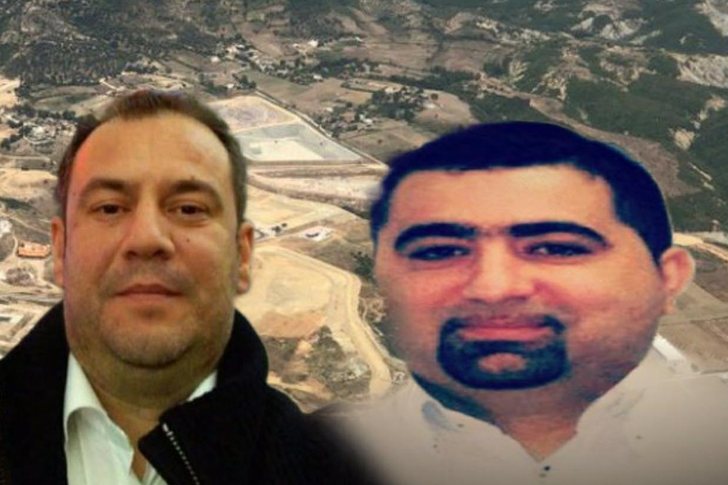
On December 7, 2017, three months after its establishm...
The people of the incinerators have taken 1 billion eu...
The police of Korça operate with two standards. This i...
The incinerators are proving day after day, week after...

Cases of corruption in Albania are frequent and are becomi...
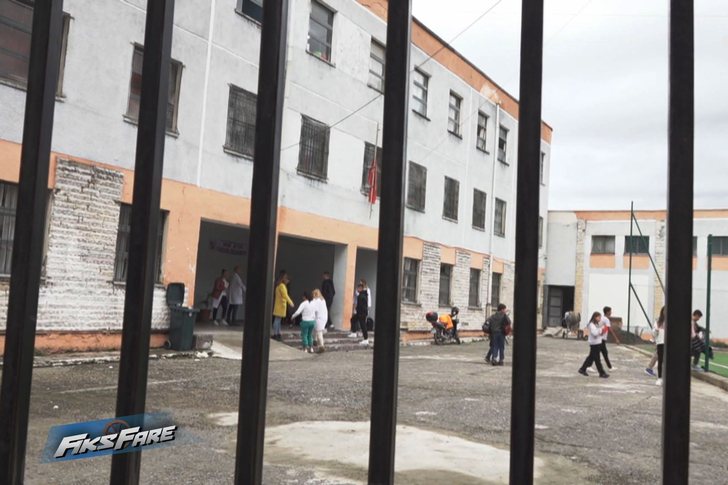
The Fiks Fare show brought up the case of ZVA Elbasan, whi...
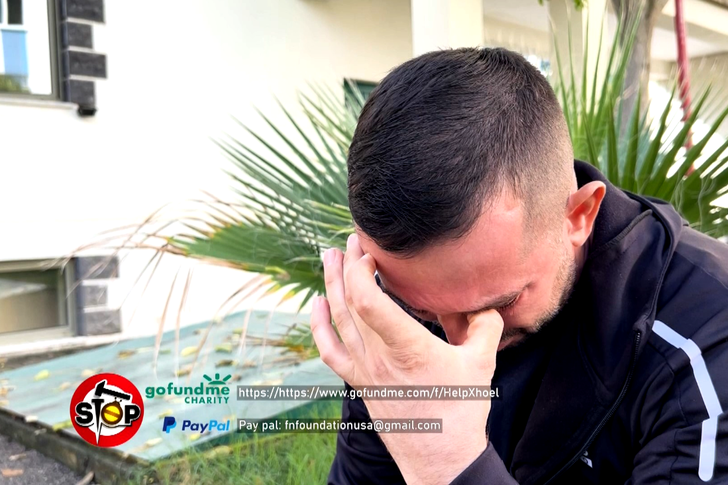
" How difficult it is to be all the time in fear that the ...
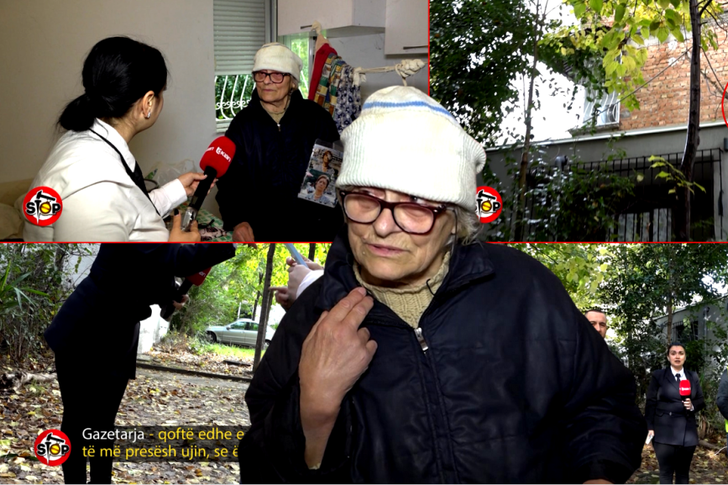
The next case in "Stop" concerns 79-year-old Eftali Qosja,...

Yesterday, the investigative show "Stop" on TV Klan broadc...

In the newsroom of the investigative show "Stop" on TV...

CNA has launched another investigation that could lead to ...

Irfan Hysenbelliu is a businessman that we call "Irfan the...

In March 2026, CNA launched another investigation centered...
The arrested mayor of Tirana, Erion Veliaj, with 13 charge...

The Special Board of Appeal (KPA) decided this Monday ...

The KPA vetting decided this Thursday to dismiss the p...

Suela Salavaçi, a prosecutor in the Prosecutor's Offic...

The Special Board of Appeal reinstated the prosecutor ...

A road accident occurred this evening on Nikolla Zoraqi St...

Three people were shot and wounded in Elbasan last night b...
A serious incident occurred this Tuesday in the Yrshek are...

An accident occurred this Tuesday on "Dituria" street in K...

All of Southern Europe will face changing weather conditio...

Albania was hit by temperatures significantly higher than ...

For the first time, Pogradec welcomed the Inter-Lake Chess...

Albania has achieved a record for the employment of foreig...

US Secretary of State Marco Rubio arrived in Manila on Jul...
In the space of a few days, Ukrainian President Volodymyr ...

The spokesman for the Iranian Foreign Ministry warned Bulg...

Autoritetet italiane sekuestruan pako me afër 800 kilogram...

At a time when industrial products are increasingly taking...

Trust among people is not just a three-syllable word. It c...

Master of humor Todi Llupi has passed away at the age of 7...

The ninth edition of "MIK Festival" kicked off with one of...

Construction company licenses will have a validity period ...

The Centralized Purchasing Operator recently opened a tend...
The new draft law "On the Bank of Albania" provides that t...

This Tuesday, one US dollar is bought for 81.2 lek and sol...