


South Korea is becoming a medical tourism hotspot
South Korea is becoming one of the most sought-after desti...

South Korea is becoming one of the most sought-after desti...

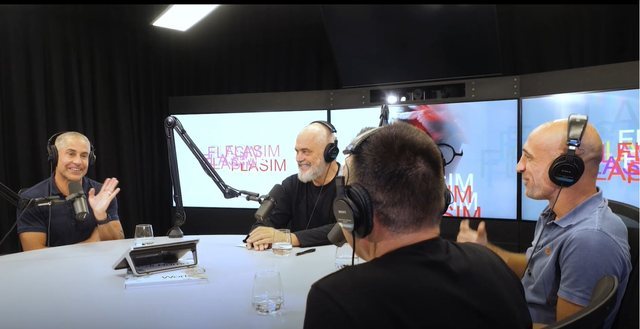
Prime Minister Edi Rama has started the second season of his podcast, "Flasim", with a story of the three Red and Black Musketeers, Sylvinho, Zabaleta and Doriva.
The three Musketeers of the Red and Black team have told a lot in the interview with Rama, starting from their beginnings in football, how they got to know Albania and up to the victory with Polinia.
Read the full interview.
Prime Minister Edi Rama: Good day! It's the first episode of the FLASIM podcast, the second season, which opens immediately after a fantastic opening to the working year after the holidays let's say, with the Reds and Blacks giving us a spectacular victory against Poland. I have here those who are in the red and black team's director's booth, trainer Silvinjo with his two assistants Zabaleta and Doriva, whom I thank in advance for coming here and in the meantime I believe that even though when you see this conversation, some day, the emotions are strong enough to still be in the atmosphere of this victory.
So, we start in Italian, then we switch to English. I don't speak Spanish and Portuguese, I apologize. The first question to start with is: "How do you feel almost 24 hours after this great victory.
Silvinjo: Thanks for the invitation, Edi. We are still a little tired, but happy. Yesterday we saw an amazing stadium. Then, our players are the real protagonists, who gave their soul and heart on the field. This is what we want. We are satisfied so far. Yesterday... unforgettable, very beautiful.
Doriva: I am satisfied. We still have a lot to do. There are still three games left, but I am quite satisfied. You could see the happiness in people's eyes and that was something very beautiful to see. All the people, the stadium full, it was very nice. A moment that, as Silvio said, was unforgettable.
Zabaleta: I agree with Silvinho and Dorivan. I think the players made this country proud to be Albanian. That's how we want the players to represent this country, with energy, with passion. What they show on the field is what people should know and feel, that identity, that DNA that we want to create with this team.
Prime Minister Edi Rama: The rumors circulating about you are that Silvinjo is the one who makes sure that things are in their place with his armed wing and his peaceful wing. It's true? They say that you are the armed wing and you are the peaceful wing.
Silvinho: It looks easy, it's not difficult, but he's good.
Prime Minister Edi Rama: No, it's a miracle when Brazilians and Argentines come together to do something constructive.
Zabaleta: This is the first. For me, working with two Brazilians is incredible, in the best sense of the word. I knew Silvio, because we had played together, but I didn't know Dorivan very well. I had only seen him play, but I have to say that not only are they two great coaches, but also great people and that's the most important thing. We are like a team.
Prime Minister Edi Rama: What is it like to work with an Argentine?
Silvinho: It's difficult for us too, it's not easy to work with Pablo. No, he's good. We met Pablo... I met him in 2009 in Manchester. An important friendship began there, as he also said. He is an extraordinary man. It is not easy for people to understand how an Argentinian, a Brazilian are together, but there is a lot of chemistry between us.
Prime Minister Edi Rama: I remember when you came before the signing of the contract, he said: "Yes, it's strange for me as an Argentine to work with a Brazilian, but with Silvio I go to the end of the world."
Zabaleta: I think that's more or less the case with Silvio. Of course, we work together and are here to help him make decisions, make sure things are in the right place. As you said before, he is quite organized. We know that and that's why we're here to help. However, we have a relationship similar to the one in football. You play with many players. With some of them you only have contact, with some you probably don't talk for a long time, but with others you get very close, you become like a close friend. When we played together, he was a little bigger than me
Prime Minister Edi Rama: He is bigger than you
Zabaleta: He is bigger than me, even though I look big.
Silvinho: It's not true.
Zabaleta:I was 23 years old and he was a role model for me. There was a man I wanted to learn from, who came from Barcelona, ??with all his experience. He won absolutely everything as a player... with Arsenal. I was 23 years old and he, for me, was one of those players you could say "look, he's always the first one to come to training and the last one to leave home". He was always in the gym, you could always find him on the pitch talking to the young players and that's something that, when you're young, you have to appreciate in more experienced footballers. That's why we always had breakfast together, we exchanged ideas. I asked him about Barcelona, ??even though I had played against him when I was at Espanyol Barcelona, ??in Catalonia, so we became very close to each other and that's why, when he asked me to be part of his coaching staff,
Prime Minister Edi Rama: What about you? How was this 23-year-old on the field when he came there?
Silvinho: He says he was 23 years old, but he looked like he was 28 or 29. Paolo grew up a bit prematurely, as they say. He had the habits of a rather serious man. True, he was 23 years old, but we had breakfast together at 8.30. There were days when we even went ahead of Mancini and his staff and it was just the two of us eating breakfast. It was easy to get close to him. We talked a lot, we had a lot of conversations, there, on the field, we created a good relationship.
Prime Minister Edi Rama: Apart from Doriva, who I'm sure knew Albania before, because he played in Italy, Italy and Albania are close, you have to tell me the truth, when did you hear about Albania for the first time?
Silvinjo: Me in 2014, from Manaj. I trained him at Inter Milan. I was with Roberto Mancini. I met him there. He was very young, 18 years old I think.
Prime Minister Edi Rama: So, the first time that Albania entered your concept of the world.
Prime Minister Edi Rama: What about you?
Zabaleta: For me, actually, it was Keidi Bare, one of our players, when he went to Espanyol, because I live in Barcelona, ??I played for Barcelona, ??my family had season tickets and I think that Keidi, when you see him on the pitch, is a man who represents the passion of Albanians on the field. Thus, this was the first time I was introduced to Albania a little
Prime Minister Edi Rama: Let's come back to the moment when you came up with this idea to come together to train Albania. What prompted you to create this team to train the national team of this small country, a national team that, however, is not among the important ones. What lit the spark?
Silvinho:I think, Eddie, since I got an invitation to dinner with the President of the Federation, the first thing is that we spoke Italian. I already had experience at Inter and I spoke Italian. Afterwards, Doriva also told me: "Silvio, be careful, because you have three years since the journey with the Brazilian national team for three years, in the 2018 World Cup." He understood the work very well. A society, a club is one thing and the federation is something else. I had the experience of the Brazilian national team. After that, I started to see Albanian players walking around. I saw that they spoke English, Spanish, Italian. I am a person who communicates and I thought that there I would be able to communicate with all the footballers without a translator, even in the federation with the president. There I had a push, a big push. Then, after dinner, after seeing the federation I got even closer and, indeed, I no longer had any doubts. I talked to Dorivan, Paolo agreed, it was very good for him and after that it was easy.
Prime Minister Edi Rama: I remember when we met for the first time and he told me: "We can't promise anything, but what we can promise is that, with these players, we can fight for every match and of course, afterwards, we can prove that these players are able to develop a significant qualifying process. I remember this, Now, for the first time in history, at this moment of the elimination matches, at the top of the group, when there are still three games left. Of course, in football, you can never say "it's over" before it's over, that things can change and everything...but can you share your feelings about all this, what has been achieved and what comes next.
Zabaleta:I think what I would say is that, if you see our team and we go back to that first meeting we all had in Albania - although, when Silvinjo took me on the phone, I remember I was in Qatar - when we saw the team, we thought "we have great players to do something big. We can dream. We have a generation of players who can achieve something important." Now that four games have been played and we are at the top of the group, we say we were right. We can dream big, but we can't forget that, in football, anything can happen and the worst we can do or the best we can do is choose to keep our feet on the ground. I think that's really important for us. We know that expectations are high. Always, in football, when the team is doing well, everyone is happy, they want the team to succeed, bring success and so on. Yes, we, who have been in football for so long, know that it is difficult. Anything can happen. Moldova beat Poland, lost 0-1, then won 3-2. So, we are in a group where the results are very close, anything happens, but it all depends on us. What we are showing is that we have a great team to achieve something big. We are able to beat anyone, but keep our feet on the ground, temper expectations. We still have three games to play. Step by step, game by game and then we will see if in November we will achieve that dream that is not only ours, it is the dream of this country. Anything can happen. Moldova beat Poland, lost 0-1, then won 3-2. So, we are in a group where the results are very close, anything happens, but it all depends on us. What we are showing is that we have a great team to achieve something big. We are able to beat anyone, but keep our feet on the ground, temper expectations. We still have three games to play. Step by step, game by game and then we will see if in November we will achieve that dream that is not only ours, it is the dream of this country. Anything can happen. Moldova beat Poland, lost 0-1, then won 3-2. So, we are in a group where the results are very close, anything happens, but it all depends on us. What we are showing is that we have a great team to achieve something big. We are able to beat anyone, but keep our feet on the ground, temper expectations. We still have three games to play. Step by step, game by game and then we will see if in November we will achieve that dream that is not only ours, it is the dream of this country. We are able to beat anyone, but keep our feet on the ground, temper expectations. We still have three games to play. Step by step, game by game and then we will see if in November we will achieve that dream that is not only ours, it is the dream of this country. We are able to beat anyone, but keep our feet on the ground, temper expectations. We still have three games to play. Step by step, game by game and then we will see if in November we will achieve that dream that is not only ours, it is the dream of this country.
Prime Minister Edi Rama: Yes, of the whole nation. How does it feel now?
Doriva : Happy, for everything we have been able to do so far, but we are aware that we have to keep our feet on the ground, because there are still three games left, but we believe that the team can improve even more. We can do it, so we're on the right track.
Silvinjo: Everything they said is right. We are aware that we are doing well and when it comes down to it, of course the protagonists are the players. We've all gone through our path as players and that's where the product is good, as Paolo said. They are very strong players, they are good, the management is good. We have three finals, we have three finals. That's why football is beautiful, for all that. A difficult, balanced group, however, we have achieved the first part of the objective an understanding. Yesterday's victory takes us towards one more game in October and with a good result we reach November, in the conditions to qualify, which depends only on us. This is the first part. After November, then, let's see, but part of the objective, so far, was this.
Prime Minister Edi Rama: I think you have a very important psychological job to do, because the pressure on the boys increases, everyone's expectations increase and we all hope very much that your experience on the field, because you are all three undisputed champions in your life . You have had the opportunity to play at the highest international levels, to be under pressure all the time and maybe this is an added value for the national team, now that you know how to keep calm in these situations or is it not easy to do this? pass it on to the boys.
Silvinho:No, it's not easy, you're right. We go there to work with everyone. The important part of the direction is that we do not lose contact with the player at this moment. We talk to them, we go to see them, we are there, practically, we stay close to everyone and when they come again, they already know what they will find in us in terms of the message, so this is also a job we do, a work being done. That's right, the experience is. I think we have a beautiful experience in life. As former footballers, we can really convey this to them, put ourselves on the other side, I think this is known. What worries me is that in the national team it is always difficult, as they come from many teams, while we are always there and they know as players that, barring any injury, we will see them again in 30 days and if things go well with everyone ,
Zabaleta: Hopefully, hopefully everyone will be in good condition. This is quite difficult for us because we see their matches every day and we can only pray that they don't have injuries and everything else. Yes, it is something we cannot control, of course. When we then see the players coming to Albania, smiling and seeing that everything is in place, ready to start, it creates the right mindset to compete. There is no other way…
Prime Minister Edi Rama: How do you manage to keep them focused, so that this pressure does not block their brains?
Zabaleta:I don't think I would change anything from what we've done since day one. That's how we've worked for the last four games, to make sure that when the players come in, everything is in place, the pitch is in order, that we have everything we need to work with and the players come in and to feel that the environment was excellent, the hotel, the food, the bus from the hotel to the training ground, because it's the only way we can continue to grow, doing exactly the same. If something is in there, we know it's right. There are only three of us here, but there are more people in the staff, more people in the federation, more people on the training ground. Many days before the players arrive, we make sure everything is in place and, as I said, the players come and see that we are all ready to go. There is something we always say: "We are one". It's a good thing to hear I think, that we are all one.
Prime Minister Edi Rama: For example, what was said to them at halftime of the match in Prague, when there was still a half of the game left, so that they could get at least one point?
Doriva: We talked to them first so that they could keep their concentration. It was a game that had to be played to the end and in fact we did, we did. Something I see is that our players assimilate everything we tell them. This is a good thing. Then they reflect it on the field. It's not easy, but they... From the first moment we came here until now they understood everything.
Prime Minister Edi Rama: Okay, then, let's talk a little about something more important than the national team, than your work, because things need to be said. I know that you are in a not very balanced situation in the sense of democracy, that you are two Brazilians and one Argentine, but I have to ask this question: "Who is better, Brazil or Argentina?"
Silvinjo: How many world championships have we won, Doriva?
Zabaleta: There you have the answer, that's enough.
Silvinho: Argentina won the last World Cup.
Doriva: True. No, they are strong, but we are better.
Prime Minister Edi Rama: Pablo, who is better, Argentina or Brazil?
Zabaleta: There you have the answer. They've won five World Cups, that's all. One to zero for them.
Silvinho: I am sure that, until the end, Argentina will equalize.
Prime Minister Edi Rama: How do you explain that two very close nations, two very close countries, but two completely different football schools. It comes from the DNA of the players that the Brazilians are maybe a little more technical, the Argentinians a little more physically powerful, what does that have to do with it?
Zabaleta: I think that, in South America, Brazilians are quite different from everyone else. They have a technique that no one else has. I do not know…
Silvinjo: It's true, we have some skills that you can't explain.
Zabaleta: I think that when you go to Brazil - sorry Doriva - you go to the beach and you see everyone playing with the ball, with one, two touches, they are different from the rest.
Doriva: That's it. I once heard from Joel Santana, a coach I had - the coach of Brazil in '82
Doriva: Yes. He told me: "One thing Brazilians have is that they play barefoot." It's true, I think it's true, because you feel more the football, the ball, and that makes… Now it's changed a lot, but before, on the beach, there were a lot of people playing football. Then they learned to play with shoes, but first barefoot.
Pablo: For me, maybe, when I was 14 years old. I come from a place that is two hours away from Buenos Aires. The place where I lived was very small, there were only three teams, so, at a certain point, I wanted to go play or even have a trial for a big club in Buenos Aires. I went to San Lorenzo. I did the test and the manager said "we want to take you here", but I had to leave my family because I couldn't travel every day to train, it was about three hours away, it was too much. So, I decided to go, I left my house, my family, my friends and everything and I went to Buenos Aires, like a place where all the professional players used to hang out, like La Masia, in Barcelona. A few months later I lost my mother. My mother died and that was probably the moment when I didn't want to play football anymore. I just wanted to go home and stay there. It was difficult. It took a week or so for me to go home, stay with my father, with my brothers, but after seven days or two weeks, let's say, I thought, "why stay home now and leave something that I like?" Life is like that, sometimes it gives you a punch, but nothing can stop you, you have to follow your dream. That's why I returned to Buenos Aires and continued to play football.
Prime Minister Edi Rama: You have been lucky enough to have important meetings in your life, with great champions, great coaches. I believe that in everyone's life the meetings are always the ones that later determine where his world will turn. Who or who have been the influential characters in your life, both as players and as coaches. Someone who you think "oh, this one made me understand this thing, the other one made me understand another thing, the other one gave me a hand at an important moment". Who are the ones who have influenced the most on what you have been and are today in the world of football.
Silvinho:At this point I have been really lucky as far as coaches go. I had Guardiola in 2008-2009. He was quite young, he was 38 years old, I was 35; we all won a trio of trophies together. Then, in the Brazilian national team, I respect a lot the work of Tite, who went through a six-year journey with the Brazilian national team. He has won everything in Brazil, the "Libertadores", the Club World Cup with Corinthians. Roberto Mancini, in 2014 at Inter. A champion, a man who manages players well. Its big. Then, Arsene Wenger, as I said. It's sir, there's an important point there. From a coaching point of view, I have had important people from whom I have taken something. Of course, later we develop ourselves, we must be the ones who do it. I was very fortunate to learn from these people. Even in Roberto's time,
Prime Minister Edi Rama: What about the footballers who have influenced you the most? Those who, perhaps, when you were young, were on the same team, but affirmed important. Who were they?
Silvinho : At that moment, in Brazil... it was a little discreet team, it was 1995. I had started my journey not there, but I was someone who was very inspired by the Brazilian team of 82..., but Zico, Socrates, Cerezo, Kareka, these players. When I saw them play, I went crazy. They were the stars. Ziko, for example, Ziko, for me, has been a very great footballer.
Prime Minister Edi Rama: For you?
Zabaleta: For me, I would say Javier Zanetti. He was a player… When I played, I watched him a lot. He played in my position, he could play on the right wing, on the left wing as well. Then, we played together in the national team. It reached a point where despair took over me, "when he retires, he won't leave me any more room to play". Twenty-eight, 29, continued to play, "please, Pupi, let me play!" He was probably one of those players I saw a lot.
Prime Minister Edi Rama: What about the coaches?
Zabaleta: The coaches. I always say that you learn from all of them and then, when you become a coach yourself, I think you start saying something like "I remember that coach, who did this thing and I, as a player, liked it, and this other thing, maybe no', but I think you have to respect everybody because it's one of the hardest jobs in the world, for sure. The one I have a better connection with was probably Roberto Mancini. He was the first coach at Manchester City, when we won the first title with a late goal...
Prime Minister Edi Rama: Last minute madness...
Zabaleta:Do you remember who scored the first goal in that game? No? It was me. Everyone has forgotten because I scored first, but everyone remembers Aguero, so I always tell him "Sergio stole my moment in that match". It was my only goal for that season. I think that he brought character to the team and at that time, we needed that. We were a club that, as many people know, grew season after season but, at a certain point, you can have caliber players, but you need the right mindset to win something important. I think Roberto was that type of manager, who brought a winning mentality and I had a very good relationship with him. And I feel a little bit like that too, since when I go to a match, I'm very passionate about winning. I have many memories of Roberto. He is one of those, as I recall,
Prime Minister Edi Rama: I remember that match very well, because at that time I followed it a little, because of Roberto, and I told you, I am very interested in following certain coaches, to learn how they lead, how they organize, how they use mental games and all of them. I remember that crazy win at the very last moment, when it seemed like everything was over and then it turned upside down.
Zabaleta: This is football, because it was the last game of the season. We were playing at home against QPR, a team most hated and everyone thought was an easy game, ManCity will win.
Silvinho: And now everyone knows that you scored a goal there.
Zabaleta: No, no, everyone has forgotten. I always say, "forgotten goal". I didn't score much, but that was the "forgotten goal".
Prime Minister Edi Rama: You should use this example, before Faroe comes here, because you never know where it comes from.
Prime Minister Edi Rama: On paper you expect Poland to be the most difficult and then you win with Poland and you say, with the Faroe Islands it is easy and meanwhile... When he was at Sampdoria, who was the coach there?
Prime Minister Edi Rama: Ah, yes, it was Spalletti.
Doriva: Luciano Spalletti. I've also played with David Platt. Previously it was David Platt. Then, he left and Spalletti returned.
Prime Minister Edi Rama: What about you, who was the coach that influenced you the most?
Doriva: Tele Santana. Tele Santana got me into the game. I was young, twenty years old, and he got me into the game. He was a coach who cared about the players, even off the field. To tell the truths of life. “Listen, that girl over there wants your money. You have to work, you have to buy a house. Don't go car shopping." Important things in life. Then, there was a coach who, for his time, was very good and he taught me a lot of good things, a lot of things, like, for example, how to kick the ball, because I didn't know how to shoot well. He taught me. It's unbelievable, but everywhere I went, one of the main features was shooting.
Silvinjo: Even today, Dori, when we go to the sports center, it's very nice to see Edi shoot the ball. Uses a technical move, yes very beautiful. I think he has done it over 10,000 times in his life.
Silvinho: It is very beautiful.
Doriva: The TV was telling me: “Your foot should imitate a golf club. You have to get the ball like this, here, to spin it like this, so you can drive the ball." This has made the difference in my career.
Prime Minister Edi Rama: You proved to be resourceful, let's say, to avoid the first difficult question, Brazil or Argentina, with great class...
Silvinho: Something else is coming
Prime Minister Edi Rama: The next question - you have to answer, you can't do otherwise - Messi or Maradona?
Silvinho: It's easy for me.
Prime Minister Edi Rama: Easy? Which one is it?
Silvinjo : For me, Messi. He has been playing football for so many years, so many years.
Prime Minister Edi Rama : Would Messi be able to do what Maradona did, with the teams that Maradona had, because Messi had the best war machines at his disposal. Guardiola's Barcelona was something incredible.
Silvinho: Guys, this is reminding me of the first dinner together. For me, I think he... I've seen a bit of Maradona. It's amazing, it's amazing, it's a player beyond…
Prime Minister Edi Rama : I don't believe that there is any other player in the history of football, who won alone, in the sense that he took the whole team on his shoulders, he started to win. The others certainly worked not to score, but he was. Meanwhile, Messi is a genius, yes, anyway... Good.
Zabaleta : Yes, but in the last World Cup, Messi was...
Prime Minister Edi Rama: Wait, you will be the last to answer. Before, the other Brazilian, Messi or Maradona?
Doriva: Messi. Even for me, Messi. Complete, more complete, both on and off the field. An exceptional player. Even we Brazilians know it.
Prime Minister Edi Rama: Now it's your turn.
Silvinho: He put you in a difficult situation now.
Zabaleta: No, no, I would say Messi too. Only for the longevity that Messi has. He is now 35 years old and continues to deliver great moments. Won the world cup and continues to be an important player. Now he's gone to America and he's still doing incredible things and sometimes there's something you have to appreciate in players who get to an age and continue to play and be the best. It is something extraordinary.
Silvinho : It seems like it's easy for him. Everything seems to be easy for him.
Zabaleta: Kand one more thing we talked about before, how much you take care of yourself off the field and what a good professional you are. In these times, if you don't do the right thing, you don't play football anymore. Everyone is well prepared to give results on the field, physically, mentally, so that's something you have to see in these players. See ambitions, have won everything. Instead of saying "it's done", I'm going home, sitting on the couch with a glass of wine and watching a movie on TV. No, they want to go and train every day and they want to show the young players what to do. Then I think we have all played with Messi and enjoyed watching him in training. Of course, we enjoyed him more when we had him in the team for training matches than when he was with the opposing team, but, yes, I think everyone loves Messi,
Prime Minister Edi Rama: Was he very dedicated in training or less?
Zabaleta: I think that, training, he is not one of those players who gives himself 100 percent, because he will conserve energy. Of course, it's still very good. Like I said, if you're in a game and you have Messi in the team, you have a 99 percent chance of winning the training match because he makes the difference.
Yes, then it is in the game. He comes back to the game and you know he is always waiting for the moment to make a difference and make people happy, to give magical moments. The only thing for me in the national team with Messi was when we lost the world cup in Brazil in 2014. It was a pity because I was there and he played very hard. Then we lost two consecutive Copa America finals on penalties and this was the moment when Messi was criticized a lot and stopped playing for a while, then came back. When I was now in Qatar and he won the world cup, I think a lot of people supported Argentina because of Messi and that's something he does and it was incredible to see.
Prime Minister Edi Rama: Okay, I have no proof, but I still believe that, in Qatar, Diego's hand from above helped Argentina in some way. It was the spirit that surrounded him. All things were done together.
Zabaleta: Listen, for us Argentinians, this is something that we always discuss, who is better Messi or Maradona, but I think that one thing that we as Argentina should be proud of is that we have two of the greatest players all the time.
Prime Minister Edi Rama: I mean, you have a luxury debate about who is better, this one or that one, but both are Argentinian.
Zabaleta: If you ask me, Maradona was a cult, just like Messi is for our generation, but it is extraordinary that a country is able to produce two such players.
Prime Minister Edi Rama: Yes. The last question, before we move on to two or three more questions before closing, again about Albania, yes not about Albania as a nation, but as a country. I remember that Platini told me that he couldn't survive the stress of being a coach, because he said "I was so used to being on the pitch, doing things my way, that when I saw someone who didn't, I couldn't stand it I know the stress, because I could not enter the field to receive the ball. So from that point of view, for you who have been great players, who know the movements very well, how the ball moves, how you experience it, when you ask someone to do what you knew or know how to do and the other person doesn't. It is an obstacle or it is also motivation, to teach others to do it.
Silvinho: I think that is the most difficult part. It is not easy to manage, because of course we have an extraordinary experience, but the message does not reach the player as if it were with USB, that you go there, download it and he, on the other hand, knows everything in an hour. No. It is a slow process. You have to do it and keep calm outside the field, because sometimes you have the desire to enter the field, to say "how I wish I was there in this match". I think dealing with that outside the field is very difficult for a coach because practically inside you are boiling, but you have to keep your cool, stay calm and talk to the team between halves, take care of everything, keep calm , it is difficult.
It is not that the player who has done very well in life, because he was very strong technically, succeeds in becoming a great coach. It is too hard. It is quite a difficult barrier, it is not easy. Dori knows. He is the one who always sits by my side and tells me "take it easy Silvio". Usually, it happens that we come from the first half and we only have two or three minutes. Everything happens very quickly. They come to me with all the messages, I come with something small, but then, with the footballers, we have three or four minutes, so I can't make a mistake, we can't make a mistake. We have to control our words, our mood, everything. So you have to prepare, improve, it's not easy. Perhaps for this reason, it is even worse for Platini, because, technically, he has been exceptional. If someone on the field doesn't do what they should, he sees it, it becomes a problem.
Prime Minister Edi Rama: Okay, enough with football. I have just two short questions regarding your stay in Albania and your connection to the country, apart from the fact that a large part of the day is spent at the federation, in the office, analyzing videos or talking to players and so on. How do you feel in Albania?
Silvinho: I feel good, I feel good
Prime Minister Edi Rama: Like in Brazil or like in Argentina?
Silvinho: Like in Brazil. I have learned how you are with friends. If you are a stranger, you are a friend, then you must eat, eat well, and I must do everything for you. It is extraordinary. It looked like something you thought "maybe it's not like that", but it is. It is eaten very well. Tirana is a very beautiful city. We feel very good here. The fish is great, very fresh, but the best thing for me, getting a little closer to the Brazilians, getting a little closer to them – we're a big country, north, south – we become friends quickly. There is an empathy, a chemistry. He says "come home and eat". It's something few Brazilians come close to. Then, here, I've seen it, I've lived it, and it's true.
Prime Minister Edi Rama: For you?
Zabaleta: The same. From the first day we came to Albania, we felt at home. This is a very beautiful place, with beautiful people, very friendly, as Silvio also said, it is something that wherever we go we feel love from everyone, respect for each other. Often, after work...
Zabaleta: ... we like to walk to the Park
Siivinjo: ... from the federation to the hotel.
Zabaleta: N ga federation in the hotel. It's a 15-20 minute walk and people stop, "How are you Mr. Silvinjo, a photo". That's enough. A tremendous respect. The friend in this country is really kept exceptionally and we are very pleased about it, really.
Silvinjo: The boy speaks Italian well, doesn't he?
Zabaleta: I don't know why I'm speaking Italian,
Silvinho: You see? Changed the chip. We have a joke in the federation. We often speak Spanish, Italian, Portuguese and sometimes English to each other. Then we all play games.
Prime Minister Edi Rama: The most beautiful thing of all this is to listen to you, because, with all due respect, we have had coaches from different countries, but that, one day, Brazilians, Argentines would come, who bring with them, no only the technical and tactical baggage, but also that discipline that I hear from everyone who comes to the office and works from morning to dinner. The president told me "we also feel embarrassed, because sometimes we say to ourselves, what are we still doing here, let's go home, but then we are told, if we wait at least until the work is finished". This is a miracle guys, truly a miracle.
I really thank you for what you are doing for this country and for this team, that there is room for improvement, as you say, with your feet on the ground, aiming high, step by step, and above all, don't let us down head smell, that this would be too much of a problem.
Thank you very much and good luck! We are here for every need you have, I know that wherever you go, no one leaves you without food, that's clear./ CNA

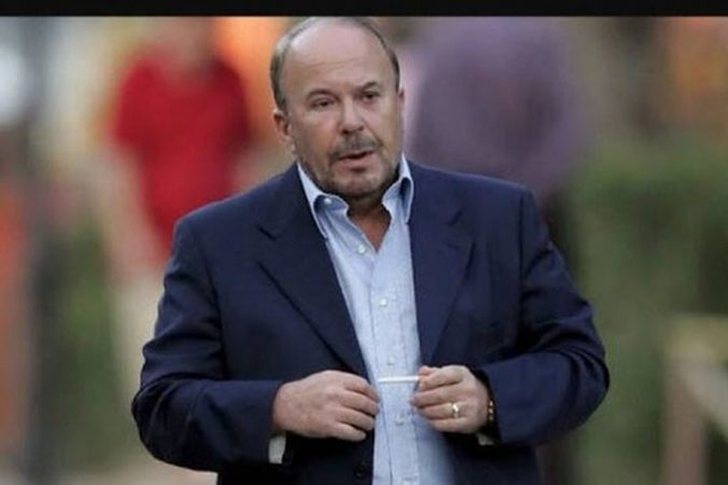
The former prime minister and historical leader of the...
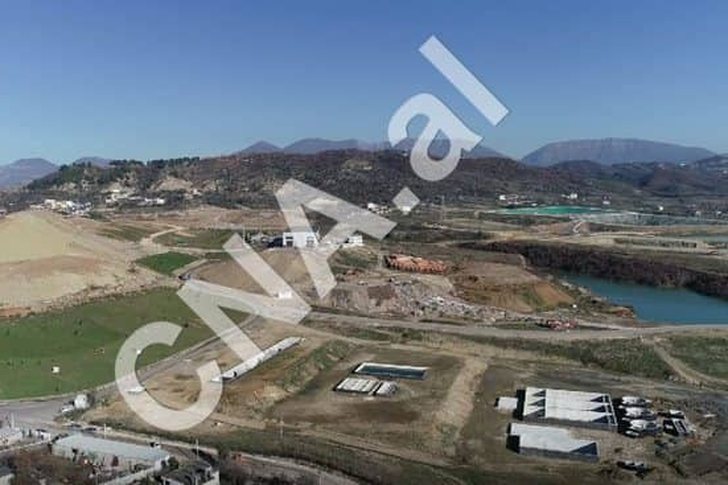
Inceneratorët janë cilësuar dhe vlerësuar si afera më ...
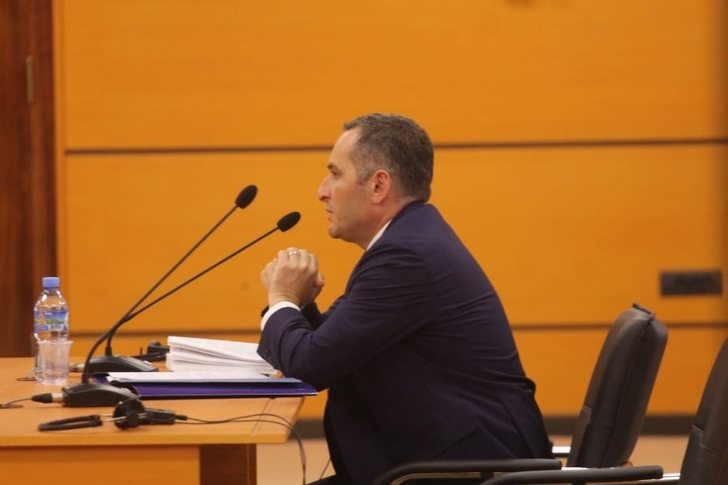
Gjyqtari Shkëlzen Selimi dhe bashkëshortja e tij e kanë ka...
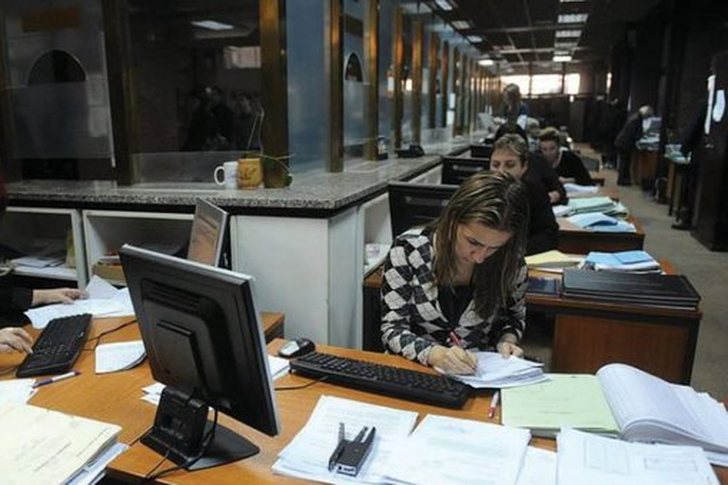
Applications for soft loans for the public administration,...

Investigative journalist Artan Hoxha has spoken about ...
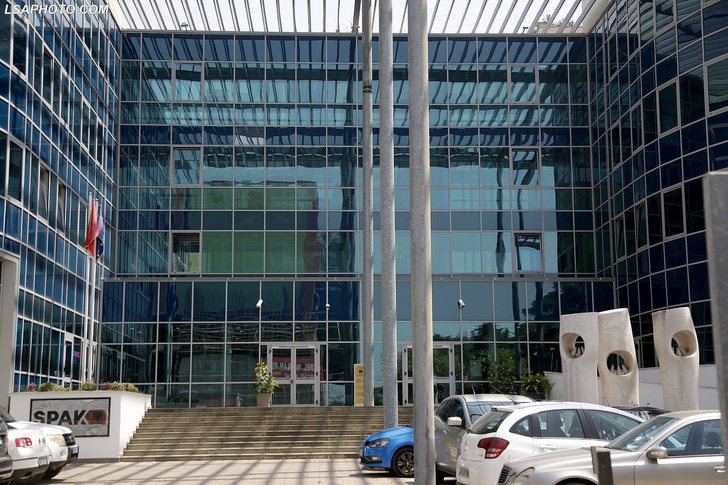
SPAK ka përfunduar hetimet për ish kryebashkiakun soci...
Gazetari investigativ Artan Hoxha ka zbuluar detaje rreth ...
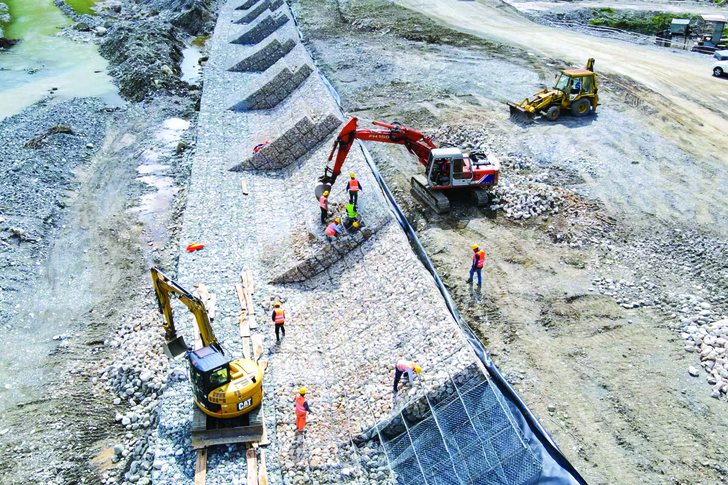
Corridor VIII has been assessed as a priority project ...
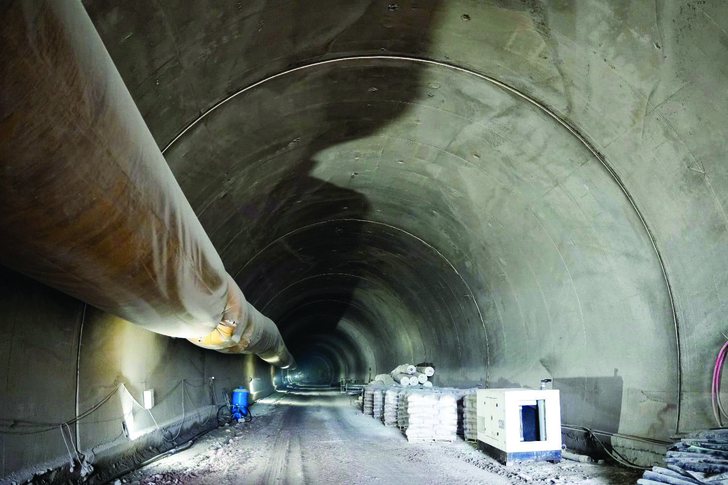
The head of ARRSH, Evis Berberi, has spoken about the ...
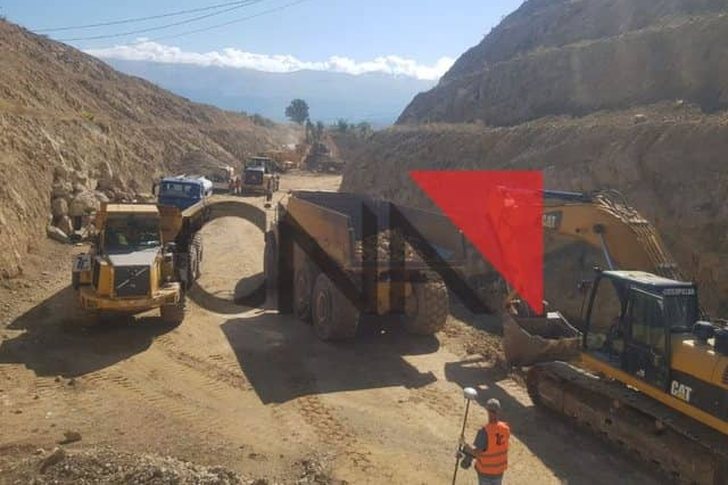
Pas sigurimit të financimit nga partnerët ndërkombëtarë dh...
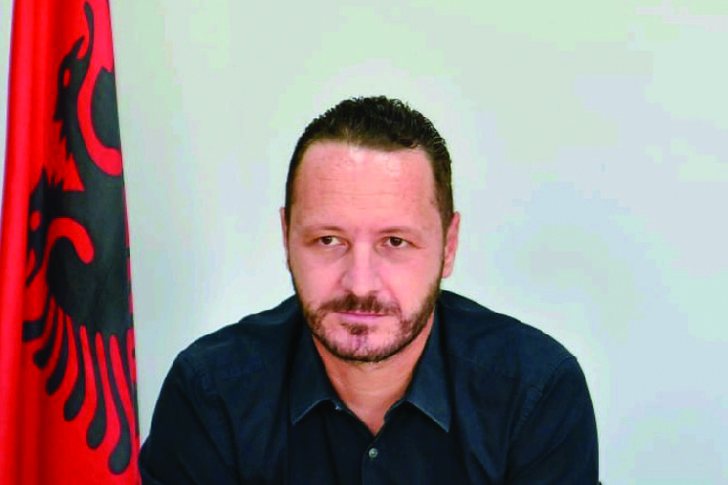
Corridor VIII has been assessed as a priority project ...
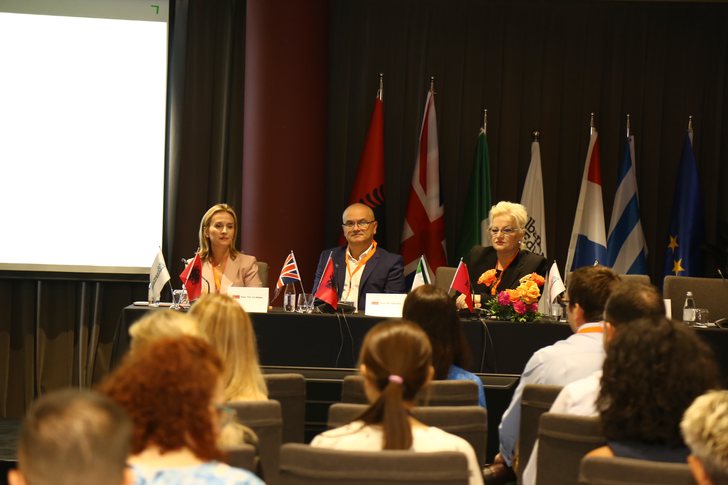
With a significant participation and high interest, for th...
The member of the Tirana Municipality Council, Ilir Alimeh...
During the "Tempulli" police operation, among dozens o...
The head of the Tirana Municipality is determined to conti...
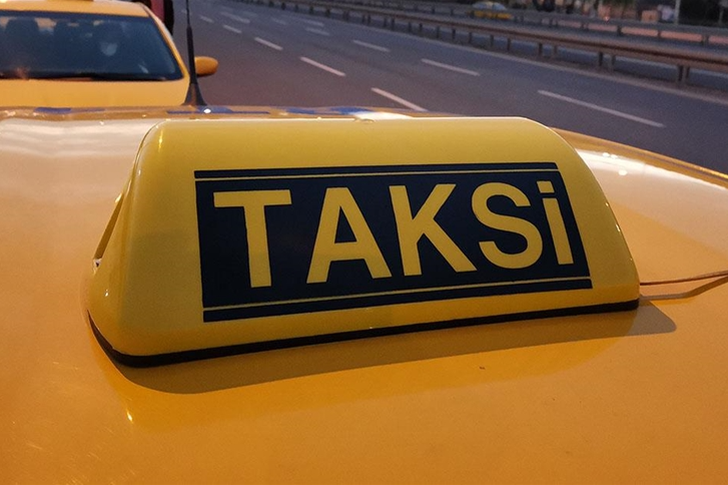
The Mayor of Tirana has announced that fuel taxis will no ...
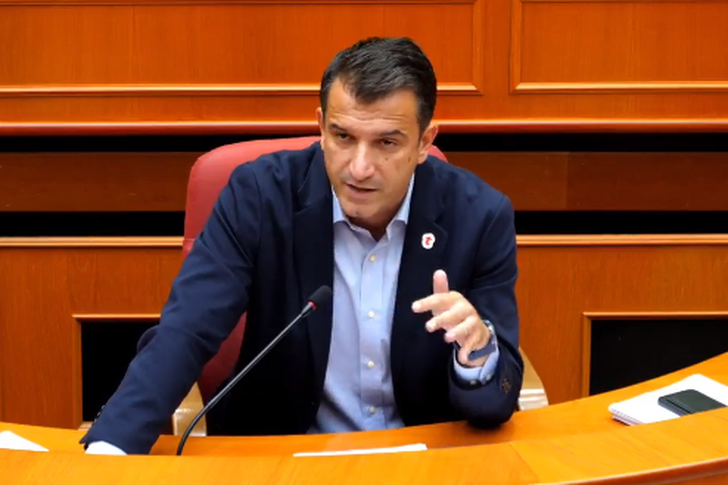
Today's meeting of the Municipal Council started with stro...
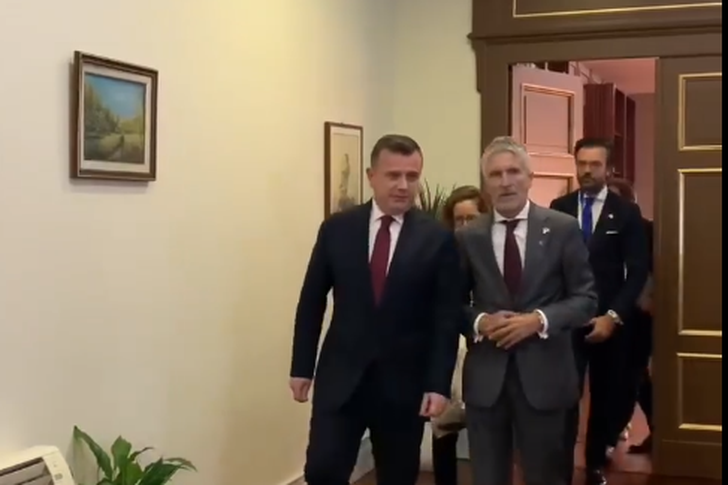
The Minister of the Interior, Taulant Balla, met the Minis...
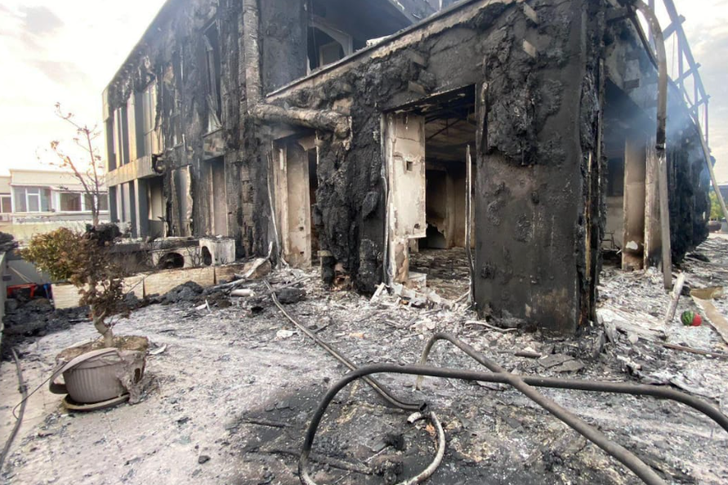
The confessions of the residents of the building burned do...
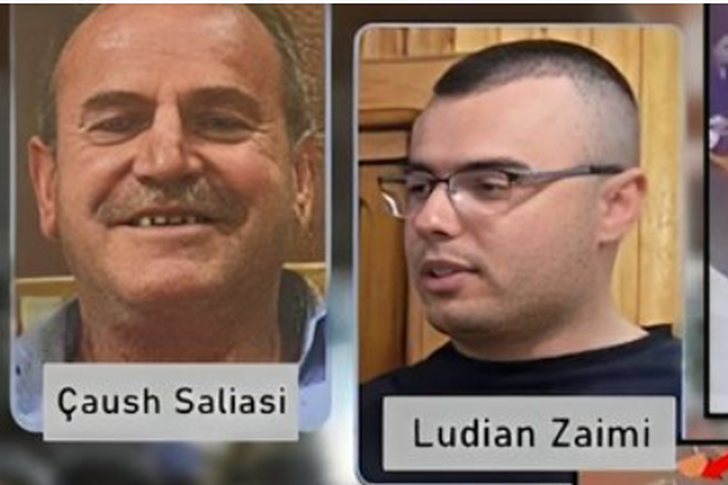
Ludjan Zaimi, the policeman who killed his colleague Çaush...
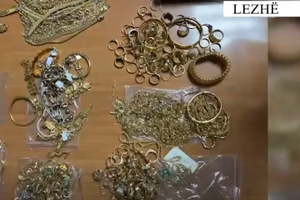
A 39-year-old citizen has been arrested in Lezha, after se...

CNA has launched another investigation that could lead to ...

Irfan Hysenbelliu is a businessman that we call "Irfan the...

In March 2026, CNA launched another investigation centered...

The Special Board of Appeal (KPA) decided this Monday ...

The KPA vetting decided this Thursday to dismiss the p...

Suela Salavaçi, a prosecutor in the Prosecutor's Offic...

The Special Board of Appeal reinstated the prosecutor ...
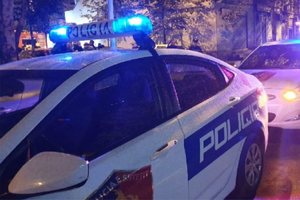
A conflict for weak motives was recorded today in the vill...
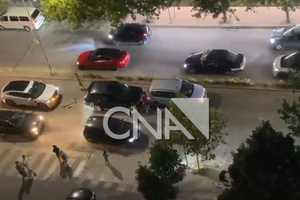
An accident involving three vehicles occurred a few minute...

55-year-old Belere Plaka, who was injured today with a sho...
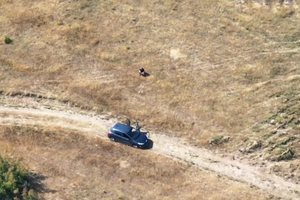
Police Announcement: Following preliminary information...

Today, our country will be under the influence of stable a...

By noon, cloudiness is expected to prevail in almost all o...

Children without parental care, for whom alternative famil...
On Thursday, our country will be under the influence of st...

South Korea is becoming one of the most sought-after desti...

The average wealth per adult in Western Europe is less tha...
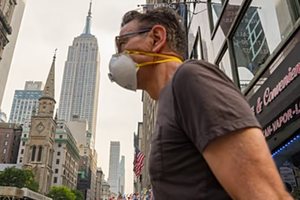
"Climate change, bushfires and air pollution are a vicious...
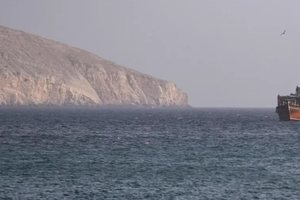
Saudi Arabia launched airstrikes on Houthi rebel targets i...
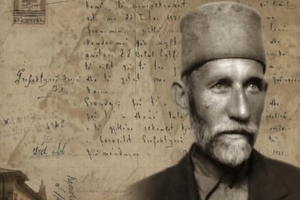
In my research at the Central State Archives, specifically...

At a time when industrial products are increasingly taking...

Trust among people is not just a three-syllable word. It c...

Master of humor Todi Llupi has passed away at the age of 7...

This Saturday, one US dollar is bought for 81.7 lek and so...

War, weather and supply disruptions could send gas prices ...
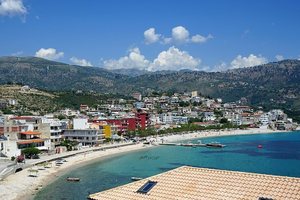
The number of active enterprises in Albania continued to g...
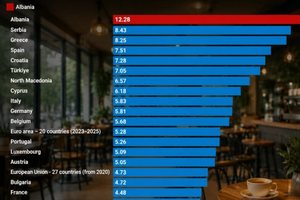
In Albania, the bar-cafe has long become an almost unique ...