


Businessman Artur Shehu breaks his silence: I am a long-time land owner in Zvërnec, I don't know the investors at all
Albanian businessman Artur Shehu spoke on the Opinion show...

Albanian businessman Artur Shehu spoke on the Opinion show...

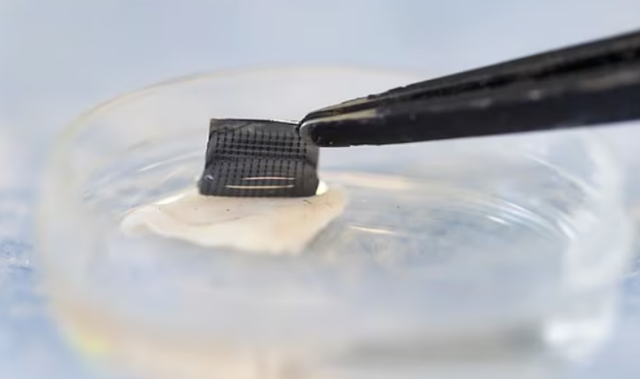
One day, you can place a small piece on your skin to find out if the spot you've spotted is cancerous or not.
This is the innovation of a technology being developed by researchers at the University of Michigan.
The small silicone patch is embedded with microneedles that test the lesion for the presence of biomarker compounds that can signal cancer.
The device, called ExoPatch, has already proven successful in distinguishing melanoma from healthy tissue in mice.
If successful, this could revolutionize skin cancer detection, said the study's co-lead author, Sunitha Nagrath, a professor of chemical engineering at the university.
The new patch tests what are known as exosomes, microscopic packages released by cells (including skin cells) that contain pieces of genetic material that may be linked to cancer.
Each ExoPatch contains a gel that attracts skin cell exosomes to the microneedles in the patch. After the patch is removed, it is placed in an acid that allows the exosomes to be released into a solution.
Similar to how at-home COVID tests work, a test strip dipped in the solution will reveal two lines if signs of melanoma are present, or just one line if they are not. No blood is required, the research team noted.
"Star-shaped needles make the piercing easier and less painful, but they are so small that they only go through the top layer of skin, the epidermis, and don't draw blood," Nagrath said.
The studies were conducted on mice — some that did not have cancer and some that were injected with a fragment of a human melanoma tumor.
The result: The Exopatch could effectively tell which mouse skin was cancerous versus non-cancerous, with a 3.5 times darker line forming upon contact with melanoma-laden samples.
"This is the first patch designed to capture disease-specific exomes from the fluid under the skin. The potential applications are vast," Nagrath said.
A pilot study in humans is planned, which will be followed by clinical trials. The results of research conducted in animals may differ in humans.
The research is funded by the US National Institutes of Health and the research team has applied for patent protection./ CNA


Doctors reveal a number of foods that they themselves avoi...

High blood sugar, often associated with diabetes and exces...

If you look at the label on a package of dried fruit, you ...

According to the Centers for Disease Control and Preventio...
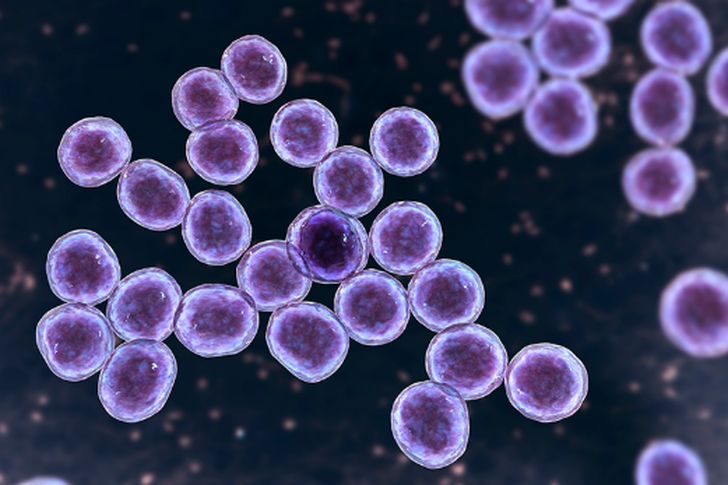
A new type of bacteria that can cause serious infections i...

Purple jellyfish have already been spotted on several beac...
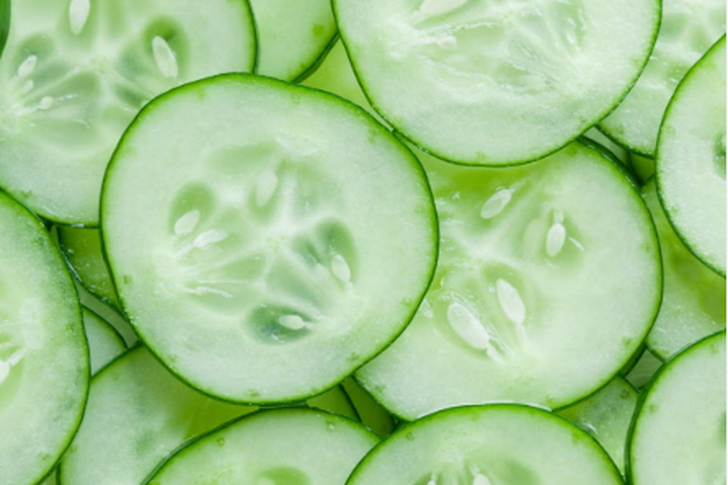
Kastraveci është një nga prodhimet e stinës së verës me sh...
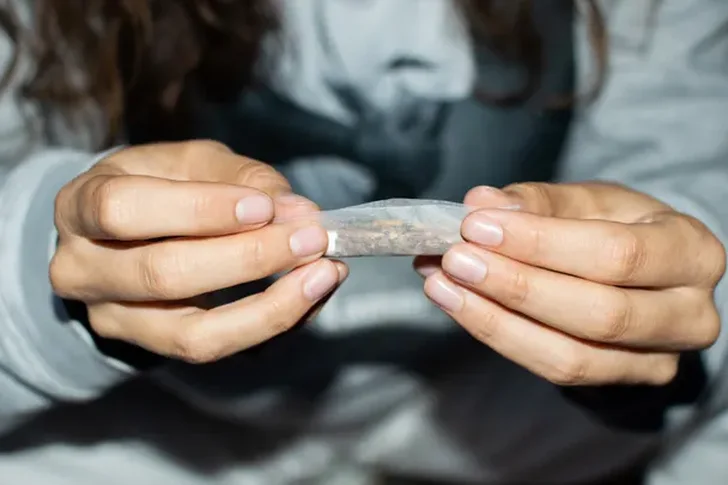
A recent French study said that cannabis use increases the...

Apples have a high nutritional value, which is why people ...
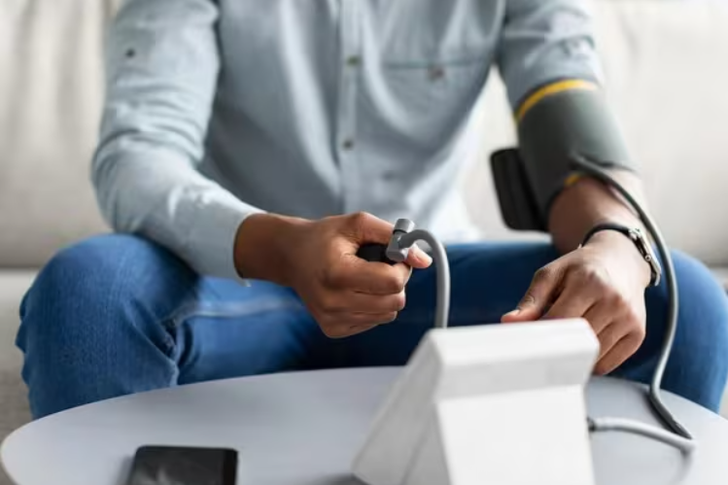
Doctors are routinely overlooking a common cause of high b...

You've made the decision: you're going to start working ou...
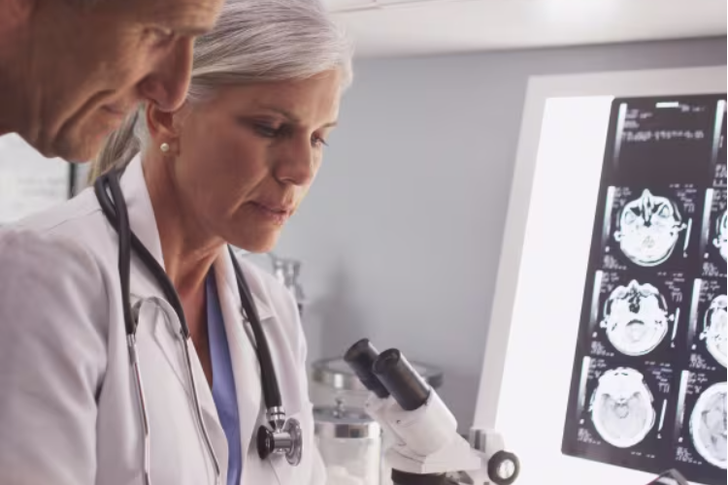
A team of researchers at Johns Hopkins Medicine may have d...
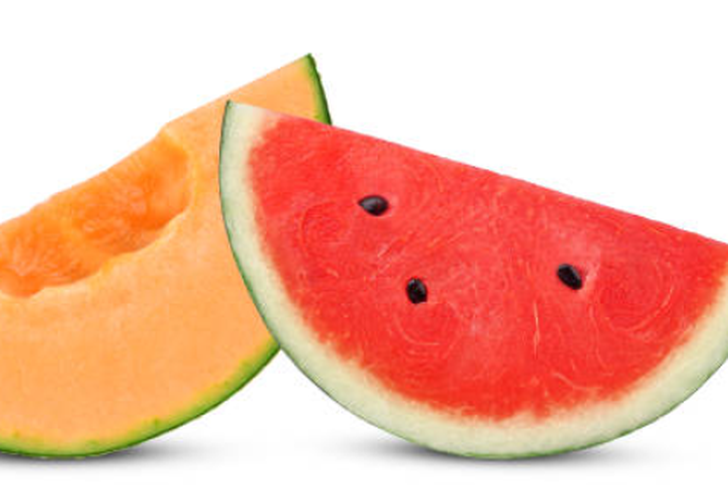
From the beginning to the end of summer, when we talk abou...

Garlic is not just a spice, but one of the most powerful n...
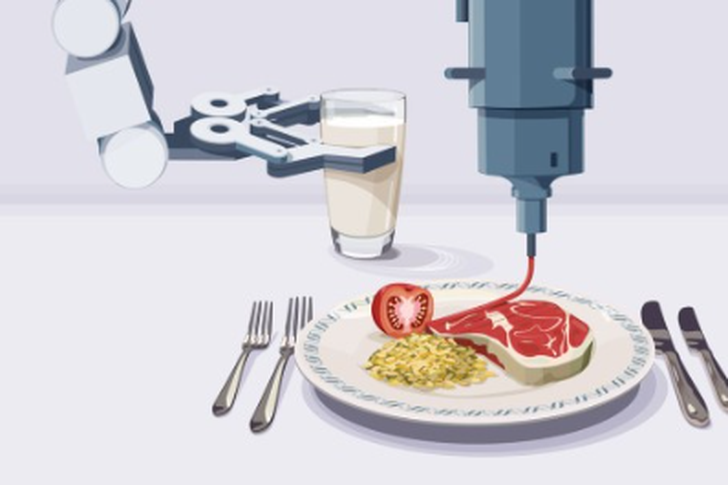
The food menu of the future will be an ecologically innova...

A major study from the University of Oxford has shown that...

Climate change is silently stealing nutrients from our foo...

A new study published in the journal Nature has added to t...

People who breathe more polluted air are at greater risk o...

If there's one thing that gets put off time and time again...

The next case broadcast on the show "Stop", this Thursday,...

The case published this Thursday, June 4, on the show "Sto...

The protests of recent days related to the situation in Zv...

The case addressed this Wednesday, June 3, on the show "St...

The Special Board of Appeal (KPA) decided this Monday ...

The KPA vetting decided this Thursday to dismiss the p...

Suela Salavaçi, a prosecutor in the Prosecutor's Offic...

The Special Board of Appeal reinstated the prosecutor ...

A convict was found dead today in the premises of the Pris...

Several images provided by CNA show the area where this mo...

A quantity of explosive material exploded this morning at ...

The Head of the State Police, Skënder Hita, expressed his ...

For many children and teenagers, the long summer holidays ...
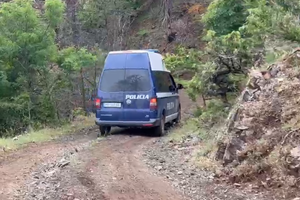
Witnesses in Lozhan, Maliqi, have shared details from the ...

Albania is facing an unprecedented demographic transition,...

On Thursday, our country will be affected by unstable weat...

Russian President Vladimir Putin said the war in Ukraine c...

An extraordinary story of survival has been recorded in Ne...

The Peace Implementation Council in Bosnia and Herzegovina...

John Bolton, the former national security adviser to US Pr...

Korça is ready to open the summer season with one of the c...

Two years after his passing, the renowned Korçë poet Skënd...

The Ethnographic Museum of Berat has opened its doors to v...
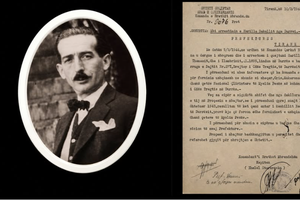
The story of Harilla Bakalli is one of the most chilling t...

The government aims to transform the country's industrial ...

Kursi i këmbimit të euros me lekun ka rënë më tej këtë jav...

Profit margins in the construction sector have increased s...

The Transparency Board, at its meeting today, decided to i...