


What business do Albin's boys have in the protests in Albania?
In the protests held in Tirana during these days, people f...

In the protests held in Tirana during these days, people f...

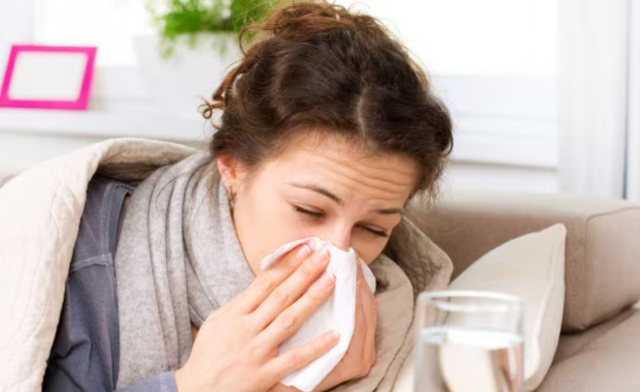
A new flu virus circulating this season is proving particularly resistant and experts say it appears to be more contagious than previous strains.
Known as subclade K, the virus is a descendant of the well-known H3N2 flu strain. Health experts say it is also better at evading immunity acquired from previous flu infections or vaccination.
The virus was first identified in the United Kingdom, where the current flu vaccine was only 30% to 40% effective in preventing emergency room visits in adults.
However, it was up to 70% effective in keeping children away from the emergency room.
The Centers for Disease Control and Prevention estimates there have been 4.6 million cases of the flu across the United States so far this season, with at least 1,900 deaths reported, including three children.
"This flu season is no joke. We are seeing more cases than we expected for this time of year," said Dr. Amanda Kravitz.
"There are cases all over the country and this is causing a very severe flu," Kravitz added. "The symptoms are intense and come on very quickly. It's extremely contagious and spreads rapidly through communities."
While experts stress that “the flu is still the flu,” this year’s symptoms appear to be more severe and are affecting younger people more intensely than usual. “It can make you quite sick,” said Dr. Thomas Russo, an infectious disease specialist.
Flu symptoms can range from mild to severe and, in some cases, can be life-threatening. According to the CDC, symptoms usually come on suddenly and may include fever or chills, although not everyone develops a fever. Other common symptoms include cough, sore throat, runny or stuffy nose, muscle or body aches, headache, and extreme fatigue. Some people may also experience vomiting or diarrhea, which are more common in children than in adults.
To help prevent the flu, experts continue to emphasize vaccination and basic precautions.
Dr. William Schaffner, an infectious disease specialist at Vanderbilt University School of Medicine, recommends getting the flu shot if you haven't already. "It takes about 10 days to two weeks to achieve maximum protection," he says. While the vaccine may not completely prevent infection, it can significantly reduce the risk of hospitalization.
Health experts also advise avoiding close contact with people who are coughing or sneezing and wearing a mask if someone in your household is sick. If you develop flu symptoms, it is important to get tested.
"We can prescribe antiviral medications like Tamiflu, which can shorten the duration of the illness and can keep you out of the hospital," says Schaffner.
Staying hydrated and keeping up with light exercise can also help. Dehydration increases the risk of complications, and light activity can make breathing easier.
The good news, Schaffner notes, is that this flu season may end earlier than usual. In the meantime, taking preventative measures can help protect you and your loved ones during the peak weeks of the illness./ CNA

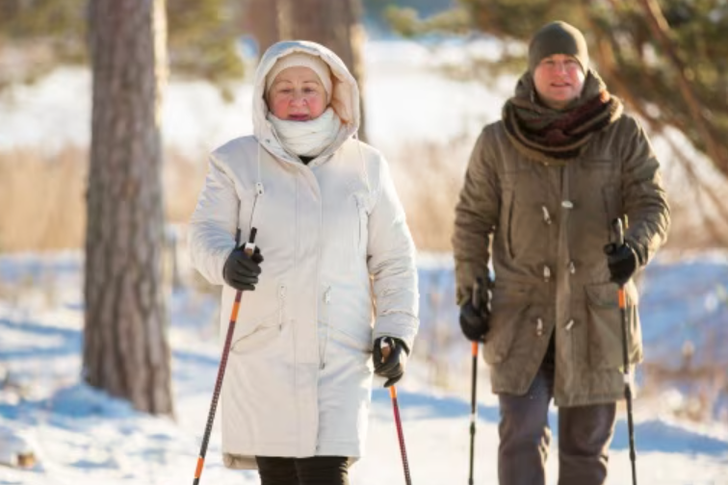
Most people know the basics of avoiding infection, such as...
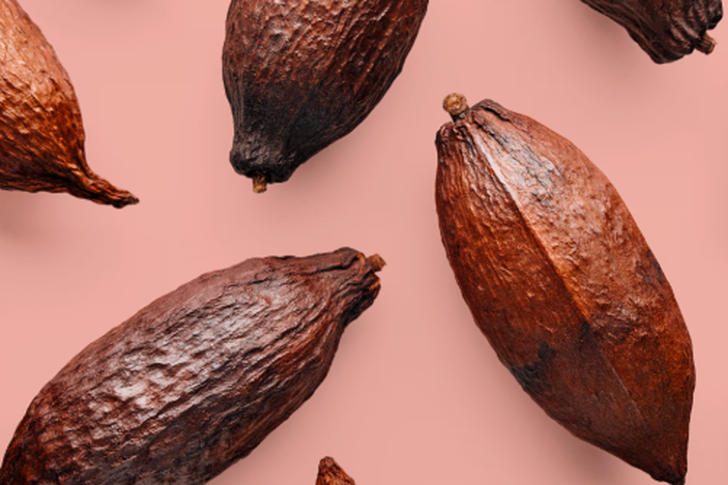
Chocolate is facing a "climate barometer" as extreme weath...

The biggest problem with the holiday season is that we ten...
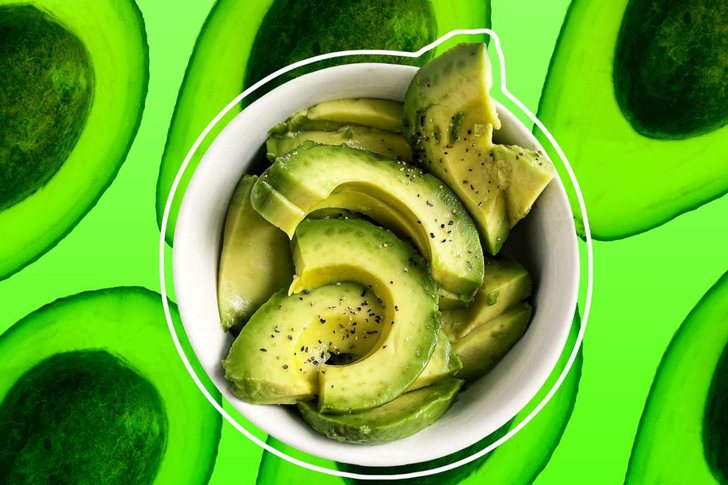
Food is our main source of energy and vitality. By adding ...

Swearing is generally frowned upon in society. But researc...

The holidays test our food resilience. However, by learnin...

With the official start of the holiday season, it's inevit...

As the holidays bring more travel and flying, choosing the...
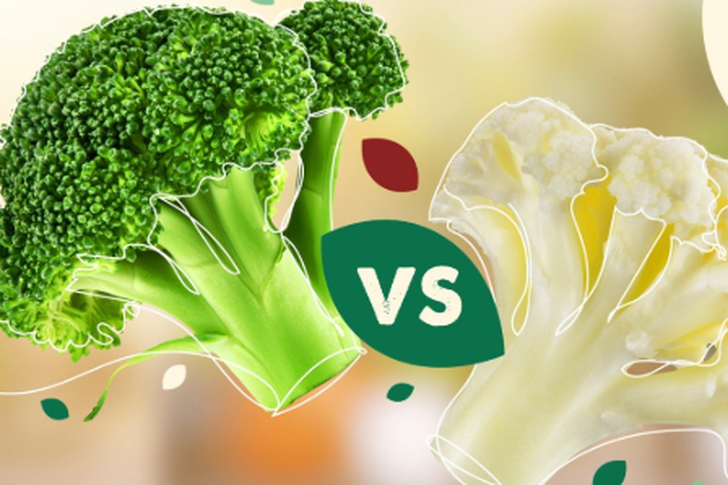
Broccoli and cauliflower are both cruciferous vegetables, ...
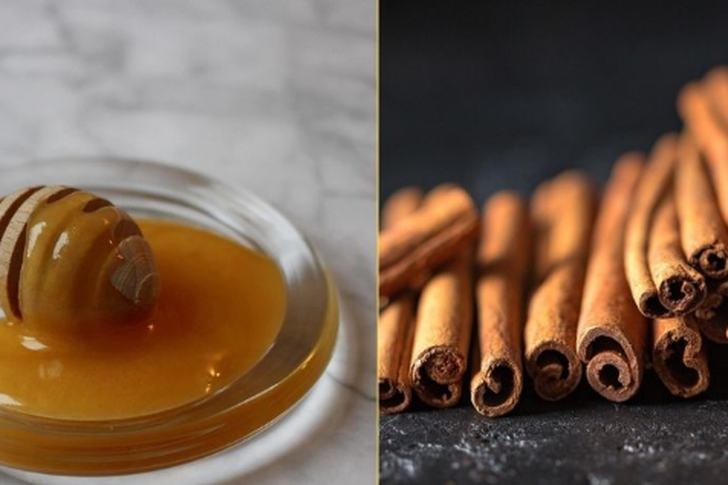
Honey and cinnamon are among the most commonly combined cu...

Cleansing the body through fluids is an effective way to r...

Researchers at King's College London have discovered that ...

Seniors who garden are less likely to suffer from knee pai...
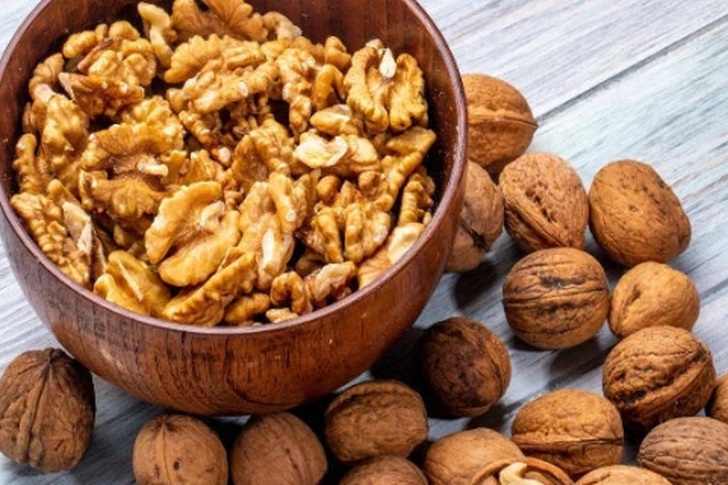
Nuts offer benefits like supporting heart health by loweri...

The tool scans digital images of the same cancer tissue sa...
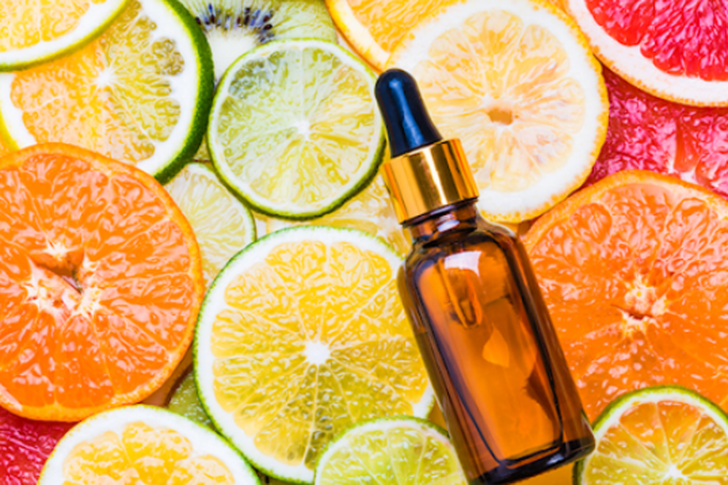
A new study conducted by researchers at the University of ...

Poliesteri është në thelb plastikë që vishet direkt në lëk...

Parkinson's disease is a progressive neurological disorder...
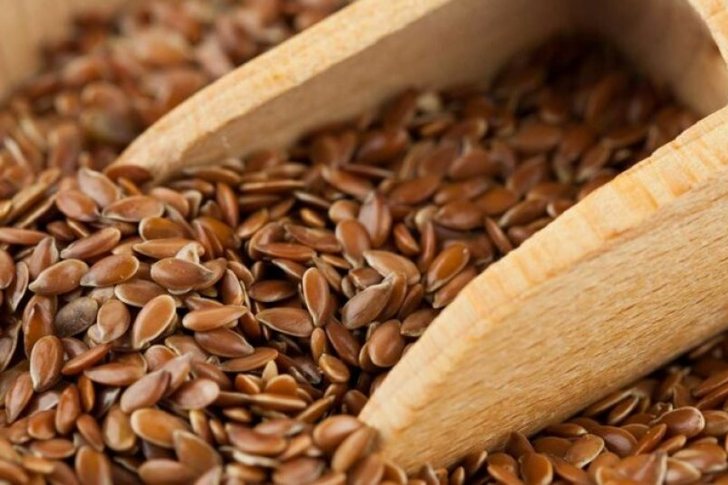
Flax seeds are increasingly being valued as one of the mos...

Theobromine, a chemical found in dark chocolate, may have ...

The protests of recent days related to the situation in Zv...

The case addressed this Wednesday, June 3, on the show "St...

The show "Stop" broadcast this Wednesday, June 3, the case...

Irfan Hysenbelliu claims to be a big businessman, an hones...

The Special Board of Appeal (KPA) decided this Monday ...

The KPA vetting decided this Thursday to dismiss the p...

Suela Salavaçi, a prosecutor in the Prosecutor's Offic...

The Special Board of Appeal reinstated the prosecutor ...

The Head of the State Police, Skënder Hita, expressed his ...

New details have emerged regarding the serious incident th...

A serious incident occurred this Thursday in Lozhan, Maliq...

Korça Police has shared detailed information regarding the...

Albania is facing an unprecedented demographic transition,...

On Thursday, our country will be affected by unstable weat...

An alarming figure of more than 166.4 thousand Albanians a...
The weather today will be mostly clear and temperatures wi...

Israel and Lebanon have agreed to renew their fragile ceas...

United States President Donald Trump announced in a post o...

Asambleja e Përgjithshme e Kombet e Bashkuara ka përfundua...

At least nine people have been killed in Israeli airstrike...

Korça is ready to open the summer season with one of the c...

Two years after his passing, the renowned Korçë poet Skënd...

The Ethnographic Museum of Berat has opened its doors to v...

The story of Harilla Bakalli is one of the most chilling t...

Today, in the foreign exchange market, one US dollar is bo...

The Minister of Finance, Petrit Malaj, announced today a n...

Guvernatori i Bankës së Shqipërisë, Gent Sejko, priti m...
Today, in the foreign exchange market, one US dollar is bo...