

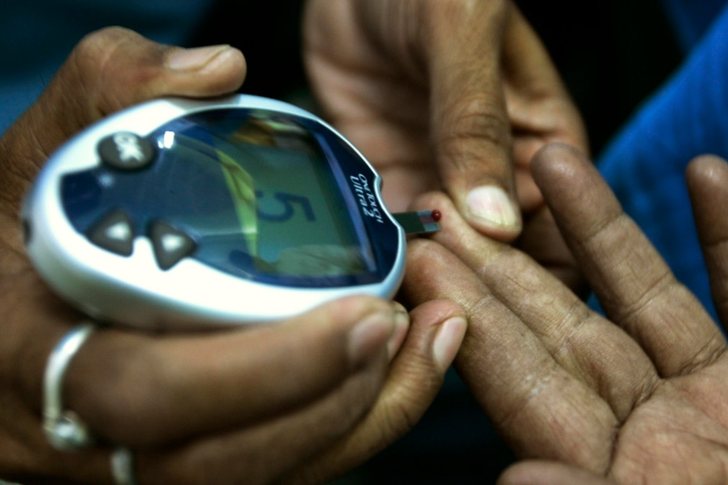
What are the links between moderate sugar levels and heart disease, researchers reveal
November 14 marked World Diabetes Day, and doctors warn th...



People who feel dizzy when they stand up from a sitting position, i.e. postural hypotension, may be at higher risk for a serious illness. See what the latest studies suggest.
The sudden dizziness some people feel when they suddenly stand up from a sitting position should be taken more seriously, a new study claims. Specifically, orthostatic hypotension, as the above condition is called, occurs when a person's blood pressure drops sharply and suddenly after moving to a standing position, according to a new study it may indicate an increased risk of dementia in the future.
The study, published in Neurology, the medical journal of the American Academy of Neurology, found the association with cognitive decline syndrome only in people who experienced a drop in systolic blood pressure, not in those who only had a drop in diastolic blood pressure.
Systolic pressure is the first number in the blood pressure measurement, and orthostatic systolic hypotension was defined as a drop of at least 15 mmHg after standing up from a sitting position.
The study included 2,131 people with an average age of 73 and no medical history of dementia. Blood pressure measurements were taken at the start of the study and after one, three and five years. In total, 15% of the elderly presented orthostatic hypotension, 9% orthostatic systolic hypotension and 6% orthostatic diastolic hypotension.
During the next 12 years, the health assessment of the participants showed that 462 people (22% of the total) developed dementia.
People with orthostatic systolic hypotension were almost 40% more likely to develop dementia.
The researchers took into account other factors that can increase the chances of dementia, such as diabetes, smoking and alcohol consumption, the chances of developing the disease increased by 37% in those who had orthostatic systolic hypotension.
A second important finding showed that greater changes in systolic blood pressure during repositioning over time equally increased the odds of dementia.
This is the conclusion that the researchers divided the participants according to blood pressure values ??at the time of the hypotensive event and their follow-up: 24% of people in the group with the largest fluctuations in systolic values ??later developed dementia, compared with 19% of people in the group with the smallest fluctuations. Adding third dementia risk factors increased the rate to 35% for the first group.
According to study leader Laure Rouch, Pharm.D., Ph.D., of the University of California, Los Angeles, measuring and controlling values ??during orthostatic hypotension may appear to act in a preventive and protective manner for cognitive function, however this is a simple observational study that did not distinguish between cases of dementia in vascular dementia or Alzheimer's disease./ CNA

November 14 marked World Diabetes Day, and doctors warn th...

Middle ear infections, sepsis, meningitis – if these d...
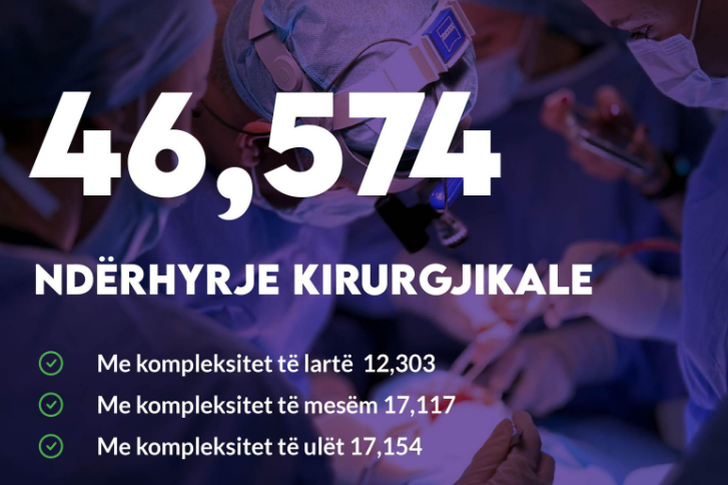
The Minister of Health and Social Protection, Albana Koçiu...

Joint health is threatened by osteoarthritis, and scientis...
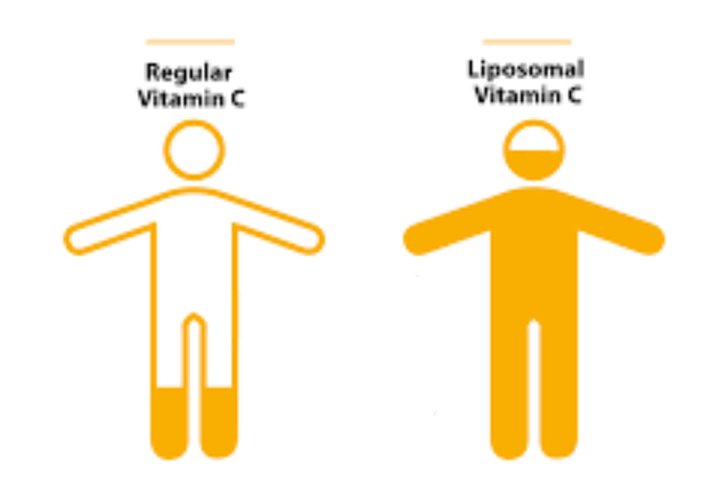
Many of the messages I receive in my inbox from patients a...
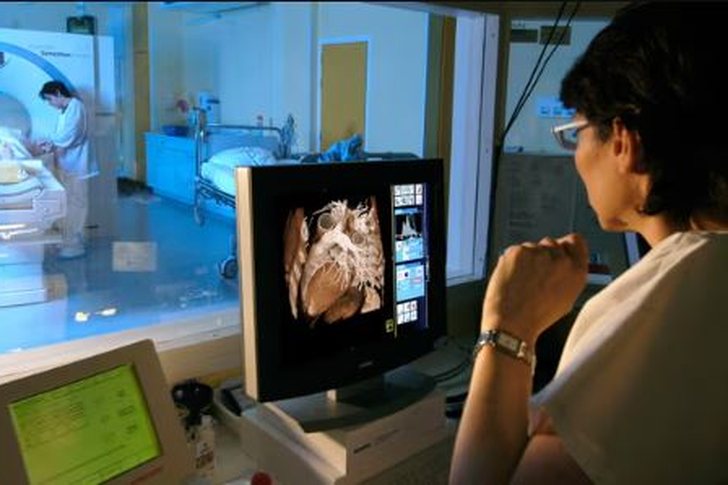
Artificial intelligence can be used to predict whether a p...

The classes of antidepressants vary and, depending on thei...

The endocrinologist, Dashamir Gjergji, has listed for ...

The first successful complete eye transplant in a living p...

mRNA technology has revolutionized medicine within a few y...
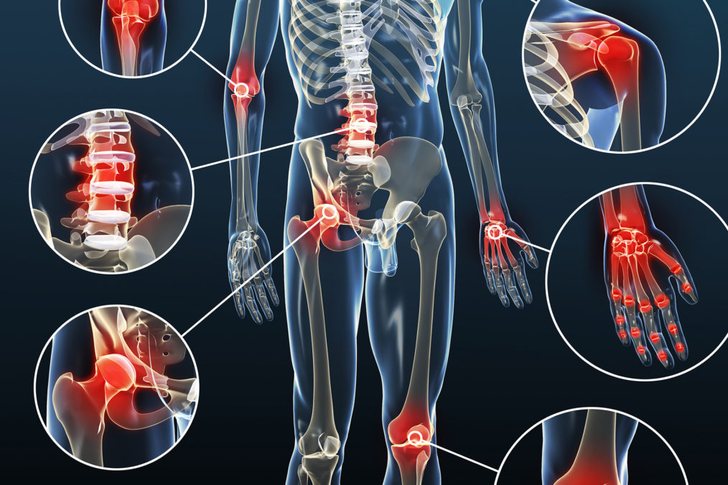
Osteoarthritis is a severe, painful rheumatic disease, the...

A new "more transmissible" strain of Covid has risen, expe...

The fats we consume play a vital role in maintaining skin ...
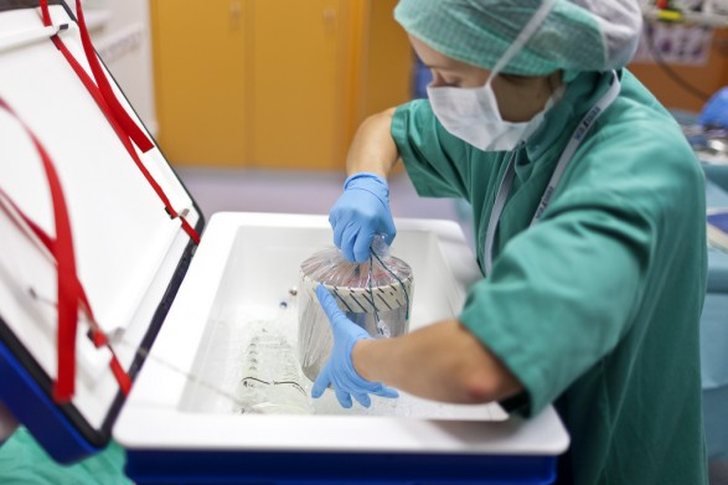
Organ donation and transplantation is a surgical process t...

It has now been scientifically proven that the brain a...

There are several possible reasons why your chest itch...
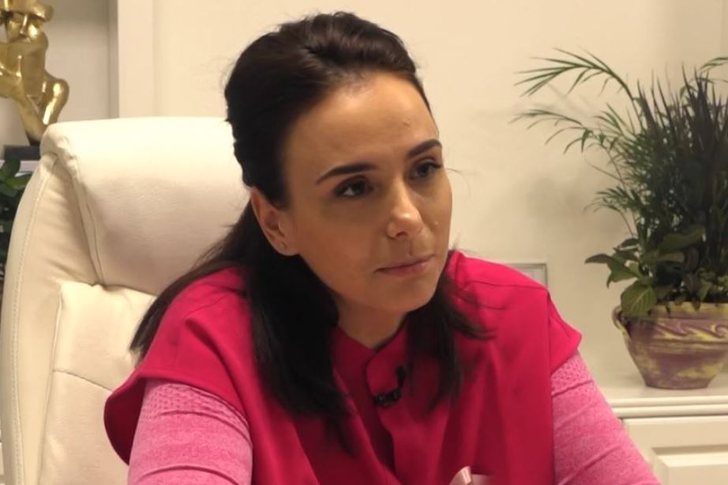
Breast cancer is one of the most widespread diseases a...

Today, as a result of lifestyle, nutrition, physical a...
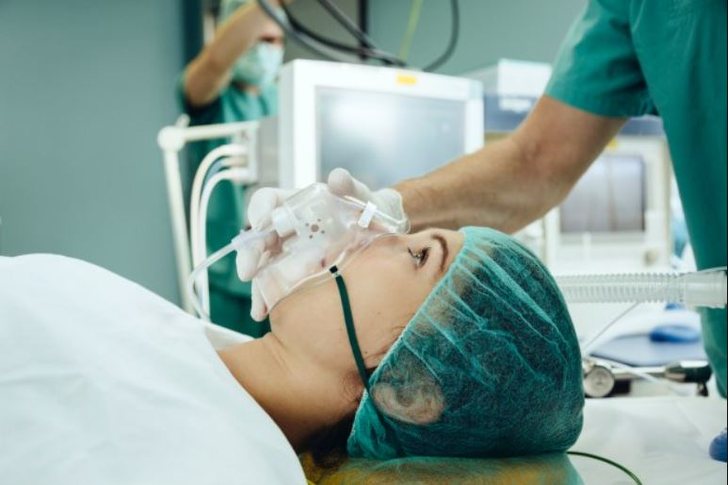
Some people end up doing some pretty weird things whil...
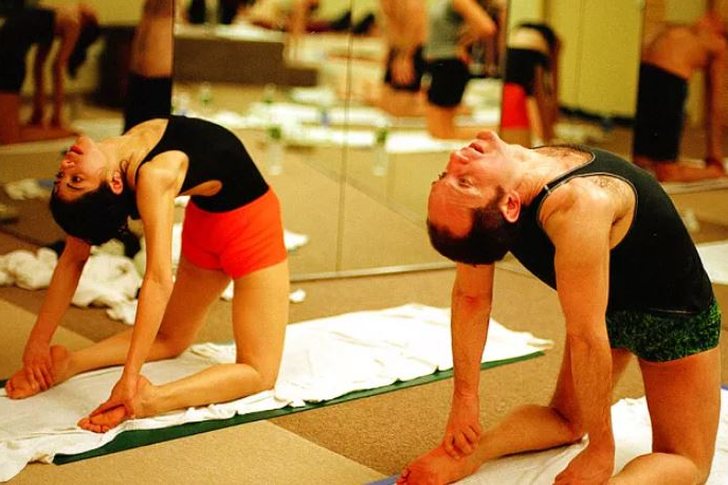
Just one "hot" yoga session a week, that is, taking place ...

Qytetarët që kalojnë pasditen pranë Liqenit Artificial në ...

On the morning of July 7, 2026, the Ministry of Culture ur...

After the disclosure of the portfolio of properties an...

For 6 months now, CNA has been sending several letters to ...

The Special Board of Appeal (KPA) decided this Monday ...

The KPA vetting decided this Thursday to dismiss the p...

Suela Salavaçi, a prosecutor in the Prosecutor's Offic...

The Special Board of Appeal reinstated the prosecutor ...

At around 07:10, the services of the Farka Police Station ...

On July 10 of this year, the Police Supervision Agency arr...

A scandalous and criminal case has been registered in Durr...

A 21-year-old man has been arrested by Shkodra Police afte...

Today, our country will remain under the influence of stab...
Today, our country will remain under the influence of stab...

The latest report compiled by the European Transport Safet...

The Albanian woman is on average 2 years older than the Al...

In the Chamber of Deputies (Camera dei Deputati) in Rome, ...

US Secretary of State Marco Rubio has significantly escala...

The United States has launched a new wave of attacks on Ir...

The leader of the Democratic League of Kosovo, Lumir Abdix...

Master of humor Todi Llupi has passed away at the age of 7...

The ninth edition of "MIK Festival" kicked off with one of...

A historic evening for Albanian culture was marked in the ...

When I turned 10, another building was built in front of o...

Around 97,100 people are employed in regulated professions...
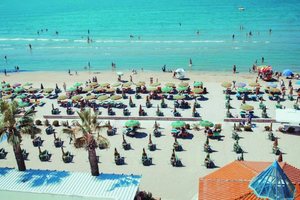
Albania continues to be the main destination for vacatione...

This Thursday, one US dollar is bought for 81.1 lek an...

Beekeeping has expanded significantly in recent years, bec...