

Osteoarthritis, rheumatic disease symptoms and treatment
Osteoarthritis is a severe, painful rheumatic disease, the...


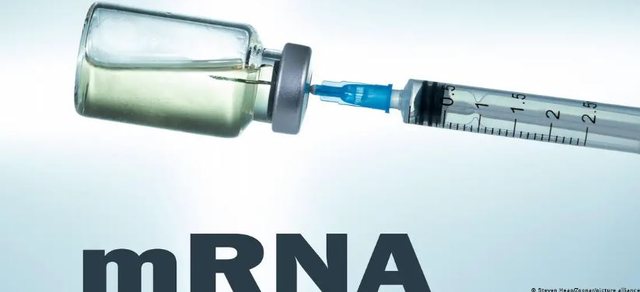
mRNA technology has revolutionized medicine within a few years. During the corona pandemic, thanks to this technology, highly effective vaccines against the SARS-CoV2 pathogen were developed within a few months. Even if the virus develops further aggressive mutations, personalized vaccines can be developed again in a short time thanks to mRNA technology. But the technology that recently won the Nobel Prize in Medicine can do much more.
Will there be a cancer vaccine soon?
mRNA technology has given an entirely new impetus to anti-cancer research as well. The CEO of biotech company Curevac, Alexander Zehnder, wants to bring an mRNA-based cancer vaccine to market within five years at the latest.
If a vaccine was created against certain types of cancer, humanity's dream would come true. "Cancer vaccine research has been going on for 20 years. But the current progress is huge," says Zehnder. "We have gained a lot of experience during the pandemic, while artificial intelligence is now so good that it solves many problems in mRNA programming," explains the head of Curavac in an interview with Bild am Sonntag.
Cancer vaccinations stimulate the immune system so that the body's defense system specifically fights tumor cells. "The deadly thing about cancer is that it continues to grow. Cancer vaccination is supposed to stop the growth, even if the cancer has already metastasized. Cancer would then become a chronic disease that you can live with for decades. it will not be a death sentence", predicts Zehnder.
Race for the vaccine
In addition to Curevac, other companies are also intensively researching the discovery of a cancer vaccine. In early October 2023, the biotechnology company BioNTech published its very promising results so far from an ongoing clinical study. In this clinical study, the BioNTech mRNA cancer vaccine CARVac is already being tested for its effectiveness with test subjects.
The director of BioNTech, ?ahin, announced with optimism that, according to him, there will be vaccines against cancer in the coming years. "We believe that this will be possible on a larger scale for patients before 2030," said Ugur ?ahin in an interview with "Spiegel".
In the long term, cancer vaccines are intended to replace current conventional therapies. This would be a tremendous boon for patients because previous radiation or chemotherapy treatments are often extremely stressful and difficult for cancer patients.
"Chemotherapy or radiation therapy never just fights the tumor, but also the healthy tissue. That's why there are so many side effects," says Zehnder. "The advantage of using mRNA is that the immune system itself is stimulated and specifically fights only cancer and nothing else." How do cancer vaccines work?
T cells help the body fight infections by destroying diseased cells or stimulating other cells to attack them. But T cells have difficulty recognizing cancer cells. However, CAR T cells can do this.
CAR T-cell therapy has been allowed in Europe since 2018 and has so far been mainly used to treat leukemia, i.e. blood cancer. This highly effective form of immunotherapy is still unaffordable, because according to the German Cancer Research Center, manufacturers require up to 320,000 euros to produce immune cells for one patient.
In this cancer immunotherapy, the so-called T cells are filtered from the leukocytes, i.e. the white blood cells of the patient. T cells have been genetically modified to form chimeric antigen receptors (CARs) on their surface. This creates a receptor whose various components do not actually fit together.
Vaccines make tumor cells visible
If the CAR-T cells produced in this way are re-injected into the patient, they attach specifically to the cancer cell. The immune system is activated and attacks the tumor cells. Future vaccines may support this process if the CAR-T cells cannot find the tumor cell or are too weak to fight it effectively.
The protein Claudin-6, which is found almost exclusively in cancer, helps with this. Using mRNA technology, the genetic information of Claudin-6 is introduced into the tumor cell. This creates an antigen that attaches to the surface of the tumor cell. And this makes it easier for CAR-T cells to identify and find tumor cells.
So far, modified T cells only fight blood cancers. However, the rapid progress in mRNA technology gives hope that, in addition to leukemia, effective and easier therapies for other types of cancer will become possible in the future. Promising approaches include vaccines against skin cancer (melanoma), lung cancer, breast cancer and pancreatic cancer./ DW

Osteoarthritis is a severe, painful rheumatic disease, the...
A new "more transmissible" strain of Covid has risen, expe...

The fats we consume play a vital role in maintaining skin ...
Organ donation and transplantation is a surgical process t...

It has now been scientifically proven that the brain a...

There are several possible reasons why your chest itch...
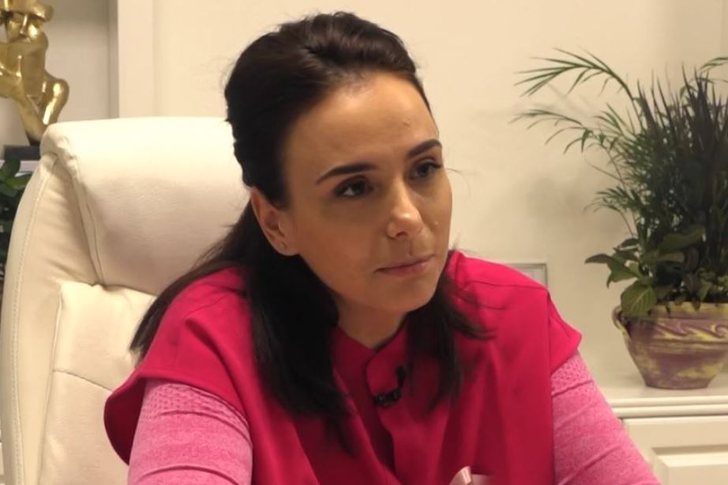
Breast cancer is one of the most widespread diseases a...

Today, as a result of lifestyle, nutrition, physical a...
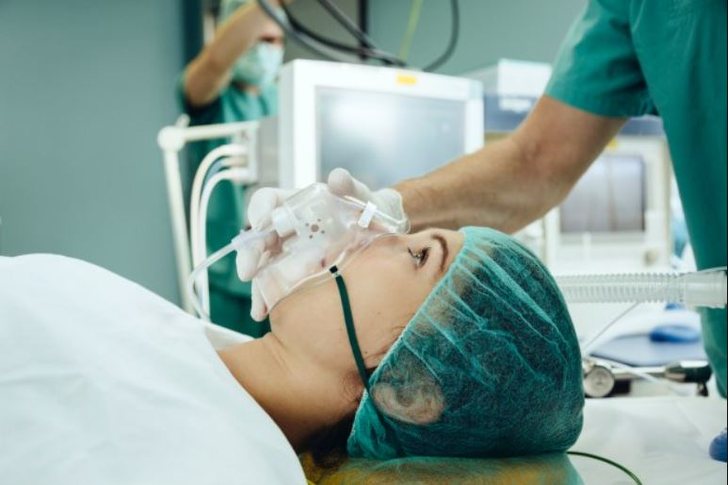
Some people end up doing some pretty weird things whil...
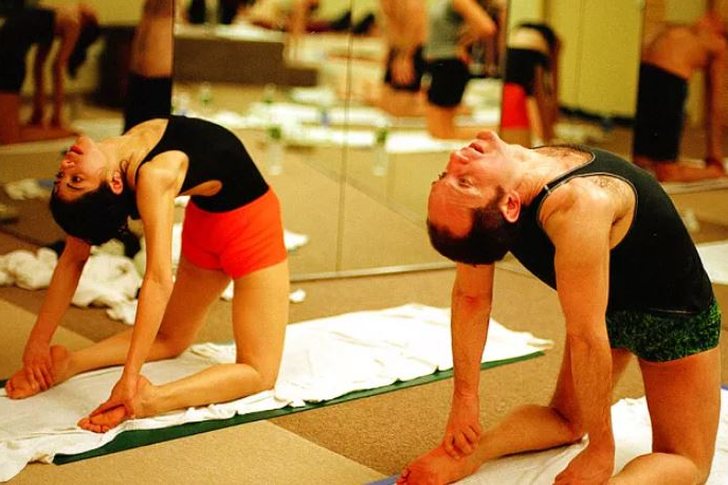
Just one "hot" yoga session a week, that is, taking place ...

Loneliness increases the risk of heart attack, cerebral he...

If you are not losing weight even though you are doing wha...
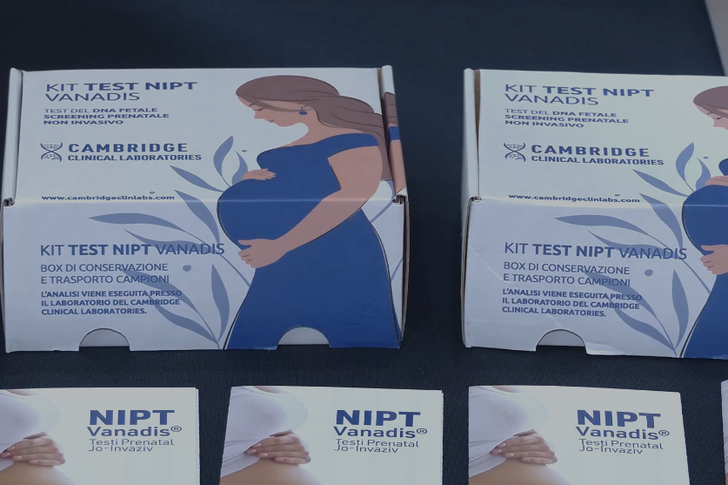
The first Nipt test to be carried out in Albania is alread...

Its scientific name is bee or medicine, by the people ...

Salmon This fatty fish is rich in omega-3 fatty acids and...

We all agree that oxygen is the most essential element...

Particulate matter (PM) is not a single pollutant, but...
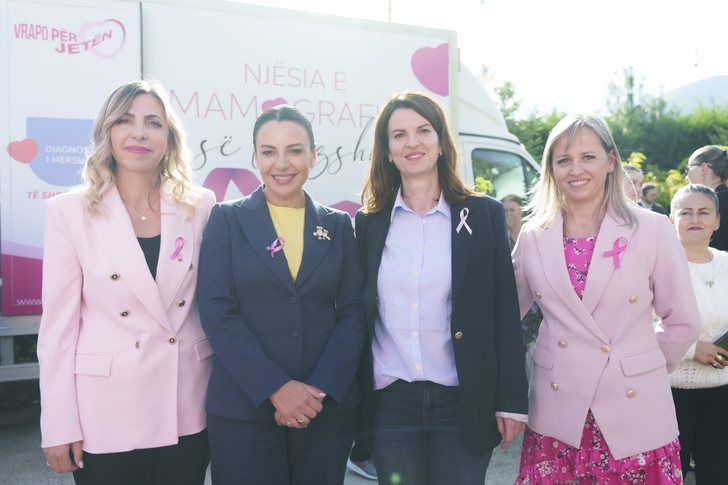
In the framework of Pink October, the month of awareness o...
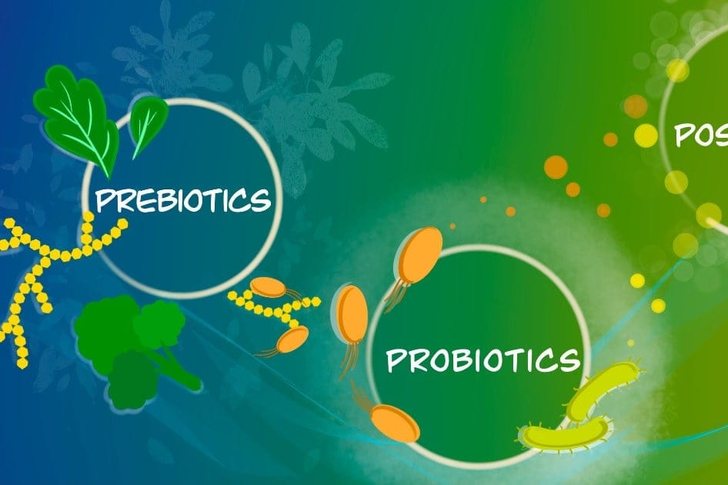
Prebiotics, probiotics, and postbiotics all support your b...
According to the most recent data available from the W...

There have been 12 days of protests in the capital, which ...
Dritan Prençi is the SPAK prosecutor who is sleeping on th...

The in-depth investigations that SPAK conducted into Ajola...
SPAK's standards, the way it investigates, how it secures ...

The Special Board of Appeal (KPA) decided this Monday ...

The KPA vetting decided this Thursday to dismiss the p...

Suela Salavaçi, a prosecutor in the Prosecutor's Offic...

The Special Board of Appeal reinstated the prosecutor ...

New details have emerged regarding the serious accident th...

An Albanian businessman was arrested this afternoon in Gre...
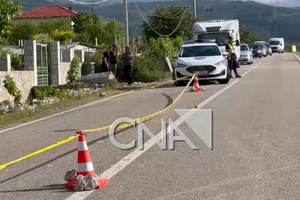
A serious accident has occurred on the Korça-Ersekë axis, ...
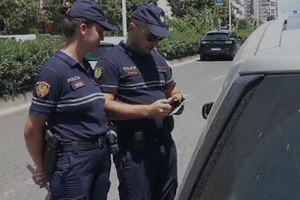
Fier Police has announced the measures taken this week for...
A tragic accident occurred this Friday afternoon in Kameni...

Today our country will be affected by unstable weather con...

On Thursday, our country will be affected by relatively un...

Albania is facing a deep demographic crisis where official...

Umbrellas have been banned on a beach in Sardinia for anyo...

This June 12th marks the 27th anniversary of the liberatio...

The global economy is expected to face its biggest slowdow...

German Chancellor Friedrich Merz (CDU) defended his govern...

Several archaeological excavations conducted during this s...

At the Museum of Fine Arts in Chambéry, France, an exhibit...

Korça has transformed this weekend into the capital of cel...

Korça is ready to open the summer season with one of the c...
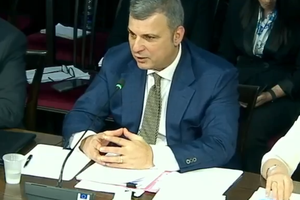
The Governor of the Bank of Albania, Gent Sejko, shared to...

Business lending has increased in the first half of this y...

The labor market has shown worrying trends in early 2026. ...

The number of new retirees in the social security scheme i...